

Poemas neste tema
Natureza e Elementos
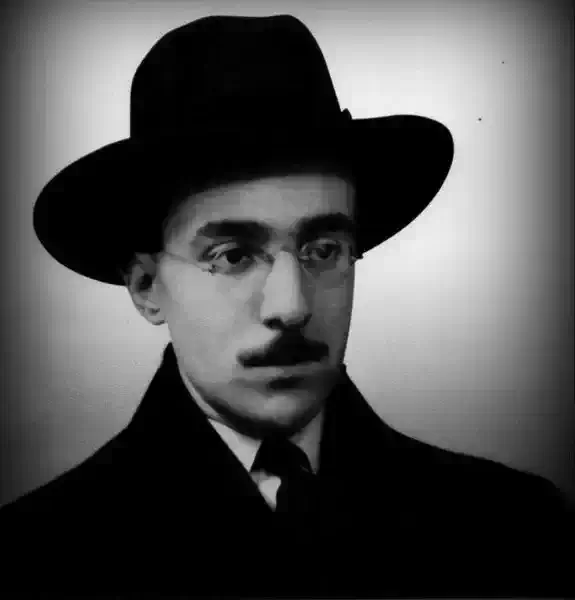
Fernando Pessoa
No meu verso canto comboios
No meu verso canto comboios, canto automóveis, canto vapores,
Mas no meu verso, por mais que o ice, ha só ritmos e ideias,
Não há ferro, aço, rodas, não há madeiras, nem cordas,
Não há a realidade da pedra mais nula da rua,
Da pedra que por acaso ninguém olha ao pisar
Mas que pode ser olhada, pegada na mão, pisada,
E os meus versos são como ideias que podem não ser compreendidas.
O que eu quero não é cantar o ferro: é o ferro.
O que eu penso é dar só a vida do aço — e não o aço —
O que me enfurece em todas as emoções da inteligência
É não trocar o meu ritmo que imita a água cantante
Pelo frescor real da água tocando-me nas mãos,
Pelo som visível do rio onde posso entrar e molhar-me,
Que pode deixar o meu fato a escorrer,
Onde me posso afogar, se quiser,
Que tem a divindade natural de estar ali sem literatura.
Merda! Mil vezes merda para tudo o que eu não posso fazer.
Que tudo, Walt — [...] ? — que é tudo, tudo, tudo?
Todos os raios partam a falta que nos faz não ser Deus
Para ter poemas escritos a Universo e a Realidades por nossa carne
E ter ideias-coisas e o pensamento Infinito!
Para ter estrelas reais dentro do meu pensamento-ser
Nomes-números nos confins da minha emoção-a-Terra.
Mas no meu verso, por mais que o ice, ha só ritmos e ideias,
Não há ferro, aço, rodas, não há madeiras, nem cordas,
Não há a realidade da pedra mais nula da rua,
Da pedra que por acaso ninguém olha ao pisar
Mas que pode ser olhada, pegada na mão, pisada,
E os meus versos são como ideias que podem não ser compreendidas.
O que eu quero não é cantar o ferro: é o ferro.
O que eu penso é dar só a vida do aço — e não o aço —
O que me enfurece em todas as emoções da inteligência
É não trocar o meu ritmo que imita a água cantante
Pelo frescor real da água tocando-me nas mãos,
Pelo som visível do rio onde posso entrar e molhar-me,
Que pode deixar o meu fato a escorrer,
Onde me posso afogar, se quiser,
Que tem a divindade natural de estar ali sem literatura.
Merda! Mil vezes merda para tudo o que eu não posso fazer.
Que tudo, Walt — [...] ? — que é tudo, tudo, tudo?
Todos os raios partam a falta que nos faz não ser Deus
Para ter poemas escritos a Universo e a Realidades por nossa carne
E ter ideias-coisas e o pensamento Infinito!
Para ter estrelas reais dentro do meu pensamento-ser
Nomes-números nos confins da minha emoção-a-Terra.
1 120
Fernando Pessoa
V - Lá fora vai um redemoinho de sol
V
Lá fora vai um redemoinho de sol os cavalos do carroussel...
Árvores, pedras, montes, bailam parados dentro de mim...
Noite absoluta na feira iluminada, luar no dia de sol lá fora,
E as luzes todas da feira fazem ruído dos muros do quintal...
Ranchos de raparigas de bilha à cabeça
Que passam lá fora, cheias de estar sob o sol,
Cruzam-se com grandes grupos peganhentos de gente que anda na feira,
Gente toda misturada com as luzes das barracas com a noite e com o luar,
E os dois grupos encontram-se e penetram-se
Até formarem só um que é os dois...
A feira e as luzes da feira e a gente que anda na feira,
E a noite que pega na feira e a levanta ao ar,
Andam por cima das copas das árvores cheias de sol,
Andam visivelmente por baixo dos penedos que luzem ao sol,
Aparecem do outro lado das bilhas que as raparigas levam à cabeça,
E toda esta paisagem de Primavera é a lua sobre a feira,
E toda a feira com ruídos e luzes é o chão deste dia de sol...
De repente alguém sacode esta hora dupla como numa peneira
E, misturado, o pó das duas realidades cai
Sobre as minhas mãos cheias de desenhos de portos
Com grandes naus que se vão e não pensam em voltar...
Pó de oiro branco e negro sobre os meus dedos...
As minhas mãos são os passos daquela rapariga que abandona a feira,
Sozinha e contente como o dia de hoje...
Lá fora vai um redemoinho de sol os cavalos do carroussel...
Árvores, pedras, montes, bailam parados dentro de mim...
Noite absoluta na feira iluminada, luar no dia de sol lá fora,
E as luzes todas da feira fazem ruído dos muros do quintal...
Ranchos de raparigas de bilha à cabeça
Que passam lá fora, cheias de estar sob o sol,
Cruzam-se com grandes grupos peganhentos de gente que anda na feira,
Gente toda misturada com as luzes das barracas com a noite e com o luar,
E os dois grupos encontram-se e penetram-se
Até formarem só um que é os dois...
A feira e as luzes da feira e a gente que anda na feira,
E a noite que pega na feira e a levanta ao ar,
Andam por cima das copas das árvores cheias de sol,
Andam visivelmente por baixo dos penedos que luzem ao sol,
Aparecem do outro lado das bilhas que as raparigas levam à cabeça,
E toda esta paisagem de Primavera é a lua sobre a feira,
E toda a feira com ruídos e luzes é o chão deste dia de sol...
De repente alguém sacode esta hora dupla como numa peneira
E, misturado, o pó das duas realidades cai
Sobre as minhas mãos cheias de desenhos de portos
Com grandes naus que se vão e não pensam em voltar...
Pó de oiro branco e negro sobre os meus dedos...
As minhas mãos são os passos daquela rapariga que abandona a feira,
Sozinha e contente como o dia de hoje...
1 374
Fernando Pessoa
V - Lá fora vai um redemoinho de sol
V
Lá fora vai um redemoinho de sol os cavalos do carroussel...
Árvores, pedras, montes, bailam parados dentro de mim...
Noite absoluta na feira iluminada, luar no dia de sol lá fora,
E as luzes todas da feira fazem ruído dos muros do quintal...
Ranchos de raparigas de bilha à cabeça
Que passam lá fora, cheias de estar sob o sol,
Cruzam-se com grandes grupos peganhentos de gente que anda na feira,
Gente toda misturada com as luzes das barracas com a noite e com o luar,
E os dois grupos encontram-se e penetram-se
Até formarem só um que é os dois...
A feira e as luzes da feira e a gente que anda na feira,
E a noite que pega na feira e a levanta ao ar,
Andam por cima das copas das árvores cheias de sol,
Andam visivelmente por baixo dos penedos que luzem ao sol,
Aparecem do outro lado das bilhas que as raparigas levam à cabeça,
E toda esta paisagem de Primavera é a lua sobre a feira,
E toda a feira com ruídos e luzes é o chão deste dia de sol...
De repente alguém sacode esta hora dupla como numa peneira
E, misturado, o pó das duas realidades cai
Sobre as minhas mãos cheias de desenhos de portos
Com grandes naus que se vão e não pensam em voltar...
Pó de oiro branco e negro sobre os meus dedos...
As minhas mãos são os passos daquela rapariga que abandona a feira,
Sozinha e contente como o dia de hoje...
Lá fora vai um redemoinho de sol os cavalos do carroussel...
Árvores, pedras, montes, bailam parados dentro de mim...
Noite absoluta na feira iluminada, luar no dia de sol lá fora,
E as luzes todas da feira fazem ruído dos muros do quintal...
Ranchos de raparigas de bilha à cabeça
Que passam lá fora, cheias de estar sob o sol,
Cruzam-se com grandes grupos peganhentos de gente que anda na feira,
Gente toda misturada com as luzes das barracas com a noite e com o luar,
E os dois grupos encontram-se e penetram-se
Até formarem só um que é os dois...
A feira e as luzes da feira e a gente que anda na feira,
E a noite que pega na feira e a levanta ao ar,
Andam por cima das copas das árvores cheias de sol,
Andam visivelmente por baixo dos penedos que luzem ao sol,
Aparecem do outro lado das bilhas que as raparigas levam à cabeça,
E toda esta paisagem de Primavera é a lua sobre a feira,
E toda a feira com ruídos e luzes é o chão deste dia de sol...
De repente alguém sacode esta hora dupla como numa peneira
E, misturado, o pó das duas realidades cai
Sobre as minhas mãos cheias de desenhos de portos
Com grandes naus que se vão e não pensam em voltar...
Pó de oiro branco e negro sobre os meus dedos...
As minhas mãos são os passos daquela rapariga que abandona a feira,
Sozinha e contente como o dia de hoje...
1 374
Fernando Pessoa
Chove fogo — ouro de barulho estruge...
Chove fogo — ouro de barulho estruge...
"Hela-hohô-ô (ô)...
Z — zz Sher Rr to go. Shabababulá...
[...]
ESPAÇO...
Tudo se apaga como uma grande lâmpada eléctrica que se funde...
Vem do fundo do mundo
Vem do horizonte mudo, confuso do mundo,
Sussurro surdo, escuro, murmúrio
De uma cavalgada que dura, que dura furiosa no ouvido,
Inúmera cavalgada vem...
Vêm do fundo do mundo confuso
Vêm do abismo do espaço nocturno...
À pressa, negros, rápidos, de repente surdem...
Súbito outra vez tremem...
Oscilam no ruído que tem rasto no escuro...
Inúmera cavalgada... Quem?
Vem apertada nos passos confusos
Vem apertada nos ruídos dispersos,
Vem aclamada nos ruídos mudos
Vem apertada nos ruídos confusos,
Vem apertada, vem apertada, vem apertada
Todo o horizonte está cheio por dentro de um grito absurdo
Helahôhô...
Helahôhô...
"Hela-hohô-ô (ô)...
Z — zz Sher Rr to go. Shabababulá...
[...]
ESPAÇO...
Tudo se apaga como uma grande lâmpada eléctrica que se funde...
Vem do fundo do mundo
Vem do horizonte mudo, confuso do mundo,
Sussurro surdo, escuro, murmúrio
De uma cavalgada que dura, que dura furiosa no ouvido,
Inúmera cavalgada vem...
Vêm do fundo do mundo confuso
Vêm do abismo do espaço nocturno...
À pressa, negros, rápidos, de repente surdem...
Súbito outra vez tremem...
Oscilam no ruído que tem rasto no escuro...
Inúmera cavalgada... Quem?
Vem apertada nos passos confusos
Vem apertada nos ruídos dispersos,
Vem aclamada nos ruídos mudos
Vem apertada nos ruídos confusos,
Vem apertada, vem apertada, vem apertada
Todo o horizonte está cheio por dentro de um grito absurdo
Helahôhô...
Helahôhô...
861
Fernando Pessoa
Chove fogo — ouro de barulho estruge...
Chove fogo — ouro de barulho estruge...
"Hela-hohô-ô (ô)...
Z — zz Sher Rr to go. Shabababulá...
[...]
ESPAÇO...
Tudo se apaga como uma grande lâmpada eléctrica que se funde...
Vem do fundo do mundo
Vem do horizonte mudo, confuso do mundo,
Sussurro surdo, escuro, murmúrio
De uma cavalgada que dura, que dura furiosa no ouvido,
Inúmera cavalgada vem...
Vêm do fundo do mundo confuso
Vêm do abismo do espaço nocturno...
À pressa, negros, rápidos, de repente surdem...
Súbito outra vez tremem...
Oscilam no ruído que tem rasto no escuro...
Inúmera cavalgada... Quem?
Vem apertada nos passos confusos
Vem apertada nos ruídos dispersos,
Vem aclamada nos ruídos mudos
Vem apertada nos ruídos confusos,
Vem apertada, vem apertada, vem apertada
Todo o horizonte está cheio por dentro de um grito absurdo
Helahôhô...
Helahôhô...
"Hela-hohô-ô (ô)...
Z — zz Sher Rr to go. Shabababulá...
[...]
ESPAÇO...
Tudo se apaga como uma grande lâmpada eléctrica que se funde...
Vem do fundo do mundo
Vem do horizonte mudo, confuso do mundo,
Sussurro surdo, escuro, murmúrio
De uma cavalgada que dura, que dura furiosa no ouvido,
Inúmera cavalgada vem...
Vêm do fundo do mundo confuso
Vêm do abismo do espaço nocturno...
À pressa, negros, rápidos, de repente surdem...
Súbito outra vez tremem...
Oscilam no ruído que tem rasto no escuro...
Inúmera cavalgada... Quem?
Vem apertada nos passos confusos
Vem apertada nos ruídos dispersos,
Vem aclamada nos ruídos mudos
Vem apertada nos ruídos confusos,
Vem apertada, vem apertada, vem apertada
Todo o horizonte está cheio por dentro de um grito absurdo
Helahôhô...
Helahôhô...
861
Fernando Pessoa
IV - Que pandeiretas o silêncio deste quarto!...
IV
Que pandeiretas o silêncio deste quarto!...
As paredes estão na Andaluzia...
Há danças sensuais no brilho fixo da luz...
De repente todo o espaço pára....
Pára, escorrega, desembrulha-se...,
E num canto do tecto, muito mais longe do que ele está,
Abrem mãos brancas janelas secretas
E há ramos de violetas caindo
De haver uma noite de Primavera lá fora
Sobre o eu estar de olhos fechados...
Que pandeiretas o silêncio deste quarto!...
As paredes estão na Andaluzia...
Há danças sensuais no brilho fixo da luz...
De repente todo o espaço pára....
Pára, escorrega, desembrulha-se...,
E num canto do tecto, muito mais longe do que ele está,
Abrem mãos brancas janelas secretas
E há ramos de violetas caindo
De haver uma noite de Primavera lá fora
Sobre o eu estar de olhos fechados...
1 469
Fernando Pessoa
ADEUS...
O navio vai partir, sufoco o pranto
Que na alma faz nascer cruel saudade;
Só me punge a lembrança que em breve há-de
Fugir ao meu olhar o teu encanto.
Não mais ao pé de ti, fruindo santo
Amor em sonho azul; nem a amizade
De amigos me dará felicidade
Igual à que gozei contigo tanto.
Dentro do peito frio meu coração
Ardendo está co'a força da paixão,
Qual mártir exilado em gelo russo...
Vai largando o navio p'ra largo giro:
Eu meu «adeus» lhe envio n'um suspiro,
Ela um adeus me envia n'um soluço.
Que na alma faz nascer cruel saudade;
Só me punge a lembrança que em breve há-de
Fugir ao meu olhar o teu encanto.
Não mais ao pé de ti, fruindo santo
Amor em sonho azul; nem a amizade
De amigos me dará felicidade
Igual à que gozei contigo tanto.
Dentro do peito frio meu coração
Ardendo está co'a força da paixão,
Qual mártir exilado em gelo russo...
Vai largando o navio p'ra largo giro:
Eu meu «adeus» lhe envio n'um suspiro,
Ela um adeus me envia n'um soluço.
2 707
Fernando Pessoa
II - PASSOU
II
PASSOU
Passou, fora de Quando,
De Porquê, e de Passando...,
Turbilhão de Ignorado,
Sem ter turbilhonado...,
Vasto por fora do Vasto
Sem ser, que a si se assombra...,
O universo é o seu rasto...
Deus é a sua sombra.
PASSOU
Passou, fora de Quando,
De Porquê, e de Passando...,
Turbilhão de Ignorado,
Sem ter turbilhonado...,
Vasto por fora do Vasto
Sem ser, que a si se assombra...,
O universo é o seu rasto...
Deus é a sua sombra.
1 441
Fernando Pessoa
FAUSTO: - Não descreio de Deus, passei p'ra além...
Não descreio de Deus, passei p'ra além...
Um dia, meditando
Uma ideia espontânea e horrorosa
Como um vulto supremo sem ter vulto,
Surgiu no fundo do meu pensamento...
Como a noite corporizada, e o medo
Vestindo-a, e (...)
Apareceu-me Deus em esqueleto...
Tudo despira do seu corpo ideal
Não de infinito só, de inatingível,
Mas mesmo de mais do que inatingível.
Até ao fundo do seu ser abstracto
O meu ser despi, e eu vi o (...)
Esqueleto (...) do Mistério...
O informe tomou forma dentro em mim...
Ah inda hoje, se relembro, sinto
Como um medo no longe, um pavor negro
Não em mim, mas em todo o Universo,
Um arrepio pelas estrelas fora
E um grande horror arrepanhando os céus
Como à humana pele que tem medo...
(treme)
— Isso é um pensamento...
FAUSTO:
Se eu pensei
Isto, se isto me foi possível
É crível que a verdade seja
Mais profunda que o meu pensamento.
Como pensei eu cousas mais profundas
Do que a verdade em si?
Apareceu-me o Universo íntimo
Do misterioso avesso... E eu vi, (...)
O outro lado das cousas, não das cousas
Aparentes apenas, mas o outro
Lado até do Essencial, do Inaparente,
Do além-divino e do Divino em Deus...
Tinha a forma, sensível aos meus olhos
Do espírito, dum imenso céu estrelado.
Mas eu, com nítida visão de dentro,
Via que era infinito, como se visse
Em corpo e forma (...) [...]
E sob o meu olhar apavorado
Vi o nosso sistema do universo
Mais perto... A ideia abstracta e nua,
A vida extrema e última de nós.
O Ser, o ser abstracto e (...)
Era um sol — sol de (...) e seguia
Como da circunferência para o centro
(Não como nós que vemos sempre — e em sonho
É o mesmo (do centro sempre p'ra o espaço,
Real ou suposto nessa circunferência) —
Eu vi, e cada sol e seu sistema
Ia em outros sóis e outros sistemas
Na órbita de sóis mais interiores
(O centro de cuja circunferência
Eu via em infinito para dentro,
Não para fora como infinito mesmo)
E o nosso mundo como um deus nele
Era um mero satélite
De um sol do só primeiro sistema
Raiando a ideia sobre o seu mundo.
Infinito interior ao interior!
Pavorosa agonia do Profundo!
Vacuidade e realidade negra
De tudo!
Um dia, meditando
Uma ideia espontânea e horrorosa
Como um vulto supremo sem ter vulto,
Surgiu no fundo do meu pensamento...
Como a noite corporizada, e o medo
Vestindo-a, e (...)
Apareceu-me Deus em esqueleto...
Tudo despira do seu corpo ideal
Não de infinito só, de inatingível,
Mas mesmo de mais do que inatingível.
Até ao fundo do seu ser abstracto
O meu ser despi, e eu vi o (...)
Esqueleto (...) do Mistério...
O informe tomou forma dentro em mim...
Ah inda hoje, se relembro, sinto
Como um medo no longe, um pavor negro
Não em mim, mas em todo o Universo,
Um arrepio pelas estrelas fora
E um grande horror arrepanhando os céus
Como à humana pele que tem medo...
(treme)
— Isso é um pensamento...
FAUSTO:
Se eu pensei
Isto, se isto me foi possível
É crível que a verdade seja
Mais profunda que o meu pensamento.
Como pensei eu cousas mais profundas
Do que a verdade em si?
Apareceu-me o Universo íntimo
Do misterioso avesso... E eu vi, (...)
O outro lado das cousas, não das cousas
Aparentes apenas, mas o outro
Lado até do Essencial, do Inaparente,
Do além-divino e do Divino em Deus...
Tinha a forma, sensível aos meus olhos
Do espírito, dum imenso céu estrelado.
Mas eu, com nítida visão de dentro,
Via que era infinito, como se visse
Em corpo e forma (...) [...]
E sob o meu olhar apavorado
Vi o nosso sistema do universo
Mais perto... A ideia abstracta e nua,
A vida extrema e última de nós.
O Ser, o ser abstracto e (...)
Era um sol — sol de (...) e seguia
Como da circunferência para o centro
(Não como nós que vemos sempre — e em sonho
É o mesmo (do centro sempre p'ra o espaço,
Real ou suposto nessa circunferência) —
Eu vi, e cada sol e seu sistema
Ia em outros sóis e outros sistemas
Na órbita de sóis mais interiores
(O centro de cuja circunferência
Eu via em infinito para dentro,
Não para fora como infinito mesmo)
E o nosso mundo como um deus nele
Era um mero satélite
De um sol do só primeiro sistema
Raiando a ideia sobre o seu mundo.
Infinito interior ao interior!
Pavorosa agonia do Profundo!
Vacuidade e realidade negra
De tudo!
1 313
Fernando Pessoa
Foi numa das minhas viagens...
Foi numa das minhas viagens...
Era mar-alto e luar.
Cessara o ruído da noite a bordo.
Um a um grupo a grupo, recolheram-se os passageiros,
A banda era só uma estante que ficara a um canto não sei porquê...
Só na sala de fumo em silêncio jogava xadrez...
A vida soava pela porta aberta para a casa das máquinas.
Só... E um era uma alma nua diante do Universo...
(Ó minha vila natal em Portugal tão longe!
Porque não morri eu criança quando só te conhecia a ti?)
Ah. quando nos fazemos ao mar
Quando largamos da terra, quando a vamos perdendo de vista,
Quando tudo se vai enchendo de vento puramente marítimo,
Quando a costa se torna uma linha sombria,
Nessa linha cada vez mais vaga no anoitecer (pairam luzes) —
Ah então que alegria de liberdade para quem se sente.
Cessa de haver razão para existir socialmente.
Não há já razões para amar, odiar, dever,
Não há já leis, não há mágoas que tenham sabor humano...
Há só a Partida Abstracta, o movimento das águas
O movimento do afastamento, o som
Das ondas arrulhando à proa,
E uma grande paz intranquila entrando suave, no espírito.
Ah ter toda a minha vida
Fixa instavelmente num momento destes,
Ter todo o sentido da minha duração sobre a terra
Tornado um afastamento dessa costa onde deixei tudo —
Amores, irritações, tristezas, cumplicidades, deveres,
A angústia irrequieta dos remorsos,
A fadiga da inutilidade de tudo,
A saciedade até das coisas imaginadas,
A náusea, as luzes,
As pálpebras pesadas sobre a minha vida perdida...
Irei p'ra longe, p'ra longe! P'ra longe, ó barco sem causa,
Para a irresponsabilidade pré-histórica das águas eternas,
Para longe, p’ra sempre para longe, ó morte.
Quando [souber?] onde para longe e porque para longe, ó vida...
Era mar-alto e luar.
Cessara o ruído da noite a bordo.
Um a um grupo a grupo, recolheram-se os passageiros,
A banda era só uma estante que ficara a um canto não sei porquê...
Só na sala de fumo em silêncio jogava xadrez...
A vida soava pela porta aberta para a casa das máquinas.
Só... E um era uma alma nua diante do Universo...
(Ó minha vila natal em Portugal tão longe!
Porque não morri eu criança quando só te conhecia a ti?)
Ah. quando nos fazemos ao mar
Quando largamos da terra, quando a vamos perdendo de vista,
Quando tudo se vai enchendo de vento puramente marítimo,
Quando a costa se torna uma linha sombria,
Nessa linha cada vez mais vaga no anoitecer (pairam luzes) —
Ah então que alegria de liberdade para quem se sente.
Cessa de haver razão para existir socialmente.
Não há já razões para amar, odiar, dever,
Não há já leis, não há mágoas que tenham sabor humano...
Há só a Partida Abstracta, o movimento das águas
O movimento do afastamento, o som
Das ondas arrulhando à proa,
E uma grande paz intranquila entrando suave, no espírito.
Ah ter toda a minha vida
Fixa instavelmente num momento destes,
Ter todo o sentido da minha duração sobre a terra
Tornado um afastamento dessa costa onde deixei tudo —
Amores, irritações, tristezas, cumplicidades, deveres,
A angústia irrequieta dos remorsos,
A fadiga da inutilidade de tudo,
A saciedade até das coisas imaginadas,
A náusea, as luzes,
As pálpebras pesadas sobre a minha vida perdida...
Irei p'ra longe, p'ra longe! P'ra longe, ó barco sem causa,
Para a irresponsabilidade pré-histórica das águas eternas,
Para longe, p’ra sempre para longe, ó morte.
Quando [souber?] onde para longe e porque para longe, ó vida...
1 433
Fernando Pessoa
Algum pronto a morrer pelo terror
Algum pronto a morrer pelo terror
Da tempestade, que se encontra só
Numa planície vasta, ou vasto oceano,
E onde ele, sem abrigo ou falso abrigo,
Logra, sem se iludir, qu'rer iludir-se
Em terror, rugem (...) e desabam
Os terrores em luz, e som e abismo
Da tempestade e que, mais do que trémulo,
Mais que convulso no terror extremo,
Pensa já perto da loucura, quanto
(...)
Fugir mais do que em si, desaparecer,
Sumir-se, dessentir-se (...)
(...)
Mais do que não viver por não sentir;
E todo o horror das convulsões que os céus,
O nosso todo, (...) ruge e estala
E todo o corpo dele é um sentido
Para sentir pavor, e cada poro
É sentiente e consciente e agudo
Em ter uma atenção de terror cheia;
E o aflito e convulso nunca logra,
Como na dor e na tristeza, ter
Uma apatia e uma (...)
Mas cada grito e laivo da tormenta
Mais, mais e mais o faz viver e ser
Para o medo, na estrada sem limites
Que só o medo trilha; consciente
Ah, horrorosamente consciente
E pávido e convulso, nem dorido
Nem (...) de mágoa ou de desejo
Mas quer choraudo, ou (...) ou estorcendo-se,
Unicamente do terror escravo
E sempre mais o escravo do terror (
Assim eu sou. Assim meu pensamento
É confrangido e apavorado além
De tudo que sou, assim
Cada poro da alma se me torna
Um sentido para pensar, um alvo
Ao terror, uma alma para ser
Apavorada do mistério e (...)
Mas não é sempre a tempestade, e em mim
O mistério está sempre; e (...) torna
Para a planície tão desabrigada
Que só a tempestade nos encima.
Não para mim no horror do pensamento
Não só a toda a hora me confrange
Mas não lhe fujo, não lhe fujo, horror!
E ao terror do (...) ao menos quem morre
No desespero e auge do pavor,
Sabe que foge, mas a morte a mim
(Oh supremo tormento que há no medo)
Aproxima-me disso que me esmaga
De apavorado. Quer em vida ou morte,
O terror sob a forma do infinito
Está comigo, desmedidamente
Presente.
Mas a tempestade
Acabará, e há outro lugar onde
Não há a tempestade. Mas a este
Não lhe posso fugir nem conceber
Que ele se acabe ou que se abata ou seja
Outra coisa que não da alma minha
No que de universal e permanente
Tem.
Da tempestade, que se encontra só
Numa planície vasta, ou vasto oceano,
E onde ele, sem abrigo ou falso abrigo,
Logra, sem se iludir, qu'rer iludir-se
Em terror, rugem (...) e desabam
Os terrores em luz, e som e abismo
Da tempestade e que, mais do que trémulo,
Mais que convulso no terror extremo,
Pensa já perto da loucura, quanto
(...)
Fugir mais do que em si, desaparecer,
Sumir-se, dessentir-se (...)
(...)
Mais do que não viver por não sentir;
E todo o horror das convulsões que os céus,
O nosso todo, (...) ruge e estala
E todo o corpo dele é um sentido
Para sentir pavor, e cada poro
É sentiente e consciente e agudo
Em ter uma atenção de terror cheia;
E o aflito e convulso nunca logra,
Como na dor e na tristeza, ter
Uma apatia e uma (...)
Mas cada grito e laivo da tormenta
Mais, mais e mais o faz viver e ser
Para o medo, na estrada sem limites
Que só o medo trilha; consciente
Ah, horrorosamente consciente
E pávido e convulso, nem dorido
Nem (...) de mágoa ou de desejo
Mas quer choraudo, ou (...) ou estorcendo-se,
Unicamente do terror escravo
E sempre mais o escravo do terror (
Assim eu sou. Assim meu pensamento
É confrangido e apavorado além
De tudo que sou, assim
Cada poro da alma se me torna
Um sentido para pensar, um alvo
Ao terror, uma alma para ser
Apavorada do mistério e (...)
Mas não é sempre a tempestade, e em mim
O mistério está sempre; e (...) torna
Para a planície tão desabrigada
Que só a tempestade nos encima.
Não para mim no horror do pensamento
Não só a toda a hora me confrange
Mas não lhe fujo, não lhe fujo, horror!
E ao terror do (...) ao menos quem morre
No desespero e auge do pavor,
Sabe que foge, mas a morte a mim
(Oh supremo tormento que há no medo)
Aproxima-me disso que me esmaga
De apavorado. Quer em vida ou morte,
O terror sob a forma do infinito
Está comigo, desmedidamente
Presente.
Mas a tempestade
Acabará, e há outro lugar onde
Não há a tempestade. Mas a este
Não lhe posso fugir nem conceber
Que ele se acabe ou que se abata ou seja
Outra coisa que não da alma minha
No que de universal e permanente
Tem.
1 559
Fernando Pessoa
Algum pronto a morrer pelo terror
Algum pronto a morrer pelo terror
Da tempestade, que se encontra só
Numa planície vasta, ou vasto oceano,
E onde ele, sem abrigo ou falso abrigo,
Logra, sem se iludir, qu'rer iludir-se
Em terror, rugem (...) e desabam
Os terrores em luz, e som e abismo
Da tempestade e que, mais do que trémulo,
Mais que convulso no terror extremo,
Pensa já perto da loucura, quanto
(...)
Fugir mais do que em si, desaparecer,
Sumir-se, dessentir-se (...)
(...)
Mais do que não viver por não sentir;
E todo o horror das convulsões que os céus,
O nosso todo, (...) ruge e estala
E todo o corpo dele é um sentido
Para sentir pavor, e cada poro
É sentiente e consciente e agudo
Em ter uma atenção de terror cheia;
E o aflito e convulso nunca logra,
Como na dor e na tristeza, ter
Uma apatia e uma (...)
Mas cada grito e laivo da tormenta
Mais, mais e mais o faz viver e ser
Para o medo, na estrada sem limites
Que só o medo trilha; consciente
Ah, horrorosamente consciente
E pávido e convulso, nem dorido
Nem (...) de mágoa ou de desejo
Mas quer choraudo, ou (...) ou estorcendo-se,
Unicamente do terror escravo
E sempre mais o escravo do terror (
Assim eu sou. Assim meu pensamento
É confrangido e apavorado além
De tudo que sou, assim
Cada poro da alma se me torna
Um sentido para pensar, um alvo
Ao terror, uma alma para ser
Apavorada do mistério e (...)
Mas não é sempre a tempestade, e em mim
O mistério está sempre; e (...) torna
Para a planície tão desabrigada
Que só a tempestade nos encima.
Não para mim no horror do pensamento
Não só a toda a hora me confrange
Mas não lhe fujo, não lhe fujo, horror!
E ao terror do (...) ao menos quem morre
No desespero e auge do pavor,
Sabe que foge, mas a morte a mim
(Oh supremo tormento que há no medo)
Aproxima-me disso que me esmaga
De apavorado. Quer em vida ou morte,
O terror sob a forma do infinito
Está comigo, desmedidamente
Presente.
Mas a tempestade
Acabará, e há outro lugar onde
Não há a tempestade. Mas a este
Não lhe posso fugir nem conceber
Que ele se acabe ou que se abata ou seja
Outra coisa que não da alma minha
No que de universal e permanente
Tem.
Da tempestade, que se encontra só
Numa planície vasta, ou vasto oceano,
E onde ele, sem abrigo ou falso abrigo,
Logra, sem se iludir, qu'rer iludir-se
Em terror, rugem (...) e desabam
Os terrores em luz, e som e abismo
Da tempestade e que, mais do que trémulo,
Mais que convulso no terror extremo,
Pensa já perto da loucura, quanto
(...)
Fugir mais do que em si, desaparecer,
Sumir-se, dessentir-se (...)
(...)
Mais do que não viver por não sentir;
E todo o horror das convulsões que os céus,
O nosso todo, (...) ruge e estala
E todo o corpo dele é um sentido
Para sentir pavor, e cada poro
É sentiente e consciente e agudo
Em ter uma atenção de terror cheia;
E o aflito e convulso nunca logra,
Como na dor e na tristeza, ter
Uma apatia e uma (...)
Mas cada grito e laivo da tormenta
Mais, mais e mais o faz viver e ser
Para o medo, na estrada sem limites
Que só o medo trilha; consciente
Ah, horrorosamente consciente
E pávido e convulso, nem dorido
Nem (...) de mágoa ou de desejo
Mas quer choraudo, ou (...) ou estorcendo-se,
Unicamente do terror escravo
E sempre mais o escravo do terror (
Assim eu sou. Assim meu pensamento
É confrangido e apavorado além
De tudo que sou, assim
Cada poro da alma se me torna
Um sentido para pensar, um alvo
Ao terror, uma alma para ser
Apavorada do mistério e (...)
Mas não é sempre a tempestade, e em mim
O mistério está sempre; e (...) torna
Para a planície tão desabrigada
Que só a tempestade nos encima.
Não para mim no horror do pensamento
Não só a toda a hora me confrange
Mas não lhe fujo, não lhe fujo, horror!
E ao terror do (...) ao menos quem morre
No desespero e auge do pavor,
Sabe que foge, mas a morte a mim
(Oh supremo tormento que há no medo)
Aproxima-me disso que me esmaga
De apavorado. Quer em vida ou morte,
O terror sob a forma do infinito
Está comigo, desmedidamente
Presente.
Mas a tempestade
Acabará, e há outro lugar onde
Não há a tempestade. Mas a este
Não lhe posso fugir nem conceber
Que ele se acabe ou que se abata ou seja
Outra coisa que não da alma minha
No que de universal e permanente
Tem.
1 559
Fernando Pessoa
Ó mera brancura
Ó mera brancura
Do luar que se esfolha,
Ó rio da alvura
Do luar que te molha -
Montanhas que ao longe
Não têm um grito,
Todas um só monge
No claustro infinito -
Murmúrio das águas
Que ao luar que as não vê
É sombra, sem mágoas,
Macieza que é
A alma da noite,
A sombra do luar...
Ó nunca eu me afoite
Até não sonhar!...
Wardour + Pessoa
Do luar que se esfolha,
Ó rio da alvura
Do luar que te molha -
Montanhas que ao longe
Não têm um grito,
Todas um só monge
No claustro infinito -
Murmúrio das águas
Que ao luar que as não vê
É sombra, sem mágoas,
Macieza que é
A alma da noite,
A sombra do luar...
Ó nunca eu me afoite
Até não sonhar!...
Wardour + Pessoa
1 506
Fernando Pessoa
Ó mera brancura
Ó mera brancura
Do luar que se esfolha,
Ó rio da alvura
Do luar que te molha -
Montanhas que ao longe
Não têm um grito,
Todas um só monge
No claustro infinito -
Murmúrio das águas
Que ao luar que as não vê
É sombra, sem mágoas,
Macieza que é
A alma da noite,
A sombra do luar...
Ó nunca eu me afoite
Até não sonhar!...
Wardour + Pessoa
Do luar que se esfolha,
Ó rio da alvura
Do luar que te molha -
Montanhas que ao longe
Não têm um grito,
Todas um só monge
No claustro infinito -
Murmúrio das águas
Que ao luar que as não vê
É sombra, sem mágoas,
Macieza que é
A alma da noite,
A sombra do luar...
Ó nunca eu me afoite
Até não sonhar!...
Wardour + Pessoa
1 506
Fernando Pessoa
Ó mera brancura
Ó mera brancura
Do luar que se esfolha,
Ó rio da alvura
Do luar que te molha -
Montanhas que ao longe
Não têm um grito,
Todas um só monge
No claustro infinito -
Murmúrio das águas
Que ao luar que as não vê
É sombra, sem mágoas,
Macieza que é
A alma da noite,
A sombra do luar...
Ó nunca eu me afoite
Até não sonhar!...
Wardour + Pessoa
Do luar que se esfolha,
Ó rio da alvura
Do luar que te molha -
Montanhas que ao longe
Não têm um grito,
Todas um só monge
No claustro infinito -
Murmúrio das águas
Que ao luar que as não vê
É sombra, sem mágoas,
Macieza que é
A alma da noite,
A sombra do luar...
Ó nunca eu me afoite
Até não sonhar!...
Wardour + Pessoa
1 506
Fernando Pessoa
Ah, estranha vida a de bordo! Cada novo dia
Ah, estranha vida a de bordo! Cada novo dia
Raia mais novo e mais outro que cada dia na terra.
Ruído dos guindastes! Carga em transbordo! Energia
Das coisas (...)
(...) melodia
Para a minha alma que ante o Real o perde e o erra...
No mar, no navegar, — ruído de hélice eterno!
O tempo é outro tempo, o espaço é de outra largura
E cada costa que surge é um dia que raia e é terno
De oco o olhar que abrange a imensidão e nada possui,
E o respirar do ar
Raia mais novo e mais outro que cada dia na terra.
Ruído dos guindastes! Carga em transbordo! Energia
Das coisas (...)
(...) melodia
Para a minha alma que ante o Real o perde e o erra...
No mar, no navegar, — ruído de hélice eterno!
O tempo é outro tempo, o espaço é de outra largura
E cada costa que surge é um dia que raia e é terno
De oco o olhar que abrange a imensidão e nada possui,
E o respirar do ar
1 335
Fernando Pessoa
Não há abismos!
Da casa do monte, símbolo eterno e perfeito,
Vejo os campos, os campos todos,
E eu os saúdo por fim com a voz verdadeira,
Eu lhes dou vivas, chorando, com as lágrimas certas e os vivas exactos —
Eu os aperto a meu peito, como filho que encontrasse o pai perdido.
Vivam, vivam, vivam
Os montes, e a planície, e as ervas!
Vivam os rios, vivam as fontes!
Vivam as flores, e as árvores, e as pedras!
Vivam os entes vivos e os bichos pequenos,
Os bichos que correm, insectos e aves,
Os animais todos, tão reais sem mim,
Os homens, as mulheres, as crianças,
As famílias, e as não-famílias, igualmente!
Tudo quanto sente sem saber porquê!
Tudo quanto vive sem pensar que vive!
Tudo que acaba e nunca se aumenta com nada,
Sabendo, melhor que eu, que nada há que temer,
Que nada é fim, que nada é abismo, que nada é mistério,
E que tudo é Deus, e que tudo é Ser, e que tudo é Vida.
Ah, estou liberto!
Ah, quebrei todas
As algemas do pensamento.
Eu, o claustro e a cave voluntários de mim mesmo,
Eu o próprio abismo que sonhei,
Eu, que vi em tudo caminhos e atalhos de sombra
E a sombra e os caminhos e os atalhos eram eu!
Ah, estou liberto...
Mestre Caeiro, voltei à tua casa do monte
E vi o mesmo que vias, mas com meus olhos,
Verdadeiramente com meus olhos,
Verdadeiramente verdadeiros...
Ah vi que não há muitos abismos!
(...)
Não há abismos!
Nada é sinistro!
Não há mistério verdadeiro!
Não há mistério ou verdade!
Não há Deus, nem vida, nem alma distante da vida!
Tu, tu mestre Caeiro, tu é que tinhas razão!
Mas ainda não viste tudo; tudo é mais ainda!
Alegre cantaste a alegria de tudo,
Mas sem pensá-lo tu sentias
Que é porque a alegria de tudo é essencialmente inevitável.
Como cantaras alegre a morte futura
Se a puderas pensar como morte,
Se deveras sentiras a noite e o acabamento?
Não, não: tu sabias
Não com teu pensamento, mas com teu corpo inteiro,
Com todos os teus sentidos tão acordados ao mundo
Que não há nada que morra, que não há coisa que cesse,
Que cada momento não passa nunca,
Que a flor colhida fica sempre na haste,
Que o beijo dado é eterno,
Que na essência e universo das coisas
Tudo é alegria e sol
E só no erro e no olhar há dor e dúvida e sombra.
Embandeira em canto e rosas!
E da estação de província, do apeadeiro campestre,
— Lá vem o comboio!
Com lenços agitados, com olhos que brilham eternos
Saudemos em ouro e flores a morte que chega!
Não, não enganas!
Avó carinhosa de terra já grávida!
Madrinha disfarçada dos sentimentos expressos!
E o comboio entra na curva, mais lento, e vai parar...
E com grande explosão de todas as minhas esperanças
Meu coração universo
Inclui a ouro todos os sóis,
Borda-se a prata todas as estrelas,
Entumesce-se em flores e verduras,
E a morte que chega conclui que a já conhecem
E no seu rosto grave desabrocha
O sorriso humano de Deus!
Vejo os campos, os campos todos,
E eu os saúdo por fim com a voz verdadeira,
Eu lhes dou vivas, chorando, com as lágrimas certas e os vivas exactos —
Eu os aperto a meu peito, como filho que encontrasse o pai perdido.
Vivam, vivam, vivam
Os montes, e a planície, e as ervas!
Vivam os rios, vivam as fontes!
Vivam as flores, e as árvores, e as pedras!
Vivam os entes vivos e os bichos pequenos,
Os bichos que correm, insectos e aves,
Os animais todos, tão reais sem mim,
Os homens, as mulheres, as crianças,
As famílias, e as não-famílias, igualmente!
Tudo quanto sente sem saber porquê!
Tudo quanto vive sem pensar que vive!
Tudo que acaba e nunca se aumenta com nada,
Sabendo, melhor que eu, que nada há que temer,
Que nada é fim, que nada é abismo, que nada é mistério,
E que tudo é Deus, e que tudo é Ser, e que tudo é Vida.
Ah, estou liberto!
Ah, quebrei todas
As algemas do pensamento.
Eu, o claustro e a cave voluntários de mim mesmo,
Eu o próprio abismo que sonhei,
Eu, que vi em tudo caminhos e atalhos de sombra
E a sombra e os caminhos e os atalhos eram eu!
Ah, estou liberto...
Mestre Caeiro, voltei à tua casa do monte
E vi o mesmo que vias, mas com meus olhos,
Verdadeiramente com meus olhos,
Verdadeiramente verdadeiros...
Ah vi que não há muitos abismos!
(...)
Não há abismos!
Nada é sinistro!
Não há mistério verdadeiro!
Não há mistério ou verdade!
Não há Deus, nem vida, nem alma distante da vida!
Tu, tu mestre Caeiro, tu é que tinhas razão!
Mas ainda não viste tudo; tudo é mais ainda!
Alegre cantaste a alegria de tudo,
Mas sem pensá-lo tu sentias
Que é porque a alegria de tudo é essencialmente inevitável.
Como cantaras alegre a morte futura
Se a puderas pensar como morte,
Se deveras sentiras a noite e o acabamento?
Não, não: tu sabias
Não com teu pensamento, mas com teu corpo inteiro,
Com todos os teus sentidos tão acordados ao mundo
Que não há nada que morra, que não há coisa que cesse,
Que cada momento não passa nunca,
Que a flor colhida fica sempre na haste,
Que o beijo dado é eterno,
Que na essência e universo das coisas
Tudo é alegria e sol
E só no erro e no olhar há dor e dúvida e sombra.
Embandeira em canto e rosas!
E da estação de província, do apeadeiro campestre,
— Lá vem o comboio!
Com lenços agitados, com olhos que brilham eternos
Saudemos em ouro e flores a morte que chega!
Não, não enganas!
Avó carinhosa de terra já grávida!
Madrinha disfarçada dos sentimentos expressos!
E o comboio entra na curva, mais lento, e vai parar...
E com grande explosão de todas as minhas esperanças
Meu coração universo
Inclui a ouro todos os sóis,
Borda-se a prata todas as estrelas,
Entumesce-se em flores e verduras,
E a morte que chega conclui que a já conhecem
E no seu rosto grave desabrocha
O sorriso humano de Deus!
1 181
Fernando Pessoa
Não há abismos!
Da casa do monte, símbolo eterno e perfeito,
Vejo os campos, os campos todos,
E eu os saúdo por fim com a voz verdadeira,
Eu lhes dou vivas, chorando, com as lágrimas certas e os vivas exactos —
Eu os aperto a meu peito, como filho que encontrasse o pai perdido.
Vivam, vivam, vivam
Os montes, e a planície, e as ervas!
Vivam os rios, vivam as fontes!
Vivam as flores, e as árvores, e as pedras!
Vivam os entes vivos e os bichos pequenos,
Os bichos que correm, insectos e aves,
Os animais todos, tão reais sem mim,
Os homens, as mulheres, as crianças,
As famílias, e as não-famílias, igualmente!
Tudo quanto sente sem saber porquê!
Tudo quanto vive sem pensar que vive!
Tudo que acaba e nunca se aumenta com nada,
Sabendo, melhor que eu, que nada há que temer,
Que nada é fim, que nada é abismo, que nada é mistério,
E que tudo é Deus, e que tudo é Ser, e que tudo é Vida.
Ah, estou liberto!
Ah, quebrei todas
As algemas do pensamento.
Eu, o claustro e a cave voluntários de mim mesmo,
Eu o próprio abismo que sonhei,
Eu, que vi em tudo caminhos e atalhos de sombra
E a sombra e os caminhos e os atalhos eram eu!
Ah, estou liberto...
Mestre Caeiro, voltei à tua casa do monte
E vi o mesmo que vias, mas com meus olhos,
Verdadeiramente com meus olhos,
Verdadeiramente verdadeiros...
Ah vi que não há muitos abismos!
(...)
Não há abismos!
Nada é sinistro!
Não há mistério verdadeiro!
Não há mistério ou verdade!
Não há Deus, nem vida, nem alma distante da vida!
Tu, tu mestre Caeiro, tu é que tinhas razão!
Mas ainda não viste tudo; tudo é mais ainda!
Alegre cantaste a alegria de tudo,
Mas sem pensá-lo tu sentias
Que é porque a alegria de tudo é essencialmente inevitável.
Como cantaras alegre a morte futura
Se a puderas pensar como morte,
Se deveras sentiras a noite e o acabamento?
Não, não: tu sabias
Não com teu pensamento, mas com teu corpo inteiro,
Com todos os teus sentidos tão acordados ao mundo
Que não há nada que morra, que não há coisa que cesse,
Que cada momento não passa nunca,
Que a flor colhida fica sempre na haste,
Que o beijo dado é eterno,
Que na essência e universo das coisas
Tudo é alegria e sol
E só no erro e no olhar há dor e dúvida e sombra.
Embandeira em canto e rosas!
E da estação de província, do apeadeiro campestre,
— Lá vem o comboio!
Com lenços agitados, com olhos que brilham eternos
Saudemos em ouro e flores a morte que chega!
Não, não enganas!
Avó carinhosa de terra já grávida!
Madrinha disfarçada dos sentimentos expressos!
E o comboio entra na curva, mais lento, e vai parar...
E com grande explosão de todas as minhas esperanças
Meu coração universo
Inclui a ouro todos os sóis,
Borda-se a prata todas as estrelas,
Entumesce-se em flores e verduras,
E a morte que chega conclui que a já conhecem
E no seu rosto grave desabrocha
O sorriso humano de Deus!
Vejo os campos, os campos todos,
E eu os saúdo por fim com a voz verdadeira,
Eu lhes dou vivas, chorando, com as lágrimas certas e os vivas exactos —
Eu os aperto a meu peito, como filho que encontrasse o pai perdido.
Vivam, vivam, vivam
Os montes, e a planície, e as ervas!
Vivam os rios, vivam as fontes!
Vivam as flores, e as árvores, e as pedras!
Vivam os entes vivos e os bichos pequenos,
Os bichos que correm, insectos e aves,
Os animais todos, tão reais sem mim,
Os homens, as mulheres, as crianças,
As famílias, e as não-famílias, igualmente!
Tudo quanto sente sem saber porquê!
Tudo quanto vive sem pensar que vive!
Tudo que acaba e nunca se aumenta com nada,
Sabendo, melhor que eu, que nada há que temer,
Que nada é fim, que nada é abismo, que nada é mistério,
E que tudo é Deus, e que tudo é Ser, e que tudo é Vida.
Ah, estou liberto!
Ah, quebrei todas
As algemas do pensamento.
Eu, o claustro e a cave voluntários de mim mesmo,
Eu o próprio abismo que sonhei,
Eu, que vi em tudo caminhos e atalhos de sombra
E a sombra e os caminhos e os atalhos eram eu!
Ah, estou liberto...
Mestre Caeiro, voltei à tua casa do monte
E vi o mesmo que vias, mas com meus olhos,
Verdadeiramente com meus olhos,
Verdadeiramente verdadeiros...
Ah vi que não há muitos abismos!
(...)
Não há abismos!
Nada é sinistro!
Não há mistério verdadeiro!
Não há mistério ou verdade!
Não há Deus, nem vida, nem alma distante da vida!
Tu, tu mestre Caeiro, tu é que tinhas razão!
Mas ainda não viste tudo; tudo é mais ainda!
Alegre cantaste a alegria de tudo,
Mas sem pensá-lo tu sentias
Que é porque a alegria de tudo é essencialmente inevitável.
Como cantaras alegre a morte futura
Se a puderas pensar como morte,
Se deveras sentiras a noite e o acabamento?
Não, não: tu sabias
Não com teu pensamento, mas com teu corpo inteiro,
Com todos os teus sentidos tão acordados ao mundo
Que não há nada que morra, que não há coisa que cesse,
Que cada momento não passa nunca,
Que a flor colhida fica sempre na haste,
Que o beijo dado é eterno,
Que na essência e universo das coisas
Tudo é alegria e sol
E só no erro e no olhar há dor e dúvida e sombra.
Embandeira em canto e rosas!
E da estação de província, do apeadeiro campestre,
— Lá vem o comboio!
Com lenços agitados, com olhos que brilham eternos
Saudemos em ouro e flores a morte que chega!
Não, não enganas!
Avó carinhosa de terra já grávida!
Madrinha disfarçada dos sentimentos expressos!
E o comboio entra na curva, mais lento, e vai parar...
E com grande explosão de todas as minhas esperanças
Meu coração universo
Inclui a ouro todos os sóis,
Borda-se a prata todas as estrelas,
Entumesce-se em flores e verduras,
E a morte que chega conclui que a já conhecem
E no seu rosto grave desabrocha
O sorriso humano de Deus!
1 181
Fernando Pessoa
A DAY OF SUN
I love the things that children love
Yet with a comprehension deep
That lifts my pining soul above
Those in which life as yet doth sleep.
All things that simple are and bright,
Unnoticed unto keen‑worn wit,
With a child's natural delight
That makes me proudly weep at it.
I love the sun with personal glee,
The air as if I could embrace
Its wideness with my soul and be
A drunkard by expense of gaze.
I love the heavens with a joy
That makes me wonder at my soul,
It is a pleasure nought can cloy,
A thrilling I cannot control.
So stretched out here let me lie
Before the sun that soaks me up,
And let me gloriously die
Drinking too deep of living's cup;
Be swallowed of the sun and spread
Over the infinite expanse,
Dissolved, like a drop of dew dead
Lost in a super‑normal trance;
Lost in impersonal consciousness
And mingling in all life become
A selfless part of Force and Stress
And have a universal home;
And in a strange way undefined
Lose in the one and living Whole
The limit that I call my mind,
The bounded thing I call my soul.
Yet with a comprehension deep
That lifts my pining soul above
Those in which life as yet doth sleep.
All things that simple are and bright,
Unnoticed unto keen‑worn wit,
With a child's natural delight
That makes me proudly weep at it.
I love the sun with personal glee,
The air as if I could embrace
Its wideness with my soul and be
A drunkard by expense of gaze.
I love the heavens with a joy
That makes me wonder at my soul,
It is a pleasure nought can cloy,
A thrilling I cannot control.
So stretched out here let me lie
Before the sun that soaks me up,
And let me gloriously die
Drinking too deep of living's cup;
Be swallowed of the sun and spread
Over the infinite expanse,
Dissolved, like a drop of dew dead
Lost in a super‑normal trance;
Lost in impersonal consciousness
And mingling in all life become
A selfless part of Force and Stress
And have a universal home;
And in a strange way undefined
Lose in the one and living Whole
The limit that I call my mind,
The bounded thing I call my soul.
1 746
Fernando Pessoa
A DAY OF SUN
I love the things that children love
Yet with a comprehension deep
That lifts my pining soul above
Those in which life as yet doth sleep.
All things that simple are and bright,
Unnoticed unto keen‑worn wit,
With a child's natural delight
That makes me proudly weep at it.
I love the sun with personal glee,
The air as if I could embrace
Its wideness with my soul and be
A drunkard by expense of gaze.
I love the heavens with a joy
That makes me wonder at my soul,
It is a pleasure nought can cloy,
A thrilling I cannot control.
So stretched out here let me lie
Before the sun that soaks me up,
And let me gloriously die
Drinking too deep of living's cup;
Be swallowed of the sun and spread
Over the infinite expanse,
Dissolved, like a drop of dew dead
Lost in a super‑normal trance;
Lost in impersonal consciousness
And mingling in all life become
A selfless part of Force and Stress
And have a universal home;
And in a strange way undefined
Lose in the one and living Whole
The limit that I call my mind,
The bounded thing I call my soul.
Yet with a comprehension deep
That lifts my pining soul above
Those in which life as yet doth sleep.
All things that simple are and bright,
Unnoticed unto keen‑worn wit,
With a child's natural delight
That makes me proudly weep at it.
I love the sun with personal glee,
The air as if I could embrace
Its wideness with my soul and be
A drunkard by expense of gaze.
I love the heavens with a joy
That makes me wonder at my soul,
It is a pleasure nought can cloy,
A thrilling I cannot control.
So stretched out here let me lie
Before the sun that soaks me up,
And let me gloriously die
Drinking too deep of living's cup;
Be swallowed of the sun and spread
Over the infinite expanse,
Dissolved, like a drop of dew dead
Lost in a super‑normal trance;
Lost in impersonal consciousness
And mingling in all life become
A selfless part of Force and Stress
And have a universal home;
And in a strange way undefined
Lose in the one and living Whole
The limit that I call my mind,
The bounded thing I call my soul.
1 746
Fernando Pessoa
Não pra mim mas pra ti teço as grinaldas
Não pra mim mas pra ti teço as grinaldas
Que de hera e rosas eu na fronte ponho.
Para mim tece as tuas
Que as minhas eu não vejo.
Um para o outro, mancebo, realizemos
A beleza improfícua mas bastante
De agradar um ao outro
Plo prazer dado aos olhos.
O resto é o fado que nos vai contando
Pelo bater do sangue em nossas frontes
A vida até que chegue
A hora do barqueiro.
Que de hera e rosas eu na fronte ponho.
Para mim tece as tuas
Que as minhas eu não vejo.
Um para o outro, mancebo, realizemos
A beleza improfícua mas bastante
De agradar um ao outro
Plo prazer dado aos olhos.
O resto é o fado que nos vai contando
Pelo bater do sangue em nossas frontes
A vida até que chegue
A hora do barqueiro.
1 249
Fernando Pessoa
O dia esta a intentar raiar. As estrelas cosmopolitas
O dia esta a intentar raiar. As estrelas cosmopolitas
Fecham-se para nada no céu [solene?]
Numa grande premeditação de raiar o dia
O céu empalidece no oriente...
É quase azul negro o escuro claro onde estão semeadas as estrelas.
Ergo a cabeça da orgia dos astros.
Raça contraditória do abismo.
Começamos a esfinges.
Fecham-se para nada no céu [solene?]
Numa grande premeditação de raiar o dia
O céu empalidece no oriente...
É quase azul negro o escuro claro onde estão semeadas as estrelas.
Ergo a cabeça da orgia dos astros.
Raça contraditória do abismo.
Começamos a esfinges.
1 368
Fernando Pessoa
O dia esta a intentar raiar. As estrelas cosmopolitas
O dia esta a intentar raiar. As estrelas cosmopolitas
Fecham-se para nada no céu [solene?]
Numa grande premeditação de raiar o dia
O céu empalidece no oriente...
É quase azul negro o escuro claro onde estão semeadas as estrelas.
Ergo a cabeça da orgia dos astros.
Raça contraditória do abismo.
Começamos a esfinges.
Fecham-se para nada no céu [solene?]
Numa grande premeditação de raiar o dia
O céu empalidece no oriente...
É quase azul negro o escuro claro onde estão semeadas as estrelas.
Ergo a cabeça da orgia dos astros.
Raça contraditória do abismo.
Começamos a esfinges.
1 368
Fernando Pessoa
A noite desce, o calor soçobra um pouco.
A noite desce, o calor soçobra um pouco.
Estou lúcido como se nunca tivesse pensado
E tivesse raiz, ligação directa com a terra
Não esta espécie de ligação do sentido secundário chamado a vista,
A vista por onde me separo das coisas,
E m'aproximo das estrelas e de coisas distantes —
Erro: porque o distante não é o próximo,
E aproximá-lo é enganar-se.
Estou lúcido como se nunca tivesse pensado
E tivesse raiz, ligação directa com a terra
Não esta espécie de ligação do sentido secundário chamado a vista,
A vista por onde me separo das coisas,
E m'aproximo das estrelas e de coisas distantes —
Erro: porque o distante não é o próximo,
E aproximá-lo é enganar-se.
1 446