

Poemas neste tema
Natureza e Elementos
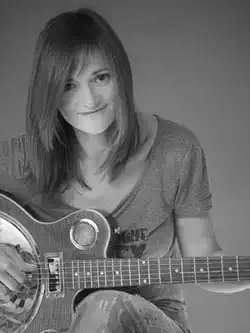
Mafalda Veiga
Procura por mim
Quando for já logo à noite na praia
Com o sol a derreter-se enfim
Procura por mim
Com o vento por saia
E em lugar de suor o sargaço.
Eu estarei quieto e assim sozinho
Cheio das dúvidas do universo
À tua espera
A desenhar o caminho
Para te escrever em verso
No meu regaço.
O abraço.
Com o sol a derreter-se enfim
Procura por mim
Com o vento por saia
E em lugar de suor o sargaço.
Eu estarei quieto e assim sozinho
Cheio das dúvidas do universo
À tua espera
A desenhar o caminho
Para te escrever em verso
No meu regaço.
O abraço.
1 349
Mafalda Veiga
Fim do dia (no lado quente da saudade)
Esperei-te no fim de um dia cansado
À mesa do café de sempre
O fumo, o calor e o mesmo quadro
Na parede já azul poente
Alguém me sorri do balcão corrido
Alguém que me faz sentir
Que há lugares que são pequenos abrigos
Para onde podemos sempre fugir
Da tarde tão fria há gente que chega
E toma um café apressado
E há os que entram com o olhar perdido
À procura do futuro no avesso do passado
O tempo endurece qualquer armadura
E às vezes custa arrancar
Muralhas erguidas à volta do peito
Que não deixam partir nem deixam chegar
O escuro lá fora incendeia as estrelas
As janelas, os olhares, as ruas
Cá dentro o calor conforta os sentidos
Num pequeno reflexo da lua
Enquanto espero percorro os sinais
Do que fomos que ainda resiste
As marcas deixadas na alma e na pele
Do que foi feliz e do que foi triste
Sabe bem voltar-te a ver
Sabe bem quando estás ao meu lado
Quando o tempo me esvazia
Sabe bem o teu braço fechado
E tudo o que me dás quando és
Guarida junto à tempestade
Os rumos para caminhar
No lado quente da saudade
À mesa do café de sempre
O fumo, o calor e o mesmo quadro
Na parede já azul poente
Alguém me sorri do balcão corrido
Alguém que me faz sentir
Que há lugares que são pequenos abrigos
Para onde podemos sempre fugir
Da tarde tão fria há gente que chega
E toma um café apressado
E há os que entram com o olhar perdido
À procura do futuro no avesso do passado
O tempo endurece qualquer armadura
E às vezes custa arrancar
Muralhas erguidas à volta do peito
Que não deixam partir nem deixam chegar
O escuro lá fora incendeia as estrelas
As janelas, os olhares, as ruas
Cá dentro o calor conforta os sentidos
Num pequeno reflexo da lua
Enquanto espero percorro os sinais
Do que fomos que ainda resiste
As marcas deixadas na alma e na pele
Do que foi feliz e do que foi triste
Sabe bem voltar-te a ver
Sabe bem quando estás ao meu lado
Quando o tempo me esvazia
Sabe bem o teu braço fechado
E tudo o que me dás quando és
Guarida junto à tempestade
Os rumos para caminhar
No lado quente da saudade
1 280
Mafalda Veiga
Restolho
geme o restolho triste e solitário
a embalar a noite escura e fria
e a perder-se no olhar da ventania
que canta ao tom do velho campanário
geme o restolho preso de saudade
esquecido, enlouquecido, dominado
escondido entre as sombras do montado
sem forças e sem côr e sem vontade
geme o restolho a transpirar de chuva
nos campos que a ceifeira mutilou
dormindo em velhos sonhos que sonhou
na alma a mágoa enorme, intensa, aguda
mas é preciso morrer e nascer de novo
semear no pó e voltar a colher
há que ser trigo, depois ser restolho
há que penar pra aprender a viver
e a vida não é existir sem mais nada
a vida não é dia sim dia não
é feita em cada entrega alucinada
pra receber daquilo que aumenta o coração
geme o restolho a transpirar de chuva
nos campos que a ceifeira mutilou
dormindo em velhos sonhos que sonhou
na alma a mágoa é enorme, intensa, aguda
mas é preciso morrer e nascer de novo
semear no pó e voltar a colher
há que ser trigo, depois ser restolho
há que penar pra aprender a viver
e a vida não é existir sem mais nada
a vida não é dia sim dia não
é feita em cada entrega alucinada
pra receber daquilo que aumenta o coração
a embalar a noite escura e fria
e a perder-se no olhar da ventania
que canta ao tom do velho campanário
geme o restolho preso de saudade
esquecido, enlouquecido, dominado
escondido entre as sombras do montado
sem forças e sem côr e sem vontade
geme o restolho a transpirar de chuva
nos campos que a ceifeira mutilou
dormindo em velhos sonhos que sonhou
na alma a mágoa enorme, intensa, aguda
mas é preciso morrer e nascer de novo
semear no pó e voltar a colher
há que ser trigo, depois ser restolho
há que penar pra aprender a viver
e a vida não é existir sem mais nada
a vida não é dia sim dia não
é feita em cada entrega alucinada
pra receber daquilo que aumenta o coração
geme o restolho a transpirar de chuva
nos campos que a ceifeira mutilou
dormindo em velhos sonhos que sonhou
na alma a mágoa é enorme, intensa, aguda
mas é preciso morrer e nascer de novo
semear no pó e voltar a colher
há que ser trigo, depois ser restolho
há que penar pra aprender a viver
e a vida não é existir sem mais nada
a vida não é dia sim dia não
é feita em cada entrega alucinada
pra receber daquilo que aumenta o coração
2 360
Mafalda Veiga
Restolho
geme o restolho triste e solitário
a embalar a noite escura e fria
e a perder-se no olhar da ventania
que canta ao tom do velho campanário
geme o restolho preso de saudade
esquecido, enlouquecido, dominado
escondido entre as sombras do montado
sem forças e sem côr e sem vontade
geme o restolho a transpirar de chuva
nos campos que a ceifeira mutilou
dormindo em velhos sonhos que sonhou
na alma a mágoa enorme, intensa, aguda
mas é preciso morrer e nascer de novo
semear no pó e voltar a colher
há que ser trigo, depois ser restolho
há que penar pra aprender a viver
e a vida não é existir sem mais nada
a vida não é dia sim dia não
é feita em cada entrega alucinada
pra receber daquilo que aumenta o coração
geme o restolho a transpirar de chuva
nos campos que a ceifeira mutilou
dormindo em velhos sonhos que sonhou
na alma a mágoa é enorme, intensa, aguda
mas é preciso morrer e nascer de novo
semear no pó e voltar a colher
há que ser trigo, depois ser restolho
há que penar pra aprender a viver
e a vida não é existir sem mais nada
a vida não é dia sim dia não
é feita em cada entrega alucinada
pra receber daquilo que aumenta o coração
a embalar a noite escura e fria
e a perder-se no olhar da ventania
que canta ao tom do velho campanário
geme o restolho preso de saudade
esquecido, enlouquecido, dominado
escondido entre as sombras do montado
sem forças e sem côr e sem vontade
geme o restolho a transpirar de chuva
nos campos que a ceifeira mutilou
dormindo em velhos sonhos que sonhou
na alma a mágoa enorme, intensa, aguda
mas é preciso morrer e nascer de novo
semear no pó e voltar a colher
há que ser trigo, depois ser restolho
há que penar pra aprender a viver
e a vida não é existir sem mais nada
a vida não é dia sim dia não
é feita em cada entrega alucinada
pra receber daquilo que aumenta o coração
geme o restolho a transpirar de chuva
nos campos que a ceifeira mutilou
dormindo em velhos sonhos que sonhou
na alma a mágoa é enorme, intensa, aguda
mas é preciso morrer e nascer de novo
semear no pó e voltar a colher
há que ser trigo, depois ser restolho
há que penar pra aprender a viver
e a vida não é existir sem mais nada
a vida não é dia sim dia não
é feita em cada entrega alucinada
pra receber daquilo que aumenta o coração
2 360
Mafalda Veiga
Cada Lugar Teu
Esta é só uma noite para partilhar
Qualquer coisa que ainda podemos guardar cá dentro
Um lugar a salvo para onde correr
Quando nada bate certo
E se fica a céu aberto
Sem saber o que fazer
Esta é uma noite pra comemorar
Qualquer coisa que ainda podemos salvar do tempo
Um lugar pra nós onde demorar
Quando nada faz sentido
E se fica mais perdido
E se anseia pelo abraço de um amigo
Esta é só uma noite para me vingar
Do que a vida foi fazendo sem nos avisar
Foi-se acumulando em fotografias
Em distâncias e saudade
Numa dor que nunca cabe
E faz transbordar os dias
Esta é uma noite para me lembrar
Que há qualquer coisa infinita como o firmamento
Um sorriso, um abraço
Que transcende o tempo
E ter medo como dantes
De acordar a meio da noite
A precisar de um regaço
Qualquer coisa que ainda podemos guardar cá dentro
Um lugar a salvo para onde correr
Quando nada bate certo
E se fica a céu aberto
Sem saber o que fazer
Esta é uma noite pra comemorar
Qualquer coisa que ainda podemos salvar do tempo
Um lugar pra nós onde demorar
Quando nada faz sentido
E se fica mais perdido
E se anseia pelo abraço de um amigo
Esta é só uma noite para me vingar
Do que a vida foi fazendo sem nos avisar
Foi-se acumulando em fotografias
Em distâncias e saudade
Numa dor que nunca cabe
E faz transbordar os dias
Esta é uma noite para me lembrar
Que há qualquer coisa infinita como o firmamento
Um sorriso, um abraço
Que transcende o tempo
E ter medo como dantes
De acordar a meio da noite
A precisar de um regaço
1 323
Mafalda Veiga
O menino do piano (um sonho do Tomás)
vi um menino com um piano
no céu da minha cabeça
veio de tão longe só para me pedir
que nunca o esqueça
vinha a tocar o seu piano
como só nos sonhos pode ser
por entre as nuvens e as estrelas
apareceu quando me viu adormecer
ficou sentado perto de mim
onde mora a fantasia
quis-lhe tocar mas não se pode ter
a noite a iluminar o dia
soprou devagarinho uma estrela
que se acendeu na sua mão
disse-me: podes sempre vê-la
se souberes soprá-la no teu coração
vi um menino com um piano
a despedir-se de mim
com uma nuvem fez o mar e partiu
(nos sonhos pode ser assim)
disse-me: está a nascer o dia
vou pra onde a noite se esconder
volto com a primeira estrela
para tu nunca teres medo ao escurecer
no céu da minha cabeça
veio de tão longe só para me pedir
que nunca o esqueça
vinha a tocar o seu piano
como só nos sonhos pode ser
por entre as nuvens e as estrelas
apareceu quando me viu adormecer
ficou sentado perto de mim
onde mora a fantasia
quis-lhe tocar mas não se pode ter
a noite a iluminar o dia
soprou devagarinho uma estrela
que se acendeu na sua mão
disse-me: podes sempre vê-la
se souberes soprá-la no teu coração
vi um menino com um piano
a despedir-se de mim
com uma nuvem fez o mar e partiu
(nos sonhos pode ser assim)
disse-me: está a nascer o dia
vou pra onde a noite se esconder
volto com a primeira estrela
para tu nunca teres medo ao escurecer
1 218
Mafalda Veiga
Lenda de Uma Cigana
A lenda de uma cigana
Adormecida ao relento
Que perdeu a caravana
Por seguir o pensamento
Tem dias que anda pairando
Nos rumos do mundo
Tem dias que anda rolando
Nas presas do tempo
Diz a lenda que a cigana
Pelo caminho onde viera
O xaile tinha perdido
E um vagabundo o trouxera
Sacudindo o pó e as mágoas
Como se a cor acordasse
Num abraço dançou com ela
Antes que o vento a roubasse
Só o vento nos roda a saia
Só o vento nos faz dançar
Nos confunde os passos na areia
Muda o rumo às águas do mar
No silêncio mal se ouviam
Dançar descalços na areia
Numa noite quase fria
Estava a lua quase cheia
E pra rasgarem o escuro
Ou fugir à solidão
Ataram corpos cansados
Na sombra vaga do chão
Quando o sol entorna o dia
Ficara o xaile esquecido
E os passos da cigana
Já o vento tinha escondido
Ficou só o vagabundo
Resgatando uma ilusão
Com a alma amordaçada
Na palma da mão
Só o vento nos roda a saia
Só o vento nos faz dançar
Nos confunde os passos na areia
Muda o rumo às águas do mar
Adormecida ao relento
Que perdeu a caravana
Por seguir o pensamento
Tem dias que anda pairando
Nos rumos do mundo
Tem dias que anda rolando
Nas presas do tempo
Diz a lenda que a cigana
Pelo caminho onde viera
O xaile tinha perdido
E um vagabundo o trouxera
Sacudindo o pó e as mágoas
Como se a cor acordasse
Num abraço dançou com ela
Antes que o vento a roubasse
Só o vento nos roda a saia
Só o vento nos faz dançar
Nos confunde os passos na areia
Muda o rumo às águas do mar
No silêncio mal se ouviam
Dançar descalços na areia
Numa noite quase fria
Estava a lua quase cheia
E pra rasgarem o escuro
Ou fugir à solidão
Ataram corpos cansados
Na sombra vaga do chão
Quando o sol entorna o dia
Ficara o xaile esquecido
E os passos da cigana
Já o vento tinha escondido
Ficou só o vagabundo
Resgatando uma ilusão
Com a alma amordaçada
Na palma da mão
Só o vento nos roda a saia
Só o vento nos faz dançar
Nos confunde os passos na areia
Muda o rumo às águas do mar
1 283
Mafalda Veiga
Lenda de Uma Cigana
A lenda de uma cigana
Adormecida ao relento
Que perdeu a caravana
Por seguir o pensamento
Tem dias que anda pairando
Nos rumos do mundo
Tem dias que anda rolando
Nas presas do tempo
Diz a lenda que a cigana
Pelo caminho onde viera
O xaile tinha perdido
E um vagabundo o trouxera
Sacudindo o pó e as mágoas
Como se a cor acordasse
Num abraço dançou com ela
Antes que o vento a roubasse
Só o vento nos roda a saia
Só o vento nos faz dançar
Nos confunde os passos na areia
Muda o rumo às águas do mar
No silêncio mal se ouviam
Dançar descalços na areia
Numa noite quase fria
Estava a lua quase cheia
E pra rasgarem o escuro
Ou fugir à solidão
Ataram corpos cansados
Na sombra vaga do chão
Quando o sol entorna o dia
Ficara o xaile esquecido
E os passos da cigana
Já o vento tinha escondido
Ficou só o vagabundo
Resgatando uma ilusão
Com a alma amordaçada
Na palma da mão
Só o vento nos roda a saia
Só o vento nos faz dançar
Nos confunde os passos na areia
Muda o rumo às águas do mar
Adormecida ao relento
Que perdeu a caravana
Por seguir o pensamento
Tem dias que anda pairando
Nos rumos do mundo
Tem dias que anda rolando
Nas presas do tempo
Diz a lenda que a cigana
Pelo caminho onde viera
O xaile tinha perdido
E um vagabundo o trouxera
Sacudindo o pó e as mágoas
Como se a cor acordasse
Num abraço dançou com ela
Antes que o vento a roubasse
Só o vento nos roda a saia
Só o vento nos faz dançar
Nos confunde os passos na areia
Muda o rumo às águas do mar
No silêncio mal se ouviam
Dançar descalços na areia
Numa noite quase fria
Estava a lua quase cheia
E pra rasgarem o escuro
Ou fugir à solidão
Ataram corpos cansados
Na sombra vaga do chão
Quando o sol entorna o dia
Ficara o xaile esquecido
E os passos da cigana
Já o vento tinha escondido
Ficou só o vagabundo
Resgatando uma ilusão
Com a alma amordaçada
Na palma da mão
Só o vento nos roda a saia
Só o vento nos faz dançar
Nos confunde os passos na areia
Muda o rumo às águas do mar
1 283
Mafalda Veiga
Lenda de Uma Cigana
A lenda de uma cigana
Adormecida ao relento
Que perdeu a caravana
Por seguir o pensamento
Tem dias que anda pairando
Nos rumos do mundo
Tem dias que anda rolando
Nas presas do tempo
Diz a lenda que a cigana
Pelo caminho onde viera
O xaile tinha perdido
E um vagabundo o trouxera
Sacudindo o pó e as mágoas
Como se a cor acordasse
Num abraço dançou com ela
Antes que o vento a roubasse
Só o vento nos roda a saia
Só o vento nos faz dançar
Nos confunde os passos na areia
Muda o rumo às águas do mar
No silêncio mal se ouviam
Dançar descalços na areia
Numa noite quase fria
Estava a lua quase cheia
E pra rasgarem o escuro
Ou fugir à solidão
Ataram corpos cansados
Na sombra vaga do chão
Quando o sol entorna o dia
Ficara o xaile esquecido
E os passos da cigana
Já o vento tinha escondido
Ficou só o vagabundo
Resgatando uma ilusão
Com a alma amordaçada
Na palma da mão
Só o vento nos roda a saia
Só o vento nos faz dançar
Nos confunde os passos na areia
Muda o rumo às águas do mar
Adormecida ao relento
Que perdeu a caravana
Por seguir o pensamento
Tem dias que anda pairando
Nos rumos do mundo
Tem dias que anda rolando
Nas presas do tempo
Diz a lenda que a cigana
Pelo caminho onde viera
O xaile tinha perdido
E um vagabundo o trouxera
Sacudindo o pó e as mágoas
Como se a cor acordasse
Num abraço dançou com ela
Antes que o vento a roubasse
Só o vento nos roda a saia
Só o vento nos faz dançar
Nos confunde os passos na areia
Muda o rumo às águas do mar
No silêncio mal se ouviam
Dançar descalços na areia
Numa noite quase fria
Estava a lua quase cheia
E pra rasgarem o escuro
Ou fugir à solidão
Ataram corpos cansados
Na sombra vaga do chão
Quando o sol entorna o dia
Ficara o xaile esquecido
E os passos da cigana
Já o vento tinha escondido
Ficou só o vagabundo
Resgatando uma ilusão
Com a alma amordaçada
Na palma da mão
Só o vento nos roda a saia
Só o vento nos faz dançar
Nos confunde os passos na areia
Muda o rumo às águas do mar
1 283
Mafalda Veiga
Vestígios de ti
Os meus discos no chão
Os copos vazios
Vestígios da noite
As palavras perdidas
O calor e o frio
O meu corpo no chão
Um livro que eu li
O silêncio e a pele
As palavras sentidas
Os vestígios de ti
E o mundo e a rua
Despidos no vento
À espera de sentir o mar
Numa vaga de espuma
Em sentidos guardados
No fundo do olhar
As revistas no chão
Os copos vazios
Vestígios do tempo
As palavras trocadas
O calor e o frio
Cada gesto que abraça
E um filme que eu vi
O que fica marcado
E já nunca se afasta
Os vestígios de ti
E o mundo e a rua
Despidos no vento
À espera de sentir o mar
Numa vaga de espuma
Em sentidos guardados
No fundo do olhar
Os copos vazios
Vestígios da noite
As palavras perdidas
O calor e o frio
O meu corpo no chão
Um livro que eu li
O silêncio e a pele
As palavras sentidas
Os vestígios de ti
E o mundo e a rua
Despidos no vento
À espera de sentir o mar
Numa vaga de espuma
Em sentidos guardados
No fundo do olhar
As revistas no chão
Os copos vazios
Vestígios do tempo
As palavras trocadas
O calor e o frio
Cada gesto que abraça
E um filme que eu vi
O que fica marcado
E já nunca se afasta
Os vestígios de ti
E o mundo e a rua
Despidos no vento
À espera de sentir o mar
Numa vaga de espuma
Em sentidos guardados
No fundo do olhar
1 282
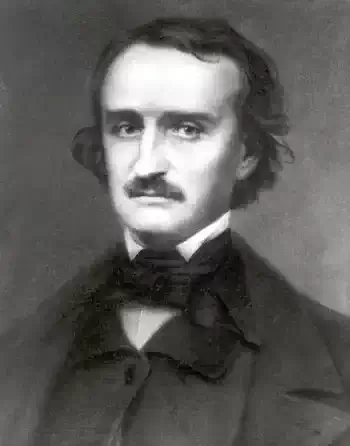
Edgar Allan Poe
To Helen [Sarah Helen Whitman
I saw thee once— once only — years ago:
I must not say how many — but not many.
It was a July midnight; and from out
A full-orbed moon, that, like thine own soul, soaring,
Sought a precipitate pathway up through heaven,
There fell a silvery-silken veil of light,
With quietude, and sultriness, and slumber,
Upon the upturned faces of a thousand
Roses that grew in an enchanted garden,
Where no wind dared to stir, unless on tiptoe —
Fell on the upturn'd faces of these roses
That gave out, in return for the love-light,
Their odorous souls in an ecstatic death —
Fell on the upturn'd faces of these roses
That smiled and died in this parterre, enchanted
By thee, and by the poetry of thy presence.
Clad all in white, upon a violet bank
I saw thee half reclining; while the moon
Fell on the upturn'd faces of the roses,
And on thine own, upturn'd— alas, in sorrow!
Was it not Fate, that, on this July midnight—
Was it not Fate, (whose name is also Sorrow,)
That bade me pause before that garden-gate,
To breathe the incense of those slumbering roses?
No footstep stirred: the hated world an slept,
Save only thee and me. (Oh, Heaven!— oh, God!
How my heart beats in coupling those two words!)
Save only thee and me. I paused— I looked—
And in an instant all things disappeared.
(Ah, bear in mind this garden was enchanted!)
The pearly lustre of the moon went out:
The mossy banks and the meandering paths,
The happy flowers and the repining trees,
Were seen no more: the very roses' odors
Died in the arms of the adoring airs.
All— all expired save thee— save less than thou:
Save only the divine light in thine eyes—
Save but the soul in thine uplifted eyes.
I saw but them— they were the world to me!
I saw but them— saw only them for hours,
Saw only them until the moon went down.
What wild heart-histories seemed to he enwritten
Upon those crystalline, celestial spheres!
How dark a woe, yet how sublime a hope!
How silently serene a sea of pride!
How daring an ambition; yet how deep—
How fathomless a capacity for love!
But now, at length, dear Dian sank from sight,
Into a western couch of thunder-cloud;
And thou, a ghost, amid the entombing trees
Didst glide away. Only thine eyes remained;
They would not go— they never yet have gone;
Lighting my lonely pathway home that night,
They have not left me (as my hopes have) since;
They follow me— they lead me through the years.
They are my ministers — yet I their slave.
Their office is to illumine and enkindle —
My duty, to be saved by their bright light,
And purified in their electric fire,
And sanctified in their elysian fire.
They fill my soul with Beauty (which is Hope),
And are far up in Heaven — the stars I kneel to
In the sad, silent watches of my night;
While even in the meridian glare of day
I see them still — two sweetly scintillant
Venuses, unextinguished by the sun!
1850
I must not say how many — but not many.
It was a July midnight; and from out
A full-orbed moon, that, like thine own soul, soaring,
Sought a precipitate pathway up through heaven,
There fell a silvery-silken veil of light,
With quietude, and sultriness, and slumber,
Upon the upturned faces of a thousand
Roses that grew in an enchanted garden,
Where no wind dared to stir, unless on tiptoe —
Fell on the upturn'd faces of these roses
That gave out, in return for the love-light,
Their odorous souls in an ecstatic death —
Fell on the upturn'd faces of these roses
That smiled and died in this parterre, enchanted
By thee, and by the poetry of thy presence.
Clad all in white, upon a violet bank
I saw thee half reclining; while the moon
Fell on the upturn'd faces of the roses,
And on thine own, upturn'd— alas, in sorrow!
Was it not Fate, that, on this July midnight—
Was it not Fate, (whose name is also Sorrow,)
That bade me pause before that garden-gate,
To breathe the incense of those slumbering roses?
No footstep stirred: the hated world an slept,
Save only thee and me. (Oh, Heaven!— oh, God!
How my heart beats in coupling those two words!)
Save only thee and me. I paused— I looked—
And in an instant all things disappeared.
(Ah, bear in mind this garden was enchanted!)
The pearly lustre of the moon went out:
The mossy banks and the meandering paths,
The happy flowers and the repining trees,
Were seen no more: the very roses' odors
Died in the arms of the adoring airs.
All— all expired save thee— save less than thou:
Save only the divine light in thine eyes—
Save but the soul in thine uplifted eyes.
I saw but them— they were the world to me!
I saw but them— saw only them for hours,
Saw only them until the moon went down.
What wild heart-histories seemed to he enwritten
Upon those crystalline, celestial spheres!
How dark a woe, yet how sublime a hope!
How silently serene a sea of pride!
How daring an ambition; yet how deep—
How fathomless a capacity for love!
But now, at length, dear Dian sank from sight,
Into a western couch of thunder-cloud;
And thou, a ghost, amid the entombing trees
Didst glide away. Only thine eyes remained;
They would not go— they never yet have gone;
Lighting my lonely pathway home that night,
They have not left me (as my hopes have) since;
They follow me— they lead me through the years.
They are my ministers — yet I their slave.
Their office is to illumine and enkindle —
My duty, to be saved by their bright light,
And purified in their electric fire,
And sanctified in their elysian fire.
They fill my soul with Beauty (which is Hope),
And are far up in Heaven — the stars I kneel to
In the sad, silent watches of my night;
While even in the meridian glare of day
I see them still — two sweetly scintillant
Venuses, unextinguished by the sun!
1850
1 885
Edgar Allan Poe
To Helen [Sarah Helen Whitman
I saw thee once— once only — years ago:
I must not say how many — but not many.
It was a July midnight; and from out
A full-orbed moon, that, like thine own soul, soaring,
Sought a precipitate pathway up through heaven,
There fell a silvery-silken veil of light,
With quietude, and sultriness, and slumber,
Upon the upturned faces of a thousand
Roses that grew in an enchanted garden,
Where no wind dared to stir, unless on tiptoe —
Fell on the upturn'd faces of these roses
That gave out, in return for the love-light,
Their odorous souls in an ecstatic death —
Fell on the upturn'd faces of these roses
That smiled and died in this parterre, enchanted
By thee, and by the poetry of thy presence.
Clad all in white, upon a violet bank
I saw thee half reclining; while the moon
Fell on the upturn'd faces of the roses,
And on thine own, upturn'd— alas, in sorrow!
Was it not Fate, that, on this July midnight—
Was it not Fate, (whose name is also Sorrow,)
That bade me pause before that garden-gate,
To breathe the incense of those slumbering roses?
No footstep stirred: the hated world an slept,
Save only thee and me. (Oh, Heaven!— oh, God!
How my heart beats in coupling those two words!)
Save only thee and me. I paused— I looked—
And in an instant all things disappeared.
(Ah, bear in mind this garden was enchanted!)
The pearly lustre of the moon went out:
The mossy banks and the meandering paths,
The happy flowers and the repining trees,
Were seen no more: the very roses' odors
Died in the arms of the adoring airs.
All— all expired save thee— save less than thou:
Save only the divine light in thine eyes—
Save but the soul in thine uplifted eyes.
I saw but them— they were the world to me!
I saw but them— saw only them for hours,
Saw only them until the moon went down.
What wild heart-histories seemed to he enwritten
Upon those crystalline, celestial spheres!
How dark a woe, yet how sublime a hope!
How silently serene a sea of pride!
How daring an ambition; yet how deep—
How fathomless a capacity for love!
But now, at length, dear Dian sank from sight,
Into a western couch of thunder-cloud;
And thou, a ghost, amid the entombing trees
Didst glide away. Only thine eyes remained;
They would not go— they never yet have gone;
Lighting my lonely pathway home that night,
They have not left me (as my hopes have) since;
They follow me— they lead me through the years.
They are my ministers — yet I their slave.
Their office is to illumine and enkindle —
My duty, to be saved by their bright light,
And purified in their electric fire,
And sanctified in their elysian fire.
They fill my soul with Beauty (which is Hope),
And are far up in Heaven — the stars I kneel to
In the sad, silent watches of my night;
While even in the meridian glare of day
I see them still — two sweetly scintillant
Venuses, unextinguished by the sun!
1850
I must not say how many — but not many.
It was a July midnight; and from out
A full-orbed moon, that, like thine own soul, soaring,
Sought a precipitate pathway up through heaven,
There fell a silvery-silken veil of light,
With quietude, and sultriness, and slumber,
Upon the upturned faces of a thousand
Roses that grew in an enchanted garden,
Where no wind dared to stir, unless on tiptoe —
Fell on the upturn'd faces of these roses
That gave out, in return for the love-light,
Their odorous souls in an ecstatic death —
Fell on the upturn'd faces of these roses
That smiled and died in this parterre, enchanted
By thee, and by the poetry of thy presence.
Clad all in white, upon a violet bank
I saw thee half reclining; while the moon
Fell on the upturn'd faces of the roses,
And on thine own, upturn'd— alas, in sorrow!
Was it not Fate, that, on this July midnight—
Was it not Fate, (whose name is also Sorrow,)
That bade me pause before that garden-gate,
To breathe the incense of those slumbering roses?
No footstep stirred: the hated world an slept,
Save only thee and me. (Oh, Heaven!— oh, God!
How my heart beats in coupling those two words!)
Save only thee and me. I paused— I looked—
And in an instant all things disappeared.
(Ah, bear in mind this garden was enchanted!)
The pearly lustre of the moon went out:
The mossy banks and the meandering paths,
The happy flowers and the repining trees,
Were seen no more: the very roses' odors
Died in the arms of the adoring airs.
All— all expired save thee— save less than thou:
Save only the divine light in thine eyes—
Save but the soul in thine uplifted eyes.
I saw but them— they were the world to me!
I saw but them— saw only them for hours,
Saw only them until the moon went down.
What wild heart-histories seemed to he enwritten
Upon those crystalline, celestial spheres!
How dark a woe, yet how sublime a hope!
How silently serene a sea of pride!
How daring an ambition; yet how deep—
How fathomless a capacity for love!
But now, at length, dear Dian sank from sight,
Into a western couch of thunder-cloud;
And thou, a ghost, amid the entombing trees
Didst glide away. Only thine eyes remained;
They would not go— they never yet have gone;
Lighting my lonely pathway home that night,
They have not left me (as my hopes have) since;
They follow me— they lead me through the years.
They are my ministers — yet I their slave.
Their office is to illumine and enkindle —
My duty, to be saved by their bright light,
And purified in their electric fire,
And sanctified in their elysian fire.
They fill my soul with Beauty (which is Hope),
And are far up in Heaven — the stars I kneel to
In the sad, silent watches of my night;
While even in the meridian glare of day
I see them still — two sweetly scintillant
Venuses, unextinguished by the sun!
1850
1 885
Mafalda Veiga
Por todo este mundo
Saiu à rua, indiferente
Seguiu pra longe
Longe do olhar de toda a gente
Na luz intacta da madrugada
Seguiu sem norte e sem estrada
Descalça na terra molhada
Despiu o corpo e o pensamento
Seguiu o vento
Esqueceu a mágoa de acabar
E o tempo perdeu-se do tempo
E o chão raso fez-se mar
No mundo que somos por dentro
Por todo este mundo
Enquanto o sonho existir
E nos levar até ao fim
De tudo o que há pra sentir
Tudo o que há pra sentir
Segui o rasto do calor
Na areia quente
O sol doía como o fogo
Incendiou a cor do dia
Levou no corpo a ventania
E um beijo roubado do amor
Por todo este mundo
Enquanto o sonho existir
E nos levar até ao fim
De tudo o que há pra sentir
Tudo o que há pra sentir.
Seguiu pra longe
Longe do olhar de toda a gente
Na luz intacta da madrugada
Seguiu sem norte e sem estrada
Descalça na terra molhada
Despiu o corpo e o pensamento
Seguiu o vento
Esqueceu a mágoa de acabar
E o tempo perdeu-se do tempo
E o chão raso fez-se mar
No mundo que somos por dentro
Por todo este mundo
Enquanto o sonho existir
E nos levar até ao fim
De tudo o que há pra sentir
Tudo o que há pra sentir
Segui o rasto do calor
Na areia quente
O sol doía como o fogo
Incendiou a cor do dia
Levou no corpo a ventania
E um beijo roubado do amor
Por todo este mundo
Enquanto o sonho existir
E nos levar até ao fim
De tudo o que há pra sentir
Tudo o que há pra sentir.
1 106
Mafalda Veiga
Por esta cidade fora
Nem sempre esta cidade
Anoitece assim
Perdida na maresia
E no nevoeiro
Nem sempre se sabe
Do fim do sonho
Que se guarda inteiro
Às vezes é preciso
Desfazer o nó
Desancorar por dentro
Quem se amou
Deixar seguir
Abrir os braços
E ver o que ficou
A cor da fogueira
É como um barco aceso ao largo
Sem fim nem fronteira sem correr
A companhia é o teu riso
É não deixar esta noite morrer
Há sempre nesta cidade
Um sabor a mar
O som de uma guitarra
E de um fado
Que se enleia no vento assim
Só isso quero
Guardar para mim
A cor da fogueira
É como um barco a ir embora
Sem fim nem fronteira
Quando a noite nos acolhe
À conversa sem ter pressa
Por esta cidade fora
Anoitece assim
Perdida na maresia
E no nevoeiro
Nem sempre se sabe
Do fim do sonho
Que se guarda inteiro
Às vezes é preciso
Desfazer o nó
Desancorar por dentro
Quem se amou
Deixar seguir
Abrir os braços
E ver o que ficou
A cor da fogueira
É como um barco aceso ao largo
Sem fim nem fronteira sem correr
A companhia é o teu riso
É não deixar esta noite morrer
Há sempre nesta cidade
Um sabor a mar
O som de uma guitarra
E de um fado
Que se enleia no vento assim
Só isso quero
Guardar para mim
A cor da fogueira
É como um barco a ir embora
Sem fim nem fronteira
Quando a noite nos acolhe
À conversa sem ter pressa
Por esta cidade fora
1 004
Edgar Allan Poe
To The River
Fair river! in thy bright, clear flow
Of crystal, wandering water,
Thou art an emblem of the glow
Of beauty- the unhidden heart-
The playful maziness of art
In old Alberto's daughter;
But when within thy wave she looks-
Which glistens then, and trembles—
Why, then, the prettiest of brooks
Her worshipper resembles;
For in his heart, as in thy stream,
Her image deeply lies—
His heart which trembles at the beam
Of her soul-searching eyes.
1829
Of crystal, wandering water,
Thou art an emblem of the glow
Of beauty- the unhidden heart-
The playful maziness of art
In old Alberto's daughter;
But when within thy wave she looks-
Which glistens then, and trembles—
Why, then, the prettiest of brooks
Her worshipper resembles;
For in his heart, as in thy stream,
Her image deeply lies—
His heart which trembles at the beam
Of her soul-searching eyes.
1829
1 358
Edgar Allan Poe
Spirits of the Dead
Thy soul shall find itself alone
'Mid dark thoughts of the grey tomb-stone;
Not one, of all the crowd, to pry
Into thine hour of secrecy.
Be silent in that solitude,
Which is not loneliness- for then
The spirits of the dead, who stood
In life before thee, are again
In death around thee, and their will
Shall overshadow thee; be still.
The night, though clear, shall frown,
And the stars shall not look down
From their high thrones in the Heaven
With light like hope to mortals given,
But their red orbs, without beam,
To thy weariness shall seem
As a burning and a fever
Which would cling to thee for ever.
Now are thoughts thou shalt not banish,
Now are visions ne'er to vanish;
From thy spirit shall they pass
No more, like dew-drop from the grass.
The breeze, the breath of God, is still,
And the mist upon the hill
Shadowy, shadowy, yet unbroken,
Is a symbol and a token.
How it hangs upon the trees,
A mystery of mysteries!
1827
'Mid dark thoughts of the grey tomb-stone;
Not one, of all the crowd, to pry
Into thine hour of secrecy.
Be silent in that solitude,
Which is not loneliness- for then
The spirits of the dead, who stood
In life before thee, are again
In death around thee, and their will
Shall overshadow thee; be still.
The night, though clear, shall frown,
And the stars shall not look down
From their high thrones in the Heaven
With light like hope to mortals given,
But their red orbs, without beam,
To thy weariness shall seem
As a burning and a fever
Which would cling to thee for ever.
Now are thoughts thou shalt not banish,
Now are visions ne'er to vanish;
From thy spirit shall they pass
No more, like dew-drop from the grass.
The breeze, the breath of God, is still,
And the mist upon the hill
Shadowy, shadowy, yet unbroken,
Is a symbol and a token.
How it hangs upon the trees,
A mystery of mysteries!
1827
1 467
Edgar Allan Poe
To Helen
Helen, thy beauty is to me
Like those Nicean barks of yore,
That gently, o'er a perfum'd sea,
The weary way-worn wanderer bore
To his own native shore.
On desperate seas long wont to roam,
Thy hyacinth hair, thy classic face,
Thy Naiad airs have brought me home
To the beauty of fair Greece,
And the grandeur of old Rome.
Lo ! in that little window-niche
How statue-like I see thee stand!
The folded scroll within thy hand —
A Psyche from the regions which
Are Holy land !
1831
Like those Nicean barks of yore,
That gently, o'er a perfum'd sea,
The weary way-worn wanderer bore
To his own native shore.
On desperate seas long wont to roam,
Thy hyacinth hair, thy classic face,
Thy Naiad airs have brought me home
To the beauty of fair Greece,
And the grandeur of old Rome.
Lo ! in that little window-niche
How statue-like I see thee stand!
The folded scroll within thy hand —
A Psyche from the regions which
Are Holy land !
1831
1 566
Edgar Allan Poe
Evening Star
'Twas noontide of summer,
And mid-time of night;
And stars, in their orbits,
Shone pale, thro' the light
Of the brighter, cold moon,
'Mid planets her slaves,
Herself in the Heavens,
Her beam on the waves.
I gazed awhile
On her cold smile;
Too cold— too cold for me—
There pass'd, as a shroud,
A fleecy cloud,
And I turned away to thee,
Proud Evening Star,
In thy glory afar,
And dearer thy beam shall be;
For joy to my heart
Is the proud part
Thou bearest in Heaven at night,
And more I admire
Thy distant fire,
Than that colder, lowly light.
And mid-time of night;
And stars, in their orbits,
Shone pale, thro' the light
Of the brighter, cold moon,
'Mid planets her slaves,
Herself in the Heavens,
Her beam on the waves.
I gazed awhile
On her cold smile;
Too cold— too cold for me—
There pass'd, as a shroud,
A fleecy cloud,
And I turned away to thee,
Proud Evening Star,
In thy glory afar,
And dearer thy beam shall be;
For joy to my heart
Is the proud part
Thou bearest in Heaven at night,
And more I admire
Thy distant fire,
Than that colder, lowly light.
1 841
Edgar Allan Poe
Evening Star
'Twas noontide of summer,
And mid-time of night;
And stars, in their orbits,
Shone pale, thro' the light
Of the brighter, cold moon,
'Mid planets her slaves,
Herself in the Heavens,
Her beam on the waves.
I gazed awhile
On her cold smile;
Too cold— too cold for me—
There pass'd, as a shroud,
A fleecy cloud,
And I turned away to thee,
Proud Evening Star,
In thy glory afar,
And dearer thy beam shall be;
For joy to my heart
Is the proud part
Thou bearest in Heaven at night,
And more I admire
Thy distant fire,
Than that colder, lowly light.
And mid-time of night;
And stars, in their orbits,
Shone pale, thro' the light
Of the brighter, cold moon,
'Mid planets her slaves,
Herself in the Heavens,
Her beam on the waves.
I gazed awhile
On her cold smile;
Too cold— too cold for me—
There pass'd, as a shroud,
A fleecy cloud,
And I turned away to thee,
Proud Evening Star,
In thy glory afar,
And dearer thy beam shall be;
For joy to my heart
Is the proud part
Thou bearest in Heaven at night,
And more I admire
Thy distant fire,
Than that colder, lowly light.
1 841
Edgar Allan Poe
Evening Star
'Twas noontide of summer,
And mid-time of night;
And stars, in their orbits,
Shone pale, thro' the light
Of the brighter, cold moon,
'Mid planets her slaves,
Herself in the Heavens,
Her beam on the waves.
I gazed awhile
On her cold smile;
Too cold— too cold for me—
There pass'd, as a shroud,
A fleecy cloud,
And I turned away to thee,
Proud Evening Star,
In thy glory afar,
And dearer thy beam shall be;
For joy to my heart
Is the proud part
Thou bearest in Heaven at night,
And more I admire
Thy distant fire,
Than that colder, lowly light.
And mid-time of night;
And stars, in their orbits,
Shone pale, thro' the light
Of the brighter, cold moon,
'Mid planets her slaves,
Herself in the Heavens,
Her beam on the waves.
I gazed awhile
On her cold smile;
Too cold— too cold for me—
There pass'd, as a shroud,
A fleecy cloud,
And I turned away to thee,
Proud Evening Star,
In thy glory afar,
And dearer thy beam shall be;
For joy to my heart
Is the proud part
Thou bearest in Heaven at night,
And more I admire
Thy distant fire,
Than that colder, lowly light.
1 841
Edgar Allan Poe
Alone
From childhood's hour I have not been
As others were; I have not seen
As others saw; I could not bring
My passions from a common spring.
From the same source I have not taken
My sorrow; I could not awaken
My heart to joy at the same tone;
And all I loved, I loved alone.
Then- in my childhood, in the dawn
Of a most stormy life- was drawn
From every depth of good and ill
The mystery which binds me still:
From the torrent, or the fountain,
From the red cliff of the mountain,
From the sun that round me rolled
In its autumn tint of gold,
From the lightning in the sky
As it passed me flying by,
From the thunder and the storm,
And the cloud that took the form
(When the rest of Heaven was blue)
Of a demon in my view.
1829
As others were; I have not seen
As others saw; I could not bring
My passions from a common spring.
From the same source I have not taken
My sorrow; I could not awaken
My heart to joy at the same tone;
And all I loved, I loved alone.
Then- in my childhood, in the dawn
Of a most stormy life- was drawn
From every depth of good and ill
The mystery which binds me still:
From the torrent, or the fountain,
From the red cliff of the mountain,
From the sun that round me rolled
In its autumn tint of gold,
From the lightning in the sky
As it passed me flying by,
From the thunder and the storm,
And the cloud that took the form
(When the rest of Heaven was blue)
Of a demon in my view.
1829
1 990
Edgar Allan Poe
Alone
From childhood's hour I have not been
As others were; I have not seen
As others saw; I could not bring
My passions from a common spring.
From the same source I have not taken
My sorrow; I could not awaken
My heart to joy at the same tone;
And all I loved, I loved alone.
Then- in my childhood, in the dawn
Of a most stormy life- was drawn
From every depth of good and ill
The mystery which binds me still:
From the torrent, or the fountain,
From the red cliff of the mountain,
From the sun that round me rolled
In its autumn tint of gold,
From the lightning in the sky
As it passed me flying by,
From the thunder and the storm,
And the cloud that took the form
(When the rest of Heaven was blue)
Of a demon in my view.
1829
As others were; I have not seen
As others saw; I could not bring
My passions from a common spring.
From the same source I have not taken
My sorrow; I could not awaken
My heart to joy at the same tone;
And all I loved, I loved alone.
Then- in my childhood, in the dawn
Of a most stormy life- was drawn
From every depth of good and ill
The mystery which binds me still:
From the torrent, or the fountain,
From the red cliff of the mountain,
From the sun that round me rolled
In its autumn tint of gold,
From the lightning in the sky
As it passed me flying by,
From the thunder and the storm,
And the cloud that took the form
(When the rest of Heaven was blue)
Of a demon in my view.
1829
1 990
Edgar Allan Poe
Alone
From childhood's hour I have not been
As others were; I have not seen
As others saw; I could not bring
My passions from a common spring.
From the same source I have not taken
My sorrow; I could not awaken
My heart to joy at the same tone;
And all I loved, I loved alone.
Then- in my childhood, in the dawn
Of a most stormy life- was drawn
From every depth of good and ill
The mystery which binds me still:
From the torrent, or the fountain,
From the red cliff of the mountain,
From the sun that round me rolled
In its autumn tint of gold,
From the lightning in the sky
As it passed me flying by,
From the thunder and the storm,
And the cloud that took the form
(When the rest of Heaven was blue)
Of a demon in my view.
1829
As others were; I have not seen
As others saw; I could not bring
My passions from a common spring.
From the same source I have not taken
My sorrow; I could not awaken
My heart to joy at the same tone;
And all I loved, I loved alone.
Then- in my childhood, in the dawn
Of a most stormy life- was drawn
From every depth of good and ill
The mystery which binds me still:
From the torrent, or the fountain,
From the red cliff of the mountain,
From the sun that round me rolled
In its autumn tint of gold,
From the lightning in the sky
As it passed me flying by,
From the thunder and the storm,
And the cloud that took the form
(When the rest of Heaven was blue)
Of a demon in my view.
1829
1 990
Edgar Allan Poe
Alone
From childhood's hour I have not been
As others were; I have not seen
As others saw; I could not bring
My passions from a common spring.
From the same source I have not taken
My sorrow; I could not awaken
My heart to joy at the same tone;
And all I loved, I loved alone.
Then- in my childhood, in the dawn
Of a most stormy life- was drawn
From every depth of good and ill
The mystery which binds me still:
From the torrent, or the fountain,
From the red cliff of the mountain,
From the sun that round me rolled
In its autumn tint of gold,
From the lightning in the sky
As it passed me flying by,
From the thunder and the storm,
And the cloud that took the form
(When the rest of Heaven was blue)
Of a demon in my view.
1829
As others were; I have not seen
As others saw; I could not bring
My passions from a common spring.
From the same source I have not taken
My sorrow; I could not awaken
My heart to joy at the same tone;
And all I loved, I loved alone.
Then- in my childhood, in the dawn
Of a most stormy life- was drawn
From every depth of good and ill
The mystery which binds me still:
From the torrent, or the fountain,
From the red cliff of the mountain,
From the sun that round me rolled
In its autumn tint of gold,
From the lightning in the sky
As it passed me flying by,
From the thunder and the storm,
And the cloud that took the form
(When the rest of Heaven was blue)
Of a demon in my view.
1829
1 990