

Poemas neste tema
Natureza e Elementos
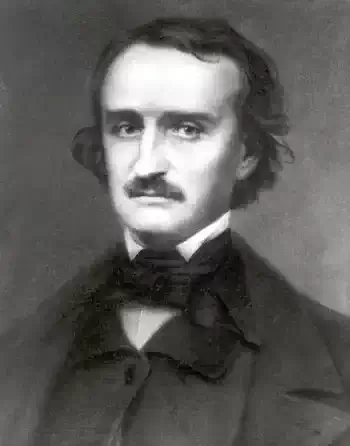
Edgar Allan Poe
The Valley of Unrest
Once it smiled a silent dell
Where the people did not dwell;
They had gone unto the wars,
Trusting to the mild-eyed stars,
Nightly, from their azure towers,
To keep watch above the flowers,
In the midst of which all day
The red sunlight lazily lay.
Now each visitor shall confess
The sad valley's restlessness.
Nothing there is motionless-
Nothing save the airs that brood
Over the magic solitude.
Ah, by no wind are stirred those trees
That palpitate like the chill seas
Around the misty Hebrides!
Ah, by no wind those clouds are driven
That rustle through the unquiet Heaven
Uneasily, from morn till even,
Over the violets there that lie
In myriad types of the human eye-
Over the lilies there that wave
And weep above a nameless grave!
They wave: — from out their fragrant tops
Eternal dews come down in drops.
They weep: — from off their delicate stems
Perennial tears descend in gems.
1845
Where the people did not dwell;
They had gone unto the wars,
Trusting to the mild-eyed stars,
Nightly, from their azure towers,
To keep watch above the flowers,
In the midst of which all day
The red sunlight lazily lay.
Now each visitor shall confess
The sad valley's restlessness.
Nothing there is motionless-
Nothing save the airs that brood
Over the magic solitude.
Ah, by no wind are stirred those trees
That palpitate like the chill seas
Around the misty Hebrides!
Ah, by no wind those clouds are driven
That rustle through the unquiet Heaven
Uneasily, from morn till even,
Over the violets there that lie
In myriad types of the human eye-
Over the lilies there that wave
And weep above a nameless grave!
They wave: — from out their fragrant tops
Eternal dews come down in drops.
They weep: — from off their delicate stems
Perennial tears descend in gems.
1845
1 274
Edgar Allan Poe
The Valley of Unrest
Once it smiled a silent dell
Where the people did not dwell;
They had gone unto the wars,
Trusting to the mild-eyed stars,
Nightly, from their azure towers,
To keep watch above the flowers,
In the midst of which all day
The red sunlight lazily lay.
Now each visitor shall confess
The sad valley's restlessness.
Nothing there is motionless-
Nothing save the airs that brood
Over the magic solitude.
Ah, by no wind are stirred those trees
That palpitate like the chill seas
Around the misty Hebrides!
Ah, by no wind those clouds are driven
That rustle through the unquiet Heaven
Uneasily, from morn till even,
Over the violets there that lie
In myriad types of the human eye-
Over the lilies there that wave
And weep above a nameless grave!
They wave: — from out their fragrant tops
Eternal dews come down in drops.
They weep: — from off their delicate stems
Perennial tears descend in gems.
1845
Where the people did not dwell;
They had gone unto the wars,
Trusting to the mild-eyed stars,
Nightly, from their azure towers,
To keep watch above the flowers,
In the midst of which all day
The red sunlight lazily lay.
Now each visitor shall confess
The sad valley's restlessness.
Nothing there is motionless-
Nothing save the airs that brood
Over the magic solitude.
Ah, by no wind are stirred those trees
That palpitate like the chill seas
Around the misty Hebrides!
Ah, by no wind those clouds are driven
That rustle through the unquiet Heaven
Uneasily, from morn till even,
Over the violets there that lie
In myriad types of the human eye-
Over the lilies there that wave
And weep above a nameless grave!
They wave: — from out their fragrant tops
Eternal dews come down in drops.
They weep: — from off their delicate stems
Perennial tears descend in gems.
1845
1 274
Edgar Allan Poe
The Valley of Unrest
Once it smiled a silent dell
Where the people did not dwell;
They had gone unto the wars,
Trusting to the mild-eyed stars,
Nightly, from their azure towers,
To keep watch above the flowers,
In the midst of which all day
The red sunlight lazily lay.
Now each visitor shall confess
The sad valley's restlessness.
Nothing there is motionless-
Nothing save the airs that brood
Over the magic solitude.
Ah, by no wind are stirred those trees
That palpitate like the chill seas
Around the misty Hebrides!
Ah, by no wind those clouds are driven
That rustle through the unquiet Heaven
Uneasily, from morn till even,
Over the violets there that lie
In myriad types of the human eye-
Over the lilies there that wave
And weep above a nameless grave!
They wave: — from out their fragrant tops
Eternal dews come down in drops.
They weep: — from off their delicate stems
Perennial tears descend in gems.
1845
Where the people did not dwell;
They had gone unto the wars,
Trusting to the mild-eyed stars,
Nightly, from their azure towers,
To keep watch above the flowers,
In the midst of which all day
The red sunlight lazily lay.
Now each visitor shall confess
The sad valley's restlessness.
Nothing there is motionless-
Nothing save the airs that brood
Over the magic solitude.
Ah, by no wind are stirred those trees
That palpitate like the chill seas
Around the misty Hebrides!
Ah, by no wind those clouds are driven
That rustle through the unquiet Heaven
Uneasily, from morn till even,
Over the violets there that lie
In myriad types of the human eye-
Over the lilies there that wave
And weep above a nameless grave!
They wave: — from out their fragrant tops
Eternal dews come down in drops.
They weep: — from off their delicate stems
Perennial tears descend in gems.
1845
1 274
Edgar Allan Poe
The Lake
In youth's spring, it was my lot
To haunt of the wide earth a spot
The which I could not love the less;
So lovely was the loneliness
Of a wild lake, with black rock bound.
And the tall pines that tower'd around.
But when the night had thrown her pall
Upon that spot — as upon all,
And the wind would pass me by
In its stilly melody,
My infant spirit would awake
To the terror of the lone lake.
Yet that terror was not fright —
But a tremulous delight,
And a feeling undefin'd,
Springing from a darken'd mind.
Death was in that poison'd wave
And in its gulf a fitting grave
For him who thence could solace bring
To his dark imagining;
Whose wild'ring thought could even make
An Eden of that dim lake.
1827
To haunt of the wide earth a spot
The which I could not love the less;
So lovely was the loneliness
Of a wild lake, with black rock bound.
And the tall pines that tower'd around.
But when the night had thrown her pall
Upon that spot — as upon all,
And the wind would pass me by
In its stilly melody,
My infant spirit would awake
To the terror of the lone lake.
Yet that terror was not fright —
But a tremulous delight,
And a feeling undefin'd,
Springing from a darken'd mind.
Death was in that poison'd wave
And in its gulf a fitting grave
For him who thence could solace bring
To his dark imagining;
Whose wild'ring thought could even make
An Eden of that dim lake.
1827
1 652
Edgar Allan Poe
The Lake
In youth's spring, it was my lot
To haunt of the wide earth a spot
The which I could not love the less;
So lovely was the loneliness
Of a wild lake, with black rock bound.
And the tall pines that tower'd around.
But when the night had thrown her pall
Upon that spot — as upon all,
And the wind would pass me by
In its stilly melody,
My infant spirit would awake
To the terror of the lone lake.
Yet that terror was not fright —
But a tremulous delight,
And a feeling undefin'd,
Springing from a darken'd mind.
Death was in that poison'd wave
And in its gulf a fitting grave
For him who thence could solace bring
To his dark imagining;
Whose wild'ring thought could even make
An Eden of that dim lake.
1827
To haunt of the wide earth a spot
The which I could not love the less;
So lovely was the loneliness
Of a wild lake, with black rock bound.
And the tall pines that tower'd around.
But when the night had thrown her pall
Upon that spot — as upon all,
And the wind would pass me by
In its stilly melody,
My infant spirit would awake
To the terror of the lone lake.
Yet that terror was not fright —
But a tremulous delight,
And a feeling undefin'd,
Springing from a darken'd mind.
Death was in that poison'd wave
And in its gulf a fitting grave
For him who thence could solace bring
To his dark imagining;
Whose wild'ring thought could even make
An Eden of that dim lake.
1827
1 652
Edgar Allan Poe
The Lake
In youth's spring, it was my lot
To haunt of the wide earth a spot
The which I could not love the less;
So lovely was the loneliness
Of a wild lake, with black rock bound.
And the tall pines that tower'd around.
But when the night had thrown her pall
Upon that spot — as upon all,
And the wind would pass me by
In its stilly melody,
My infant spirit would awake
To the terror of the lone lake.
Yet that terror was not fright —
But a tremulous delight,
And a feeling undefin'd,
Springing from a darken'd mind.
Death was in that poison'd wave
And in its gulf a fitting grave
For him who thence could solace bring
To his dark imagining;
Whose wild'ring thought could even make
An Eden of that dim lake.
1827
To haunt of the wide earth a spot
The which I could not love the less;
So lovely was the loneliness
Of a wild lake, with black rock bound.
And the tall pines that tower'd around.
But when the night had thrown her pall
Upon that spot — as upon all,
And the wind would pass me by
In its stilly melody,
My infant spirit would awake
To the terror of the lone lake.
Yet that terror was not fright —
But a tremulous delight,
And a feeling undefin'd,
Springing from a darken'd mind.
Death was in that poison'd wave
And in its gulf a fitting grave
For him who thence could solace bring
To his dark imagining;
Whose wild'ring thought could even make
An Eden of that dim lake.
1827
1 652
Edgar Allan Poe
The Lake
In youth's spring, it was my lot
To haunt of the wide earth a spot
The which I could not love the less;
So lovely was the loneliness
Of a wild lake, with black rock bound.
And the tall pines that tower'd around.
But when the night had thrown her pall
Upon that spot — as upon all,
And the wind would pass me by
In its stilly melody,
My infant spirit would awake
To the terror of the lone lake.
Yet that terror was not fright —
But a tremulous delight,
And a feeling undefin'd,
Springing from a darken'd mind.
Death was in that poison'd wave
And in its gulf a fitting grave
For him who thence could solace bring
To his dark imagining;
Whose wild'ring thought could even make
An Eden of that dim lake.
1827
To haunt of the wide earth a spot
The which I could not love the less;
So lovely was the loneliness
Of a wild lake, with black rock bound.
And the tall pines that tower'd around.
But when the night had thrown her pall
Upon that spot — as upon all,
And the wind would pass me by
In its stilly melody,
My infant spirit would awake
To the terror of the lone lake.
Yet that terror was not fright —
But a tremulous delight,
And a feeling undefin'd,
Springing from a darken'd mind.
Death was in that poison'd wave
And in its gulf a fitting grave
For him who thence could solace bring
To his dark imagining;
Whose wild'ring thought could even make
An Eden of that dim lake.
1827
1 652
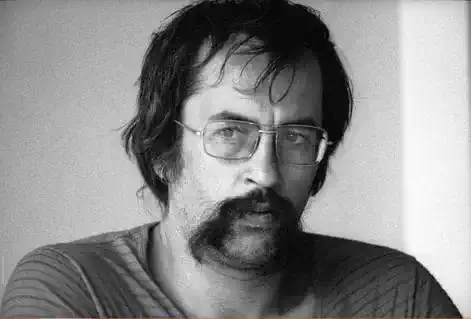
Paulo Leminski
Haicai
a estrela cadente
me caiu ainda quente
na palma da mão
cortinas de seda
o vento entra
sem pedir licença
me caiu ainda quente
na palma da mão
cortinas de seda
o vento entra
sem pedir licença
3 277
Paulo Leminski
Haicai
a estrela cadente
me caiu ainda quente
na palma da mão
cortinas de seda
o vento entra
sem pedir licença
me caiu ainda quente
na palma da mão
cortinas de seda
o vento entra
sem pedir licença
3 277
Edgar Allan Poe
A Campaign Song
See the White Eagle soaring aloft to the sky,
Wakening the broad welkin with his loud battle cry;
Then here's the White Eagle, full daring is he,
As he sails on his pinions o'er valley and sea.
(probably written early in 1844)
Wakening the broad welkin with his loud battle cry;
Then here's the White Eagle, full daring is he,
As he sails on his pinions o'er valley and sea.
(probably written early in 1844)
1 288
Edgar Allan Poe
The Coliseum
Lone ampitheatre ! Grey Coliseum !
Type of the antique Rome ! Rich reliquary
Of lofty contemplation left to Time
By buried centuries of pomp and power !
At length, at length — after so many days
Of weary pilgrimage, and burning thirst,
(Thirst for the springs of love [lore] that in thee lie,)
I kneel, an altered, and an humble man,
Amid thy shadows, and so drink within
My very soul thy grandeur, gloom, and glory.
Vastness ! and Age ! and Memories of Eld !
Silence and Desolation! and dim Night!
Gaunt vestibules! and phantom-peopled aisles !
I feel ye now: I feel ye in your strength!
O spells more sure then [than] e'er Judæan king
Taught in the gardens of Gethsemane !
O charms more potent than the rapt Chaldee
Ever drew down from out the quiet stars !
Here, where a hero fell, a column falls :
Here, where the mimic eagle glared in gold,
A midnight vigil holds the swarthy bat:
Here, where the dames of Rome their yellow hair
Wav'd to the wind, now wave the reed and thistle :
Here, where on ivory couch the Cæsar sate,
On bed of moss lies gloating the foul adder :
Here, where on golden throne the monarch loll'd,
Glides spectre-like unto his marble home,
Lit by the wan light of the horned moon,
The swift and silent lizard of the stones.
These crumbling walls; these tottering arcades ;
These mouldering plinths; these sad, and blacken'd shafts ;
These vague entablatures; this broken frieze ;
These shattered cornices; this wreck; this ruin ;
These stones, alas! — these grey stones — are they all ;
All of the great and the colossal left
By the corrosive hours to Fate and me ?
"Not all," — the echoes answer me; "not all :
Prophetic sounds, and loud, arise forever
From us, and from all ruin, unto the wise,
As in old days from Memnon to the sun.
We rule the hearts of mightiest men: — we rule
With a despotic sway all giant minds.
We are not desolate — we pallid stones ;
Not all our power is gone; not all our Fame ;
Not all the magic of our high renown ;
Not all the wonder that encircles us ;
Not all the mysteries that in us lie;
Not all the memories that hang upon,
And cling around about us now and ever,
And clothe us in a robe of more than glory."
1833
Type of the antique Rome ! Rich reliquary
Of lofty contemplation left to Time
By buried centuries of pomp and power !
At length, at length — after so many days
Of weary pilgrimage, and burning thirst,
(Thirst for the springs of love [lore] that in thee lie,)
I kneel, an altered, and an humble man,
Amid thy shadows, and so drink within
My very soul thy grandeur, gloom, and glory.
Vastness ! and Age ! and Memories of Eld !
Silence and Desolation! and dim Night!
Gaunt vestibules! and phantom-peopled aisles !
I feel ye now: I feel ye in your strength!
O spells more sure then [than] e'er Judæan king
Taught in the gardens of Gethsemane !
O charms more potent than the rapt Chaldee
Ever drew down from out the quiet stars !
Here, where a hero fell, a column falls :
Here, where the mimic eagle glared in gold,
A midnight vigil holds the swarthy bat:
Here, where the dames of Rome their yellow hair
Wav'd to the wind, now wave the reed and thistle :
Here, where on ivory couch the Cæsar sate,
On bed of moss lies gloating the foul adder :
Here, where on golden throne the monarch loll'd,
Glides spectre-like unto his marble home,
Lit by the wan light of the horned moon,
The swift and silent lizard of the stones.
These crumbling walls; these tottering arcades ;
These mouldering plinths; these sad, and blacken'd shafts ;
These vague entablatures; this broken frieze ;
These shattered cornices; this wreck; this ruin ;
These stones, alas! — these grey stones — are they all ;
All of the great and the colossal left
By the corrosive hours to Fate and me ?
"Not all," — the echoes answer me; "not all :
Prophetic sounds, and loud, arise forever
From us, and from all ruin, unto the wise,
As in old days from Memnon to the sun.
We rule the hearts of mightiest men: — we rule
With a despotic sway all giant minds.
We are not desolate — we pallid stones ;
Not all our power is gone; not all our Fame ;
Not all the magic of our high renown ;
Not all the wonder that encircles us ;
Not all the mysteries that in us lie;
Not all the memories that hang upon,
And cling around about us now and ever,
And clothe us in a robe of more than glory."
1833
1 565
Edgar Allan Poe
Fairy-Land
Dim vales— and shadowy floods—
And cloudy—looking woods,
Whose forms we can't discover
For the tears that drip all over!
Huge moons there wax and wane—
Again— again— again—
Every moment of the night—
Forever changing places—
And they put out the star—light
With the breath from their pale faces.
About twelve by the moon—dial,
One more filmy than the rest
(A kind which, upon trial,
They have found to be the best)
Comes down— still down— and down,
With its centre on the crown
Of a mountain's eminence,
While its wide circumference
In easy drapery falls
Over hamlets, over halls,
Wherever they may be—
O'er the strange woods— o'er the sea—
Over spirits on the wing—
Over every drowsy thing—
And buries them up quite
In a labyrinth of light—
And then, how deep!— O, deep!
Is the passion of their sleep.
In the morning they arise,
And their moony covering
Is soaring in the skies,
With the tempests as they toss,
Like— almost anything—
Or a yellow Albatross.
They use that moon no more
For the same end as before—
Videlicet, a tent—
Which I think extravagant:
Its atomies, however,
Into a shower dissever,
Of which those butterflies
Of Earth, who seek the skies,
And so come down again,
(Never—contented things!)
Have brought a specimen
Upon their quivering wings.
1829
And cloudy—looking woods,
Whose forms we can't discover
For the tears that drip all over!
Huge moons there wax and wane—
Again— again— again—
Every moment of the night—
Forever changing places—
And they put out the star—light
With the breath from their pale faces.
About twelve by the moon—dial,
One more filmy than the rest
(A kind which, upon trial,
They have found to be the best)
Comes down— still down— and down,
With its centre on the crown
Of a mountain's eminence,
While its wide circumference
In easy drapery falls
Over hamlets, over halls,
Wherever they may be—
O'er the strange woods— o'er the sea—
Over spirits on the wing—
Over every drowsy thing—
And buries them up quite
In a labyrinth of light—
And then, how deep!— O, deep!
Is the passion of their sleep.
In the morning they arise,
And their moony covering
Is soaring in the skies,
With the tempests as they toss,
Like— almost anything—
Or a yellow Albatross.
They use that moon no more
For the same end as before—
Videlicet, a tent—
Which I think extravagant:
Its atomies, however,
Into a shower dissever,
Of which those butterflies
Of Earth, who seek the skies,
And so come down again,
(Never—contented things!)
Have brought a specimen
Upon their quivering wings.
1829
1 376
Edgar Allan Poe
Fairy-Land
Dim vales— and shadowy floods—
And cloudy—looking woods,
Whose forms we can't discover
For the tears that drip all over!
Huge moons there wax and wane—
Again— again— again—
Every moment of the night—
Forever changing places—
And they put out the star—light
With the breath from their pale faces.
About twelve by the moon—dial,
One more filmy than the rest
(A kind which, upon trial,
They have found to be the best)
Comes down— still down— and down,
With its centre on the crown
Of a mountain's eminence,
While its wide circumference
In easy drapery falls
Over hamlets, over halls,
Wherever they may be—
O'er the strange woods— o'er the sea—
Over spirits on the wing—
Over every drowsy thing—
And buries them up quite
In a labyrinth of light—
And then, how deep!— O, deep!
Is the passion of their sleep.
In the morning they arise,
And their moony covering
Is soaring in the skies,
With the tempests as they toss,
Like— almost anything—
Or a yellow Albatross.
They use that moon no more
For the same end as before—
Videlicet, a tent—
Which I think extravagant:
Its atomies, however,
Into a shower dissever,
Of which those butterflies
Of Earth, who seek the skies,
And so come down again,
(Never—contented things!)
Have brought a specimen
Upon their quivering wings.
1829
And cloudy—looking woods,
Whose forms we can't discover
For the tears that drip all over!
Huge moons there wax and wane—
Again— again— again—
Every moment of the night—
Forever changing places—
And they put out the star—light
With the breath from their pale faces.
About twelve by the moon—dial,
One more filmy than the rest
(A kind which, upon trial,
They have found to be the best)
Comes down— still down— and down,
With its centre on the crown
Of a mountain's eminence,
While its wide circumference
In easy drapery falls
Over hamlets, over halls,
Wherever they may be—
O'er the strange woods— o'er the sea—
Over spirits on the wing—
Over every drowsy thing—
And buries them up quite
In a labyrinth of light—
And then, how deep!— O, deep!
Is the passion of their sleep.
In the morning they arise,
And their moony covering
Is soaring in the skies,
With the tempests as they toss,
Like— almost anything—
Or a yellow Albatross.
They use that moon no more
For the same end as before—
Videlicet, a tent—
Which I think extravagant:
Its atomies, however,
Into a shower dissever,
Of which those butterflies
Of Earth, who seek the skies,
And so come down again,
(Never—contented things!)
Have brought a specimen
Upon their quivering wings.
1829
1 376
Edgar Allan Poe
Fairy-Land
Dim vales— and shadowy floods—
And cloudy—looking woods,
Whose forms we can't discover
For the tears that drip all over!
Huge moons there wax and wane—
Again— again— again—
Every moment of the night—
Forever changing places—
And they put out the star—light
With the breath from their pale faces.
About twelve by the moon—dial,
One more filmy than the rest
(A kind which, upon trial,
They have found to be the best)
Comes down— still down— and down,
With its centre on the crown
Of a mountain's eminence,
While its wide circumference
In easy drapery falls
Over hamlets, over halls,
Wherever they may be—
O'er the strange woods— o'er the sea—
Over spirits on the wing—
Over every drowsy thing—
And buries them up quite
In a labyrinth of light—
And then, how deep!— O, deep!
Is the passion of their sleep.
In the morning they arise,
And their moony covering
Is soaring in the skies,
With the tempests as they toss,
Like— almost anything—
Or a yellow Albatross.
They use that moon no more
For the same end as before—
Videlicet, a tent—
Which I think extravagant:
Its atomies, however,
Into a shower dissever,
Of which those butterflies
Of Earth, who seek the skies,
And so come down again,
(Never—contented things!)
Have brought a specimen
Upon their quivering wings.
1829
And cloudy—looking woods,
Whose forms we can't discover
For the tears that drip all over!
Huge moons there wax and wane—
Again— again— again—
Every moment of the night—
Forever changing places—
And they put out the star—light
With the breath from their pale faces.
About twelve by the moon—dial,
One more filmy than the rest
(A kind which, upon trial,
They have found to be the best)
Comes down— still down— and down,
With its centre on the crown
Of a mountain's eminence,
While its wide circumference
In easy drapery falls
Over hamlets, over halls,
Wherever they may be—
O'er the strange woods— o'er the sea—
Over spirits on the wing—
Over every drowsy thing—
And buries them up quite
In a labyrinth of light—
And then, how deep!— O, deep!
Is the passion of their sleep.
In the morning they arise,
And their moony covering
Is soaring in the skies,
With the tempests as they toss,
Like— almost anything—
Or a yellow Albatross.
They use that moon no more
For the same end as before—
Videlicet, a tent—
Which I think extravagant:
Its atomies, however,
Into a shower dissever,
Of which those butterflies
Of Earth, who seek the skies,
And so come down again,
(Never—contented things!)
Have brought a specimen
Upon their quivering wings.
1829
1 376
Edgar Allan Poe
Fairy-Land
Dim vales— and shadowy floods—
And cloudy—looking woods,
Whose forms we can't discover
For the tears that drip all over!
Huge moons there wax and wane—
Again— again— again—
Every moment of the night—
Forever changing places—
And they put out the star—light
With the breath from their pale faces.
About twelve by the moon—dial,
One more filmy than the rest
(A kind which, upon trial,
They have found to be the best)
Comes down— still down— and down,
With its centre on the crown
Of a mountain's eminence,
While its wide circumference
In easy drapery falls
Over hamlets, over halls,
Wherever they may be—
O'er the strange woods— o'er the sea—
Over spirits on the wing—
Over every drowsy thing—
And buries them up quite
In a labyrinth of light—
And then, how deep!— O, deep!
Is the passion of their sleep.
In the morning they arise,
And their moony covering
Is soaring in the skies,
With the tempests as they toss,
Like— almost anything—
Or a yellow Albatross.
They use that moon no more
For the same end as before—
Videlicet, a tent—
Which I think extravagant:
Its atomies, however,
Into a shower dissever,
Of which those butterflies
Of Earth, who seek the skies,
And so come down again,
(Never—contented things!)
Have brought a specimen
Upon their quivering wings.
1829
And cloudy—looking woods,
Whose forms we can't discover
For the tears that drip all over!
Huge moons there wax and wane—
Again— again— again—
Every moment of the night—
Forever changing places—
And they put out the star—light
With the breath from their pale faces.
About twelve by the moon—dial,
One more filmy than the rest
(A kind which, upon trial,
They have found to be the best)
Comes down— still down— and down,
With its centre on the crown
Of a mountain's eminence,
While its wide circumference
In easy drapery falls
Over hamlets, over halls,
Wherever they may be—
O'er the strange woods— o'er the sea—
Over spirits on the wing—
Over every drowsy thing—
And buries them up quite
In a labyrinth of light—
And then, how deep!— O, deep!
Is the passion of their sleep.
In the morning they arise,
And their moony covering
Is soaring in the skies,
With the tempests as they toss,
Like— almost anything—
Or a yellow Albatross.
They use that moon no more
For the same end as before—
Videlicet, a tent—
Which I think extravagant:
Its atomies, however,
Into a shower dissever,
Of which those butterflies
Of Earth, who seek the skies,
And so come down again,
(Never—contented things!)
Have brought a specimen
Upon their quivering wings.
1829
1 376
Edgar Allan Poe
Fairy-Land
Dim vales— and shadowy floods—
And cloudy—looking woods,
Whose forms we can't discover
For the tears that drip all over!
Huge moons there wax and wane—
Again— again— again—
Every moment of the night—
Forever changing places—
And they put out the star—light
With the breath from their pale faces.
About twelve by the moon—dial,
One more filmy than the rest
(A kind which, upon trial,
They have found to be the best)
Comes down— still down— and down,
With its centre on the crown
Of a mountain's eminence,
While its wide circumference
In easy drapery falls
Over hamlets, over halls,
Wherever they may be—
O'er the strange woods— o'er the sea—
Over spirits on the wing—
Over every drowsy thing—
And buries them up quite
In a labyrinth of light—
And then, how deep!— O, deep!
Is the passion of their sleep.
In the morning they arise,
And their moony covering
Is soaring in the skies,
With the tempests as they toss,
Like— almost anything—
Or a yellow Albatross.
They use that moon no more
For the same end as before—
Videlicet, a tent—
Which I think extravagant:
Its atomies, however,
Into a shower dissever,
Of which those butterflies
Of Earth, who seek the skies,
And so come down again,
(Never—contented things!)
Have brought a specimen
Upon their quivering wings.
1829
And cloudy—looking woods,
Whose forms we can't discover
For the tears that drip all over!
Huge moons there wax and wane—
Again— again— again—
Every moment of the night—
Forever changing places—
And they put out the star—light
With the breath from their pale faces.
About twelve by the moon—dial,
One more filmy than the rest
(A kind which, upon trial,
They have found to be the best)
Comes down— still down— and down,
With its centre on the crown
Of a mountain's eminence,
While its wide circumference
In easy drapery falls
Over hamlets, over halls,
Wherever they may be—
O'er the strange woods— o'er the sea—
Over spirits on the wing—
Over every drowsy thing—
And buries them up quite
In a labyrinth of light—
And then, how deep!— O, deep!
Is the passion of their sleep.
In the morning they arise,
And their moony covering
Is soaring in the skies,
With the tempests as they toss,
Like— almost anything—
Or a yellow Albatross.
They use that moon no more
For the same end as before—
Videlicet, a tent—
Which I think extravagant:
Its atomies, however,
Into a shower dissever,
Of which those butterflies
Of Earth, who seek the skies,
And so come down again,
(Never—contented things!)
Have brought a specimen
Upon their quivering wings.
1829
1 376
Edgar Allan Poe
Untitled - A wilder'd being from my birth
A wilder'd being from my birth
My spirit spurn'd control,
But now, abroad on the wide earth,
Where wand'rest thou my soul?
In visions of the dark night
I have dream'd of joy departed —
But a waking dream of life and light
Hath left me broken-hearted.
And what is not a dream by day
To him whose eyes are cast
On things around him with a ray
Turn'd back upon the past?
That holy dream — that holy dream,
While all the world were chiding,
Hath cheer'd me as a lovely beam
A lonely spirit guiding —
What tho' that light, thro' misty night
So dimly shone afar—
What could there be more purely bright
In Truth's day — star ?
-The End-
My spirit spurn'd control,
But now, abroad on the wide earth,
Where wand'rest thou my soul?
In visions of the dark night
I have dream'd of joy departed —
But a waking dream of life and light
Hath left me broken-hearted.
And what is not a dream by day
To him whose eyes are cast
On things around him with a ray
Turn'd back upon the past?
That holy dream — that holy dream,
While all the world were chiding,
Hath cheer'd me as a lovely beam
A lonely spirit guiding —
What tho' that light, thro' misty night
So dimly shone afar—
What could there be more purely bright
In Truth's day — star ?
-The End-
1 197
Edgar Allan Poe
A Dream
In visions of the dark night
I have dreamed of joy departed--
But a waking dream of life and light
Hath left me broken-hearted.
Ah! what is not a dream by day
To him whose eyes are cast
On things around him with a ray
Turned back upon the past?
That holy dream- that holy dream,
While all the world were chiding,
Hath cheered me as a lovely beam
A lonely spirit guiding.
What though that light, thro' storm and night,
So trembled from afar-
What could there be more purely bright
In Truth's day-star?
-The End-
I have dreamed of joy departed--
But a waking dream of life and light
Hath left me broken-hearted.
Ah! what is not a dream by day
To him whose eyes are cast
On things around him with a ray
Turned back upon the past?
That holy dream- that holy dream,
While all the world were chiding,
Hath cheered me as a lovely beam
A lonely spirit guiding.
What though that light, thro' storm and night,
So trembled from afar-
What could there be more purely bright
In Truth's day-star?
-The End-
2 235
Edgar Allan Poe
Dreams
Oh! that my young life were a lasting dream!
My spirit not awakening, till the beam
Of an Eternity should bring the morrow.
Yes! tho' that long dream were of hopeless sorrow,
'Twere better than the cold reality
Of waking life, to him whose heart must be,
And hath been still, upon the lovely earth,
A chaos of deep passion, from his birth.
But should it be— that dream eternally
Continuing— as dreams have been to me
In my young boyhood— should it thus be given,
'Twere folly still to hope for higher Heaven.
For I have revell'd, when the sun was bright
I' the summer sky, in dreams of living light
And loveliness,— have left my very heart
In climes of my imagining, apart
From mine own home, with beings that have been
Of mine own thought— what more could I have seen?
'Twas once— and only once— and the wild hour
From my remembrance shall not pass— some power
Or spell had bound me— 'twas the chilly wind
Came o'er me in the night, and left behind
Its image on my spirit— or the moon
Shone on my slumbers in her lofty noon
Too coldly— or the stars— howe'er it was
That dream was as that night—wind— let it pass.
I have been happy, tho' in a dream.
I have been happy— and I love the theme:
Dreams! in their vivid coloring of life,
As in that fleeting, shadowy, misty strife
Of semblance with reality, which brings
To the delirious eye, more lovely things
Of Paradise and Love— and all our own!
Than young Hope in his sunniest hour hath known.
1827
My spirit not awakening, till the beam
Of an Eternity should bring the morrow.
Yes! tho' that long dream were of hopeless sorrow,
'Twere better than the cold reality
Of waking life, to him whose heart must be,
And hath been still, upon the lovely earth,
A chaos of deep passion, from his birth.
But should it be— that dream eternally
Continuing— as dreams have been to me
In my young boyhood— should it thus be given,
'Twere folly still to hope for higher Heaven.
For I have revell'd, when the sun was bright
I' the summer sky, in dreams of living light
And loveliness,— have left my very heart
In climes of my imagining, apart
From mine own home, with beings that have been
Of mine own thought— what more could I have seen?
'Twas once— and only once— and the wild hour
From my remembrance shall not pass— some power
Or spell had bound me— 'twas the chilly wind
Came o'er me in the night, and left behind
Its image on my spirit— or the moon
Shone on my slumbers in her lofty noon
Too coldly— or the stars— howe'er it was
That dream was as that night—wind— let it pass.
I have been happy, tho' in a dream.
I have been happy— and I love the theme:
Dreams! in their vivid coloring of life,
As in that fleeting, shadowy, misty strife
Of semblance with reality, which brings
To the delirious eye, more lovely things
Of Paradise and Love— and all our own!
Than young Hope in his sunniest hour hath known.
1827
1 691
Edgar Allan Poe
Dreams
Oh! that my young life were a lasting dream!
My spirit not awakening, till the beam
Of an Eternity should bring the morrow.
Yes! tho' that long dream were of hopeless sorrow,
'Twere better than the cold reality
Of waking life, to him whose heart must be,
And hath been still, upon the lovely earth,
A chaos of deep passion, from his birth.
But should it be— that dream eternally
Continuing— as dreams have been to me
In my young boyhood— should it thus be given,
'Twere folly still to hope for higher Heaven.
For I have revell'd, when the sun was bright
I' the summer sky, in dreams of living light
And loveliness,— have left my very heart
In climes of my imagining, apart
From mine own home, with beings that have been
Of mine own thought— what more could I have seen?
'Twas once— and only once— and the wild hour
From my remembrance shall not pass— some power
Or spell had bound me— 'twas the chilly wind
Came o'er me in the night, and left behind
Its image on my spirit— or the moon
Shone on my slumbers in her lofty noon
Too coldly— or the stars— howe'er it was
That dream was as that night—wind— let it pass.
I have been happy, tho' in a dream.
I have been happy— and I love the theme:
Dreams! in their vivid coloring of life,
As in that fleeting, shadowy, misty strife
Of semblance with reality, which brings
To the delirious eye, more lovely things
Of Paradise and Love— and all our own!
Than young Hope in his sunniest hour hath known.
1827
My spirit not awakening, till the beam
Of an Eternity should bring the morrow.
Yes! tho' that long dream were of hopeless sorrow,
'Twere better than the cold reality
Of waking life, to him whose heart must be,
And hath been still, upon the lovely earth,
A chaos of deep passion, from his birth.
But should it be— that dream eternally
Continuing— as dreams have been to me
In my young boyhood— should it thus be given,
'Twere folly still to hope for higher Heaven.
For I have revell'd, when the sun was bright
I' the summer sky, in dreams of living light
And loveliness,— have left my very heart
In climes of my imagining, apart
From mine own home, with beings that have been
Of mine own thought— what more could I have seen?
'Twas once— and only once— and the wild hour
From my remembrance shall not pass— some power
Or spell had bound me— 'twas the chilly wind
Came o'er me in the night, and left behind
Its image on my spirit— or the moon
Shone on my slumbers in her lofty noon
Too coldly— or the stars— howe'er it was
That dream was as that night—wind— let it pass.
I have been happy, tho' in a dream.
I have been happy— and I love the theme:
Dreams! in their vivid coloring of life,
As in that fleeting, shadowy, misty strife
Of semblance with reality, which brings
To the delirious eye, more lovely things
Of Paradise and Love— and all our own!
Than young Hope in his sunniest hour hath known.
1827
1 691
Edgar Allan Poe
Eldorado
Gaily bedight,
A gallant knight,
In sunshine and in shadow,
Had journeyed long,
Singing a song,
In search of Eldorado.
But he grew old—
This knight so bold—
And o'er his heart a shadow
Fell as he found
No spot of ground
That looked like Eldorado.
And, as his strength
Failed him at length,
He met a pilgrim shadow—
"Shadow," said he,
"Where can it be—
This land of Eldorado?"
"Over the Mountains
Of the Moon,
Down the Valley of the Shadow,
Ride, boldly ride,"
The shade replied—
"If you seek for Eldorado!"
1849
A gallant knight,
In sunshine and in shadow,
Had journeyed long,
Singing a song,
In search of Eldorado.
But he grew old—
This knight so bold—
And o'er his heart a shadow
Fell as he found
No spot of ground
That looked like Eldorado.
And, as his strength
Failed him at length,
He met a pilgrim shadow—
"Shadow," said he,
"Where can it be—
This land of Eldorado?"
"Over the Mountains
Of the Moon,
Down the Valley of the Shadow,
Ride, boldly ride,"
The shade replied—
"If you seek for Eldorado!"
1849
2 196
Edgar Allan Poe
To
Sleep on, sleep on, another hour —
I would not break so calm a sleep,
To wake to sunshine and to show'r,
To smile and weep.
Sleep on, sleep on, like sculptured thing,
Majestic, beautiful art thou;
Sure seraph shields thee with his wing
And fans thy brow —
We would not deem thee child of earth,
For, O, angelic, is thy form!
But, that in heav'n thou had'st thy birth,
Where comes no storm
To mar the bright, the perfect flow'r,
But all is beautiful and still —
And golden sands proclaim the hour
Which brings no ill.
Sleep on, sleep on, some fairy dream
Perchance is woven in thy sleep —
But, O, thy spirit, calm, serene,
Must wake to weep.
Tamerlane
1833
I would not break so calm a sleep,
To wake to sunshine and to show'r,
To smile and weep.
Sleep on, sleep on, like sculptured thing,
Majestic, beautiful art thou;
Sure seraph shields thee with his wing
And fans thy brow —
We would not deem thee child of earth,
For, O, angelic, is thy form!
But, that in heav'n thou had'st thy birth,
Where comes no storm
To mar the bright, the perfect flow'r,
But all is beautiful and still —
And golden sands proclaim the hour
Which brings no ill.
Sleep on, sleep on, some fairy dream
Perchance is woven in thy sleep —
But, O, thy spirit, calm, serene,
Must wake to weep.
Tamerlane
1833
1 135

Eloise Petter
SOMBRA DE UM ABUTRE INSIDIOSO
Declaro a mim mesmo estes versos
Que a nuvem da paixão tornam dispersos
Encontrar meus desígnios absortos
Sombra de um abutre insidioso
Lua incandescente a derreter
Neste céu escuro deste ser
Carne flamejante, tenebrosa
Vaporosa se dissolve de prazer
Corpo insaciável desta vida
Lingua louca, contingente oceano
Nas palavras que te podem ser ditas
Não sucumbem à frieza ao teu encanto
Incorpórea sombra dança intermitente
Eu a sigo, apaixonada peregrina
Sobre o céu clemente e lento, eu me despeço
Uma noite no sepulcro do universo
Que a nuvem da paixão tornam dispersos
Encontrar meus desígnios absortos
Sombra de um abutre insidioso
Lua incandescente a derreter
Neste céu escuro deste ser
Carne flamejante, tenebrosa
Vaporosa se dissolve de prazer
Corpo insaciável desta vida
Lingua louca, contingente oceano
Nas palavras que te podem ser ditas
Não sucumbem à frieza ao teu encanto
Incorpórea sombra dança intermitente
Eu a sigo, apaixonada peregrina
Sobre o céu clemente e lento, eu me despeço
Uma noite no sepulcro do universo
939