

Poemas neste tema
Outros
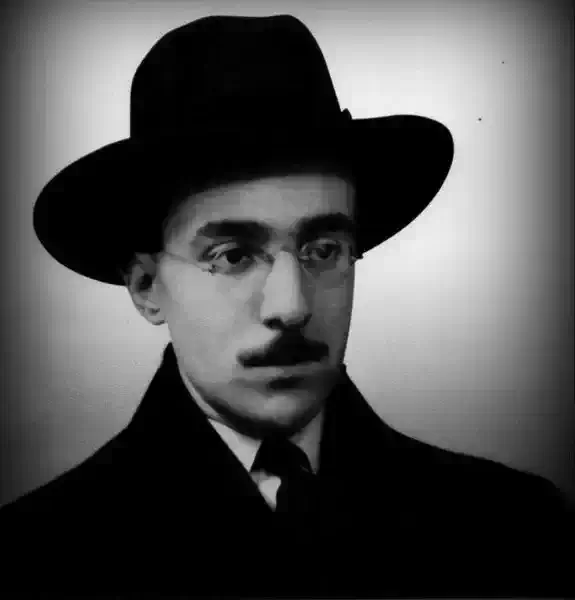
Fernando Pessoa
Do alto da torre da igreja
Do alto da torre da igreja
Vê-se o campo todo em roda.
Só do alto da esperança
Vemos nós a vida toda.
Vê-se o campo todo em roda.
Só do alto da esperança
Vemos nós a vida toda.
2 959
Fernando Pessoa
Do alto da torre da igreja
Do alto da torre da igreja
Vê-se o campo todo em roda.
Só do alto da esperança
Vemos nós a vida toda.
Vê-se o campo todo em roda.
Só do alto da esperança
Vemos nós a vida toda.
2 959
Fernando Pessoa
A vida é pouco aos bocados.
A vida é pouco aos bocados.
O amor é vida a sonhar.
Olho para ambos os lados
E ninguém me vem falar.
O amor é vida a sonhar.
Olho para ambos os lados
E ninguém me vem falar.
886
Fernando Pessoa
Na quinta que nunca houve
Na quinta que nunca houve
Há um poço que não há
Onde há-de ir encontrar água
Alguém que te entenderá.
Há um poço que não há
Onde há-de ir encontrar água
Alguém que te entenderá.
1 019
Fernando Pessoa
Para quê complicar inutilmente,
Para quê complicar inutilmente,
Pensando, o que impensado existe? Nascem
Ervas sem razão dada —
Para elas olhos, não razões, tenhamos.
Como através de um rio as contemplemos.
Pensando, o que impensado existe? Nascem
Ervas sem razão dada —
Para elas olhos, não razões, tenhamos.
Como através de um rio as contemplemos.
1 478
Fernando Pessoa
V - Braços cruzados, sem pensar nem crer.
V
Braços cruzados, sem pensar nem crer,
Fiquemos pois sem mágoas nem desejos.
Deixemos beijos, pois o que são beijos ?
A vida é só o esperar morrer.
Longe da dor e longe do prazer,
Conheçamos no sono os benfazejos
Poderes únicos; sem urzes, brejos,
A sua estrada sabe apetecer.
Coroado de papoilas e trazendo
Artes porque com sono tira sonhos,
Venha Morfeu, que as almas envolvendo,
Faça a felicidade ao mundo vir
Num nada onde sentimo-nos risonhos
Só de sentirmos nada já sentir.
Braços cruzados, sem pensar nem crer,
Fiquemos pois sem mágoas nem desejos.
Deixemos beijos, pois o que são beijos ?
A vida é só o esperar morrer.
Longe da dor e longe do prazer,
Conheçamos no sono os benfazejos
Poderes únicos; sem urzes, brejos,
A sua estrada sabe apetecer.
Coroado de papoilas e trazendo
Artes porque com sono tira sonhos,
Venha Morfeu, que as almas envolvendo,
Faça a felicidade ao mundo vir
Num nada onde sentimo-nos risonhos
Só de sentirmos nada já sentir.
1 355
Fernando Pessoa
Sê lanterna, sê luz com vidro em torno,
Sê lanterna, sê luz com vidro em torno,
Porém o calor guarda.
Não poderão os ventos opressivos
Apagar tua luz;
Nem teu calor, disperso, irá ser frio
No inútil infinito.
Porém o calor guarda.
Não poderão os ventos opressivos
Apagar tua luz;
Nem teu calor, disperso, irá ser frio
No inútil infinito.
4 750
Fernando Pessoa
Puseste a mantilha negra
Puseste a mantilha negra
Que hás-de tirar ao voltar.
A que me puseste na alma
Não tiras. Mas deixa-a estar!
Que hás-de tirar ao voltar.
A que me puseste na alma
Não tiras. Mas deixa-a estar!
1 382
Fernando Pessoa
I - Soam vãos, dolorido epicurista,
I
Soam vãos, dolorido epicurista,
Os versos teus, que a minha dor despreza;
Já tive a alma sem descrença presa
Desse teu sonho, que perturba a vista.
Da Perfeição segui em vã conquista,
Mas vi depressa, já sem a alma acesa,
Que a própria ideia em nós dessa beleza
Um infinito de nós mesmos dista.
Nem à nossa alma definir podemos
A Perfeição em cuja estrada a vida,
Achando-a intérmina, a chorar perdemos.
O mar tem fim, o céu talvez o tenha,
Mas não a ânsia de Coisa indefinida
Que o ser indefinida faz tamanha.
Soam vãos, dolorido epicurista,
Os versos teus, que a minha dor despreza;
Já tive a alma sem descrença presa
Desse teu sonho, que perturba a vista.
Da Perfeição segui em vã conquista,
Mas vi depressa, já sem a alma acesa,
Que a própria ideia em nós dessa beleza
Um infinito de nós mesmos dista.
Nem à nossa alma definir podemos
A Perfeição em cuja estrada a vida,
Achando-a intérmina, a chorar perdemos.
O mar tem fim, o céu talvez o tenha,
Mas não a ânsia de Coisa indefinida
Que o ser indefinida faz tamanha.
1 544
Fernando Pessoa
I - Soam vãos, dolorido epicurista,
I
Soam vãos, dolorido epicurista,
Os versos teus, que a minha dor despreza;
Já tive a alma sem descrença presa
Desse teu sonho, que perturba a vista.
Da Perfeição segui em vã conquista,
Mas vi depressa, já sem a alma acesa,
Que a própria ideia em nós dessa beleza
Um infinito de nós mesmos dista.
Nem à nossa alma definir podemos
A Perfeição em cuja estrada a vida,
Achando-a intérmina, a chorar perdemos.
O mar tem fim, o céu talvez o tenha,
Mas não a ânsia de Coisa indefinida
Que o ser indefinida faz tamanha.
Soam vãos, dolorido epicurista,
Os versos teus, que a minha dor despreza;
Já tive a alma sem descrença presa
Desse teu sonho, que perturba a vista.
Da Perfeição segui em vã conquista,
Mas vi depressa, já sem a alma acesa,
Que a própria ideia em nós dessa beleza
Um infinito de nós mesmos dista.
Nem à nossa alma definir podemos
A Perfeição em cuja estrada a vida,
Achando-a intérmina, a chorar perdemos.
O mar tem fim, o céu talvez o tenha,
Mas não a ânsia de Coisa indefinida
Que o ser indefinida faz tamanha.
1 544
Fernando Pessoa
I - Soam vãos, dolorido epicurista,
I
Soam vãos, dolorido epicurista,
Os versos teus, que a minha dor despreza;
Já tive a alma sem descrença presa
Desse teu sonho, que perturba a vista.
Da Perfeição segui em vã conquista,
Mas vi depressa, já sem a alma acesa,
Que a própria ideia em nós dessa beleza
Um infinito de nós mesmos dista.
Nem à nossa alma definir podemos
A Perfeição em cuja estrada a vida,
Achando-a intérmina, a chorar perdemos.
O mar tem fim, o céu talvez o tenha,
Mas não a ânsia de Coisa indefinida
Que o ser indefinida faz tamanha.
Soam vãos, dolorido epicurista,
Os versos teus, que a minha dor despreza;
Já tive a alma sem descrença presa
Desse teu sonho, que perturba a vista.
Da Perfeição segui em vã conquista,
Mas vi depressa, já sem a alma acesa,
Que a própria ideia em nós dessa beleza
Um infinito de nós mesmos dista.
Nem à nossa alma definir podemos
A Perfeição em cuja estrada a vida,
Achando-a intérmina, a chorar perdemos.
O mar tem fim, o céu talvez o tenha,
Mas não a ânsia de Coisa indefinida
Que o ser indefinida faz tamanha.
1 544
Fernando Pessoa
A tua boca de riso
A tua boca de riso
Parece olhar para a gente
Com um olhar que é preciso
Para saber que se sente.
Parece olhar para a gente
Com um olhar que é preciso
Para saber que se sente.
2 120
Fernando Pessoa
ON BABY'S DEATH
With the doleful dead man's bell
Ring, oh, ring not Baby's knell!
Let her calmly, calmly sleep,
But with the flow’rs fresh from the dell
Make thou a music wild and deep,
Such as men can but know well
When their souls have learnt to weep.
As if Love's self had gone from earth
Oh, sing a music that has birth
In the suspension of commotion
For thus hath death made our emotion.
Sing thou a song more deep and true
Than the vague, soft song of ocean
The quiet darkness moaning through.
Sing into sad tears our distress!
Oh, let soft sorrow be thy strain!
She's gone beyond our love's caress,
Giving to life more loneliness
And to mystery more pain.
Ring, oh, ring not Baby's knell!
Let her calmly, calmly sleep,
But with the flow’rs fresh from the dell
Make thou a music wild and deep,
Such as men can but know well
When their souls have learnt to weep.
As if Love's self had gone from earth
Oh, sing a music that has birth
In the suspension of commotion
For thus hath death made our emotion.
Sing thou a song more deep and true
Than the vague, soft song of ocean
The quiet darkness moaning through.
Sing into sad tears our distress!
Oh, let soft sorrow be thy strain!
She's gone beyond our love's caress,
Giving to life more loneliness
And to mystery more pain.
1 558
Fernando Pessoa
Lá por olhar para ti
Lá por olhar para ti
Não julgues que é por gostar.
Eu gosto muito do sol,
E nem o posso fitar.
Não julgues que é por gostar.
Eu gosto muito do sol,
E nem o posso fitar.
1 352
Fernando Pessoa
ELEGY
On the marriage of my dear friend Mr. Jinks
(but which may with equal aptness be applied
to the marriage of many other gentlemen)
I
Ye nymphs whose beauties all your hills
Adorn,
Embodied graces of the sun‑traced rills,
Mourn;
For gentle Corydon henceforth,
In this hard world where all must pass,
Will feel as icy as the North.
Alas!
II
Ah, Corydon! Ah, Corydon!
And hast thou left all happiness,
Immoraled joy and whiskied liberty?
Ah, Corydon!
Great is our distress.
And art thou no more free?
Bars shall be useless now. Alas! in vain
The music‑hall shall ring with voices known,
In vain the horse shall course the plain
And the struck sparrer groan.
And dogs and beasts and women,
And brandy, gin and wine,
And brutish brutes and human -
Oh, say, shall all these joys no more be thine?
lll
Ah, frailness of mankind!
Thou who didst laugh at woman and didst hold
Thyself superior, now, alas! wilt find,
Amid thy waning joy and waning gold,
Thou learnedst in a sorry school
That taught thee to disdain
The seeming‑tender being whose dread rule
Shall now wreak on thee horrid pain.
Too late now wilt thou learn, too late,
When thy voice is low and humble thy gait,
When thy soul is crushed and thy dress sedate,
The greatest of all ills the gods on humans rain.
IV
Ah, what avails all mourning? Thou art gone
From life and youth and gaudy loveliness,
From that deep rest that men call drunkenness.
Ah, Corydon! Ah, Corydon!
Thou the first hope of all our race
Hast left the blessed paths of peace and love.
Ah, wilt thou be content to rove
From shop to shop with her, thy mother‑in‑law,
Or tremble full to hear at night,
With horror deep and deep affright.
The wordy torrent from thy spouse's jaw?
V
Oh, the troubles to come to thee can ever I dare name?
To work in the day, and at night to walk the bedroom's length,
On a seeming‑heavy baby to waste thy seeming‑waning strength,
And as the husband of thy wife to reach the light of fame.
Now my voice is broke with weeping, and mine eyes red, as with sand,
And my spirit worn with sighing, and with sighing worn my breast
Ah, farewell, that thou art gone now to the dreaded obscure land
Where the wicked cease from troubling and the weary never rest.
(but which may with equal aptness be applied
to the marriage of many other gentlemen)
I
Ye nymphs whose beauties all your hills
Adorn,
Embodied graces of the sun‑traced rills,
Mourn;
For gentle Corydon henceforth,
In this hard world where all must pass,
Will feel as icy as the North.
Alas!
II
Ah, Corydon! Ah, Corydon!
And hast thou left all happiness,
Immoraled joy and whiskied liberty?
Ah, Corydon!
Great is our distress.
And art thou no more free?
Bars shall be useless now. Alas! in vain
The music‑hall shall ring with voices known,
In vain the horse shall course the plain
And the struck sparrer groan.
And dogs and beasts and women,
And brandy, gin and wine,
And brutish brutes and human -
Oh, say, shall all these joys no more be thine?
lll
Ah, frailness of mankind!
Thou who didst laugh at woman and didst hold
Thyself superior, now, alas! wilt find,
Amid thy waning joy and waning gold,
Thou learnedst in a sorry school
That taught thee to disdain
The seeming‑tender being whose dread rule
Shall now wreak on thee horrid pain.
Too late now wilt thou learn, too late,
When thy voice is low and humble thy gait,
When thy soul is crushed and thy dress sedate,
The greatest of all ills the gods on humans rain.
IV
Ah, what avails all mourning? Thou art gone
From life and youth and gaudy loveliness,
From that deep rest that men call drunkenness.
Ah, Corydon! Ah, Corydon!
Thou the first hope of all our race
Hast left the blessed paths of peace and love.
Ah, wilt thou be content to rove
From shop to shop with her, thy mother‑in‑law,
Or tremble full to hear at night,
With horror deep and deep affright.
The wordy torrent from thy spouse's jaw?
V
Oh, the troubles to come to thee can ever I dare name?
To work in the day, and at night to walk the bedroom's length,
On a seeming‑heavy baby to waste thy seeming‑waning strength,
And as the husband of thy wife to reach the light of fame.
Now my voice is broke with weeping, and mine eyes red, as with sand,
And my spirit worn with sighing, and with sighing worn my breast
Ah, farewell, that thou art gone now to the dreaded obscure land
Where the wicked cease from troubling and the weary never rest.
1 738
Fernando Pessoa
TO MY DEAREST FRIEND
When I am dead you'll write - I know you will -
A thoughtful sonnet on my early death,
In which, stating that life but wearieth,
You'll notice how I lie pale, cold, and still.
This in the quatrains, which likewise you'll fill
With some reflections on how soon goes breath
And how the cold and heavy earth beneath
There is an end to living, good or ill.
After this, in the tercets, you will say
That death's a mystery, that nought doth stay,
Perhaps that immortality is true.
Then you will sign and put the date to it.
And, having read again the sonnet, you
Will be content, seeing it is well writ.
A thoughtful sonnet on my early death,
In which, stating that life but wearieth,
You'll notice how I lie pale, cold, and still.
This in the quatrains, which likewise you'll fill
With some reflections on how soon goes breath
And how the cold and heavy earth beneath
There is an end to living, good or ill.
After this, in the tercets, you will say
That death's a mystery, that nought doth stay,
Perhaps that immortality is true.
Then you will sign and put the date to it.
And, having read again the sonnet, you
Will be content, seeing it is well writ.
1 534
Fernando Pessoa
TO MY DEAREST FRIEND
When I am dead you'll write - I know you will -
A thoughtful sonnet on my early death,
In which, stating that life but wearieth,
You'll notice how I lie pale, cold, and still.
This in the quatrains, which likewise you'll fill
With some reflections on how soon goes breath
And how the cold and heavy earth beneath
There is an end to living, good or ill.
After this, in the tercets, you will say
That death's a mystery, that nought doth stay,
Perhaps that immortality is true.
Then you will sign and put the date to it.
And, having read again the sonnet, you
Will be content, seeing it is well writ.
A thoughtful sonnet on my early death,
In which, stating that life but wearieth,
You'll notice how I lie pale, cold, and still.
This in the quatrains, which likewise you'll fill
With some reflections on how soon goes breath
And how the cold and heavy earth beneath
There is an end to living, good or ill.
After this, in the tercets, you will say
That death's a mystery, that nought doth stay,
Perhaps that immortality is true.
Then you will sign and put the date to it.
And, having read again the sonnet, you
Will be content, seeing it is well writ.
1 534
Fernando Pessoa
VISÃO
Há um país imenso mais real
Do que a vida que o mundo mostra ter
Mais do que a Natureza natural
À verdade tremendo de viver.
Sob um céu uno e plácido e normal
Onde nada se mostra haver ou ser
Onde nem vento geme, nem fatal
A ideia de uma nuvem se faz crer,
Jaz — uma terra não — não um solo
Mas estranha, gelando em desconsolo
A alma que vê esse pais sem véu,
Hirtamente silente nos espaços
Uma floresta de escarnados braços
Inutilmente erguidos para o céu.
Do que a vida que o mundo mostra ter
Mais do que a Natureza natural
À verdade tremendo de viver.
Sob um céu uno e plácido e normal
Onde nada se mostra haver ou ser
Onde nem vento geme, nem fatal
A ideia de uma nuvem se faz crer,
Jaz — uma terra não — não um solo
Mas estranha, gelando em desconsolo
A alma que vê esse pais sem véu,
Hirtamente silente nos espaços
Uma floresta de escarnados braços
Inutilmente erguidos para o céu.
3 050
Fernando Pessoa
Nuvem alta, nuvem alta,
Nuvem alta, nuvem alta,
Porque é que tão alta vais?
Se tens o amor que me falta,
Desce um pouco, desce mais.
Porque é que tão alta vais?
Se tens o amor que me falta,
Desce um pouco, desce mais.
1 543
Fernando Pessoa
Ribeirinho, ribeirinho,/Que falas tão devagar,
Ribeirinho, ribeirinho,
Que falas tão devagar,
Ensina-me o teu caminho
De passar sem desejar amar.
Que falas tão devagar,
Ensina-me o teu caminho
De passar sem desejar amar.
1 778
Fernando Pessoa
VI - Ó sono — Oh! ilusão! — o sono?
VI
O sono — Oh, ilusão! — o sono? quem
Logrará esse vácuo ao qual aspira
A alma que, de aspirar em vão, delira,
E já nem força para querer tem?
Que sono apetecemos? O d'alguém
Adormecido na feliz mentira
Da sonolência vaga que nos tira
Todo o sentir no qual a dor nos vem?
Ilusão tudo! Querer um sono eterno,
Um descanso, uma paz, não é senão
O último anseio desesperado e vão.
Perdido, resta o derradeiro inferno
Do tédio intérmino, esse de já não
Nem aspirar a ter aspiração.
O sono — Oh, ilusão! — o sono? quem
Logrará esse vácuo ao qual aspira
A alma que, de aspirar em vão, delira,
E já nem força para querer tem?
Que sono apetecemos? O d'alguém
Adormecido na feliz mentira
Da sonolência vaga que nos tira
Todo o sentir no qual a dor nos vem?
Ilusão tudo! Querer um sono eterno,
Um descanso, uma paz, não é senão
O último anseio desesperado e vão.
Perdido, resta o derradeiro inferno
Do tédio intérmino, esse de já não
Nem aspirar a ter aspiração.
1 634
Fernando Pessoa
TO A MATERIALIST
Thou dost explain by Law the weaving
Of all the world, by Chance ruled ever.
I never thought Law was so living,
Nor did I deem Chance was so clever.
Of all the world, by Chance ruled ever.
I never thought Law was so living,
Nor did I deem Chance was so clever.
1 386
Fernando Pessoa
II - Nem defini-la, nem achá-la, a ela —
II
Nem defini-la, nem achá-la, a ela —
A Beleza. No mundo não existe.
Ai de quem com a alma inda mais triste
Nos seres transitórios quer colhê-la!
Acanhe-se a alma porque não conquiste
Mais que o banal de cada coisa bela,
Ou saiba que ao ardor de querer havê-la
À Perfeição — só a desgraça assiste.
Só quem da vida bebeu todo o vinho,
Dum trago ou não, mas sendo até o fundo,
Sabe (mas sem remédio) o bom caminho;
Conhece o tédio extremo da desgraça,
Que olha estupidamente o nauseabundo
Cristal inútil da vazia taça.
Nem defini-la, nem achá-la, a ela —
A Beleza. No mundo não existe.
Ai de quem com a alma inda mais triste
Nos seres transitórios quer colhê-la!
Acanhe-se a alma porque não conquiste
Mais que o banal de cada coisa bela,
Ou saiba que ao ardor de querer havê-la
À Perfeição — só a desgraça assiste.
Só quem da vida bebeu todo o vinho,
Dum trago ou não, mas sendo até o fundo,
Sabe (mas sem remédio) o bom caminho;
Conhece o tédio extremo da desgraça,
Que olha estupidamente o nauseabundo
Cristal inútil da vazia taça.
865
Fernando Pessoa
II - Nem defini-la, nem achá-la, a ela —
II
Nem defini-la, nem achá-la, a ela —
A Beleza. No mundo não existe.
Ai de quem com a alma inda mais triste
Nos seres transitórios quer colhê-la!
Acanhe-se a alma porque não conquiste
Mais que o banal de cada coisa bela,
Ou saiba que ao ardor de querer havê-la
À Perfeição — só a desgraça assiste.
Só quem da vida bebeu todo o vinho,
Dum trago ou não, mas sendo até o fundo,
Sabe (mas sem remédio) o bom caminho;
Conhece o tédio extremo da desgraça,
Que olha estupidamente o nauseabundo
Cristal inútil da vazia taça.
Nem defini-la, nem achá-la, a ela —
A Beleza. No mundo não existe.
Ai de quem com a alma inda mais triste
Nos seres transitórios quer colhê-la!
Acanhe-se a alma porque não conquiste
Mais que o banal de cada coisa bela,
Ou saiba que ao ardor de querer havê-la
À Perfeição — só a desgraça assiste.
Só quem da vida bebeu todo o vinho,
Dum trago ou não, mas sendo até o fundo,
Sabe (mas sem remédio) o bom caminho;
Conhece o tédio extremo da desgraça,
Que olha estupidamente o nauseabundo
Cristal inútil da vazia taça.
865