

Poemas neste tema
Outros
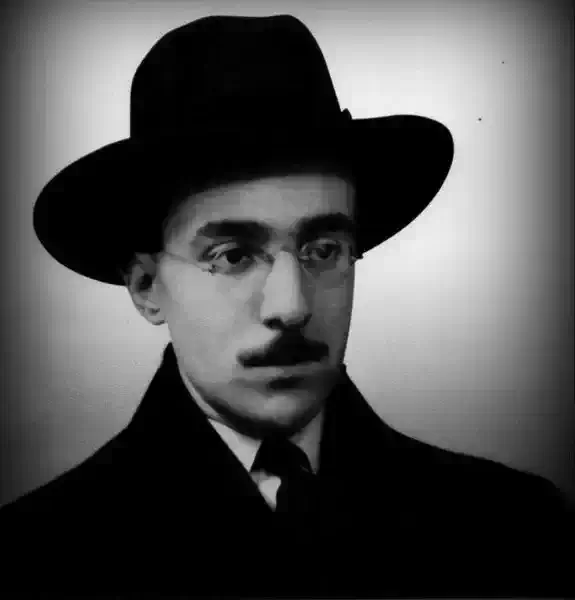
Fernando Pessoa
Sim, talvez tenham razão.
Sim, talvez tenham razão.
Talvez em cada coisa uma coisa oculta more,
Mas essa coisa oculta é a mesma
Que a coisa sem ser oculta.
Na planta, na árvore, na flor
(Em tudo que vive sem fala
E é uma consciência e não o com que se faz uma consciência),
No bosque que não é árvores mas bosque,
Total das árvores sem soma,
Mora uma ninfa, a vida exterior por dentro
Que lhes dá a vida;
Que floresce com o florescer deles
E é verde no seu verdor.
No animal e no homem entra.
Vive por fora por dentro
É um já dentro por fora,
Dizem os filósofos que isto é a alma
Mas não é a alma: é o próprio animal ou homem
Da maneira como existe.
E penso que talvez haja entes
Em que as duas coisas coincidam
E tenham o mesmo tamanho.
E que estes entes serão os deuses,
Que existem porque assim é que completamente se existe,
Que não morrem porque são iguais a si mesmos,
Que podem mentir porque não têm divisão [?]
Entre quem são e quem são,
E talvez não nos amem, nem nos queiram, nem nos apareçam
Porque o que é perfeito não precisa de nada.
Talvez em cada coisa uma coisa oculta more,
Mas essa coisa oculta é a mesma
Que a coisa sem ser oculta.
Na planta, na árvore, na flor
(Em tudo que vive sem fala
E é uma consciência e não o com que se faz uma consciência),
No bosque que não é árvores mas bosque,
Total das árvores sem soma,
Mora uma ninfa, a vida exterior por dentro
Que lhes dá a vida;
Que floresce com o florescer deles
E é verde no seu verdor.
No animal e no homem entra.
Vive por fora por dentro
É um já dentro por fora,
Dizem os filósofos que isto é a alma
Mas não é a alma: é o próprio animal ou homem
Da maneira como existe.
E penso que talvez haja entes
Em que as duas coisas coincidam
E tenham o mesmo tamanho.
E que estes entes serão os deuses,
Que existem porque assim é que completamente se existe,
Que não morrem porque são iguais a si mesmos,
Que podem mentir porque não têm divisão [?]
Entre quem são e quem são,
E talvez não nos amem, nem nos queiram, nem nos apareçam
Porque o que é perfeito não precisa de nada.
1 633
Fernando Pessoa
Sim: existo dentro do meu corpo.
Sim: existo dentro do meu corpo.
Não trago o sol nem a lua na algibeira.
Não quero conquistar mundos porque dormi mal,
Nem almoçar a terra por causa do estômago.
Indiferente?
Não: natural da terra, que se der um salto, está em falso,
Um momento no ar que não é para nós,
E só contente quando os pés lhe batem outra vez na terra,
Traz! na realidade que não falta!
Não trago o sol nem a lua na algibeira.
Não quero conquistar mundos porque dormi mal,
Nem almoçar a terra por causa do estômago.
Indiferente?
Não: natural da terra, que se der um salto, está em falso,
Um momento no ar que não é para nós,
E só contente quando os pés lhe batem outra vez na terra,
Traz! na realidade que não falta!
1 453
Fernando Pessoa
Com teu gesto pintado e exagerado
Com teu gesto pintado e exagerado
E o teu prolixo modo de sorrir
E o teu olhar, sob o torpor copado
Da expressão, veludineo em dirigir
Tu nada sabes do essencial pecado
E uma inocência (...) vem luzir
Como uma luz de azeite em descampado
No teu gesto ensinado a conseguir.
Porque a análise é a vera perversão...
O único vício é rebuscar a alma,
Dor a dor, sensação a sensação...
Tu, a exterior, que mal tens na alma oca?
Nada... Ai de nós de quem a vida é calma.
E quem é que fica dentro ... (Abre a tua boca!)
E o teu prolixo modo de sorrir
E o teu olhar, sob o torpor copado
Da expressão, veludineo em dirigir
Tu nada sabes do essencial pecado
E uma inocência (...) vem luzir
Como uma luz de azeite em descampado
No teu gesto ensinado a conseguir.
Porque a análise é a vera perversão...
O único vício é rebuscar a alma,
Dor a dor, sensação a sensação...
Tu, a exterior, que mal tens na alma oca?
Nada... Ai de nós de quem a vida é calma.
E quem é que fica dentro ... (Abre a tua boca!)
1 072
Fernando Pessoa
IV - MINUETE INVISÍVEL
IV
MINUETE INVISÍVEL
Elas são vaporosas,
Pálidas sombras, as rosas
Nadas da hora lunar..
Vêm, aéreas, dançar
Com perfumes soltos
Entre os canteiros e os buxos...
Chora no som dos repuxos
O ritmo que há nos seus vultos...
Passam e agitam a brisa...
Pálida, a pompa indecisa
Da sua flébil demora
Paira em auréola à hora...
Passam nos ritmos da sombra...
Ora é uma folha que tomba,
Ora uma brisa que treme
Sua leveza solene...
E assim vão indo, delindo
Seu perfil único e lindo,
Seu vulto feito de todas,
Nas alamedas, em rodas,
No jardim lívido e frio...
Passam sozinhas, a fio,
Como um fumo indo, a rarear,
Pelo ar longínquo e vazio,
Sob o, disperso pelo ar,
Pálido pálio lunar...
MINUETE INVISÍVEL
Elas são vaporosas,
Pálidas sombras, as rosas
Nadas da hora lunar..
Vêm, aéreas, dançar
Com perfumes soltos
Entre os canteiros e os buxos...
Chora no som dos repuxos
O ritmo que há nos seus vultos...
Passam e agitam a brisa...
Pálida, a pompa indecisa
Da sua flébil demora
Paira em auréola à hora...
Passam nos ritmos da sombra...
Ora é uma folha que tomba,
Ora uma brisa que treme
Sua leveza solene...
E assim vão indo, delindo
Seu perfil único e lindo,
Seu vulto feito de todas,
Nas alamedas, em rodas,
No jardim lívido e frio...
Passam sozinhas, a fio,
Como um fumo indo, a rarear,
Pelo ar longínquo e vazio,
Sob o, disperso pelo ar,
Pálido pálio lunar...
867
Fernando Pessoa
Exígua lâmpada tranquila,
Exígua lâmpada tranquila,
Quem te alumia e me dá luz,
Entre quem és e eu sou oscila.
Quem te alumia e me dá luz,
Entre quem és e eu sou oscila.
1 491
Fernando Pessoa
Sempre que penso uma coisa, traio-a.
Sempre que penso uma coisa, traio-a.
Só tendo-a diante de mim devo pensar nela.
Não pensando, mas vendo,
Não com o pensamento, mas com os olhos.
Uma coisa que é visível existe para se ver,
E o que existe para os olhos não tem que existir para o pensamento;
Só existe verdadeiramente para o pensamento e não para os olhos.
Olho, e as coisas existem.
Penso e existo só eu.
Só tendo-a diante de mim devo pensar nela.
Não pensando, mas vendo,
Não com o pensamento, mas com os olhos.
Uma coisa que é visível existe para se ver,
E o que existe para os olhos não tem que existir para o pensamento;
Só existe verdadeiramente para o pensamento e não para os olhos.
Olho, e as coisas existem.
Penso e existo só eu.
1 002
Fernando Pessoa
Sempre que penso uma coisa, traio-a.
Sempre que penso uma coisa, traio-a.
Só tendo-a diante de mim devo pensar nela.
Não pensando, mas vendo,
Não com o pensamento, mas com os olhos.
Uma coisa que é visível existe para se ver,
E o que existe para os olhos não tem que existir para o pensamento;
Só existe verdadeiramente para o pensamento e não para os olhos.
Olho, e as coisas existem.
Penso e existo só eu.
Só tendo-a diante de mim devo pensar nela.
Não pensando, mas vendo,
Não com o pensamento, mas com os olhos.
Uma coisa que é visível existe para se ver,
E o que existe para os olhos não tem que existir para o pensamento;
Só existe verdadeiramente para o pensamento e não para os olhos.
Olho, e as coisas existem.
Penso e existo só eu.
1 002
Fernando Pessoa
Última estrela a desaparecer antes do dia,
Última estrela a desaparecer antes do dia,
Pouso no teu trémulo azular branco os meus olhos calmos,
E vejo-te independentemente de mim,
Alegre pela vitória que tenho em poder ver-te,
Sem «estado de alma» nenhum, senão ver-te.
A tua beleza para mim está em existires.
A tua grandeza está em existires inteiramente fora de mim.
Pouso no teu trémulo azular branco os meus olhos calmos,
E vejo-te independentemente de mim,
Alegre pela vitória que tenho em poder ver-te,
Sem «estado de alma» nenhum, senão ver-te.
A tua beleza para mim está em existires.
A tua grandeza está em existires inteiramente fora de mim.
1 363
Fernando Pessoa
Última estrela a desaparecer antes do dia,
Última estrela a desaparecer antes do dia,
Pouso no teu trémulo azular branco os meus olhos calmos,
E vejo-te independentemente de mim,
Alegre pela vitória que tenho em poder ver-te,
Sem «estado de alma» nenhum, senão ver-te.
A tua beleza para mim está em existires.
A tua grandeza está em existires inteiramente fora de mim.
Pouso no teu trémulo azular branco os meus olhos calmos,
E vejo-te independentemente de mim,
Alegre pela vitória que tenho em poder ver-te,
Sem «estado de alma» nenhum, senão ver-te.
A tua beleza para mim está em existires.
A tua grandeza está em existires inteiramente fora de mim.
1 363
Fernando Pessoa
A água chia no púcaro que elevo à boca.
A água chia no púcaro que elevo à boca.
«É um som fresco» diz-me quem me dá a bebê-la.
Sorrio. O som é só um som de chiar.
Bebo a água sem ouvir nada com a minha garganta.
«É um som fresco» diz-me quem me dá a bebê-la.
Sorrio. O som é só um som de chiar.
Bebo a água sem ouvir nada com a minha garganta.
1 509
Fernando Pessoa
O segredo da Busca é que não se acha.
O segredo da Busca é que não se acha.
Eternos mundos infinitamente,
Uns dentro de outros, sem cessar decorrem
Inúteis; Sóis, Deuses, Deus dos Deuses,
Neles intercalados e perdidos
Nem a nós encontramos no infinito.
Tudo é sempre diverso, e sempre adiante
De [Deus] e deuses vai a luz incerta
Da suprema verdade.
Eternos mundos infinitamente,
Uns dentro de outros, sem cessar decorrem
Inúteis; Sóis, Deuses, Deus dos Deuses,
Neles intercalados e perdidos
Nem a nós encontramos no infinito.
Tudo é sempre diverso, e sempre adiante
De [Deus] e deuses vai a luz incerta
Da suprema verdade.
1 490
Fernando Pessoa
Como uma criança, antes de a ensinarem a ser grande,
Como uma criança antes de a ensinarem a ser grande,
Fui verdadeiro e leal ao que vi e ouvi.
Fui verdadeiro e leal ao que vi e ouvi.
1 423
Fernando Pessoa
V - Ténue, roçando sedas pelas horas,
V
Ténue, roçando sedas pelas horas,
Teu vulto ciciante passa e esquece,
E dia a dia adias para prece
O rito cujo ritmo só decoras...
Um mar longínquo e próximo humedece
Teus lábios onde, mais que em ti, descoras...
E, alada, leve, sobre a dor que choras,
Sem querer saber de ti a tarde desce...
Erra no anteluar a voz dos tanques...
Na quinta imensa gorgolejam águas,
Na treva vaga ao meu ter dor estanques...
Meu império é das horas desiguais,
E dei meu gesto lasso às algas mágoas
Que há para além de sermos outonais...
Ténue, roçando sedas pelas horas,
Teu vulto ciciante passa e esquece,
E dia a dia adias para prece
O rito cujo ritmo só decoras...
Um mar longínquo e próximo humedece
Teus lábios onde, mais que em ti, descoras...
E, alada, leve, sobre a dor que choras,
Sem querer saber de ti a tarde desce...
Erra no anteluar a voz dos tanques...
Na quinta imensa gorgolejam águas,
Na treva vaga ao meu ter dor estanques...
Meu império é das horas desiguais,
E dei meu gesto lasso às algas mágoas
Que há para além de sermos outonais...
1 377
Fernando Pessoa
O que ouviu os meus versos disse-me: Que tem isso de novo?
O que ouviu os meus versos disse-me: Que tem isso de novo?
Todos sabem que uma flor é uma flor e uma árvore é uma árvore.
Mas eu respondi, nem todos, ninguém.
Porque todos amam as flores por serem belas, e eu sou diferente.
E todos amam as árvores por serem verdes e darem sombra, mas eu não.
Eu amo as flores por serem flores, directamente.
Eu amo as árvores por serem árvores, sem o meu pensamento.
Todos sabem que uma flor é uma flor e uma árvore é uma árvore.
Mas eu respondi, nem todos, ninguém.
Porque todos amam as flores por serem belas, e eu sou diferente.
E todos amam as árvores por serem verdes e darem sombra, mas eu não.
Eu amo as flores por serem flores, directamente.
Eu amo as árvores por serem árvores, sem o meu pensamento.
1 599
Fernando Pessoa
O que ouviu os meus versos disse-me: Que tem isso de novo?
O que ouviu os meus versos disse-me: Que tem isso de novo?
Todos sabem que uma flor é uma flor e uma árvore é uma árvore.
Mas eu respondi, nem todos, ninguém.
Porque todos amam as flores por serem belas, e eu sou diferente.
E todos amam as árvores por serem verdes e darem sombra, mas eu não.
Eu amo as flores por serem flores, directamente.
Eu amo as árvores por serem árvores, sem o meu pensamento.
Todos sabem que uma flor é uma flor e uma árvore é uma árvore.
Mas eu respondi, nem todos, ninguém.
Porque todos amam as flores por serem belas, e eu sou diferente.
E todos amam as árvores por serem verdes e darem sombra, mas eu não.
Eu amo as flores por serem flores, directamente.
Eu amo as árvores por serem árvores, sem o meu pensamento.
1 599
Fernando Pessoa
Eu queria ter o tempo e o sossego suficientes
Eu queria ter o tempo e o sossego suficientes
Para não pensar em coisa nenhuma,
Para nem me sentir viver,
Para só saber de mim nos olhos dos outros, reflectido.
Para não pensar em coisa nenhuma,
Para nem me sentir viver,
Para só saber de mim nos olhos dos outros, reflectido.
1 317
Fernando Pessoa
XII - Ela ia, tranquila pastorinha,
XII
Ela ia, tranquila pastorinha,
Pela estrada da minha imperfeição.
Seguia-a, como um gesto de perdão,
O seu rebanho, a saudade minha...
«Em longes terras hás-de ser rainha»
Um dia lhe disseram, mas em vão...
Seu vulto perde-se na escuridão...
Só sua sombra ante meus pés caminha...
Deus te dê lírios em vez desta hora,
E em terras longe do que eu hoje sinto
Serás, rainha não, mas só pastora —
Só sempre a mesma pastorinha a ir,
E eu serei teu regresso, esse indistinto
Abismo entre o meu sonho e o meu porvir...
Ela ia, tranquila pastorinha,
Pela estrada da minha imperfeição.
Seguia-a, como um gesto de perdão,
O seu rebanho, a saudade minha...
«Em longes terras hás-de ser rainha»
Um dia lhe disseram, mas em vão...
Seu vulto perde-se na escuridão...
Só sua sombra ante meus pés caminha...
Deus te dê lírios em vez desta hora,
E em terras longe do que eu hoje sinto
Serás, rainha não, mas só pastora —
Só sempre a mesma pastorinha a ir,
E eu serei teu regresso, esse indistinto
Abismo entre o meu sonho e o meu porvir...
1 607
Fernando Pessoa
A Rainha D. Amélia
A Rainha D. Amélia
Se se dissesse que arrélia,
Rimava, mal seria
O mais certo é que arrelia.
Se se dissesse que arrélia,
Rimava, mal seria
O mais certo é que arrelia.
1 381
Fernando Pessoa
VII - Fosse eu apenas, não sei onde ou como,
VII
Fosse eu apenas, não sei onde ou como,
Uma coisa existente sem viver,
Noite de Vida sem amanhecer
Entre as sirtes do meu doirado assomo...
Fada maliciosa ou incerto gnomo
Fadado houvesse de não pertencer
Meu intuito gloriola com ter
A árvore do meu uso o único pomo...
Fosse eu uma metáfora somente
Escrita nalgum livro insubsistente
Dum poeta antigo, de alma em outras gamas,
Mas doente, e, num crepúsculo de espadas,
Morrendo entre bandeiras desfraldadas
Na última tarde de um império em chamas...
Fosse eu apenas, não sei onde ou como,
Uma coisa existente sem viver,
Noite de Vida sem amanhecer
Entre as sirtes do meu doirado assomo...
Fada maliciosa ou incerto gnomo
Fadado houvesse de não pertencer
Meu intuito gloriola com ter
A árvore do meu uso o único pomo...
Fosse eu uma metáfora somente
Escrita nalgum livro insubsistente
Dum poeta antigo, de alma em outras gamas,
Mas doente, e, num crepúsculo de espadas,
Morrendo entre bandeiras desfraldadas
Na última tarde de um império em chamas...
1 338
Fernando Pessoa
VII - Fosse eu apenas, não sei onde ou como,
VII
Fosse eu apenas, não sei onde ou como,
Uma coisa existente sem viver,
Noite de Vida sem amanhecer
Entre as sirtes do meu doirado assomo...
Fada maliciosa ou incerto gnomo
Fadado houvesse de não pertencer
Meu intuito gloriola com ter
A árvore do meu uso o único pomo...
Fosse eu uma metáfora somente
Escrita nalgum livro insubsistente
Dum poeta antigo, de alma em outras gamas,
Mas doente, e, num crepúsculo de espadas,
Morrendo entre bandeiras desfraldadas
Na última tarde de um império em chamas...
Fosse eu apenas, não sei onde ou como,
Uma coisa existente sem viver,
Noite de Vida sem amanhecer
Entre as sirtes do meu doirado assomo...
Fada maliciosa ou incerto gnomo
Fadado houvesse de não pertencer
Meu intuito gloriola com ter
A árvore do meu uso o único pomo...
Fosse eu uma metáfora somente
Escrita nalgum livro insubsistente
Dum poeta antigo, de alma em outras gamas,
Mas doente, e, num crepúsculo de espadas,
Morrendo entre bandeiras desfraldadas
Na última tarde de um império em chamas...
1 338
Fernando Pessoa
O BIBLIÓFILO
Ó ambições!... Como eu quisera ser
Um pobre bibliófilo parado
Sobre o eterno fólio desdobrado
E sem mais na consciência de viver.
Podia a primavera enverdecer
E eu sempre sobre o livro recurvado
Sorriria a um arcaico pecado
A uma medieval moça e qualquer.
A vida não perdia nem ganhava
Nada por mim, nenhum gesto meu dava
Um gesto mais ao seu profundo
E eu lia, a testa contra a luz acesa.
Sem nada querer ser como a beleza
E sem nada ter sido como o mundo
Um pobre bibliófilo parado
Sobre o eterno fólio desdobrado
E sem mais na consciência de viver.
Podia a primavera enverdecer
E eu sempre sobre o livro recurvado
Sorriria a um arcaico pecado
A uma medieval moça e qualquer.
A vida não perdia nem ganhava
Nada por mim, nenhum gesto meu dava
Um gesto mais ao seu profundo
E eu lia, a testa contra a luz acesa.
Sem nada querer ser como a beleza
E sem nada ter sido como o mundo
1 460
Fernando Pessoa
O BIBLIÓFILO
Ó ambições!... Como eu quisera ser
Um pobre bibliófilo parado
Sobre o eterno fólio desdobrado
E sem mais na consciência de viver.
Podia a primavera enverdecer
E eu sempre sobre o livro recurvado
Sorriria a um arcaico pecado
A uma medieval moça e qualquer.
A vida não perdia nem ganhava
Nada por mim, nenhum gesto meu dava
Um gesto mais ao seu profundo
E eu lia, a testa contra a luz acesa.
Sem nada querer ser como a beleza
E sem nada ter sido como o mundo
Um pobre bibliófilo parado
Sobre o eterno fólio desdobrado
E sem mais na consciência de viver.
Podia a primavera enverdecer
E eu sempre sobre o livro recurvado
Sorriria a um arcaico pecado
A uma medieval moça e qualquer.
A vida não perdia nem ganhava
Nada por mim, nenhum gesto meu dava
Um gesto mais ao seu profundo
E eu lia, a testa contra a luz acesa.
Sem nada querer ser como a beleza
E sem nada ter sido como o mundo
1 460
Fernando Pessoa
VIII - Ignorado ficasse o meu destino
VIII
Ignorado ficasse o meu destino
Entre pálios (e a ponte sempre à vista),
E anel concluso a chispas de ametista
A frase falha do meu póstumo hino...
Florescesse em meu glabro desatino
O himeneu das escadas da conquista
Cuja preguiça, arrecadada, dista
Almas do meu impulso cristalino...
Meus ócios ricos assim fossem, vilas
Pelo campo romano, e a toga traça
No meu soslaio anónimas (desgraça
A vida) curvas sob mãos intranquilas...
E tudo sem Cleópatra teria
Findado perto de onde raia o dia...
Ignorado ficasse o meu destino
Entre pálios (e a ponte sempre à vista),
E anel concluso a chispas de ametista
A frase falha do meu póstumo hino...
Florescesse em meu glabro desatino
O himeneu das escadas da conquista
Cuja preguiça, arrecadada, dista
Almas do meu impulso cristalino...
Meus ócios ricos assim fossem, vilas
Pelo campo romano, e a toga traça
No meu soslaio anónimas (desgraça
A vida) curvas sob mãos intranquilas...
E tudo sem Cleópatra teria
Findado perto de onde raia o dia...
1 299
Fernando Pessoa
X - Aconteceu-me do alto do infinito
X
Aconteceu-me do alto do infinito
Esta vida. Através de nevoeiros,
Do meu próprio ermo ser fumos primeiros,
Vim ganhando, e através estranhos ritos
De sombra e luz ocasional, e gritos
Vagos ao longe, e assomos passageiros
De saudade incógnita, luzeiros
De divino, este ser fosco e proscrito...
Caiu chuva em passados que fui eu.
Houve planícies de céu baixo e neve
Nalguma coisa de alma do que é meu.
Narrei-me a sombra e não me achei sentido
Hoje sei-me o deserto onde Deus teve
Outrora a sua capital de olvido...
Aconteceu-me do alto do infinito
Esta vida. Através de nevoeiros,
Do meu próprio ermo ser fumos primeiros,
Vim ganhando, e através estranhos ritos
De sombra e luz ocasional, e gritos
Vagos ao longe, e assomos passageiros
De saudade incógnita, luzeiros
De divino, este ser fosco e proscrito...
Caiu chuva em passados que fui eu.
Houve planícies de céu baixo e neve
Nalguma coisa de alma do que é meu.
Narrei-me a sombra e não me achei sentido
Hoje sei-me o deserto onde Deus teve
Outrora a sua capital de olvido...
838