

Poemas neste tema
Outros
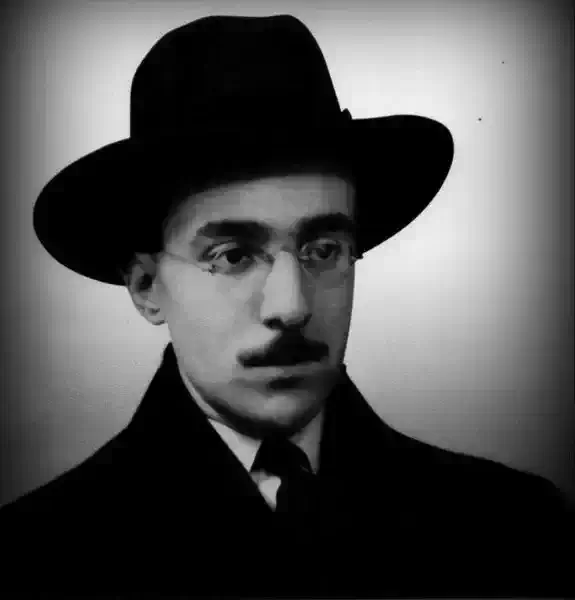
Fernando Pessoa
Dizem que em cada coisa uma coisa oculta mora.
Dizem que em cada coisa uma coisa oculta mora.
Sim, é ela própria, a coisa sem ser oculta,
Que mora nela.
Mas eu, com consciência e sensações e pensamento,
Serei como uma coisa?
Que há a mais ou a menos em mim?
Seria bom e feliz se eu fosse só o meu corpo —
Mas sou também outra coisa, mais ou menos que só isso.
Que coisa a mais ou a menos é que eu sou?
O vento sopra sem saber.
A planta vive sem saber.
Eu também vivo sem saber, mas sei que vivo.
Mas saberei que vivo, ou só saberei que o sei?
Nasço, vivo, morro por um destino em que não mando,
Sinto, penso, movo-me por uma força exterior a mim.
Então quem sou eu?
Sou, corpo e alma, o exterior de um interior qualquer?
Ou a minha alma é a consciência que a força universal
Tem do meu corpo por dentro, ser diferente dos outros?
No meio de tudo onde estou eu?
Morto o meu corpo,
Desfeito o meu cérebro,
Em coisa abstracta, impessoal, sem forma,
Já não sente o eu que eu tenho,
Já não pensa com o meu cérebro os pensamentos que eu sinto meus,
Já não move pela minha vontade as minhas mãos que eu movo.
Cessarei assim? Não sei.
Se tiver de cessar assim, ter pena de assim cessar,
Não me tomará imortal.
Sim, é ela própria, a coisa sem ser oculta,
Que mora nela.
Mas eu, com consciência e sensações e pensamento,
Serei como uma coisa?
Que há a mais ou a menos em mim?
Seria bom e feliz se eu fosse só o meu corpo —
Mas sou também outra coisa, mais ou menos que só isso.
Que coisa a mais ou a menos é que eu sou?
O vento sopra sem saber.
A planta vive sem saber.
Eu também vivo sem saber, mas sei que vivo.
Mas saberei que vivo, ou só saberei que o sei?
Nasço, vivo, morro por um destino em que não mando,
Sinto, penso, movo-me por uma força exterior a mim.
Então quem sou eu?
Sou, corpo e alma, o exterior de um interior qualquer?
Ou a minha alma é a consciência que a força universal
Tem do meu corpo por dentro, ser diferente dos outros?
No meio de tudo onde estou eu?
Morto o meu corpo,
Desfeito o meu cérebro,
Em coisa abstracta, impessoal, sem forma,
Já não sente o eu que eu tenho,
Já não pensa com o meu cérebro os pensamentos que eu sinto meus,
Já não move pela minha vontade as minhas mãos que eu movo.
Cessarei assim? Não sei.
Se tiver de cessar assim, ter pena de assim cessar,
Não me tomará imortal.
1 403
Fernando Pessoa
ANTÍNOO - T
Era em Adriano fria a chuva fora.
Jaz morto o jovem
No raso leito, e sobre o seu desnudo todo,
Aos olhos rasos de Adriano, cuja dor é medo,
A umbrosa luz do eclipse-morte era difusa.
Jaz morto o jovem, e o dia semelhava noite
Lá fora. A chuva cai como um exausto alarme
Da Natureza em acto de matá-lo.
Memória de que el' foi não dava já deleite,
Deleite no que el' foi era morto e indistinto.
Ó mãos que já apertaram as de Adriano quentes,
Cuja frieza agora as sente frias!
Ó cabelo antes preso p'lo penteado justo!
Ó olhos algo inquietantemente ousados!
Ó simples macho corpo feminino qual
O aparentar-se um deus à humanidade!
Os lábios cujo abrir vermelho titilava
Os sítios da luxúria com tanta arte viva!
Ó dedos que hábeis eram no de não ser dito!
Ó língua que na língua o sangue audaz tornava!
[...]
Jaz morto o jovem
No raso leito, e sobre o seu desnudo todo,
Aos olhos rasos de Adriano, cuja dor é medo,
A umbrosa luz do eclipse-morte era difusa.
Jaz morto o jovem, e o dia semelhava noite
Lá fora. A chuva cai como um exausto alarme
Da Natureza em acto de matá-lo.
Memória de que el' foi não dava já deleite,
Deleite no que el' foi era morto e indistinto.
Ó mãos que já apertaram as de Adriano quentes,
Cuja frieza agora as sente frias!
Ó cabelo antes preso p'lo penteado justo!
Ó olhos algo inquietantemente ousados!
Ó simples macho corpo feminino qual
O aparentar-se um deus à humanidade!
Os lábios cujo abrir vermelho titilava
Os sítios da luxúria com tanta arte viva!
Ó dedos que hábeis eram no de não ser dito!
Ó língua que na língua o sangue audaz tornava!
[...]
1 523
Fernando Pessoa
VI - Venho de longe e trago no perfil,
VI
Venho de longe e trago no perfil,
Em forma nevoenta e afastada,
O perfil de outro ser que desagrada
Ao meu actual recorte humano e vil.
Outrora fui talvez, não Boabdil,
Mas o seu mero último olhar, da estrada
Dado ao deixado vulto de Granada,
Recorte frio sob o unido anil...
Hoje sou a saudade imperial
Do que já na distância de mim vi...
Eu próprio sou aquilo que perdi...
E nesta estrada para Desigual
Florem em esguia glória marginal
Os girassóis do império que morri...
Venho de longe e trago no perfil,
Em forma nevoenta e afastada,
O perfil de outro ser que desagrada
Ao meu actual recorte humano e vil.
Outrora fui talvez, não Boabdil,
Mas o seu mero último olhar, da estrada
Dado ao deixado vulto de Granada,
Recorte frio sob o unido anil...
Hoje sou a saudade imperial
Do que já na distância de mim vi...
Eu próprio sou aquilo que perdi...
E nesta estrada para Desigual
Florem em esguia glória marginal
Os girassóis do império que morri...
1 204
Fernando Pessoa
Eu sou como um que entre o mar que lhe avança
Eu sou como um que entre o mar que lhe avança
Se vê e entre um rochedo alto e (...)
Mas com maior horror — ah, quão maior!
Perante a morte — aquilo que eu temo
Com horror que transcende todo o horror
Que os homens hão sentido — lhe aproxima...
Coroai-me de espinhos — sou aquele
Que mais no mundo tem sofrido.
P'ra resignar-se à morte é necessário
Não lhe compreender todo o horror,
Não lho medir. Perdi
A última ilusão que até agora
Ninguém perdera, nem o mais audaz
Cogitador metafísico — essa que faz
Com que o pavor não desça às nossas veias
Tornando-se um com a nossa vida.
Se vê e entre um rochedo alto e (...)
Mas com maior horror — ah, quão maior!
Perante a morte — aquilo que eu temo
Com horror que transcende todo o horror
Que os homens hão sentido — lhe aproxima...
Coroai-me de espinhos — sou aquele
Que mais no mundo tem sofrido.
P'ra resignar-se à morte é necessário
Não lhe compreender todo o horror,
Não lho medir. Perdi
A última ilusão que até agora
Ninguém perdera, nem o mais audaz
Cogitador metafísico — essa que faz
Com que o pavor não desça às nossas veias
Tornando-se um com a nossa vida.
1 262
Fernando Pessoa
Todas as teorias, todos os poemas
Todas as teorias, todos os poemas
Duram mais que esta flor.
Mas isso é como o nevoeiro, que é desagradável e húmido,
E maior que esta flor...
O tamanho, a duração não têm importância nenhuma...
São apenas tamanho e duração...
O que importa é a flor a durar e ter tamanho...
(Se verdadeira dimensão é a realidade)
Ser real é a única coisa verdadeira do mundo.
Duram mais que esta flor.
Mas isso é como o nevoeiro, que é desagradável e húmido,
E maior que esta flor...
O tamanho, a duração não têm importância nenhuma...
São apenas tamanho e duração...
O que importa é a flor a durar e ter tamanho...
(Se verdadeira dimensão é a realidade)
Ser real é a única coisa verdadeira do mundo.
1 392
Fernando Pessoa
Todos os mistérios do universo
Todos os mistérios do universo
São um só: o mistério do universo.
Um dia — nunca o sol me-lo trouxera! (
Vi-o esse mistério — claramente
Com completa visão e compreendendo
Em todo o mistério do mistério
Na sua infinidade e concisão!
E desde então nunca mais livre fui
Mas no horror vivo e (...)
Recordando em cada momento essa visão,
Desse horror ocupado eternamente
Como da vida o calor do sangue
Intimamente anseia.
São um só: o mistério do universo.
Um dia — nunca o sol me-lo trouxera! (
Vi-o esse mistério — claramente
Com completa visão e compreendendo
Em todo o mistério do mistério
Na sua infinidade e concisão!
E desde então nunca mais livre fui
Mas no horror vivo e (...)
Recordando em cada momento essa visão,
Desse horror ocupado eternamente
Como da vida o calor do sangue
Intimamente anseia.
1 220
Fernando Pessoa
O som contínuo da chuva
O som contínuo da chuva
A se ouvir lá fora bem
Deixa-nos a alma viúva
Daquilo que já não tem.
[...]
A se ouvir lá fora bem
Deixa-nos a alma viúva
Daquilo que já não tem.
[...]
1 567
Fernando Pessoa
IV - Ó tocadora de harpa, se eu beijasse
IV
Ó tocadora de harpa, se eu beijasse
Teu gesto, sem beijar as tuas mãos!,
E, beijando-o, descesse pelos desvãos
Do sonho, até que enfim eu o encontrasse
Tornado Puro Gesto, gesto-face
Da medalha sinistra — reis cristãos
Ajoelhando, inimigos e irmãos,
Quando processional o andor passasse!...
Teu gesto que arrepanha e se extasia...
O teu gesto completo, lua fria
Subindo, e em baixo, negros, os juncais...
Caverna em estalactites o teu gesto...
Não poder eu prendê-lo, fazer mais
Que vê-lo e que perdê-lo!... E o sonho é o resto...
Ó tocadora de harpa, se eu beijasse
Teu gesto, sem beijar as tuas mãos!,
E, beijando-o, descesse pelos desvãos
Do sonho, até que enfim eu o encontrasse
Tornado Puro Gesto, gesto-face
Da medalha sinistra — reis cristãos
Ajoelhando, inimigos e irmãos,
Quando processional o andor passasse!...
Teu gesto que arrepanha e se extasia...
O teu gesto completo, lua fria
Subindo, e em baixo, negros, os juncais...
Caverna em estalactites o teu gesto...
Não poder eu prendê-lo, fazer mais
Que vê-lo e que perdê-lo!... E o sonho é o resto...
1 518
Fernando Pessoa
IV - Ó tocadora de harpa, se eu beijasse
IV
Ó tocadora de harpa, se eu beijasse
Teu gesto, sem beijar as tuas mãos!,
E, beijando-o, descesse pelos desvãos
Do sonho, até que enfim eu o encontrasse
Tornado Puro Gesto, gesto-face
Da medalha sinistra — reis cristãos
Ajoelhando, inimigos e irmãos,
Quando processional o andor passasse!...
Teu gesto que arrepanha e se extasia...
O teu gesto completo, lua fria
Subindo, e em baixo, negros, os juncais...
Caverna em estalactites o teu gesto...
Não poder eu prendê-lo, fazer mais
Que vê-lo e que perdê-lo!... E o sonho é o resto...
Ó tocadora de harpa, se eu beijasse
Teu gesto, sem beijar as tuas mãos!,
E, beijando-o, descesse pelos desvãos
Do sonho, até que enfim eu o encontrasse
Tornado Puro Gesto, gesto-face
Da medalha sinistra — reis cristãos
Ajoelhando, inimigos e irmãos,
Quando processional o andor passasse!...
Teu gesto que arrepanha e se extasia...
O teu gesto completo, lua fria
Subindo, e em baixo, negros, os juncais...
Caverna em estalactites o teu gesto...
Não poder eu prendê-lo, fazer mais
Que vê-lo e que perdê-lo!... E o sonho é o resto...
1 518
Fernando Pessoa
IV - Ó tocadora de harpa, se eu beijasse
IV
Ó tocadora de harpa, se eu beijasse
Teu gesto, sem beijar as tuas mãos!,
E, beijando-o, descesse pelos desvãos
Do sonho, até que enfim eu o encontrasse
Tornado Puro Gesto, gesto-face
Da medalha sinistra — reis cristãos
Ajoelhando, inimigos e irmãos,
Quando processional o andor passasse!...
Teu gesto que arrepanha e se extasia...
O teu gesto completo, lua fria
Subindo, e em baixo, negros, os juncais...
Caverna em estalactites o teu gesto...
Não poder eu prendê-lo, fazer mais
Que vê-lo e que perdê-lo!... E o sonho é o resto...
Ó tocadora de harpa, se eu beijasse
Teu gesto, sem beijar as tuas mãos!,
E, beijando-o, descesse pelos desvãos
Do sonho, até que enfim eu o encontrasse
Tornado Puro Gesto, gesto-face
Da medalha sinistra — reis cristãos
Ajoelhando, inimigos e irmãos,
Quando processional o andor passasse!...
Teu gesto que arrepanha e se extasia...
O teu gesto completo, lua fria
Subindo, e em baixo, negros, os juncais...
Caverna em estalactites o teu gesto...
Não poder eu prendê-lo, fazer mais
Que vê-lo e que perdê-lo!... E o sonho é o resto...
1 518
Fernando Pessoa
Crucificado, / Não como Cristo numa mera cruz,
Crucificado,
Não como Cristo numa mera cruz,
Mas no mistério do universo. (Sempre
Me foi a alma, ao ver a exterior
Vaidade monótona do mundo
Para ver em cada cousa e abstracto objecto
No seu misterioso ali-local de ser,
Sempre os meus pensamentos supervistos
Como coisas alheias me eram pontes
Donde eu partia para perguntar-me
Generalidades.)
Não como Cristo numa mera cruz,
Mas no mistério do universo. (Sempre
Me foi a alma, ao ver a exterior
Vaidade monótona do mundo
Para ver em cada cousa e abstracto objecto
No seu misterioso ali-local de ser,
Sempre os meus pensamentos supervistos
Como coisas alheias me eram pontes
Donde eu partia para perguntar-me
Generalidades.)
1 253
Fernando Pessoa
Ah, não poder dormir (eu não sei como,
Ah, não poder dormir (eu não sei como,
Não na verdade o quero) eternamente,
Acabar não comigo, nem com isto,
Mas com tudo, causa, efeito, ser...
Ideias vãs que a imaginação
Vazia dum momento em quietude
Gera sem ilusão, como criança
Embriagando-se indolentemente
Do cheiro transitório duma flor.
Não na verdade o quero) eternamente,
Acabar não comigo, nem com isto,
Mas com tudo, causa, efeito, ser...
Ideias vãs que a imaginação
Vazia dum momento em quietude
Gera sem ilusão, como criança
Embriagando-se indolentemente
Do cheiro transitório duma flor.
1 439
Fernando Pessoa
Ah qualquer cousa,
(after useless discussion)
Ah qualquer cousa,
Ou sono ou sonho, sem doer isole
O meu já isolado coração!
Se as palavras que eu diga nunca podem
Levar aos outros mais do que o sentido
Que essas palavras neles têm, e [existo]
[Por] fora do que digo, oculto nele
Como o esqueleto nesta carne minha,
Invisível estrutura do visível,
Diferente e essencial...
Cai sobre mim, apagamento meu!
Querer querer, inútil pedra ao mar!
Saco p'ra colher vento, cesto de água,
Caçador só do uivar dos lobos longe...
Ah qualquer cousa,
Ou sono ou sonho, sem doer isole
O meu já isolado coração!
Se as palavras que eu diga nunca podem
Levar aos outros mais do que o sentido
Que essas palavras neles têm, e [existo]
[Por] fora do que digo, oculto nele
Como o esqueleto nesta carne minha,
Invisível estrutura do visível,
Diferente e essencial...
Cai sobre mim, apagamento meu!
Querer querer, inútil pedra ao mar!
Saco p'ra colher vento, cesto de água,
Caçador só do uivar dos lobos longe...
1 222
Fernando Pessoa
Ah qualquer cousa,
(after useless discussion)
Ah qualquer cousa,
Ou sono ou sonho, sem doer isole
O meu já isolado coração!
Se as palavras que eu diga nunca podem
Levar aos outros mais do que o sentido
Que essas palavras neles têm, e [existo]
[Por] fora do que digo, oculto nele
Como o esqueleto nesta carne minha,
Invisível estrutura do visível,
Diferente e essencial...
Cai sobre mim, apagamento meu!
Querer querer, inútil pedra ao mar!
Saco p'ra colher vento, cesto de água,
Caçador só do uivar dos lobos longe...
Ah qualquer cousa,
Ou sono ou sonho, sem doer isole
O meu já isolado coração!
Se as palavras que eu diga nunca podem
Levar aos outros mais do que o sentido
Que essas palavras neles têm, e [existo]
[Por] fora do que digo, oculto nele
Como o esqueleto nesta carne minha,
Invisível estrutura do visível,
Diferente e essencial...
Cai sobre mim, apagamento meu!
Querer querer, inútil pedra ao mar!
Saco p'ra colher vento, cesto de água,
Caçador só do uivar dos lobos longe...
1 222
Fernando Pessoa
Talvez quem vê bem não sirva para sentir
Talvez quem vê bem não sirva para sentir
E não agrada por estar muito antes das maneiras.
É preciso ter modos para todas as coisas,
E cada coisa tem o seu modo, e o amor também.
Quem tem o modo de ver os campos pelas ervas
Não deve ter a cegueira que faz fazer sentir.
Amei, e não fui amado, o que só vi no fim,
Porque não se é amado como se nasce mas como acontece.
Ela continua tão bonita de cabelo e boca como dantes,
E eu continuo como era dantes, sozinho no campo.
Como se tivesse estado de cabeça baixa,
Penso isto, e fico de cabeça alta
E o dourado sol seca a vontade de lágrimas que não posso deixar de ter.
Como o campo é vasto e o amor interior...!
Olho, e esqueço, como seca onde foi água e nas árvores desfolha.
Eu não sei falar porque estou a sentir.
Estou a escutar a minha voz como se fosse de outra pessoa,
E a minha voz fala dela como se ela é que falasse.
Tem o cabelo de um louro amarelo de trigo ao sol claro,
E a boca quando fala diz coisas que não só as palavras.
Sorri, e os dentes são limpos como pedras do rio.
E não agrada por estar muito antes das maneiras.
É preciso ter modos para todas as coisas,
E cada coisa tem o seu modo, e o amor também.
Quem tem o modo de ver os campos pelas ervas
Não deve ter a cegueira que faz fazer sentir.
Amei, e não fui amado, o que só vi no fim,
Porque não se é amado como se nasce mas como acontece.
Ela continua tão bonita de cabelo e boca como dantes,
E eu continuo como era dantes, sozinho no campo.
Como se tivesse estado de cabeça baixa,
Penso isto, e fico de cabeça alta
E o dourado sol seca a vontade de lágrimas que não posso deixar de ter.
Como o campo é vasto e o amor interior...!
Olho, e esqueço, como seca onde foi água e nas árvores desfolha.
Eu não sei falar porque estou a sentir.
Estou a escutar a minha voz como se fosse de outra pessoa,
E a minha voz fala dela como se ela é que falasse.
Tem o cabelo de um louro amarelo de trigo ao sol claro,
E a boca quando fala diz coisas que não só as palavras.
Sorri, e os dentes são limpos como pedras do rio.
1 698
Fernando Pessoa
Pétala dobrada para trás da rosa que outros dizem de veludo.
Pétala dobrada para trás da rosa que outros dizem de veludo.
Apanho-te do chão e, de perto, contemplo-te de longe.
Não há rosas no meu quintal: que vento te trouxe?
Mas chego de longe de repente. Estive doente um momento.
Nenhum vento te trouxe agora.
Agora estás aqui.
O que foste não és tu, se não toda a rosa estava aqui.
Apanho-te do chão e, de perto, contemplo-te de longe.
Não há rosas no meu quintal: que vento te trouxe?
Mas chego de longe de repente. Estive doente um momento.
Nenhum vento te trouxe agora.
Agora estás aqui.
O que foste não és tu, se não toda a rosa estava aqui.
1 307
Fernando Pessoa
Amei-te e por te amar
Amei-te e por te amar
Só a ti eu não via...
Eras o céu e o mar,
Eras a noite e o dia...
Só quando te perdi
É que eu te conheci...
Quando te tinha diante
Do meu olhar submerso
Não eras minha amante...
Eras o Universo...
Agora que te não tenho,
És só do teu tamanho.
Estavas-me longe na alma,
Por isso eu não te via...
Presença em mim tão calma,
Que eu a não sentia.
Só quando meu ser te perdeu
Vi que não eras eu.
Não sei o que eras. Creio
Que o meu modo de olhar,
Meu sentir meu anseio
Meu jeito de pensar...
Eras minha alma, fora
Do Lugar e da Hora...
Hoje eu busco-te e choro
Por te poder achar
Não sequer te memoro
Como te tive a amar...
Nem foste um sonho meu...
Porque te choro eu?
Não sei... Perdi-te, e és hoje
Real no [...] real...
Como a hora que foge,
Foges e tudo é igual
A si-próprio e é tão triste
O que vejo que existe.
Em que és [...J fictício,
Em que tempo parado
Foste o (...) cilício
Que quando em fé fechado
Não sentia e hoje sinto
Que acordo e não me minto...
[...] tuas mãos, contudo,
Sinto nas minhas mãos,
Nosso olhar fixo e mudo
Quantos momentos vãos
Pra além de nós viveu
Nem nosso, teu ou meu...
Quantas vezes sentimos
Alma nosso contacto
Quantas vezes seguimos
Pelo caminho abstracto
Que vai entre alma e alma…
Horas de inquieta calma!
E hoje pergunto em mim
Quem foi que amei, beijei
Com quem perdi o fim
Aos sonhos que sonhei…
Procuro-te e nem vejo
O meu próprio desejo…
Que foi real em nós?
Que houve em nós de sonho?
De que Nós fomos de que voz
O duplo eco risonho
Que unidade tivemos?
O que foi que perdemos?
Nós não sonhámos. Eras
Real e eu era real.
Tuas mãos — tão sinceras…
Meu gesto — tão leal...
Tu e eu lado a lado...
Isto... e isto acabado...
Como houve em nós amor
E deixou de o haver?
Sei que hoje é vaga dor
O que era então prazer...
Mas não sei que passou
Por nós e acordou...
Amámo-nos deveras?
Amamo-nos ainda?
Se penso vejo que eras
A mesma que és... E finda
Tudo o que foi o amor;
Assim quase sem dor.
Sem dor... Um pasmo vago
De ter havido amar...
Quase que me embriago
De mal poder pensar...
O que mudou e onde?
O que é que em nós se esconde?
Talvez sintas como eu
E não saibas sentil-o...
Ser é ser nosso véu
Amar é encobril-o,
Hoje que te deixei
É que sei que te amei...
Somos a nossa bruma…
É pra dentro que vemos...
Caem-nos uma a uma
As compreensões que temos
E ficamos no frio
Do Universo vazio...
Que importa? Se o que foi
Entre nós foi amor,
Se por te amar me dói
Já não te amar, e a dor
Tem um íntimo sentido,
Nada será perdido...
E além de nós, no Agora
Que não nos tem por véus
Viveremos a Hora
Virados para Deus
E n'um (...) mudo
Compreenderemos tudo.
Só a ti eu não via...
Eras o céu e o mar,
Eras a noite e o dia...
Só quando te perdi
É que eu te conheci...
Quando te tinha diante
Do meu olhar submerso
Não eras minha amante...
Eras o Universo...
Agora que te não tenho,
És só do teu tamanho.
Estavas-me longe na alma,
Por isso eu não te via...
Presença em mim tão calma,
Que eu a não sentia.
Só quando meu ser te perdeu
Vi que não eras eu.
Não sei o que eras. Creio
Que o meu modo de olhar,
Meu sentir meu anseio
Meu jeito de pensar...
Eras minha alma, fora
Do Lugar e da Hora...
Hoje eu busco-te e choro
Por te poder achar
Não sequer te memoro
Como te tive a amar...
Nem foste um sonho meu...
Porque te choro eu?
Não sei... Perdi-te, e és hoje
Real no [...] real...
Como a hora que foge,
Foges e tudo é igual
A si-próprio e é tão triste
O que vejo que existe.
Em que és [...J fictício,
Em que tempo parado
Foste o (...) cilício
Que quando em fé fechado
Não sentia e hoje sinto
Que acordo e não me minto...
[...] tuas mãos, contudo,
Sinto nas minhas mãos,
Nosso olhar fixo e mudo
Quantos momentos vãos
Pra além de nós viveu
Nem nosso, teu ou meu...
Quantas vezes sentimos
Alma nosso contacto
Quantas vezes seguimos
Pelo caminho abstracto
Que vai entre alma e alma…
Horas de inquieta calma!
E hoje pergunto em mim
Quem foi que amei, beijei
Com quem perdi o fim
Aos sonhos que sonhei…
Procuro-te e nem vejo
O meu próprio desejo…
Que foi real em nós?
Que houve em nós de sonho?
De que Nós fomos de que voz
O duplo eco risonho
Que unidade tivemos?
O que foi que perdemos?
Nós não sonhámos. Eras
Real e eu era real.
Tuas mãos — tão sinceras…
Meu gesto — tão leal...
Tu e eu lado a lado...
Isto... e isto acabado...
Como houve em nós amor
E deixou de o haver?
Sei que hoje é vaga dor
O que era então prazer...
Mas não sei que passou
Por nós e acordou...
Amámo-nos deveras?
Amamo-nos ainda?
Se penso vejo que eras
A mesma que és... E finda
Tudo o que foi o amor;
Assim quase sem dor.
Sem dor... Um pasmo vago
De ter havido amar...
Quase que me embriago
De mal poder pensar...
O que mudou e onde?
O que é que em nós se esconde?
Talvez sintas como eu
E não saibas sentil-o...
Ser é ser nosso véu
Amar é encobril-o,
Hoje que te deixei
É que sei que te amei...
Somos a nossa bruma…
É pra dentro que vemos...
Caem-nos uma a uma
As compreensões que temos
E ficamos no frio
Do Universo vazio...
Que importa? Se o que foi
Entre nós foi amor,
Se por te amar me dói
Já não te amar, e a dor
Tem um íntimo sentido,
Nada será perdido...
E além de nós, no Agora
Que não nos tem por véus
Viveremos a Hora
Virados para Deus
E n'um (...) mudo
Compreenderemos tudo.
1 747
Fernando Pessoa
Manhã que raias sem olhar a mim,
Manhã que raias sem olhar a mim,
Sol que luzes sem querer saber de eu ver-te,
É para mim que sois
Reais e verdadeiros;
Porque é na oposição ao que eu desejo
Que sinto real a natureza e a vida.
No que me nega sinto
Que existe e eu sou pequeno.
E nesta consciência torno a grande
Como a onda, que as tormentas atiraram
Ao alto ar, regressa
Pesada a um mar mais fundo.
Sol que luzes sem querer saber de eu ver-te,
É para mim que sois
Reais e verdadeiros;
Porque é na oposição ao que eu desejo
Que sinto real a natureza e a vida.
No que me nega sinto
Que existe e eu sou pequeno.
E nesta consciência torno a grande
Como a onda, que as tormentas atiraram
Ao alto ar, regressa
Pesada a um mar mais fundo.
809
Fernando Pessoa
Fazer parar o giro sobre si
Fazer parar o giro sobre si
Do vácuo pensamento, pôr a roda
Em movimento sobre a terra escura
Poção que por magia de bebê-la
A dormente vontade em mim disperte
De viver… (...)
Do vácuo pensamento, pôr a roda
Em movimento sobre a terra escura
Poção que por magia de bebê-la
A dormente vontade em mim disperte
De viver… (...)
1 083
Fernando Pessoa
No momento em que vamos pelos prados
No momento em que vamos pelos prados
E o nosso amor é um terceiro ali,
Que usurpa que saibamos
Um ao certo do outro,
Nesse momento, em que o que vemos mesmo
Sem o vermos na própria essência entra
Da nossa alma comum —
Lídia, nesse momento
De tão sentir o amor não sei dizer-to,
Antes, se falo, só dos prados falo
E põe-se música ao meu
Eros connosco invisível.
E o nosso amor é um terceiro ali,
Que usurpa que saibamos
Um ao certo do outro,
Nesse momento, em que o que vemos mesmo
Sem o vermos na própria essência entra
Da nossa alma comum —
Lídia, nesse momento
De tão sentir o amor não sei dizer-to,
Antes, se falo, só dos prados falo
E põe-se música ao meu
Eros connosco invisível.
1 303
Fernando Pessoa
No momento em que vamos pelos prados
No momento em que vamos pelos prados
E o nosso amor é um terceiro ali,
Que usurpa que saibamos
Um ao certo do outro,
Nesse momento, em que o que vemos mesmo
Sem o vermos na própria essência entra
Da nossa alma comum —
Lídia, nesse momento
De tão sentir o amor não sei dizer-to,
Antes, se falo, só dos prados falo
E põe-se música ao meu
Eros connosco invisível.
E o nosso amor é um terceiro ali,
Que usurpa que saibamos
Um ao certo do outro,
Nesse momento, em que o que vemos mesmo
Sem o vermos na própria essência entra
Da nossa alma comum —
Lídia, nesse momento
De tão sentir o amor não sei dizer-to,
Antes, se falo, só dos prados falo
E põe-se música ao meu
Eros connosco invisível.
1 303
Fernando Pessoa
II - Deuses, forças, almas de ciência ou fé,
II
Deuses, forças, almas de ciência ou fé,
Eh! Tanta explicação que nada explica!
Estou sentado no cais, numa barrica,
E não compreendo mais do que de pé.
Porque o havia de compreender?
Pois sim, mas também porque o não havia?
Água do rio, correndo suja e fria,
Eu passo como tu, sem mais valer...
Ó universo, novelo emaranhado,
Que paciência de dedos de quem pensa
Em outra coisa te põe separado?
Deixa de ser novelo o que nos fica...
A que brincar? Ao amor?, à indiferença?
Por mim, só me levanto da barrica.
Deuses, forças, almas de ciência ou fé,
Eh! Tanta explicação que nada explica!
Estou sentado no cais, numa barrica,
E não compreendo mais do que de pé.
Porque o havia de compreender?
Pois sim, mas também porque o não havia?
Água do rio, correndo suja e fria,
Eu passo como tu, sem mais valer...
Ó universo, novelo emaranhado,
Que paciência de dedos de quem pensa
Em outra coisa te põe separado?
Deixa de ser novelo o que nos fica...
A que brincar? Ao amor?, à indiferença?
Por mim, só me levanto da barrica.
1 356
Fernando Pessoa
III - Corre, raio de rio, e leva ao mar
III
Corre, raio de rio, e leva ao mar
A minha indiferença subjectiva!
Qual «leva ao mar»! Tua presença esquiva
Que tem comigo e com o meu pensar?
Lesma de sorte! Vivo a cavalgar
A sombra de um jumento. A vida viva
Vive a dar nomes ao que não se activa,
Morre a pôr etiquetas ao grande ar...
Escancarado Furness, mais três dias
Te aturarei, pobre engenheiro preso
A sucessibilíssimas vistorias...
Depois, ir-me-ei embora, eu e o desprezo
(E tu irás do mesmo modo que ias),
Qualquer, na gare, de cigarro aceso...
Corre, raio de rio, e leva ao mar
A minha indiferença subjectiva!
Qual «leva ao mar»! Tua presença esquiva
Que tem comigo e com o meu pensar?
Lesma de sorte! Vivo a cavalgar
A sombra de um jumento. A vida viva
Vive a dar nomes ao que não se activa,
Morre a pôr etiquetas ao grande ar...
Escancarado Furness, mais três dias
Te aturarei, pobre engenheiro preso
A sucessibilíssimas vistorias...
Depois, ir-me-ei embora, eu e o desprezo
(E tu irás do mesmo modo que ias),
Qualquer, na gare, de cigarro aceso...
1 103