

Poemas neste tema
Outros
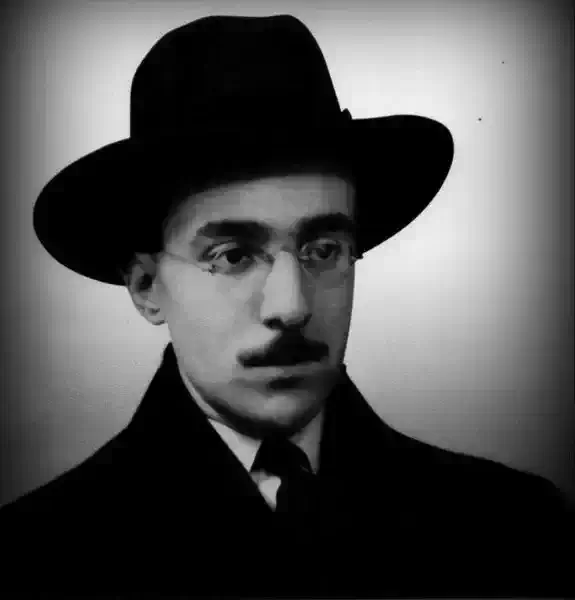
Fernando Pessoa
Was it the lyrical nightingale
Was it the lyrical nightingale
Forgot this music or told this tale?
A murmur of sorrow within me moves
Among the ghosts of unfound loves,
A breath of loss; like a lily faded,
By nought but the spell of that music aided.
I dream, and the sadness of being alive
Is like a mist round the things that strive
For an uttered word or a sense of being.
What sickness of having no seeing but seeing
Haunts with a murmur, thrills with a fear
The unnatural sense of my being here?
Nothing: the moonlight. Nothing: the breeze.
For sure there are, on remoter seas
Than mere containing of thoughts and dreams,
More earthless sorrows, less lucid gleams.
Care, and the fret of not having aught
If there, yet weigh not on life and thought.
Was it the music that came or ended?
Was it that it lost me or that it blended
With that of me that was born to hear it?
A voiceless sighing incarnate spirit,
A murmur of waters that somewhere shine,
A moonlight of dreaming it, a curious wine,
A splendour of opening vision to stars
No separateness from seeing them mars,
A clarion of moon-morn issuing from
The earliest place before love and home —
This, and the music I scarce can hear …
Lie still, my heart! be a dream, my fear!
Forgot this music or told this tale?
A murmur of sorrow within me moves
Among the ghosts of unfound loves,
A breath of loss; like a lily faded,
By nought but the spell of that music aided.
I dream, and the sadness of being alive
Is like a mist round the things that strive
For an uttered word or a sense of being.
What sickness of having no seeing but seeing
Haunts with a murmur, thrills with a fear
The unnatural sense of my being here?
Nothing: the moonlight. Nothing: the breeze.
For sure there are, on remoter seas
Than mere containing of thoughts and dreams,
More earthless sorrows, less lucid gleams.
Care, and the fret of not having aught
If there, yet weigh not on life and thought.
Was it the music that came or ended?
Was it that it lost me or that it blended
With that of me that was born to hear it?
A voiceless sighing incarnate spirit,
A murmur of waters that somewhere shine,
A moonlight of dreaming it, a curious wine,
A splendour of opening vision to stars
No separateness from seeing them mars,
A clarion of moon-morn issuing from
The earliest place before love and home —
This, and the music I scarce can hear …
Lie still, my heart! be a dream, my fear!
1 456
Fernando Pessoa
III - Análogo começo,
III
Análogo começo,
Uníssono me peço,
Gaia ciência o assomo —
Falha no último tomo,
Onde prolixo ameaço
Paralelo transpasso
O entreaberto haver
Diagonal a ser.
O interlúdio vernal,
Conquista do fatal,
Onde, veludo, afaga
A última que alaga.
Timbre do vespertino,
Ali, caricia, o hino
Outonou entre preces
Antes que, água, comeces.
Análogo começo,
Uníssono me peço,
Gaia ciência o assomo —
Falha no último tomo,
Onde prolixo ameaço
Paralelo transpasso
O entreaberto haver
Diagonal a ser.
O interlúdio vernal,
Conquista do fatal,
Onde, veludo, afaga
A última que alaga.
Timbre do vespertino,
Ali, caricia, o hino
Outonou entre preces
Antes que, água, comeces.
970
Fernando Pessoa
III - Análogo começo,
III
Análogo começo,
Uníssono me peço,
Gaia ciência o assomo —
Falha no último tomo,
Onde prolixo ameaço
Paralelo transpasso
O entreaberto haver
Diagonal a ser.
O interlúdio vernal,
Conquista do fatal,
Onde, veludo, afaga
A última que alaga.
Timbre do vespertino,
Ali, caricia, o hino
Outonou entre preces
Antes que, água, comeces.
Análogo começo,
Uníssono me peço,
Gaia ciência o assomo —
Falha no último tomo,
Onde prolixo ameaço
Paralelo transpasso
O entreaberto haver
Diagonal a ser.
O interlúdio vernal,
Conquista do fatal,
Onde, veludo, afaga
A última que alaga.
Timbre do vespertino,
Ali, caricia, o hino
Outonou entre preces
Antes que, água, comeces.
970
Fernando Pessoa
III - Análogo começo,
III
Análogo começo,
Uníssono me peço,
Gaia ciência o assomo —
Falha no último tomo,
Onde prolixo ameaço
Paralelo transpasso
O entreaberto haver
Diagonal a ser.
O interlúdio vernal,
Conquista do fatal,
Onde, veludo, afaga
A última que alaga.
Timbre do vespertino,
Ali, caricia, o hino
Outonou entre preces
Antes que, água, comeces.
Análogo começo,
Uníssono me peço,
Gaia ciência o assomo —
Falha no último tomo,
Onde prolixo ameaço
Paralelo transpasso
O entreaberto haver
Diagonal a ser.
O interlúdio vernal,
Conquista do fatal,
Onde, veludo, afaga
A última que alaga.
Timbre do vespertino,
Ali, caricia, o hino
Outonou entre preces
Antes que, água, comeces.
970
Fernando Pessoa
Li vaga — inerte — e sonhadoramente li
Li vaga — inerte — e sonhadoramente li
Compreendendo mais do que havia
Em frase (...)
Fechei tremendo, os livros, e sentindo
Como que de detrás da consciência,
Negrume transcendendo o que de horror
(...)
Desde então o constante persistir
Do mistério em minha alma não me deixa
Quieto o espírito, por meditar
Que seja, meditando sempre.
Compreendendo mais do que havia
Em frase (...)
Fechei tremendo, os livros, e sentindo
Como que de detrás da consciência,
Negrume transcendendo o que de horror
(...)
Desde então o constante persistir
Do mistério em minha alma não me deixa
Quieto o espírito, por meditar
Que seja, meditando sempre.
1 333
Fernando Pessoa
Li vaga — inerte — e sonhadoramente li
Li vaga — inerte — e sonhadoramente li
Compreendendo mais do que havia
Em frase (...)
Fechei tremendo, os livros, e sentindo
Como que de detrás da consciência,
Negrume transcendendo o que de horror
(...)
Desde então o constante persistir
Do mistério em minha alma não me deixa
Quieto o espírito, por meditar
Que seja, meditando sempre.
Compreendendo mais do que havia
Em frase (...)
Fechei tremendo, os livros, e sentindo
Como que de detrás da consciência,
Negrume transcendendo o que de horror
(...)
Desde então o constante persistir
Do mistério em minha alma não me deixa
Quieto o espírito, por meditar
Que seja, meditando sempre.
1 333
Fernando Pessoa
Jovem morreste, porque regressaste,
A. Caeiro
Jovem morreste, porque regressaste,
Ó deus inconsciente, onde teus pares
De após Cronos te esperam
Ressuscitados deles.
Antes de ti já era a Natureza,
Mas não a alma de compreendê-la.
Deu-te o deus o instinto
Com que sentir as cousas.
Os deuses imortais reconduziste
À humana visão obscurecida
(...)
(...)
Sós ficamos, mas não abandonados,
Porque a obra, que deixaste, és tu ainda
Qual luz à extinta estrela
Póstuma a terra alaga.
Por seu os deuses contam quem
E com teu nome a divindade prestas
De ser eterna à pátria
Odisseia cidade
Igual des ti às sete que contendem,
Cidades por Homero, ou alcaica Lesbos,
Ou heptápila Tebas
Ogígia mãe de Píndaro.
Jovem morreste, porque regressaste,
Ó deus inconsciente, onde teus pares
De após Cronos te esperam
Ressuscitados deles.
Antes de ti já era a Natureza,
Mas não a alma de compreendê-la.
Deu-te o deus o instinto
Com que sentir as cousas.
Os deuses imortais reconduziste
À humana visão obscurecida
(...)
(...)
Sós ficamos, mas não abandonados,
Porque a obra, que deixaste, és tu ainda
Qual luz à extinta estrela
Póstuma a terra alaga.
Por seu os deuses contam quem
E com teu nome a divindade prestas
De ser eterna à pátria
Odisseia cidade
Igual des ti às sete que contendem,
Cidades por Homero, ou alcaica Lesbos,
Ou heptápila Tebas
Ogígia mãe de Píndaro.
1 425
Fernando Pessoa
Jovem morreste, porque regressaste,
A. Caeiro
Jovem morreste, porque regressaste,
Ó deus inconsciente, onde teus pares
De após Cronos te esperam
Ressuscitados deles.
Antes de ti já era a Natureza,
Mas não a alma de compreendê-la.
Deu-te o deus o instinto
Com que sentir as cousas.
Os deuses imortais reconduziste
À humana visão obscurecida
(...)
(...)
Sós ficamos, mas não abandonados,
Porque a obra, que deixaste, és tu ainda
Qual luz à extinta estrela
Póstuma a terra alaga.
Por seu os deuses contam quem
E com teu nome a divindade prestas
De ser eterna à pátria
Odisseia cidade
Igual des ti às sete que contendem,
Cidades por Homero, ou alcaica Lesbos,
Ou heptápila Tebas
Ogígia mãe de Píndaro.
Jovem morreste, porque regressaste,
Ó deus inconsciente, onde teus pares
De após Cronos te esperam
Ressuscitados deles.
Antes de ti já era a Natureza,
Mas não a alma de compreendê-la.
Deu-te o deus o instinto
Com que sentir as cousas.
Os deuses imortais reconduziste
À humana visão obscurecida
(...)
(...)
Sós ficamos, mas não abandonados,
Porque a obra, que deixaste, és tu ainda
Qual luz à extinta estrela
Póstuma a terra alaga.
Por seu os deuses contam quem
E com teu nome a divindade prestas
De ser eterna à pátria
Odisseia cidade
Igual des ti às sete que contendem,
Cidades por Homero, ou alcaica Lesbos,
Ou heptápila Tebas
Ogígia mãe de Píndaro.
1 425
Fernando Pessoa
SECOND SIGHT
Whene'er thou dost undo
Thy dark, strange hair before the wind
And the wind takes it up and makes it woo
Tumult and violence in the way it sweeps
Along the air, mingling, unmingling, undefined
In the snake‑like madness it keeps.
Then I do know
That somewhere whence dreams come
And passions go,
Somewhere in that world contrary to this,
Yet landscaped, peopled as this is,
In a great southern sea
There is a storm and a hurled wreck
On rising rocks that cannot reck
For human misery.
The two things are but one.
Thy floating hair is that great ship undone
In a tossed, turbulent, dashed ocean.
Neither precedeth nor doth cause the other
Nor are the two as brother and brother,
But absolutely one, samely the same,
They have somehow an equal name
Where speech is of the essence of what is.
A real sight, like God's, should see the kiss
Of the wind through thy hair and the far storm
One thing, - yet two things because we see two
When we conceive them one, the double form
Coming to oneness in what we construe.
Therefore I grieve when thou letst thy hair take
The wind upon its long, thin, changing fingers,
For that sight of me that translates that to
The sterner meaning in what world I know
Only through what in me is not here awake, -
That sight of that mad wreck visibly lingers
And does in my imagination ache.
Alas! all things are linked, and we know not
Half the contents of our each casual thought.
We never see save one little dreamed bit
Of each feeling we have; we pass through it
Like rapid travellers that scarce can see
What they pass by and what they see see erringly.
What is the meaning of my writing this?
Nothing, save that this is,
I know not why, something I know and must
Utter, the purpose of it being with
That secret Being that made my body of dust
Bear my soul's ignored presence, and that breath
Of life that survives my each moment's death.
Thy dark, strange hair before the wind
And the wind takes it up and makes it woo
Tumult and violence in the way it sweeps
Along the air, mingling, unmingling, undefined
In the snake‑like madness it keeps.
Then I do know
That somewhere whence dreams come
And passions go,
Somewhere in that world contrary to this,
Yet landscaped, peopled as this is,
In a great southern sea
There is a storm and a hurled wreck
On rising rocks that cannot reck
For human misery.
The two things are but one.
Thy floating hair is that great ship undone
In a tossed, turbulent, dashed ocean.
Neither precedeth nor doth cause the other
Nor are the two as brother and brother,
But absolutely one, samely the same,
They have somehow an equal name
Where speech is of the essence of what is.
A real sight, like God's, should see the kiss
Of the wind through thy hair and the far storm
One thing, - yet two things because we see two
When we conceive them one, the double form
Coming to oneness in what we construe.
Therefore I grieve when thou letst thy hair take
The wind upon its long, thin, changing fingers,
For that sight of me that translates that to
The sterner meaning in what world I know
Only through what in me is not here awake, -
That sight of that mad wreck visibly lingers
And does in my imagination ache.
Alas! all things are linked, and we know not
Half the contents of our each casual thought.
We never see save one little dreamed bit
Of each feeling we have; we pass through it
Like rapid travellers that scarce can see
What they pass by and what they see see erringly.
What is the meaning of my writing this?
Nothing, save that this is,
I know not why, something I know and must
Utter, the purpose of it being with
That secret Being that made my body of dust
Bear my soul's ignored presence, and that breath
Of life that survives my each moment's death.
1 570
Fernando Pessoa
Nada me dizem vossos deuses mortos
Nada me dizem vossos deuses mortos
Que eu haja de aprender. O Crucifixo
Sem amor e sem ódio
Do meu (...) afasto.
Que tenho eu com as crenças que o Cristo
Curvado o torso a mim, latino, morra?
Mais com o sol me entendo
Que com essas verdades.
Que o sejam... Deus a mim não só foi dado
Que uma visão das cousas que há na terra
E uma razão incerta,
E um saber que há deuses...
Que eu haja de aprender. O Crucifixo
Sem amor e sem ódio
Do meu (...) afasto.
Que tenho eu com as crenças que o Cristo
Curvado o torso a mim, latino, morra?
Mais com o sol me entendo
Que com essas verdades.
Que o sejam... Deus a mim não só foi dado
Que uma visão das cousas que há na terra
E uma razão incerta,
E um saber que há deuses...
1 273
Fernando Pessoa
There is no peace save where I am not,
There is no peace save where I am not,
The woods are gay where I never pass,
Nothing but shadows are where my thought
Plunges its feet in the moist dead grass.
Nothing save shadows and day elsewhere
Waiting for those that await and hope.
A horror lays its wind on my hair,
And a cold hand does for my cold hand grope.
Yet nothing in me save pain merits this,
Nothing in me save this merits pain.
Oh, Mother of Shadows, whose ice-dead kiss
Is madness, hasten towards my brain!
The woods are gay where I never pass,
Nothing but shadows are where my thought
Plunges its feet in the moist dead grass.
Nothing save shadows and day elsewhere
Waiting for those that await and hope.
A horror lays its wind on my hair,
And a cold hand does for my cold hand grope.
Yet nothing in me save pain merits this,
Nothing in me save this merits pain.
Oh, Mother of Shadows, whose ice-dead kiss
Is madness, hasten towards my brain!
1 068
Fernando Pessoa
39 - CHALICE
Chalice of my communion
With the lost thing that gleams!
Communion‑bond of union
Between me and my dreams!
O chalice of love's most!
In thy wine, earth's wine's ghost
To lips that are God's flowers,
My soul has dipped the host
Of my diviner hours.
My lips are as lips kissed.
My sad soul happy sings.
O shining through the mist
Of tremulous angels' wings!
I feel me God's moon's node,
A child again, outside life's road,
Remembering how I found me
When I awoke from God
And felt the world around me.
With the lost thing that gleams!
Communion‑bond of union
Between me and my dreams!
O chalice of love's most!
In thy wine, earth's wine's ghost
To lips that are God's flowers,
My soul has dipped the host
Of my diviner hours.
My lips are as lips kissed.
My sad soul happy sings.
O shining through the mist
Of tremulous angels' wings!
I feel me God's moon's node,
A child again, outside life's road,
Remembering how I found me
When I awoke from God
And felt the world around me.
1 417
Fernando Pessoa
INTERVAL - 3
I could not be thou, being yet not thou
Were I not God; so to God my thoughts go
(To reach thee, to possess from within
To possess from being not from seeing)
Because, substance of substance, He alone
Can love being all things, and all in each one.
Thus is my love (...) religion.
And by being born, not born; by being love
None; and by being made move, not made to move,
But, indefinable and indistinct,
Wearing no form nor purpose nor precinct
Of use, it hangs, with my soul in its wake
An interval between me and thee, between
Ourselves and God, between thou being but seen
And being loved, abstract absance of place
(...) that
Life, substance of thou being a living thing
Where thought and will and feeling are one thing.
Of the two parts of love, becoming other
And unbecoming self, I do one choose —
The unbecoming, and the other lose.
Yet, as to unbecome must be becoming
Some other thing, as the end for roaming
Makes the thing found where will no matter binds,
The unbecoming of me sure love finds.
Yet if it finds the loved thing, yet not thee,
What thing finds it, that it sought not to be?
What but love's own abstraction, interval
Between souls. And as aether is purest of all
Where filling the mere spaces between things,
Because the more unmixed, the love that clings
To my large disembodiment is best,
Because no object, save love, limits its
(…)
But here not aether but consciousness is
The universal substance, so in this
Less difference between this substance and
God is there — so, if right I understand,
This love which to obtain thee loses thee
And which to complete me uncompletes me,
Which the mere interval doth occupy
Whether neither thy soul nor my soul doth lie,
To which my mere love's force abstractly sends
My void outgoing, and there my being ends,
And so the ends my being had in going
Equally endeth — this love thus foregoing
The object and the subject to be done
By missing into pure Relation;
This love finds God by its internal force,
For when all things are lost God is the loss.
See then how I, starting from me to thee,
Have like a sailor that sets out i' th' sea
For some shore, and the winds drive him away
And this chance casts him on some better bay
Than his intention had been to discover.
Yet if discovering were intended, ever
By what discovered is, where it not willed,
The purpose of discovering is filled,
And if the unwilled discovery is better,
The loss is gam, and that which seemed to fetter
The original purpose, the harsh wind,
Does lead the unled to where he best can find.
Yet this is not the journey's end, for whence
The sailor now arrived, to recommence
He may begin his voyage original
And from the better to the worse recall
For as the original purpose, better less,
Is in the found included, he may thence
His foiled task recompose and now to miss
The purpose that his (...)
So I, from God, the better may go out
To thee, and from within thee, not about
Thy presence, enter into thee and be
The very personality of thee.
Were I not God; so to God my thoughts go
(To reach thee, to possess from within
To possess from being not from seeing)
Because, substance of substance, He alone
Can love being all things, and all in each one.
Thus is my love (...) religion.
And by being born, not born; by being love
None; and by being made move, not made to move,
But, indefinable and indistinct,
Wearing no form nor purpose nor precinct
Of use, it hangs, with my soul in its wake
An interval between me and thee, between
Ourselves and God, between thou being but seen
And being loved, abstract absance of place
(...) that
Life, substance of thou being a living thing
Where thought and will and feeling are one thing.
Of the two parts of love, becoming other
And unbecoming self, I do one choose —
The unbecoming, and the other lose.
Yet, as to unbecome must be becoming
Some other thing, as the end for roaming
Makes the thing found where will no matter binds,
The unbecoming of me sure love finds.
Yet if it finds the loved thing, yet not thee,
What thing finds it, that it sought not to be?
What but love's own abstraction, interval
Between souls. And as aether is purest of all
Where filling the mere spaces between things,
Because the more unmixed, the love that clings
To my large disembodiment is best,
Because no object, save love, limits its
(…)
But here not aether but consciousness is
The universal substance, so in this
Less difference between this substance and
God is there — so, if right I understand,
This love which to obtain thee loses thee
And which to complete me uncompletes me,
Which the mere interval doth occupy
Whether neither thy soul nor my soul doth lie,
To which my mere love's force abstractly sends
My void outgoing, and there my being ends,
And so the ends my being had in going
Equally endeth — this love thus foregoing
The object and the subject to be done
By missing into pure Relation;
This love finds God by its internal force,
For when all things are lost God is the loss.
See then how I, starting from me to thee,
Have like a sailor that sets out i' th' sea
For some shore, and the winds drive him away
And this chance casts him on some better bay
Than his intention had been to discover.
Yet if discovering were intended, ever
By what discovered is, where it not willed,
The purpose of discovering is filled,
And if the unwilled discovery is better,
The loss is gam, and that which seemed to fetter
The original purpose, the harsh wind,
Does lead the unled to where he best can find.
Yet this is not the journey's end, for whence
The sailor now arrived, to recommence
He may begin his voyage original
And from the better to the worse recall
For as the original purpose, better less,
Is in the found included, he may thence
His foiled task recompose and now to miss
The purpose that his (...)
So I, from God, the better may go out
To thee, and from within thee, not about
Thy presence, enter into thee and be
The very personality of thee.
1 633
Fernando Pessoa
Ai, os pratos de arroz-doce
Ai, os pratos de arroz-doce
Com as linhas de canela!
Ai a mão branca que os trouxe!
Ai essa mão ser a dela!
Com as linhas de canela!
Ai a mão branca que os trouxe!
Ai essa mão ser a dela!
1 747
Fernando Pessoa
41 - TO ONE SINGING
O voice the angels kissed when unbreathed yet!
O lips made spiritual with uttering it!
O eyes wild with the lust of the divine
In thy felt presence, making thee its shrine!
O that this moment of thee were Thyself!
That thou ne’er fell'st from this Thou, and the pelf
Of gathered days with avarice of living,
Touched thee not from this moment of God's giving!
O eternal actuality of thee!
O by thy voice sculptured immutably
In some stone‑flesh of spirit! O set free
From being all contained in being seen!
O firmament of joy purely serene
With spaciousness of soul and stars of song
Above thyself, God's human heights among!
Sing on, and let thy singing be a couch
To that of me which to my soul doth vouch
Of God as of a self and of a home!
Dissolve me to thy notes! Make me become
An outside of myself, and have in me
Nought but a selfless sense of hearing thee!
Let me pertain to the sounds thou dost voice!
Let me be other than I and rejoice
Hearing time like a breeze pass by the place
Thy song imprisons in its halcyon grace!
Thy voice compels to parapets from heaven
Dim winged happinesses whence is woven
To our souls such a glamour, spirit‑fair,
That, feeling it, all life becomes despair
And all the sense of life to wish to die.
Sing on! Between the music's human cry
And thy song's meaning there is interposed
Some third reality, less life‑enclosed,
Some subtler tenderness than music makes
Or words sung, and its moonless moonlight takes
Our visionary moods by their child‑hand
And our tired steps begin to understand.
Sing, nor stop singing till bliss ache too much!
O that I could, without moving my hand,
Stretch forth some hand imaginary and touch
That body of thine thy singing giveth thee!
That kiss‑like touch would wake eternity
In me again, and, as by a great morn,
The night my body makes of me were torn
Away from being, and my unbodied shape
Would, like a ship doubling the final cape,
Come to that sight of port and shiver of coming
That God allows to those whose bliss of roaming
Is no more than the wish to find His peace
And mingle with it as a scent with the breeze.
O lips made spiritual with uttering it!
O eyes wild with the lust of the divine
In thy felt presence, making thee its shrine!
O that this moment of thee were Thyself!
That thou ne’er fell'st from this Thou, and the pelf
Of gathered days with avarice of living,
Touched thee not from this moment of God's giving!
O eternal actuality of thee!
O by thy voice sculptured immutably
In some stone‑flesh of spirit! O set free
From being all contained in being seen!
O firmament of joy purely serene
With spaciousness of soul and stars of song
Above thyself, God's human heights among!
Sing on, and let thy singing be a couch
To that of me which to my soul doth vouch
Of God as of a self and of a home!
Dissolve me to thy notes! Make me become
An outside of myself, and have in me
Nought but a selfless sense of hearing thee!
Let me pertain to the sounds thou dost voice!
Let me be other than I and rejoice
Hearing time like a breeze pass by the place
Thy song imprisons in its halcyon grace!
Thy voice compels to parapets from heaven
Dim winged happinesses whence is woven
To our souls such a glamour, spirit‑fair,
That, feeling it, all life becomes despair
And all the sense of life to wish to die.
Sing on! Between the music's human cry
And thy song's meaning there is interposed
Some third reality, less life‑enclosed,
Some subtler tenderness than music makes
Or words sung, and its moonless moonlight takes
Our visionary moods by their child‑hand
And our tired steps begin to understand.
Sing, nor stop singing till bliss ache too much!
O that I could, without moving my hand,
Stretch forth some hand imaginary and touch
That body of thine thy singing giveth thee!
That kiss‑like touch would wake eternity
In me again, and, as by a great morn,
The night my body makes of me were torn
Away from being, and my unbodied shape
Would, like a ship doubling the final cape,
Come to that sight of port and shiver of coming
That God allows to those whose bliss of roaming
Is no more than the wish to find His peace
And mingle with it as a scent with the breeze.
1 430
Fernando Pessoa
41 - TO ONE SINGING
O voice the angels kissed when unbreathed yet!
O lips made spiritual with uttering it!
O eyes wild with the lust of the divine
In thy felt presence, making thee its shrine!
O that this moment of thee were Thyself!
That thou ne’er fell'st from this Thou, and the pelf
Of gathered days with avarice of living,
Touched thee not from this moment of God's giving!
O eternal actuality of thee!
O by thy voice sculptured immutably
In some stone‑flesh of spirit! O set free
From being all contained in being seen!
O firmament of joy purely serene
With spaciousness of soul and stars of song
Above thyself, God's human heights among!
Sing on, and let thy singing be a couch
To that of me which to my soul doth vouch
Of God as of a self and of a home!
Dissolve me to thy notes! Make me become
An outside of myself, and have in me
Nought but a selfless sense of hearing thee!
Let me pertain to the sounds thou dost voice!
Let me be other than I and rejoice
Hearing time like a breeze pass by the place
Thy song imprisons in its halcyon grace!
Thy voice compels to parapets from heaven
Dim winged happinesses whence is woven
To our souls such a glamour, spirit‑fair,
That, feeling it, all life becomes despair
And all the sense of life to wish to die.
Sing on! Between the music's human cry
And thy song's meaning there is interposed
Some third reality, less life‑enclosed,
Some subtler tenderness than music makes
Or words sung, and its moonless moonlight takes
Our visionary moods by their child‑hand
And our tired steps begin to understand.
Sing, nor stop singing till bliss ache too much!
O that I could, without moving my hand,
Stretch forth some hand imaginary and touch
That body of thine thy singing giveth thee!
That kiss‑like touch would wake eternity
In me again, and, as by a great morn,
The night my body makes of me were torn
Away from being, and my unbodied shape
Would, like a ship doubling the final cape,
Come to that sight of port and shiver of coming
That God allows to those whose bliss of roaming
Is no more than the wish to find His peace
And mingle with it as a scent with the breeze.
O lips made spiritual with uttering it!
O eyes wild with the lust of the divine
In thy felt presence, making thee its shrine!
O that this moment of thee were Thyself!
That thou ne’er fell'st from this Thou, and the pelf
Of gathered days with avarice of living,
Touched thee not from this moment of God's giving!
O eternal actuality of thee!
O by thy voice sculptured immutably
In some stone‑flesh of spirit! O set free
From being all contained in being seen!
O firmament of joy purely serene
With spaciousness of soul and stars of song
Above thyself, God's human heights among!
Sing on, and let thy singing be a couch
To that of me which to my soul doth vouch
Of God as of a self and of a home!
Dissolve me to thy notes! Make me become
An outside of myself, and have in me
Nought but a selfless sense of hearing thee!
Let me pertain to the sounds thou dost voice!
Let me be other than I and rejoice
Hearing time like a breeze pass by the place
Thy song imprisons in its halcyon grace!
Thy voice compels to parapets from heaven
Dim winged happinesses whence is woven
To our souls such a glamour, spirit‑fair,
That, feeling it, all life becomes despair
And all the sense of life to wish to die.
Sing on! Between the music's human cry
And thy song's meaning there is interposed
Some third reality, less life‑enclosed,
Some subtler tenderness than music makes
Or words sung, and its moonless moonlight takes
Our visionary moods by their child‑hand
And our tired steps begin to understand.
Sing, nor stop singing till bliss ache too much!
O that I could, without moving my hand,
Stretch forth some hand imaginary and touch
That body of thine thy singing giveth thee!
That kiss‑like touch would wake eternity
In me again, and, as by a great morn,
The night my body makes of me were torn
Away from being, and my unbodied shape
Would, like a ship doubling the final cape,
Come to that sight of port and shiver of coming
That God allows to those whose bliss of roaming
Is no more than the wish to find His peace
And mingle with it as a scent with the breeze.
1 430
Fernando Pessoa
Compreender um ao outro
Compreender um ao outro
É um jogo complicado,
Pois quem engana não sabe
Se não estava enganado.
É um jogo complicado,
Pois quem engana não sabe
Se não estava enganado.
1 822
Fernando Pessoa
40 - ELEVATION
Before light was, light's bright idea lit
God's thought of it,
And, because through God's thought light's thought did pass,
Light ever was,
And from beyond eternity became
The living flame
That trembles into life and reddens with
Our life's soul‑width.
Before light was, when yet the night was queen
O'er what had been,
In God's realized prescience it could be
Light from eternity,
For no time enters into God's thoughts or
Their spaceless Hour.
Take thou therefore, my Song, from light the mood
Of being, and brood,
Like the Dove unbegot, over the abyss
Of consciousness,
Taking as thy true part that thought of God
Whence light issued.
Let my words burst into that divine flame
That lights its name
Of each thing from within with ultimate meaning.
Though earth be screening
With fixed appearance the Sun in each Thing,
Bear, on thy wing
High‑lifted, rays from the unrisen Sun
Whence life is spun.
Soar out, my Song, out of despair and night
And catch that light
Ere it appear, from neath the horizon
Of action,
Borne out of dreams by intuition bright
Of endless light.
Though none believe nor any understand,
Yet feel thee fanned
With those breeze‑breaths that come up with the morn
From the Unborn.
Soar like a lark into the coming day
And bear thy way
Into the possibility of noon
Hid in the dawn.
No matter that none know what thy words speak.
A day shall break
Out of eternity as each day bright
Out of each night.
Thy wings shall touch the slanting light of dawn
And, upwards drawn
By being light‑struck, shall to light be near
When light's yet far.
Hope is thy ready and high‑soaring flight
Out of the night,
Joy is thy touching of the first high rays
That day betrays,
Life is the course thy flight sequesters from
Earth and its nightly doom,
And these three things are one in thy belief
That pain is brief.
II
Thou, unseeen Bird, essence of spiritual light,
That yet art bright
With the epitome of the outer shine,
Thou that art mine
And yet not mine but general to the earth,
Wings of rebirth,
Whose song, though in me heard, participates
Of all that all elates,
Thou point of meeting of me with the wings
Hidden in all things,
Thou breath, thou vapour, seen and not seen, of
Some abstract love,
Thou exhalation of the prisoned flight
Of all things' weight,
Thou that in me art fear, mad splendour, all
To ache and enthral,
Attract me, take me, o pure flight, and rise
With me in thine eyes,
Lost, cast, unpetalled and divine, up to
What thou dost woo!
O Spirit‑Lark that wakest ere the morn
And art reborn
At each recoming of the sun, and art
The wiser part
Of all that message is to our low eyes
Of what shall rise!
Life‑weightless Bird that no meads can attract,
But that must act
Its fate in air, above our marshes sad
And meads low‑laid,
In free heights communing with the Great Horn
As yet unborn!
O sterile Bird that hast no nest nor home
But what shall come,
That hast no song save in the heights above
Nests, homes and love,
Nor any thought save for the coming day,
Though far away
It seem to those who measure yet thy flight
But by its height
And not by its intention, that is carried
From life and married
To those diviner hours that winged things
Find with their wings!
O Bird of ruthless song and untold wishes,
Whose high flight reaches
Heights not of earth, but of pure air, encumbered
With no joys weighed and numbered!
Take all my heart in thy purpose of going
And make the flowing
Down to earth of my song be like thy song,
Something strange, strong
With distance, eerily half‑perishing
From farness! Sing,
And let my heart be what thou meanst with singings
My life with winging.
My hopes and fears with th’tone wherewith thy note
To me doth float
And the great purpose hidden in my fate
With thy mere height!
My heart shall thus be happy even if pained,
Free even if strained
To keep that height of joy whence tremble down
Thy songs to our own.
My soul may thus be happy, full and free.
Oh, happily
Raise me from me and lift my life unto
That thou dost woo -
The light, the sky, the distance and the morn,
Till I be unborn
Again to pure dispersion in the seas
Of the high breeze
That speaks to thee, ere light be born, of light,
Till the delight
Of without being being shall make me
Song and sky be!
God's thought of it,
And, because through God's thought light's thought did pass,
Light ever was,
And from beyond eternity became
The living flame
That trembles into life and reddens with
Our life's soul‑width.
Before light was, when yet the night was queen
O'er what had been,
In God's realized prescience it could be
Light from eternity,
For no time enters into God's thoughts or
Their spaceless Hour.
Take thou therefore, my Song, from light the mood
Of being, and brood,
Like the Dove unbegot, over the abyss
Of consciousness,
Taking as thy true part that thought of God
Whence light issued.
Let my words burst into that divine flame
That lights its name
Of each thing from within with ultimate meaning.
Though earth be screening
With fixed appearance the Sun in each Thing,
Bear, on thy wing
High‑lifted, rays from the unrisen Sun
Whence life is spun.
Soar out, my Song, out of despair and night
And catch that light
Ere it appear, from neath the horizon
Of action,
Borne out of dreams by intuition bright
Of endless light.
Though none believe nor any understand,
Yet feel thee fanned
With those breeze‑breaths that come up with the morn
From the Unborn.
Soar like a lark into the coming day
And bear thy way
Into the possibility of noon
Hid in the dawn.
No matter that none know what thy words speak.
A day shall break
Out of eternity as each day bright
Out of each night.
Thy wings shall touch the slanting light of dawn
And, upwards drawn
By being light‑struck, shall to light be near
When light's yet far.
Hope is thy ready and high‑soaring flight
Out of the night,
Joy is thy touching of the first high rays
That day betrays,
Life is the course thy flight sequesters from
Earth and its nightly doom,
And these three things are one in thy belief
That pain is brief.
II
Thou, unseeen Bird, essence of spiritual light,
That yet art bright
With the epitome of the outer shine,
Thou that art mine
And yet not mine but general to the earth,
Wings of rebirth,
Whose song, though in me heard, participates
Of all that all elates,
Thou point of meeting of me with the wings
Hidden in all things,
Thou breath, thou vapour, seen and not seen, of
Some abstract love,
Thou exhalation of the prisoned flight
Of all things' weight,
Thou that in me art fear, mad splendour, all
To ache and enthral,
Attract me, take me, o pure flight, and rise
With me in thine eyes,
Lost, cast, unpetalled and divine, up to
What thou dost woo!
O Spirit‑Lark that wakest ere the morn
And art reborn
At each recoming of the sun, and art
The wiser part
Of all that message is to our low eyes
Of what shall rise!
Life‑weightless Bird that no meads can attract,
But that must act
Its fate in air, above our marshes sad
And meads low‑laid,
In free heights communing with the Great Horn
As yet unborn!
O sterile Bird that hast no nest nor home
But what shall come,
That hast no song save in the heights above
Nests, homes and love,
Nor any thought save for the coming day,
Though far away
It seem to those who measure yet thy flight
But by its height
And not by its intention, that is carried
From life and married
To those diviner hours that winged things
Find with their wings!
O Bird of ruthless song and untold wishes,
Whose high flight reaches
Heights not of earth, but of pure air, encumbered
With no joys weighed and numbered!
Take all my heart in thy purpose of going
And make the flowing
Down to earth of my song be like thy song,
Something strange, strong
With distance, eerily half‑perishing
From farness! Sing,
And let my heart be what thou meanst with singings
My life with winging.
My hopes and fears with th’tone wherewith thy note
To me doth float
And the great purpose hidden in my fate
With thy mere height!
My heart shall thus be happy even if pained,
Free even if strained
To keep that height of joy whence tremble down
Thy songs to our own.
My soul may thus be happy, full and free.
Oh, happily
Raise me from me and lift my life unto
That thou dost woo -
The light, the sky, the distance and the morn,
Till I be unborn
Again to pure dispersion in the seas
Of the high breeze
That speaks to thee, ere light be born, of light,
Till the delight
Of without being being shall make me
Song and sky be!
1 707
Fernando Pessoa
Se em verdade não sabes (nem sustentas
Se em verdade não sabes (nem sustentas
Que sabes) que há na vida mais que a vida,
Porque com tanto esforço e cura tanta,
Operoso a não vives?
Porque, sem paraíso que apeteças,
Amontoas riquezas, nem as gastas,
É para teu cadáver que amontoas?
Gozas menos que ganhas.
Ah, se não tens que esperes, salvo a morte,
Não cures mais que do preciso esforço
Para passar incólume na vida
De (...)
Sim, gozas. Mas mais rico és que ditoso
Se só para o que perdes gozas,
Menos te o esforço oneraria,
Sem ele. (...)
Ah servidão irreprimível, nada
Da vida breve subsiste, que sabes
Que morre toda, e gasta-se nas obras
Egoísta de um futuro que não é seu.
Mas respondes-me: E os poemas que escreves
A quem os dás futuro? A obra obrigas
E o homem só por semear semeia
O que o Destino manda.
Que sabes) que há na vida mais que a vida,
Porque com tanto esforço e cura tanta,
Operoso a não vives?
Porque, sem paraíso que apeteças,
Amontoas riquezas, nem as gastas,
É para teu cadáver que amontoas?
Gozas menos que ganhas.
Ah, se não tens que esperes, salvo a morte,
Não cures mais que do preciso esforço
Para passar incólume na vida
De (...)
Sim, gozas. Mas mais rico és que ditoso
Se só para o que perdes gozas,
Menos te o esforço oneraria,
Sem ele. (...)
Ah servidão irreprimível, nada
Da vida breve subsiste, que sabes
Que morre toda, e gasta-se nas obras
Egoísta de um futuro que não é seu.
Mas respondes-me: E os poemas que escreves
A quem os dás futuro? A obra obrigas
E o homem só por semear semeia
O que o Destino manda.
1 425
Fernando Pessoa
Why do I desire
Why do I desire
What I do not need?
Why does my soul, like fire,
Or a hot abstract greed,
Seek all that is higher?
Why, if not because
It is a soul? (...)
Who can know the cause
When it lies in its whole
Hidden in (...) laws?
Yet this matters not.
What matters is pining
And that stress of thought
That comes of divining
What to wish that may not be got.
What I do not need?
Why does my soul, like fire,
Or a hot abstract greed,
Seek all that is higher?
Why, if not because
It is a soul? (...)
Who can know the cause
When it lies in its whole
Hidden in (...) laws?
Yet this matters not.
What matters is pining
And that stress of thought
That comes of divining
What to wish that may not be got.
1 252
Fernando Pessoa
Quero, da vida, só não conhecê-la.
Quero, da vida, só não conhecê-la.
Bastam, a quem o Fado pôs na vida,
As formas sucessórias
Da vida insubsistente.
Pouco serve pensar que são eternos
Os nossos nadas com que na alma amamos
Os outros pobres nadas
Que (...)
Gratos aos deuses, menos pela incerta
Posse do sonhado certo, recolhamos
A mercê passageira
De instantes que não duram.
Bastam, a quem o Fado pôs na vida,
As formas sucessórias
Da vida insubsistente.
Pouco serve pensar que são eternos
Os nossos nadas com que na alma amamos
Os outros pobres nadas
Que (...)
Gratos aos deuses, menos pela incerta
Posse do sonhado certo, recolhamos
A mercê passageira
De instantes que não duram.
1 291
Fernando Pessoa
38 - ANAMNESIS
Somewhere where I shall never live
A palace garden bowers
Such beauty that dreams of it grieve.
There, lining walks immemorial,
Great antenatal flowers
My lost life before God recall.
There I was happy and the child
That had cool shadows
Wherein to feel sweetly exiled.
They took all these true things away.
O my lost meadows!
My childhood before Night and Day!
A palace garden bowers
Such beauty that dreams of it grieve.
There, lining walks immemorial,
Great antenatal flowers
My lost life before God recall.
There I was happy and the child
That had cool shadows
Wherein to feel sweetly exiled.
They took all these true things away.
O my lost meadows!
My childhood before Night and Day!
1 157
Fernando Pessoa
II - Dói viver, nada sou que valha ser.
II
Dói viver, nada sou que valha ser.
Tardo-me porque penso e tudo rui.
Tento saber, porque tentar é ser.
Longe de isto ser tudo, tudo flui.
Mágoa que, indiferente, faz viver.
Névoa que, diferente, em tudo influi.
O exílio nada do que foi sequer
Ilude, fixa, dá, faz ou possui.
Assim, nocturna, a áreas indecisas,
O prelúdio perdido traz à mente
O que das ilhas mortas foi só brisas,
E o que a memória análoga dedica
Ao sonho, e onde, lua na corrente,
Não passa o sonho e a água inútil fica.
Dói viver, nada sou que valha ser.
Tardo-me porque penso e tudo rui.
Tento saber, porque tentar é ser.
Longe de isto ser tudo, tudo flui.
Mágoa que, indiferente, faz viver.
Névoa que, diferente, em tudo influi.
O exílio nada do que foi sequer
Ilude, fixa, dá, faz ou possui.
Assim, nocturna, a áreas indecisas,
O prelúdio perdido traz à mente
O que das ilhas mortas foi só brisas,
E o que a memória análoga dedica
Ao sonho, e onde, lua na corrente,
Não passa o sonho e a água inútil fica.
1 355
Fernando Pessoa
37 - SONG
Lilies cast and roses throw
In the way that she must go
Whom the singing planets hymn,
Sister of the seraphim!
Shifting motes of early sun
In the morning freshness spun
To light dresses for the breeze -
Clothe her coming such as these!
Shadows purple, fountain breaths,
Low mists such as dawning wreathes
Round the tree‑tops - these be made
Hers, for whom spring's feast is laid!
She to us from heaven descended
That dreams might with earth seem blended,
And unquietness more blest
Mingle with our life's unrest.
These the chosen offerings
From what earthly deep joy sings -
These to her we daily bear
Lest she pine for heaven here.
In the way that she must go
Whom the singing planets hymn,
Sister of the seraphim!
Shifting motes of early sun
In the morning freshness spun
To light dresses for the breeze -
Clothe her coming such as these!
Shadows purple, fountain breaths,
Low mists such as dawning wreathes
Round the tree‑tops - these be made
Hers, for whom spring's feast is laid!
She to us from heaven descended
That dreams might with earth seem blended,
And unquietness more blest
Mingle with our life's unrest.
These the chosen offerings
From what earthly deep joy sings -
These to her we daily bear
Lest she pine for heaven here.
1 540