

Poemas neste tema
Outros

Mafalda Veiga
Por Te Rever
Quisera roubar-te essas palavras e morrer
Trazer-te assim até ao fim do que eu puder
E começar um dia mais eternamente
Por te rever, só
Pudesse eu guardar-te nos sentidos e na voz
E descobrir o que será de nós
E demorar um dia mais eternamente
Por te rever, só
Quisera a ternura, calmaria azul do mar
O riso o amor o gosto a sal o sol do olhar
E um lugar pra me espraiar eternamente
Por te rever, só
Pudesse eu ser tempo a respirar no teu abraço
Adormecer e abandonar-me de cansaço
Quisera assim perder-me em mim eternamente
Por te rever, só
Trazer-te assim até ao fim do que eu puder
E começar um dia mais eternamente
Por te rever, só
Pudesse eu guardar-te nos sentidos e na voz
E descobrir o que será de nós
E demorar um dia mais eternamente
Por te rever, só
Quisera a ternura, calmaria azul do mar
O riso o amor o gosto a sal o sol do olhar
E um lugar pra me espraiar eternamente
Por te rever, só
Pudesse eu ser tempo a respirar no teu abraço
Adormecer e abandonar-me de cansaço
Quisera assim perder-me em mim eternamente
Por te rever, só
1 280
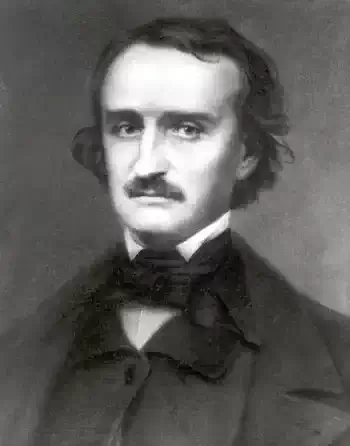
Edgar Allan Poe
Sonnet
"Seldom we find," says Solomon Don Dunce,
"Half an idea in the profoundest sonnet.
Through all the flimsy things we see at once
As easily as through a Naples bonnet —
Trash of all trash! — how can a lady don it?
Yet heavier far than your Petrarchan stuff—
Owl-downy nonsense that the faintest puff
Twirls into trunk-paper the while you con it."
And, veritably, Sol is right enough.
The general Petrarchanities are arrant
Bubbles — ephemeral and so transparent —
But this is, now, — you may depend upon it —
Stable, opaque, immortal — all by dint
Of the dear names that lie concealed within 't.
1848
"Half an idea in the profoundest sonnet.
Through all the flimsy things we see at once
As easily as through a Naples bonnet —
Trash of all trash! — how can a lady don it?
Yet heavier far than your Petrarchan stuff—
Owl-downy nonsense that the faintest puff
Twirls into trunk-paper the while you con it."
And, veritably, Sol is right enough.
The general Petrarchanities are arrant
Bubbles — ephemeral and so transparent —
But this is, now, — you may depend upon it —
Stable, opaque, immortal — all by dint
Of the dear names that lie concealed within 't.
1848
1 337
Edgar Allan Poe
Sonnet
"Seldom we find," says Solomon Don Dunce,
"Half an idea in the profoundest sonnet.
Through all the flimsy things we see at once
As easily as through a Naples bonnet —
Trash of all trash! — how can a lady don it?
Yet heavier far than your Petrarchan stuff—
Owl-downy nonsense that the faintest puff
Twirls into trunk-paper the while you con it."
And, veritably, Sol is right enough.
The general Petrarchanities are arrant
Bubbles — ephemeral and so transparent —
But this is, now, — you may depend upon it —
Stable, opaque, immortal — all by dint
Of the dear names that lie concealed within 't.
1848
"Half an idea in the profoundest sonnet.
Through all the flimsy things we see at once
As easily as through a Naples bonnet —
Trash of all trash! — how can a lady don it?
Yet heavier far than your Petrarchan stuff—
Owl-downy nonsense that the faintest puff
Twirls into trunk-paper the while you con it."
And, veritably, Sol is right enough.
The general Petrarchanities are arrant
Bubbles — ephemeral and so transparent —
But this is, now, — you may depend upon it —
Stable, opaque, immortal — all by dint
Of the dear names that lie concealed within 't.
1848
1 337
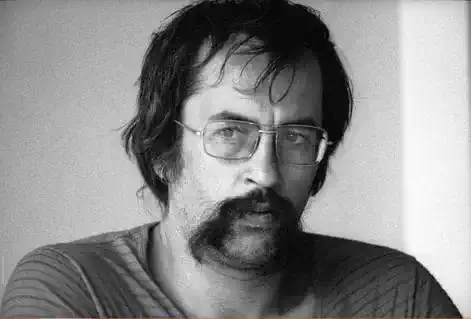
Paulo Leminski
ver
ver
é dor
ouvir
é dor
ter
é dor
perder
é dor
só doer
não é dor
delícia
de experimentador
é dor
ouvir
é dor
ter
é dor
perder
é dor
só doer
não é dor
delícia
de experimentador
1 821
Edgar Allan Poe
Eulalie
I dwelt alone
In a world of moan,
And my soul was a stagnant tide,
Till the fair and gentle Eulalie became my blushing bride—
Till the yellow-haired young Eulalie became my smiling bride.
Ah, less— less bright
The stars of the night
Than the eyes of the radiant girl!
That the vapor can make
With the moon-tints of purple and pearl,
Can vie with the modest Eulalie's most unregarded curl—
Can compare with the bright-eyed Eulalie's most humble and careless curl.
Now Doubt- now Pain
Come never again,
For her soul gives me sigh for sigh,
And all day long
Shines, bright and strong,
Astarte within the sky,
While ever to her dear Eulalie upturns her matron eye—
While ever to her young Eulalie upturns her violet eye.
1850
In a world of moan,
And my soul was a stagnant tide,
Till the fair and gentle Eulalie became my blushing bride—
Till the yellow-haired young Eulalie became my smiling bride.
Ah, less— less bright
The stars of the night
Than the eyes of the radiant girl!
That the vapor can make
With the moon-tints of purple and pearl,
Can vie with the modest Eulalie's most unregarded curl—
Can compare with the bright-eyed Eulalie's most humble and careless curl.
Now Doubt- now Pain
Come never again,
For her soul gives me sigh for sigh,
And all day long
Shines, bright and strong,
Astarte within the sky,
While ever to her dear Eulalie upturns her matron eye—
While ever to her young Eulalie upturns her violet eye.
1850
2 265
Paulo Leminski
ascenção apogeu e queda da vida paixão
ascenção apogeu e queda da vida paixão
e morte
do poeta enquanto ser que chora enquanto
chove lá fora e alguém canta
a última esperança da luz e pegar o primeiro trem
para muito além das serras que azulam no
horizonte
e o separam da aurora da sua vida
e morte
do poeta enquanto ser que chora enquanto
chove lá fora e alguém canta
a última esperança da luz e pegar o primeiro trem
para muito além das serras que azulam no
horizonte
e o separam da aurora da sua vida
1 781
Edgar Allan Poe
To Helen [Sarah Helen Whitman
I saw thee once— once only — years ago:
I must not say how many — but not many.
It was a July midnight; and from out
A full-orbed moon, that, like thine own soul, soaring,
Sought a precipitate pathway up through heaven,
There fell a silvery-silken veil of light,
With quietude, and sultriness, and slumber,
Upon the upturned faces of a thousand
Roses that grew in an enchanted garden,
Where no wind dared to stir, unless on tiptoe —
Fell on the upturn'd faces of these roses
That gave out, in return for the love-light,
Their odorous souls in an ecstatic death —
Fell on the upturn'd faces of these roses
That smiled and died in this parterre, enchanted
By thee, and by the poetry of thy presence.
Clad all in white, upon a violet bank
I saw thee half reclining; while the moon
Fell on the upturn'd faces of the roses,
And on thine own, upturn'd— alas, in sorrow!
Was it not Fate, that, on this July midnight—
Was it not Fate, (whose name is also Sorrow,)
That bade me pause before that garden-gate,
To breathe the incense of those slumbering roses?
No footstep stirred: the hated world an slept,
Save only thee and me. (Oh, Heaven!— oh, God!
How my heart beats in coupling those two words!)
Save only thee and me. I paused— I looked—
And in an instant all things disappeared.
(Ah, bear in mind this garden was enchanted!)
The pearly lustre of the moon went out:
The mossy banks and the meandering paths,
The happy flowers and the repining trees,
Were seen no more: the very roses' odors
Died in the arms of the adoring airs.
All— all expired save thee— save less than thou:
Save only the divine light in thine eyes—
Save but the soul in thine uplifted eyes.
I saw but them— they were the world to me!
I saw but them— saw only them for hours,
Saw only them until the moon went down.
What wild heart-histories seemed to he enwritten
Upon those crystalline, celestial spheres!
How dark a woe, yet how sublime a hope!
How silently serene a sea of pride!
How daring an ambition; yet how deep—
How fathomless a capacity for love!
But now, at length, dear Dian sank from sight,
Into a western couch of thunder-cloud;
And thou, a ghost, amid the entombing trees
Didst glide away. Only thine eyes remained;
They would not go— they never yet have gone;
Lighting my lonely pathway home that night,
They have not left me (as my hopes have) since;
They follow me— they lead me through the years.
They are my ministers — yet I their slave.
Their office is to illumine and enkindle —
My duty, to be saved by their bright light,
And purified in their electric fire,
And sanctified in their elysian fire.
They fill my soul with Beauty (which is Hope),
And are far up in Heaven — the stars I kneel to
In the sad, silent watches of my night;
While even in the meridian glare of day
I see them still — two sweetly scintillant
Venuses, unextinguished by the sun!
1850
I must not say how many — but not many.
It was a July midnight; and from out
A full-orbed moon, that, like thine own soul, soaring,
Sought a precipitate pathway up through heaven,
There fell a silvery-silken veil of light,
With quietude, and sultriness, and slumber,
Upon the upturned faces of a thousand
Roses that grew in an enchanted garden,
Where no wind dared to stir, unless on tiptoe —
Fell on the upturn'd faces of these roses
That gave out, in return for the love-light,
Their odorous souls in an ecstatic death —
Fell on the upturn'd faces of these roses
That smiled and died in this parterre, enchanted
By thee, and by the poetry of thy presence.
Clad all in white, upon a violet bank
I saw thee half reclining; while the moon
Fell on the upturn'd faces of the roses,
And on thine own, upturn'd— alas, in sorrow!
Was it not Fate, that, on this July midnight—
Was it not Fate, (whose name is also Sorrow,)
That bade me pause before that garden-gate,
To breathe the incense of those slumbering roses?
No footstep stirred: the hated world an slept,
Save only thee and me. (Oh, Heaven!— oh, God!
How my heart beats in coupling those two words!)
Save only thee and me. I paused— I looked—
And in an instant all things disappeared.
(Ah, bear in mind this garden was enchanted!)
The pearly lustre of the moon went out:
The mossy banks and the meandering paths,
The happy flowers and the repining trees,
Were seen no more: the very roses' odors
Died in the arms of the adoring airs.
All— all expired save thee— save less than thou:
Save only the divine light in thine eyes—
Save but the soul in thine uplifted eyes.
I saw but them— they were the world to me!
I saw but them— saw only them for hours,
Saw only them until the moon went down.
What wild heart-histories seemed to he enwritten
Upon those crystalline, celestial spheres!
How dark a woe, yet how sublime a hope!
How silently serene a sea of pride!
How daring an ambition; yet how deep—
How fathomless a capacity for love!
But now, at length, dear Dian sank from sight,
Into a western couch of thunder-cloud;
And thou, a ghost, amid the entombing trees
Didst glide away. Only thine eyes remained;
They would not go— they never yet have gone;
Lighting my lonely pathway home that night,
They have not left me (as my hopes have) since;
They follow me— they lead me through the years.
They are my ministers — yet I their slave.
Their office is to illumine and enkindle —
My duty, to be saved by their bright light,
And purified in their electric fire,
And sanctified in their elysian fire.
They fill my soul with Beauty (which is Hope),
And are far up in Heaven — the stars I kneel to
In the sad, silent watches of my night;
While even in the meridian glare of day
I see them still — two sweetly scintillant
Venuses, unextinguished by the sun!
1850
1 885
Edgar Allan Poe
To Helen [Sarah Helen Whitman
I saw thee once— once only — years ago:
I must not say how many — but not many.
It was a July midnight; and from out
A full-orbed moon, that, like thine own soul, soaring,
Sought a precipitate pathway up through heaven,
There fell a silvery-silken veil of light,
With quietude, and sultriness, and slumber,
Upon the upturned faces of a thousand
Roses that grew in an enchanted garden,
Where no wind dared to stir, unless on tiptoe —
Fell on the upturn'd faces of these roses
That gave out, in return for the love-light,
Their odorous souls in an ecstatic death —
Fell on the upturn'd faces of these roses
That smiled and died in this parterre, enchanted
By thee, and by the poetry of thy presence.
Clad all in white, upon a violet bank
I saw thee half reclining; while the moon
Fell on the upturn'd faces of the roses,
And on thine own, upturn'd— alas, in sorrow!
Was it not Fate, that, on this July midnight—
Was it not Fate, (whose name is also Sorrow,)
That bade me pause before that garden-gate,
To breathe the incense of those slumbering roses?
No footstep stirred: the hated world an slept,
Save only thee and me. (Oh, Heaven!— oh, God!
How my heart beats in coupling those two words!)
Save only thee and me. I paused— I looked—
And in an instant all things disappeared.
(Ah, bear in mind this garden was enchanted!)
The pearly lustre of the moon went out:
The mossy banks and the meandering paths,
The happy flowers and the repining trees,
Were seen no more: the very roses' odors
Died in the arms of the adoring airs.
All— all expired save thee— save less than thou:
Save only the divine light in thine eyes—
Save but the soul in thine uplifted eyes.
I saw but them— they were the world to me!
I saw but them— saw only them for hours,
Saw only them until the moon went down.
What wild heart-histories seemed to he enwritten
Upon those crystalline, celestial spheres!
How dark a woe, yet how sublime a hope!
How silently serene a sea of pride!
How daring an ambition; yet how deep—
How fathomless a capacity for love!
But now, at length, dear Dian sank from sight,
Into a western couch of thunder-cloud;
And thou, a ghost, amid the entombing trees
Didst glide away. Only thine eyes remained;
They would not go— they never yet have gone;
Lighting my lonely pathway home that night,
They have not left me (as my hopes have) since;
They follow me— they lead me through the years.
They are my ministers — yet I their slave.
Their office is to illumine and enkindle —
My duty, to be saved by their bright light,
And purified in their electric fire,
And sanctified in their elysian fire.
They fill my soul with Beauty (which is Hope),
And are far up in Heaven — the stars I kneel to
In the sad, silent watches of my night;
While even in the meridian glare of day
I see them still — two sweetly scintillant
Venuses, unextinguished by the sun!
1850
I must not say how many — but not many.
It was a July midnight; and from out
A full-orbed moon, that, like thine own soul, soaring,
Sought a precipitate pathway up through heaven,
There fell a silvery-silken veil of light,
With quietude, and sultriness, and slumber,
Upon the upturned faces of a thousand
Roses that grew in an enchanted garden,
Where no wind dared to stir, unless on tiptoe —
Fell on the upturn'd faces of these roses
That gave out, in return for the love-light,
Their odorous souls in an ecstatic death —
Fell on the upturn'd faces of these roses
That smiled and died in this parterre, enchanted
By thee, and by the poetry of thy presence.
Clad all in white, upon a violet bank
I saw thee half reclining; while the moon
Fell on the upturn'd faces of the roses,
And on thine own, upturn'd— alas, in sorrow!
Was it not Fate, that, on this July midnight—
Was it not Fate, (whose name is also Sorrow,)
That bade me pause before that garden-gate,
To breathe the incense of those slumbering roses?
No footstep stirred: the hated world an slept,
Save only thee and me. (Oh, Heaven!— oh, God!
How my heart beats in coupling those two words!)
Save only thee and me. I paused— I looked—
And in an instant all things disappeared.
(Ah, bear in mind this garden was enchanted!)
The pearly lustre of the moon went out:
The mossy banks and the meandering paths,
The happy flowers and the repining trees,
Were seen no more: the very roses' odors
Died in the arms of the adoring airs.
All— all expired save thee— save less than thou:
Save only the divine light in thine eyes—
Save but the soul in thine uplifted eyes.
I saw but them— they were the world to me!
I saw but them— saw only them for hours,
Saw only them until the moon went down.
What wild heart-histories seemed to he enwritten
Upon those crystalline, celestial spheres!
How dark a woe, yet how sublime a hope!
How silently serene a sea of pride!
How daring an ambition; yet how deep—
How fathomless a capacity for love!
But now, at length, dear Dian sank from sight,
Into a western couch of thunder-cloud;
And thou, a ghost, amid the entombing trees
Didst glide away. Only thine eyes remained;
They would not go— they never yet have gone;
Lighting my lonely pathway home that night,
They have not left me (as my hopes have) since;
They follow me— they lead me through the years.
They are my ministers — yet I their slave.
Their office is to illumine and enkindle —
My duty, to be saved by their bright light,
And purified in their electric fire,
And sanctified in their elysian fire.
They fill my soul with Beauty (which is Hope),
And are far up in Heaven — the stars I kneel to
In the sad, silent watches of my night;
While even in the meridian glare of day
I see them still — two sweetly scintillant
Venuses, unextinguished by the sun!
1850
1 885
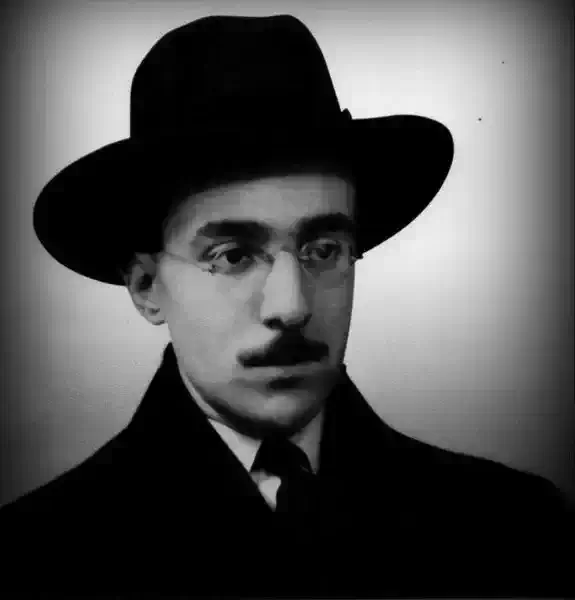
Fernando Pessoa
Quarta: D. JOÃO, INFANTE DE PORTUGAL
Não fui alguém. Minha alma estava estreita
Entre tão grandes almas minhas pares,
Inutilmente eleita,
Virgemmente parada;
Porque é do português, pai de amplos mares,
Querer, poder só isto:
O inteiro mar, ou a orla vã desfeita —
O todo, ou o seu nada.
Entre tão grandes almas minhas pares,
Inutilmente eleita,
Virgemmente parada;
Porque é do português, pai de amplos mares,
Querer, poder só isto:
O inteiro mar, ou a orla vã desfeita —
O todo, ou o seu nada.
5 490
Edgar Allan Poe
The Valley of Unrest
Once it smiled a silent dell
Where the people did not dwell;
They had gone unto the wars,
Trusting to the mild-eyed stars,
Nightly, from their azure towers,
To keep watch above the flowers,
In the midst of which all day
The red sunlight lazily lay.
Now each visitor shall confess
The sad valley's restlessness.
Nothing there is motionless-
Nothing save the airs that brood
Over the magic solitude.
Ah, by no wind are stirred those trees
That palpitate like the chill seas
Around the misty Hebrides!
Ah, by no wind those clouds are driven
That rustle through the unquiet Heaven
Uneasily, from morn till even,
Over the violets there that lie
In myriad types of the human eye-
Over the lilies there that wave
And weep above a nameless grave!
They wave: — from out their fragrant tops
Eternal dews come down in drops.
They weep: — from off their delicate stems
Perennial tears descend in gems.
1845
Where the people did not dwell;
They had gone unto the wars,
Trusting to the mild-eyed stars,
Nightly, from their azure towers,
To keep watch above the flowers,
In the midst of which all day
The red sunlight lazily lay.
Now each visitor shall confess
The sad valley's restlessness.
Nothing there is motionless-
Nothing save the airs that brood
Over the magic solitude.
Ah, by no wind are stirred those trees
That palpitate like the chill seas
Around the misty Hebrides!
Ah, by no wind those clouds are driven
That rustle through the unquiet Heaven
Uneasily, from morn till even,
Over the violets there that lie
In myriad types of the human eye-
Over the lilies there that wave
And weep above a nameless grave!
They wave: — from out their fragrant tops
Eternal dews come down in drops.
They weep: — from off their delicate stems
Perennial tears descend in gems.
1845
1 274
Edgar Allan Poe
Untitled - The happiest day — the happiest hour
The happiest day — the happiest hour
My sear'd and blighted heart hath known,
The highest hope of pride, and power,
I feel hath flown.
Of power! said I? yes! such I ween
But they have vanish'd long alas!
The visions of my youth have been —
But let them pass.
And, pride, what have I now with thee?
Another brow may ev'n inherit
The venom thou hast pour'd on me —
Be still my spirit.
The happiest day — the happiest hour
Mine eyes shall see — have ever seen
The brightest glance of pride and power
I feel — have been:
But were that hope of pride and power
Now offer'd, with the pain
Ev'n then I felt — that brightest hour
I would not live again:
For on its wing wall dark alloy
And as it flutter'd — fell
An essence — powerful to destroy
A soul that knew it well.
1827
My sear'd and blighted heart hath known,
The highest hope of pride, and power,
I feel hath flown.
Of power! said I? yes! such I ween
But they have vanish'd long alas!
The visions of my youth have been —
But let them pass.
And, pride, what have I now with thee?
Another brow may ev'n inherit
The venom thou hast pour'd on me —
Be still my spirit.
The happiest day — the happiest hour
Mine eyes shall see — have ever seen
The brightest glance of pride and power
I feel — have been:
But were that hope of pride and power
Now offer'd, with the pain
Ev'n then I felt — that brightest hour
I would not live again:
For on its wing wall dark alloy
And as it flutter'd — fell
An essence — powerful to destroy
A soul that knew it well.
1827
1 133
Edgar Allan Poe
A Valentine
For her this rhyme is penned, whose luminous eyes,
Brightly expressive as the twins of Leda,
Shall find her own sweet name, that nestling lies
Upon the page, enwrapped from every reader.
Search narrowly the lines!— they hold a treasure
Divine— a talisman— an amulet
That must be worn at heart. Search well the measure—
The words— the syllables! Do not forget
The trivialest point, or you may lose your labor
And yet there is in this no Gordian knot
Which one might not undo without a sabre,
If one could merely comprehend the plot.
Enwritten upon the leaf where now are peering
Eyes scintillating soul, there lie perdus
Three eloquent words oft uttered in the hearing
Of poets, by poets— as the name is a poet's, too,
Its letters, although naturally lying
Like the knight Pinto— Mendez Ferdinando—
Still form a synonym for Truth— Cease trying!
You will not read the riddle,
though you do the best you can do.
1848
Brightly expressive as the twins of Leda,
Shall find her own sweet name, that nestling lies
Upon the page, enwrapped from every reader.
Search narrowly the lines!— they hold a treasure
Divine— a talisman— an amulet
That must be worn at heart. Search well the measure—
The words— the syllables! Do not forget
The trivialest point, or you may lose your labor
And yet there is in this no Gordian knot
Which one might not undo without a sabre,
If one could merely comprehend the plot.
Enwritten upon the leaf where now are peering
Eyes scintillating soul, there lie perdus
Three eloquent words oft uttered in the hearing
Of poets, by poets— as the name is a poet's, too,
Its letters, although naturally lying
Like the knight Pinto— Mendez Ferdinando—
Still form a synonym for Truth— Cease trying!
You will not read the riddle,
though you do the best you can do.
1848
2 045
Edgar Allan Poe
A Valentine
For her this rhyme is penned, whose luminous eyes,
Brightly expressive as the twins of Leda,
Shall find her own sweet name, that nestling lies
Upon the page, enwrapped from every reader.
Search narrowly the lines!— they hold a treasure
Divine— a talisman— an amulet
That must be worn at heart. Search well the measure—
The words— the syllables! Do not forget
The trivialest point, or you may lose your labor
And yet there is in this no Gordian knot
Which one might not undo without a sabre,
If one could merely comprehend the plot.
Enwritten upon the leaf where now are peering
Eyes scintillating soul, there lie perdus
Three eloquent words oft uttered in the hearing
Of poets, by poets— as the name is a poet's, too,
Its letters, although naturally lying
Like the knight Pinto— Mendez Ferdinando—
Still form a synonym for Truth— Cease trying!
You will not read the riddle,
though you do the best you can do.
1848
Brightly expressive as the twins of Leda,
Shall find her own sweet name, that nestling lies
Upon the page, enwrapped from every reader.
Search narrowly the lines!— they hold a treasure
Divine— a talisman— an amulet
That must be worn at heart. Search well the measure—
The words— the syllables! Do not forget
The trivialest point, or you may lose your labor
And yet there is in this no Gordian knot
Which one might not undo without a sabre,
If one could merely comprehend the plot.
Enwritten upon the leaf where now are peering
Eyes scintillating soul, there lie perdus
Three eloquent words oft uttered in the hearing
Of poets, by poets— as the name is a poet's, too,
Its letters, although naturally lying
Like the knight Pinto— Mendez Ferdinando—
Still form a synonym for Truth— Cease trying!
You will not read the riddle,
though you do the best you can do.
1848
2 045
Edgar Allan Poe
A Valentine
For her this rhyme is penned, whose luminous eyes,
Brightly expressive as the twins of Leda,
Shall find her own sweet name, that nestling lies
Upon the page, enwrapped from every reader.
Search narrowly the lines!— they hold a treasure
Divine— a talisman— an amulet
That must be worn at heart. Search well the measure—
The words— the syllables! Do not forget
The trivialest point, or you may lose your labor
And yet there is in this no Gordian knot
Which one might not undo without a sabre,
If one could merely comprehend the plot.
Enwritten upon the leaf where now are peering
Eyes scintillating soul, there lie perdus
Three eloquent words oft uttered in the hearing
Of poets, by poets— as the name is a poet's, too,
Its letters, although naturally lying
Like the knight Pinto— Mendez Ferdinando—
Still form a synonym for Truth— Cease trying!
You will not read the riddle,
though you do the best you can do.
1848
Brightly expressive as the twins of Leda,
Shall find her own sweet name, that nestling lies
Upon the page, enwrapped from every reader.
Search narrowly the lines!— they hold a treasure
Divine— a talisman— an amulet
That must be worn at heart. Search well the measure—
The words— the syllables! Do not forget
The trivialest point, or you may lose your labor
And yet there is in this no Gordian knot
Which one might not undo without a sabre,
If one could merely comprehend the plot.
Enwritten upon the leaf where now are peering
Eyes scintillating soul, there lie perdus
Three eloquent words oft uttered in the hearing
Of poets, by poets— as the name is a poet's, too,
Its letters, although naturally lying
Like the knight Pinto— Mendez Ferdinando—
Still form a synonym for Truth— Cease trying!
You will not read the riddle,
though you do the best you can do.
1848
2 045
Edgar Allan Poe
Song
I saw thee on thy bridal day —
When a burning blush came o'er thee,
Though happiness around thee lay,
The world all love before thee:
And in thine eye a kindling light
(Whatever it might be)
Was all on Earth my aching sight
Of Loveliness could see.
That blush, perhaps, was maiden shame —
As such it well may pass —
Though its glow hath raised a fiercer flame
In the breast of him, alas!
Who saw thee on that bridal day,
When that deep blush would come o'er thee,
Though happiness around thee lay,
The world all love before thee.
1845
When a burning blush came o'er thee,
Though happiness around thee lay,
The world all love before thee:
And in thine eye a kindling light
(Whatever it might be)
Was all on Earth my aching sight
Of Loveliness could see.
That blush, perhaps, was maiden shame —
As such it well may pass —
Though its glow hath raised a fiercer flame
In the breast of him, alas!
Who saw thee on that bridal day,
When that deep blush would come o'er thee,
Though happiness around thee lay,
The world all love before thee.
1845
1 247
Edgar Allan Poe
To The River
Fair river! in thy bright, clear flow
Of crystal, wandering water,
Thou art an emblem of the glow
Of beauty- the unhidden heart-
The playful maziness of art
In old Alberto's daughter;
But when within thy wave she looks-
Which glistens then, and trembles—
Why, then, the prettiest of brooks
Her worshipper resembles;
For in his heart, as in thy stream,
Her image deeply lies—
His heart which trembles at the beam
Of her soul-searching eyes.
1829
Of crystal, wandering water,
Thou art an emblem of the glow
Of beauty- the unhidden heart-
The playful maziness of art
In old Alberto's daughter;
But when within thy wave she looks-
Which glistens then, and trembles—
Why, then, the prettiest of brooks
Her worshipper resembles;
For in his heart, as in thy stream,
Her image deeply lies—
His heart which trembles at the beam
Of her soul-searching eyes.
1829
1 358
Edgar Allan Poe
To The River
Fair river! in thy bright, clear flow
Of crystal, wandering water,
Thou art an emblem of the glow
Of beauty- the unhidden heart-
The playful maziness of art
In old Alberto's daughter;
But when within thy wave she looks-
Which glistens then, and trembles—
Why, then, the prettiest of brooks
Her worshipper resembles;
For in his heart, as in thy stream,
Her image deeply lies—
His heart which trembles at the beam
Of her soul-searching eyes.
1829
Of crystal, wandering water,
Thou art an emblem of the glow
Of beauty- the unhidden heart-
The playful maziness of art
In old Alberto's daughter;
But when within thy wave she looks-
Which glistens then, and trembles—
Why, then, the prettiest of brooks
Her worshipper resembles;
For in his heart, as in thy stream,
Her image deeply lies—
His heart which trembles at the beam
Of her soul-searching eyes.
1829
1 358
Edgar Allan Poe
To The River
Fair river! in thy bright, clear flow
Of crystal, wandering water,
Thou art an emblem of the glow
Of beauty- the unhidden heart-
The playful maziness of art
In old Alberto's daughter;
But when within thy wave she looks-
Which glistens then, and trembles—
Why, then, the prettiest of brooks
Her worshipper resembles;
For in his heart, as in thy stream,
Her image deeply lies—
His heart which trembles at the beam
Of her soul-searching eyes.
1829
Of crystal, wandering water,
Thou art an emblem of the glow
Of beauty- the unhidden heart-
The playful maziness of art
In old Alberto's daughter;
But when within thy wave she looks-
Which glistens then, and trembles—
Why, then, the prettiest of brooks
Her worshipper resembles;
For in his heart, as in thy stream,
Her image deeply lies—
His heart which trembles at the beam
Of her soul-searching eyes.
1829
1 358
Edgar Allan Poe
Dreams
Oh! that my young life were a lasting dream!
My spirit not awakening, till the beam
Of an Eternity should bring the morrow.
Yes! tho' that long dream were of hopeless sorrow,
'Twere better than the cold reality
Of waking life, to him whose heart must be,
And hath been still, upon the lovely earth,
A chaos of deep passion, from his birth.
But should it be— that dream eternally
Continuing— as dreams have been to me
In my young boyhood— should it thus be given,
'Twere folly still to hope for higher Heaven.
For I have revell'd, when the sun was bright
I' the summer sky, in dreams of living light
And loveliness,— have left my very heart
In climes of my imagining, apart
From mine own home, with beings that have been
Of mine own thought— what more could I have seen?
'Twas once— and only once— and the wild hour
From my remembrance shall not pass— some power
Or spell had bound me— 'twas the chilly wind
Came o'er me in the night, and left behind
Its image on my spirit— or the moon
Shone on my slumbers in her lofty noon
Too coldly— or the stars— howe'er it was
That dream was as that night—wind— let it pass.
I have been happy, tho' in a dream.
I have been happy— and I love the theme:
Dreams! in their vivid coloring of life,
As in that fleeting, shadowy, misty strife
Of semblance with reality, which brings
To the delirious eye, more lovely things
Of Paradise and Love— and all our own!
Than young Hope in his sunniest hour hath known.
1827
My spirit not awakening, till the beam
Of an Eternity should bring the morrow.
Yes! tho' that long dream were of hopeless sorrow,
'Twere better than the cold reality
Of waking life, to him whose heart must be,
And hath been still, upon the lovely earth,
A chaos of deep passion, from his birth.
But should it be— that dream eternally
Continuing— as dreams have been to me
In my young boyhood— should it thus be given,
'Twere folly still to hope for higher Heaven.
For I have revell'd, when the sun was bright
I' the summer sky, in dreams of living light
And loveliness,— have left my very heart
In climes of my imagining, apart
From mine own home, with beings that have been
Of mine own thought— what more could I have seen?
'Twas once— and only once— and the wild hour
From my remembrance shall not pass— some power
Or spell had bound me— 'twas the chilly wind
Came o'er me in the night, and left behind
Its image on my spirit— or the moon
Shone on my slumbers in her lofty noon
Too coldly— or the stars— howe'er it was
That dream was as that night—wind— let it pass.
I have been happy, tho' in a dream.
I have been happy— and I love the theme:
Dreams! in their vivid coloring of life,
As in that fleeting, shadowy, misty strife
Of semblance with reality, which brings
To the delirious eye, more lovely things
Of Paradise and Love— and all our own!
Than young Hope in his sunniest hour hath known.
1827
1 692
Edgar Allan Poe
The Lake
In youth's spring, it was my lot
To haunt of the wide earth a spot
The which I could not love the less;
So lovely was the loneliness
Of a wild lake, with black rock bound.
And the tall pines that tower'd around.
But when the night had thrown her pall
Upon that spot — as upon all,
And the wind would pass me by
In its stilly melody,
My infant spirit would awake
To the terror of the lone lake.
Yet that terror was not fright —
But a tremulous delight,
And a feeling undefin'd,
Springing from a darken'd mind.
Death was in that poison'd wave
And in its gulf a fitting grave
For him who thence could solace bring
To his dark imagining;
Whose wild'ring thought could even make
An Eden of that dim lake.
1827
To haunt of the wide earth a spot
The which I could not love the less;
So lovely was the loneliness
Of a wild lake, with black rock bound.
And the tall pines that tower'd around.
But when the night had thrown her pall
Upon that spot — as upon all,
And the wind would pass me by
In its stilly melody,
My infant spirit would awake
To the terror of the lone lake.
Yet that terror was not fright —
But a tremulous delight,
And a feeling undefin'd,
Springing from a darken'd mind.
Death was in that poison'd wave
And in its gulf a fitting grave
For him who thence could solace bring
To his dark imagining;
Whose wild'ring thought could even make
An Eden of that dim lake.
1827
1 653
Edgar Allan Poe
Lines Written in an Album
Eliza! — let thy generous heart
From its present pathway part not!
Being every thing which now thou art,
Be nothing which thou art not.
So with the world thy gentle ways,
Thy unassuming beauty,
And truth shall be a theme of praise,
Forever — and love a duty.
1835
From its present pathway part not!
Being every thing which now thou art,
Be nothing which thou art not.
So with the world thy gentle ways,
Thy unassuming beauty,
And truth shall be a theme of praise,
Forever — and love a duty.
1835
1 138
Edgar Allan Poe
Lines Written in an Album
Eliza! — let thy generous heart
From its present pathway part not!
Being every thing which now thou art,
Be nothing which thou art not.
So with the world thy gentle ways,
Thy unassuming beauty,
And truth shall be a theme of praise,
Forever — and love a duty.
1835
From its present pathway part not!
Being every thing which now thou art,
Be nothing which thou art not.
So with the world thy gentle ways,
Thy unassuming beauty,
And truth shall be a theme of praise,
Forever — and love a duty.
1835
1 138
Edgar Allan Poe
Lines Written in an Album
Eliza! — let thy generous heart
From its present pathway part not!
Being every thing which now thou art,
Be nothing which thou art not.
So with the world thy gentle ways,
Thy unassuming beauty,
And truth shall be a theme of praise,
Forever — and love a duty.
1835
From its present pathway part not!
Being every thing which now thou art,
Be nothing which thou art not.
So with the world thy gentle ways,
Thy unassuming beauty,
And truth shall be a theme of praise,
Forever — and love a duty.
1835
1 138
Edgar Allan Poe
Spirits of the Dead
Thy soul shall find itself alone
'Mid dark thoughts of the grey tomb-stone;
Not one, of all the crowd, to pry
Into thine hour of secrecy.
Be silent in that solitude,
Which is not loneliness- for then
The spirits of the dead, who stood
In life before thee, are again
In death around thee, and their will
Shall overshadow thee; be still.
The night, though clear, shall frown,
And the stars shall not look down
From their high thrones in the Heaven
With light like hope to mortals given,
But their red orbs, without beam,
To thy weariness shall seem
As a burning and a fever
Which would cling to thee for ever.
Now are thoughts thou shalt not banish,
Now are visions ne'er to vanish;
From thy spirit shall they pass
No more, like dew-drop from the grass.
The breeze, the breath of God, is still,
And the mist upon the hill
Shadowy, shadowy, yet unbroken,
Is a symbol and a token.
How it hangs upon the trees,
A mystery of mysteries!
1827
'Mid dark thoughts of the grey tomb-stone;
Not one, of all the crowd, to pry
Into thine hour of secrecy.
Be silent in that solitude,
Which is not loneliness- for then
The spirits of the dead, who stood
In life before thee, are again
In death around thee, and their will
Shall overshadow thee; be still.
The night, though clear, shall frown,
And the stars shall not look down
From their high thrones in the Heaven
With light like hope to mortals given,
But their red orbs, without beam,
To thy weariness shall seem
As a burning and a fever
Which would cling to thee for ever.
Now are thoughts thou shalt not banish,
Now are visions ne'er to vanish;
From thy spirit shall they pass
No more, like dew-drop from the grass.
The breeze, the breath of God, is still,
And the mist upon the hill
Shadowy, shadowy, yet unbroken,
Is a symbol and a token.
How it hangs upon the trees,
A mystery of mysteries!
1827
1 468