

Poemas neste tema
Outros
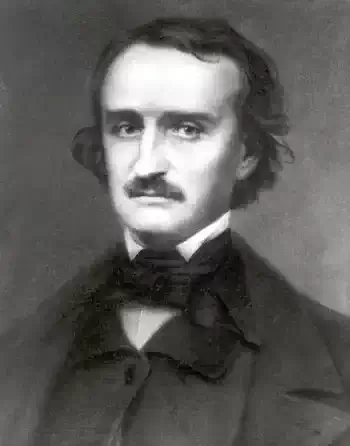
Edgar Allan Poe
Spirits of the Dead
Thy soul shall find itself alone
'Mid dark thoughts of the grey tomb-stone;
Not one, of all the crowd, to pry
Into thine hour of secrecy.
Be silent in that solitude,
Which is not loneliness- for then
The spirits of the dead, who stood
In life before thee, are again
In death around thee, and their will
Shall overshadow thee; be still.
The night, though clear, shall frown,
And the stars shall not look down
From their high thrones in the Heaven
With light like hope to mortals given,
But their red orbs, without beam,
To thy weariness shall seem
As a burning and a fever
Which would cling to thee for ever.
Now are thoughts thou shalt not banish,
Now are visions ne'er to vanish;
From thy spirit shall they pass
No more, like dew-drop from the grass.
The breeze, the breath of God, is still,
And the mist upon the hill
Shadowy, shadowy, yet unbroken,
Is a symbol and a token.
How it hangs upon the trees,
A mystery of mysteries!
1827
'Mid dark thoughts of the grey tomb-stone;
Not one, of all the crowd, to pry
Into thine hour of secrecy.
Be silent in that solitude,
Which is not loneliness- for then
The spirits of the dead, who stood
In life before thee, are again
In death around thee, and their will
Shall overshadow thee; be still.
The night, though clear, shall frown,
And the stars shall not look down
From their high thrones in the Heaven
With light like hope to mortals given,
But their red orbs, without beam,
To thy weariness shall seem
As a burning and a fever
Which would cling to thee for ever.
Now are thoughts thou shalt not banish,
Now are visions ne'er to vanish;
From thy spirit shall they pass
No more, like dew-drop from the grass.
The breeze, the breath of God, is still,
And the mist upon the hill
Shadowy, shadowy, yet unbroken,
Is a symbol and a token.
How it hangs upon the trees,
A mystery of mysteries!
1827
1 468
Edgar Allan Poe
To Helen
Helen, thy beauty is to me
Like those Nicean barks of yore,
That gently, o'er a perfum'd sea,
The weary way-worn wanderer bore
To his own native shore.
On desperate seas long wont to roam,
Thy hyacinth hair, thy classic face,
Thy Naiad airs have brought me home
To the beauty of fair Greece,
And the grandeur of old Rome.
Lo ! in that little window-niche
How statue-like I see thee stand!
The folded scroll within thy hand —
A Psyche from the regions which
Are Holy land !
1831
Like those Nicean barks of yore,
That gently, o'er a perfum'd sea,
The weary way-worn wanderer bore
To his own native shore.
On desperate seas long wont to roam,
Thy hyacinth hair, thy classic face,
Thy Naiad airs have brought me home
To the beauty of fair Greece,
And the grandeur of old Rome.
Lo ! in that little window-niche
How statue-like I see thee stand!
The folded scroll within thy hand —
A Psyche from the regions which
Are Holy land !
1831
1 566
Edgar Allan Poe
To Helen
Helen, thy beauty is to me
Like those Nicean barks of yore,
That gently, o'er a perfum'd sea,
The weary way-worn wanderer bore
To his own native shore.
On desperate seas long wont to roam,
Thy hyacinth hair, thy classic face,
Thy Naiad airs have brought me home
To the beauty of fair Greece,
And the grandeur of old Rome.
Lo ! in that little window-niche
How statue-like I see thee stand!
The folded scroll within thy hand —
A Psyche from the regions which
Are Holy land !
1831
Like those Nicean barks of yore,
That gently, o'er a perfum'd sea,
The weary way-worn wanderer bore
To his own native shore.
On desperate seas long wont to roam,
Thy hyacinth hair, thy classic face,
Thy Naiad airs have brought me home
To the beauty of fair Greece,
And the grandeur of old Rome.
Lo ! in that little window-niche
How statue-like I see thee stand!
The folded scroll within thy hand —
A Psyche from the regions which
Are Holy land !
1831
1 566
Edgar Allan Poe
To Helen
Helen, thy beauty is to me
Like those Nicean barks of yore,
That gently, o'er a perfum'd sea,
The weary way-worn wanderer bore
To his own native shore.
On desperate seas long wont to roam,
Thy hyacinth hair, thy classic face,
Thy Naiad airs have brought me home
To the beauty of fair Greece,
And the grandeur of old Rome.
Lo ! in that little window-niche
How statue-like I see thee stand!
The folded scroll within thy hand —
A Psyche from the regions which
Are Holy land !
1831
Like those Nicean barks of yore,
That gently, o'er a perfum'd sea,
The weary way-worn wanderer bore
To his own native shore.
On desperate seas long wont to roam,
Thy hyacinth hair, thy classic face,
Thy Naiad airs have brought me home
To the beauty of fair Greece,
And the grandeur of old Rome.
Lo ! in that little window-niche
How statue-like I see thee stand!
The folded scroll within thy hand —
A Psyche from the regions which
Are Holy land !
1831
1 566
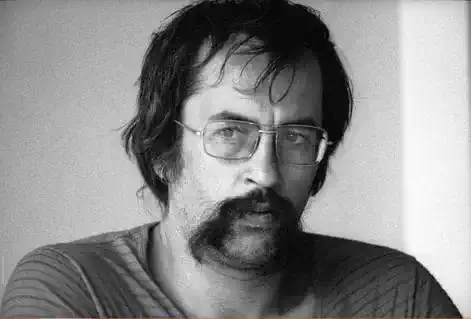
Paulo Leminski
nada que o sol
nada que o sol
não explique
tudo que a lua
mais chique
não tem chuva
que desbote essa flor
não explique
tudo que a lua
mais chique
não tem chuva
que desbote essa flor
4 245
Paulo Leminski
nada que o sol
nada que o sol
não explique
tudo que a lua
mais chique
não tem chuva
que desbote essa flor
não explique
tudo que a lua
mais chique
não tem chuva
que desbote essa flor
4 245
Edgar Allan Poe
To
Fair maiden, let thy generous heart
From its present pathway part not!
Being every thing which now thou art,
Be nothing which thou art not.
So with the world thy gentle ways,
Thy unassuming beauty,
Thy truth — shall be a theme of praise,
Forever — and love a duty.
1839
From its present pathway part not!
Being every thing which now thou art,
Be nothing which thou art not.
So with the world thy gentle ways,
Thy unassuming beauty,
Thy truth — shall be a theme of praise,
Forever — and love a duty.
1839
1 061
Edgar Allan Poe
To
Fair maiden, let thy generous heart
From its present pathway part not!
Being every thing which now thou art,
Be nothing which thou art not.
So with the world thy gentle ways,
Thy unassuming beauty,
Thy truth — shall be a theme of praise,
Forever — and love a duty.
1839
From its present pathway part not!
Being every thing which now thou art,
Be nothing which thou art not.
So with the world thy gentle ways,
Thy unassuming beauty,
Thy truth — shall be a theme of praise,
Forever — and love a duty.
1839
1 061
Edgar Allan Poe
To
Fair maiden, let thy generous heart
From its present pathway part not!
Being every thing which now thou art,
Be nothing which thou art not.
So with the world thy gentle ways,
Thy unassuming beauty,
Thy truth — shall be a theme of praise,
Forever — and love a duty.
1839
From its present pathway part not!
Being every thing which now thou art,
Be nothing which thou art not.
So with the world thy gentle ways,
Thy unassuming beauty,
Thy truth — shall be a theme of praise,
Forever — and love a duty.
1839
1 061
Edgar Allan Poe
Enigma
The noblest name in Allegory's page,
The hand that traced inexorable rage;
A pleasing moralist whose page refined,
Displays the deepest knowledge of the mind;
A tender poet of a foreign tongue,
(Indited in the language that he sung.)
A bard of brilliant but unlicensed page
At once the shame and glory of our age,
The prince of harmony and stirling sense,
The ancient dramatist of eminence,
The bard that paints imagination's powers,
And him whose song revives departed hours,
Once more an ancient tragic bard recall,
In boldness of design surpassing all.
These names when rightly read, a name [make] known
Which gathers all their glories in its own.
1833
The hand that traced inexorable rage;
A pleasing moralist whose page refined,
Displays the deepest knowledge of the mind;
A tender poet of a foreign tongue,
(Indited in the language that he sung.)
A bard of brilliant but unlicensed page
At once the shame and glory of our age,
The prince of harmony and stirling sense,
The ancient dramatist of eminence,
The bard that paints imagination's powers,
And him whose song revives departed hours,
Once more an ancient tragic bard recall,
In boldness of design surpassing all.
These names when rightly read, a name [make] known
Which gathers all their glories in its own.
1833
2 046
Edgar Allan Poe
Enigma
The noblest name in Allegory's page,
The hand that traced inexorable rage;
A pleasing moralist whose page refined,
Displays the deepest knowledge of the mind;
A tender poet of a foreign tongue,
(Indited in the language that he sung.)
A bard of brilliant but unlicensed page
At once the shame and glory of our age,
The prince of harmony and stirling sense,
The ancient dramatist of eminence,
The bard that paints imagination's powers,
And him whose song revives departed hours,
Once more an ancient tragic bard recall,
In boldness of design surpassing all.
These names when rightly read, a name [make] known
Which gathers all their glories in its own.
1833
The hand that traced inexorable rage;
A pleasing moralist whose page refined,
Displays the deepest knowledge of the mind;
A tender poet of a foreign tongue,
(Indited in the language that he sung.)
A bard of brilliant but unlicensed page
At once the shame and glory of our age,
The prince of harmony and stirling sense,
The ancient dramatist of eminence,
The bard that paints imagination's powers,
And him whose song revives departed hours,
Once more an ancient tragic bard recall,
In boldness of design surpassing all.
These names when rightly read, a name [make] known
Which gathers all their glories in its own.
1833
2 046
Edgar Allan Poe
Enigma
The noblest name in Allegory's page,
The hand that traced inexorable rage;
A pleasing moralist whose page refined,
Displays the deepest knowledge of the mind;
A tender poet of a foreign tongue,
(Indited in the language that he sung.)
A bard of brilliant but unlicensed page
At once the shame and glory of our age,
The prince of harmony and stirling sense,
The ancient dramatist of eminence,
The bard that paints imagination's powers,
And him whose song revives departed hours,
Once more an ancient tragic bard recall,
In boldness of design surpassing all.
These names when rightly read, a name [make] known
Which gathers all their glories in its own.
1833
The hand that traced inexorable rage;
A pleasing moralist whose page refined,
Displays the deepest knowledge of the mind;
A tender poet of a foreign tongue,
(Indited in the language that he sung.)
A bard of brilliant but unlicensed page
At once the shame and glory of our age,
The prince of harmony and stirling sense,
The ancient dramatist of eminence,
The bard that paints imagination's powers,
And him whose song revives departed hours,
Once more an ancient tragic bard recall,
In boldness of design surpassing all.
These names when rightly read, a name [make] known
Which gathers all their glories in its own.
1833
2 046
Edgar Allan Poe
To
For her these lines are penned, whose luminous eyes,
Brightly expressive as the starts of Leda,
Shall find her own sweet name that, nestling, lies
Upon the page, enwrapped from every reader.
Search narrowly these words, which hold a treasure
Divine — a talisman, an amulet
That must be worn at heart. Search well the measure —
The words — the letters themselves. Do not forget
The smallest point, or you may lose your labor.
And yet there is in this no gordian knot
Which one might not undo without a sabre
If one could merely comprehend the plot.
Upon the open page on which are peering
Such sweet eyes now, there lies, I say, perdus,
A musical name oft uttered in the hearing
Of poets, by poets — for the name is a poet's too.
In common sequence set, the letters lying,
Compose a sound delighting all to hear —
Ah, this you'd have no trouble in descrying
Were you not something, of a dunce, my dear —
And now I leave these riddles to their Seer.
1846
Brightly expressive as the starts of Leda,
Shall find her own sweet name that, nestling, lies
Upon the page, enwrapped from every reader.
Search narrowly these words, which hold a treasure
Divine — a talisman, an amulet
That must be worn at heart. Search well the measure —
The words — the letters themselves. Do not forget
The smallest point, or you may lose your labor.
And yet there is in this no gordian knot
Which one might not undo without a sabre
If one could merely comprehend the plot.
Upon the open page on which are peering
Such sweet eyes now, there lies, I say, perdus,
A musical name oft uttered in the hearing
Of poets, by poets — for the name is a poet's too.
In common sequence set, the letters lying,
Compose a sound delighting all to hear —
Ah, this you'd have no trouble in descrying
Were you not something, of a dunce, my dear —
And now I leave these riddles to their Seer.
1846
1 189
Edgar Allan Poe
To
For her these lines are penned, whose luminous eyes,
Brightly expressive as the starts of Leda,
Shall find her own sweet name that, nestling, lies
Upon the page, enwrapped from every reader.
Search narrowly these words, which hold a treasure
Divine — a talisman, an amulet
That must be worn at heart. Search well the measure —
The words — the letters themselves. Do not forget
The smallest point, or you may lose your labor.
And yet there is in this no gordian knot
Which one might not undo without a sabre
If one could merely comprehend the plot.
Upon the open page on which are peering
Such sweet eyes now, there lies, I say, perdus,
A musical name oft uttered in the hearing
Of poets, by poets — for the name is a poet's too.
In common sequence set, the letters lying,
Compose a sound delighting all to hear —
Ah, this you'd have no trouble in descrying
Were you not something, of a dunce, my dear —
And now I leave these riddles to their Seer.
1846
Brightly expressive as the starts of Leda,
Shall find her own sweet name that, nestling, lies
Upon the page, enwrapped from every reader.
Search narrowly these words, which hold a treasure
Divine — a talisman, an amulet
That must be worn at heart. Search well the measure —
The words — the letters themselves. Do not forget
The smallest point, or you may lose your labor.
And yet there is in this no gordian knot
Which one might not undo without a sabre
If one could merely comprehend the plot.
Upon the open page on which are peering
Such sweet eyes now, there lies, I say, perdus,
A musical name oft uttered in the hearing
Of poets, by poets — for the name is a poet's too.
In common sequence set, the letters lying,
Compose a sound delighting all to hear —
Ah, this you'd have no trouble in descrying
Were you not something, of a dunce, my dear —
And now I leave these riddles to their Seer.
1846
1 189
Edgar Allan Poe
Untitled - A wilder'd being from my birth
A wilder'd being from my birth
My spirit spurn'd control,
But now, abroad on the wide earth,
Where wand'rest thou my soul?
In visions of the dark night
I have dream'd of joy departed —
But a waking dream of life and light
Hath left me broken-hearted.
And what is not a dream by day
To him whose eyes are cast
On things around him with a ray
Turn'd back upon the past?
That holy dream — that holy dream,
While all the world were chiding,
Hath cheer'd me as a lovely beam
A lonely spirit guiding —
What tho' that light, thro' misty night
So dimly shone afar—
What could there be more purely bright
In Truth's day — star ?
-The End-
My spirit spurn'd control,
But now, abroad on the wide earth,
Where wand'rest thou my soul?
In visions of the dark night
I have dream'd of joy departed —
But a waking dream of life and light
Hath left me broken-hearted.
And what is not a dream by day
To him whose eyes are cast
On things around him with a ray
Turn'd back upon the past?
That holy dream — that holy dream,
While all the world were chiding,
Hath cheer'd me as a lovely beam
A lonely spirit guiding —
What tho' that light, thro' misty night
So dimly shone afar—
What could there be more purely bright
In Truth's day — star ?
-The End-
1 197
Edgar Allan Poe
Untitled - A wilder'd being from my birth
A wilder'd being from my birth
My spirit spurn'd control,
But now, abroad on the wide earth,
Where wand'rest thou my soul?
In visions of the dark night
I have dream'd of joy departed —
But a waking dream of life and light
Hath left me broken-hearted.
And what is not a dream by day
To him whose eyes are cast
On things around him with a ray
Turn'd back upon the past?
That holy dream — that holy dream,
While all the world were chiding,
Hath cheer'd me as a lovely beam
A lonely spirit guiding —
What tho' that light, thro' misty night
So dimly shone afar—
What could there be more purely bright
In Truth's day — star ?
-The End-
My spirit spurn'd control,
But now, abroad on the wide earth,
Where wand'rest thou my soul?
In visions of the dark night
I have dream'd of joy departed —
But a waking dream of life and light
Hath left me broken-hearted.
And what is not a dream by day
To him whose eyes are cast
On things around him with a ray
Turn'd back upon the past?
That holy dream — that holy dream,
While all the world were chiding,
Hath cheer'd me as a lovely beam
A lonely spirit guiding —
What tho' that light, thro' misty night
So dimly shone afar—
What could there be more purely bright
In Truth's day — star ?
-The End-
1 197
Edgar Allan Poe
Impromptu To Kate Carol
When from your gems of thought I turn
To those pure orbs, your heart to learn,
I scarce know which to prize most high —
The bright i-dea, or the bright dear-eye.
1845
To those pure orbs, your heart to learn,
I scarce know which to prize most high —
The bright i-dea, or the bright dear-eye.
1845
1 140
Edgar Allan Poe
The Bells — A Song
The bells! — hear the bells!
The merry wedding bells!
The little silver bells!
How fairy-like a melody there swells
From the silver tinkling cells
Of the bells, bells, bells!
Of the bells!
The bells! — ah, the bells!
The heavy iron bells!
Hear the tolling of the bells!
Hear the knells!
How horrible a monody there floats
From their throats —
From their deep-toned throats!
How I shudder at the notes
From the melancholy throats
Of the bells, bells, bells —
Of the bells —
1849
The merry wedding bells!
The little silver bells!
How fairy-like a melody there swells
From the silver tinkling cells
Of the bells, bells, bells!
Of the bells!
The bells! — ah, the bells!
The heavy iron bells!
Hear the tolling of the bells!
Hear the knells!
How horrible a monody there floats
From their throats —
From their deep-toned throats!
How I shudder at the notes
From the melancholy throats
Of the bells, bells, bells —
Of the bells —
1849
1 158
Edgar Allan Poe
Beloved Physician
The pulse beats ten and intermits;
God nerve the soul that ne'er forgets
In calm or storm, by night or day,
Its steady toil, its loyalty.
[. . . ]
[. . . ]
The pulse beats ten and intermits;
God shield the soul that ne'er forgets.
[. . . ]
[. . . ]
The pulse beats ten and intermits;
God guide the soul that ne'er forgets.
[. . . ]
[. . . ] so tired, so weary,
The soft head bows, the sweet eyes close,
The faithful heart yields to repose.
God nerve the soul that ne'er forgets
In calm or storm, by night or day,
Its steady toil, its loyalty.
[. . . ]
[. . . ]
The pulse beats ten and intermits;
God shield the soul that ne'er forgets.
[. . . ]
[. . . ]
The pulse beats ten and intermits;
God guide the soul that ne'er forgets.
[. . . ]
[. . . ] so tired, so weary,
The soft head bows, the sweet eyes close,
The faithful heart yields to repose.
1 292
Paulo Leminski
cansei da frase polida
cansei da frase polida
por anjos da cara pálida
palmeiras batendo palmas
ao passarem paradas
agora eu quero a pedrada
chuva de pedras palavras
distribuindo pauladas
por anjos da cara pálida
palmeiras batendo palmas
ao passarem paradas
agora eu quero a pedrada
chuva de pedras palavras
distribuindo pauladas
3 758
Edgar Allan Poe
The Conqueror Worm
Lo! 'tis a gala night
Within the lonesome latter years!
An angel throng, bewinged, bedight
In veils, and drowned in tears,
Sit in a theatre, to see
A play of hopes and fears,
While the orchestra breathes fitfully
The music of the spheres.
Mimes, in the form of God on high,
Mutter and mumble low,
And hither and thither fly --
Mere puppets they, who come and go
At bidding of vast formless things
That shift the scenery to and fro,
Flapping from out their Condor wings
Invisible Wo!
That motley drama! --oh, be sure
It shall not be forgot!
With its Phantom chased forever more,
By a crowd that seize it not,
Through a circle that ever returneth in
To the self-same spot,
And much of Madness and more of Sin
And Horror the soul of the plot.
But see, amid the mimic rout,
A crawling shape intrude!
A blood-red thing that writhes from out
The scenic solitude!
It writhes! --it writhes! --with mortal pangs
The mimes become its food,
And the seraphs sob at vermin fangs
In human gore imbued.
Out --out are the lights --out all!
And over each quivering form,
The curtain, a funeral pall,
Comes down with the rush of a storm,
And the angels, all pallid and wan,
Uprising, unveiling, affirm
That the play is the tragedy, "Man,"
And its hero the Conqueror Worm.
1843
Within the lonesome latter years!
An angel throng, bewinged, bedight
In veils, and drowned in tears,
Sit in a theatre, to see
A play of hopes and fears,
While the orchestra breathes fitfully
The music of the spheres.
Mimes, in the form of God on high,
Mutter and mumble low,
And hither and thither fly --
Mere puppets they, who come and go
At bidding of vast formless things
That shift the scenery to and fro,
Flapping from out their Condor wings
Invisible Wo!
That motley drama! --oh, be sure
It shall not be forgot!
With its Phantom chased forever more,
By a crowd that seize it not,
Through a circle that ever returneth in
To the self-same spot,
And much of Madness and more of Sin
And Horror the soul of the plot.
But see, amid the mimic rout,
A crawling shape intrude!
A blood-red thing that writhes from out
The scenic solitude!
It writhes! --it writhes! --with mortal pangs
The mimes become its food,
And the seraphs sob at vermin fangs
In human gore imbued.
Out --out are the lights --out all!
And over each quivering form,
The curtain, a funeral pall,
Comes down with the rush of a storm,
And the angels, all pallid and wan,
Uprising, unveiling, affirm
That the play is the tragedy, "Man,"
And its hero the Conqueror Worm.
1843
1 332
Edgar Allan Poe
The Conqueror Worm
Lo! 'tis a gala night
Within the lonesome latter years!
An angel throng, bewinged, bedight
In veils, and drowned in tears,
Sit in a theatre, to see
A play of hopes and fears,
While the orchestra breathes fitfully
The music of the spheres.
Mimes, in the form of God on high,
Mutter and mumble low,
And hither and thither fly --
Mere puppets they, who come and go
At bidding of vast formless things
That shift the scenery to and fro,
Flapping from out their Condor wings
Invisible Wo!
That motley drama! --oh, be sure
It shall not be forgot!
With its Phantom chased forever more,
By a crowd that seize it not,
Through a circle that ever returneth in
To the self-same spot,
And much of Madness and more of Sin
And Horror the soul of the plot.
But see, amid the mimic rout,
A crawling shape intrude!
A blood-red thing that writhes from out
The scenic solitude!
It writhes! --it writhes! --with mortal pangs
The mimes become its food,
And the seraphs sob at vermin fangs
In human gore imbued.
Out --out are the lights --out all!
And over each quivering form,
The curtain, a funeral pall,
Comes down with the rush of a storm,
And the angels, all pallid and wan,
Uprising, unveiling, affirm
That the play is the tragedy, "Man,"
And its hero the Conqueror Worm.
1843
Within the lonesome latter years!
An angel throng, bewinged, bedight
In veils, and drowned in tears,
Sit in a theatre, to see
A play of hopes and fears,
While the orchestra breathes fitfully
The music of the spheres.
Mimes, in the form of God on high,
Mutter and mumble low,
And hither and thither fly --
Mere puppets they, who come and go
At bidding of vast formless things
That shift the scenery to and fro,
Flapping from out their Condor wings
Invisible Wo!
That motley drama! --oh, be sure
It shall not be forgot!
With its Phantom chased forever more,
By a crowd that seize it not,
Through a circle that ever returneth in
To the self-same spot,
And much of Madness and more of Sin
And Horror the soul of the plot.
But see, amid the mimic rout,
A crawling shape intrude!
A blood-red thing that writhes from out
The scenic solitude!
It writhes! --it writhes! --with mortal pangs
The mimes become its food,
And the seraphs sob at vermin fangs
In human gore imbued.
Out --out are the lights --out all!
And over each quivering form,
The curtain, a funeral pall,
Comes down with the rush of a storm,
And the angels, all pallid and wan,
Uprising, unveiling, affirm
That the play is the tragedy, "Man,"
And its hero the Conqueror Worm.
1843
1 332
Paulo Leminski
HAI
Eis que nasce completo
e, ao morrer, morre germe,
o desejo, analfabeto,
de saber como reger-me,
ah, saber como me ajeito
para que eu seja quem fui,
eis o que nasce perfeito
e, ao crescer, diminui.
e, ao morrer, morre germe,
o desejo, analfabeto,
de saber como reger-me,
ah, saber como me ajeito
para que eu seja quem fui,
eis o que nasce perfeito
e, ao crescer, diminui.
1 628
Edgar Allan Poe
To F—s S O—d
Thou wouldst be loved?— then let thy heart
From its present pathway part not!
Being everything which now thou art,
Be nothing which thou art not.
So with the world thy gentle ways,
Thy grace, thy more than beauty,
Shall be an endless theme of praise,
And love- a simple duty.
1835
From its present pathway part not!
Being everything which now thou art,
Be nothing which thou art not.
So with the world thy gentle ways,
Thy grace, thy more than beauty,
Shall be an endless theme of praise,
And love- a simple duty.
1835
1 057