

Poemas neste tema
Alma
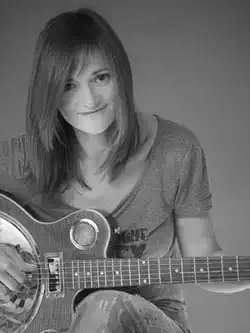
Mafalda Veiga
Gente Perdida
Eu fui devagarinho
Com medo de falhar
Não fosse esse o caminho certo
Para te encontrar
Fui descobrindo devagar
Cada sorriso teu
Fui aprendendo a procurar
Por entre sonhos meus
Eu fui assim chegando
Sem entender porquê
Já foram tantas vezes tantas
Assim como esta vez
Mas é mais fundo o teu olhar
Mais do que eu sei dizer
É um abrigo pra voltar
Ou um mar para me perder
Lá fora o vento
Nem sempre sabe a liberdade
A gente finge
Mas sabe o que não é verdade
Foge ao vazio
Enquanto brinda, dança e salta
Eu trago-te comigo
E sinto tanto, tanto a tua falta
Eu fui entrando pouco a pouco
Abri a porta e vi
Que havia lume aceso
E um lugar pra mim
Quase me assusta descobrir
Que foi este sabor
Que a vida inteira procurei
Entra a paixão e a dor
Lá fora o vento
Nem sempre sabe a liberdade
Gente perdida
Balança entre o sonho e a verdade
Foge ao vazio
Enquanto brinda, dança e salta
Eu trago-te comigo
E sinto tanto, tanto a tua falta
Lá fora o vento
Nem sempre sabe a liberdade
Gente perdida
Balança entre o sonho e a verdade
Foge ao vazio
Enquanto brinda, dança e salta
Eu trago-te comigo
E guardo este abraço só para ti
Com medo de falhar
Não fosse esse o caminho certo
Para te encontrar
Fui descobrindo devagar
Cada sorriso teu
Fui aprendendo a procurar
Por entre sonhos meus
Eu fui assim chegando
Sem entender porquê
Já foram tantas vezes tantas
Assim como esta vez
Mas é mais fundo o teu olhar
Mais do que eu sei dizer
É um abrigo pra voltar
Ou um mar para me perder
Lá fora o vento
Nem sempre sabe a liberdade
A gente finge
Mas sabe o que não é verdade
Foge ao vazio
Enquanto brinda, dança e salta
Eu trago-te comigo
E sinto tanto, tanto a tua falta
Eu fui entrando pouco a pouco
Abri a porta e vi
Que havia lume aceso
E um lugar pra mim
Quase me assusta descobrir
Que foi este sabor
Que a vida inteira procurei
Entra a paixão e a dor
Lá fora o vento
Nem sempre sabe a liberdade
Gente perdida
Balança entre o sonho e a verdade
Foge ao vazio
Enquanto brinda, dança e salta
Eu trago-te comigo
E sinto tanto, tanto a tua falta
Lá fora o vento
Nem sempre sabe a liberdade
Gente perdida
Balança entre o sonho e a verdade
Foge ao vazio
Enquanto brinda, dança e salta
Eu trago-te comigo
E guardo este abraço só para ti
1 553
Mafalda Veiga
Fim do dia (no lado quente da saudade)
Esperei-te no fim de um dia cansado
À mesa do café de sempre
O fumo, o calor e o mesmo quadro
Na parede já azul poente
Alguém me sorri do balcão corrido
Alguém que me faz sentir
Que há lugares que são pequenos abrigos
Para onde podemos sempre fugir
Da tarde tão fria há gente que chega
E toma um café apressado
E há os que entram com o olhar perdido
À procura do futuro no avesso do passado
O tempo endurece qualquer armadura
E às vezes custa arrancar
Muralhas erguidas à volta do peito
Que não deixam partir nem deixam chegar
O escuro lá fora incendeia as estrelas
As janelas, os olhares, as ruas
Cá dentro o calor conforta os sentidos
Num pequeno reflexo da lua
Enquanto espero percorro os sinais
Do que fomos que ainda resiste
As marcas deixadas na alma e na pele
Do que foi feliz e do que foi triste
Sabe bem voltar-te a ver
Sabe bem quando estás ao meu lado
Quando o tempo me esvazia
Sabe bem o teu braço fechado
E tudo o que me dás quando és
Guarida junto à tempestade
Os rumos para caminhar
No lado quente da saudade
À mesa do café de sempre
O fumo, o calor e o mesmo quadro
Na parede já azul poente
Alguém me sorri do balcão corrido
Alguém que me faz sentir
Que há lugares que são pequenos abrigos
Para onde podemos sempre fugir
Da tarde tão fria há gente que chega
E toma um café apressado
E há os que entram com o olhar perdido
À procura do futuro no avesso do passado
O tempo endurece qualquer armadura
E às vezes custa arrancar
Muralhas erguidas à volta do peito
Que não deixam partir nem deixam chegar
O escuro lá fora incendeia as estrelas
As janelas, os olhares, as ruas
Cá dentro o calor conforta os sentidos
Num pequeno reflexo da lua
Enquanto espero percorro os sinais
Do que fomos que ainda resiste
As marcas deixadas na alma e na pele
Do que foi feliz e do que foi triste
Sabe bem voltar-te a ver
Sabe bem quando estás ao meu lado
Quando o tempo me esvazia
Sabe bem o teu braço fechado
E tudo o que me dás quando és
Guarida junto à tempestade
Os rumos para caminhar
No lado quente da saudade
1 280
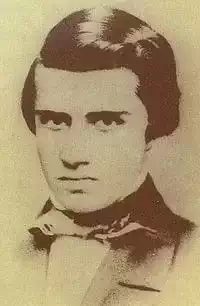
Álvares de Azevedo
Tenho um seio que delira
I
Tenho um seio que delira
Como as tuas harmonias!
Que treme quando suspira,
Que geme como gemias!
II
Tenho músicas ardentes,
Ais do meu amor insano,
Que palpitam mais dormentes
Do que os sons do teu piano!
III
Tenho cordas argentinas
Que a noite faz acordar,
Como as nuvens peregrinas
Das gaivotas do alto mar!
IV
Como a teus dedos lindinhos
O teu piano gemeu,
Vibra-me o seio aos dedinhos
Dos anjos loiros do céu!
V
Vibra à noite do mistério,
Se o banha o frouxo luar,
Se passa teu rosto aéreo
No vaporoso sonhar!
VI
Como tremem teus dedinhos
O saudoso piano teu,
Vibram-me n'alma os anjinhos,
Os anjos loiros do céu!
Publicado no livro Poesias de Manuel Antônio Álvares de Azevedo (1853). Poema integrante da série Primeira Parte.
In: GRANDES poetas românticos do Brasil. Pref. e notas biogr. Antônio Soares Amora. Introd. Frederico José da Silva Ramos. São Paulo: LEP, 1959. v.
Tenho um seio que delira
Como as tuas harmonias!
Que treme quando suspira,
Que geme como gemias!
II
Tenho músicas ardentes,
Ais do meu amor insano,
Que palpitam mais dormentes
Do que os sons do teu piano!
III
Tenho cordas argentinas
Que a noite faz acordar,
Como as nuvens peregrinas
Das gaivotas do alto mar!
IV
Como a teus dedos lindinhos
O teu piano gemeu,
Vibra-me o seio aos dedinhos
Dos anjos loiros do céu!
V
Vibra à noite do mistério,
Se o banha o frouxo luar,
Se passa teu rosto aéreo
No vaporoso sonhar!
VI
Como tremem teus dedinhos
O saudoso piano teu,
Vibram-me n'alma os anjinhos,
Os anjos loiros do céu!
Publicado no livro Poesias de Manuel Antônio Álvares de Azevedo (1853). Poema integrante da série Primeira Parte.
In: GRANDES poetas românticos do Brasil. Pref. e notas biogr. Antônio Soares Amora. Introd. Frederico José da Silva Ramos. São Paulo: LEP, 1959. v.
3 050
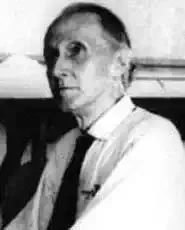
Joaquim Cardozo
Poesia da Presença Invisível
Através do quadro iluminado da janela
Olho as grandes nuvens que chegaram do Oriente
E me lembro dos homens que seriam meus amigos
Se eu tivesse nascido em Cingapura.
E aqueles que estiveram comigo nas horas concluídas
Ainda impressionam o ar
— Todos eles perderam-se no mar.
Agora, na praia deserta estou sozinho
— Caminho
Com os pés descalços na areia.
Nesta tarde morta o perfume das almas
Invade as enseadas, estende-se sobre os rios, paira sobre as
[colinas
— A Natureza assume a precária presença de um sonho;
Um trem corre sereno na planície dos homens ausentes;
Do fundo de minha memória sobe um canto de guitarras
[confusas;
Sinto correr de minha boca um rio de sombra,
A sombra contínua e suave da Noite.
Publicado no livro Poemas (1947).
In: CARDOZO, Joaquim. Poesias completas. 2.ed. Rio de Janeiro: Civilização Brasileira, 1979. p.18-19
Olho as grandes nuvens que chegaram do Oriente
E me lembro dos homens que seriam meus amigos
Se eu tivesse nascido em Cingapura.
E aqueles que estiveram comigo nas horas concluídas
Ainda impressionam o ar
— Todos eles perderam-se no mar.
Agora, na praia deserta estou sozinho
— Caminho
Com os pés descalços na areia.
Nesta tarde morta o perfume das almas
Invade as enseadas, estende-se sobre os rios, paira sobre as
[colinas
— A Natureza assume a precária presença de um sonho;
Um trem corre sereno na planície dos homens ausentes;
Do fundo de minha memória sobe um canto de guitarras
[confusas;
Sinto correr de minha boca um rio de sombra,
A sombra contínua e suave da Noite.
Publicado no livro Poemas (1947).
In: CARDOZO, Joaquim. Poesias completas. 2.ed. Rio de Janeiro: Civilização Brasileira, 1979. p.18-19
1 489
Mafalda Veiga
No Rasto do Sol
Duas luas no céu e duas canções
Dois olhares que se cruzam a procurar
Um sol um luar
E todos os lugares onde a luz se pode abraçar
Doze luas em ti e sete marés
Sete barcos navegam a procurar
Um porto uma praia
Talvez no fim do mar onde alguém nos venha esperar
Vem comigo no rasto de sol
Eu vou contigo
Vem comigo do outro lado das muralhas
Eu vou contigo
Duas luas no céu na palma da mão
Dois olhares que se entregam até ao fim
Do corpo e da alma
Em todos os lugares onde o mundo me fala de ti
À tua volta há luz de sete luares
Sete barcos navegam para encontrar
Um fogo um calor
Talvez no fim de tudo haja força pra recomeçar
Vem comigo no rasto de sol
Eu vou contigo
Vem comigo do outro lado das muralhas
Eu vou contigo
Duas luas no céu e duas canções
Dois olhares que se cruzam a procurar
Um sol um luar
E todos os lugares onde a luz se pode abraçar
Vem comigo no rasto de sol
Eu vou contigo
Vem comigo do outro lado das muralhas
Eu vou contigo
Dois olhares que se cruzam a procurar
Um sol um luar
E todos os lugares onde a luz se pode abraçar
Doze luas em ti e sete marés
Sete barcos navegam a procurar
Um porto uma praia
Talvez no fim do mar onde alguém nos venha esperar
Vem comigo no rasto de sol
Eu vou contigo
Vem comigo do outro lado das muralhas
Eu vou contigo
Duas luas no céu na palma da mão
Dois olhares que se entregam até ao fim
Do corpo e da alma
Em todos os lugares onde o mundo me fala de ti
À tua volta há luz de sete luares
Sete barcos navegam para encontrar
Um fogo um calor
Talvez no fim de tudo haja força pra recomeçar
Vem comigo no rasto de sol
Eu vou contigo
Vem comigo do outro lado das muralhas
Eu vou contigo
Duas luas no céu e duas canções
Dois olhares que se cruzam a procurar
Um sol um luar
E todos os lugares onde a luz se pode abraçar
Vem comigo no rasto de sol
Eu vou contigo
Vem comigo do outro lado das muralhas
Eu vou contigo
1 323
Mafalda Veiga
Vertigem
Haverá luz
sugada no escuro?
Será calor
O murmúrio do frio?
Terá amor
O avesso da vida?
Haverá sonhos
no fundo da dor?
Serão gritos
os cais do silêncio?
Será coragem
a tremura do medo?
Haverá chuva
que lave este sangue
e deixe que a terra acalme
devagar
Esquece o medo
sai do escuro
abre comportas
deixa gritar
vai mais fundo
persegue o mar
persegue o mar
Será só
a vertigem do abismo?
Será mordaça
a leveza do pó?
Haverá negro
sugado na luz?
Haverá longe
por dentro de nós?
Ando sobre
uma aresta de gelo
na vertigem
de um trapézio de fogo
mas canta-me um pouco
na tempestade
e deixa que a terra acalme
devagar
Esquece o medo
sai do escuro
abre comportas
deixa gritar
vai mais fundo
persegue o mar
persegue o mar
sugada no escuro?
Será calor
O murmúrio do frio?
Terá amor
O avesso da vida?
Haverá sonhos
no fundo da dor?
Serão gritos
os cais do silêncio?
Será coragem
a tremura do medo?
Haverá chuva
que lave este sangue
e deixe que a terra acalme
devagar
Esquece o medo
sai do escuro
abre comportas
deixa gritar
vai mais fundo
persegue o mar
persegue o mar
Será só
a vertigem do abismo?
Será mordaça
a leveza do pó?
Haverá negro
sugado na luz?
Haverá longe
por dentro de nós?
Ando sobre
uma aresta de gelo
na vertigem
de um trapézio de fogo
mas canta-me um pouco
na tempestade
e deixa que a terra acalme
devagar
Esquece o medo
sai do escuro
abre comportas
deixa gritar
vai mais fundo
persegue o mar
persegue o mar
1 104
Mafalda Veiga
Baile
Deixei as cartas na mesa
alguém as há-de jogar
soltei a alma no vento
entre os claros do luar
vou cavalgar mais que o tempo
e antes do tempo chegar
à beira do sentimento
Correr os rumos do mundo
sem saber onde se vai
contar as estrelas no céu
respirar os vendavais
vou cavalgar mais que o vento
pra depois me demorar
à beira do sentimento
Vou dançar e escapar
numa fresta rasgada pela luz
vou rodar
pressentir
e fugir como o ar
vou dançar e escapar
numa fresta rasgada pela luz
vou rodar
pressentir
e fugir como o ar
Ser dono do infinito
que anda nos brilhos da noite
calor e fulgor do corpo
que a lua rouba o alento
vou cavalgar mais que o vento
pra depois me demorar
à beira do sentimento
Vou dançar e escapar
numa fresta rasgada pela luz
vou rodar
pressentir
e fugir como o ar
vou dançar e escapar
numa fresta rasgada pela luz
vou rodar
pressentir
e fugir como o ar
alguém as há-de jogar
soltei a alma no vento
entre os claros do luar
vou cavalgar mais que o tempo
e antes do tempo chegar
à beira do sentimento
Correr os rumos do mundo
sem saber onde se vai
contar as estrelas no céu
respirar os vendavais
vou cavalgar mais que o vento
pra depois me demorar
à beira do sentimento
Vou dançar e escapar
numa fresta rasgada pela luz
vou rodar
pressentir
e fugir como o ar
vou dançar e escapar
numa fresta rasgada pela luz
vou rodar
pressentir
e fugir como o ar
Ser dono do infinito
que anda nos brilhos da noite
calor e fulgor do corpo
que a lua rouba o alento
vou cavalgar mais que o vento
pra depois me demorar
à beira do sentimento
Vou dançar e escapar
numa fresta rasgada pela luz
vou rodar
pressentir
e fugir como o ar
vou dançar e escapar
numa fresta rasgada pela luz
vou rodar
pressentir
e fugir como o ar
1 334
Mafalda Veiga
Cúmplices (para o clube de fãs)
A noite vem às vezes tão perdida
E quase nada parece bater certo
Há qualquer coisa em nós inquieta e ferida
E tudo o que era fundo fica perto
Nem sempre o chão da alma é seguro
Nem sempre o tempo cura qualquer dor
E o sabor a fim do mar que vem do escuro
E tantas vezes o que resta do calor
Se eu fosse a tua pele
Se tu fosses o meu caminho
Se nenhum de nós se sentisse nunca sozinho
Trocamos as palavras mais escondidas
Que só a noite arranca sem doer
Seremos cúmplices o resto da vida
Ou talvez só até amanhecer
Fica tão fácil entregar a alma
A quem nos traga um sopro do deserto
O olhar onde a distância nunca acalma
Esperando o que vier de peito aberto
Se eu fosse a tua pele
Se tu fosses o meu caminho
Se nenhum de nós se sentisse nunca sozinho
E quase nada parece bater certo
Há qualquer coisa em nós inquieta e ferida
E tudo o que era fundo fica perto
Nem sempre o chão da alma é seguro
Nem sempre o tempo cura qualquer dor
E o sabor a fim do mar que vem do escuro
E tantas vezes o que resta do calor
Se eu fosse a tua pele
Se tu fosses o meu caminho
Se nenhum de nós se sentisse nunca sozinho
Trocamos as palavras mais escondidas
Que só a noite arranca sem doer
Seremos cúmplices o resto da vida
Ou talvez só até amanhecer
Fica tão fácil entregar a alma
A quem nos traga um sopro do deserto
O olhar onde a distância nunca acalma
Esperando o que vier de peito aberto
Se eu fosse a tua pele
Se tu fosses o meu caminho
Se nenhum de nós se sentisse nunca sozinho
1 273
Mafalda Veiga
Cada Lugar Teu
Esta é só uma noite para partilhar
Qualquer coisa que ainda podemos guardar cá dentro
Um lugar a salvo para onde correr
Quando nada bate certo
E se fica a céu aberto
Sem saber o que fazer
Esta é uma noite pra comemorar
Qualquer coisa que ainda podemos salvar do tempo
Um lugar pra nós onde demorar
Quando nada faz sentido
E se fica mais perdido
E se anseia pelo abraço de um amigo
Esta é só uma noite para me vingar
Do que a vida foi fazendo sem nos avisar
Foi-se acumulando em fotografias
Em distâncias e saudade
Numa dor que nunca cabe
E faz transbordar os dias
Esta é uma noite para me lembrar
Que há qualquer coisa infinita como o firmamento
Um sorriso, um abraço
Que transcende o tempo
E ter medo como dantes
De acordar a meio da noite
A precisar de um regaço
Qualquer coisa que ainda podemos guardar cá dentro
Um lugar a salvo para onde correr
Quando nada bate certo
E se fica a céu aberto
Sem saber o que fazer
Esta é uma noite pra comemorar
Qualquer coisa que ainda podemos salvar do tempo
Um lugar pra nós onde demorar
Quando nada faz sentido
E se fica mais perdido
E se anseia pelo abraço de um amigo
Esta é só uma noite para me vingar
Do que a vida foi fazendo sem nos avisar
Foi-se acumulando em fotografias
Em distâncias e saudade
Numa dor que nunca cabe
E faz transbordar os dias
Esta é uma noite para me lembrar
Que há qualquer coisa infinita como o firmamento
Um sorriso, um abraço
Que transcende o tempo
E ter medo como dantes
De acordar a meio da noite
A precisar de um regaço
1 328
Mafalda Veiga
Por esta cidade fora
Nem sempre esta cidade
Anoitece assim
Perdida na maresia
E no nevoeiro
Nem sempre se sabe
Do fim do sonho
Que se guarda inteiro
Às vezes é preciso
Desfazer o nó
Desancorar por dentro
Quem se amou
Deixar seguir
Abrir os braços
E ver o que ficou
A cor da fogueira
É como um barco aceso ao largo
Sem fim nem fronteira sem correr
A companhia é o teu riso
É não deixar esta noite morrer
Há sempre nesta cidade
Um sabor a mar
O som de uma guitarra
E de um fado
Que se enleia no vento assim
Só isso quero
Guardar para mim
A cor da fogueira
É como um barco a ir embora
Sem fim nem fronteira
Quando a noite nos acolhe
À conversa sem ter pressa
Por esta cidade fora
Anoitece assim
Perdida na maresia
E no nevoeiro
Nem sempre se sabe
Do fim do sonho
Que se guarda inteiro
Às vezes é preciso
Desfazer o nó
Desancorar por dentro
Quem se amou
Deixar seguir
Abrir os braços
E ver o que ficou
A cor da fogueira
É como um barco aceso ao largo
Sem fim nem fronteira sem correr
A companhia é o teu riso
É não deixar esta noite morrer
Há sempre nesta cidade
Um sabor a mar
O som de uma guitarra
E de um fado
Que se enleia no vento assim
Só isso quero
Guardar para mim
A cor da fogueira
É como um barco a ir embora
Sem fim nem fronteira
Quando a noite nos acolhe
À conversa sem ter pressa
Por esta cidade fora
1 004

Eduardo Guimaraens
Às vezes, quando vou por altas horas, quando
Às vezes, quando vou por altas horas, quando
fujo através da noite, a este amor que reveste
de um tênue véu de névoa a face do meu sonho,
de lábios infantis que, uma e outra vez, murmuram
uma queixa, como a de alguém que se maltrata,
um murmúrio, afinal, que só tu poderias
compreender, fico a olhar os jardins solitários
que ornam a calma azul por onde vou passando.
E às vezes, paro e sonho à frente de um cipreste;
outras, invejo o ardor de um canteiro tristonho
alvos lírios claustrais que aromam e fulguram,
como fantásticos turíbulos de prata.
Outras, quando anda a lua entre as ruas sombrias
e as flores tomam o ar de votos funerários,
cada aléia é como um regato cintilando,
onde um Ofélia, de alva e imponderável veste
loira e fria, tombou, morta de amor e sonho.
Junto às grades hostis que os jardins enclausuram
e que, ao fulgor da luz, são de ouro, bronze ou prata,
descanso, muita vez, as mãos longas e frias.
E enquanto a lua evoca extáticos cenários
de paisagens do polo e torna em verde brando
todo o azul que lhe nimba a tristeza celeste,
das grades através, como através de um sonho
de prisioneiro, a cujo olhar se transfiguram
as visões do exterior, tenho a visão exata
da noite que convida às grandes nostalgias.
Eu sou o doce irmão dos jardins solitários,
que lhes conhece a dor, que os vê da sombra, olhando
pelo ermo e triste e verde olhar de algum cipreste...
Uns são feitos de tudo, enfim, que há no meu sonho.
E é por isso, talvez, que ora ardem e fulguram,
ora são tristes como esses vitrais de prata
onde Cristo ergue a Deus as mãos longas e frias.
Eu sou o doce irmão dos jardins solitários,
desses jardins que exalto, amo e celebro, quando
por horas mortas vou, do amor que me reveste
de amargura, fugindo, ao longo do meu sonho.
E, ao longo do meu sonho, os jardins se enclausuram
de lágrimas! (Ah! sobre essas grades de prata
quando virás pousar as mãos longas e frias?
Quando abrirás, sorrindo, os jardins solitários,
tu que hás de amar-me um dia e que eu espero? Quando?
Publicado no livro A divina quimera (1916).
In: GUIMARAENS, Eduardo. A divina quimera. Org e pref. Mansueto Bernardi. Porto Alegre: Globo, 1944
fujo através da noite, a este amor que reveste
de um tênue véu de névoa a face do meu sonho,
de lábios infantis que, uma e outra vez, murmuram
uma queixa, como a de alguém que se maltrata,
um murmúrio, afinal, que só tu poderias
compreender, fico a olhar os jardins solitários
que ornam a calma azul por onde vou passando.
E às vezes, paro e sonho à frente de um cipreste;
outras, invejo o ardor de um canteiro tristonho
alvos lírios claustrais que aromam e fulguram,
como fantásticos turíbulos de prata.
Outras, quando anda a lua entre as ruas sombrias
e as flores tomam o ar de votos funerários,
cada aléia é como um regato cintilando,
onde um Ofélia, de alva e imponderável veste
loira e fria, tombou, morta de amor e sonho.
Junto às grades hostis que os jardins enclausuram
e que, ao fulgor da luz, são de ouro, bronze ou prata,
descanso, muita vez, as mãos longas e frias.
E enquanto a lua evoca extáticos cenários
de paisagens do polo e torna em verde brando
todo o azul que lhe nimba a tristeza celeste,
das grades através, como através de um sonho
de prisioneiro, a cujo olhar se transfiguram
as visões do exterior, tenho a visão exata
da noite que convida às grandes nostalgias.
Eu sou o doce irmão dos jardins solitários,
que lhes conhece a dor, que os vê da sombra, olhando
pelo ermo e triste e verde olhar de algum cipreste...
Uns são feitos de tudo, enfim, que há no meu sonho.
E é por isso, talvez, que ora ardem e fulguram,
ora são tristes como esses vitrais de prata
onde Cristo ergue a Deus as mãos longas e frias.
Eu sou o doce irmão dos jardins solitários,
desses jardins que exalto, amo e celebro, quando
por horas mortas vou, do amor que me reveste
de amargura, fugindo, ao longo do meu sonho.
E, ao longo do meu sonho, os jardins se enclausuram
de lágrimas! (Ah! sobre essas grades de prata
quando virás pousar as mãos longas e frias?
Quando abrirás, sorrindo, os jardins solitários,
tu que hás de amar-me um dia e que eu espero? Quando?
Publicado no livro A divina quimera (1916).
In: GUIMARAENS, Eduardo. A divina quimera. Org e pref. Mansueto Bernardi. Porto Alegre: Globo, 1944
1 081
Mafalda Veiga
Um Pouco de Céu
Só hoje senti
Que o rumo a seguir
Levava pra longe
Senti que este chão
Já não tinha espaço
Pra tudo o que foge
Não sei o motivo pra ir
Só sei que não posso ficar
Não sei o que vem a seguir
Mas quero procurar
E hoje deixei
De tentar erguer
Os planos de sempre
Aqueles que são
Pra outro amanhã
Que há-de ser diferente
Não quero levar o que dei
Talvez nem sequer o que é meu
É que hoje parece bastar
Um pouco de céu
Um pouco de céu
Só hoje esperei
Já sem desespero
Que a noite caisse
Nenhuma palavra
Foi hoje diferente
Do que já se disse
E há qualquer coisa a nascer
Bem dentro no fundo de mim
E há uma força a vencer
Qualquer outro fim
Não quero levar o que dei
Talvez nem sequer o que é meu
É que hoje parece bastar
Um pouco de céu
Um pouco de céu
Que o rumo a seguir
Levava pra longe
Senti que este chão
Já não tinha espaço
Pra tudo o que foge
Não sei o motivo pra ir
Só sei que não posso ficar
Não sei o que vem a seguir
Mas quero procurar
E hoje deixei
De tentar erguer
Os planos de sempre
Aqueles que são
Pra outro amanhã
Que há-de ser diferente
Não quero levar o que dei
Talvez nem sequer o que é meu
É que hoje parece bastar
Um pouco de céu
Um pouco de céu
Só hoje esperei
Já sem desespero
Que a noite caisse
Nenhuma palavra
Foi hoje diferente
Do que já se disse
E há qualquer coisa a nascer
Bem dentro no fundo de mim
E há uma força a vencer
Qualquer outro fim
Não quero levar o que dei
Talvez nem sequer o que é meu
É que hoje parece bastar
Um pouco de céu
Um pouco de céu
1 215
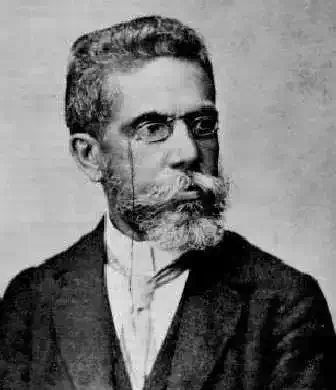
Machado de Assis
Pálida Elvira
A Francisco Paz
Ulysse, jeté sur les rives d'Ithaque, ne les
reconnait pas et pleure sa patrie. Ainsi
l'homme dans le bonheur possédé ne reconnait
pas son rêve et soupire
DANIEL STERN
I
Quando, leitora amiga, no ocidente
Surge a tarde esmaiada e pensativa;
E entre a verde folhagem recendente
Lânguida geme viração lasciva;
E já das tênues sombras do oriente
Vem apontando a noite, e a casta diva
Subindo lentamente pelo espaço,
Do céu, da terra observa o estreito abraço;
II
Nessa hora de amor e de tristeza,
Se acaso não amaste e acaso esperas
Ver coroar-te a juvenil beleza
Casto sonho das tuas primaveras;
Não sentes escapar tua alma acesa
Para voar às lúcidas esferas?
Não sentes nessa mágoa e nesse enleio
Vir morrer-te uma lágrima no seio?
III
Sente-lo? Então entenderás, Elvira,
Que assentada à janela, erguendo o rosto,
O vôo solta à alma que delira
E mergulha no azul de um céu de agosto;
Entenderás então por que suspira,
Vítima já de um íntimo desgosto,
A meiga virgem, pálida e calada,
Sonhadora, ansiosa e namorada.
(...)
VI
Era uma jóia a alcova em que sonhava
Elvira, alma de amor. Tapete fino
De apurado lavor o chão forrava.
De um lado oval espelho cristalino
Pendia. Ao fundo, à sombra, se ocultava
Elegante, engraçado, pequenino
Leito em que, repousando a face bela,
De amor sonhava a pálida donzela.
VII
Não me censure o crítico exigente
O ser pálida a moça é meu costume
Obedecer à lei de toda a gente
Que uma obra compõe de algum volume.
Ora, no nosso caso, é lei vigente
Que um descorado rosto o amor resume.
Não tinha Miss Smolen outras cores;
Não as possui quem sonha com amores.
VIII
Sobre uma mesa havia um livro aberto;
Lamartine, o cantor aéreo e vago,
Que enche de amor um coração deserto;
Tinha-o lido; era a página do Lago.
Amava-o; tinha-o sempre ali bem perto,
Era-lhe o anjo bom, o deus, o orago;
Chorava aos cantos da divina lira...
É que o grande poeta amava Elvira!
IX
Elvira! o mesmo nome! A moça os lia,
Com lágrimas de amor, os versos santos,
Aquela eterna e lânguida harmonia
Formada com suspiros e com prantos;
Quando escutava a musa da elegia
Cantar de Elvira os mágicos encantos,
Entrava-lhe a voar a alma inquieta,
E com o amor sonhava de um poeta.
Imagem - 00010005
Publicado no livro Falenas: Vária, Lira Chinesa, Uma Ode a Anacreonte, Pálida Elvira (1870). Poema integrante da série Pálida Elvira.
In: ASSIS, Machado de. Obra completa. Org. Afrânio Coutinho. Rio de Janeiro: Nova Aguilar, 1994. v.3, p.69-71. (Biblioteca luso-brasileira. Série brasileira).
NOTA: Poema composto de 97 oitavas
Ulysse, jeté sur les rives d'Ithaque, ne les
reconnait pas et pleure sa patrie. Ainsi
l'homme dans le bonheur possédé ne reconnait
pas son rêve et soupire
DANIEL STERN
I
Quando, leitora amiga, no ocidente
Surge a tarde esmaiada e pensativa;
E entre a verde folhagem recendente
Lânguida geme viração lasciva;
E já das tênues sombras do oriente
Vem apontando a noite, e a casta diva
Subindo lentamente pelo espaço,
Do céu, da terra observa o estreito abraço;
II
Nessa hora de amor e de tristeza,
Se acaso não amaste e acaso esperas
Ver coroar-te a juvenil beleza
Casto sonho das tuas primaveras;
Não sentes escapar tua alma acesa
Para voar às lúcidas esferas?
Não sentes nessa mágoa e nesse enleio
Vir morrer-te uma lágrima no seio?
III
Sente-lo? Então entenderás, Elvira,
Que assentada à janela, erguendo o rosto,
O vôo solta à alma que delira
E mergulha no azul de um céu de agosto;
Entenderás então por que suspira,
Vítima já de um íntimo desgosto,
A meiga virgem, pálida e calada,
Sonhadora, ansiosa e namorada.
(...)
VI
Era uma jóia a alcova em que sonhava
Elvira, alma de amor. Tapete fino
De apurado lavor o chão forrava.
De um lado oval espelho cristalino
Pendia. Ao fundo, à sombra, se ocultava
Elegante, engraçado, pequenino
Leito em que, repousando a face bela,
De amor sonhava a pálida donzela.
VII
Não me censure o crítico exigente
O ser pálida a moça é meu costume
Obedecer à lei de toda a gente
Que uma obra compõe de algum volume.
Ora, no nosso caso, é lei vigente
Que um descorado rosto o amor resume.
Não tinha Miss Smolen outras cores;
Não as possui quem sonha com amores.
VIII
Sobre uma mesa havia um livro aberto;
Lamartine, o cantor aéreo e vago,
Que enche de amor um coração deserto;
Tinha-o lido; era a página do Lago.
Amava-o; tinha-o sempre ali bem perto,
Era-lhe o anjo bom, o deus, o orago;
Chorava aos cantos da divina lira...
É que o grande poeta amava Elvira!
IX
Elvira! o mesmo nome! A moça os lia,
Com lágrimas de amor, os versos santos,
Aquela eterna e lânguida harmonia
Formada com suspiros e com prantos;
Quando escutava a musa da elegia
Cantar de Elvira os mágicos encantos,
Entrava-lhe a voar a alma inquieta,
E com o amor sonhava de um poeta.
Imagem - 00010005
Publicado no livro Falenas: Vária, Lira Chinesa, Uma Ode a Anacreonte, Pálida Elvira (1870). Poema integrante da série Pálida Elvira.
In: ASSIS, Machado de. Obra completa. Org. Afrânio Coutinho. Rio de Janeiro: Nova Aguilar, 1994. v.3, p.69-71. (Biblioteca luso-brasileira. Série brasileira).
NOTA: Poema composto de 97 oitavas
2 182
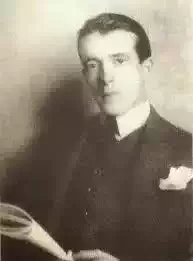
Raul de Leoni
De um Fantasma
Na minha vida fluida de fantasma
Sou tão leve que quase nem me sinto.
Nem há nada mais leve nem tão leve.
Sou mais leve do que a euforia de um anjo,
Mais leve do que a sombra de uma sombra
Refletida no espelho da Ilusão.
Nenhuma brutal lei do Universo sensível
Atua e pesa e nem de longe influi
Sobre o meu ser vago, difuso, esquivo
E no éter sereníssimo flutuo
Com a doce sutileza imponderável
De uma essência ideal que se volatiza...
Passo através das cousas mais sensíveis
E as cousas que atravesso nem se sentem,
Porque na minha plástica sutil
Tenho a delicadeza transcendente
Da luz, que flui través os corpos transparentes.
Sou quase imaterial como uma idéia...
E da matéria cósmica que tem
Tantos e variadíssimos estados
Eu sou o estado-alma, quer dizer
O último estado rarefeito, o estado ideal:
Alma, o estado divino da matéria!...
Publicado no livro Luz Mediterrânea (1928). Poema integrante da série Poemas Inacabados.
In: LEONI, Raul de. Luz mediterrânea. Pref. Rodrigo Mello Franco de Andrade. 10.ed. São Paulo: Liv. Martins, 1959
Sou tão leve que quase nem me sinto.
Nem há nada mais leve nem tão leve.
Sou mais leve do que a euforia de um anjo,
Mais leve do que a sombra de uma sombra
Refletida no espelho da Ilusão.
Nenhuma brutal lei do Universo sensível
Atua e pesa e nem de longe influi
Sobre o meu ser vago, difuso, esquivo
E no éter sereníssimo flutuo
Com a doce sutileza imponderável
De uma essência ideal que se volatiza...
Passo através das cousas mais sensíveis
E as cousas que atravesso nem se sentem,
Porque na minha plástica sutil
Tenho a delicadeza transcendente
Da luz, que flui través os corpos transparentes.
Sou quase imaterial como uma idéia...
E da matéria cósmica que tem
Tantos e variadíssimos estados
Eu sou o estado-alma, quer dizer
O último estado rarefeito, o estado ideal:
Alma, o estado divino da matéria!...
Publicado no livro Luz Mediterrânea (1928). Poema integrante da série Poemas Inacabados.
In: LEONI, Raul de. Luz mediterrânea. Pref. Rodrigo Mello Franco de Andrade. 10.ed. São Paulo: Liv. Martins, 1959
1 891
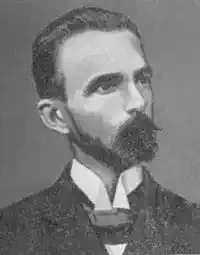
Raimundo Correia
Julieta
A loura Julieta enamorada,
Triste, lânguida, pálida, abatida,
Aparece radiante na sacada
Dos raios brancos do luar ferida.
Engolfa o olhar na sombra condensada,
Perscruta, busca em torno... e na avenida
Surge Romeu; da valerosa espada
Esplende a clara lâmina polida...
Sente-se o arfar de sôfregos desejos,
Estoura no ar um turbilhão de beijos,
Mas o dia reponta!... Ó indiscreta
Da cotovia matinal garganta!
Ó perigo do amor, que o amor quebranta!
Ó noites de Verona! Ó Julieta!
Publicado no livro Sinfonias (1882). Último da série Perfis Românticos, constituída por oito sonetos.
In: CORREIA, Raimundo. Poesias completas. Org. pref. e notas Múcio Leão. São Paulo: Ed. Nacional, 1948. v.2, p.149
Triste, lânguida, pálida, abatida,
Aparece radiante na sacada
Dos raios brancos do luar ferida.
Engolfa o olhar na sombra condensada,
Perscruta, busca em torno... e na avenida
Surge Romeu; da valerosa espada
Esplende a clara lâmina polida...
Sente-se o arfar de sôfregos desejos,
Estoura no ar um turbilhão de beijos,
Mas o dia reponta!... Ó indiscreta
Da cotovia matinal garganta!
Ó perigo do amor, que o amor quebranta!
Ó noites de Verona! Ó Julieta!
Publicado no livro Sinfonias (1882). Último da série Perfis Românticos, constituída por oito sonetos.
In: CORREIA, Raimundo. Poesias completas. Org. pref. e notas Múcio Leão. São Paulo: Ed. Nacional, 1948. v.2, p.149
2 220
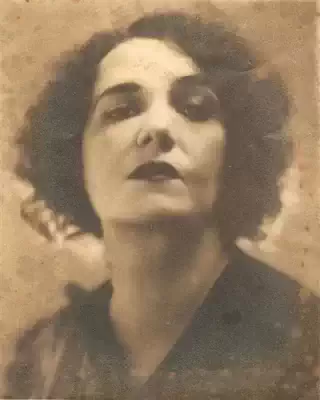
Gilka Machado
Verão
A Primavera veio
e se foi, mas deixou tremendo em cada seio
um rebento de amor. O Verão se acentua,
e, de manhã, bem cedo,
vêm dos silêncios amplos e sombrios
dos versudos moitais,
vêm do arvoredo,
murmúrios
macios
de cicios...
Há um mistério, um segredo
que sai dos íntimos refolhos
da alma dos animais,
das plantas, do minério,
– amoroso mistério
que as mulheres relatam pelos olhos.
Parece mais redonda
a curva da montanha, a curva da onda...
Por onde quer que a luz dos olhos entre
estranha tumescência encontra em cada ventre;
o claro e escampo céu, sobre as coisas aberto
da terra está mais perto
e está mais lindo,
como que pesado, como que caindo,
das entranhas contendo nos profundos
desvãos a gravidez de novos mundos.
Verão!
Que maravilha!
– a luz fervilha
em tudo:
nota-se do silêncio no veludo
uma palpitação
de existência no embrião;
partículas de Sol a água envolve, rolando,
partículas de Sol tremem, de quando em quando,
na fronderia, no ar;
partículas de Sol pululam pela estrada
que trilho, iluminada...
Creio que a luz esteja a desovar,
sinto-a vivendo, sinto-a vibrando
na minha pele, em cada membro, a cada
instante, e vago contaminada,
pelo gérmens vitais da procriação solar.
O dia lembra uma exaustão de amor...
Verão! Que acídia, que langor!...
Quem me dera também me desdobrar assim
como esse azul etéreo
que paira sobre mim
num lírico elastério!...
Por ti, Verão, todo meu corpo sente
ânsia de se expandir indefinidamente,
ânsia de se esticar, de se esticar
como as montanhas, como o mar,
em curvas lentas, no semiústo ambiente;
ânsia de distender
uma serpente
que carrego enroscada no meu ser.
Quero amor, quero ardência! A ti me exponho.
Verão, sou toda fecundidade!
– O calor me penetra, o Sol me invade
o senso,
e tudo em torno a mim se torna mais extenso,
tudo em que os olhos ponho:
o céu, o oceano, a mata...
E enquanto em gestação a Terra se dilata,
Dilata-se minha alma à gestação do Sonho.
Publicado no livro Mulher Nua (1922).
In: MACHADO, Gilka. Poesias completas. Rio de Janeiro: L. Christiano, 1992. p. 237-239
e se foi, mas deixou tremendo em cada seio
um rebento de amor. O Verão se acentua,
e, de manhã, bem cedo,
vêm dos silêncios amplos e sombrios
dos versudos moitais,
vêm do arvoredo,
murmúrios
macios
de cicios...
Há um mistério, um segredo
que sai dos íntimos refolhos
da alma dos animais,
das plantas, do minério,
– amoroso mistério
que as mulheres relatam pelos olhos.
Parece mais redonda
a curva da montanha, a curva da onda...
Por onde quer que a luz dos olhos entre
estranha tumescência encontra em cada ventre;
o claro e escampo céu, sobre as coisas aberto
da terra está mais perto
e está mais lindo,
como que pesado, como que caindo,
das entranhas contendo nos profundos
desvãos a gravidez de novos mundos.
Verão!
Que maravilha!
– a luz fervilha
em tudo:
nota-se do silêncio no veludo
uma palpitação
de existência no embrião;
partículas de Sol a água envolve, rolando,
partículas de Sol tremem, de quando em quando,
na fronderia, no ar;
partículas de Sol pululam pela estrada
que trilho, iluminada...
Creio que a luz esteja a desovar,
sinto-a vivendo, sinto-a vibrando
na minha pele, em cada membro, a cada
instante, e vago contaminada,
pelo gérmens vitais da procriação solar.
O dia lembra uma exaustão de amor...
Verão! Que acídia, que langor!...
Quem me dera também me desdobrar assim
como esse azul etéreo
que paira sobre mim
num lírico elastério!...
Por ti, Verão, todo meu corpo sente
ânsia de se expandir indefinidamente,
ânsia de se esticar, de se esticar
como as montanhas, como o mar,
em curvas lentas, no semiústo ambiente;
ânsia de distender
uma serpente
que carrego enroscada no meu ser.
Quero amor, quero ardência! A ti me exponho.
Verão, sou toda fecundidade!
– O calor me penetra, o Sol me invade
o senso,
e tudo em torno a mim se torna mais extenso,
tudo em que os olhos ponho:
o céu, o oceano, a mata...
E enquanto em gestação a Terra se dilata,
Dilata-se minha alma à gestação do Sonho.
Publicado no livro Mulher Nua (1922).
In: MACHADO, Gilka. Poesias completas. Rio de Janeiro: L. Christiano, 1992. p. 237-239
2 181
Mafalda Veiga
Em toda a parte
A distância é um fogo
Onde vou chegar
Num abraço fechado
Para te levar
Por campos abertos
Por onde puder
Levar-te por dentro
Pra não te perder
Nem com mil tormentas
Que arrasem o mundo
Em qualquer lado
Onde quer que eu vá
Levo no corpo o desejo
De te abraçar
Em toda a parte
Onde quer que o sonho me leve
Hei-de lembrar-me de ti
Por outros caminhos
Hei-de vaguear
Num abraço fechado
Para te levar
E há uma canção
Que um dia aprendi
Eu hei-de cantá-la
A pensar em ti
Em qualquer lado
Onde quer que eu vá
Levo no corpo o desejo
De te abraçar
Em toda a parte
Onde quer que o sonho me leve
hei-de lembrar-me de ti
Onde vou chegar
Num abraço fechado
Para te levar
Por campos abertos
Por onde puder
Levar-te por dentro
Pra não te perder
Nem com mil tormentas
Que arrasem o mundo
Em qualquer lado
Onde quer que eu vá
Levo no corpo o desejo
De te abraçar
Em toda a parte
Onde quer que o sonho me leve
Hei-de lembrar-me de ti
Por outros caminhos
Hei-de vaguear
Num abraço fechado
Para te levar
E há uma canção
Que um dia aprendi
Eu hei-de cantá-la
A pensar em ti
Em qualquer lado
Onde quer que eu vá
Levo no corpo o desejo
De te abraçar
Em toda a parte
Onde quer que o sonho me leve
hei-de lembrar-me de ti
1 145
Mafalda Veiga
Procura por mim
Quando for já logo à noite na praia
Com o sol a derreter-se enfim
Procura por mim
Com o vento por saia
E em lugar de suor o sargaço.
Eu estarei quieto e assim sozinho
Cheio das dúvidas do universo
À tua espera
A desenhar o caminho
Para te escrever em verso
No meu regaço.
O abraço.
Com o sol a derreter-se enfim
Procura por mim
Com o vento por saia
E em lugar de suor o sargaço.
Eu estarei quieto e assim sozinho
Cheio das dúvidas do universo
À tua espera
A desenhar o caminho
Para te escrever em verso
No meu regaço.
O abraço.
1 349
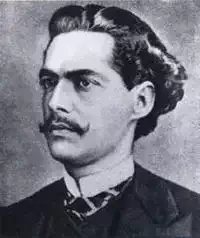
Castro Alves
O Navio Negreiro, Tragédia no Mar (I)
'Stamos em pleno mar... Doudo no espaço
Brinca o luar — doirada borboleta —
E as vagas após ele correm... cansam
Como turba de infantes inquieta.
'Stamos em pleno mar... Do firmamento
Os astros saltam como espumas de ouro...
O mar em troca acende as ardentias
— Constelações do líquido tesouro...
'Stamos em pleno mar... Dois infinitos
Ali se estritam num abraço insano
Azuis, dourados, plácidos, sublimes...
Qual dos dois é o céu? Qual o oceano?...
'Stamos em pleno mar... Abrindo as velas
Ao quente arfar das variações marinhas,
Veleiro brigue à flor dos mares
Como roçam na vaga as andorinhas...
Donde vem?... Onde vai?... Das naus errantes
Quem sabe o rumo se é tão grande o espaço?
Neste Saara os córceis o pó levantam,
Galopam, voam, mas não deixam traço.
Bem feliz quem ali pode nest'hora
Sentir deste painel a majestade!...
Embaixo — o mar... em cima — o firmamento...
E no mar e no céu — a imensidade!
Oh! que doce harmonia traz-me a brisa!
Que música suave ao longe soa!
Meu Deus! Como é sublime um canto ardente
Pelas vagas sem fim boiando à toa!
Homens do mar! Ó rudes marinheiros
Tostados pelo sol dos quatro mundos!
Crianças que a procela acalentara
No berço destes pélagos profundos!
Esta selvagem, livre poesia...
Orquestra — é o mar que ruge pela proa,
E o vento que nas cordas assobia...
..............................................
Por que foges assim, barco ligeiro?
Por que foges do pávio poeta?
Oh! quem me dera acompanhar-te a esteira
Que semelha no mar — doudo cometa!
Albatroz! Albatroz! águia do oceano,
Tu, que dormes das nuvens entre as gazas,
Sacode as penas, Leviatã do espaço!
Albatroz! Albatroz! dá-me estas asas...
(...)
Publicado no livro A Cachoeira de Paulo Afonso: poema original brasileiro (1876).
In: ALVES, Castro. Obra completa. Org. e notas Eugênio Gomes. Rio de Janeiro: Nova Aguilar, 1986. p. 277-278.
Brinca o luar — doirada borboleta —
E as vagas após ele correm... cansam
Como turba de infantes inquieta.
'Stamos em pleno mar... Do firmamento
Os astros saltam como espumas de ouro...
O mar em troca acende as ardentias
— Constelações do líquido tesouro...
'Stamos em pleno mar... Dois infinitos
Ali se estritam num abraço insano
Azuis, dourados, plácidos, sublimes...
Qual dos dois é o céu? Qual o oceano?...
'Stamos em pleno mar... Abrindo as velas
Ao quente arfar das variações marinhas,
Veleiro brigue à flor dos mares
Como roçam na vaga as andorinhas...
Donde vem?... Onde vai?... Das naus errantes
Quem sabe o rumo se é tão grande o espaço?
Neste Saara os córceis o pó levantam,
Galopam, voam, mas não deixam traço.
Bem feliz quem ali pode nest'hora
Sentir deste painel a majestade!...
Embaixo — o mar... em cima — o firmamento...
E no mar e no céu — a imensidade!
Oh! que doce harmonia traz-me a brisa!
Que música suave ao longe soa!
Meu Deus! Como é sublime um canto ardente
Pelas vagas sem fim boiando à toa!
Homens do mar! Ó rudes marinheiros
Tostados pelo sol dos quatro mundos!
Crianças que a procela acalentara
No berço destes pélagos profundos!
Esta selvagem, livre poesia...
Orquestra — é o mar que ruge pela proa,
E o vento que nas cordas assobia...
..............................................
Por que foges assim, barco ligeiro?
Por que foges do pávio poeta?
Oh! quem me dera acompanhar-te a esteira
Que semelha no mar — doudo cometa!
Albatroz! Albatroz! águia do oceano,
Tu, que dormes das nuvens entre as gazas,
Sacode as penas, Leviatã do espaço!
Albatroz! Albatroz! dá-me estas asas...
(...)
Publicado no livro A Cachoeira de Paulo Afonso: poema original brasileiro (1876).
In: ALVES, Castro. Obra completa. Org. e notas Eugênio Gomes. Rio de Janeiro: Nova Aguilar, 1986. p. 277-278.
6 032
Mafalda Veiga
Dança da terra
Ai esta terra arde
É uma fogueira
Não há quem a salve
De ruir inteira
Ai o sonho morre
Amordaçado
Já nem parece
Ter-se sonhado
Ai esta terra lembra
Cada madrugada
Em que o desalento
Tem sabor a nada
Ai o sonho morre
Desencantado
Já nem parece
Ter-se guardado
Mas no vento morno
Que vem do mar
A lua ainda chama
Prá gente dançar
A lua ainda dança
Prá gente cantar
Ai esta terra queima
É uma ferida aberta
Rasgada no peito
Onde a dor aperta
Ai o meu filho chora
E eu não chego ao mar
Só nos seus olhos
Posso naufragar
Mas no vento morno
Que vem do mar
A lua ainda chama
Prá gente dançar
A lua ainda dança
Prá gente cantar
É uma fogueira
Não há quem a salve
De ruir inteira
Ai o sonho morre
Amordaçado
Já nem parece
Ter-se sonhado
Ai esta terra lembra
Cada madrugada
Em que o desalento
Tem sabor a nada
Ai o sonho morre
Desencantado
Já nem parece
Ter-se guardado
Mas no vento morno
Que vem do mar
A lua ainda chama
Prá gente dançar
A lua ainda dança
Prá gente cantar
Ai esta terra queima
É uma ferida aberta
Rasgada no peito
Onde a dor aperta
Ai o meu filho chora
E eu não chego ao mar
Só nos seus olhos
Posso naufragar
Mas no vento morno
Que vem do mar
A lua ainda chama
Prá gente dançar
A lua ainda dança
Prá gente cantar
1 268
Mafalda Veiga
O menino do piano (um sonho do Tomás)
vi um menino com um piano
no céu da minha cabeça
veio de tão longe só para me pedir
que nunca o esqueça
vinha a tocar o seu piano
como só nos sonhos pode ser
por entre as nuvens e as estrelas
apareceu quando me viu adormecer
ficou sentado perto de mim
onde mora a fantasia
quis-lhe tocar mas não se pode ter
a noite a iluminar o dia
soprou devagarinho uma estrela
que se acendeu na sua mão
disse-me: podes sempre vê-la
se souberes soprá-la no teu coração
vi um menino com um piano
a despedir-se de mim
com uma nuvem fez o mar e partiu
(nos sonhos pode ser assim)
disse-me: está a nascer o dia
vou pra onde a noite se esconder
volto com a primeira estrela
para tu nunca teres medo ao escurecer
no céu da minha cabeça
veio de tão longe só para me pedir
que nunca o esqueça
vinha a tocar o seu piano
como só nos sonhos pode ser
por entre as nuvens e as estrelas
apareceu quando me viu adormecer
ficou sentado perto de mim
onde mora a fantasia
quis-lhe tocar mas não se pode ter
a noite a iluminar o dia
soprou devagarinho uma estrela
que se acendeu na sua mão
disse-me: podes sempre vê-la
se souberes soprá-la no teu coração
vi um menino com um piano
a despedir-se de mim
com uma nuvem fez o mar e partiu
(nos sonhos pode ser assim)
disse-me: está a nascer o dia
vou pra onde a noite se esconder
volto com a primeira estrela
para tu nunca teres medo ao escurecer
1 219
Raimundo Correia
Vésper
Do seu fastígio azul, serena e fria,
Desce a noite outonal, augusta e bela;
Vésper fulgura além... Vésper! Só ela
Todo o céu, doce e pálida, alumia.
De um mosteiro na cúpula irradia
Com frouxa luz... Em sua humilde cela,
Contemplativa e lânguida à janela,
Triste freira, fitando-a, se extasia...
Vésper, envolta em deslumbrante alvura,
Ó nuvens, que ides pelo espaço afora!
A quem tão longo olhar volve da altura?
Que olhar, irmão do seu, procura agora
Na terra o astro do amor? O olhar procura
Da solitária freira que o namora.
Publicado no livro Aleluias (1891).
In: CORREIA, Raimundo. Poesias completas. Org. pref. e notas Múcio Leão. São Paulo: Ed. Nacional, 1948. v.1, p.97
Desce a noite outonal, augusta e bela;
Vésper fulgura além... Vésper! Só ela
Todo o céu, doce e pálida, alumia.
De um mosteiro na cúpula irradia
Com frouxa luz... Em sua humilde cela,
Contemplativa e lânguida à janela,
Triste freira, fitando-a, se extasia...
Vésper, envolta em deslumbrante alvura,
Ó nuvens, que ides pelo espaço afora!
A quem tão longo olhar volve da altura?
Que olhar, irmão do seu, procura agora
Na terra o astro do amor? O olhar procura
Da solitária freira que o namora.
Publicado no livro Aleluias (1891).
In: CORREIA, Raimundo. Poesias completas. Org. pref. e notas Múcio Leão. São Paulo: Ed. Nacional, 1948. v.1, p.97
1 949
Mafalda Veiga
Tatuagens
em cada gesto perdido
tu és igual a mim
em cada ferida que sara
escondida do mundo
eu sou igual a ti
fazes pintura de guerra
que eu não sei apagar
pintas o sol da cor da terra
e a lua da cor do mar
em cada grito da alma
eu sou igual a ti
de cada vez que um olhar
te alucina e te prende
tu és igual a mim
fazes pinturas de sonhos
pintas o sol na minha mão
e és mistura de vento e lama
entre os luares perdidos no chão
em cada noite sem rumo
tu és igual a mim
de cada vez que procuro
preciso um abrigo
eu sou igual a ti
faço pinturas de guerra
que eu não sei apagar
e pinto a lua da cor da terra
e o sol da cor do mar
em cada grito afundado
eu sou igual a ti
de cada vez que a tremura
desata o desejo
tu és igual a mim
faço pinturas de sonhos
e pinto a lua na tua mão
misturo o vento e a lama
piso os luares perdidos no chão
tu és igual a mim
em cada ferida que sara
escondida do mundo
eu sou igual a ti
fazes pintura de guerra
que eu não sei apagar
pintas o sol da cor da terra
e a lua da cor do mar
em cada grito da alma
eu sou igual a ti
de cada vez que um olhar
te alucina e te prende
tu és igual a mim
fazes pinturas de sonhos
pintas o sol na minha mão
e és mistura de vento e lama
entre os luares perdidos no chão
em cada noite sem rumo
tu és igual a mim
de cada vez que procuro
preciso um abrigo
eu sou igual a ti
faço pinturas de guerra
que eu não sei apagar
e pinto a lua da cor da terra
e o sol da cor do mar
em cada grito afundado
eu sou igual a ti
de cada vez que a tremura
desata o desejo
tu és igual a mim
faço pinturas de sonhos
e pinto a lua na tua mão
misturo o vento e a lama
piso os luares perdidos no chão
1 175
Mafalda Veiga
Lado (a lado)
Há gente que espera de olhar vazio
Na chuva, no frio, encostada ao mundo
A quem nada espanta
Nenhum gesto
Nem raiva ou protesto
Nem que o sol se vá perdendo lá ao fundo
Há restos de amor e de solidão
Na pele, no chão, na rua inquieta
Os dias são iguais já sem saudade
Nem vontade
Aprendendo a não querer mais do que o que resta
E a sonhar de olhos abertos
Nas paragens, nos desertos
A esperar de olhos fechados
Sem imahens de outros lados
A sonhar de olhos abertos
Sem viagens e regressos
Outro dia lado a lado
Há gente nas ruas que adormece
Que se esquece enquanto a noite vem
É gente que aprendeu que nada urge
Nada surge
Porque os dias são viagens de nínguém
A sonhar de olhos abertos
Nas paragens, nos desertos
A esperar de olhos fechados
Sem imagens de outros lados
A sonhar de olhos abertos
Sem viagens e regressos
A esperar de olhos fechados
Outro dia lado a lado
Aprende-se a calar a dor
A tremura, o rubor
O que sobra de paixão
Aprende-se a conter o gesto
A raiva, o protesto
E há um dia em que a alma
Nos rebenta nas mãos
Na chuva, no frio, encostada ao mundo
A quem nada espanta
Nenhum gesto
Nem raiva ou protesto
Nem que o sol se vá perdendo lá ao fundo
Há restos de amor e de solidão
Na pele, no chão, na rua inquieta
Os dias são iguais já sem saudade
Nem vontade
Aprendendo a não querer mais do que o que resta
E a sonhar de olhos abertos
Nas paragens, nos desertos
A esperar de olhos fechados
Sem imahens de outros lados
A sonhar de olhos abertos
Sem viagens e regressos
Outro dia lado a lado
Há gente nas ruas que adormece
Que se esquece enquanto a noite vem
É gente que aprendeu que nada urge
Nada surge
Porque os dias são viagens de nínguém
A sonhar de olhos abertos
Nas paragens, nos desertos
A esperar de olhos fechados
Sem imagens de outros lados
A sonhar de olhos abertos
Sem viagens e regressos
A esperar de olhos fechados
Outro dia lado a lado
Aprende-se a calar a dor
A tremura, o rubor
O que sobra de paixão
Aprende-se a conter o gesto
A raiva, o protesto
E há um dia em que a alma
Nos rebenta nas mãos
1 680