

Poemas neste tema
Fé, Espiritualidade e Religião
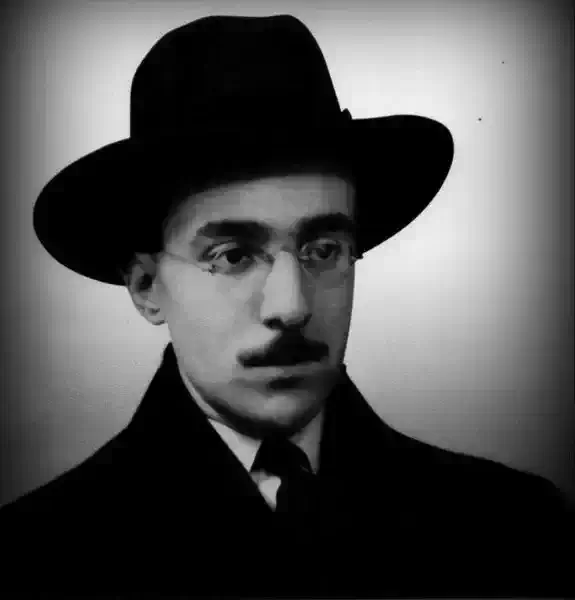
Fernando Pessoa
III - Ah, mas aqui, onde irreais erramos,
III
Ah, mas aqui, onde irreais erramos,
Dormimos o que somos, e a verdade,
Inda que enfim em sonhos a vejamos,
Vemo-la, porque em sonho, em falsidade.
Sombras buscando corpos, se os achamos
Como sentir a sua realidade?
Com mãos de sombra, Sombras, que tocamos?
Nosso toque é ausência e vacuidade.
Quem desta Alma fechada nos liberta?
Sem ver, ouvimos para além da sala
De ser; mas como, aqui, a porta aberta?
......
Calmo na falsa morte a nós exposto,
O Livro ocluso contra o peito posto,
Nosso Pai Roseacruz conhece e cala.
Ah, mas aqui, onde irreais erramos,
Dormimos o que somos, e a verdade,
Inda que enfim em sonhos a vejamos,
Vemo-la, porque em sonho, em falsidade.
Sombras buscando corpos, se os achamos
Como sentir a sua realidade?
Com mãos de sombra, Sombras, que tocamos?
Nosso toque é ausência e vacuidade.
Quem desta Alma fechada nos liberta?
Sem ver, ouvimos para além da sala
De ser; mas como, aqui, a porta aberta?
......
Calmo na falsa morte a nós exposto,
O Livro ocluso contra o peito posto,
Nosso Pai Roseacruz conhece e cala.
1 079
Fernando Pessoa
II - Mas antes era o Verbo, aqui perdido
II
Mas antes era o Verbo, aqui perdido
Quando a Infinita Luz, já apagada
Do Caos, chão do Ser, foi levantada
Em Sombra, e o Verbo ausente escurecido.
Mas se a Alma sente a sua forma errada,
Em si, que é Sombra, vê enfim luzido
O Verbo deste Mundo, humano e ungido.
Rosa Perfeita, em Deus crucificada.
Então, senhores do limiar dos Céus,
Podemos ir buscar além de Deus
O Segredo do Mestre e o Bem profundo;
Não só de aqui, mas já de nós, despertos,
No sangue actual de Cristo enfim libertos
Do a Deus que morre a geração do Mundo.
Mas antes era o Verbo, aqui perdido
Quando a Infinita Luz, já apagada
Do Caos, chão do Ser, foi levantada
Em Sombra, e o Verbo ausente escurecido.
Mas se a Alma sente a sua forma errada,
Em si, que é Sombra, vê enfim luzido
O Verbo deste Mundo, humano e ungido.
Rosa Perfeita, em Deus crucificada.
Então, senhores do limiar dos Céus,
Podemos ir buscar além de Deus
O Segredo do Mestre e o Bem profundo;
Não só de aqui, mas já de nós, despertos,
No sangue actual de Cristo enfim libertos
Do a Deus que morre a geração do Mundo.
1 355
Fernando Pessoa
22 - RIVERS
Many rivers run
Down to many seas.
All my cares are one:
On what river of these
Could my heart have peace?
Two banks to each river.
None where I may stray
Hearing the rushes shiver
And seeing the river ever
Pass, yet seem to stay.
Maybe there is another
River, but far from Me.
There l may meet the Brother
Of my eternity.
In what God will this be?
Down to many seas.
All my cares are one:
On what river of these
Could my heart have peace?
Two banks to each river.
None where I may stray
Hearing the rushes shiver
And seeing the river ever
Pass, yet seem to stay.
Maybe there is another
River, but far from Me.
There l may meet the Brother
Of my eternity.
In what God will this be?
1 287
Fernando Pessoa
INTERVAL - 3
I could not be thou, being yet not thou
Were I not God; so to God my thoughts go
(To reach thee, to possess from within
To possess from being not from seeing)
Because, substance of substance, He alone
Can love being all things, and all in each one.
Thus is my love (...) religion.
And by being born, not born; by being love
None; and by being made move, not made to move,
But, indefinable and indistinct,
Wearing no form nor purpose nor precinct
Of use, it hangs, with my soul in its wake
An interval between me and thee, between
Ourselves and God, between thou being but seen
And being loved, abstract absance of place
(...) that
Life, substance of thou being a living thing
Where thought and will and feeling are one thing.
Of the two parts of love, becoming other
And unbecoming self, I do one choose —
The unbecoming, and the other lose.
Yet, as to unbecome must be becoming
Some other thing, as the end for roaming
Makes the thing found where will no matter binds,
The unbecoming of me sure love finds.
Yet if it finds the loved thing, yet not thee,
What thing finds it, that it sought not to be?
What but love's own abstraction, interval
Between souls. And as aether is purest of all
Where filling the mere spaces between things,
Because the more unmixed, the love that clings
To my large disembodiment is best,
Because no object, save love, limits its
(…)
But here not aether but consciousness is
The universal substance, so in this
Less difference between this substance and
God is there — so, if right I understand,
This love which to obtain thee loses thee
And which to complete me uncompletes me,
Which the mere interval doth occupy
Whether neither thy soul nor my soul doth lie,
To which my mere love's force abstractly sends
My void outgoing, and there my being ends,
And so the ends my being had in going
Equally endeth — this love thus foregoing
The object and the subject to be done
By missing into pure Relation;
This love finds God by its internal force,
For when all things are lost God is the loss.
See then how I, starting from me to thee,
Have like a sailor that sets out i' th' sea
For some shore, and the winds drive him away
And this chance casts him on some better bay
Than his intention had been to discover.
Yet if discovering were intended, ever
By what discovered is, where it not willed,
The purpose of discovering is filled,
And if the unwilled discovery is better,
The loss is gam, and that which seemed to fetter
The original purpose, the harsh wind,
Does lead the unled to where he best can find.
Yet this is not the journey's end, for whence
The sailor now arrived, to recommence
He may begin his voyage original
And from the better to the worse recall
For as the original purpose, better less,
Is in the found included, he may thence
His foiled task recompose and now to miss
The purpose that his (...)
So I, from God, the better may go out
To thee, and from within thee, not about
Thy presence, enter into thee and be
The very personality of thee.
Were I not God; so to God my thoughts go
(To reach thee, to possess from within
To possess from being not from seeing)
Because, substance of substance, He alone
Can love being all things, and all in each one.
Thus is my love (...) religion.
And by being born, not born; by being love
None; and by being made move, not made to move,
But, indefinable and indistinct,
Wearing no form nor purpose nor precinct
Of use, it hangs, with my soul in its wake
An interval between me and thee, between
Ourselves and God, between thou being but seen
And being loved, abstract absance of place
(...) that
Life, substance of thou being a living thing
Where thought and will and feeling are one thing.
Of the two parts of love, becoming other
And unbecoming self, I do one choose —
The unbecoming, and the other lose.
Yet, as to unbecome must be becoming
Some other thing, as the end for roaming
Makes the thing found where will no matter binds,
The unbecoming of me sure love finds.
Yet if it finds the loved thing, yet not thee,
What thing finds it, that it sought not to be?
What but love's own abstraction, interval
Between souls. And as aether is purest of all
Where filling the mere spaces between things,
Because the more unmixed, the love that clings
To my large disembodiment is best,
Because no object, save love, limits its
(…)
But here not aether but consciousness is
The universal substance, so in this
Less difference between this substance and
God is there — so, if right I understand,
This love which to obtain thee loses thee
And which to complete me uncompletes me,
Which the mere interval doth occupy
Whether neither thy soul nor my soul doth lie,
To which my mere love's force abstractly sends
My void outgoing, and there my being ends,
And so the ends my being had in going
Equally endeth — this love thus foregoing
The object and the subject to be done
By missing into pure Relation;
This love finds God by its internal force,
For when all things are lost God is the loss.
See then how I, starting from me to thee,
Have like a sailor that sets out i' th' sea
For some shore, and the winds drive him away
And this chance casts him on some better bay
Than his intention had been to discover.
Yet if discovering were intended, ever
By what discovered is, where it not willed,
The purpose of discovering is filled,
And if the unwilled discovery is better,
The loss is gam, and that which seemed to fetter
The original purpose, the harsh wind,
Does lead the unled to where he best can find.
Yet this is not the journey's end, for whence
The sailor now arrived, to recommence
He may begin his voyage original
And from the better to the worse recall
For as the original purpose, better less,
Is in the found included, he may thence
His foiled task recompose and now to miss
The purpose that his (...)
So I, from God, the better may go out
To thee, and from within thee, not about
Thy presence, enter into thee and be
The very personality of thee.
1 613
Fernando Pessoa
O mistério supremo do Universo
O mistério supremo do Universo
O único mistério, tudo e em tudo
É haver um mistério do universo,
É haver o universo, qualquer cousa,
É haver haver. Ó forma abstracta e vaga
Que tão corrente haver em mim demora
Que pensar isto é-me no corpo um frio
Que sopra d'além terra e d'além-túmulo
E vai da alma a Deus.
O único mistério, tudo e em tudo
É haver um mistério do universo,
É haver o universo, qualquer cousa,
É haver haver. Ó forma abstracta e vaga
Que tão corrente haver em mim demora
Que pensar isto é-me no corpo um frio
Que sopra d'além terra e d'além-túmulo
E vai da alma a Deus.
1 286
Fernando Pessoa
Quero, da vida, só não conhecê-la.
Quero, da vida, só não conhecê-la.
Bastam, a quem o Fado pôs na vida,
As formas sucessórias
Da vida insubsistente.
Pouco serve pensar que são eternos
Os nossos nadas com que na alma amamos
Os outros pobres nadas
Que (...)
Gratos aos deuses, menos pela incerta
Posse do sonhado certo, recolhamos
A mercê passageira
De instantes que não duram.
Bastam, a quem o Fado pôs na vida,
As formas sucessórias
Da vida insubsistente.
Pouco serve pensar que são eternos
Os nossos nadas com que na alma amamos
Os outros pobres nadas
Que (...)
Gratos aos deuses, menos pela incerta
Posse do sonhado certo, recolhamos
A mercê passageira
De instantes que não duram.
1 282
Fernando Pessoa
Me concedam os deuses lá do alto
Me concedam os deuses lá do alto
Da sua calma que não custa ou serve
Ter uma vida tal qual eles
Se fossem homens a teriam...
Dominando desejos e esperanças
Não para ser comprado pelas ínguas
A maldizer da (...)…
Da sua calma que não custa ou serve
Ter uma vida tal qual eles
Se fossem homens a teriam...
Dominando desejos e esperanças
Não para ser comprado pelas ínguas
A maldizer da (...)…
1 375
Fernando Pessoa
Fausto no seu laboratório
FAUSTO: (só)
Ondas de aspiração que vãs morreis
Sem mesmo o coração e alma atingir
Do vosso sentimento; ondas de pranto,
Não vos posso chorar, e em mim subis,
Maré imensa rumorosa e surda,
Para morrer na praia do limite
Que a vida impõe ao Ser; ondas saudosas
D'algum mar alto Aonde a praia seja
Um sonho inútil, ou d'alguma terra
Desconhecida mais que a eterna aura
Do eterno sofrimento, e onde formas
Dos olhos d'alma não imaginadas
Vagam, essências lúcidas e (...)
Esquecidas daquilo que chamamos
Suspiro, lágrima, desolação;
Ondas nas quais não posso visionar,
Nem dentro em mim, em sonho, barco ou ilha,
Nem esperança transitória, nem
Ilusão nada da desilusão;
Oh ondas sem brancuras, asperezas,
Mas redondas, como óleos e silentes
No vosso intérmino e total rumor...
Oh ondas d'alma, decaí em lago
Ou levantai-vos ásperas e brancas
Com o sussurro ácido da espuma
Erguei em tempestades no meu ser.
Vós sois um mar sem céu, sem luz, sem ar
Sentido, visto não, rumorejante
Sobre o fundo profundo da minha alma!
Lágrimas, sinto em mim vosso amargor!
Não vos quero chorar. Se vos chorasse
Como chegar — tantas! — ao vosso fim?
Chegado ao vosso fim que encontraria?
Talvez uma aridez desesperada
Uma ânsia vã de não poder trazer-vos
Outra vez para mim para chorar-vos
Em vã consolação inda outra vez!
Não haver alma, inda ideia vã!
Havê-la e imortal, sonho pequeno
De término[?], embora coerente
À sua pequenez. Que mais? Havê-la,
Havê-la e ser mortal, morrer num Todo
Celeste? Vago, vão. Não haverá
Além da morte e da imortalidade
Qualquer cousa maior? Ah, deve haver
Além de vida e morte, ser, não ser,
Um Inominável supertranscendente
Eterno Incógnito e incognoscível!
Deus? Nojo. Céu, inferno? Nojo, nojo.
P'ra quê pensar, se há-de parar aqui
O curto voo do entendimento?
Mais além! Pensamento, mais além!
Ondas de aspiração que vãs morreis
Sem mesmo o coração e alma atingir
Do vosso sentimento; ondas de pranto,
Não vos posso chorar, e em mim subis,
Maré imensa rumorosa e surda,
Para morrer na praia do limite
Que a vida impõe ao Ser; ondas saudosas
D'algum mar alto Aonde a praia seja
Um sonho inútil, ou d'alguma terra
Desconhecida mais que a eterna aura
Do eterno sofrimento, e onde formas
Dos olhos d'alma não imaginadas
Vagam, essências lúcidas e (...)
Esquecidas daquilo que chamamos
Suspiro, lágrima, desolação;
Ondas nas quais não posso visionar,
Nem dentro em mim, em sonho, barco ou ilha,
Nem esperança transitória, nem
Ilusão nada da desilusão;
Oh ondas sem brancuras, asperezas,
Mas redondas, como óleos e silentes
No vosso intérmino e total rumor...
Oh ondas d'alma, decaí em lago
Ou levantai-vos ásperas e brancas
Com o sussurro ácido da espuma
Erguei em tempestades no meu ser.
Vós sois um mar sem céu, sem luz, sem ar
Sentido, visto não, rumorejante
Sobre o fundo profundo da minha alma!
Lágrimas, sinto em mim vosso amargor!
Não vos quero chorar. Se vos chorasse
Como chegar — tantas! — ao vosso fim?
Chegado ao vosso fim que encontraria?
Talvez uma aridez desesperada
Uma ânsia vã de não poder trazer-vos
Outra vez para mim para chorar-vos
Em vã consolação inda outra vez!
Não haver alma, inda ideia vã!
Havê-la e imortal, sonho pequeno
De término[?], embora coerente
À sua pequenez. Que mais? Havê-la,
Havê-la e ser mortal, morrer num Todo
Celeste? Vago, vão. Não haverá
Além da morte e da imortalidade
Qualquer cousa maior? Ah, deve haver
Além de vida e morte, ser, não ser,
Um Inominável supertranscendente
Eterno Incógnito e incognoscível!
Deus? Nojo. Céu, inferno? Nojo, nojo.
P'ra quê pensar, se há-de parar aqui
O curto voo do entendimento?
Mais além! Pensamento, mais além!
1 197
Fernando Pessoa
O mistério dos olhos e do olhar
O mistério dos olhos e do olhar
Do sujeito e do objecto, transparente
Ao horror que além dele está; o mudo
Sentimento de se desconhecer,
E a confrangida comoção que nasce
De sentir a loucura do vazio;
O horror duma existência incompreendida
Quando à alma se chega desse horror
Faz toda a dor humana uma ilusão.
Essa é a suprema dor, a vera cruz.
Querem desdenhar o teu sentir orgulho
Oh, Cristo!
Então eu vejo — horror — a íntima alma,
O perene mistério que atravessa
Como um suspiro céus e corações.
Do sujeito e do objecto, transparente
Ao horror que além dele está; o mudo
Sentimento de se desconhecer,
E a confrangida comoção que nasce
De sentir a loucura do vazio;
O horror duma existência incompreendida
Quando à alma se chega desse horror
Faz toda a dor humana uma ilusão.
Essa é a suprema dor, a vera cruz.
Querem desdenhar o teu sentir orgulho
Oh, Cristo!
Então eu vejo — horror — a íntima alma,
O perene mistério que atravessa
Como um suspiro céus e corações.
1 199
Fernando Pessoa
SECOND SIGHT
Whene'er thou dost undo
Thy dark, strange hair before the wind
And the wind takes it up and makes it woo
Tumult and violence in the way it sweeps
Along the air, mingling, unmingling, undefined
In the snake‑like madness it keeps.
Then I do know
That somewhere whence dreams come
And passions go,
Somewhere in that world contrary to this,
Yet landscaped, peopled as this is,
In a great southern sea
There is a storm and a hurled wreck
On rising rocks that cannot reck
For human misery.
The two things are but one.
Thy floating hair is that great ship undone
In a tossed, turbulent, dashed ocean.
Neither precedeth nor doth cause the other
Nor are the two as brother and brother,
But absolutely one, samely the same,
They have somehow an equal name
Where speech is of the essence of what is.
A real sight, like God's, should see the kiss
Of the wind through thy hair and the far storm
One thing, - yet two things because we see two
When we conceive them one, the double form
Coming to oneness in what we construe.
Therefore I grieve when thou letst thy hair take
The wind upon its long, thin, changing fingers,
For that sight of me that translates that to
The sterner meaning in what world I know
Only through what in me is not here awake, -
That sight of that mad wreck visibly lingers
And does in my imagination ache.
Alas! all things are linked, and we know not
Half the contents of our each casual thought.
We never see save one little dreamed bit
Of each feeling we have; we pass through it
Like rapid travellers that scarce can see
What they pass by and what they see see erringly.
What is the meaning of my writing this?
Nothing, save that this is,
I know not why, something I know and must
Utter, the purpose of it being with
That secret Being that made my body of dust
Bear my soul's ignored presence, and that breath
Of life that survives my each moment's death.
Thy dark, strange hair before the wind
And the wind takes it up and makes it woo
Tumult and violence in the way it sweeps
Along the air, mingling, unmingling, undefined
In the snake‑like madness it keeps.
Then I do know
That somewhere whence dreams come
And passions go,
Somewhere in that world contrary to this,
Yet landscaped, peopled as this is,
In a great southern sea
There is a storm and a hurled wreck
On rising rocks that cannot reck
For human misery.
The two things are but one.
Thy floating hair is that great ship undone
In a tossed, turbulent, dashed ocean.
Neither precedeth nor doth cause the other
Nor are the two as brother and brother,
But absolutely one, samely the same,
They have somehow an equal name
Where speech is of the essence of what is.
A real sight, like God's, should see the kiss
Of the wind through thy hair and the far storm
One thing, - yet two things because we see two
When we conceive them one, the double form
Coming to oneness in what we construe.
Therefore I grieve when thou letst thy hair take
The wind upon its long, thin, changing fingers,
For that sight of me that translates that to
The sterner meaning in what world I know
Only through what in me is not here awake, -
That sight of that mad wreck visibly lingers
And does in my imagination ache.
Alas! all things are linked, and we know not
Half the contents of our each casual thought.
We never see save one little dreamed bit
Of each feeling we have; we pass through it
Like rapid travellers that scarce can see
What they pass by and what they see see erringly.
What is the meaning of my writing this?
Nothing, save that this is,
I know not why, something I know and must
Utter, the purpose of it being with
That secret Being that made my body of dust
Bear my soul's ignored presence, and that breath
Of life that survives my each moment's death.
1 561
Fernando Pessoa
42 - THE FORESELF
I had a self and life
Before this life and self.
When the moon makes woods rife
With possible fay or elf,
There comes in me a dreaming
That is like a light gleaming
Somewhere in me away,
On seas that I have known
And placeless lands that own
Another kind of day.
I dream, and as a blast
Fans into fire an ember,
My heart gleams with a past
That I cannot remember.
And as the ember's glowing
Is not fire but fire's showing,
I waste the empty pelf
Of my mute sense of me.
As rain within the sea
I fade within myself.
There are mazes of I.
I am my unknown being.
I have, I know not why,
Another kind of seeing
(Other than this vain vision
That is my soul's division
From what girds sight about)
Where to see is to know,
Whose life is faith, and woe
Fled by the hand of Doubt.
My life has happy hours:
'Tis when I feel not living;
And, as the scent of flowers
Round flowers a flower‑soul weaving
That is a corporate spirit,
From myself I inherit,
My soul's blood's spirit‑air,
A foreself and inself
Which is the being‑pelf
That with God's loss I share.
Before this life and self.
When the moon makes woods rife
With possible fay or elf,
There comes in me a dreaming
That is like a light gleaming
Somewhere in me away,
On seas that I have known
And placeless lands that own
Another kind of day.
I dream, and as a blast
Fans into fire an ember,
My heart gleams with a past
That I cannot remember.
And as the ember's glowing
Is not fire but fire's showing,
I waste the empty pelf
Of my mute sense of me.
As rain within the sea
I fade within myself.
There are mazes of I.
I am my unknown being.
I have, I know not why,
Another kind of seeing
(Other than this vain vision
That is my soul's division
From what girds sight about)
Where to see is to know,
Whose life is faith, and woe
Fled by the hand of Doubt.
My life has happy hours:
'Tis when I feel not living;
And, as the scent of flowers
Round flowers a flower‑soul weaving
That is a corporate spirit,
From myself I inherit,
My soul's blood's spirit‑air,
A foreself and inself
Which is the being‑pelf
That with God's loss I share.
1 595
Fernando Pessoa
39 - CHALICE
Chalice of my communion
With the lost thing that gleams!
Communion‑bond of union
Between me and my dreams!
O chalice of love's most!
In thy wine, earth's wine's ghost
To lips that are God's flowers,
My soul has dipped the host
Of my diviner hours.
My lips are as lips kissed.
My sad soul happy sings.
O shining through the mist
Of tremulous angels' wings!
I feel me God's moon's node,
A child again, outside life's road,
Remembering how I found me
When I awoke from God
And felt the world around me.
With the lost thing that gleams!
Communion‑bond of union
Between me and my dreams!
O chalice of love's most!
In thy wine, earth's wine's ghost
To lips that are God's flowers,
My soul has dipped the host
Of my diviner hours.
My lips are as lips kissed.
My sad soul happy sings.
O shining through the mist
Of tremulous angels' wings!
I feel me God's moon's node,
A child again, outside life's road,
Remembering how I found me
When I awoke from God
And felt the world around me.
1 404
Fernando Pessoa
Quando Neptuno houver alongado
Quando Neptuno houver alongado
Até quase aos bosques ao cimo da praia
Os seus braços com mãos ruidosas de espuma
E Éolo houver
Largado por sobre o mar sob o azul
Onde Apolo aquece
Os cavalos frescos dos ventos leves,
Eu irei contigo
Passear na altura cheirosa a mar
Dos (...) altos
E concluir que esta vida é pouco
Desde que os deuses
Foram velados e os homens ingratos
Dos altares esquecidos tiraram todos
Os ex-votos velhos,
Os ex-votos velhos que eram (...)
(...)
Que Cristo e Maria
E de antes que a cruz pusesse a nudez
Da sua secura
De encontro ao céu sempre velho e novo.
Até quase aos bosques ao cimo da praia
Os seus braços com mãos ruidosas de espuma
E Éolo houver
Largado por sobre o mar sob o azul
Onde Apolo aquece
Os cavalos frescos dos ventos leves,
Eu irei contigo
Passear na altura cheirosa a mar
Dos (...) altos
E concluir que esta vida é pouco
Desde que os deuses
Foram velados e os homens ingratos
Dos altares esquecidos tiraram todos
Os ex-votos velhos,
Os ex-votos velhos que eram (...)
(...)
Que Cristo e Maria
E de antes que a cruz pusesse a nudez
Da sua secura
De encontro ao céu sempre velho e novo.
1 561
Fernando Pessoa
Nada me dizem vossos deuses mortos
Nada me dizem vossos deuses mortos
Que eu haja de aprender. O Crucifixo
Sem amor e sem ódio
Do meu (...) afasto.
Que tenho eu com as crenças que o Cristo
Curvado o torso a mim, latino, morra?
Mais com o sol me entendo
Que com essas verdades.
Que o sejam... Deus a mim não só foi dado
Que uma visão das cousas que há na terra
E uma razão incerta,
E um saber que há deuses...
Que eu haja de aprender. O Crucifixo
Sem amor e sem ódio
Do meu (...) afasto.
Que tenho eu com as crenças que o Cristo
Curvado o torso a mim, latino, morra?
Mais com o sol me entendo
Que com essas verdades.
Que o sejam... Deus a mim não só foi dado
Que uma visão das cousas que há na terra
E uma razão incerta,
E um saber que há deuses...
1 268
Fernando Pessoa
Jovem morreste, porque regressaste,
A. Caeiro
Jovem morreste, porque regressaste,
Ó deus inconsciente, onde teus pares
De após Cronos te esperam
Ressuscitados deles.
Antes de ti já era a Natureza,
Mas não a alma de compreendê-la.
Deu-te o deus o instinto
Com que sentir as cousas.
Os deuses imortais reconduziste
À humana visão obscurecida
(...)
(...)
Sós ficamos, mas não abandonados,
Porque a obra, que deixaste, és tu ainda
Qual luz à extinta estrela
Póstuma a terra alaga.
Por seu os deuses contam quem
E com teu nome a divindade prestas
De ser eterna à pátria
Odisseia cidade
Igual des ti às sete que contendem,
Cidades por Homero, ou alcaica Lesbos,
Ou heptápila Tebas
Ogígia mãe de Píndaro.
Jovem morreste, porque regressaste,
Ó deus inconsciente, onde teus pares
De após Cronos te esperam
Ressuscitados deles.
Antes de ti já era a Natureza,
Mas não a alma de compreendê-la.
Deu-te o deus o instinto
Com que sentir as cousas.
Os deuses imortais reconduziste
À humana visão obscurecida
(...)
(...)
Sós ficamos, mas não abandonados,
Porque a obra, que deixaste, és tu ainda
Qual luz à extinta estrela
Póstuma a terra alaga.
Por seu os deuses contam quem
E com teu nome a divindade prestas
De ser eterna à pátria
Odisseia cidade
Igual des ti às sete que contendem,
Cidades por Homero, ou alcaica Lesbos,
Ou heptápila Tebas
Ogígia mãe de Píndaro.
1 410
Fernando Pessoa
Out of a great nebula of Night and Storm
Out of a great nebula of Night and Storm
Borne upon a great void within our Space,
My soul was formed and stares God in the face
Out of that silence where there is no Form.
The empty carcase of Place
The silent ecstasy of Hours,
Life, like abandoned flowers,
Thought, like a forlorn grace.
Borne upon a great void within our Space,
My soul was formed and stares God in the face
Out of that silence where there is no Form.
The empty carcase of Place
The silent ecstasy of Hours,
Life, like abandoned flowers,
Thought, like a forlorn grace.
1 309
Fernando Pessoa
Rezas a Deus ao deitar-te
Rezas a Deus ao deitar-te
Pedindo não sei o quê.
Se rezasses ao demónio,
Eu saberia o que é.
Pedindo não sei o quê.
Se rezasses ao demónio,
Eu saberia o que é.
1 326
Fernando Pessoa
40 - ELEVATION
Before light was, light's bright idea lit
God's thought of it,
And, because through God's thought light's thought did pass,
Light ever was,
And from beyond eternity became
The living flame
That trembles into life and reddens with
Our life's soul‑width.
Before light was, when yet the night was queen
O'er what had been,
In God's realized prescience it could be
Light from eternity,
For no time enters into God's thoughts or
Their spaceless Hour.
Take thou therefore, my Song, from light the mood
Of being, and brood,
Like the Dove unbegot, over the abyss
Of consciousness,
Taking as thy true part that thought of God
Whence light issued.
Let my words burst into that divine flame
That lights its name
Of each thing from within with ultimate meaning.
Though earth be screening
With fixed appearance the Sun in each Thing,
Bear, on thy wing
High‑lifted, rays from the unrisen Sun
Whence life is spun.
Soar out, my Song, out of despair and night
And catch that light
Ere it appear, from neath the horizon
Of action,
Borne out of dreams by intuition bright
Of endless light.
Though none believe nor any understand,
Yet feel thee fanned
With those breeze‑breaths that come up with the morn
From the Unborn.
Soar like a lark into the coming day
And bear thy way
Into the possibility of noon
Hid in the dawn.
No matter that none know what thy words speak.
A day shall break
Out of eternity as each day bright
Out of each night.
Thy wings shall touch the slanting light of dawn
And, upwards drawn
By being light‑struck, shall to light be near
When light's yet far.
Hope is thy ready and high‑soaring flight
Out of the night,
Joy is thy touching of the first high rays
That day betrays,
Life is the course thy flight sequesters from
Earth and its nightly doom,
And these three things are one in thy belief
That pain is brief.
II
Thou, unseeen Bird, essence of spiritual light,
That yet art bright
With the epitome of the outer shine,
Thou that art mine
And yet not mine but general to the earth,
Wings of rebirth,
Whose song, though in me heard, participates
Of all that all elates,
Thou point of meeting of me with the wings
Hidden in all things,
Thou breath, thou vapour, seen and not seen, of
Some abstract love,
Thou exhalation of the prisoned flight
Of all things' weight,
Thou that in me art fear, mad splendour, all
To ache and enthral,
Attract me, take me, o pure flight, and rise
With me in thine eyes,
Lost, cast, unpetalled and divine, up to
What thou dost woo!
O Spirit‑Lark that wakest ere the morn
And art reborn
At each recoming of the sun, and art
The wiser part
Of all that message is to our low eyes
Of what shall rise!
Life‑weightless Bird that no meads can attract,
But that must act
Its fate in air, above our marshes sad
And meads low‑laid,
In free heights communing with the Great Horn
As yet unborn!
O sterile Bird that hast no nest nor home
But what shall come,
That hast no song save in the heights above
Nests, homes and love,
Nor any thought save for the coming day,
Though far away
It seem to those who measure yet thy flight
But by its height
And not by its intention, that is carried
From life and married
To those diviner hours that winged things
Find with their wings!
O Bird of ruthless song and untold wishes,
Whose high flight reaches
Heights not of earth, but of pure air, encumbered
With no joys weighed and numbered!
Take all my heart in thy purpose of going
And make the flowing
Down to earth of my song be like thy song,
Something strange, strong
With distance, eerily half‑perishing
From farness! Sing,
And let my heart be what thou meanst with singings
My life with winging.
My hopes and fears with th’tone wherewith thy note
To me doth float
And the great purpose hidden in my fate
With thy mere height!
My heart shall thus be happy even if pained,
Free even if strained
To keep that height of joy whence tremble down
Thy songs to our own.
My soul may thus be happy, full and free.
Oh, happily
Raise me from me and lift my life unto
That thou dost woo -
The light, the sky, the distance and the morn,
Till I be unborn
Again to pure dispersion in the seas
Of the high breeze
That speaks to thee, ere light be born, of light,
Till the delight
Of without being being shall make me
Song and sky be!
God's thought of it,
And, because through God's thought light's thought did pass,
Light ever was,
And from beyond eternity became
The living flame
That trembles into life and reddens with
Our life's soul‑width.
Before light was, when yet the night was queen
O'er what had been,
In God's realized prescience it could be
Light from eternity,
For no time enters into God's thoughts or
Their spaceless Hour.
Take thou therefore, my Song, from light the mood
Of being, and brood,
Like the Dove unbegot, over the abyss
Of consciousness,
Taking as thy true part that thought of God
Whence light issued.
Let my words burst into that divine flame
That lights its name
Of each thing from within with ultimate meaning.
Though earth be screening
With fixed appearance the Sun in each Thing,
Bear, on thy wing
High‑lifted, rays from the unrisen Sun
Whence life is spun.
Soar out, my Song, out of despair and night
And catch that light
Ere it appear, from neath the horizon
Of action,
Borne out of dreams by intuition bright
Of endless light.
Though none believe nor any understand,
Yet feel thee fanned
With those breeze‑breaths that come up with the morn
From the Unborn.
Soar like a lark into the coming day
And bear thy way
Into the possibility of noon
Hid in the dawn.
No matter that none know what thy words speak.
A day shall break
Out of eternity as each day bright
Out of each night.
Thy wings shall touch the slanting light of dawn
And, upwards drawn
By being light‑struck, shall to light be near
When light's yet far.
Hope is thy ready and high‑soaring flight
Out of the night,
Joy is thy touching of the first high rays
That day betrays,
Life is the course thy flight sequesters from
Earth and its nightly doom,
And these three things are one in thy belief
That pain is brief.
II
Thou, unseeen Bird, essence of spiritual light,
That yet art bright
With the epitome of the outer shine,
Thou that art mine
And yet not mine but general to the earth,
Wings of rebirth,
Whose song, though in me heard, participates
Of all that all elates,
Thou point of meeting of me with the wings
Hidden in all things,
Thou breath, thou vapour, seen and not seen, of
Some abstract love,
Thou exhalation of the prisoned flight
Of all things' weight,
Thou that in me art fear, mad splendour, all
To ache and enthral,
Attract me, take me, o pure flight, and rise
With me in thine eyes,
Lost, cast, unpetalled and divine, up to
What thou dost woo!
O Spirit‑Lark that wakest ere the morn
And art reborn
At each recoming of the sun, and art
The wiser part
Of all that message is to our low eyes
Of what shall rise!
Life‑weightless Bird that no meads can attract,
But that must act
Its fate in air, above our marshes sad
And meads low‑laid,
In free heights communing with the Great Horn
As yet unborn!
O sterile Bird that hast no nest nor home
But what shall come,
That hast no song save in the heights above
Nests, homes and love,
Nor any thought save for the coming day,
Though far away
It seem to those who measure yet thy flight
But by its height
And not by its intention, that is carried
From life and married
To those diviner hours that winged things
Find with their wings!
O Bird of ruthless song and untold wishes,
Whose high flight reaches
Heights not of earth, but of pure air, encumbered
With no joys weighed and numbered!
Take all my heart in thy purpose of going
And make the flowing
Down to earth of my song be like thy song,
Something strange, strong
With distance, eerily half‑perishing
From farness! Sing,
And let my heart be what thou meanst with singings
My life with winging.
My hopes and fears with th’tone wherewith thy note
To me doth float
And the great purpose hidden in my fate
With thy mere height!
My heart shall thus be happy even if pained,
Free even if strained
To keep that height of joy whence tremble down
Thy songs to our own.
My soul may thus be happy, full and free.
Oh, happily
Raise me from me and lift my life unto
That thou dost woo -
The light, the sky, the distance and the morn,
Till I be unborn
Again to pure dispersion in the seas
Of the high breeze
That speaks to thee, ere light be born, of light,
Till the delight
Of without being being shall make me
Song and sky be!
1 692
Fernando Pessoa
41 - TO ONE SINGING
O voice the angels kissed when unbreathed yet!
O lips made spiritual with uttering it!
O eyes wild with the lust of the divine
In thy felt presence, making thee its shrine!
O that this moment of thee were Thyself!
That thou ne’er fell'st from this Thou, and the pelf
Of gathered days with avarice of living,
Touched thee not from this moment of God's giving!
O eternal actuality of thee!
O by thy voice sculptured immutably
In some stone‑flesh of spirit! O set free
From being all contained in being seen!
O firmament of joy purely serene
With spaciousness of soul and stars of song
Above thyself, God's human heights among!
Sing on, and let thy singing be a couch
To that of me which to my soul doth vouch
Of God as of a self and of a home!
Dissolve me to thy notes! Make me become
An outside of myself, and have in me
Nought but a selfless sense of hearing thee!
Let me pertain to the sounds thou dost voice!
Let me be other than I and rejoice
Hearing time like a breeze pass by the place
Thy song imprisons in its halcyon grace!
Thy voice compels to parapets from heaven
Dim winged happinesses whence is woven
To our souls such a glamour, spirit‑fair,
That, feeling it, all life becomes despair
And all the sense of life to wish to die.
Sing on! Between the music's human cry
And thy song's meaning there is interposed
Some third reality, less life‑enclosed,
Some subtler tenderness than music makes
Or words sung, and its moonless moonlight takes
Our visionary moods by their child‑hand
And our tired steps begin to understand.
Sing, nor stop singing till bliss ache too much!
O that I could, without moving my hand,
Stretch forth some hand imaginary and touch
That body of thine thy singing giveth thee!
That kiss‑like touch would wake eternity
In me again, and, as by a great morn,
The night my body makes of me were torn
Away from being, and my unbodied shape
Would, like a ship doubling the final cape,
Come to that sight of port and shiver of coming
That God allows to those whose bliss of roaming
Is no more than the wish to find His peace
And mingle with it as a scent with the breeze.
O lips made spiritual with uttering it!
O eyes wild with the lust of the divine
In thy felt presence, making thee its shrine!
O that this moment of thee were Thyself!
That thou ne’er fell'st from this Thou, and the pelf
Of gathered days with avarice of living,
Touched thee not from this moment of God's giving!
O eternal actuality of thee!
O by thy voice sculptured immutably
In some stone‑flesh of spirit! O set free
From being all contained in being seen!
O firmament of joy purely serene
With spaciousness of soul and stars of song
Above thyself, God's human heights among!
Sing on, and let thy singing be a couch
To that of me which to my soul doth vouch
Of God as of a self and of a home!
Dissolve me to thy notes! Make me become
An outside of myself, and have in me
Nought but a selfless sense of hearing thee!
Let me pertain to the sounds thou dost voice!
Let me be other than I and rejoice
Hearing time like a breeze pass by the place
Thy song imprisons in its halcyon grace!
Thy voice compels to parapets from heaven
Dim winged happinesses whence is woven
To our souls such a glamour, spirit‑fair,
That, feeling it, all life becomes despair
And all the sense of life to wish to die.
Sing on! Between the music's human cry
And thy song's meaning there is interposed
Some third reality, less life‑enclosed,
Some subtler tenderness than music makes
Or words sung, and its moonless moonlight takes
Our visionary moods by their child‑hand
And our tired steps begin to understand.
Sing, nor stop singing till bliss ache too much!
O that I could, without moving my hand,
Stretch forth some hand imaginary and touch
That body of thine thy singing giveth thee!
That kiss‑like touch would wake eternity
In me again, and, as by a great morn,
The night my body makes of me were torn
Away from being, and my unbodied shape
Would, like a ship doubling the final cape,
Come to that sight of port and shiver of coming
That God allows to those whose bliss of roaming
Is no more than the wish to find His peace
And mingle with it as a scent with the breeze.
1 419
Fernando Pessoa
Sorrow came and wept
Sorrow came and wept
By my side.
Slow and light she stept
As I walked towards God
By my side.
But I can never find that Great Abode,
And there is darkness in Descried.
By my side.
Slow and light she stept
As I walked towards God
By my side.
But I can never find that Great Abode,
And there is darkness in Descried.
1 263
Fernando Pessoa
Eu cantarei,
I
Eu cantarei,
Quando a manhã abrir as portas do meu esforço,
Eu cantarei,
Quando o alto-dia me fizer fechar os olhos,
Eu cantarei,
Quando o crepúsculo limar as arestas,
Eu cantarei,
Quando a noite entrar como a Imperatriz vencida
Eu cantarei a Tua Glória e o meu desígnio.
Eu cantarei
E nas estradas ladeadas por abetos,
Nas áleas dos jardins emaranhados,
Nas esquinas das ruas, nos pátios
Das casas-de-guarda,
A Tua Vitória entrará como um som de clarim
E o meu Desígnio espera-la-á sem segundo pensamento.
II
Perto da minha porta
Onde brincam as crianças dos outros,
Rompe um canto infantil, disciplinado e cómodo,
E eu sou a quinta criança ali, se houver só quatro,
E ninguém me abandonar embora eu não esteja lá
Canto também, dormindo transparente e calado.
Eu cantarei,
Quando a manhã abrir as portas do meu esforço,
Eu cantarei,
Quando o alto-dia me fizer fechar os olhos,
Eu cantarei,
Quando o crepúsculo limar as arestas,
Eu cantarei,
Quando a noite entrar como a Imperatriz vencida
Eu cantarei a Tua Glória e o meu desígnio.
Eu cantarei
E nas estradas ladeadas por abetos,
Nas áleas dos jardins emaranhados,
Nas esquinas das ruas, nos pátios
Das casas-de-guarda,
A Tua Vitória entrará como um som de clarim
E o meu Desígnio espera-la-á sem segundo pensamento.
II
Perto da minha porta
Onde brincam as crianças dos outros,
Rompe um canto infantil, disciplinado e cómodo,
E eu sou a quinta criança ali, se houver só quatro,
E ninguém me abandonar embora eu não esteja lá
Canto também, dormindo transparente e calado.
1 003
Fernando Pessoa
S. DÂMASO PORTUGUÊS
1 .
Depois de se ter passado
Os noventa mais vereis
Vir aquele desejado
Que há-de fundar novas leis.
2 .
Verá o Leão fatal
Que de Portugal lhe vem
O que lhe há-de fazer mal,
Aquele escondido Rei.
3.
Aquela manhã chuvosa
Com névoa muito escura
Verá de Deus a figura
Fazer Lisboa ditosa.
4.
Névoa já é levantada
Lá junto do meio-dia;
Haveis de a ver descoberta
A oitava maravilha.
Depois de se ter passado
Os noventa mais vereis
Vir aquele desejado
Que há-de fundar novas leis.
2 .
Verá o Leão fatal
Que de Portugal lhe vem
O que lhe há-de fazer mal,
Aquele escondido Rei.
3.
Aquela manhã chuvosa
Com névoa muito escura
Verá de Deus a figura
Fazer Lisboa ditosa.
4.
Névoa já é levantada
Lá junto do meio-dia;
Haveis de a ver descoberta
A oitava maravilha.
1 160
Fernando Pessoa
SAUDAÇÃO A W. WHITMAN [c]
SAUDAÇÂO A W. WHITMAN
Para cantar-te,
Para cantar-te como tu quererias que te cantassem,
Melhor é cantar a terra, o mar, as cidades e os campos —
Os homens, as mulheres, as crianças,
As profissões, [...], as (...)
Todas as coisas que, juntas, formam a síntese-universo,
Todas as coisas que, separadas, valem a síntese-Universo,
Todas as coisas que universais formam a síntese Deus.
Ah, o poema que te cantasse bem,
Seria o poema que todo cantasse tudo,
O poema em que estivessem todas as vestes e todas as sedas —
Todos os perfumes e todos os sabores
E o contacto em todos os sentidos do tacto de todas as coisas tangíveis.
Poema que dispensasse a música, música com vida,
Poema que transcendesse a pintura, pintura com alma
Para cantar-te,
Para cantar-te como tu quererias que te cantassem,
Melhor é cantar a terra, o mar, as cidades e os campos —
Os homens, as mulheres, as crianças,
As profissões, [...], as (...)
Todas as coisas que, juntas, formam a síntese-universo,
Todas as coisas que, separadas, valem a síntese-Universo,
Todas as coisas que universais formam a síntese Deus.
Ah, o poema que te cantasse bem,
Seria o poema que todo cantasse tudo,
O poema em que estivessem todas as vestes e todas as sedas —
Todos os perfumes e todos os sabores
E o contacto em todos os sentidos do tacto de todas as coisas tangíveis.
Poema que dispensasse a música, música com vida,
Poema que transcendesse a pintura, pintura com alma
1 296