

Poemas neste tema
Mar, Rios e Oceanos
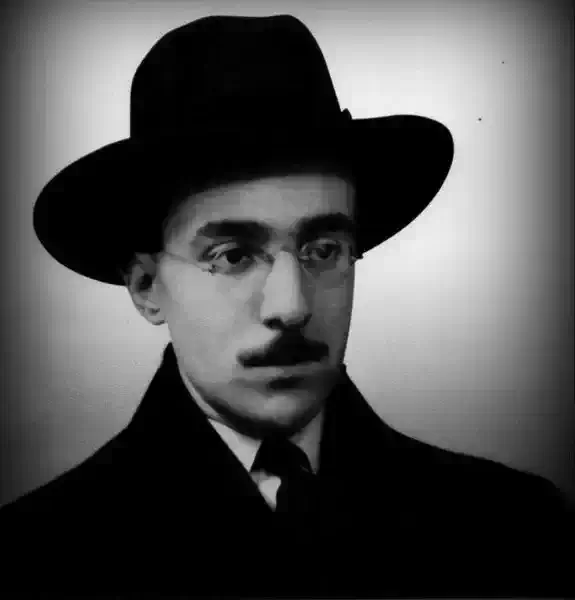
Fernando Pessoa
III - Corre, raio de rio, e leva ao mar
III
Corre, raio de rio, e leva ao mar
A minha indiferença subjectiva!
Qual «leva ao mar»! Tua presença esquiva
Que tem comigo e com o meu pensar?
Lesma de sorte! Vivo a cavalgar
A sombra de um jumento. A vida viva
Vive a dar nomes ao que não se activa,
Morre a pôr etiquetas ao grande ar...
Escancarado Furness, mais três dias
Te aturarei, pobre engenheiro preso
A sucessibilíssimas vistorias...
Depois, ir-me-ei embora, eu e o desprezo
(E tu irás do mesmo modo que ias),
Qualquer, na gare, de cigarro aceso...
Corre, raio de rio, e leva ao mar
A minha indiferença subjectiva!
Qual «leva ao mar»! Tua presença esquiva
Que tem comigo e com o meu pensar?
Lesma de sorte! Vivo a cavalgar
A sombra de um jumento. A vida viva
Vive a dar nomes ao que não se activa,
Morre a pôr etiquetas ao grande ar...
Escancarado Furness, mais três dias
Te aturarei, pobre engenheiro preso
A sucessibilíssimas vistorias...
Depois, ir-me-ei embora, eu e o desprezo
(E tu irás do mesmo modo que ias),
Qualquer, na gare, de cigarro aceso...
1 097
Fernando Pessoa
«Ribeirinho, ribeirinho,/Que vais a correr ao léu
«Ribeirinho, ribeirinho,
Que vais a correr ao léu
Tu vais a correr sozinho,
Ribeirinho, como eu.»
Que vais a correr ao léu
Tu vais a correr sozinho,
Ribeirinho, como eu.»
1 662
Fernando Pessoa
22 - RIVERS
Many rivers run
Down to many seas.
All my cares are one:
On what river of these
Could my heart have peace?
Two banks to each river.
None where I may stray
Hearing the rushes shiver
And seeing the river ever
Pass, yet seem to stay.
Maybe there is another
River, but far from Me.
There l may meet the Brother
Of my eternity.
In what God will this be?
Down to many seas.
All my cares are one:
On what river of these
Could my heart have peace?
Two banks to each river.
None where I may stray
Hearing the rushes shiver
And seeing the river ever
Pass, yet seem to stay.
Maybe there is another
River, but far from Me.
There l may meet the Brother
Of my eternity.
In what God will this be?
1 287
Fernando Pessoa
NAVAL ODE
Alone, on the deserted quay, this summer morning,
I look towards the bar, I look towards the Indefinite,
I look and find pleasure in seeing,
Little, black and clear, a steamer coming in.
It is very far yet, distinct and classic after its own fashion.
It leaves on the distant air behind it the vain curls of its smoke.
It is coming in, and morn comes in with it, and on the river
Here, there, naval life awakes,
Sails arise, tugs advance,
Small boats jut out from behind the ships in the port.
There is a vague breeze.
But my soul is with the things that I see least,
With the in-coming steamer,
Because it is with Distance, with Morn,
With the naval meaning of this Hour,
With the painful softness that rises in me like a qualm,
Like a beginning of sea-sickness, but in my soul.
I look from afar at the steamer, with a great independence of mind
And a whell begins to spin in me, very slowly.
The steamers that enter the bar in the morning,
Bring to my eyes with their coming
The glad and sad mystery of all who arrive and depart.
They bring memories of distant quays, and of other moments
Of another kind of the same mankind in other ports.
Every (...), every departure of a ship,
Is — I feel it in me like my blood —
Unconsciously symbolic, terribly
Threatening metaphysical meanings
That startle in me the being I once …
Ah, every quay is a regret made of stone!
And when the ship leaves the quay
And we note suddenly that a space is widening
Between the quay and the ship,
There comes to me, I know not why, a recent anguish,
A mist of feelings of sadness
That shines in the sun of my mosy anguishes
Like the first window the morning strikes on,
And clings round me like some one else's remembrance
Which is somehow mysteriously mine.
Ah, who knows, who knows,
If I did not leave long ago, before Myself,
A quay; if I did not depart, a ship in
The oblique sun of morning,
From another kind of port?
Who knows if I did not leave, before the hour
Of the exterior world as I see it
Dawned for me,
A large quay full of few people,
Of a great half-awakened city,
Of a great city commercial, overgrown, apopletical,
As much as that can be outside Time and Space?
Ay, from a quay, from a quay somehow material,
Real, visible as a quay, really a quay,
The Absolute Quay on whose type, unconsciously imitated,
Insensibly evoked,
We men have built
Our quays in our harbours,
Our quays, of actual stone overlooking true water,
Which, once built, suddenly show themselves to be
Real-Things, Things-Spirits, Entities in Stone-Souls,
At certain moments of ours of root-sentiments
When it seems that a door is opened in the outer world
And, without anything changing
Everything reveals itself to be different.
Ah, the Great Quay whence we embarked in Ship-Nations!
The Great Earlier Quay, eternal and divine!
Of what port? Over what waters? And why do I think of this?
A Great Quay like all other quays, but the Only One.
Full, as they are, of murmurous silences in the fore-dawns
And budding with the dawns in a noise of cranes
And arrivals of goods-trains
And under the black, occasional and light cloud
Of the smoke of the chimneys of the near factories
Which clouds its ground, black with small shining coal,
As if it were the shadow of a cloud passing over dark water.
Ah, what essentiality of mystery and arrested senses
In a divine revealing ecstasy
At the hours coloured like silences and anguishes
Is the bridge between any quay and THE QUAY!
Quay blackly reflected in the still waters,
Suddle [?] on board the ships,
Oh wandering and unstable soul of the people who live in ships,
Of the symbolic people who pass and for whom, nothing lasts
For when the vessel returns to the port,
There is always some change on board!
On continual flights, goings, drunknness of the Different!
Eternal soul of navigators and navigations!
Hulls slowly reflected in the waters
When the ship leaves the port!
To float as soul of life, to depart as voice,
To live the moment tremulously on eternal waters!
To wake to more direct days than the days of Europe,
To see mysterious ports over the loneliness of the sea,
To double distant capes and see sudden great landscapes
Of unnumbred astonished alones!
Ah, the distant beaches, the quays seen from afar,
And then the near beaches and the quays seen from near.
The mystery of each departure and of each arrival,
The painful instability and incomprehensibility
Of this impossible universe
At each naval hour ever more deeply felt right in my skin.
The absurd sob that our souls spill
Over the ever-different tracts of seas with islands afar,
Over the distant lines of the coasts we merely pass by,
Over the clear growing-clear of ports, with their houses and their people,
When the ship nears the land.
Ah, the freshness of morns when we arrive,
And the paleness of the morns when we depart,
When our entrails are gripped up
And a vague sensation resembling a fear
— The ancestral fear of going away and leaving,
The mysterious ancestral terror of Arrivals and New Things —
Grips up our skin and gives us qualms
And all our anguished body feels,
As if it were our soul,
An unexplained desire to feel this in some other way:
A regret at something,
A perturbation of tendernesses towards what vague fatherland?
What coast? what ship? what quay?
That thought sickens within us
And only a great vaccum remains in us,
A hollow satiety of naval minutes,
And a vague anxiety that would be weariness or pain
If it knew how to be that…
The summer morning is, nevertheless, slightly cool,
A slight night-dullness lies yet on the shaken air.
The wheel within me quickens its motion slightly.
And the steamer keeps on coming in, because surely it must coming in,
And not because I see it moving in its excessive distance.
In my imagination it is already near and visible
In all the extent of the lines of its portholes,
And everything trembles in me, all my flesh and all my skin,
On account of that creature that never arrives in any ship
And whom I have come to await to-day on this quay, through an oblique command.
I look towards the bar, I look towards the Indefinite,
I look and find pleasure in seeing,
Little, black and clear, a steamer coming in.
It is very far yet, distinct and classic after its own fashion.
It leaves on the distant air behind it the vain curls of its smoke.
It is coming in, and morn comes in with it, and on the river
Here, there, naval life awakes,
Sails arise, tugs advance,
Small boats jut out from behind the ships in the port.
There is a vague breeze.
But my soul is with the things that I see least,
With the in-coming steamer,
Because it is with Distance, with Morn,
With the naval meaning of this Hour,
With the painful softness that rises in me like a qualm,
Like a beginning of sea-sickness, but in my soul.
I look from afar at the steamer, with a great independence of mind
And a whell begins to spin in me, very slowly.
The steamers that enter the bar in the morning,
Bring to my eyes with their coming
The glad and sad mystery of all who arrive and depart.
They bring memories of distant quays, and of other moments
Of another kind of the same mankind in other ports.
Every (...), every departure of a ship,
Is — I feel it in me like my blood —
Unconsciously symbolic, terribly
Threatening metaphysical meanings
That startle in me the being I once …
Ah, every quay is a regret made of stone!
And when the ship leaves the quay
And we note suddenly that a space is widening
Between the quay and the ship,
There comes to me, I know not why, a recent anguish,
A mist of feelings of sadness
That shines in the sun of my mosy anguishes
Like the first window the morning strikes on,
And clings round me like some one else's remembrance
Which is somehow mysteriously mine.
Ah, who knows, who knows,
If I did not leave long ago, before Myself,
A quay; if I did not depart, a ship in
The oblique sun of morning,
From another kind of port?
Who knows if I did not leave, before the hour
Of the exterior world as I see it
Dawned for me,
A large quay full of few people,
Of a great half-awakened city,
Of a great city commercial, overgrown, apopletical,
As much as that can be outside Time and Space?
Ay, from a quay, from a quay somehow material,
Real, visible as a quay, really a quay,
The Absolute Quay on whose type, unconsciously imitated,
Insensibly evoked,
We men have built
Our quays in our harbours,
Our quays, of actual stone overlooking true water,
Which, once built, suddenly show themselves to be
Real-Things, Things-Spirits, Entities in Stone-Souls,
At certain moments of ours of root-sentiments
When it seems that a door is opened in the outer world
And, without anything changing
Everything reveals itself to be different.
Ah, the Great Quay whence we embarked in Ship-Nations!
The Great Earlier Quay, eternal and divine!
Of what port? Over what waters? And why do I think of this?
A Great Quay like all other quays, but the Only One.
Full, as they are, of murmurous silences in the fore-dawns
And budding with the dawns in a noise of cranes
And arrivals of goods-trains
And under the black, occasional and light cloud
Of the smoke of the chimneys of the near factories
Which clouds its ground, black with small shining coal,
As if it were the shadow of a cloud passing over dark water.
Ah, what essentiality of mystery and arrested senses
In a divine revealing ecstasy
At the hours coloured like silences and anguishes
Is the bridge between any quay and THE QUAY!
Quay blackly reflected in the still waters,
Suddle [?] on board the ships,
Oh wandering and unstable soul of the people who live in ships,
Of the symbolic people who pass and for whom, nothing lasts
For when the vessel returns to the port,
There is always some change on board!
On continual flights, goings, drunknness of the Different!
Eternal soul of navigators and navigations!
Hulls slowly reflected in the waters
When the ship leaves the port!
To float as soul of life, to depart as voice,
To live the moment tremulously on eternal waters!
To wake to more direct days than the days of Europe,
To see mysterious ports over the loneliness of the sea,
To double distant capes and see sudden great landscapes
Of unnumbred astonished alones!
Ah, the distant beaches, the quays seen from afar,
And then the near beaches and the quays seen from near.
The mystery of each departure and of each arrival,
The painful instability and incomprehensibility
Of this impossible universe
At each naval hour ever more deeply felt right in my skin.
The absurd sob that our souls spill
Over the ever-different tracts of seas with islands afar,
Over the distant lines of the coasts we merely pass by,
Over the clear growing-clear of ports, with their houses and their people,
When the ship nears the land.
Ah, the freshness of morns when we arrive,
And the paleness of the morns when we depart,
When our entrails are gripped up
And a vague sensation resembling a fear
— The ancestral fear of going away and leaving,
The mysterious ancestral terror of Arrivals and New Things —
Grips up our skin and gives us qualms
And all our anguished body feels,
As if it were our soul,
An unexplained desire to feel this in some other way:
A regret at something,
A perturbation of tendernesses towards what vague fatherland?
What coast? what ship? what quay?
That thought sickens within us
And only a great vaccum remains in us,
A hollow satiety of naval minutes,
And a vague anxiety that would be weariness or pain
If it knew how to be that…
The summer morning is, nevertheless, slightly cool,
A slight night-dullness lies yet on the shaken air.
The wheel within me quickens its motion slightly.
And the steamer keeps on coming in, because surely it must coming in,
And not because I see it moving in its excessive distance.
In my imagination it is already near and visible
In all the extent of the lines of its portholes,
And everything trembles in me, all my flesh and all my skin,
On account of that creature that never arrives in any ship
And whom I have come to await to-day on this quay, through an oblique command.
1 694
Fernando Pessoa
Fausto no seu laboratório
FAUSTO: (só)
Ondas de aspiração que vãs morreis
Sem mesmo o coração e alma atingir
Do vosso sentimento; ondas de pranto,
Não vos posso chorar, e em mim subis,
Maré imensa rumorosa e surda,
Para morrer na praia do limite
Que a vida impõe ao Ser; ondas saudosas
D'algum mar alto Aonde a praia seja
Um sonho inútil, ou d'alguma terra
Desconhecida mais que a eterna aura
Do eterno sofrimento, e onde formas
Dos olhos d'alma não imaginadas
Vagam, essências lúcidas e (...)
Esquecidas daquilo que chamamos
Suspiro, lágrima, desolação;
Ondas nas quais não posso visionar,
Nem dentro em mim, em sonho, barco ou ilha,
Nem esperança transitória, nem
Ilusão nada da desilusão;
Oh ondas sem brancuras, asperezas,
Mas redondas, como óleos e silentes
No vosso intérmino e total rumor...
Oh ondas d'alma, decaí em lago
Ou levantai-vos ásperas e brancas
Com o sussurro ácido da espuma
Erguei em tempestades no meu ser.
Vós sois um mar sem céu, sem luz, sem ar
Sentido, visto não, rumorejante
Sobre o fundo profundo da minha alma!
Lágrimas, sinto em mim vosso amargor!
Não vos quero chorar. Se vos chorasse
Como chegar — tantas! — ao vosso fim?
Chegado ao vosso fim que encontraria?
Talvez uma aridez desesperada
Uma ânsia vã de não poder trazer-vos
Outra vez para mim para chorar-vos
Em vã consolação inda outra vez!
Não haver alma, inda ideia vã!
Havê-la e imortal, sonho pequeno
De término[?], embora coerente
À sua pequenez. Que mais? Havê-la,
Havê-la e ser mortal, morrer num Todo
Celeste? Vago, vão. Não haverá
Além da morte e da imortalidade
Qualquer cousa maior? Ah, deve haver
Além de vida e morte, ser, não ser,
Um Inominável supertranscendente
Eterno Incógnito e incognoscível!
Deus? Nojo. Céu, inferno? Nojo, nojo.
P'ra quê pensar, se há-de parar aqui
O curto voo do entendimento?
Mais além! Pensamento, mais além!
Ondas de aspiração que vãs morreis
Sem mesmo o coração e alma atingir
Do vosso sentimento; ondas de pranto,
Não vos posso chorar, e em mim subis,
Maré imensa rumorosa e surda,
Para morrer na praia do limite
Que a vida impõe ao Ser; ondas saudosas
D'algum mar alto Aonde a praia seja
Um sonho inútil, ou d'alguma terra
Desconhecida mais que a eterna aura
Do eterno sofrimento, e onde formas
Dos olhos d'alma não imaginadas
Vagam, essências lúcidas e (...)
Esquecidas daquilo que chamamos
Suspiro, lágrima, desolação;
Ondas nas quais não posso visionar,
Nem dentro em mim, em sonho, barco ou ilha,
Nem esperança transitória, nem
Ilusão nada da desilusão;
Oh ondas sem brancuras, asperezas,
Mas redondas, como óleos e silentes
No vosso intérmino e total rumor...
Oh ondas d'alma, decaí em lago
Ou levantai-vos ásperas e brancas
Com o sussurro ácido da espuma
Erguei em tempestades no meu ser.
Vós sois um mar sem céu, sem luz, sem ar
Sentido, visto não, rumorejante
Sobre o fundo profundo da minha alma!
Lágrimas, sinto em mim vosso amargor!
Não vos quero chorar. Se vos chorasse
Como chegar — tantas! — ao vosso fim?
Chegado ao vosso fim que encontraria?
Talvez uma aridez desesperada
Uma ânsia vã de não poder trazer-vos
Outra vez para mim para chorar-vos
Em vã consolação inda outra vez!
Não haver alma, inda ideia vã!
Havê-la e imortal, sonho pequeno
De término[?], embora coerente
À sua pequenez. Que mais? Havê-la,
Havê-la e ser mortal, morrer num Todo
Celeste? Vago, vão. Não haverá
Além da morte e da imortalidade
Qualquer cousa maior? Ah, deve haver
Além de vida e morte, ser, não ser,
Um Inominável supertranscendente
Eterno Incógnito e incognoscível!
Deus? Nojo. Céu, inferno? Nojo, nojo.
P'ra quê pensar, se há-de parar aqui
O curto voo do entendimento?
Mais além! Pensamento, mais além!
1 197
Fernando Pessoa
SECOND SIGHT
Whene'er thou dost undo
Thy dark, strange hair before the wind
And the wind takes it up and makes it woo
Tumult and violence in the way it sweeps
Along the air, mingling, unmingling, undefined
In the snake‑like madness it keeps.
Then I do know
That somewhere whence dreams come
And passions go,
Somewhere in that world contrary to this,
Yet landscaped, peopled as this is,
In a great southern sea
There is a storm and a hurled wreck
On rising rocks that cannot reck
For human misery.
The two things are but one.
Thy floating hair is that great ship undone
In a tossed, turbulent, dashed ocean.
Neither precedeth nor doth cause the other
Nor are the two as brother and brother,
But absolutely one, samely the same,
They have somehow an equal name
Where speech is of the essence of what is.
A real sight, like God's, should see the kiss
Of the wind through thy hair and the far storm
One thing, - yet two things because we see two
When we conceive them one, the double form
Coming to oneness in what we construe.
Therefore I grieve when thou letst thy hair take
The wind upon its long, thin, changing fingers,
For that sight of me that translates that to
The sterner meaning in what world I know
Only through what in me is not here awake, -
That sight of that mad wreck visibly lingers
And does in my imagination ache.
Alas! all things are linked, and we know not
Half the contents of our each casual thought.
We never see save one little dreamed bit
Of each feeling we have; we pass through it
Like rapid travellers that scarce can see
What they pass by and what they see see erringly.
What is the meaning of my writing this?
Nothing, save that this is,
I know not why, something I know and must
Utter, the purpose of it being with
That secret Being that made my body of dust
Bear my soul's ignored presence, and that breath
Of life that survives my each moment's death.
Thy dark, strange hair before the wind
And the wind takes it up and makes it woo
Tumult and violence in the way it sweeps
Along the air, mingling, unmingling, undefined
In the snake‑like madness it keeps.
Then I do know
That somewhere whence dreams come
And passions go,
Somewhere in that world contrary to this,
Yet landscaped, peopled as this is,
In a great southern sea
There is a storm and a hurled wreck
On rising rocks that cannot reck
For human misery.
The two things are but one.
Thy floating hair is that great ship undone
In a tossed, turbulent, dashed ocean.
Neither precedeth nor doth cause the other
Nor are the two as brother and brother,
But absolutely one, samely the same,
They have somehow an equal name
Where speech is of the essence of what is.
A real sight, like God's, should see the kiss
Of the wind through thy hair and the far storm
One thing, - yet two things because we see two
When we conceive them one, the double form
Coming to oneness in what we construe.
Therefore I grieve when thou letst thy hair take
The wind upon its long, thin, changing fingers,
For that sight of me that translates that to
The sterner meaning in what world I know
Only through what in me is not here awake, -
That sight of that mad wreck visibly lingers
And does in my imagination ache.
Alas! all things are linked, and we know not
Half the contents of our each casual thought.
We never see save one little dreamed bit
Of each feeling we have; we pass through it
Like rapid travellers that scarce can see
What they pass by and what they see see erringly.
What is the meaning of my writing this?
Nothing, save that this is,
I know not why, something I know and must
Utter, the purpose of it being with
That secret Being that made my body of dust
Bear my soul's ignored presence, and that breath
Of life that survives my each moment's death.
1 561
Fernando Pessoa
Quando Neptuno houver alongado
Quando Neptuno houver alongado
Até quase aos bosques ao cimo da praia
Os seus braços com mãos ruidosas de espuma
E Éolo houver
Largado por sobre o mar sob o azul
Onde Apolo aquece
Os cavalos frescos dos ventos leves,
Eu irei contigo
Passear na altura cheirosa a mar
Dos (...) altos
E concluir que esta vida é pouco
Desde que os deuses
Foram velados e os homens ingratos
Dos altares esquecidos tiraram todos
Os ex-votos velhos,
Os ex-votos velhos que eram (...)
(...)
Que Cristo e Maria
E de antes que a cruz pusesse a nudez
Da sua secura
De encontro ao céu sempre velho e novo.
Até quase aos bosques ao cimo da praia
Os seus braços com mãos ruidosas de espuma
E Éolo houver
Largado por sobre o mar sob o azul
Onde Apolo aquece
Os cavalos frescos dos ventos leves,
Eu irei contigo
Passear na altura cheirosa a mar
Dos (...) altos
E concluir que esta vida é pouco
Desde que os deuses
Foram velados e os homens ingratos
Dos altares esquecidos tiraram todos
Os ex-votos velhos,
Os ex-votos velhos que eram (...)
(...)
Que Cristo e Maria
E de antes que a cruz pusesse a nudez
Da sua secura
De encontro ao céu sempre velho e novo.
1 561
Fernando Pessoa
Ah, tudo é símbolo e analogia!
Ah, tudo é símbolo e analogia!
O vento que passa, a noite que esfria
São outra cousa que a noite e o vento —
Sombras de vida e de pensamento.
Tudo que vemos é outra cousa.
A maré vasta, a maré ansiosa,
É o eco de outra maré que está
Onde é real o mundo que há.
Tudo que temos é esquecimento.
A noite fria, o passar do vento
São sombras de mãos cujos gestos são
A ilusão mãe desta ilusão.
O vento que passa, a noite que esfria
São outra cousa que a noite e o vento —
Sombras de vida e de pensamento.
Tudo que vemos é outra cousa.
A maré vasta, a maré ansiosa,
É o eco de outra maré que está
Onde é real o mundo que há.
Tudo que temos é esquecimento.
A noite fria, o passar do vento
São sombras de mãos cujos gestos são
A ilusão mãe desta ilusão.
1 666
Fernando Pessoa
Onda que vens e que vais
Onda que vens e que vais
Mar que vais e depois vens,
Já não sei se tu me atrais,
E, se me atrais, se me tens.
Mar que vais e depois vens,
Já não sei se tu me atrais,
E, se me atrais, se me tens.
1 586
Fernando Pessoa
ARETHUSA
Still Arethusa keeps her course,
For, though the corporal dark of earth
Stifle, like an unconscious nurse,
The impulse for her second birth,
Yet her true will must ever be
These captive waves that shall be free.
So the forgotten water ever
With withdrawn life and hid emotion
Moves on in darkness, still a river,
Towards a sun upon an ocean;
And the found place there will not cease
To be the river's, not the sea's.
So keeps she, under the void dark
Of her oppressed seclusion still
Her careful self, whose soul shall work
Towards the outlet from the hill,
Past hived vaults and humid walls
And her dropped noise of waterfalls.
Uncaught throughout the spell of caves,
Forlorn under the mother stone,
Still the great destined river craves
Its purpose, liquid and alone,
And more, yet less, under the hills
Its unresisting motion wills.
And ever, while time frets the rocks
And space shuts dark the godless flow,
She runs, a will in waves that flocks
Around a darkness for a glow;
And onward still, because it is
What shall be, and the Gods are this.
And, still remembering to forget,
Still onward because Fate inclines,
Veiled Arethusa still doth wet
With purpose the weird cavern shrines,
Where, past their blind, dead, solid being,
Her watery will moves on to seeing.
Dim under phosphorescent zones
Of darkness wronged and stalactites,
Or complete darkness, where the moans
Of waters wail for destined sights,
Her course, that knows no day, doth still
Work out to day its nightly will.
Till, bright at last in the aired arms
Of the lone rocks laid in the sea,
Bare Arethusa free her charms
To light and to its panic glee,
And the sea clasp her, as she were
Venus there born and mistress there.
For, though the corporal dark of earth
Stifle, like an unconscious nurse,
The impulse for her second birth,
Yet her true will must ever be
These captive waves that shall be free.
So the forgotten water ever
With withdrawn life and hid emotion
Moves on in darkness, still a river,
Towards a sun upon an ocean;
And the found place there will not cease
To be the river's, not the sea's.
So keeps she, under the void dark
Of her oppressed seclusion still
Her careful self, whose soul shall work
Towards the outlet from the hill,
Past hived vaults and humid walls
And her dropped noise of waterfalls.
Uncaught throughout the spell of caves,
Forlorn under the mother stone,
Still the great destined river craves
Its purpose, liquid and alone,
And more, yet less, under the hills
Its unresisting motion wills.
And ever, while time frets the rocks
And space shuts dark the godless flow,
She runs, a will in waves that flocks
Around a darkness for a glow;
And onward still, because it is
What shall be, and the Gods are this.
And, still remembering to forget,
Still onward because Fate inclines,
Veiled Arethusa still doth wet
With purpose the weird cavern shrines,
Where, past their blind, dead, solid being,
Her watery will moves on to seeing.
Dim under phosphorescent zones
Of darkness wronged and stalactites,
Or complete darkness, where the moans
Of waters wail for destined sights,
Her course, that knows no day, doth still
Work out to day its nightly will.
Till, bright at last in the aired arms
Of the lone rocks laid in the sea,
Bare Arethusa free her charms
To light and to its panic glee,
And the sea clasp her, as she were
Venus there born and mistress there.
1 567
Fernando Pessoa
SAUDAÇÃO A W. WHITMAN [c]
SAUDAÇÂO A W. WHITMAN
Para cantar-te,
Para cantar-te como tu quererias que te cantassem,
Melhor é cantar a terra, o mar, as cidades e os campos —
Os homens, as mulheres, as crianças,
As profissões, [...], as (...)
Todas as coisas que, juntas, formam a síntese-universo,
Todas as coisas que, separadas, valem a síntese-Universo,
Todas as coisas que universais formam a síntese Deus.
Ah, o poema que te cantasse bem,
Seria o poema que todo cantasse tudo,
O poema em que estivessem todas as vestes e todas as sedas —
Todos os perfumes e todos os sabores
E o contacto em todos os sentidos do tacto de todas as coisas tangíveis.
Poema que dispensasse a música, música com vida,
Poema que transcendesse a pintura, pintura com alma
Para cantar-te,
Para cantar-te como tu quererias que te cantassem,
Melhor é cantar a terra, o mar, as cidades e os campos —
Os homens, as mulheres, as crianças,
As profissões, [...], as (...)
Todas as coisas que, juntas, formam a síntese-universo,
Todas as coisas que, separadas, valem a síntese-Universo,
Todas as coisas que universais formam a síntese Deus.
Ah, o poema que te cantasse bem,
Seria o poema que todo cantasse tudo,
O poema em que estivessem todas as vestes e todas as sedas —
Todos os perfumes e todos os sabores
E o contacto em todos os sentidos do tacto de todas as coisas tangíveis.
Poema que dispensasse a música, música com vida,
Poema que transcendesse a pintura, pintura com alma
1 296
Fernando Pessoa
PASSAGEM DAS HORAS OU WALT WHITMAN
PASSAGEM DAS HORAS OU WALT WHITMAN
Eu, o ritmista febril
Para quem o parágrafo de versos é uma pessoa inteira,
Para quem, por baixo da metáfora aparente,
Como em estrofe, anti-estrofe, epodo o poema que escrevo,
Que por detrás do delírio construo
Que por detrás de sentir penso
Que amo, expludo, rujo, com ordem e oculta medida,
Eu ante ti quereria ter menos de engenheiro na alma,
Menos de grego das máquinas, de Bacante de Apolo
Nos meus momentos de alma multiplicados em verso.
Mas o ar do mar alto
Chega, por um influxo de dentro do meu sangue
Ao meu cérebro desterrado em terra,
E a fúria com que medito, a raiva com que me domino
Abre-se como uma vela, tomada de vento, aos ares
Ampla servidão ao rasgo de assombro dos (...)
Eu, o ritmista febril
Para quem o parágrafo de versos é uma pessoa inteira,
Para quem, por baixo da metáfora aparente,
Como em estrofe, anti-estrofe, epodo o poema que escrevo,
Que por detrás do delírio construo
Que por detrás de sentir penso
Que amo, expludo, rujo, com ordem e oculta medida,
Eu ante ti quereria ter menos de engenheiro na alma,
Menos de grego das máquinas, de Bacante de Apolo
Nos meus momentos de alma multiplicados em verso.
Mas o ar do mar alto
Chega, por um influxo de dentro do meu sangue
Ao meu cérebro desterrado em terra,
E a fúria com que medito, a raiva com que me domino
Abre-se como uma vela, tomada de vento, aos ares
Ampla servidão ao rasgo de assombro dos (...)
1 324
Fernando Pessoa
All my heart weeps for
All my heart weeps for
Is a cottage left
By some one before
Time into space crept,
A small cottage left
Near a silent shore.
There the constant waves
Murmur like vain rest.
There the soft raves
Like a soul possessed
Of rest that not saves.
There the shore‑winds breathe
Possibilities
Of less cares than wreathe
Round our lives their cries
From up and beneath.
Where that cottage is
Rests with wishing it.
Is therewhere is bliss?
No, nor does bliss fit
Into that strange place.
Why desire it then?
Ah, it's different
From the homes of men.
There perhaps are blent
Dreams and what we ken.
There at least alone,
Alone by the sea,
We shall cease to moan...
To moan need not be
Where we are alone...
These are words. Let sleep
Close our eyes to find
That small cottage, deep
In Farness. We are blind
And life is to weep.
Is a cottage left
By some one before
Time into space crept,
A small cottage left
Near a silent shore.
There the constant waves
Murmur like vain rest.
There the soft raves
Like a soul possessed
Of rest that not saves.
There the shore‑winds breathe
Possibilities
Of less cares than wreathe
Round our lives their cries
From up and beneath.
Where that cottage is
Rests with wishing it.
Is therewhere is bliss?
No, nor does bliss fit
Into that strange place.
Why desire it then?
Ah, it's different
From the homes of men.
There perhaps are blent
Dreams and what we ken.
There at least alone,
Alone by the sea,
We shall cease to moan...
To moan need not be
Where we are alone...
These are words. Let sleep
Close our eyes to find
That small cottage, deep
In Farness. We are blind
And life is to weep.
1 538
Fernando Pessoa
Através do ruído do café cheio de gente
Através do ruído do café cheio de gente
Chega-me a brisa que passa pelo convés
Nas longas viagens, no alto mar, no verão
Perto dos trópicos (no amontoado nocturno do navio —
Sacudido regularmente pela hélice palpitante —
Vejo passar os uniformes brancos dos oficiais de bordo).
E essa brisa traz um ruído de mar-alto, pluro-mar
E a nossa civilização não pertence à minha reminiscência.
Chega-me a brisa que passa pelo convés
Nas longas viagens, no alto mar, no verão
Perto dos trópicos (no amontoado nocturno do navio —
Sacudido regularmente pela hélice palpitante —
Vejo passar os uniformes brancos dos oficiais de bordo).
E essa brisa traz um ruído de mar-alto, pluro-mar
E a nossa civilização não pertence à minha reminiscência.
1 338
Fernando Pessoa
Mas mesmo assim, de repente mas de vagar, de vagar,
Mas mesmo assim, de repente mas de vagar, de vagar,
Atravessando todas estas coisas modernas e presentes,
Vindo naturalmente através de todas estas coisas e estes ruídos,
Como se tudo isto fosse um vidro fosco transparente a essa luz,
Através do ruído dos guindastes, pelos interstícios do marulhar dos barcos,
Coando pelas frinchas dos assobios dos comboios,
Misteriosamente repassando, ensopando a faina das gentes,
Torna, através do moderno e do actual, a eterna voz marítima,
A eterna voz representativa das grandes coisas oceânicas,
Atravessando todas estas coisas modernas e presentes,
Vindo naturalmente através de todas estas coisas e estes ruídos,
Como se tudo isto fosse um vidro fosco transparente a essa luz,
Através do ruído dos guindastes, pelos interstícios do marulhar dos barcos,
Coando pelas frinchas dos assobios dos comboios,
Misteriosamente repassando, ensopando a faina das gentes,
Torna, através do moderno e do actual, a eterna voz marítima,
A eterna voz representativa das grandes coisas oceânicas,
1 364
Fernando Pessoa
GOD’S WORK
«God's work ‑ how great his power!» said he
As we gazed out upon the sea
Beating the beach tumultuously
Round the land-head.
The vessel then strikes with a crash,
Over her deck the waters rash
Make horror deep in rent and gash.
«God's work» , I said.
As we gazed out upon the sea
Beating the beach tumultuously
Round the land-head.
The vessel then strikes with a crash,
Over her deck the waters rash
Make horror deep in rent and gash.
«God's work» , I said.
1 316
Fernando Pessoa
Ah, os primeiros minutos nos cafés de novas cidades!
Ah, os primeiros minutos nos cafés de novas cidades!
A chegada pela manhã a cais ou a gares
Cheios de um silêncio repousado e claro!
Os primeiros passantes nas ruas das cidades a que se chega...
E o som especial que o correr das horas tem nas viagens...
Os ónibus ou os eléctricos ou os automóveis...
O novo aspecto das ruas de novas terras...
A paz que parecem ter para a nossa dor
O bulício alegre para a nossa tristeza
A falta de monotonia para o nosso coração cansado!...
As praças nitidamente quadradas e grandes,
As ruas com as casas que se aproximam ao fim,
As ruas transversais revelando súbitos interesses,
E através disto tudo, como uma coisa que inunda e nunca transborda,
O movimento, o movimento
Rápida coisa colorida e humana que passa e fica...
Os portos com navios parados.
Excessivamente navios parados,
Com barcos pequenos ao pé esperando...
A chegada pela manhã a cais ou a gares
Cheios de um silêncio repousado e claro!
Os primeiros passantes nas ruas das cidades a que se chega...
E o som especial que o correr das horas tem nas viagens...
Os ónibus ou os eléctricos ou os automóveis...
O novo aspecto das ruas de novas terras...
A paz que parecem ter para a nossa dor
O bulício alegre para a nossa tristeza
A falta de monotonia para o nosso coração cansado!...
As praças nitidamente quadradas e grandes,
As ruas com as casas que se aproximam ao fim,
As ruas transversais revelando súbitos interesses,
E através disto tudo, como uma coisa que inunda e nunca transborda,
O movimento, o movimento
Rápida coisa colorida e humana que passa e fica...
Os portos com navios parados.
Excessivamente navios parados,
Com barcos pequenos ao pé esperando...
1 342
Fernando Pessoa
Numa grande marche aux flambeaux-todas-as-cidades-da-Europa,
Numa grande marche aux flambeaux-todas-as-cidades-da-Europa,
Numa grande marcha guerreira a indústria e comércio e ócio,
Numa grande corrida, numa grande subida, numa grande descida
Estrondeando, pulando, e tudo pulando comigo,
Salto a saudar-te,
Berro a saudar-te,
Desencadeio-me a saudar-te, aos pinotes, aos pinos, aos guinchos!
Hé-lá
Ave, salve, viva!...
Arregimento!
Comigo, coisas!
Sigam-me, gentes!
Máquinas. artes, letras, [...] — comigo!
Vós, que ele tanto amou, coisas que são a terra:
Árvores sem sentido salvo verde,
Flores com a cor na alma,
(...)
Escura brancura das águas,
Rio fora dos rios,
Paz dos campos porque não são as cidades
Seiva lenta ao emergir da avareza das crostas
Numa grande marcha guerreira a indústria e comércio e ócio,
Numa grande corrida, numa grande subida, numa grande descida
Estrondeando, pulando, e tudo pulando comigo,
Salto a saudar-te,
Berro a saudar-te,
Desencadeio-me a saudar-te, aos pinotes, aos pinos, aos guinchos!
Hé-lá
Ave, salve, viva!...
Arregimento!
Comigo, coisas!
Sigam-me, gentes!
Máquinas. artes, letras, [...] — comigo!
Vós, que ele tanto amou, coisas que são a terra:
Árvores sem sentido salvo verde,
Flores com a cor na alma,
(...)
Escura brancura das águas,
Rio fora dos rios,
Paz dos campos porque não são as cidades
Seiva lenta ao emergir da avareza das crostas
1 247
Fernando Pessoa
III - A Grande Esfinge do Egipto
III
A Grande Esfinge do Egipto sonha por este papel dentro...
Escrevo — e ela aparece-me através da minha mão transparente
E ao canto do papel erguem-se as pirâmides...
Escrevo — perturbo-me de ver o bico da minha pena
Ser o perfil do rei Cheops...
De repente paro...
Escureceu tudo... Caio por um abismo feito de tempo...
Estou soterrado sob as pirâmides a escrever versos à luz clara deste candeeiro
E todo o Egipto me esmaga de alto através dos traços que faço com a pena...
Ouço a Esfinge rir por dentro
O som da minha pena a correr no papel...
Atravessa o eu não poder vê-la uma mão enorme,
Varre tudo para o canto do tecto que fica por detrás de mim,
E sobre o papel onde escrevo, entre ele e a pena que escreve
Jaz o cadáver do rei Cheops, olhando-me com olhos muito abertos,
E entre os nossos olhares que se cruzam corre o Nilo
E uma alegria de barcos embandeirados erra
Numa diagonal difusa
Entre mim e o que eu penso...
Funerais do rei Cheops em ouro velho e Mim!...
A Grande Esfinge do Egipto sonha por este papel dentro...
Escrevo — e ela aparece-me através da minha mão transparente
E ao canto do papel erguem-se as pirâmides...
Escrevo — perturbo-me de ver o bico da minha pena
Ser o perfil do rei Cheops...
De repente paro...
Escureceu tudo... Caio por um abismo feito de tempo...
Estou soterrado sob as pirâmides a escrever versos à luz clara deste candeeiro
E todo o Egipto me esmaga de alto através dos traços que faço com a pena...
Ouço a Esfinge rir por dentro
O som da minha pena a correr no papel...
Atravessa o eu não poder vê-la uma mão enorme,
Varre tudo para o canto do tecto que fica por detrás de mim,
E sobre o papel onde escrevo, entre ele e a pena que escreve
Jaz o cadáver do rei Cheops, olhando-me com olhos muito abertos,
E entre os nossos olhares que se cruzam corre o Nilo
E uma alegria de barcos embandeirados erra
Numa diagonal difusa
Entre mim e o que eu penso...
Funerais do rei Cheops em ouro velho e Mim!...
1 247
Fernando Pessoa
Foi numa das minhas viagens...
Foi numa das minhas viagens...
Era mar-alto e luar.
Cessara o ruído da noite a bordo.
Um a um grupo a grupo, recolheram-se os passageiros,
A banda era só uma estante que ficara a um canto não sei porquê...
Só na sala de fumo em silêncio jogava xadrez...
A vida soava pela porta aberta para a casa das máquinas.
Só... E um era uma alma nua diante do Universo...
(Ó minha vila natal em Portugal tão longe!
Porque não morri eu criança quando só te conhecia a ti?)
Ah. quando nos fazemos ao mar
Quando largamos da terra, quando a vamos perdendo de vista,
Quando tudo se vai enchendo de vento puramente marítimo,
Quando a costa se torna uma linha sombria,
Nessa linha cada vez mais vaga no anoitecer (pairam luzes) —
Ah então que alegria de liberdade para quem se sente.
Cessa de haver razão para existir socialmente.
Não há já razões para amar, odiar, dever,
Não há já leis, não há mágoas que tenham sabor humano...
Há só a Partida Abstracta, o movimento das águas
O movimento do afastamento, o som
Das ondas arrulhando à proa,
E uma grande paz intranquila entrando suave, no espírito.
Ah ter toda a minha vida
Fixa instavelmente num momento destes,
Ter todo o sentido da minha duração sobre a terra
Tornado um afastamento dessa costa onde deixei tudo —
Amores, irritações, tristezas, cumplicidades, deveres,
A angústia irrequieta dos remorsos,
A fadiga da inutilidade de tudo,
A saciedade até das coisas imaginadas,
A náusea, as luzes,
As pálpebras pesadas sobre a minha vida perdida...
Irei p'ra longe, p'ra longe! P'ra longe, ó barco sem causa,
Para a irresponsabilidade pré-histórica das águas eternas,
Para longe, p’ra sempre para longe, ó morte.
Quando [souber?] onde para longe e porque para longe, ó vida...
Era mar-alto e luar.
Cessara o ruído da noite a bordo.
Um a um grupo a grupo, recolheram-se os passageiros,
A banda era só uma estante que ficara a um canto não sei porquê...
Só na sala de fumo em silêncio jogava xadrez...
A vida soava pela porta aberta para a casa das máquinas.
Só... E um era uma alma nua diante do Universo...
(Ó minha vila natal em Portugal tão longe!
Porque não morri eu criança quando só te conhecia a ti?)
Ah. quando nos fazemos ao mar
Quando largamos da terra, quando a vamos perdendo de vista,
Quando tudo se vai enchendo de vento puramente marítimo,
Quando a costa se torna uma linha sombria,
Nessa linha cada vez mais vaga no anoitecer (pairam luzes) —
Ah então que alegria de liberdade para quem se sente.
Cessa de haver razão para existir socialmente.
Não há já razões para amar, odiar, dever,
Não há já leis, não há mágoas que tenham sabor humano...
Há só a Partida Abstracta, o movimento das águas
O movimento do afastamento, o som
Das ondas arrulhando à proa,
E uma grande paz intranquila entrando suave, no espírito.
Ah ter toda a minha vida
Fixa instavelmente num momento destes,
Ter todo o sentido da minha duração sobre a terra
Tornado um afastamento dessa costa onde deixei tudo —
Amores, irritações, tristezas, cumplicidades, deveres,
A angústia irrequieta dos remorsos,
A fadiga da inutilidade de tudo,
A saciedade até das coisas imaginadas,
A náusea, as luzes,
As pálpebras pesadas sobre a minha vida perdida...
Irei p'ra longe, p'ra longe! P'ra longe, ó barco sem causa,
Para a irresponsabilidade pré-histórica das águas eternas,
Para longe, p’ra sempre para longe, ó morte.
Quando [souber?] onde para longe e porque para longe, ó vida...
1 433
Fernando Pessoa
Ah, estranha vida a de bordo! Cada novo dia
Ah, estranha vida a de bordo! Cada novo dia
Raia mais novo e mais outro que cada dia na terra.
Ruído dos guindastes! Carga em transbordo! Energia
Das coisas (...)
(...) melodia
Para a minha alma que ante o Real o perde e o erra...
No mar, no navegar, — ruído de hélice eterno!
O tempo é outro tempo, o espaço é de outra largura
E cada costa que surge é um dia que raia e é terno
De oco o olhar que abrange a imensidão e nada possui,
E o respirar do ar
Raia mais novo e mais outro que cada dia na terra.
Ruído dos guindastes! Carga em transbordo! Energia
Das coisas (...)
(...) melodia
Para a minha alma que ante o Real o perde e o erra...
No mar, no navegar, — ruído de hélice eterno!
O tempo é outro tempo, o espaço é de outra largura
E cada costa que surge é um dia que raia e é terno
De oco o olhar que abrange a imensidão e nada possui,
E o respirar do ar
1 335
Fernando Pessoa
Ó mera brancura
Ó mera brancura
Do luar que se esfolha,
Ó rio da alvura
Do luar que te molha -
Montanhas que ao longe
Não têm um grito,
Todas um só monge
No claustro infinito -
Murmúrio das águas
Que ao luar que as não vê
É sombra, sem mágoas,
Macieza que é
A alma da noite,
A sombra do luar...
Ó nunca eu me afoite
Até não sonhar!...
Wardour + Pessoa
Do luar que se esfolha,
Ó rio da alvura
Do luar que te molha -
Montanhas que ao longe
Não têm um grito,
Todas um só monge
No claustro infinito -
Murmúrio das águas
Que ao luar que as não vê
É sombra, sem mágoas,
Macieza que é
A alma da noite,
A sombra do luar...
Ó nunca eu me afoite
Até não sonhar!...
Wardour + Pessoa
1 507
Fernando Pessoa
ADEUS...
O navio vai partir, sufoco o pranto
Que na alma faz nascer cruel saudade;
Só me punge a lembrança que em breve há-de
Fugir ao meu olhar o teu encanto.
Não mais ao pé de ti, fruindo santo
Amor em sonho azul; nem a amizade
De amigos me dará felicidade
Igual à que gozei contigo tanto.
Dentro do peito frio meu coração
Ardendo está co'a força da paixão,
Qual mártir exilado em gelo russo...
Vai largando o navio p'ra largo giro:
Eu meu «adeus» lhe envio n'um suspiro,
Ela um adeus me envia n'um soluço.
Que na alma faz nascer cruel saudade;
Só me punge a lembrança que em breve há-de
Fugir ao meu olhar o teu encanto.
Não mais ao pé de ti, fruindo santo
Amor em sonho azul; nem a amizade
De amigos me dará felicidade
Igual à que gozei contigo tanto.
Dentro do peito frio meu coração
Ardendo está co'a força da paixão,
Qual mártir exilado em gelo russo...
Vai largando o navio p'ra largo giro:
Eu meu «adeus» lhe envio n'um suspiro,
Ela um adeus me envia n'um soluço.
2 707
Fernando Pessoa
Algum pronto a morrer pelo terror
Algum pronto a morrer pelo terror
Da tempestade, que se encontra só
Numa planície vasta, ou vasto oceano,
E onde ele, sem abrigo ou falso abrigo,
Logra, sem se iludir, qu'rer iludir-se
Em terror, rugem (...) e desabam
Os terrores em luz, e som e abismo
Da tempestade e que, mais do que trémulo,
Mais que convulso no terror extremo,
Pensa já perto da loucura, quanto
(...)
Fugir mais do que em si, desaparecer,
Sumir-se, dessentir-se (...)
(...)
Mais do que não viver por não sentir;
E todo o horror das convulsões que os céus,
O nosso todo, (...) ruge e estala
E todo o corpo dele é um sentido
Para sentir pavor, e cada poro
É sentiente e consciente e agudo
Em ter uma atenção de terror cheia;
E o aflito e convulso nunca logra,
Como na dor e na tristeza, ter
Uma apatia e uma (...)
Mas cada grito e laivo da tormenta
Mais, mais e mais o faz viver e ser
Para o medo, na estrada sem limites
Que só o medo trilha; consciente
Ah, horrorosamente consciente
E pávido e convulso, nem dorido
Nem (...) de mágoa ou de desejo
Mas quer choraudo, ou (...) ou estorcendo-se,
Unicamente do terror escravo
E sempre mais o escravo do terror (
Assim eu sou. Assim meu pensamento
É confrangido e apavorado além
De tudo que sou, assim
Cada poro da alma se me torna
Um sentido para pensar, um alvo
Ao terror, uma alma para ser
Apavorada do mistério e (...)
Mas não é sempre a tempestade, e em mim
O mistério está sempre; e (...) torna
Para a planície tão desabrigada
Que só a tempestade nos encima.
Não para mim no horror do pensamento
Não só a toda a hora me confrange
Mas não lhe fujo, não lhe fujo, horror!
E ao terror do (...) ao menos quem morre
No desespero e auge do pavor,
Sabe que foge, mas a morte a mim
(Oh supremo tormento que há no medo)
Aproxima-me disso que me esmaga
De apavorado. Quer em vida ou morte,
O terror sob a forma do infinito
Está comigo, desmedidamente
Presente.
Mas a tempestade
Acabará, e há outro lugar onde
Não há a tempestade. Mas a este
Não lhe posso fugir nem conceber
Que ele se acabe ou que se abata ou seja
Outra coisa que não da alma minha
No que de universal e permanente
Tem.
Da tempestade, que se encontra só
Numa planície vasta, ou vasto oceano,
E onde ele, sem abrigo ou falso abrigo,
Logra, sem se iludir, qu'rer iludir-se
Em terror, rugem (...) e desabam
Os terrores em luz, e som e abismo
Da tempestade e que, mais do que trémulo,
Mais que convulso no terror extremo,
Pensa já perto da loucura, quanto
(...)
Fugir mais do que em si, desaparecer,
Sumir-se, dessentir-se (...)
(...)
Mais do que não viver por não sentir;
E todo o horror das convulsões que os céus,
O nosso todo, (...) ruge e estala
E todo o corpo dele é um sentido
Para sentir pavor, e cada poro
É sentiente e consciente e agudo
Em ter uma atenção de terror cheia;
E o aflito e convulso nunca logra,
Como na dor e na tristeza, ter
Uma apatia e uma (...)
Mas cada grito e laivo da tormenta
Mais, mais e mais o faz viver e ser
Para o medo, na estrada sem limites
Que só o medo trilha; consciente
Ah, horrorosamente consciente
E pávido e convulso, nem dorido
Nem (...) de mágoa ou de desejo
Mas quer choraudo, ou (...) ou estorcendo-se,
Unicamente do terror escravo
E sempre mais o escravo do terror (
Assim eu sou. Assim meu pensamento
É confrangido e apavorado além
De tudo que sou, assim
Cada poro da alma se me torna
Um sentido para pensar, um alvo
Ao terror, uma alma para ser
Apavorada do mistério e (...)
Mas não é sempre a tempestade, e em mim
O mistério está sempre; e (...) torna
Para a planície tão desabrigada
Que só a tempestade nos encima.
Não para mim no horror do pensamento
Não só a toda a hora me confrange
Mas não lhe fujo, não lhe fujo, horror!
E ao terror do (...) ao menos quem morre
No desespero e auge do pavor,
Sabe que foge, mas a morte a mim
(Oh supremo tormento que há no medo)
Aproxima-me disso que me esmaga
De apavorado. Quer em vida ou morte,
O terror sob a forma do infinito
Está comigo, desmedidamente
Presente.
Mas a tempestade
Acabará, e há outro lugar onde
Não há a tempestade. Mas a este
Não lhe posso fugir nem conceber
Que ele se acabe ou que se abata ou seja
Outra coisa que não da alma minha
No que de universal e permanente
Tem.
1 559