

Poemas neste tema
Memórias e Lembranças
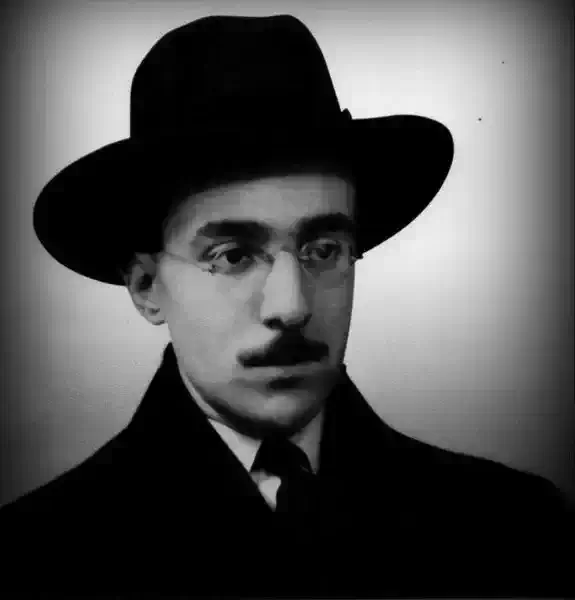
Fernando Pessoa
Breve o inverno virá com sua branca
Breve o inverno virá com sua branca
Nudez vestir os campos.
As lareiras serão as nossas pátrias
E os contos que contarmos
Assentados ao pé do seu calor
Valerão as canções
Com que outrora entre as verdes ervas rijas
Dizíamos ao sol
O ave atque vale triste e alegre,
Solenes e carpindo.
Por ora o outono está connosco ainda.
Se ele nos não agrada
A memória do estio cotejemos
Com a esperança hiemal.
E entre essas dádivas memoradas
Como um rio passemos.
Nudez vestir os campos.
As lareiras serão as nossas pátrias
E os contos que contarmos
Assentados ao pé do seu calor
Valerão as canções
Com que outrora entre as verdes ervas rijas
Dizíamos ao sol
O ave atque vale triste e alegre,
Solenes e carpindo.
Por ora o outono está connosco ainda.
Se ele nos não agrada
A memória do estio cotejemos
Com a esperança hiemal.
E entre essas dádivas memoradas
Como um rio passemos.
1 334
Fernando Pessoa
Neste dia em que os campos são de Apolo
Neste dia em que os campos são de Apolo
Verde colónia dominada a ouro,
Seja como uma dança dentro em nós
O sentirmos a vida.
Não turbulenta, mas com os seus ritmos
Que a nossa sensação como uma ninfa
Acompanhe em cadências suas a
Disciplina da dança...
Ao fim do dia quando os campos forem
Império conquistado pelas sombras
Como uma legião que segue marcha
Abdiquemos do dia,
E na nossa memória coloquemos,
Com um deus novo duma nova terra
Trazido, o que ficou em nós da calma
Do dia passageiro.
Verde colónia dominada a ouro,
Seja como uma dança dentro em nós
O sentirmos a vida.
Não turbulenta, mas com os seus ritmos
Que a nossa sensação como uma ninfa
Acompanhe em cadências suas a
Disciplina da dança...
Ao fim do dia quando os campos forem
Império conquistado pelas sombras
Como uma legião que segue marcha
Abdiquemos do dia,
E na nossa memória coloquemos,
Com um deus novo duma nova terra
Trazido, o que ficou em nós da calma
Do dia passageiro.
1 492
Fernando Pessoa
5 - GOBLIN DANCE
First there was but the moon
And the black‑tramelled trees
In the lunar lagoon
Of the forgotten breeze.
Then some unseen thing stirred
Where the moon‑silence snowed
And a vague whirl unheard
Vacantly tip‑toed.
Slowly, idly, alone,
Beyond the eyes of sight,
Somewhere invisibly shown,
They danced their delight.
Their far vagueness wound
Round the heart a pain,
A phantom fear found
Voluble and vain.
The heart remembered lives
Before loves and homes,
Whose rare memory revives
Only when this dance comes.
A wish for a vague thing soon,
A loosened sense of selves,
A thing in the soul like moon,
Aught in the hopes like elves -
Tip‑toe aerial gliding
Shadow‑lunar blent,
Bending, mingling, hiding,
To and fro they went.
Left and right, belonging
To no place, they swayed.
A low pipe, like longing,
To their dancing played.
There, in the silence dropped
Like a thing on the ground,
Whirled they awhile, then stopped,
Then renewed their round,
Till with their slowing turns
The cold air grows more bare.
Then the mere moonlight returns
And there had been nothing there.
And the black‑tramelled trees
In the lunar lagoon
Of the forgotten breeze.
Then some unseen thing stirred
Where the moon‑silence snowed
And a vague whirl unheard
Vacantly tip‑toed.
Slowly, idly, alone,
Beyond the eyes of sight,
Somewhere invisibly shown,
They danced their delight.
Their far vagueness wound
Round the heart a pain,
A phantom fear found
Voluble and vain.
The heart remembered lives
Before loves and homes,
Whose rare memory revives
Only when this dance comes.
A wish for a vague thing soon,
A loosened sense of selves,
A thing in the soul like moon,
Aught in the hopes like elves -
Tip‑toe aerial gliding
Shadow‑lunar blent,
Bending, mingling, hiding,
To and fro they went.
Left and right, belonging
To no place, they swayed.
A low pipe, like longing,
To their dancing played.
There, in the silence dropped
Like a thing on the ground,
Whirled they awhile, then stopped,
Then renewed their round,
Till with their slowing turns
The cold air grows more bare.
Then the mere moonlight returns
And there had been nothing there.
1 599
Fernando Pessoa
FLASHES OF MADNESS — V
V.
My child, I see thine eyes upon
A shadow, as cast by the wings
When a swift bird passes close by
The castle-window before the sun:
So through thy glance the shadows fly...
The souls of things dead and bygone
Haunt the appearances of living things
My child, I see thine eyes upon
A shadow, as cast by the wings
When a swift bird passes close by
The castle-window before the sun:
So through thy glance the shadows fly...
The souls of things dead and bygone
Haunt the appearances of living things
1 221
Fernando Pessoa
Na praia de Monte Gordo,
Na praia de Monte Gordo,
Meu amor, te conheci.
Por ter estado em Monte Gordo
É que assim emagreci.
Meu amor, te conheci.
Por ter estado em Monte Gordo
É que assim emagreci.
1 733
Fernando Pessoa
Quantas vezes a memória
Quantas vezes a memória
Para fingir que inda é gente,
Nos conta uma grande história
Em que ninguém está presente.
Para fingir que inda é gente,
Nos conta uma grande história
Em que ninguém está presente.
1 308
Fernando Pessoa
Tenho um livrinho onde escrevo
Tenho um livrinho onde escrevo
Quando me esqueço de ti.
É um livro de capa negra
Onde inda nada escrevi.
Quando me esqueço de ti.
É um livro de capa negra
Onde inda nada escrevi.
1 990
Fernando Pessoa
Deste-me um cordel comprido
Deste-me um cordel comprido
Para atar bem um papel.
Fiquei tão agradecido
Que inda tenho esse cordel.
Para atar bem um papel.
Fiquei tão agradecido
Que inda tenho esse cordel.
1 477
Fernando Pessoa
I love this world and all these men because
I love this world and all these men because
I shall not love them long. That we do die
I believe not, bound fast to higher laws,
But that we lose this world do not deny.
This light that in the sea makes many a light,
This breeze so soft when least we feel it most,
May be replaced by a diviner sight
Or by a truer breeze; but these are lost.
Like some strange trick of childhood that was ill
Yet had the childhood, in it I regret
Perchance in some far world sublime and stiIl,
The childhood that I never shall forget —
No, nor these toys of sense —this world, these men —,
Dear now when had because dear when lost then.
I shall not love them long. That we do die
I believe not, bound fast to higher laws,
But that we lose this world do not deny.
This light that in the sea makes many a light,
This breeze so soft when least we feel it most,
May be replaced by a diviner sight
Or by a truer breeze; but these are lost.
Like some strange trick of childhood that was ill
Yet had the childhood, in it I regret
Perchance in some far world sublime and stiIl,
The childhood that I never shall forget —
No, nor these toys of sense —this world, these men —,
Dear now when had because dear when lost then.
1 524
Fernando Pessoa
NAVAL ODE
Alone, on the deserted quay, this summer morning,
I look towards the bar, I look towards the Indefinite,
I look and find pleasure in seeing,
Little, black and clear, a steamer coming in.
It is very far yet, distinct and classic after its own fashion.
It leaves on the distant air behind it the vain curls of its smoke.
It is coming in, and morn comes in with it, and on the river
Here, there, naval life awakes,
Sails arise, tugs advance,
Small boats jut out from behind the ships in the port.
There is a vague breeze.
But my soul is with the things that I see least,
With the in-coming steamer,
Because it is with Distance, with Morn,
With the naval meaning of this Hour,
With the painful softness that rises in me like a qualm,
Like a beginning of sea-sickness, but in my soul.
I look from afar at the steamer, with a great independence of mind
And a whell begins to spin in me, very slowly.
The steamers that enter the bar in the morning,
Bring to my eyes with their coming
The glad and sad mystery of all who arrive and depart.
They bring memories of distant quays, and of other moments
Of another kind of the same mankind in other ports.
Every (...), every departure of a ship,
Is — I feel it in me like my blood —
Unconsciously symbolic, terribly
Threatening metaphysical meanings
That startle in me the being I once …
Ah, every quay is a regret made of stone!
And when the ship leaves the quay
And we note suddenly that a space is widening
Between the quay and the ship,
There comes to me, I know not why, a recent anguish,
A mist of feelings of sadness
That shines in the sun of my mosy anguishes
Like the first window the morning strikes on,
And clings round me like some one else's remembrance
Which is somehow mysteriously mine.
Ah, who knows, who knows,
If I did not leave long ago, before Myself,
A quay; if I did not depart, a ship in
The oblique sun of morning,
From another kind of port?
Who knows if I did not leave, before the hour
Of the exterior world as I see it
Dawned for me,
A large quay full of few people,
Of a great half-awakened city,
Of a great city commercial, overgrown, apopletical,
As much as that can be outside Time and Space?
Ay, from a quay, from a quay somehow material,
Real, visible as a quay, really a quay,
The Absolute Quay on whose type, unconsciously imitated,
Insensibly evoked,
We men have built
Our quays in our harbours,
Our quays, of actual stone overlooking true water,
Which, once built, suddenly show themselves to be
Real-Things, Things-Spirits, Entities in Stone-Souls,
At certain moments of ours of root-sentiments
When it seems that a door is opened in the outer world
And, without anything changing
Everything reveals itself to be different.
Ah, the Great Quay whence we embarked in Ship-Nations!
The Great Earlier Quay, eternal and divine!
Of what port? Over what waters? And why do I think of this?
A Great Quay like all other quays, but the Only One.
Full, as they are, of murmurous silences in the fore-dawns
And budding with the dawns in a noise of cranes
And arrivals of goods-trains
And under the black, occasional and light cloud
Of the smoke of the chimneys of the near factories
Which clouds its ground, black with small shining coal,
As if it were the shadow of a cloud passing over dark water.
Ah, what essentiality of mystery and arrested senses
In a divine revealing ecstasy
At the hours coloured like silences and anguishes
Is the bridge between any quay and THE QUAY!
Quay blackly reflected in the still waters,
Suddle [?] on board the ships,
Oh wandering and unstable soul of the people who live in ships,
Of the symbolic people who pass and for whom, nothing lasts
For when the vessel returns to the port,
There is always some change on board!
On continual flights, goings, drunknness of the Different!
Eternal soul of navigators and navigations!
Hulls slowly reflected in the waters
When the ship leaves the port!
To float as soul of life, to depart as voice,
To live the moment tremulously on eternal waters!
To wake to more direct days than the days of Europe,
To see mysterious ports over the loneliness of the sea,
To double distant capes and see sudden great landscapes
Of unnumbred astonished alones!
Ah, the distant beaches, the quays seen from afar,
And then the near beaches and the quays seen from near.
The mystery of each departure and of each arrival,
The painful instability and incomprehensibility
Of this impossible universe
At each naval hour ever more deeply felt right in my skin.
The absurd sob that our souls spill
Over the ever-different tracts of seas with islands afar,
Over the distant lines of the coasts we merely pass by,
Over the clear growing-clear of ports, with their houses and their people,
When the ship nears the land.
Ah, the freshness of morns when we arrive,
And the paleness of the morns when we depart,
When our entrails are gripped up
And a vague sensation resembling a fear
— The ancestral fear of going away and leaving,
The mysterious ancestral terror of Arrivals and New Things —
Grips up our skin and gives us qualms
And all our anguished body feels,
As if it were our soul,
An unexplained desire to feel this in some other way:
A regret at something,
A perturbation of tendernesses towards what vague fatherland?
What coast? what ship? what quay?
That thought sickens within us
And only a great vaccum remains in us,
A hollow satiety of naval minutes,
And a vague anxiety that would be weariness or pain
If it knew how to be that…
The summer morning is, nevertheless, slightly cool,
A slight night-dullness lies yet on the shaken air.
The wheel within me quickens its motion slightly.
And the steamer keeps on coming in, because surely it must coming in,
And not because I see it moving in its excessive distance.
In my imagination it is already near and visible
In all the extent of the lines of its portholes,
And everything trembles in me, all my flesh and all my skin,
On account of that creature that never arrives in any ship
And whom I have come to await to-day on this quay, through an oblique command.
I look towards the bar, I look towards the Indefinite,
I look and find pleasure in seeing,
Little, black and clear, a steamer coming in.
It is very far yet, distinct and classic after its own fashion.
It leaves on the distant air behind it the vain curls of its smoke.
It is coming in, and morn comes in with it, and on the river
Here, there, naval life awakes,
Sails arise, tugs advance,
Small boats jut out from behind the ships in the port.
There is a vague breeze.
But my soul is with the things that I see least,
With the in-coming steamer,
Because it is with Distance, with Morn,
With the naval meaning of this Hour,
With the painful softness that rises in me like a qualm,
Like a beginning of sea-sickness, but in my soul.
I look from afar at the steamer, with a great independence of mind
And a whell begins to spin in me, very slowly.
The steamers that enter the bar in the morning,
Bring to my eyes with their coming
The glad and sad mystery of all who arrive and depart.
They bring memories of distant quays, and of other moments
Of another kind of the same mankind in other ports.
Every (...), every departure of a ship,
Is — I feel it in me like my blood —
Unconsciously symbolic, terribly
Threatening metaphysical meanings
That startle in me the being I once …
Ah, every quay is a regret made of stone!
And when the ship leaves the quay
And we note suddenly that a space is widening
Between the quay and the ship,
There comes to me, I know not why, a recent anguish,
A mist of feelings of sadness
That shines in the sun of my mosy anguishes
Like the first window the morning strikes on,
And clings round me like some one else's remembrance
Which is somehow mysteriously mine.
Ah, who knows, who knows,
If I did not leave long ago, before Myself,
A quay; if I did not depart, a ship in
The oblique sun of morning,
From another kind of port?
Who knows if I did not leave, before the hour
Of the exterior world as I see it
Dawned for me,
A large quay full of few people,
Of a great half-awakened city,
Of a great city commercial, overgrown, apopletical,
As much as that can be outside Time and Space?
Ay, from a quay, from a quay somehow material,
Real, visible as a quay, really a quay,
The Absolute Quay on whose type, unconsciously imitated,
Insensibly evoked,
We men have built
Our quays in our harbours,
Our quays, of actual stone overlooking true water,
Which, once built, suddenly show themselves to be
Real-Things, Things-Spirits, Entities in Stone-Souls,
At certain moments of ours of root-sentiments
When it seems that a door is opened in the outer world
And, without anything changing
Everything reveals itself to be different.
Ah, the Great Quay whence we embarked in Ship-Nations!
The Great Earlier Quay, eternal and divine!
Of what port? Over what waters? And why do I think of this?
A Great Quay like all other quays, but the Only One.
Full, as they are, of murmurous silences in the fore-dawns
And budding with the dawns in a noise of cranes
And arrivals of goods-trains
And under the black, occasional and light cloud
Of the smoke of the chimneys of the near factories
Which clouds its ground, black with small shining coal,
As if it were the shadow of a cloud passing over dark water.
Ah, what essentiality of mystery and arrested senses
In a divine revealing ecstasy
At the hours coloured like silences and anguishes
Is the bridge between any quay and THE QUAY!
Quay blackly reflected in the still waters,
Suddle [?] on board the ships,
Oh wandering and unstable soul of the people who live in ships,
Of the symbolic people who pass and for whom, nothing lasts
For when the vessel returns to the port,
There is always some change on board!
On continual flights, goings, drunknness of the Different!
Eternal soul of navigators and navigations!
Hulls slowly reflected in the waters
When the ship leaves the port!
To float as soul of life, to depart as voice,
To live the moment tremulously on eternal waters!
To wake to more direct days than the days of Europe,
To see mysterious ports over the loneliness of the sea,
To double distant capes and see sudden great landscapes
Of unnumbred astonished alones!
Ah, the distant beaches, the quays seen from afar,
And then the near beaches and the quays seen from near.
The mystery of each departure and of each arrival,
The painful instability and incomprehensibility
Of this impossible universe
At each naval hour ever more deeply felt right in my skin.
The absurd sob that our souls spill
Over the ever-different tracts of seas with islands afar,
Over the distant lines of the coasts we merely pass by,
Over the clear growing-clear of ports, with their houses and their people,
When the ship nears the land.
Ah, the freshness of morns when we arrive,
And the paleness of the morns when we depart,
When our entrails are gripped up
And a vague sensation resembling a fear
— The ancestral fear of going away and leaving,
The mysterious ancestral terror of Arrivals and New Things —
Grips up our skin and gives us qualms
And all our anguished body feels,
As if it were our soul,
An unexplained desire to feel this in some other way:
A regret at something,
A perturbation of tendernesses towards what vague fatherland?
What coast? what ship? what quay?
That thought sickens within us
And only a great vaccum remains in us,
A hollow satiety of naval minutes,
And a vague anxiety that would be weariness or pain
If it knew how to be that…
The summer morning is, nevertheless, slightly cool,
A slight night-dullness lies yet on the shaken air.
The wheel within me quickens its motion slightly.
And the steamer keeps on coming in, because surely it must coming in,
And not because I see it moving in its excessive distance.
In my imagination it is already near and visible
In all the extent of the lines of its portholes,
And everything trembles in me, all my flesh and all my skin,
On account of that creature that never arrives in any ship
And whom I have come to await to-day on this quay, through an oblique command.
1 717
Fernando Pessoa
38 - ANAMNESIS
Somewhere where I shall never live
A palace garden bowers
Such beauty that dreams of it grieve.
There, lining walks immemorial,
Great antenatal flowers
My lost life before God recall.
There I was happy and the child
That had cool shadows
Wherein to feel sweetly exiled.
They took all these true things away.
O my lost meadows!
My childhood before Night and Day!
A palace garden bowers
Such beauty that dreams of it grieve.
There, lining walks immemorial,
Great antenatal flowers
My lost life before God recall.
There I was happy and the child
That had cool shadows
Wherein to feel sweetly exiled.
They took all these true things away.
O my lost meadows!
My childhood before Night and Day!
1 157
Fernando Pessoa
42 - THE FORESELF
I had a self and life
Before this life and self.
When the moon makes woods rife
With possible fay or elf,
There comes in me a dreaming
That is like a light gleaming
Somewhere in me away,
On seas that I have known
And placeless lands that own
Another kind of day.
I dream, and as a blast
Fans into fire an ember,
My heart gleams with a past
That I cannot remember.
And as the ember's glowing
Is not fire but fire's showing,
I waste the empty pelf
Of my mute sense of me.
As rain within the sea
I fade within myself.
There are mazes of I.
I am my unknown being.
I have, I know not why,
Another kind of seeing
(Other than this vain vision
That is my soul's division
From what girds sight about)
Where to see is to know,
Whose life is faith, and woe
Fled by the hand of Doubt.
My life has happy hours:
'Tis when I feel not living;
And, as the scent of flowers
Round flowers a flower‑soul weaving
That is a corporate spirit,
From myself I inherit,
My soul's blood's spirit‑air,
A foreself and inself
Which is the being‑pelf
That with God's loss I share.
Before this life and self.
When the moon makes woods rife
With possible fay or elf,
There comes in me a dreaming
That is like a light gleaming
Somewhere in me away,
On seas that I have known
And placeless lands that own
Another kind of day.
I dream, and as a blast
Fans into fire an ember,
My heart gleams with a past
That I cannot remember.
And as the ember's glowing
Is not fire but fire's showing,
I waste the empty pelf
Of my mute sense of me.
As rain within the sea
I fade within myself.
There are mazes of I.
I am my unknown being.
I have, I know not why,
Another kind of seeing
(Other than this vain vision
That is my soul's division
From what girds sight about)
Where to see is to know,
Whose life is faith, and woe
Fled by the hand of Doubt.
My life has happy hours:
'Tis when I feel not living;
And, as the scent of flowers
Round flowers a flower‑soul weaving
That is a corporate spirit,
From myself I inherit,
My soul's blood's spirit‑air,
A foreself and inself
Which is the being‑pelf
That with God's loss I share.
1 610
Fernando Pessoa
Quando eu era pequenino
Quando eu era pequenino
Cantavam para eu dormir.
Foram-se o canto e o menino.
Sorri-me para eu sentir!
Cantavam para eu dormir.
Foram-se o canto e o menino.
Sorri-me para eu sentir!
4 800
Fernando Pessoa
Tell me again the music of that tale
Tell me again the music of that tale
Thy nurse wit sang so oft by my soul's bed,
Whose words and persons from my memory fade,
But in the melody remembered.
Thou mightst shift all the pawns of that told game
And, so the music made it far off be,
I shall still hear the tale as if the same,
Far bark on seas of the same melody.
What fairy castles and closed beauties lie
On moonlight of not‑life away from where
Loss is, truth kills, what charms must be put by,
And but the still‑to‑be keeps fresh & fair.
What matter the song, so by it the soul weeps
Lost kinship with its antenatal sleeps?
Thy nurse wit sang so oft by my soul's bed,
Whose words and persons from my memory fade,
But in the melody remembered.
Thou mightst shift all the pawns of that told game
And, so the music made it far off be,
I shall still hear the tale as if the same,
Far bark on seas of the same melody.
What fairy castles and closed beauties lie
On moonlight of not‑life away from where
Loss is, truth kills, what charms must be put by,
And but the still‑to‑be keeps fresh & fair.
What matter the song, so by it the soul weeps
Lost kinship with its antenatal sleeps?
1 470
Fernando Pessoa
Andei sozinho na praia
Andei sozinho na praia
Andei na praia a pensar
No jeito da tua saia
Quando lá estiveste a andar.
Andei na praia a pensar
No jeito da tua saia
Quando lá estiveste a andar.
2 169
Fernando Pessoa
Tenho pena até... nem sei...
Tenho pena até... nem sei...
Do próprio mal que passei
Pois passei quando passou.
Do próprio mal que passei
Pois passei quando passou.
1 437
Fernando Pessoa
Os mortos! Que prodigiosamente
Os mortos! Que prodigiosamente
E com que horrível reminiscência
Vivem na nossa recordação deles!
A minha velha tia na sua antiga casa, no campo
Onde eu era feliz e tranquilo e a criança que eu era...
Penso nisso e uma saudade toda raiva repassa-me...
E, além disso, penso, ela já morreu há anos...
Tudo isto, vendo bem, é misterioso como um lusco-fusco...
Penso, e todo o enigma do universo repassa-me.
Revejo aquilo na imaginação com tal realidade
Que depois, quando penso que aquilo acabou
E que ela está morta,
Encaro com o mistério mais palidamente
Vejo-o mais escuro, mais impiedoso, mais longínquo
E nem choro, de atento que estou ao terror da vida...
Como eu desejaria ser parte da noite,
Parte sem contornos da noite, um lugar qualquer no espaço
Não propriamente um lugar, por não ter posição nem contornos,
Mas noite na noite, uma parte dela, pertencendo-lhe por todos os lados
E unido e afastado companheiro da minha ausência de existir...
Aquilo era tão real, tão vivo, tão actual!...
Quando em mim o revejo, está outra vez vivo em mim...
Pasmo de que coisa tão real pudesse passar...
E não existir hoje e hoje ser tão diverso...
Corre para o mar a água do rio, abandona a minha vista,
Chega ao mar e perde-se no mar,
Mas a água perde-se de si-própria?
Uma coisa deixa de ser o que é absolutamente
Ou pecam de vida os nossos olhos e os nossos ouvidos
E a nossa consciência exterior do Universo?
Onde está hoje o meu passado?
Em que baú o guardou Deus que não sei dar com ele?
Quando o revejo em mim, onde é que o estou vendo?
Tudo isto deve ter um sentido — talvez muito simples —
Mas por mais que pense não atino com ele.
E com que horrível reminiscência
Vivem na nossa recordação deles!
A minha velha tia na sua antiga casa, no campo
Onde eu era feliz e tranquilo e a criança que eu era...
Penso nisso e uma saudade toda raiva repassa-me...
E, além disso, penso, ela já morreu há anos...
Tudo isto, vendo bem, é misterioso como um lusco-fusco...
Penso, e todo o enigma do universo repassa-me.
Revejo aquilo na imaginação com tal realidade
Que depois, quando penso que aquilo acabou
E que ela está morta,
Encaro com o mistério mais palidamente
Vejo-o mais escuro, mais impiedoso, mais longínquo
E nem choro, de atento que estou ao terror da vida...
Como eu desejaria ser parte da noite,
Parte sem contornos da noite, um lugar qualquer no espaço
Não propriamente um lugar, por não ter posição nem contornos,
Mas noite na noite, uma parte dela, pertencendo-lhe por todos os lados
E unido e afastado companheiro da minha ausência de existir...
Aquilo era tão real, tão vivo, tão actual!...
Quando em mim o revejo, está outra vez vivo em mim...
Pasmo de que coisa tão real pudesse passar...
E não existir hoje e hoje ser tão diverso...
Corre para o mar a água do rio, abandona a minha vista,
Chega ao mar e perde-se no mar,
Mas a água perde-se de si-própria?
Uma coisa deixa de ser o que é absolutamente
Ou pecam de vida os nossos olhos e os nossos ouvidos
E a nossa consciência exterior do Universo?
Onde está hoje o meu passado?
Em que baú o guardou Deus que não sei dar com ele?
Quando o revejo em mim, onde é que o estou vendo?
Tudo isto deve ter um sentido — talvez muito simples —
Mas por mais que pense não atino com ele.
1 433
Fernando Pessoa
Através do ruído do café cheio de gente
Através do ruído do café cheio de gente
Chega-me a brisa que passa pelo convés
Nas longas viagens, no alto mar, no verão
Perto dos trópicos (no amontoado nocturno do navio —
Sacudido regularmente pela hélice palpitante —
Vejo passar os uniformes brancos dos oficiais de bordo).
E essa brisa traz um ruído de mar-alto, pluro-mar
E a nossa civilização não pertence à minha reminiscência.
Chega-me a brisa que passa pelo convés
Nas longas viagens, no alto mar, no verão
Perto dos trópicos (no amontoado nocturno do navio —
Sacudido regularmente pela hélice palpitante —
Vejo passar os uniformes brancos dos oficiais de bordo).
E essa brisa traz um ruído de mar-alto, pluro-mar
E a nossa civilização não pertence à minha reminiscência.
1 343
Fernando Pessoa
CUL DE LAMPE
CUL DE LAMPE
Pouco a pouco,
Sem que qualquer coisa me falte,
Sem que qualquer coisa me sobre,
Sem que qualquer coisa esteja exactamente na mesma posição,
Vou andando parado,
Vou vivendo morrendo,
Vou sendo eu através de uma quantidade de gente sem ser.
Vou sendo tudo menos eu.
Acabei.
Pouco a pouco,
Sem que ninguém me falasse
(Que importa tudo quanto me tem sido dito na vida?),
Sem que ninguém me escutasse
(Que importa quanto disse e me ouviram dizer?)
Sem que ninguém me quisesse
(Que importa o que disse quem me disse que queria?),
Muito bem...
Pouco a pouco,
Sem nada disso,
Sem nada que não seja isso,
Vou parando,
Vou parar,
Acabei.
Qual acabei!
Estou farto de sentir e de fingir em pensar,
E não acabei ainda.
Ainda estou a escrever versos.
Ainda estou a escrever.
Ainda estou.
(Não, não vou acabar
Ainda...
Não vou acabar.
Acabei.)
Subitamente, na rua transversal, uma janela no alto e que vulto nela?
E o horror de ter perdido a infância em que ali não estive
E o caminho vagabundo da minha consciência inexequível.
Que mais querem? Acabei.
Nem falta o canário da vizinha ó manhã de outro tempo,
Nem som (cheio de cesto) do padeiro na escada
Nem os pregões que não sei já onde estão —
Nem o enterro (ouço as vozes) na rua,
Nem trovão súbito da madeira das tabuinhas de defronte no ar de verão
Nem... quanta coisa, quanta alma, quanto irreparável!
Afinal, agora tudo cocaína...
Meu amor infância!
Meu passado bibe!
Meu repouso pão com manteiga boa à janela!
Basta, que já estou cego para o que vejo!
Arre, acabei!
Basta!
Pouco a pouco,
Sem que qualquer coisa me falte,
Sem que qualquer coisa me sobre,
Sem que qualquer coisa esteja exactamente na mesma posição,
Vou andando parado,
Vou vivendo morrendo,
Vou sendo eu através de uma quantidade de gente sem ser.
Vou sendo tudo menos eu.
Acabei.
Pouco a pouco,
Sem que ninguém me falasse
(Que importa tudo quanto me tem sido dito na vida?),
Sem que ninguém me escutasse
(Que importa quanto disse e me ouviram dizer?)
Sem que ninguém me quisesse
(Que importa o que disse quem me disse que queria?),
Muito bem...
Pouco a pouco,
Sem nada disso,
Sem nada que não seja isso,
Vou parando,
Vou parar,
Acabei.
Qual acabei!
Estou farto de sentir e de fingir em pensar,
E não acabei ainda.
Ainda estou a escrever versos.
Ainda estou a escrever.
Ainda estou.
(Não, não vou acabar
Ainda...
Não vou acabar.
Acabei.)
Subitamente, na rua transversal, uma janela no alto e que vulto nela?
E o horror de ter perdido a infância em que ali não estive
E o caminho vagabundo da minha consciência inexequível.
Que mais querem? Acabei.
Nem falta o canário da vizinha ó manhã de outro tempo,
Nem som (cheio de cesto) do padeiro na escada
Nem os pregões que não sei já onde estão —
Nem o enterro (ouço as vozes) na rua,
Nem trovão súbito da madeira das tabuinhas de defronte no ar de verão
Nem... quanta coisa, quanta alma, quanto irreparável!
Afinal, agora tudo cocaína...
Meu amor infância!
Meu passado bibe!
Meu repouso pão com manteiga boa à janela!
Basta, que já estou cego para o que vejo!
Arre, acabei!
Basta!
1 024
Fernando Pessoa
A rapariga inglesa, uma loura, tão jovem, tão boa
A rapariga inglesa, uma loura, tão jovem, tão boa
Que queria casar comigo...
Que pena eu não ter casado com ela...
Teria sido feliz
Mas como é que eu sei se teria sido feliz?
Como é que eu sei qualquer coisa a respeito do que teria sido
Do que teria sido, que é o que nunca foi?
Hoje arrependo-me de não ter casado com ela,
Mas antes que até a hipótese de me poder arrepender de ter casado com ela.
E assim é tudo arrependimento,
E o arrependimento é pura abstracção.
Dá um certo desconforto
Mas também dá um certo sonho...
Sim, aquela rapariga foi uma oportunidade da minha alma.
Hoje o arrependimento é que é afastado da minha alma.
Santo Deus! que complicação por não ter casado com uma inglesa que já me deve ter esquecido!...
Mas se não me esqueceu?
Se (porque há disso) me lembra ainda e é constante
(Escuso de me achar feio, porque os feios também são amados
E às vezes por mulheres!)
Se não me esqueceu, ainda me lembra.
Isto, realmente, é já outra espécie de arrependimento.
E fazer sofrer alguém não tem esquecimento.
Mas, afinal, isto são conjecturas da vaidade.
Bem se há-de ela lembrar de mim, com o quarto filho nos braços,
Debruçada sobre o Daily Mirror a ver a Pussy Maria.
Pelo menos é melhor pensar que é assim.
É um quadro de casa suburbana inglesa,
É uma boa paisagem íntima de cabelos louros,
E os remorsos são sombras...
Em todo o caso, se assim é, fica um bocado de ciúme.
O quarto filho do outro, o Daily Mirror na outra casa.
O que podia ter sido...
Sim, sempre o abstracto, o impossível, o irreal mas perverso —
O que podia ter sido.
Comem marmelade ao pequeno almoço em Inglaterra...
Vingo-me em toda a linguagem inglesa de ser um parvo português.
Ah, mas ainda vejo
O teu olhar realmente tão sincero como azul
A olhar como uma outra criança para mim...
E não é com piadas de sal do verso que te apago da imagem
Que tens no meu coração;
Não te disfarço, meu único amor, e não quero nada da vida.
Que queria casar comigo...
Que pena eu não ter casado com ela...
Teria sido feliz
Mas como é que eu sei se teria sido feliz?
Como é que eu sei qualquer coisa a respeito do que teria sido
Do que teria sido, que é o que nunca foi?
Hoje arrependo-me de não ter casado com ela,
Mas antes que até a hipótese de me poder arrepender de ter casado com ela.
E assim é tudo arrependimento,
E o arrependimento é pura abstracção.
Dá um certo desconforto
Mas também dá um certo sonho...
Sim, aquela rapariga foi uma oportunidade da minha alma.
Hoje o arrependimento é que é afastado da minha alma.
Santo Deus! que complicação por não ter casado com uma inglesa que já me deve ter esquecido!...
Mas se não me esqueceu?
Se (porque há disso) me lembra ainda e é constante
(Escuso de me achar feio, porque os feios também são amados
E às vezes por mulheres!)
Se não me esqueceu, ainda me lembra.
Isto, realmente, é já outra espécie de arrependimento.
E fazer sofrer alguém não tem esquecimento.
Mas, afinal, isto são conjecturas da vaidade.
Bem se há-de ela lembrar de mim, com o quarto filho nos braços,
Debruçada sobre o Daily Mirror a ver a Pussy Maria.
Pelo menos é melhor pensar que é assim.
É um quadro de casa suburbana inglesa,
É uma boa paisagem íntima de cabelos louros,
E os remorsos são sombras...
Em todo o caso, se assim é, fica um bocado de ciúme.
O quarto filho do outro, o Daily Mirror na outra casa.
O que podia ter sido...
Sim, sempre o abstracto, o impossível, o irreal mas perverso —
O que podia ter sido.
Comem marmelade ao pequeno almoço em Inglaterra...
Vingo-me em toda a linguagem inglesa de ser um parvo português.
Ah, mas ainda vejo
O teu olhar realmente tão sincero como azul
A olhar como uma outra criança para mim...
E não é com piadas de sal do verso que te apago da imagem
Que tens no meu coração;
Não te disfarço, meu único amor, e não quero nada da vida.
1 271
Fernando Pessoa
A alma humana é porca como um ânus
A alma humana é porca como um ânus
E a Vantagem dos caralhos pesa em muitas imaginações.
Meu coração desgosta-se de tudo com uma náusea do estômago.
A Távola Redonda foi vendida a peso,
E a biografia do Rei Artur, um galante escreveu-a.
Mas a sucata da cavalaria ainda reina nessas almas, como um perfil distante.
Está frio.
Ponho sobre os ombros o capote que me lembra um xaile —
O xaile que minha tia me punha aos ombros na infância.
Mas os ombros da minha infância sumiram-se antes para dentro dos meus ombros.
E o meu coração da infância sumiu-se antes para dentro do meu coração.
Sim, está frio...
Está frio em tudo que sou, está frio...
Minhas próprias ideias têm frio, como gente velha...
E o frio que eu tenho das minhas ideias terem frio é mais frio do que elas.
Engelho o capote à minha volta...
O Universo da gente... a gente... as pessoas todas!...
A multiplicidade da humanidade misturada
Sim, aquilo a que chamam a vida, como se só houvesse outros e estrelas...
Sim, a vida...
Meus ombros descaem tanto que o capote resvala...
Querem comentário melhor? Puxo-me para cima o capote.
Ah, parte a cara à vida!
Levanta-te com estrondo no sossego de ti!
E a Vantagem dos caralhos pesa em muitas imaginações.
Meu coração desgosta-se de tudo com uma náusea do estômago.
A Távola Redonda foi vendida a peso,
E a biografia do Rei Artur, um galante escreveu-a.
Mas a sucata da cavalaria ainda reina nessas almas, como um perfil distante.
Está frio.
Ponho sobre os ombros o capote que me lembra um xaile —
O xaile que minha tia me punha aos ombros na infância.
Mas os ombros da minha infância sumiram-se antes para dentro dos meus ombros.
E o meu coração da infância sumiu-se antes para dentro do meu coração.
Sim, está frio...
Está frio em tudo que sou, está frio...
Minhas próprias ideias têm frio, como gente velha...
E o frio que eu tenho das minhas ideias terem frio é mais frio do que elas.
Engelho o capote à minha volta...
O Universo da gente... a gente... as pessoas todas!...
A multiplicidade da humanidade misturada
Sim, aquilo a que chamam a vida, como se só houvesse outros e estrelas...
Sim, a vida...
Meus ombros descaem tanto que o capote resvala...
Querem comentário melhor? Puxo-me para cima o capote.
Ah, parte a cara à vida!
Levanta-te com estrondo no sossego de ti!
1 634
Fernando Pessoa
Chove muito, chove excessivamente...
Chove muito, chove excessivamente...
Chove e de vez em quando faz um vento frio...
Estou triste, muito triste, corno se o dia fosse eu.
Num dia no meu futuro em que chova assim também
E eu, à janela de repente me lembre do dia de hoje,
Pensarei eu «ah nesse tempo eu era mais feliz»
Ou pensarei «ah, que tempo triste foi aquele»!
Ah, meu Deus, eu que pensarei deste dia nesse dia
E o que serei, de que forma; o que me será o passado que é hoje só presente?...
O ar está mais desagasalhado, mais frio, mais triste
E há uma grande dúvida de chumbo no meu coração...
Chove e de vez em quando faz um vento frio...
Estou triste, muito triste, corno se o dia fosse eu.
Num dia no meu futuro em que chova assim também
E eu, à janela de repente me lembre do dia de hoje,
Pensarei eu «ah nesse tempo eu era mais feliz»
Ou pensarei «ah, que tempo triste foi aquele»!
Ah, meu Deus, eu que pensarei deste dia nesse dia
E o que serei, de que forma; o que me será o passado que é hoje só presente?...
O ar está mais desagasalhado, mais frio, mais triste
E há uma grande dúvida de chumbo no meu coração...
1 531
Fernando Pessoa
Sonho feito do horror do pensamento,
Sonho feito do horror do pensamento,
Informe e hórrido, para sempre
Longe de mim vossa lembrança horrível.
Informe e hórrido, para sempre
Longe de mim vossa lembrança horrível.
1 330
Fernando Pessoa
Dá-nos a Tua paz,
Dá-nos a Tua paz,
Deus Cristão falso, mas consolador, porque todos
Nascem para a emoção rezada a ti;
Deus anti-científico mas que a nossa mãe ensina;
Deus absurdo da verdade absurda, mas que tem a verdade das lágrimas
Nas horas de fraqueza em que sentimos que passamos
Como o fumo e a nuvem, mas a emoção não o quer,
Como o rasto na terra, mas a alma é sensível...
Dá-nos a Tua paz, ainda que não existisses nunca,
A Tua paz no mundo que julgas Teu,
A Tua paz impossível tão possível à Terra,
À grande mãe pagã, cristã em nós a esta hora
E que deve ser humana em tudo quanto é humano em nós.
Dá-nos a paz como uma brisa saindo
Ou a chuva para a qual há preces nas províncias,
E chove por leis naturais tranquilizadoramente.
Dá-nos a paz, porque por ela siga, e regresse
O nosso espírito cansado ao quarto de arrumações e coser
Onde ao canto está o berço inútil, mas não a mãe que embala,
Onde na cómoda velha está a roupa da infância, despida
Com o poder iludir a vida com o sonho...
Dá-nos a tua paz.
O mundo é incerto e confuso,
O pensamento não chega a parte nenhuma da Terra,
O braço não alcança mais do que a mão pode conter,
O olhar não atravessa os muros da sombra,
O coração não sabe desejar o que deseja
A vida erra constantemente o caminho para a Vida.
Dá-nos, Senhor, a paz, Cristo ou Buda que sejas,
Dá-nos a paz e admite
Nos vales esquecidos dos pastores ignotos
Nos píncaros de gelo dos eremitas perdidos,
Nas ruas transversais dos bairros afastados das cidades,
A paz que é dos que não conhecem e esquecem sem querer.
Materna paz que adormeça a terra,
Dormente à lareira sem filosofias,
Memória dos contos de fadas sem a vida lá fora,
A canção do berço revivida através do menino sem futuro,
O calor, a ama, o menino,
O menino que se vai deitar
E o sentido inútil da vida,
O coveiro antigo das coisas,
A dor sem fundo da terra, dos homens, dos destinos
Do mundo...
Deus Cristão falso, mas consolador, porque todos
Nascem para a emoção rezada a ti;
Deus anti-científico mas que a nossa mãe ensina;
Deus absurdo da verdade absurda, mas que tem a verdade das lágrimas
Nas horas de fraqueza em que sentimos que passamos
Como o fumo e a nuvem, mas a emoção não o quer,
Como o rasto na terra, mas a alma é sensível...
Dá-nos a Tua paz, ainda que não existisses nunca,
A Tua paz no mundo que julgas Teu,
A Tua paz impossível tão possível à Terra,
À grande mãe pagã, cristã em nós a esta hora
E que deve ser humana em tudo quanto é humano em nós.
Dá-nos a paz como uma brisa saindo
Ou a chuva para a qual há preces nas províncias,
E chove por leis naturais tranquilizadoramente.
Dá-nos a paz, porque por ela siga, e regresse
O nosso espírito cansado ao quarto de arrumações e coser
Onde ao canto está o berço inútil, mas não a mãe que embala,
Onde na cómoda velha está a roupa da infância, despida
Com o poder iludir a vida com o sonho...
Dá-nos a tua paz.
O mundo é incerto e confuso,
O pensamento não chega a parte nenhuma da Terra,
O braço não alcança mais do que a mão pode conter,
O olhar não atravessa os muros da sombra,
O coração não sabe desejar o que deseja
A vida erra constantemente o caminho para a Vida.
Dá-nos, Senhor, a paz, Cristo ou Buda que sejas,
Dá-nos a paz e admite
Nos vales esquecidos dos pastores ignotos
Nos píncaros de gelo dos eremitas perdidos,
Nas ruas transversais dos bairros afastados das cidades,
A paz que é dos que não conhecem e esquecem sem querer.
Materna paz que adormeça a terra,
Dormente à lareira sem filosofias,
Memória dos contos de fadas sem a vida lá fora,
A canção do berço revivida através do menino sem futuro,
O calor, a ama, o menino,
O menino que se vai deitar
E o sentido inútil da vida,
O coveiro antigo das coisas,
A dor sem fundo da terra, dos homens, dos destinos
Do mundo...
1 128