

Poemas neste tema
Morte e Luto
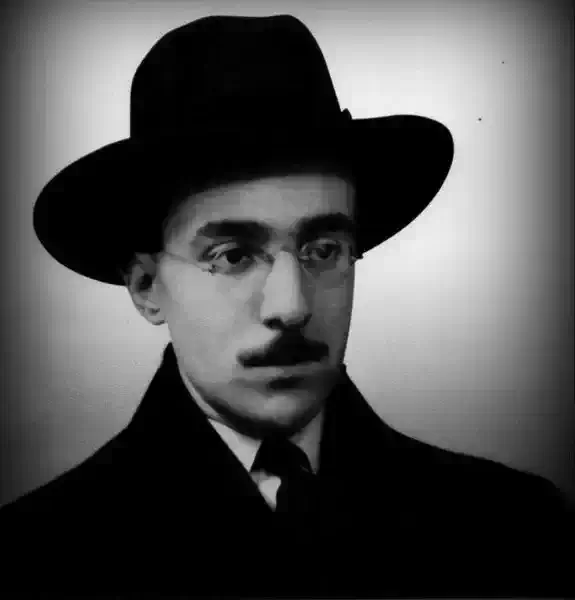
Fernando Pessoa
Olho os campos, Neera, [3]
Olho os campos, Neera,
Verdes campos, e penso
Em que virá um dia
Em que não mais os olhe.
Isto se o meditar,
Me toldará os céus
E fará menos verdes
Os verdes campos reais.
Ah! Neera, o futuro
Ao futuro deixemos.
O que não está presente
Não existe pra nós.
Hoje não tenho nada
Senão os verdes campos
E o céu azul por cima.
Seja isto todo o mundo.
Verdes campos, e penso
Em que virá um dia
Em que não mais os olhe.
Isto se o meditar,
Me toldará os céus
E fará menos verdes
Os verdes campos reais.
Ah! Neera, o futuro
Ao futuro deixemos.
O que não está presente
Não existe pra nós.
Hoje não tenho nada
Senão os verdes campos
E o céu azul por cima.
Seja isto todo o mundo.
1 454
Fernando Pessoa
Eu sou como um que entre o mar que lhe avança
Eu sou como um que entre o mar que lhe avança
Se vê e entre um rochedo alto e (...)
Mas com maior horror — ah, quão maior!
Perante a morte — aquilo que eu temo
Com horror que transcende todo o horror
Que os homens hão sentido — lhe aproxima...
Coroai-me de espinhos — sou aquele
Que mais no mundo tem sofrido.
P'ra resignar-se à morte é necessário
Não lhe compreender todo o horror,
Não lho medir. Perdi
A última ilusão que até agora
Ninguém perdera, nem o mais audaz
Cogitador metafísico — essa que faz
Com que o pavor não desça às nossas veias
Tornando-se um com a nossa vida.
Se vê e entre um rochedo alto e (...)
Mas com maior horror — ah, quão maior!
Perante a morte — aquilo que eu temo
Com horror que transcende todo o horror
Que os homens hão sentido — lhe aproxima...
Coroai-me de espinhos — sou aquele
Que mais no mundo tem sofrido.
P'ra resignar-se à morte é necessário
Não lhe compreender todo o horror,
Não lho medir. Perdi
A última ilusão que até agora
Ninguém perdera, nem o mais audaz
Cogitador metafísico — essa que faz
Com que o pavor não desça às nossas veias
Tornando-se um com a nossa vida.
1 264
Fernando Pessoa
VII - Fosse eu apenas, não sei onde ou como,
VII
Fosse eu apenas, não sei onde ou como,
Uma coisa existente sem viver,
Noite de Vida sem amanhecer
Entre as sirtes do meu doirado assomo...
Fada maliciosa ou incerto gnomo
Fadado houvesse de não pertencer
Meu intuito gloriola com ter
A árvore do meu uso o único pomo...
Fosse eu uma metáfora somente
Escrita nalgum livro insubsistente
Dum poeta antigo, de alma em outras gamas,
Mas doente, e, num crepúsculo de espadas,
Morrendo entre bandeiras desfraldadas
Na última tarde de um império em chamas...
Fosse eu apenas, não sei onde ou como,
Uma coisa existente sem viver,
Noite de Vida sem amanhecer
Entre as sirtes do meu doirado assomo...
Fada maliciosa ou incerto gnomo
Fadado houvesse de não pertencer
Meu intuito gloriola com ter
A árvore do meu uso o único pomo...
Fosse eu uma metáfora somente
Escrita nalgum livro insubsistente
Dum poeta antigo, de alma em outras gamas,
Mas doente, e, num crepúsculo de espadas,
Morrendo entre bandeiras desfraldadas
Na última tarde de um império em chamas...
1 338
Fernando Pessoa
Olho os campos, Neera, [2]
Olho os campos, Neera,
Verdes campos, e sinto
Que um dia virá a hora
Em que não mais os olhe.
Tranquilo, apenas gozo,
Como brincando, o orgulho
Da serena tristeza
Filha da clara visão.
Verdes campos, e sinto
Que um dia virá a hora
Em que não mais os olhe.
Tranquilo, apenas gozo,
Como brincando, o orgulho
Da serena tristeza
Filha da clara visão.
1 403
Fernando Pessoa
ANTÍNOO - T
Era em Adriano fria a chuva fora.
Jaz morto o jovem
No raso leito, e sobre o seu desnudo todo,
Aos olhos rasos de Adriano, cuja dor é medo,
A umbrosa luz do eclipse-morte era difusa.
Jaz morto o jovem, e o dia semelhava noite
Lá fora. A chuva cai como um exausto alarme
Da Natureza em acto de matá-lo.
Memória de que el' foi não dava já deleite,
Deleite no que el' foi era morto e indistinto.
Ó mãos que já apertaram as de Adriano quentes,
Cuja frieza agora as sente frias!
Ó cabelo antes preso p'lo penteado justo!
Ó olhos algo inquietantemente ousados!
Ó simples macho corpo feminino qual
O aparentar-se um deus à humanidade!
Os lábios cujo abrir vermelho titilava
Os sítios da luxúria com tanta arte viva!
Ó dedos que hábeis eram no de não ser dito!
Ó língua que na língua o sangue audaz tornava!
[...]
Jaz morto o jovem
No raso leito, e sobre o seu desnudo todo,
Aos olhos rasos de Adriano, cuja dor é medo,
A umbrosa luz do eclipse-morte era difusa.
Jaz morto o jovem, e o dia semelhava noite
Lá fora. A chuva cai como um exausto alarme
Da Natureza em acto de matá-lo.
Memória de que el' foi não dava já deleite,
Deleite no que el' foi era morto e indistinto.
Ó mãos que já apertaram as de Adriano quentes,
Cuja frieza agora as sente frias!
Ó cabelo antes preso p'lo penteado justo!
Ó olhos algo inquietantemente ousados!
Ó simples macho corpo feminino qual
O aparentar-se um deus à humanidade!
Os lábios cujo abrir vermelho titilava
Os sítios da luxúria com tanta arte viva!
Ó dedos que hábeis eram no de não ser dito!
Ó língua que na língua o sangue audaz tornava!
[...]
1 523
Fernando Pessoa
Olho os campos, Neera [4]
Olho os campos, Neera
Verdes campos, e sinto
Como virá um dia
Em que não mais os veja.
Par de árvores cobre
O céu aqui sem nuvens
E faz correr mais triste
A viva e alegre linfa.
Mas por um só momento
Fugaz e passageiro
Esta ideia eu emprego
Para o seu uso triste.
Cedo me volve a calma
Com que me faço o espelho
Do céu imperturbado
E da fonte insciente.
Deixa o futuro, — porque
Não está aqui, não é nada;
Só o fugaz presente
Enquanto dura existe.
Vive a imperfeita hora
Sem olhar além dela
E sem nada esperares
Dos homens, nem dos deuses.
Verdes campos, e sinto
Como virá um dia
Em que não mais os veja.
Par de árvores cobre
O céu aqui sem nuvens
E faz correr mais triste
A viva e alegre linfa.
Mas por um só momento
Fugaz e passageiro
Esta ideia eu emprego
Para o seu uso triste.
Cedo me volve a calma
Com que me faço o espelho
Do céu imperturbado
E da fonte insciente.
Deixa o futuro, — porque
Não está aqui, não é nada;
Só o fugaz presente
Enquanto dura existe.
Vive a imperfeita hora
Sem olhar além dela
E sem nada esperares
Dos homens, nem dos deuses.
1 464
Fernando Pessoa
Amanhã estas letras em que te amo
Amanhã estas letras em que te amo.
Serão vistas, tu morta.
Corpo, eras vida para que o não foras,
Tão bela! Versos restam.
Quem o (...)
Serão vistas, tu morta.
Corpo, eras vida para que o não foras,
Tão bela! Versos restam.
Quem o (...)
1 394
Fernando Pessoa
Pese a sentença igual da ignota morte
Pese a sentença igual da ignota morte
Em cada breve corpo, é entrudo e riem,
Felizes, porque em eles pensa e sente
A vida, que não eles.
De rosas, inda que de falsas, teçam
Capelas veras. Escasso, curto é o espaço
Que lhes é dado, e por bom caso em todos
Breve nem vão sentido.
Se a ciência é vida, sábio é só o néscio.
Quão pouco diferença a mente interna
Do homem da dos brutos! Sós! Leixai
Viver os moribundos!
Em cada breve corpo, é entrudo e riem,
Felizes, porque em eles pensa e sente
A vida, que não eles.
De rosas, inda que de falsas, teçam
Capelas veras. Escasso, curto é o espaço
Que lhes é dado, e por bom caso em todos
Breve nem vão sentido.
Se a ciência é vida, sábio é só o néscio.
Quão pouco diferença a mente interna
Do homem da dos brutos! Sós! Leixai
Viver os moribundos!
1 302
Fernando Pessoa
Vou dormir, dormir, dormir,
Nirvana
Vou dormir, dormir, dormir,
Vou dormir sem despertar,
Mas não dormir sem sentir
Que estou dormindo a sonhar.
Não insciência e só treva
Mas também estrelas a abrir
Olhos cujo olhar me enleva,
Que estou sonhando a dormir.
Constelada inexistência
Em que subsiste de meu
Só uma abstracta insciência
Una com estrelas e céu.
Vou dormir, dormir, dormir,
Vou dormir sem despertar,
Mas não dormir sem sentir
Que estou dormindo a sonhar.
Não insciência e só treva
Mas também estrelas a abrir
Olhos cujo olhar me enleva,
Que estou sonhando a dormir.
Constelada inexistência
Em que subsiste de meu
Só uma abstracta insciência
Una com estrelas e céu.
1 936
Fernando Pessoa
Floresce em ti, ó magna terra, em cores
Floresce em ti, ó magna terra, em cores
A vária primavera, e o verão vasto,
E os campos são de alegres.
Mas dorme em cada campo o outono dele
O inverno cresce com as folhas verdes
Tudo será esquecido.
A vária primavera, e o verão vasto,
E os campos são de alegres.
Mas dorme em cada campo o outono dele
O inverno cresce com as folhas verdes
Tudo será esquecido.
1 324
Fernando Pessoa
Enquanto eu vir o sol luzir nas folhas
Enquanto eu vir o sol luzir nas folhas
E sentir toda a brisa nos cabelos
Não quererei mais nada.
Que me pode o Destino conceder
Melhor que o lapso sensual da vida
Entre ignorâncias destas?
Sábio deveras o que não procura,
Que, procurando, achara o abismo em tudo
E a dúvida em si mesmo.
Pomos a dúvida onde há rosas. Damos
Quase tudo do sentido a entendê-lo
E ignoramos, pensantes.
Estranha a nós a natureza extensa
Campos ondula, flores abre, frutos
Cora, e a morte chega.
Terei razão, se a alguém razão é dada,
Quando me a morte conturbar a mente
E já não veja mais
Que à razão de saber porque vivemos
Nós nem a achamos nem achar se deve,
Impropícia e profunda.
E sentir toda a brisa nos cabelos
Não quererei mais nada.
Que me pode o Destino conceder
Melhor que o lapso sensual da vida
Entre ignorâncias destas?
Sábio deveras o que não procura,
Que, procurando, achara o abismo em tudo
E a dúvida em si mesmo.
Pomos a dúvida onde há rosas. Damos
Quase tudo do sentido a entendê-lo
E ignoramos, pensantes.
Estranha a nós a natureza extensa
Campos ondula, flores abre, frutos
Cora, e a morte chega.
Terei razão, se a alguém razão é dada,
Quando me a morte conturbar a mente
E já não veja mais
Que à razão de saber porque vivemos
Nós nem a achamos nem achar se deve,
Impropícia e profunda.
1 037
Fernando Pessoa
O relógio de sol partido marca
O relógio de sol partido marca
Do mesmo modo que o inteiro o lapso
Da mesma hora perdida…
O mesmo gozo com que esqueço, ou o creio,
A vida, finda, me a mim mesmo mostra
Mais fatal e mortal,
Para onde quer que siga a certa noite
Quer ou não a vejamos.
Do mesmo modo que o inteiro o lapso
Da mesma hora perdida…
O mesmo gozo com que esqueço, ou o creio,
A vida, finda, me a mim mesmo mostra
Mais fatal e mortal,
Para onde quer que siga a certa noite
Quer ou não a vejamos.
1 558
Fernando Pessoa
EPITAPH - Here lieth Alexander Search
Here lieth A[lexander] S[earch]
Whom God and man left in the lurch
And nature mocked with pain and woe
He believed not in state or church
Nor in God, woman, man or love
Nor earth below nor heaven above.
His knowledge did to this about:
(...) and love is not
Nothing is everywhere sincere
Save sorrow, hatred, lust and fear
And even these sometimes do look
Less than in the ill they work.
He died at twenty odd
This was is dying sentiment:
Accurst be Nature, Man and God.
Whom God and man left in the lurch
And nature mocked with pain and woe
He believed not in state or church
Nor in God, woman, man or love
Nor earth below nor heaven above.
His knowledge did to this about:
(...) and love is not
Nothing is everywhere sincere
Save sorrow, hatred, lust and fear
And even these sometimes do look
Less than in the ill they work.
He died at twenty odd
This was is dying sentiment:
Accurst be Nature, Man and God.
1 524
Fernando Pessoa
Amo o que vejo porque deixarei
Amo o que vejo porque deixarei
Qualquer dia de o ver.
Amo-o também porque é.
No plácido intervalo em que me sinto,
Do amar, mais que ser,
Amo o haver tudo e a mim.
Melhor me não dariam, se voltassem,
Os primitivos deuses,
Que também, nada sabem.
Qualquer dia de o ver.
Amo-o também porque é.
No plácido intervalo em que me sinto,
Do amar, mais que ser,
Amo o haver tudo e a mim.
Melhor me não dariam, se voltassem,
Os primitivos deuses,
Que também, nada sabem.
1 781
Fernando Pessoa
Cantos, risos e flores alumiem
Cantos, risos e flores alumiem
Nosso mortal destino,
Para o ermo ocultar fundo, nocturno
De nosso pensamento,
Curvado, já em vida, sob a ideia
Do plutónico gozo,
Cônscio já da lívida esperança
Do caos redivivo.
Nosso mortal destino,
Para o ermo ocultar fundo, nocturno
De nosso pensamento,
Curvado, já em vida, sob a ideia
Do plutónico gozo,
Cônscio já da lívida esperança
Do caos redivivo.
1 532
Fernando Pessoa
Nada fica de nada. Nada somos. [1]
Nada fica de nada. Nada somos.
Um pouco ao sol e ao ar nos atrasamos
Da irrespirável treva que nos pese
Da húmida terra imposta,
Cadáveres adiados que procriam.
Leis feitas, estátuas vistas, odes findas —
Tudo tem cova sua. Se nós, carnes
A que um íntimo sol dá sangue, temos
Poente, porque não elas?
Somos contos contando contos, nada.
Um pouco ao sol e ao ar nos atrasamos
Da irrespirável treva que nos pese
Da húmida terra imposta,
Cadáveres adiados que procriam.
Leis feitas, estátuas vistas, odes findas —
Tudo tem cova sua. Se nós, carnes
A que um íntimo sol dá sangue, temos
Poente, porque não elas?
Somos contos contando contos, nada.
1 009
Fernando Pessoa
I love this world and all these men because
I love this world and all these men because
I shall not love them long. That we do die
I believe not, bound fast to higher laws,
But that we lose this world do not deny.
This light that in the sea makes many a light,
This breeze so soft when least we feel it most,
May be replaced by a diviner sight
Or by a truer breeze; but these are lost.
Like some strange trick of childhood that was ill
Yet had the childhood, in it I regret
Perchance in some far world sublime and stiIl,
The childhood that I never shall forget —
No, nor these toys of sense —this world, these men —,
Dear now when had because dear when lost then.
I shall not love them long. That we do die
I believe not, bound fast to higher laws,
But that we lose this world do not deny.
This light that in the sea makes many a light,
This breeze so soft when least we feel it most,
May be replaced by a diviner sight
Or by a truer breeze; but these are lost.
Like some strange trick of childhood that was ill
Yet had the childhood, in it I regret
Perchance in some far world sublime and stiIl,
The childhood that I never shall forget —
No, nor these toys of sense —this world, these men —,
Dear now when had because dear when lost then.
1 524
Fernando Pessoa
I. - Take me up in thine arms, oh some mother.
[I.]
Take me up in thine arms, oh some mother.
Take me up in thine arms, make me a child.
An endless lack of joy every joy doth smother
That rises in me, sudden or great or mild.
Take me up in thine arms, rock me to sleep.
Rock me to sleep in a great meaningless way.
And may I hear, like one who sleeps in a house by a bay,
A great loud wind rise like a life from the deep
And cease as I fall asleep like a life that passes away.
II.
All I have wished to do, mother, I have not done.
Even what I wish to feel makes mistakes within me.
I grow tired, dimly tired, of the calm and constant sun,
And restless beside the happier restlessness of the sea.
Oh for a boat to believe I might sail in it and go,
Beyond the walls of my sensations' world and become
A floating absence from my worn self, a discarded woe
Trailing behind me likes a ship's trail, shining through
My consciousness of having dropt my life like a lamp in a home.
III.
Mother, my cheeks grow thin with cares I forget to know.
With things I forget to feel, nor know how to think, I pine.
Mine envy, mother, is with the figure of the sturdy man at the wheel,
That does his duty in storms and is salt at soul with good brine.
My heart is lost to a perillous life full of achievement and breath.
My thoughts are given like gifts to a life I could never live.
Teach me how to myself my own life I can forgive.
Teach me how to love life, at least how not to fear death,
And be all that you teach in the sense of a mute kiss you give.
IV.
Rock me to and fro in your arms, mother. It is night.
There is something of endless motion, of final ceasing of care,
In your rocking of me now from now into the light
That the cottage lamp sheds on your rocking fire with the same yellow flare.
Let me sleep, let me sleep, outsleep the ages and Time.
Drift far away from space like a hulk away from shore.
Be your arms around me like a land or a day or a clime,
Be your casual lips on my brow like forgiveness of crime.
Rock me till I lose being, mother, rock me still more.
V.
My pain outgrows my power to feel pain. I am numb. I am faint.
I sicken from having lived no life, but all dreams, dreams, dreams,
My soul is poisoned, mother, with an old and mysterious tai[nt]
And now that you have stopped rocking full on my brow the lamp gleams.
Hide me, mother, from the light for it seems that it sees.
Hide me, make me be blurred against your breast and the night.
Lo! outside the great swell of the dim and eternal seas!
Mother, whom do we wait, to return from beyond the seas?
Is it for anyone at sea that the joy of our lamp we light.
VI.
The wind hath risen, the wind hath risen. Something is colder and truer.
Something of life and its mystery creeps into the room.
Mother, stop the window chinks, make the door fast and sure.
We never know what horror it is that out of the Night may come.
We know not whom we await. It may be worse than the dark.
It may be shapeless unto our thought and dread as God if he be...
Mother, new sounds are creeping like snakes through the darkness. Hark!
Is it the wind you fear? Is it the sea you remark?
Mother, make me to sleep at once, ere I may hear or see.
VII.
When will it born. Mother, this fear and this smart,
This ache as of something lost or something near to be found,
Coils like a viscous impossible manner of snake round the heart
And the night, mother, the night without being nor bound!...
Put your arms so much around me, so much, so close so fast
That they cover the eyes of my fancy and cling round my thought's quick ear.
Mother, let us not see if the night will pass or last.
Let us not think nor be... Let life be as if past.
Let our total and infinite death be the day and the ceasing of fear.
Take me up in thine arms, oh some mother.
Take me up in thine arms, make me a child.
An endless lack of joy every joy doth smother
That rises in me, sudden or great or mild.
Take me up in thine arms, rock me to sleep.
Rock me to sleep in a great meaningless way.
And may I hear, like one who sleeps in a house by a bay,
A great loud wind rise like a life from the deep
And cease as I fall asleep like a life that passes away.
II.
All I have wished to do, mother, I have not done.
Even what I wish to feel makes mistakes within me.
I grow tired, dimly tired, of the calm and constant sun,
And restless beside the happier restlessness of the sea.
Oh for a boat to believe I might sail in it and go,
Beyond the walls of my sensations' world and become
A floating absence from my worn self, a discarded woe
Trailing behind me likes a ship's trail, shining through
My consciousness of having dropt my life like a lamp in a home.
III.
Mother, my cheeks grow thin with cares I forget to know.
With things I forget to feel, nor know how to think, I pine.
Mine envy, mother, is with the figure of the sturdy man at the wheel,
That does his duty in storms and is salt at soul with good brine.
My heart is lost to a perillous life full of achievement and breath.
My thoughts are given like gifts to a life I could never live.
Teach me how to myself my own life I can forgive.
Teach me how to love life, at least how not to fear death,
And be all that you teach in the sense of a mute kiss you give.
IV.
Rock me to and fro in your arms, mother. It is night.
There is something of endless motion, of final ceasing of care,
In your rocking of me now from now into the light
That the cottage lamp sheds on your rocking fire with the same yellow flare.
Let me sleep, let me sleep, outsleep the ages and Time.
Drift far away from space like a hulk away from shore.
Be your arms around me like a land or a day or a clime,
Be your casual lips on my brow like forgiveness of crime.
Rock me till I lose being, mother, rock me still more.
V.
My pain outgrows my power to feel pain. I am numb. I am faint.
I sicken from having lived no life, but all dreams, dreams, dreams,
My soul is poisoned, mother, with an old and mysterious tai[nt]
And now that you have stopped rocking full on my brow the lamp gleams.
Hide me, mother, from the light for it seems that it sees.
Hide me, make me be blurred against your breast and the night.
Lo! outside the great swell of the dim and eternal seas!
Mother, whom do we wait, to return from beyond the seas?
Is it for anyone at sea that the joy of our lamp we light.
VI.
The wind hath risen, the wind hath risen. Something is colder and truer.
Something of life and its mystery creeps into the room.
Mother, stop the window chinks, make the door fast and sure.
We never know what horror it is that out of the Night may come.
We know not whom we await. It may be worse than the dark.
It may be shapeless unto our thought and dread as God if he be...
Mother, new sounds are creeping like snakes through the darkness. Hark!
Is it the wind you fear? Is it the sea you remark?
Mother, make me to sleep at once, ere I may hear or see.
VII.
When will it born. Mother, this fear and this smart,
This ache as of something lost or something near to be found,
Coils like a viscous impossible manner of snake round the heart
And the night, mother, the night without being nor bound!...
Put your arms so much around me, so much, so close so fast
That they cover the eyes of my fancy and cling round my thought's quick ear.
Mother, let us not see if the night will pass or last.
Let us not think nor be... Let life be as if past.
Let our total and infinite death be the day and the ceasing of fear.
1 446
Fernando Pessoa
Como este infante que alourado dorme
Como este infante que alourado dorme
Fui. Hoje sei que há morte.
Lídia, há largas taças por encher
Nosso amor que nos tarda.
Qualquer que seja o amor ou as taças, breve
Ajamos. Teme e desfruta.
Fui. Hoje sei que há morte.
Lídia, há largas taças por encher
Nosso amor que nos tarda.
Qualquer que seja o amor ou as taças, breve
Ajamos. Teme e desfruta.
1 294
Fernando Pessoa
Se em verdade não sabes (nem sustentas
Se em verdade não sabes (nem sustentas
Que sabes) que há na vida mais que a vida,
Porque com tanto esforço e cura tanta,
Operoso a não vives?
Porque, sem paraíso que apeteças,
Amontoas riquezas, nem as gastas,
É para teu cadáver que amontoas?
Gozas menos que ganhas.
Ah, se não tens que esperes, salvo a morte,
Não cures mais que do preciso esforço
Para passar incólume na vida
De (...)
Sim, gozas. Mas mais rico és que ditoso
Se só para o que perdes gozas,
Menos te o esforço oneraria,
Sem ele. (...)
Ah servidão irreprimível, nada
Da vida breve subsiste, que sabes
Que morre toda, e gasta-se nas obras
Egoísta de um futuro que não é seu.
Mas respondes-me: E os poemas que escreves
A quem os dás futuro? A obra obrigas
E o homem só por semear semeia
O que o Destino manda.
Que sabes) que há na vida mais que a vida,
Porque com tanto esforço e cura tanta,
Operoso a não vives?
Porque, sem paraíso que apeteças,
Amontoas riquezas, nem as gastas,
É para teu cadáver que amontoas?
Gozas menos que ganhas.
Ah, se não tens que esperes, salvo a morte,
Não cures mais que do preciso esforço
Para passar incólume na vida
De (...)
Sim, gozas. Mas mais rico és que ditoso
Se só para o que perdes gozas,
Menos te o esforço oneraria,
Sem ele. (...)
Ah servidão irreprimível, nada
Da vida breve subsiste, que sabes
Que morre toda, e gasta-se nas obras
Egoísta de um futuro que não é seu.
Mas respondes-me: E os poemas que escreves
A quem os dás futuro? A obra obrigas
E o homem só por semear semeia
O que o Destino manda.
1 425
Fernando Pessoa
O Suspiro do mundo: - Vida, morte,
Vida, morte,
Riso, pranto
É o manto
Que me cobre.
Natureza,
Amor, beleza,
Tudo quanto
A alma descobre.
O Mistério
Deste mundo
Teu profundo
Olhar leu;
D'além dele —
Cerra a alma
De pavor! —
Venho eu.
Nada, nada
Já acalma
Tua dor.
Tu bem sabes
Ser minha voz
Mais atroz
De mudo horror
No que não diz,
E só tu sentes
E compreendes.
Cerra, infeliz
Cerra a (tua) alma
Ao meu pavor!
(Fausto, com os olhos fechados, encolhido na cadeira, treme como que dum grande frio.)
Riso, pranto
É o manto
Que me cobre.
Natureza,
Amor, beleza,
Tudo quanto
A alma descobre.
O Mistério
Deste mundo
Teu profundo
Olhar leu;
D'além dele —
Cerra a alma
De pavor! —
Venho eu.
Nada, nada
Já acalma
Tua dor.
Tu bem sabes
Ser minha voz
Mais atroz
De mudo horror
No que não diz,
E só tu sentes
E compreendes.
Cerra, infeliz
Cerra a (tua) alma
Ao meu pavor!
(Fausto, com os olhos fechados, encolhido na cadeira, treme como que dum grande frio.)
1 548
Fernando Pessoa
Jovem morreste, porque regressaste,
A. Caeiro
Jovem morreste, porque regressaste,
Ó deus inconsciente, onde teus pares
De após Cronos te esperam
Ressuscitados deles.
Antes de ti já era a Natureza,
Mas não a alma de compreendê-la.
Deu-te o deus o instinto
Com que sentir as cousas.
Os deuses imortais reconduziste
À humana visão obscurecida
(...)
(...)
Sós ficamos, mas não abandonados,
Porque a obra, que deixaste, és tu ainda
Qual luz à extinta estrela
Póstuma a terra alaga.
Por seu os deuses contam quem
E com teu nome a divindade prestas
De ser eterna à pátria
Odisseia cidade
Igual des ti às sete que contendem,
Cidades por Homero, ou alcaica Lesbos,
Ou heptápila Tebas
Ogígia mãe de Píndaro.
Jovem morreste, porque regressaste,
Ó deus inconsciente, onde teus pares
De após Cronos te esperam
Ressuscitados deles.
Antes de ti já era a Natureza,
Mas não a alma de compreendê-la.
Deu-te o deus o instinto
Com que sentir as cousas.
Os deuses imortais reconduziste
À humana visão obscurecida
(...)
(...)
Sós ficamos, mas não abandonados,
Porque a obra, que deixaste, és tu ainda
Qual luz à extinta estrela
Póstuma a terra alaga.
Por seu os deuses contam quem
E com teu nome a divindade prestas
De ser eterna à pátria
Odisseia cidade
Igual des ti às sete que contendem,
Cidades por Homero, ou alcaica Lesbos,
Ou heptápila Tebas
Ogígia mãe de Píndaro.
1 425
Fernando Pessoa
O FUTURO
O FUTURO
Sei que me espera qualquer coisa
Mas não sei que coisa me espera.
Como um quarto escuro
Que eu temo quando creio que nada temo
Mas só o temo, por ele, temo em vão.
Não é uma presença; é um frio e um medo.
O mistério da morte a mim o liga.
Ao [...] fim do meu poema.
Sei que me espera qualquer coisa
Mas não sei que coisa me espera.
Como um quarto escuro
Que eu temo quando creio que nada temo
Mas só o temo, por ele, temo em vão.
Não é uma presença; é um frio e um medo.
O mistério da morte a mim o liga.
Ao [...] fim do meu poema.
3 581
Fernando Pessoa
Now are no Janus’ temple-doors thrown wide
Now are no Janus' temple‑doors thrown wide
To utter thougts of war upon the land.
Now doth no double facing God divide
Him from himself, that sight of him may brand
The symbol of opposed things upon
Our hearts that at our eyes on him are thrown.
Now do no pagan cults tremble at Mars' name
Because bad‑auguring birds like clouds have flown
O'er nations' frontiers, nor do oracles frame
Strange answers unto ears of armoured chiefs,
Replies that leave perplexed their perplexed eyes
That know not whether that heart‑pang they hear
Is the first grief heralding their peoples' griefs
Or the strange cold that the Gods' mysteries
Speak to his soul that is to conquest near.
No. All is dead that wreathed war round with Gods.
Nor omens mute, nor the foiled sacrifice,
No dim words spoken by spilt blood on sods.
Nay, nor the later sense that vice and sloth,
When in a people's heart they nestle both
Do on them call the wrath of heaven, us move.
Our souls are void, like a stage mummer's cries
And our hate and our love mock hate and love.
Something of coldness, like the coming winter,
Crosses our autumn like a profecy.
Round our leaves now no swallows circle and twitter.
No more, no more, shall we heart‑wholesome be.
There is a sadness that with us doth stay
Like a billetted guest, and far away
Our ultimate death awaits us like a sea.
Alas! that even the poesy of wars
Should, like a tired thing, have gone where things go.
Alas! alas! that we have come thus far
Knowing still the same nothing that we know,
To meet more than ourselves, nor no throe
That shall be herald of a newer man.
And ever as the old woes the cold new woe
Fills with its deathless measure our life's span.
No, even the Christian manner of love or hate
Is dead. No God that lives in us survives
The winter in us that snow‑kills God and Fate
And has iced o'er the rivers of our lives.
With cuirass and with pike we laid aside
All that made battle worth the death in it.
Our science‑made war‑gestures now deride
The great eternal things that war doth fit
With helm and armour.
With mortal pomp yet pomp. We are on death's side.
All is as if were not part of it.
All clashes, rings and turmoils as if far.
The foiled imagining within our wit
Ousts war's clear image with bare thought of war.
Our plans are cold, our courage cold, our eyes
When they look inwards dream but the far plain
And vague, picture‑seen faces and their pain
Touches no sense of ours, nor do dreamed cries
Rise in us. What cold thing has become of
Our very hatred? What way has strength gone?
We die as if the sky were not above
Our heads and beneath us sand, grass and stone.
The great eternal presence of all things
No longer doth with us collaborate
To lift our hearts up on invisible wings
And bid us tremble at the thrill of Fate.
The possible fall of empires doth no more
Touch us with that great and mysterious dread
That John on Pathmos saw rise o'er his head
Like a space‑filling sea without a shore.
Alas! our nobler fear has gone away
Where our weariness pointed. We are blind
And learned to blindness. Our wild gestures stray
From us like leaves that fall far off with the wind,
And we fight clearly, coldly, night and day.
These things I thought, knowing that far behind
My visible horizon war was slave
Of that Invisible Master who doth wave
His speechless hand o'er continents and seas
And men like reaped things fall, and the blind wind
With groping hands that in the night are blind
Touches the dead men's faces' mysteries.
This I thought when, lo! before me there was
A door of iron, or what iron seemed,
An unsized portal, and its live‑seeming lock
Seemed all the uses of a lock to mock.
To see that door was to know none could pass
Through it, nor could its other‑side be dreamed.
A ribbon of broad stairs led up to it
But had no meaning, like a laugh unseen,
I looked and the door seemed to sway as hit
By blows, but no blows fell on it. That screen
Was interposed between me and no scene,
Yet, like an eye staring from out the night,
It touched my heart cold with its iron mean.
And this was not in space nor in a light.
Somewhere in me where dreams do themselves show
And have an inner meaning God doth know,
The door was set, and it seemed to my soul
That there since some inner eternity
It ever had been and I something had seen,
Yet half forgot, that like a half‑shown scroll,
Concealed its sense in what it showed to me.
And lo! as my heart looked, the door grew clear
As a near‑lit thing seen in a black night,
And a great sense of a great coming fear
Was fear already in my heart's affright.
Then as I looked I saw - yet it did seem
That in my vision that had ever been -
From beneath the strange door down the steps flow
A string of silent blood, that step by step,
Fell with a motion desolate and slow.
The thin red stream seemed conscious of its course
Though its course seemed to be none, but to fall.
I looked and it fell ever, with a force
Of relinquishment to its fall, a knell
To some hope in me, and the blood
That ever was but a small line did flood
All my pained soul and made it red. The spell
Of its thin redness spreade o'er my thought's mood
And all my thoughts became a great red wall
Set up in front of what in me doth brood.
Then everything shifted, yet was the same.
I looked on as one who sees a child's game
And finds its eyes at interest in it
And knows not why. A sense of end did hit
My power of having feelings with a rain
That did with deep red all my dim soul stain
As it had stained that soul.
Then all the outer world was dashed to night
And, though no floor remained, no sides, no light
To that space‑missed new world, set far from being,
Yet by some clearer virtue of my seeing
All I saw was without nor left nor right
With a name to it, without a place
Even in itself, without an I to see.
The mere great door and the red blood's thin trace
And all the rest was void and mystery.
Then all again seemed changing unto some
New, unimaginable and fearful thing.
The door and that blood‑line seemed to come
A strange new‑featured Face looking out through
The Universe's whole frame, traversing
It like light an invisible glass - a wing
Belonging to no bird our thoughts construe.
Then the door seemed to recede - nay, to have
Receded, when I knew not, nor was there
A when, for Time seem'd as seems a far wave
On a wide sea, something gone past. The bare
Eternal door seemed to have gone to the end
Of a visible infinity, and all
That now remained on which my soul could spend
Its terror was the blood ever at its fall.
Then, though still the same small line of red,
The blood seeemed to grow glass and in it I saw
A mighty river full of strange things - dead
Men, children, wrecks of bridges, cities, thrones,
And still the line was a small red line, (...)
Of other meaning than that
That before God for the clear world atones.
But the (...) visions in that line contained
Seemed wide as space. The red line seemed a slit
In a thin door through which our eyes can see
Large fields, a city and the whole sky stained
With clouds, and all this in the line could be;
And from some unknown where I looked on it.
It seemed the edge of a cube opening
Sideways to sides of visions, more and more.
Now and then across its glass - like being a wing
Passed a tremor ran over everything
That had in it a clear and tragic being.
Then ceased. And from, past space, the door
Still held my unconscious consciousness of seeing.
It seemed sometimes a bright, red moving veil
And through it as through a stained window I guessed
A night and stars on a vague pale day pressed,
On a same horizon desolate and pale.
Then, as I stared, suddenly before me,
Like a fan suddenly opened, the blood‑line
Took space from side to side, leaving naught to me
Left or right of it. Its red (...) fact
Became a red Niagara, a cataract.
But there were no steps, nothing: it did fall
As if drawn in the air, over no edge, and all
Was this and this was its own mystery.
Then lo! over the edge, no longer now,
But empires rolled, and I saw Greece and Rome
Pass. And still over the eternal flow
Reddened from left to right my inner sight's home
Of seeing. And all like to God's blood did come
Like a great rain off a huge thorn‑crowned brow.
And I saw more and more strange empires roll
Down and some I knew not, nor seeing them, guessed.
Awhile their falling the fall's brink caressed
Then they sunk down somewhere within my soul,
And my soul was the soul of all the world,
And from my (...) eyes that saw all this
Suddenly I felt, as if a flag unfurled,
God in me look out at these mysteries.
My eyes seemed windows of another sight
Of someone set behind my soul in the night
Looking through my eyes and my sight, mine own
Was but a glass those unknown eyes looked through,
And still the vision was blood falling down
In cataracts into Mystery, red and slow.
I became one with world and Fate and God,
And the great River that came on and fell
Let me see through its veil of (...) blood
The stars shine and a vague moonlight, then fell
Something from me. The cataract came more near
To my sight; then it seemed into mine eyes
To creep to become with them and the fear
To pass behind them into some soul (...).
Then all that did remain was the stars light
And again in the dark infinity
My pity and my dread alone with me
And my dream's meaning like a paling night.
To utter thougts of war upon the land.
Now doth no double facing God divide
Him from himself, that sight of him may brand
The symbol of opposed things upon
Our hearts that at our eyes on him are thrown.
Now do no pagan cults tremble at Mars' name
Because bad‑auguring birds like clouds have flown
O'er nations' frontiers, nor do oracles frame
Strange answers unto ears of armoured chiefs,
Replies that leave perplexed their perplexed eyes
That know not whether that heart‑pang they hear
Is the first grief heralding their peoples' griefs
Or the strange cold that the Gods' mysteries
Speak to his soul that is to conquest near.
No. All is dead that wreathed war round with Gods.
Nor omens mute, nor the foiled sacrifice,
No dim words spoken by spilt blood on sods.
Nay, nor the later sense that vice and sloth,
When in a people's heart they nestle both
Do on them call the wrath of heaven, us move.
Our souls are void, like a stage mummer's cries
And our hate and our love mock hate and love.
Something of coldness, like the coming winter,
Crosses our autumn like a profecy.
Round our leaves now no swallows circle and twitter.
No more, no more, shall we heart‑wholesome be.
There is a sadness that with us doth stay
Like a billetted guest, and far away
Our ultimate death awaits us like a sea.
Alas! that even the poesy of wars
Should, like a tired thing, have gone where things go.
Alas! alas! that we have come thus far
Knowing still the same nothing that we know,
To meet more than ourselves, nor no throe
That shall be herald of a newer man.
And ever as the old woes the cold new woe
Fills with its deathless measure our life's span.
No, even the Christian manner of love or hate
Is dead. No God that lives in us survives
The winter in us that snow‑kills God and Fate
And has iced o'er the rivers of our lives.
With cuirass and with pike we laid aside
All that made battle worth the death in it.
Our science‑made war‑gestures now deride
The great eternal things that war doth fit
With helm and armour.
With mortal pomp yet pomp. We are on death's side.
All is as if were not part of it.
All clashes, rings and turmoils as if far.
The foiled imagining within our wit
Ousts war's clear image with bare thought of war.
Our plans are cold, our courage cold, our eyes
When they look inwards dream but the far plain
And vague, picture‑seen faces and their pain
Touches no sense of ours, nor do dreamed cries
Rise in us. What cold thing has become of
Our very hatred? What way has strength gone?
We die as if the sky were not above
Our heads and beneath us sand, grass and stone.
The great eternal presence of all things
No longer doth with us collaborate
To lift our hearts up on invisible wings
And bid us tremble at the thrill of Fate.
The possible fall of empires doth no more
Touch us with that great and mysterious dread
That John on Pathmos saw rise o'er his head
Like a space‑filling sea without a shore.
Alas! our nobler fear has gone away
Where our weariness pointed. We are blind
And learned to blindness. Our wild gestures stray
From us like leaves that fall far off with the wind,
And we fight clearly, coldly, night and day.
These things I thought, knowing that far behind
My visible horizon war was slave
Of that Invisible Master who doth wave
His speechless hand o'er continents and seas
And men like reaped things fall, and the blind wind
With groping hands that in the night are blind
Touches the dead men's faces' mysteries.
This I thought when, lo! before me there was
A door of iron, or what iron seemed,
An unsized portal, and its live‑seeming lock
Seemed all the uses of a lock to mock.
To see that door was to know none could pass
Through it, nor could its other‑side be dreamed.
A ribbon of broad stairs led up to it
But had no meaning, like a laugh unseen,
I looked and the door seemed to sway as hit
By blows, but no blows fell on it. That screen
Was interposed between me and no scene,
Yet, like an eye staring from out the night,
It touched my heart cold with its iron mean.
And this was not in space nor in a light.
Somewhere in me where dreams do themselves show
And have an inner meaning God doth know,
The door was set, and it seemed to my soul
That there since some inner eternity
It ever had been and I something had seen,
Yet half forgot, that like a half‑shown scroll,
Concealed its sense in what it showed to me.
And lo! as my heart looked, the door grew clear
As a near‑lit thing seen in a black night,
And a great sense of a great coming fear
Was fear already in my heart's affright.
Then as I looked I saw - yet it did seem
That in my vision that had ever been -
From beneath the strange door down the steps flow
A string of silent blood, that step by step,
Fell with a motion desolate and slow.
The thin red stream seemed conscious of its course
Though its course seemed to be none, but to fall.
I looked and it fell ever, with a force
Of relinquishment to its fall, a knell
To some hope in me, and the blood
That ever was but a small line did flood
All my pained soul and made it red. The spell
Of its thin redness spreade o'er my thought's mood
And all my thoughts became a great red wall
Set up in front of what in me doth brood.
Then everything shifted, yet was the same.
I looked on as one who sees a child's game
And finds its eyes at interest in it
And knows not why. A sense of end did hit
My power of having feelings with a rain
That did with deep red all my dim soul stain
As it had stained that soul.
Then all the outer world was dashed to night
And, though no floor remained, no sides, no light
To that space‑missed new world, set far from being,
Yet by some clearer virtue of my seeing
All I saw was without nor left nor right
With a name to it, without a place
Even in itself, without an I to see.
The mere great door and the red blood's thin trace
And all the rest was void and mystery.
Then all again seemed changing unto some
New, unimaginable and fearful thing.
The door and that blood‑line seemed to come
A strange new‑featured Face looking out through
The Universe's whole frame, traversing
It like light an invisible glass - a wing
Belonging to no bird our thoughts construe.
Then the door seemed to recede - nay, to have
Receded, when I knew not, nor was there
A when, for Time seem'd as seems a far wave
On a wide sea, something gone past. The bare
Eternal door seemed to have gone to the end
Of a visible infinity, and all
That now remained on which my soul could spend
Its terror was the blood ever at its fall.
Then, though still the same small line of red,
The blood seeemed to grow glass and in it I saw
A mighty river full of strange things - dead
Men, children, wrecks of bridges, cities, thrones,
And still the line was a small red line, (...)
Of other meaning than that
That before God for the clear world atones.
But the (...) visions in that line contained
Seemed wide as space. The red line seemed a slit
In a thin door through which our eyes can see
Large fields, a city and the whole sky stained
With clouds, and all this in the line could be;
And from some unknown where I looked on it.
It seemed the edge of a cube opening
Sideways to sides of visions, more and more.
Now and then across its glass - like being a wing
Passed a tremor ran over everything
That had in it a clear and tragic being.
Then ceased. And from, past space, the door
Still held my unconscious consciousness of seeing.
It seemed sometimes a bright, red moving veil
And through it as through a stained window I guessed
A night and stars on a vague pale day pressed,
On a same horizon desolate and pale.
Then, as I stared, suddenly before me,
Like a fan suddenly opened, the blood‑line
Took space from side to side, leaving naught to me
Left or right of it. Its red (...) fact
Became a red Niagara, a cataract.
But there were no steps, nothing: it did fall
As if drawn in the air, over no edge, and all
Was this and this was its own mystery.
Then lo! over the edge, no longer now,
But empires rolled, and I saw Greece and Rome
Pass. And still over the eternal flow
Reddened from left to right my inner sight's home
Of seeing. And all like to God's blood did come
Like a great rain off a huge thorn‑crowned brow.
And I saw more and more strange empires roll
Down and some I knew not, nor seeing them, guessed.
Awhile their falling the fall's brink caressed
Then they sunk down somewhere within my soul,
And my soul was the soul of all the world,
And from my (...) eyes that saw all this
Suddenly I felt, as if a flag unfurled,
God in me look out at these mysteries.
My eyes seemed windows of another sight
Of someone set behind my soul in the night
Looking through my eyes and my sight, mine own
Was but a glass those unknown eyes looked through,
And still the vision was blood falling down
In cataracts into Mystery, red and slow.
I became one with world and Fate and God,
And the great River that came on and fell
Let me see through its veil of (...) blood
The stars shine and a vague moonlight, then fell
Something from me. The cataract came more near
To my sight; then it seemed into mine eyes
To creep to become with them and the fear
To pass behind them into some soul (...).
Then all that did remain was the stars light
And again in the dark infinity
My pity and my dread alone with me
And my dream's meaning like a paling night.
1 674