

Poemas neste tema
Amor Romântico
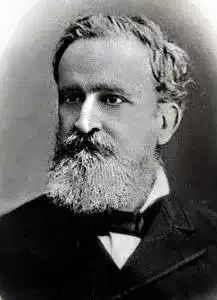
José Bonifácio, o Moço
Adeus de Gonzaga
Adeus, Marília, adeus! O sonho corre,
Vai-se gastando a vida, vai fugindo;
Estremece-me a voz, ei-la que morre,
Inda o teu doce nome repetindo.
Uma hora lá vem, outra decorre,
E eu vejo em pranto o teu rosto lindo!
Adeus, Marília, adeus! A sepultura
Abre-me agora um leito em terra escura.
Ai! como é feia a terra do desterro!
Aqui não sopra a minha pátria aragem;
Aqui lançou-me a liberdade — o erro
De prestar à inocência vassalagem;
Aqui no chão do exílio, onde me enterro
Inda plácida brilha-me tua imagem!
Luar das minhas noites, sol do dia,
O corpo aquece-me — eis a terra fria!
(...)
Ai! Marília, Marília! Que é da vida
Que em meus braços contigo então sonhava?!
A casa, o ribeirão, a luz sumida,
Detrás do monte... além... que desmaiava;
Da ovelha desgarrada a voz perdida,
O gado que sozinho ali pastava;
O chão, a relva, a fonte, as lindas flores,
Nosso céu, nossa luz, nossos amores?!
Nada, nada ficou!... neste deserto
O tênue sopro desta vida expira;
Mal bate o coração, já não aceito
Esses hinos de amor que a alma delira!
Eis lá na sepultura vejo ao perto
Murchas coroas e quebrada lira,
Trevas, silêncio... solidão... horror!
Nem um pranto... um gemido... uma só flor!
S. Paulo, 1848.
In: BONIFÁCIO, José, o moço. Poesias. Org. e apres. Alfredo Bosi e Nilo Scalzo. São Paulo: Conselho Estadual de Cultura, 1962. (Poesia, 5).
NOTA: Poema publicado nas Harmonias Brasileiras, São Paulo, 185
Vai-se gastando a vida, vai fugindo;
Estremece-me a voz, ei-la que morre,
Inda o teu doce nome repetindo.
Uma hora lá vem, outra decorre,
E eu vejo em pranto o teu rosto lindo!
Adeus, Marília, adeus! A sepultura
Abre-me agora um leito em terra escura.
Ai! como é feia a terra do desterro!
Aqui não sopra a minha pátria aragem;
Aqui lançou-me a liberdade — o erro
De prestar à inocência vassalagem;
Aqui no chão do exílio, onde me enterro
Inda plácida brilha-me tua imagem!
Luar das minhas noites, sol do dia,
O corpo aquece-me — eis a terra fria!
(...)
Ai! Marília, Marília! Que é da vida
Que em meus braços contigo então sonhava?!
A casa, o ribeirão, a luz sumida,
Detrás do monte... além... que desmaiava;
Da ovelha desgarrada a voz perdida,
O gado que sozinho ali pastava;
O chão, a relva, a fonte, as lindas flores,
Nosso céu, nossa luz, nossos amores?!
Nada, nada ficou!... neste deserto
O tênue sopro desta vida expira;
Mal bate o coração, já não aceito
Esses hinos de amor que a alma delira!
Eis lá na sepultura vejo ao perto
Murchas coroas e quebrada lira,
Trevas, silêncio... solidão... horror!
Nem um pranto... um gemido... uma só flor!
S. Paulo, 1848.
In: BONIFÁCIO, José, o moço. Poesias. Org. e apres. Alfredo Bosi e Nilo Scalzo. São Paulo: Conselho Estadual de Cultura, 1962. (Poesia, 5).
NOTA: Poema publicado nas Harmonias Brasileiras, São Paulo, 185
1 631
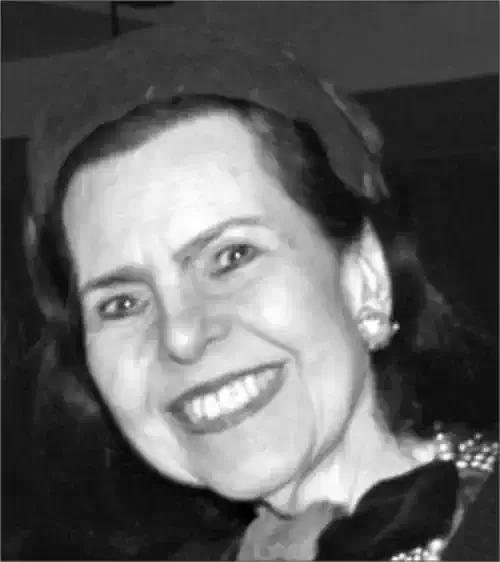
Stella Leonardos
Balada da Chica da Silva
Solo
"Jambá tuca rirá ô quê!
Coro
Jambá catussira rossequê
Solo
Rio, Rio."
— Meu pai, me conta da Chica
— a das estrelas dos antes
das catas de Serro Frio,
Sinhá de José Fernandes
o branco de desvario.
— De quem aquele navio
a um lago absurdo indagando?
Da nega Chica da Silva
Sinhá de José Fernandes.
Não há mar em Serro Frio
mas há, de sobra, diamante.
A nega sentiu capricho
navegante.
Jambá jambi jombô.
Chica da Silva
sonhou
De quem esses atavios
de estrelas não vistas dantes?
Da nega Chica da Silva
Sinhá de José Fernandes.
Não há corte em Serro Frio
mas há, de sobra, diamante.
A nega veste capricho
cintilante.
Jambá jombô jambi.
Chica da Silva
sorri
De quem o olhar de cobiça
e essas garras se ocultando,
ô nega Chica da Silva
sinhá de José Fernandes?
Do hóspede de Serro Frio
onde há, de sobra, diamante.
Do Conde vilão, capricho
vigilante.
Jambi jombô jambá.
Chica da Silva
sinhá.
De quem esses olhos-rios
de saudade rebrilhando?
Da nega Chica da Silva.
Levaram José Fernandes.
(Adeus Chica, e Serro Frio,
e contrato de diamante!)
Ai Chica chorando dia
de amante!
Jambá jambi jombô.
Chica da Silva
chorou.
— E depois: que houve com Chica,
sinhá de José Fernandes,
a nega de Serro Frio?
Será que o que andou chorando
é hoje estrela de rio?
In: LEONARDOS, Stella. Romanceiro da Abolição: poesia. São Paulo: Melhoramentos, 1986
"Jambá tuca rirá ô quê!
Coro
Jambá catussira rossequê
Solo
Rio, Rio."
— Meu pai, me conta da Chica
— a das estrelas dos antes
das catas de Serro Frio,
Sinhá de José Fernandes
o branco de desvario.
— De quem aquele navio
a um lago absurdo indagando?
Da nega Chica da Silva
Sinhá de José Fernandes.
Não há mar em Serro Frio
mas há, de sobra, diamante.
A nega sentiu capricho
navegante.
Jambá jambi jombô.
Chica da Silva
sonhou
De quem esses atavios
de estrelas não vistas dantes?
Da nega Chica da Silva
Sinhá de José Fernandes.
Não há corte em Serro Frio
mas há, de sobra, diamante.
A nega veste capricho
cintilante.
Jambá jombô jambi.
Chica da Silva
sorri
De quem o olhar de cobiça
e essas garras se ocultando,
ô nega Chica da Silva
sinhá de José Fernandes?
Do hóspede de Serro Frio
onde há, de sobra, diamante.
Do Conde vilão, capricho
vigilante.
Jambi jombô jambá.
Chica da Silva
sinhá.
De quem esses olhos-rios
de saudade rebrilhando?
Da nega Chica da Silva.
Levaram José Fernandes.
(Adeus Chica, e Serro Frio,
e contrato de diamante!)
Ai Chica chorando dia
de amante!
Jambá jambi jombô.
Chica da Silva
chorou.
— E depois: que houve com Chica,
sinhá de José Fernandes,
a nega de Serro Frio?
Será que o que andou chorando
é hoje estrela de rio?
In: LEONARDOS, Stella. Romanceiro da Abolição: poesia. São Paulo: Melhoramentos, 1986
1 451
José Bonifácio, o Moço
A Camões
Entre dois sonhos — lida mal sonhada —
De fantasias mil a fantasia
Viveu, como sua alma desvivia
De seus fundos cuidados mal cuidada.
Em lembrança da pátria deslembrada
A glória sua e a glória dela erguia;
Escura noite lhe surgira um dia
Na viva luz da formosura amada.
Partido o coração, a alma partida
Naqueles sonhos, vasta imensidade,
Era-lhe a vida morte e a morte, vida!
Hoje renasce a imortal saudade:
Tem nos versos a pátria aos céus erguida,
E o seu amor num templo — a eternidade.
In: BONIFÁCIO, José, o moço. Poesias. Org. e apres. Alfredo Bosi e Nilo Scalzo. São Paulo: Conselho Estadual de Cultura, 1962. (Poesia, 5).
NOTA: Poema publicado na Revista Brasileira, 10 jun. 188
De fantasias mil a fantasia
Viveu, como sua alma desvivia
De seus fundos cuidados mal cuidada.
Em lembrança da pátria deslembrada
A glória sua e a glória dela erguia;
Escura noite lhe surgira um dia
Na viva luz da formosura amada.
Partido o coração, a alma partida
Naqueles sonhos, vasta imensidade,
Era-lhe a vida morte e a morte, vida!
Hoje renasce a imortal saudade:
Tem nos versos a pátria aos céus erguida,
E o seu amor num templo — a eternidade.
In: BONIFÁCIO, José, o moço. Poesias. Org. e apres. Alfredo Bosi e Nilo Scalzo. São Paulo: Conselho Estadual de Cultura, 1962. (Poesia, 5).
NOTA: Poema publicado na Revista Brasileira, 10 jun. 188
1 529
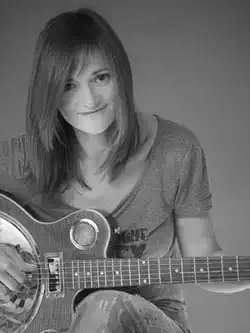
Mafalda Veiga
Cúmplices (para o clube de fãs)
A noite vem às vezes tão perdida
E quase nada parece bater certo
Há qualquer coisa em nós inquieta e ferida
E tudo o que era fundo fica perto
Nem sempre o chão da alma é seguro
Nem sempre o tempo cura qualquer dor
E o sabor a fim do mar que vem do escuro
E tantas vezes o que resta do calor
Se eu fosse a tua pele
Se tu fosses o meu caminho
Se nenhum de nós se sentisse nunca sozinho
Trocamos as palavras mais escondidas
Que só a noite arranca sem doer
Seremos cúmplices o resto da vida
Ou talvez só até amanhecer
Fica tão fácil entregar a alma
A quem nos traga um sopro do deserto
O olhar onde a distância nunca acalma
Esperando o que vier de peito aberto
Se eu fosse a tua pele
Se tu fosses o meu caminho
Se nenhum de nós se sentisse nunca sozinho
E quase nada parece bater certo
Há qualquer coisa em nós inquieta e ferida
E tudo o que era fundo fica perto
Nem sempre o chão da alma é seguro
Nem sempre o tempo cura qualquer dor
E o sabor a fim do mar que vem do escuro
E tantas vezes o que resta do calor
Se eu fosse a tua pele
Se tu fosses o meu caminho
Se nenhum de nós se sentisse nunca sozinho
Trocamos as palavras mais escondidas
Que só a noite arranca sem doer
Seremos cúmplices o resto da vida
Ou talvez só até amanhecer
Fica tão fácil entregar a alma
A quem nos traga um sopro do deserto
O olhar onde a distância nunca acalma
Esperando o que vier de peito aberto
Se eu fosse a tua pele
Se tu fosses o meu caminho
Se nenhum de nós se sentisse nunca sozinho
1 273
Mafalda Veiga
Por Te Rever
Quisera roubar-te essas palavras e morrer
Trazer-te assim até ao fim do que eu puder
E começar um dia mais eternamente
Por te rever, só
Pudesse eu guardar-te nos sentidos e na voz
E descobrir o que será de nós
E demorar um dia mais eternamente
Por te rever, só
Quisera a ternura, calmaria azul do mar
O riso o amor o gosto a sal o sol do olhar
E um lugar pra me espraiar eternamente
Por te rever, só
Pudesse eu ser tempo a respirar no teu abraço
Adormecer e abandonar-me de cansaço
Quisera assim perder-me em mim eternamente
Por te rever, só
Trazer-te assim até ao fim do que eu puder
E começar um dia mais eternamente
Por te rever, só
Pudesse eu guardar-te nos sentidos e na voz
E descobrir o que será de nós
E demorar um dia mais eternamente
Por te rever, só
Quisera a ternura, calmaria azul do mar
O riso o amor o gosto a sal o sol do olhar
E um lugar pra me espraiar eternamente
Por te rever, só
Pudesse eu ser tempo a respirar no teu abraço
Adormecer e abandonar-me de cansaço
Quisera assim perder-me em mim eternamente
Por te rever, só
1 280
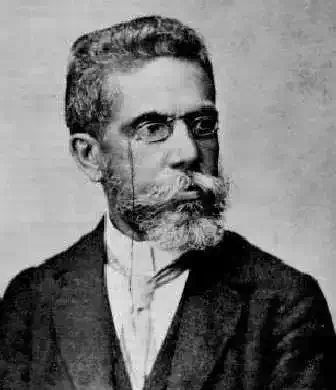
Machado de Assis
Pálida Elvira
A Francisco Paz
Ulysse, jeté sur les rives d'Ithaque, ne les
reconnait pas et pleure sa patrie. Ainsi
l'homme dans le bonheur possédé ne reconnait
pas son rêve et soupire
DANIEL STERN
I
Quando, leitora amiga, no ocidente
Surge a tarde esmaiada e pensativa;
E entre a verde folhagem recendente
Lânguida geme viração lasciva;
E já das tênues sombras do oriente
Vem apontando a noite, e a casta diva
Subindo lentamente pelo espaço,
Do céu, da terra observa o estreito abraço;
II
Nessa hora de amor e de tristeza,
Se acaso não amaste e acaso esperas
Ver coroar-te a juvenil beleza
Casto sonho das tuas primaveras;
Não sentes escapar tua alma acesa
Para voar às lúcidas esferas?
Não sentes nessa mágoa e nesse enleio
Vir morrer-te uma lágrima no seio?
III
Sente-lo? Então entenderás, Elvira,
Que assentada à janela, erguendo o rosto,
O vôo solta à alma que delira
E mergulha no azul de um céu de agosto;
Entenderás então por que suspira,
Vítima já de um íntimo desgosto,
A meiga virgem, pálida e calada,
Sonhadora, ansiosa e namorada.
(...)
VI
Era uma jóia a alcova em que sonhava
Elvira, alma de amor. Tapete fino
De apurado lavor o chão forrava.
De um lado oval espelho cristalino
Pendia. Ao fundo, à sombra, se ocultava
Elegante, engraçado, pequenino
Leito em que, repousando a face bela,
De amor sonhava a pálida donzela.
VII
Não me censure o crítico exigente
O ser pálida a moça é meu costume
Obedecer à lei de toda a gente
Que uma obra compõe de algum volume.
Ora, no nosso caso, é lei vigente
Que um descorado rosto o amor resume.
Não tinha Miss Smolen outras cores;
Não as possui quem sonha com amores.
VIII
Sobre uma mesa havia um livro aberto;
Lamartine, o cantor aéreo e vago,
Que enche de amor um coração deserto;
Tinha-o lido; era a página do Lago.
Amava-o; tinha-o sempre ali bem perto,
Era-lhe o anjo bom, o deus, o orago;
Chorava aos cantos da divina lira...
É que o grande poeta amava Elvira!
IX
Elvira! o mesmo nome! A moça os lia,
Com lágrimas de amor, os versos santos,
Aquela eterna e lânguida harmonia
Formada com suspiros e com prantos;
Quando escutava a musa da elegia
Cantar de Elvira os mágicos encantos,
Entrava-lhe a voar a alma inquieta,
E com o amor sonhava de um poeta.
Imagem - 00010005
Publicado no livro Falenas: Vária, Lira Chinesa, Uma Ode a Anacreonte, Pálida Elvira (1870). Poema integrante da série Pálida Elvira.
In: ASSIS, Machado de. Obra completa. Org. Afrânio Coutinho. Rio de Janeiro: Nova Aguilar, 1994. v.3, p.69-71. (Biblioteca luso-brasileira. Série brasileira).
NOTA: Poema composto de 97 oitavas
Ulysse, jeté sur les rives d'Ithaque, ne les
reconnait pas et pleure sa patrie. Ainsi
l'homme dans le bonheur possédé ne reconnait
pas son rêve et soupire
DANIEL STERN
I
Quando, leitora amiga, no ocidente
Surge a tarde esmaiada e pensativa;
E entre a verde folhagem recendente
Lânguida geme viração lasciva;
E já das tênues sombras do oriente
Vem apontando a noite, e a casta diva
Subindo lentamente pelo espaço,
Do céu, da terra observa o estreito abraço;
II
Nessa hora de amor e de tristeza,
Se acaso não amaste e acaso esperas
Ver coroar-te a juvenil beleza
Casto sonho das tuas primaveras;
Não sentes escapar tua alma acesa
Para voar às lúcidas esferas?
Não sentes nessa mágoa e nesse enleio
Vir morrer-te uma lágrima no seio?
III
Sente-lo? Então entenderás, Elvira,
Que assentada à janela, erguendo o rosto,
O vôo solta à alma que delira
E mergulha no azul de um céu de agosto;
Entenderás então por que suspira,
Vítima já de um íntimo desgosto,
A meiga virgem, pálida e calada,
Sonhadora, ansiosa e namorada.
(...)
VI
Era uma jóia a alcova em que sonhava
Elvira, alma de amor. Tapete fino
De apurado lavor o chão forrava.
De um lado oval espelho cristalino
Pendia. Ao fundo, à sombra, se ocultava
Elegante, engraçado, pequenino
Leito em que, repousando a face bela,
De amor sonhava a pálida donzela.
VII
Não me censure o crítico exigente
O ser pálida a moça é meu costume
Obedecer à lei de toda a gente
Que uma obra compõe de algum volume.
Ora, no nosso caso, é lei vigente
Que um descorado rosto o amor resume.
Não tinha Miss Smolen outras cores;
Não as possui quem sonha com amores.
VIII
Sobre uma mesa havia um livro aberto;
Lamartine, o cantor aéreo e vago,
Que enche de amor um coração deserto;
Tinha-o lido; era a página do Lago.
Amava-o; tinha-o sempre ali bem perto,
Era-lhe o anjo bom, o deus, o orago;
Chorava aos cantos da divina lira...
É que o grande poeta amava Elvira!
IX
Elvira! o mesmo nome! A moça os lia,
Com lágrimas de amor, os versos santos,
Aquela eterna e lânguida harmonia
Formada com suspiros e com prantos;
Quando escutava a musa da elegia
Cantar de Elvira os mágicos encantos,
Entrava-lhe a voar a alma inquieta,
E com o amor sonhava de um poeta.
Imagem - 00010005
Publicado no livro Falenas: Vária, Lira Chinesa, Uma Ode a Anacreonte, Pálida Elvira (1870). Poema integrante da série Pálida Elvira.
In: ASSIS, Machado de. Obra completa. Org. Afrânio Coutinho. Rio de Janeiro: Nova Aguilar, 1994. v.3, p.69-71. (Biblioteca luso-brasileira. Série brasileira).
NOTA: Poema composto de 97 oitavas
2 178
Mafalda Veiga
Por todo este mundo
Saiu à rua, indiferente
Seguiu pra longe
Longe do olhar de toda a gente
Na luz intacta da madrugada
Seguiu sem norte e sem estrada
Descalça na terra molhada
Despiu o corpo e o pensamento
Seguiu o vento
Esqueceu a mágoa de acabar
E o tempo perdeu-se do tempo
E o chão raso fez-se mar
No mundo que somos por dentro
Por todo este mundo
Enquanto o sonho existir
E nos levar até ao fim
De tudo o que há pra sentir
Tudo o que há pra sentir
Segui o rasto do calor
Na areia quente
O sol doía como o fogo
Incendiou a cor do dia
Levou no corpo a ventania
E um beijo roubado do amor
Por todo este mundo
Enquanto o sonho existir
E nos levar até ao fim
De tudo o que há pra sentir
Tudo o que há pra sentir.
Seguiu pra longe
Longe do olhar de toda a gente
Na luz intacta da madrugada
Seguiu sem norte e sem estrada
Descalça na terra molhada
Despiu o corpo e o pensamento
Seguiu o vento
Esqueceu a mágoa de acabar
E o tempo perdeu-se do tempo
E o chão raso fez-se mar
No mundo que somos por dentro
Por todo este mundo
Enquanto o sonho existir
E nos levar até ao fim
De tudo o que há pra sentir
Tudo o que há pra sentir
Segui o rasto do calor
Na areia quente
O sol doía como o fogo
Incendiou a cor do dia
Levou no corpo a ventania
E um beijo roubado do amor
Por todo este mundo
Enquanto o sonho existir
E nos levar até ao fim
De tudo o que há pra sentir
Tudo o que há pra sentir.
1 106
Mafalda Veiga
Escuro e Luar
Feitos de chão, de chuva e sonho
Fora do tempo
Despedaçado o que fica de nós
Nas batalhas sentidas cá dentro
Por isso é que eu sigo esse brilho de noite
Que é estrela ou chama
Olhar ou mar
E vou procurar essa luz
Mas só quero lá chegar contigo
Feitos de tempo em mil pedaços
De escuro e luar
Há uma noite que é escolhida pra ser
Essa noite que se há-de guardar
Por isso é que eu sigo esse brilho ou calor
Que é estrela ou chama
Ou tu em mim
E vou pra poder descobrir
Quem é que ainda sou contigo
Dispo o cansaço e recomeço
Mais uma vez
Há um sorriso que nos salva do frio
E recolhe o que a vida desfez
Se me desarmo noutro feitiço
Num outro olhar
Há um abrigo que não deixa morrer
Quem nós somos e o que temos pra dar
Por isso é que eu sigo esse brilho da noite
Que és tu em mim
Ou quem fui
E vou pra poder descobrir
Quem é que ainda sou contigo
Fora do tempo
Despedaçado o que fica de nós
Nas batalhas sentidas cá dentro
Por isso é que eu sigo esse brilho de noite
Que é estrela ou chama
Olhar ou mar
E vou procurar essa luz
Mas só quero lá chegar contigo
Feitos de tempo em mil pedaços
De escuro e luar
Há uma noite que é escolhida pra ser
Essa noite que se há-de guardar
Por isso é que eu sigo esse brilho ou calor
Que é estrela ou chama
Ou tu em mim
E vou pra poder descobrir
Quem é que ainda sou contigo
Dispo o cansaço e recomeço
Mais uma vez
Há um sorriso que nos salva do frio
E recolhe o que a vida desfez
Se me desarmo noutro feitiço
Num outro olhar
Há um abrigo que não deixa morrer
Quem nós somos e o que temos pra dar
Por isso é que eu sigo esse brilho da noite
Que és tu em mim
Ou quem fui
E vou pra poder descobrir
Quem é que ainda sou contigo
1 176
Mafalda Veiga
Procura por mim
Quando for já logo à noite na praia
Com o sol a derreter-se enfim
Procura por mim
Com o vento por saia
E em lugar de suor o sargaço.
Eu estarei quieto e assim sozinho
Cheio das dúvidas do universo
À tua espera
A desenhar o caminho
Para te escrever em verso
No meu regaço.
O abraço.
Com o sol a derreter-se enfim
Procura por mim
Com o vento por saia
E em lugar de suor o sargaço.
Eu estarei quieto e assim sozinho
Cheio das dúvidas do universo
À tua espera
A desenhar o caminho
Para te escrever em verso
No meu regaço.
O abraço.
1 349
Mafalda Veiga
Gente Perdida
Eu fui devagarinho
Com medo de falhar
Não fosse esse o caminho certo
Para te encontrar
Fui descobrindo devagar
Cada sorriso teu
Fui aprendendo a procurar
Por entre sonhos meus
Eu fui assim chegando
Sem entender porquê
Já foram tantas vezes tantas
Assim como esta vez
Mas é mais fundo o teu olhar
Mais do que eu sei dizer
É um abrigo pra voltar
Ou um mar para me perder
Lá fora o vento
Nem sempre sabe a liberdade
A gente finge
Mas sabe o que não é verdade
Foge ao vazio
Enquanto brinda, dança e salta
Eu trago-te comigo
E sinto tanto, tanto a tua falta
Eu fui entrando pouco a pouco
Abri a porta e vi
Que havia lume aceso
E um lugar pra mim
Quase me assusta descobrir
Que foi este sabor
Que a vida inteira procurei
Entra a paixão e a dor
Lá fora o vento
Nem sempre sabe a liberdade
Gente perdida
Balança entre o sonho e a verdade
Foge ao vazio
Enquanto brinda, dança e salta
Eu trago-te comigo
E sinto tanto, tanto a tua falta
Lá fora o vento
Nem sempre sabe a liberdade
Gente perdida
Balança entre o sonho e a verdade
Foge ao vazio
Enquanto brinda, dança e salta
Eu trago-te comigo
E guardo este abraço só para ti
Com medo de falhar
Não fosse esse o caminho certo
Para te encontrar
Fui descobrindo devagar
Cada sorriso teu
Fui aprendendo a procurar
Por entre sonhos meus
Eu fui assim chegando
Sem entender porquê
Já foram tantas vezes tantas
Assim como esta vez
Mas é mais fundo o teu olhar
Mais do que eu sei dizer
É um abrigo pra voltar
Ou um mar para me perder
Lá fora o vento
Nem sempre sabe a liberdade
A gente finge
Mas sabe o que não é verdade
Foge ao vazio
Enquanto brinda, dança e salta
Eu trago-te comigo
E sinto tanto, tanto a tua falta
Eu fui entrando pouco a pouco
Abri a porta e vi
Que havia lume aceso
E um lugar pra mim
Quase me assusta descobrir
Que foi este sabor
Que a vida inteira procurei
Entra a paixão e a dor
Lá fora o vento
Nem sempre sabe a liberdade
Gente perdida
Balança entre o sonho e a verdade
Foge ao vazio
Enquanto brinda, dança e salta
Eu trago-te comigo
E sinto tanto, tanto a tua falta
Lá fora o vento
Nem sempre sabe a liberdade
Gente perdida
Balança entre o sonho e a verdade
Foge ao vazio
Enquanto brinda, dança e salta
Eu trago-te comigo
E guardo este abraço só para ti
1 552
Mafalda Veiga
Nalgum Lugar Perdido
Olhar-te um pouco
Enquanto acaba a noite
Enquanto ainda nenhum gesto te magoa
E o mundo for aquilo que sonhares
Nesse lugar só teu
Olhar-te um pouco
Como se fosse sempre
Até ao fim do tempo, até amanhecer
E a luz deixar entrar o mundo inteiro
E o sonho se esconder
Nalgum lugar perdido
Vou procurar sempre por ti
Há sempre no escuro um brilho
Um luar
Nalgum lugar esquecido
Eu vou esperar sempre por ti
Enquanto dormes
Por um momento à noite
É um tempo ausente que te deixa demorar
Sem guerras nem batalhas pra vencer
Nem dias pra rasgar
Eu fico um pouco
Por dentro dos desejos
Por mil caminhos que são mastros e horizontes
Tão livres como estrelas sobre os mares
E atalhos pelos montes
Nalgum lugar perdido
Vou procurar sempre por ti
Há sempre no escuro um brilho
Um luar
Nalgum lugar esquecido
Eu vou esperar sempre por ti
Enquanto acaba a noite
Enquanto ainda nenhum gesto te magoa
E o mundo for aquilo que sonhares
Nesse lugar só teu
Olhar-te um pouco
Como se fosse sempre
Até ao fim do tempo, até amanhecer
E a luz deixar entrar o mundo inteiro
E o sonho se esconder
Nalgum lugar perdido
Vou procurar sempre por ti
Há sempre no escuro um brilho
Um luar
Nalgum lugar esquecido
Eu vou esperar sempre por ti
Enquanto dormes
Por um momento à noite
É um tempo ausente que te deixa demorar
Sem guerras nem batalhas pra vencer
Nem dias pra rasgar
Eu fico um pouco
Por dentro dos desejos
Por mil caminhos que são mastros e horizontes
Tão livres como estrelas sobre os mares
E atalhos pelos montes
Nalgum lugar perdido
Vou procurar sempre por ti
Há sempre no escuro um brilho
Um luar
Nalgum lugar esquecido
Eu vou esperar sempre por ti
1 050
Mafalda Veiga
No Rasto do Sol
Duas luas no céu e duas canções
Dois olhares que se cruzam a procurar
Um sol um luar
E todos os lugares onde a luz se pode abraçar
Doze luas em ti e sete marés
Sete barcos navegam a procurar
Um porto uma praia
Talvez no fim do mar onde alguém nos venha esperar
Vem comigo no rasto de sol
Eu vou contigo
Vem comigo do outro lado das muralhas
Eu vou contigo
Duas luas no céu na palma da mão
Dois olhares que se entregam até ao fim
Do corpo e da alma
Em todos os lugares onde o mundo me fala de ti
À tua volta há luz de sete luares
Sete barcos navegam para encontrar
Um fogo um calor
Talvez no fim de tudo haja força pra recomeçar
Vem comigo no rasto de sol
Eu vou contigo
Vem comigo do outro lado das muralhas
Eu vou contigo
Duas luas no céu e duas canções
Dois olhares que se cruzam a procurar
Um sol um luar
E todos os lugares onde a luz se pode abraçar
Vem comigo no rasto de sol
Eu vou contigo
Vem comigo do outro lado das muralhas
Eu vou contigo
Dois olhares que se cruzam a procurar
Um sol um luar
E todos os lugares onde a luz se pode abraçar
Doze luas em ti e sete marés
Sete barcos navegam a procurar
Um porto uma praia
Talvez no fim do mar onde alguém nos venha esperar
Vem comigo no rasto de sol
Eu vou contigo
Vem comigo do outro lado das muralhas
Eu vou contigo
Duas luas no céu na palma da mão
Dois olhares que se entregam até ao fim
Do corpo e da alma
Em todos os lugares onde o mundo me fala de ti
À tua volta há luz de sete luares
Sete barcos navegam para encontrar
Um fogo um calor
Talvez no fim de tudo haja força pra recomeçar
Vem comigo no rasto de sol
Eu vou contigo
Vem comigo do outro lado das muralhas
Eu vou contigo
Duas luas no céu e duas canções
Dois olhares que se cruzam a procurar
Um sol um luar
E todos os lugares onde a luz se pode abraçar
Vem comigo no rasto de sol
Eu vou contigo
Vem comigo do outro lado das muralhas
Eu vou contigo
1 321
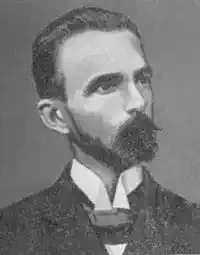
Raimundo Correia
Julieta
A loura Julieta enamorada,
Triste, lânguida, pálida, abatida,
Aparece radiante na sacada
Dos raios brancos do luar ferida.
Engolfa o olhar na sombra condensada,
Perscruta, busca em torno... e na avenida
Surge Romeu; da valerosa espada
Esplende a clara lâmina polida...
Sente-se o arfar de sôfregos desejos,
Estoura no ar um turbilhão de beijos,
Mas o dia reponta!... Ó indiscreta
Da cotovia matinal garganta!
Ó perigo do amor, que o amor quebranta!
Ó noites de Verona! Ó Julieta!
Publicado no livro Sinfonias (1882). Último da série Perfis Românticos, constituída por oito sonetos.
In: CORREIA, Raimundo. Poesias completas. Org. pref. e notas Múcio Leão. São Paulo: Ed. Nacional, 1948. v.2, p.149
Triste, lânguida, pálida, abatida,
Aparece radiante na sacada
Dos raios brancos do luar ferida.
Engolfa o olhar na sombra condensada,
Perscruta, busca em torno... e na avenida
Surge Romeu; da valerosa espada
Esplende a clara lâmina polida...
Sente-se o arfar de sôfregos desejos,
Estoura no ar um turbilhão de beijos,
Mas o dia reponta!... Ó indiscreta
Da cotovia matinal garganta!
Ó perigo do amor, que o amor quebranta!
Ó noites de Verona! Ó Julieta!
Publicado no livro Sinfonias (1882). Último da série Perfis Românticos, constituída por oito sonetos.
In: CORREIA, Raimundo. Poesias completas. Org. pref. e notas Múcio Leão. São Paulo: Ed. Nacional, 1948. v.2, p.149
2 219
Mafalda Veiga
Fonte dos Deuses
A lua dança na mata
Até despontar o dia
Andam ninfas na cascata
E os deuses em romaria
E os bravos guerreiro mouros
Cravam lanças ao luar
Pra afugentar maus agouros
Como a fonte a transbordar
Rio aberto, quase mar
Acaba todo o sossego
Inundada a pradaria
Se os deuses contam segredos
E água vem que não devi
E os bravos guerreiros
Cravam lanças ao luar
Pra afugentar maus agouros
Como a fonte a transbordar
Rio aberto, quase mar
E estava a princesa moura
A beber água na fonte
Onde a vida é uma espora
Cravada no horizonte
Todo o dia a toda a hora
Sempre vem o trovador
Cantar à princesa moura
E a toda a moirama em flor
Ai toda a moura é uma flor
Cantaria à luz do fogo
Se me fosse perdoado
Pelos deuses todo o sonho
Toda a falta de cuidado
Mas nem sempre acorda a chama
Onde a noite é demorada
Enquanto os deuses recolhem
Água em fonte transbordada
Luz em noite enluarada
E estava a princesa moura
A beber água na fonte
Onde a vida é uma espora
Cravada no horizonte
Todo o dia a toda a hora
Sempre vem o trovador
Cantar à princesa moura
E a toda a moirama em flor
Ai toda a moura é uma flor
Toco na lira dos deuses
Pela margem da ribeira
É esse o riso dos deuses
E das caraças da feira
Dias de amor nunca esquecem
Tirando algum que esqueceu
Quando os deuses enlouquecem
E arrancam estrelas do céu
E deixam noites de breu
E estava a princesa moura
A beber água na fonte
Onde a vida é uma espora
Cravada no horizonte
Todo o dia a toda a hora
Sempre vem o trovador
Cantar à princesa moura
E a toda a moirama em flor
Ai toda a moura é uma flor
Até despontar o dia
Andam ninfas na cascata
E os deuses em romaria
E os bravos guerreiro mouros
Cravam lanças ao luar
Pra afugentar maus agouros
Como a fonte a transbordar
Rio aberto, quase mar
Acaba todo o sossego
Inundada a pradaria
Se os deuses contam segredos
E água vem que não devi
E os bravos guerreiros
Cravam lanças ao luar
Pra afugentar maus agouros
Como a fonte a transbordar
Rio aberto, quase mar
E estava a princesa moura
A beber água na fonte
Onde a vida é uma espora
Cravada no horizonte
Todo o dia a toda a hora
Sempre vem o trovador
Cantar à princesa moura
E a toda a moirama em flor
Ai toda a moura é uma flor
Cantaria à luz do fogo
Se me fosse perdoado
Pelos deuses todo o sonho
Toda a falta de cuidado
Mas nem sempre acorda a chama
Onde a noite é demorada
Enquanto os deuses recolhem
Água em fonte transbordada
Luz em noite enluarada
E estava a princesa moura
A beber água na fonte
Onde a vida é uma espora
Cravada no horizonte
Todo o dia a toda a hora
Sempre vem o trovador
Cantar à princesa moura
E a toda a moirama em flor
Ai toda a moura é uma flor
Toco na lira dos deuses
Pela margem da ribeira
É esse o riso dos deuses
E das caraças da feira
Dias de amor nunca esquecem
Tirando algum que esqueceu
Quando os deuses enlouquecem
E arrancam estrelas do céu
E deixam noites de breu
E estava a princesa moura
A beber água na fonte
Onde a vida é uma espora
Cravada no horizonte
Todo o dia a toda a hora
Sempre vem o trovador
Cantar à princesa moura
E a toda a moirama em flor
Ai toda a moura é uma flor
1 174
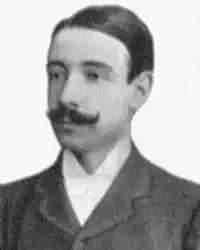
Alberto de Oliveira
Terceiro Canto
I
Embala-me, balanço da mangueira,
Embala-me, que enquanto vou contigo,
Contigo venho, o meu pesar esqueço.
Rompe a luz da manhã rosada e linda,
Tudo desperta. E essa por quem padeço,
Lânguida e preguiçosa,
Entre brancos lençóis repousa ainda.
Embala-me, pendente da mangueira,
Na tensa corda, meu balanço amigo!
Em claro a noite inteira
Passei, pensando nela. Ah! que formosa
Estava ontem à tarde no mirante,
Um livro ao colo, às tranças uma rosa,
E o olhar perdido na amplidão distante!
Pensava... Em quem pensava?
Se fosse em mim... Como formosa estava!
Oh! não pausado e manso,
Mas aos arrancos, estirado voa,
Leva-me, meu balanço!
II
Assim cismando, à toa,
Olhos voltados já para a querida
Visão de Laura, já para o céu claro,
Para o campo e arredores,
A manhã passo. Sobre a serra erguida
Em frente nasce e, coroando-a, brilha
O sol. Loureja o ipê com as áureas flores.
Late nos grotões fundos, indo ao faro
Da caça, ao buzinar dos caçadores,
Da fazenda a matilha.
E no ar que sopra dos capões escuros,
Sente-se, de mistura a essências finas
E ao cheiro das resinas,
Um sabor acre de cajás maduros.
III
Cajás! Não é que lembra à Laura um dia
(Que dia claro! esplende o mato e cheira!)
Chamar-me para em sua companhia
Saboreá-los sob a cajazeira!
— Vamos sós? perguntei-lhe. E a feiticeira:
— Então! tens medo de ir comigo? — E ria.
Compõe as tranças, salta-me ligeira
Ao braço, o braço no meu braço enfia.
— Uma carreira! — Uma carreira! — Aposto!
A um sinal breve dado de partida,
Corremos. Zune o vento em nosso rosto.
Mas eu me deixo atrás ficar, correndo,
Pois mais vale que a aposta da corrida
Ver-lhe as saias a voar, como vou vendo.
Imagem - 00020004
Publicado no livro Poesias: segunda série. Poema integrante da série Alma em Flor, 1900.
In: OLIVEIRA, Alberto de. Poesias completas. Ed. crít. Marco Aurélio Mello Reis. Rio de Janeiro: Núcleo Ed. da UERJ, 1978. v.2. (Fluminense)
NOTA: Alma em Flor é composto de 3 cantos. O terceiro tem 17 parte
Embala-me, balanço da mangueira,
Embala-me, que enquanto vou contigo,
Contigo venho, o meu pesar esqueço.
Rompe a luz da manhã rosada e linda,
Tudo desperta. E essa por quem padeço,
Lânguida e preguiçosa,
Entre brancos lençóis repousa ainda.
Embala-me, pendente da mangueira,
Na tensa corda, meu balanço amigo!
Em claro a noite inteira
Passei, pensando nela. Ah! que formosa
Estava ontem à tarde no mirante,
Um livro ao colo, às tranças uma rosa,
E o olhar perdido na amplidão distante!
Pensava... Em quem pensava?
Se fosse em mim... Como formosa estava!
Oh! não pausado e manso,
Mas aos arrancos, estirado voa,
Leva-me, meu balanço!
II
Assim cismando, à toa,
Olhos voltados já para a querida
Visão de Laura, já para o céu claro,
Para o campo e arredores,
A manhã passo. Sobre a serra erguida
Em frente nasce e, coroando-a, brilha
O sol. Loureja o ipê com as áureas flores.
Late nos grotões fundos, indo ao faro
Da caça, ao buzinar dos caçadores,
Da fazenda a matilha.
E no ar que sopra dos capões escuros,
Sente-se, de mistura a essências finas
E ao cheiro das resinas,
Um sabor acre de cajás maduros.
III
Cajás! Não é que lembra à Laura um dia
(Que dia claro! esplende o mato e cheira!)
Chamar-me para em sua companhia
Saboreá-los sob a cajazeira!
— Vamos sós? perguntei-lhe. E a feiticeira:
— Então! tens medo de ir comigo? — E ria.
Compõe as tranças, salta-me ligeira
Ao braço, o braço no meu braço enfia.
— Uma carreira! — Uma carreira! — Aposto!
A um sinal breve dado de partida,
Corremos. Zune o vento em nosso rosto.
Mas eu me deixo atrás ficar, correndo,
Pois mais vale que a aposta da corrida
Ver-lhe as saias a voar, como vou vendo.
Imagem - 00020004
Publicado no livro Poesias: segunda série. Poema integrante da série Alma em Flor, 1900.
In: OLIVEIRA, Alberto de. Poesias completas. Ed. crít. Marco Aurélio Mello Reis. Rio de Janeiro: Núcleo Ed. da UERJ, 1978. v.2. (Fluminense)
NOTA: Alma em Flor é composto de 3 cantos. O terceiro tem 17 parte
2 452
Mafalda Veiga
Saltimbanco Louco
Não me ensines os caminhos
quero rasgá-los no meu peito
quando aprendemos sozinhos
parece que há mais direito
A ter inteira a tua alma
roubar-ta quando não esperas
e abraçar-te no colo sem saberes
como se faz a um amor que se perdera
Assim andarás comigo
quando de ti não souberes
e não te ensino os caminhos
para tomares os rumos que quiseres
Tenho a alma desvastada
de um sentimento sem fundo
e sou como um saltimbanco louco
que por quase, quase nada
se entrega ao mundo
quero rasgá-los no meu peito
quando aprendemos sozinhos
parece que há mais direito
A ter inteira a tua alma
roubar-ta quando não esperas
e abraçar-te no colo sem saberes
como se faz a um amor que se perdera
Assim andarás comigo
quando de ti não souberes
e não te ensino os caminhos
para tomares os rumos que quiseres
Tenho a alma desvastada
de um sentimento sem fundo
e sou como um saltimbanco louco
que por quase, quase nada
se entrega ao mundo
1 043
Mafalda Veiga
Soslaio
húmido canto da boca
húmido olhar de soslaio
fresco de verde molhado
gotas de verde luar
riso no canto da boca
tão descarado no olhar
da cor bonita de Maio
húmido olhar de soslaio
sol que amormece na pele
gato a dormir na janela
o meu amor enroscado
em linho, meiguice e mel
sonhos no rubro dos lábios
fresco de verde molhado
da côr intensa de Maio
húmido olhar de soslaio
faz-me comichão na alma
o azul do olhar roçando
o riso que põe bricando
no canto da minha boca
riso de luar molhado
seus olhos do azul de Maio
húmido canto da boca
húmido olhar de soslaio
húmido olhar de soslaio
fresco de verde molhado
gotas de verde luar
riso no canto da boca
tão descarado no olhar
da cor bonita de Maio
húmido olhar de soslaio
sol que amormece na pele
gato a dormir na janela
o meu amor enroscado
em linho, meiguice e mel
sonhos no rubro dos lábios
fresco de verde molhado
da côr intensa de Maio
húmido olhar de soslaio
faz-me comichão na alma
o azul do olhar roçando
o riso que põe bricando
no canto da minha boca
riso de luar molhado
seus olhos do azul de Maio
húmido canto da boca
húmido olhar de soslaio
1 413
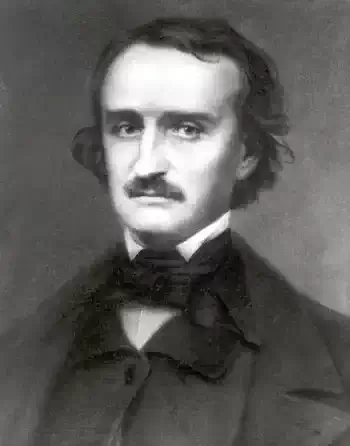
Edgar Allan Poe
To
For her these lines are penned, whose luminous eyes,
Brightly expressive as the starts of Leda,
Shall find her own sweet name that, nestling, lies
Upon the page, enwrapped from every reader.
Search narrowly these words, which hold a treasure
Divine — a talisman, an amulet
That must be worn at heart. Search well the measure —
The words — the letters themselves. Do not forget
The smallest point, or you may lose your labor.
And yet there is in this no gordian knot
Which one might not undo without a sabre
If one could merely comprehend the plot.
Upon the open page on which are peering
Such sweet eyes now, there lies, I say, perdus,
A musical name oft uttered in the hearing
Of poets, by poets — for the name is a poet's too.
In common sequence set, the letters lying,
Compose a sound delighting all to hear —
Ah, this you'd have no trouble in descrying
Were you not something, of a dunce, my dear —
And now I leave these riddles to their Seer.
1846
Brightly expressive as the starts of Leda,
Shall find her own sweet name that, nestling, lies
Upon the page, enwrapped from every reader.
Search narrowly these words, which hold a treasure
Divine — a talisman, an amulet
That must be worn at heart. Search well the measure —
The words — the letters themselves. Do not forget
The smallest point, or you may lose your labor.
And yet there is in this no gordian knot
Which one might not undo without a sabre
If one could merely comprehend the plot.
Upon the open page on which are peering
Such sweet eyes now, there lies, I say, perdus,
A musical name oft uttered in the hearing
Of poets, by poets — for the name is a poet's too.
In common sequence set, the letters lying,
Compose a sound delighting all to hear —
Ah, this you'd have no trouble in descrying
Were you not something, of a dunce, my dear —
And now I leave these riddles to their Seer.
1846
1 189
Edgar Allan Poe
To One in Paradise
Thou wast all that to me, love,
For which my soul did pine-
A green isle in the sea, love,
A fountain and a shrine,
All wreathed with fairy fruits and flowers,
And all the flowers were mine.
Ah, dream too bright to last!
Ah, starry Hope! that didst arise
But to be overcast!
A voice from out the Future cries,
"Onward!"- but o'er the Past
(Dim gulf!) my spirit hovering lies
Mute, motionless, aghast!
For, alas! alas! with me
The light of life is o'er!
"No more-- no more-- no more,"
(Such language holds the solemn sea
To the sands upon the shore)
Shall bloom the thunder-blasted tree
Or the stricken eagle soar!
And all my hours are trances,
And all my nightly dreams
Are where thy dark eye glances,
And where thy footstep gleams-
In what ethereal dances,
By what Italian streams.
Alas! for that accursed time
They bore thee o'er the billow,
From Love to titled age and crime,
And an unholy pillow!--
From me, and from our misty clime,
Where weeps the silver willow!
1834
For which my soul did pine-
A green isle in the sea, love,
A fountain and a shrine,
All wreathed with fairy fruits and flowers,
And all the flowers were mine.
Ah, dream too bright to last!
Ah, starry Hope! that didst arise
But to be overcast!
A voice from out the Future cries,
"Onward!"- but o'er the Past
(Dim gulf!) my spirit hovering lies
Mute, motionless, aghast!
For, alas! alas! with me
The light of life is o'er!
"No more-- no more-- no more,"
(Such language holds the solemn sea
To the sands upon the shore)
Shall bloom the thunder-blasted tree
Or the stricken eagle soar!
And all my hours are trances,
And all my nightly dreams
Are where thy dark eye glances,
And where thy footstep gleams-
In what ethereal dances,
By what Italian streams.
Alas! for that accursed time
They bore thee o'er the billow,
From Love to titled age and crime,
And an unholy pillow!--
From me, and from our misty clime,
Where weeps the silver willow!
1834
1 362
Edgar Allan Poe
To Helen [Sarah Helen Whitman
I saw thee once— once only — years ago:
I must not say how many — but not many.
It was a July midnight; and from out
A full-orbed moon, that, like thine own soul, soaring,
Sought a precipitate pathway up through heaven,
There fell a silvery-silken veil of light,
With quietude, and sultriness, and slumber,
Upon the upturned faces of a thousand
Roses that grew in an enchanted garden,
Where no wind dared to stir, unless on tiptoe —
Fell on the upturn'd faces of these roses
That gave out, in return for the love-light,
Their odorous souls in an ecstatic death —
Fell on the upturn'd faces of these roses
That smiled and died in this parterre, enchanted
By thee, and by the poetry of thy presence.
Clad all in white, upon a violet bank
I saw thee half reclining; while the moon
Fell on the upturn'd faces of the roses,
And on thine own, upturn'd— alas, in sorrow!
Was it not Fate, that, on this July midnight—
Was it not Fate, (whose name is also Sorrow,)
That bade me pause before that garden-gate,
To breathe the incense of those slumbering roses?
No footstep stirred: the hated world an slept,
Save only thee and me. (Oh, Heaven!— oh, God!
How my heart beats in coupling those two words!)
Save only thee and me. I paused— I looked—
And in an instant all things disappeared.
(Ah, bear in mind this garden was enchanted!)
The pearly lustre of the moon went out:
The mossy banks and the meandering paths,
The happy flowers and the repining trees,
Were seen no more: the very roses' odors
Died in the arms of the adoring airs.
All— all expired save thee— save less than thou:
Save only the divine light in thine eyes—
Save but the soul in thine uplifted eyes.
I saw but them— they were the world to me!
I saw but them— saw only them for hours,
Saw only them until the moon went down.
What wild heart-histories seemed to he enwritten
Upon those crystalline, celestial spheres!
How dark a woe, yet how sublime a hope!
How silently serene a sea of pride!
How daring an ambition; yet how deep—
How fathomless a capacity for love!
But now, at length, dear Dian sank from sight,
Into a western couch of thunder-cloud;
And thou, a ghost, amid the entombing trees
Didst glide away. Only thine eyes remained;
They would not go— they never yet have gone;
Lighting my lonely pathway home that night,
They have not left me (as my hopes have) since;
They follow me— they lead me through the years.
They are my ministers — yet I their slave.
Their office is to illumine and enkindle —
My duty, to be saved by their bright light,
And purified in their electric fire,
And sanctified in their elysian fire.
They fill my soul with Beauty (which is Hope),
And are far up in Heaven — the stars I kneel to
In the sad, silent watches of my night;
While even in the meridian glare of day
I see them still — two sweetly scintillant
Venuses, unextinguished by the sun!
1850
I must not say how many — but not many.
It was a July midnight; and from out
A full-orbed moon, that, like thine own soul, soaring,
Sought a precipitate pathway up through heaven,
There fell a silvery-silken veil of light,
With quietude, and sultriness, and slumber,
Upon the upturned faces of a thousand
Roses that grew in an enchanted garden,
Where no wind dared to stir, unless on tiptoe —
Fell on the upturn'd faces of these roses
That gave out, in return for the love-light,
Their odorous souls in an ecstatic death —
Fell on the upturn'd faces of these roses
That smiled and died in this parterre, enchanted
By thee, and by the poetry of thy presence.
Clad all in white, upon a violet bank
I saw thee half reclining; while the moon
Fell on the upturn'd faces of the roses,
And on thine own, upturn'd— alas, in sorrow!
Was it not Fate, that, on this July midnight—
Was it not Fate, (whose name is also Sorrow,)
That bade me pause before that garden-gate,
To breathe the incense of those slumbering roses?
No footstep stirred: the hated world an slept,
Save only thee and me. (Oh, Heaven!— oh, God!
How my heart beats in coupling those two words!)
Save only thee and me. I paused— I looked—
And in an instant all things disappeared.
(Ah, bear in mind this garden was enchanted!)
The pearly lustre of the moon went out:
The mossy banks and the meandering paths,
The happy flowers and the repining trees,
Were seen no more: the very roses' odors
Died in the arms of the adoring airs.
All— all expired save thee— save less than thou:
Save only the divine light in thine eyes—
Save but the soul in thine uplifted eyes.
I saw but them— they were the world to me!
I saw but them— saw only them for hours,
Saw only them until the moon went down.
What wild heart-histories seemed to he enwritten
Upon those crystalline, celestial spheres!
How dark a woe, yet how sublime a hope!
How silently serene a sea of pride!
How daring an ambition; yet how deep—
How fathomless a capacity for love!
But now, at length, dear Dian sank from sight,
Into a western couch of thunder-cloud;
And thou, a ghost, amid the entombing trees
Didst glide away. Only thine eyes remained;
They would not go— they never yet have gone;
Lighting my lonely pathway home that night,
They have not left me (as my hopes have) since;
They follow me— they lead me through the years.
They are my ministers — yet I their slave.
Their office is to illumine and enkindle —
My duty, to be saved by their bright light,
And purified in their electric fire,
And sanctified in their elysian fire.
They fill my soul with Beauty (which is Hope),
And are far up in Heaven — the stars I kneel to
In the sad, silent watches of my night;
While even in the meridian glare of day
I see them still — two sweetly scintillant
Venuses, unextinguished by the sun!
1850
1 885
Edgar Allan Poe
A Valentine
For her this rhyme is penned, whose luminous eyes,
Brightly expressive as the twins of Leda,
Shall find her own sweet name, that nestling lies
Upon the page, enwrapped from every reader.
Search narrowly the lines!— they hold a treasure
Divine— a talisman— an amulet
That must be worn at heart. Search well the measure—
The words— the syllables! Do not forget
The trivialest point, or you may lose your labor
And yet there is in this no Gordian knot
Which one might not undo without a sabre,
If one could merely comprehend the plot.
Enwritten upon the leaf where now are peering
Eyes scintillating soul, there lie perdus
Three eloquent words oft uttered in the hearing
Of poets, by poets— as the name is a poet's, too,
Its letters, although naturally lying
Like the knight Pinto— Mendez Ferdinando—
Still form a synonym for Truth— Cease trying!
You will not read the riddle,
though you do the best you can do.
1848
Brightly expressive as the twins of Leda,
Shall find her own sweet name, that nestling lies
Upon the page, enwrapped from every reader.
Search narrowly the lines!— they hold a treasure
Divine— a talisman— an amulet
That must be worn at heart. Search well the measure—
The words— the syllables! Do not forget
The trivialest point, or you may lose your labor
And yet there is in this no Gordian knot
Which one might not undo without a sabre,
If one could merely comprehend the plot.
Enwritten upon the leaf where now are peering
Eyes scintillating soul, there lie perdus
Three eloquent words oft uttered in the hearing
Of poets, by poets— as the name is a poet's, too,
Its letters, although naturally lying
Like the knight Pinto— Mendez Ferdinando—
Still form a synonym for Truth— Cease trying!
You will not read the riddle,
though you do the best you can do.
1848
2 045
Edgar Allan Poe
Impromptu To Kate Carol
When from your gems of thought I turn
To those pure orbs, your heart to learn,
I scarce know which to prize most high —
The bright i-dea, or the bright dear-eye.
1845
To those pure orbs, your heart to learn,
I scarce know which to prize most high —
The bright i-dea, or the bright dear-eye.
1845
1 140
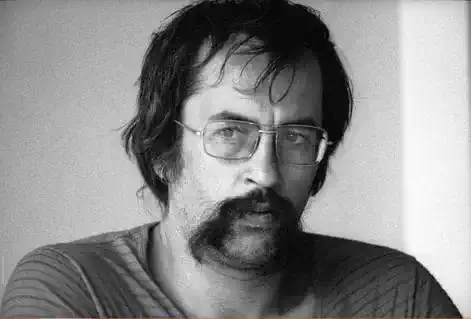
Paulo Leminski
nada que o sol
nada que o sol
não explique
tudo que a lua
mais chique
não tem chuva
que desbote essa flor
não explique
tudo que a lua
mais chique
não tem chuva
que desbote essa flor
4 244
Edgar Allan Poe
To The River
Fair river! in thy bright, clear flow
Of crystal, wandering water,
Thou art an emblem of the glow
Of beauty- the unhidden heart-
The playful maziness of art
In old Alberto's daughter;
But when within thy wave she looks-
Which glistens then, and trembles—
Why, then, the prettiest of brooks
Her worshipper resembles;
For in his heart, as in thy stream,
Her image deeply lies—
His heart which trembles at the beam
Of her soul-searching eyes.
1829
Of crystal, wandering water,
Thou art an emblem of the glow
Of beauty- the unhidden heart-
The playful maziness of art
In old Alberto's daughter;
But when within thy wave she looks-
Which glistens then, and trembles—
Why, then, the prettiest of brooks
Her worshipper resembles;
For in his heart, as in thy stream,
Her image deeply lies—
His heart which trembles at the beam
Of her soul-searching eyes.
1829
1 358