

Poemas neste tema
Emoções e Sentimentos
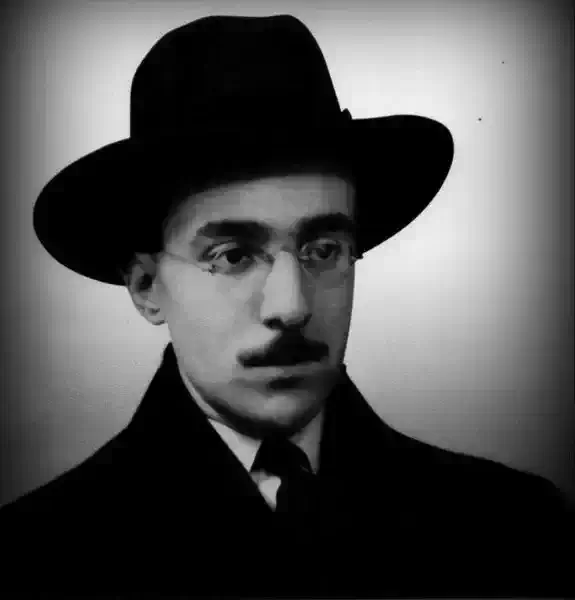
Fernando Pessoa
Terceiro: O DESEJADO
TERCEIRO
O DESEJADO
Onde quer que, entre sombras e dizeres,
Jazas, remoto, sente-te sonhado,
E ergue-te do fundo de não-seres
Para teu novo fado!
Vem, Galaaz com pátria, erguer de novo,
Mas já no auge da suprema prova,
A alma penitente do teu povo
À Eucaristia Nova.
Mestre da Paz, ergue teu gládio ungido,
Excalibur do Fim, em jeito tal
Que sua Luz ao mundo dividido
Revele o Santo Gral!
18/01/1934
O DESEJADO
Onde quer que, entre sombras e dizeres,
Jazas, remoto, sente-te sonhado,
E ergue-te do fundo de não-seres
Para teu novo fado!
Vem, Galaaz com pátria, erguer de novo,
Mas já no auge da suprema prova,
A alma penitente do teu povo
À Eucaristia Nova.
Mestre da Paz, ergue teu gládio ungido,
Excalibur do Fim, em jeito tal
Que sua Luz ao mundo dividido
Revele o Santo Gral!
18/01/1934
4 732
1
Fernando Pessoa
Cantigas de portugueses
ALGUMAS QUADRAS
Cantigas de portugueses
São como barcos no mar –
Vão de uma alma para outra
Com riscos de naufragar.
A terra é sem vida, e nada
Vive mais que o coração
E envolve-te a terra fria
E a minha saudade não!
O moinho de café
Mói grãos e faz deles pó.
O pó que a minh'alma é
Moeu quem me deixa só.
Se eu te pudesse dizer
O que nunca te direi,
Tu terias que entender
Aquilo que nem eu sei.
Teu vestido porque é teu,
Não é de cetim nem chita.
É de sermos tu e eu
E de tu seres bonita.
Vem cá dizer-me que sim.
Ou vem dizer-me que não.
Porque sempre vens assim
P'ra ao pé do meu coração.
Tenho um segredo a dizer-te
Que não te posso dizer.
E com isso já te o disse
Estavas farta de o saber...
Dona Rosa, Dona Rosa,
De que roseira é que vem,
Que não tem senão espinhos
Para quem só lhe quer bem?
Dona Rosa, Dona Rosa,
Quando eras inda botão
Disseram-te alguma cousa
De flor não ter coração?
Trazes uma cruz no peito.
Não sei se é por devoção.
Antes tivesses o jeito
De ter lá um coração.
Cantigas de portugueses
São como barcos no mar –
Vão de uma alma para outra
Com riscos de naufragar.
A terra é sem vida, e nada
Vive mais que o coração
E envolve-te a terra fria
E a minha saudade não!
O moinho de café
Mói grãos e faz deles pó.
O pó que a minh'alma é
Moeu quem me deixa só.
Se eu te pudesse dizer
O que nunca te direi,
Tu terias que entender
Aquilo que nem eu sei.
Teu vestido porque é teu,
Não é de cetim nem chita.
É de sermos tu e eu
E de tu seres bonita.
Vem cá dizer-me que sim.
Ou vem dizer-me que não.
Porque sempre vens assim
P'ra ao pé do meu coração.
Tenho um segredo a dizer-te
Que não te posso dizer.
E com isso já te o disse
Estavas farta de o saber...
Dona Rosa, Dona Rosa,
De que roseira é que vem,
Que não tem senão espinhos
Para quem só lhe quer bem?
Dona Rosa, Dona Rosa,
Quando eras inda botão
Disseram-te alguma cousa
De flor não ter coração?
Trazes uma cruz no peito.
Não sei se é por devoção.
Antes tivesses o jeito
De ter lá um coração.
7 033
1
Fernando Pessoa
Tenho esperança? Não tenho.
Tenho esperança? Não tenho.
Tenho vontade de a ter?
Não sei. Ignoro a que venho,
Quero dormir e esquecer.
Se houvesse um bálsamo da alma,
Que a fizesse sossegar,
Cair numa qualquer calma
Em que, sem sequer pensar,
Pudesse ser toda a vida,
Pensar todo o pensamento –
Então (...)
11/12/1933
Tenho vontade de a ter?
Não sei. Ignoro a que venho,
Quero dormir e esquecer.
Se houvesse um bálsamo da alma,
Que a fizesse sossegar,
Cair numa qualquer calma
Em que, sem sequer pensar,
Pudesse ser toda a vida,
Pensar todo o pensamento –
Então (...)
11/12/1933
4 729
1
Fernando Pessoa
Tenho esperança? Não tenho.
Tenho esperança? Não tenho.
Tenho vontade de a ter?
Não sei. Ignoro a que venho,
Quero dormir e esquecer.
Se houvesse um bálsamo da alma,
Que a fizesse sossegar,
Cair numa qualquer calma
Em que, sem sequer pensar,
Pudesse ser toda a vida,
Pensar todo o pensamento –
Então (...)
11/12/1933
Tenho vontade de a ter?
Não sei. Ignoro a que venho,
Quero dormir e esquecer.
Se houvesse um bálsamo da alma,
Que a fizesse sossegar,
Cair numa qualquer calma
Em que, sem sequer pensar,
Pudesse ser toda a vida,
Pensar todo o pensamento –
Então (...)
11/12/1933
4 729
1
Fernando Pessoa
XIX - Set the great Flemish hour aflame!
Set the great Flemish hour aflame!
Your senses of all leisure maim!
Cast down with blows that joy even where they hurt
The hands that mock to avert!
All things pick up to bed that lead ye to
Be naked that ye woo!
Tear up, pluck up, like earth who treasure seek,
When the chest's ring doth peep,
The thoughts that cover thoughts of the acts of heat
This great day does intreat!
Now seem all hands pressing the paps as if
They meant them juice to give!
Now seem all things pairing on one another,
Hard flesh soft flesh to smother,
And hairy legs and buttocks balled to split
White legs mid which they shift.
Yet these mixed mere thoughts in each mind but speak
The day's push love to wreak,
The man's ache to have felt possession,
The woman's man to have on,
The abstract surge of life clearly to reach
The bodies' concrete beach.
Yet some work of this doth the real day don.
Now are skirts lifted in the servants' hall,
And the whored belly's stall
Ope to the horse that enters in a rush,
Half late, too near the gush.
And even now doth an elder guest emmesh
A flushed young girl in a dark nook apart,
And leads her slow to move his produced flesh.
Look how she likes with something in her heart
To feel her hand work the protruded dart!
Your senses of all leisure maim!
Cast down with blows that joy even where they hurt
The hands that mock to avert!
All things pick up to bed that lead ye to
Be naked that ye woo!
Tear up, pluck up, like earth who treasure seek,
When the chest's ring doth peep,
The thoughts that cover thoughts of the acts of heat
This great day does intreat!
Now seem all hands pressing the paps as if
They meant them juice to give!
Now seem all things pairing on one another,
Hard flesh soft flesh to smother,
And hairy legs and buttocks balled to split
White legs mid which they shift.
Yet these mixed mere thoughts in each mind but speak
The day's push love to wreak,
The man's ache to have felt possession,
The woman's man to have on,
The abstract surge of life clearly to reach
The bodies' concrete beach.
Yet some work of this doth the real day don.
Now are skirts lifted in the servants' hall,
And the whored belly's stall
Ope to the horse that enters in a rush,
Half late, too near the gush.
And even now doth an elder guest emmesh
A flushed young girl in a dark nook apart,
And leads her slow to move his produced flesh.
Look how she likes with something in her heart
To feel her hand work the protruded dart!
4 558
1
Fernando Pessoa
XIX - Set the great Flemish hour aflame!
Set the great Flemish hour aflame!
Your senses of all leisure maim!
Cast down with blows that joy even where they hurt
The hands that mock to avert!
All things pick up to bed that lead ye to
Be naked that ye woo!
Tear up, pluck up, like earth who treasure seek,
When the chest's ring doth peep,
The thoughts that cover thoughts of the acts of heat
This great day does intreat!
Now seem all hands pressing the paps as if
They meant them juice to give!
Now seem all things pairing on one another,
Hard flesh soft flesh to smother,
And hairy legs and buttocks balled to split
White legs mid which they shift.
Yet these mixed mere thoughts in each mind but speak
The day's push love to wreak,
The man's ache to have felt possession,
The woman's man to have on,
The abstract surge of life clearly to reach
The bodies' concrete beach.
Yet some work of this doth the real day don.
Now are skirts lifted in the servants' hall,
And the whored belly's stall
Ope to the horse that enters in a rush,
Half late, too near the gush.
And even now doth an elder guest emmesh
A flushed young girl in a dark nook apart,
And leads her slow to move his produced flesh.
Look how she likes with something in her heart
To feel her hand work the protruded dart!
Your senses of all leisure maim!
Cast down with blows that joy even where they hurt
The hands that mock to avert!
All things pick up to bed that lead ye to
Be naked that ye woo!
Tear up, pluck up, like earth who treasure seek,
When the chest's ring doth peep,
The thoughts that cover thoughts of the acts of heat
This great day does intreat!
Now seem all hands pressing the paps as if
They meant them juice to give!
Now seem all things pairing on one another,
Hard flesh soft flesh to smother,
And hairy legs and buttocks balled to split
White legs mid which they shift.
Yet these mixed mere thoughts in each mind but speak
The day's push love to wreak,
The man's ache to have felt possession,
The woman's man to have on,
The abstract surge of life clearly to reach
The bodies' concrete beach.
Yet some work of this doth the real day don.
Now are skirts lifted in the servants' hall,
And the whored belly's stall
Ope to the horse that enters in a rush,
Half late, too near the gush.
And even now doth an elder guest emmesh
A flushed young girl in a dark nook apart,
And leads her slow to move his produced flesh.
Look how she likes with something in her heart
To feel her hand work the protruded dart!
4 558
1
Fernando Pessoa
Tudo quanto penso,
Tudo quanto penso,
Tudo quanto sou
É um deserto imenso
Onde nem eu estou.
Extensão parada
Sem nada a estar ali,
Areia peneirada
Vou dar-lhe a ferroada
Da vida que vivi.
(...)
11/03/1935
Tudo quanto sou
É um deserto imenso
Onde nem eu estou.
Extensão parada
Sem nada a estar ali,
Areia peneirada
Vou dar-lhe a ferroada
Da vida que vivi.
(...)
11/03/1935
8 270
1
Fernando Pessoa
Tudo quanto penso,
Tudo quanto penso,
Tudo quanto sou
É um deserto imenso
Onde nem eu estou.
Extensão parada
Sem nada a estar ali,
Areia peneirada
Vou dar-lhe a ferroada
Da vida que vivi.
(...)
11/03/1935
Tudo quanto sou
É um deserto imenso
Onde nem eu estou.
Extensão parada
Sem nada a estar ali,
Areia peneirada
Vou dar-lhe a ferroada
Da vida que vivi.
(...)
11/03/1935
8 270
1
Fernando Pessoa
ANTÓNIO DE OLIVEIRA SALAZAR
António de Oliveira Salazar.
Três nomes em sequência regular...
António é António.
Oliveira é uma árvore.
Salazar é só apelido.
Até aí está bem.
O que não faz sentido
É o sentido que tudo isto tem.
.......................
Este senhor Salazar
É feito de sal e azar.
Se um dia chove,
A água dissolve
O sal,
E sob o céu
Fica só azar, é natural.
Oh, c'os diabos!
Parece que já choveu...
........................
Coitadinho
Do tiraninho!
Não bebe vinho.
Nem sequer sozinho...
Bebe a verdade
E a liberdade.
E com tal agrado
Que já começam
A escassear no mercado.
Coitadinho
Do tiraninho!
O meu vizinho
Está na Guiné
E o meu padrinho
No Limoeiro
Aqui ao pé.
Mas ninguém sabe porquê.
Mas enfim é
Certo e certeiro
Que isto consola
E nos dá fé.
Que o coitadinho
Do tiraninho
Não bebe vinho,
Nem até
Café.
1935
Três nomes em sequência regular...
António é António.
Oliveira é uma árvore.
Salazar é só apelido.
Até aí está bem.
O que não faz sentido
É o sentido que tudo isto tem.
.......................
Este senhor Salazar
É feito de sal e azar.
Se um dia chove,
A água dissolve
O sal,
E sob o céu
Fica só azar, é natural.
Oh, c'os diabos!
Parece que já choveu...
........................
Coitadinho
Do tiraninho!
Não bebe vinho.
Nem sequer sozinho...
Bebe a verdade
E a liberdade.
E com tal agrado
Que já começam
A escassear no mercado.
Coitadinho
Do tiraninho!
O meu vizinho
Está na Guiné
E o meu padrinho
No Limoeiro
Aqui ao pé.
Mas ninguém sabe porquê.
Mas enfim é
Certo e certeiro
Que isto consola
E nos dá fé.
Que o coitadinho
Do tiraninho
Não bebe vinho,
Nem até
Café.
1935
5 307
1
Fernando Pessoa
20 - MONOTONY
MONOTONY
Each hot and shaded ember
Includes the outer wet.
Let us, my life, remember
Our thoughts info regret.
The meaning wind blows colder
Upon the wetted pane.
Our hearts, alas!, feel older
In seeking to live again.
The night hurts. Each red ember
To hotter redness fret!
Alas! When I remember
I wish I could forget.
What vague and cold gusts enter
My soul as by a door!
My soul is the living centre
Of dreams that are no more.
Startle yet more each ember!
Make the fire nearer yet!
How easy it is to remember
When memory means regret!
The wetting wind is higher
All round my senses lone.
My eyes leave not the fire,
My lips a vague name moan.
Shift uselessly each ember!
All our soul is regret.
We regret what we remember
And regret what we forget.
O colder and wilder blowing
The wind through the wet gloom!
On the grave of my past is glowing
A red rose in full bloom.
A darkness lakes each ember.
I stir them not, yet fret.
Our life is to remember
And our wish to forget.
My mystery comes to touch
My shoulder till I dread.
The red rose is dead. Such
As I was is now dead.
Could I wish to forget, pale ember,
Without pining or regret!
Or could I wish to remember
Without wishing to forget!
Each hot and shaded ember
Includes the outer wet.
Let us, my life, remember
Our thoughts info regret.
The meaning wind blows colder
Upon the wetted pane.
Our hearts, alas!, feel older
In seeking to live again.
The night hurts. Each red ember
To hotter redness fret!
Alas! When I remember
I wish I could forget.
What vague and cold gusts enter
My soul as by a door!
My soul is the living centre
Of dreams that are no more.
Startle yet more each ember!
Make the fire nearer yet!
How easy it is to remember
When memory means regret!
The wetting wind is higher
All round my senses lone.
My eyes leave not the fire,
My lips a vague name moan.
Shift uselessly each ember!
All our soul is regret.
We regret what we remember
And regret what we forget.
O colder and wilder blowing
The wind through the wet gloom!
On the grave of my past is glowing
A red rose in full bloom.
A darkness lakes each ember.
I stir them not, yet fret.
Our life is to remember
And our wish to forget.
My mystery comes to touch
My shoulder till I dread.
The red rose is dead. Such
As I was is now dead.
Could I wish to forget, pale ember,
Without pining or regret!
Or could I wish to remember
Without wishing to forget!
4 520
1
Fernando Pessoa
20 - MONOTONY
MONOTONY
Each hot and shaded ember
Includes the outer wet.
Let us, my life, remember
Our thoughts info regret.
The meaning wind blows colder
Upon the wetted pane.
Our hearts, alas!, feel older
In seeking to live again.
The night hurts. Each red ember
To hotter redness fret!
Alas! When I remember
I wish I could forget.
What vague and cold gusts enter
My soul as by a door!
My soul is the living centre
Of dreams that are no more.
Startle yet more each ember!
Make the fire nearer yet!
How easy it is to remember
When memory means regret!
The wetting wind is higher
All round my senses lone.
My eyes leave not the fire,
My lips a vague name moan.
Shift uselessly each ember!
All our soul is regret.
We regret what we remember
And regret what we forget.
O colder and wilder blowing
The wind through the wet gloom!
On the grave of my past is glowing
A red rose in full bloom.
A darkness lakes each ember.
I stir them not, yet fret.
Our life is to remember
And our wish to forget.
My mystery comes to touch
My shoulder till I dread.
The red rose is dead. Such
As I was is now dead.
Could I wish to forget, pale ember,
Without pining or regret!
Or could I wish to remember
Without wishing to forget!
Each hot and shaded ember
Includes the outer wet.
Let us, my life, remember
Our thoughts info regret.
The meaning wind blows colder
Upon the wetted pane.
Our hearts, alas!, feel older
In seeking to live again.
The night hurts. Each red ember
To hotter redness fret!
Alas! When I remember
I wish I could forget.
What vague and cold gusts enter
My soul as by a door!
My soul is the living centre
Of dreams that are no more.
Startle yet more each ember!
Make the fire nearer yet!
How easy it is to remember
When memory means regret!
The wetting wind is higher
All round my senses lone.
My eyes leave not the fire,
My lips a vague name moan.
Shift uselessly each ember!
All our soul is regret.
We regret what we remember
And regret what we forget.
O colder and wilder blowing
The wind through the wet gloom!
On the grave of my past is glowing
A red rose in full bloom.
A darkness lakes each ember.
I stir them not, yet fret.
Our life is to remember
And our wish to forget.
My mystery comes to touch
My shoulder till I dread.
The red rose is dead. Such
As I was is now dead.
Could I wish to forget, pale ember,
Without pining or regret!
Or could I wish to remember
Without wishing to forget!
4 520
1
Fernando Pessoa
20 - MONOTONY
MONOTONY
Each hot and shaded ember
Includes the outer wet.
Let us, my life, remember
Our thoughts info regret.
The meaning wind blows colder
Upon the wetted pane.
Our hearts, alas!, feel older
In seeking to live again.
The night hurts. Each red ember
To hotter redness fret!
Alas! When I remember
I wish I could forget.
What vague and cold gusts enter
My soul as by a door!
My soul is the living centre
Of dreams that are no more.
Startle yet more each ember!
Make the fire nearer yet!
How easy it is to remember
When memory means regret!
The wetting wind is higher
All round my senses lone.
My eyes leave not the fire,
My lips a vague name moan.
Shift uselessly each ember!
All our soul is regret.
We regret what we remember
And regret what we forget.
O colder and wilder blowing
The wind through the wet gloom!
On the grave of my past is glowing
A red rose in full bloom.
A darkness lakes each ember.
I stir them not, yet fret.
Our life is to remember
And our wish to forget.
My mystery comes to touch
My shoulder till I dread.
The red rose is dead. Such
As I was is now dead.
Could I wish to forget, pale ember,
Without pining or regret!
Or could I wish to remember
Without wishing to forget!
Each hot and shaded ember
Includes the outer wet.
Let us, my life, remember
Our thoughts info regret.
The meaning wind blows colder
Upon the wetted pane.
Our hearts, alas!, feel older
In seeking to live again.
The night hurts. Each red ember
To hotter redness fret!
Alas! When I remember
I wish I could forget.
What vague and cold gusts enter
My soul as by a door!
My soul is the living centre
Of dreams that are no more.
Startle yet more each ember!
Make the fire nearer yet!
How easy it is to remember
When memory means regret!
The wetting wind is higher
All round my senses lone.
My eyes leave not the fire,
My lips a vague name moan.
Shift uselessly each ember!
All our soul is regret.
We regret what we remember
And regret what we forget.
O colder and wilder blowing
The wind through the wet gloom!
On the grave of my past is glowing
A red rose in full bloom.
A darkness lakes each ember.
I stir them not, yet fret.
Our life is to remember
And our wish to forget.
My mystery comes to touch
My shoulder till I dread.
The red rose is dead. Such
As I was is now dead.
Could I wish to forget, pale ember,
Without pining or regret!
Or could I wish to remember
Without wishing to forget!
4 520
1
Fernando Pessoa
Bem sei que há ilhas lá ao sul de tudo
Bem sei que há ilhas lá ao sul de tudo
Onde há paisagens que não pode haver.
Tão belas que são como que o veludo
Do tecido que o mundo pode ser.
Bem sei. Vegetações olhando o mar,
Coral, encostas, tudo o que é a vida
Tornado amor e luz, o que o sonhar
Dá à imaginação anoitecida.
Bem sei. Vejo isso tudo. O mesmo vento
Que ali agita os ramos em torpor
Passa de leve por meu pensamento
E o pensamento julga que é amor.
Sei, sim, é belo, é luz, é impossível,
Existe, dorme, tem a cor e o fim,
E, ainda que não haja, é tão visível
Que é uma parte natural de mim.
Sei tudo, sim, sei tudo. E sei também
Que não é lá que há isso que lá está
Sei qual é a luz que essa paisagem tem
E qual o mar por que se vai para lá.
20/09/1934
Onde há paisagens que não pode haver.
Tão belas que são como que o veludo
Do tecido que o mundo pode ser.
Bem sei. Vegetações olhando o mar,
Coral, encostas, tudo o que é a vida
Tornado amor e luz, o que o sonhar
Dá à imaginação anoitecida.
Bem sei. Vejo isso tudo. O mesmo vento
Que ali agita os ramos em torpor
Passa de leve por meu pensamento
E o pensamento julga que é amor.
Sei, sim, é belo, é luz, é impossível,
Existe, dorme, tem a cor e o fim,
E, ainda que não haja, é tão visível
Que é uma parte natural de mim.
Sei tudo, sim, sei tudo. E sei também
Que não é lá que há isso que lá está
Sei qual é a luz que essa paisagem tem
E qual o mar por que se vai para lá.
20/09/1934
4 964
1
Fernando Pessoa
Onde o sossego dorme
Onde o sossego dorme
Como se fosse alguém
E à noite negra e enorme
Nem luar nem dia vem,
Ali, quieto, absorto
Em nada já saber,
Quero, quando for morto,
Consciente esquecer...
Deixada a vida incerta,
Perdido o gozo e a dor,
Sob essa noite aberta
Sonhar sem o supor...
Até que ao fim de uma era
Que o tempo não contou
O que eu não reavera
Se mude no que eu sou.
19/11/1933
Como se fosse alguém
E à noite negra e enorme
Nem luar nem dia vem,
Ali, quieto, absorto
Em nada já saber,
Quero, quando for morto,
Consciente esquecer...
Deixada a vida incerta,
Perdido o gozo e a dor,
Sob essa noite aberta
Sonhar sem o supor...
Até que ao fim de uma era
Que o tempo não contou
O que eu não reavera
Se mude no que eu sou.
19/11/1933
4 902
1
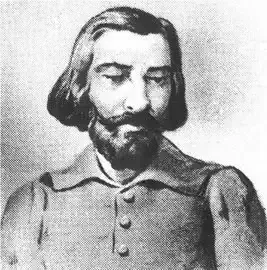
Gil Vicente
Tanto que o Frade foi embarcado
Tanto que o Frade foi embarcado, veio üa Alcoviteira, per nome Brízida Vaz, a qual chegando à barca infernal, diz desta maneira:
BRÍZIDA Hou lá da barca, hou lá!
DIABO Quem chama?
BRÍZIDA Brízida Vaz.
DIABO E aguarda-me, rapaz?
Como nom vem ela já?
COMPANHEIRO Diz que nom há-de vir cá
sem Joana#de#Valdês.
DIABO Entrai vós, e remarês.
BRÍZIDA Nom quero eu entrar lá.
DIABO Que sabroso arrecear!
BRÍZIDA No é essa barca que eu cato.
DIABO E trazês vós muito fato?
BRÍZIDA O que me convém levar.
Día. Que é o que havês d'embarcar?
BRÍZIDA Seiscentos virgos postiços
e três arcas de feitiços
que nom podem mais levar.
Três almários de mentir,
e cinco cofres de enlheos,
e alguns furtos alheos,
assi em jóias de vestir,
guarda-roupa d'encobrir,
enfim - casa movediça;
um estrado de cortiça
com dous coxins d'encobrir.
A mor cárrega que é:
essas moças que vendia.
Daquestra mercadoria
trago eu muita, à bofé!
DIABO Ora ponde aqui o pé...
BRÍZIDA Hui! E eu vou pera o Paraíso!
DIABO E quem te dixe a ti isso?
BRÍZIDA Lá hei-de ir desta maré.
Eu sô üa mártela tal!...
Açoutes tenho levados
e tormentos suportados
que ninguém me foi igual.
Se fosse ò fogo infernal,
lá iria todo o mundo!
A estoutra barca, cá fundo,
me vou, que é mais real.
chegando à Barca da Glória diz ao Anjo:
Barqueiro mano, meus olhos,
prancha a Brísida Vaz.
ANJO: Eu não sei quem te cá traz...
BRÍZIDA Peço-vo-lo de giolhos!
Cuidais que trago piolhos,
anjo de Deos, minha rosa?
Eu sô aquela preciosa
que dava as moças a molhos,
a que criava as meninas
pera os cónegos da Sé...
Passai-me, por vossa fé,
meu amor, minhas boninas,
olho de perlinhas finas!
E eu som apostolada,
angelada e martelada,
e fiz cousas mui divinas.
Santa#Úrsula nom converteu
tantas cachopas como eu:
todas salvas polo meu
que nenhüa se perdeu.
E prouve Àquele do Céu
que todas acharam dono.
Cuidais que dormia eu sono?
Nem ponto se me perdeu!
ANJO Ora vai lá embarcar,
não estês importunando.
BRÍZIDA Pois estou-vos eu contando
o porque me haveis de levar.
ANJO Não cures de importunar,
que não podes vir aqui.
BRÍZIDA E que má-hora eu servi,
pois não me há-de aproveitar!...
torna-se Brízida Vaz à Barca do Inferno, dizendo:
BRÍZIDA Hou barqueiros da má-hora,
que é da prancha, que eis me vou?
E já há muito que aqui estou,
e pareço mal cá de fora.
DIABO Ora entrai, minha senhora,
e sereis bem recebida;
se vivestes santa vida,
vós o sentirês agora...
tanto que Brízida Vaz se embarcou, veo um Judeu, com um bode às costas; e, chegando ao batel#dos#danados, diz:
JUDEU Que vai cá? Hou marinheiro!
DIABO Oh! Que má-hora vieste!...
JUDEU Cuj'é esta barca que preste?
DIABO Esta barca é do barqueiro.
JUDEU. Passai-me por meu dinheiro.
DIABO E o bode há cá de vir?
JUDEU Pois também o bode há-de vir.
DIABO Que escusado passageiro!
JUDEU Sem bode, como irei lá?
DIABO Nem eu nom passo cabrões.
JUDEU Eis aqui quatro tostões
e mais se vos pagará.
Por vida do Semifará
que me passeis o cabrão!
Querês mais outro tostão?
DIABO Nem tu nom hás-de vir cá.
JUDEU Porque nom irá o judeu
onde vai Brísida Vaz?
Ao senhor meirinho apraz?
Senhor meirinho, irei eu?
DIABO E o fidalgo, quem lhe deu...
JUDEU O mando, dizês, do batel?
Corregedor, coronel,
castigai este sandeu!
Azará, pedra miúda,
lodo, chanto, fogo, lenha,
caganeira que te venha!
Má corrença que te acuda!
Par el Deu, que te sacuda
coa beca nos focinhos!
Fazes burla dos meirinhos?
Dize, filho da cornuda!
PARVO Furtaste a chiba cabrão?
Parecês-me vós a mim
gafanhoto d'Almeirim
chacinado em um seirão.
DIABO Judeu, lá te passarão,
porque vão mais despejados.
PARVO E ele mijou nos finados
n'ergueja de São#Gião!
E comia a carne da panela
no dia de Nosso Senhor!
E aperta o salvador,
e mija na caravela!
DIABO Sus, sus! Demos à vela!
Vós, Judeu, irês à toa,
que sois mui ruim pessoa.
Levai o cabrão na trela!
vem um Corregedor, carregado de feitos, e, chegando à barca do Inferno, com sua vara na mão, diz:
CORREGEDOR Hou da barca!
DIABO Que quereis?
CORREGEDOR Está aqui o senhor juiz?
DIABO Oh amador de perdiz.
Gentil cárrega trazeis!
CORREGEDOR No meu ar conhecereis
que nom é ela do meu jeito.
DIABO Como vai lá o direito?
CORREGEDOR Nestes feitos o vereis.
DIABO Ora, pois, entrai. Veremos
que diz i nesse papel...
CORREGEDOR E onde vai o batel?
DIABO No Inferno vos poeremos.
CORREGEDOR Como? À terra dos demos
há-de ir um corregedor?
DIABO Santo descorregedor,
embarcai, e remaremos!
Ora, entrai, pois que viestes!
CORREGEDOR Non#est#de#regulae#juris, não!
DIABO Ita, Ita! Dai cá a mão!
Remaremos um remo destes.
Fazei conta que nacestes
pera nosso companheiro.
- Que fazes tu, barzoneiro?
Faze-lhe essa prancha prestes!
CORREGEDOR Oh! Renego da viagem
e de quem me há-de levar!
Há 'qui meirinho do mar?
DIABO Não há tal costumagem.
CORREGEDOR Nom entendo esta barcagem,
nem hoc#non#potest#esse.
DIABO Se ora vos parecesse
que nom sei mais que linguagem...
Entrai, entrai, corregedor!
CORREGEDOR Hou! Videtis#qui#petatis -
Super#jure#magestatis
tem vosso mando vigor?
DIABO Quando éreis ouvidor
nonne#accepistis#rapina?
Pois ireis pela bolina
onde nossa mercê for...
Oh! Que isca esse papel
pera um fogo que eu sei!
CORREGEDOR Domine,#memento#mei!
DIABO Non#est#tempus, bacharel!
Imbarquemini in batel
quia#judicastis#malitia.
CORREGEDOR Semper#ego#justitia
fecit, e bem por nivel.
DIABO E as peitas dos judeus
que a vossa mulher levava?
CORREGEDOR Isso eu não o tomava
eram lá percalços seus.
Nom som peccatus#meus,
peccavit#uxore#mea.
DIABO Et#vobis#quoque#cum#ea,
não temuistis#Deus.
A largo modo adquiristis
sanguinis#laboratorum
ignorantis#peccatorum.
Ut#quid#eos#non#audistis?
CORREGEDOR Vós, arrais, nonne#legistis
que o dar quebra os pinedos?
Os direitos estão quedos,
sed#aliquid#tradidistis...
DIABO Ora entrai, nos negros fados!
Ireis ao lago dos cães
e vereis os escrivães
como estão tão prosperados.
CORREGEDOR E na terra#dos#danados
estão os Evangelistas?
BRÍZIDA Hou lá da barca, hou lá!
DIABO Quem chama?
BRÍZIDA Brízida Vaz.
DIABO E aguarda-me, rapaz?
Como nom vem ela já?
COMPANHEIRO Diz que nom há-de vir cá
sem Joana#de#Valdês.
DIABO Entrai vós, e remarês.
BRÍZIDA Nom quero eu entrar lá.
DIABO Que sabroso arrecear!
BRÍZIDA No é essa barca que eu cato.
DIABO E trazês vós muito fato?
BRÍZIDA O que me convém levar.
Día. Que é o que havês d'embarcar?
BRÍZIDA Seiscentos virgos postiços
e três arcas de feitiços
que nom podem mais levar.
Três almários de mentir,
e cinco cofres de enlheos,
e alguns furtos alheos,
assi em jóias de vestir,
guarda-roupa d'encobrir,
enfim - casa movediça;
um estrado de cortiça
com dous coxins d'encobrir.
A mor cárrega que é:
essas moças que vendia.
Daquestra mercadoria
trago eu muita, à bofé!
DIABO Ora ponde aqui o pé...
BRÍZIDA Hui! E eu vou pera o Paraíso!
DIABO E quem te dixe a ti isso?
BRÍZIDA Lá hei-de ir desta maré.
Eu sô üa mártela tal!...
Açoutes tenho levados
e tormentos suportados
que ninguém me foi igual.
Se fosse ò fogo infernal,
lá iria todo o mundo!
A estoutra barca, cá fundo,
me vou, que é mais real.
chegando à Barca da Glória diz ao Anjo:
Barqueiro mano, meus olhos,
prancha a Brísida Vaz.
ANJO: Eu não sei quem te cá traz...
BRÍZIDA Peço-vo-lo de giolhos!
Cuidais que trago piolhos,
anjo de Deos, minha rosa?
Eu sô aquela preciosa
que dava as moças a molhos,
a que criava as meninas
pera os cónegos da Sé...
Passai-me, por vossa fé,
meu amor, minhas boninas,
olho de perlinhas finas!
E eu som apostolada,
angelada e martelada,
e fiz cousas mui divinas.
Santa#Úrsula nom converteu
tantas cachopas como eu:
todas salvas polo meu
que nenhüa se perdeu.
E prouve Àquele do Céu
que todas acharam dono.
Cuidais que dormia eu sono?
Nem ponto se me perdeu!
ANJO Ora vai lá embarcar,
não estês importunando.
BRÍZIDA Pois estou-vos eu contando
o porque me haveis de levar.
ANJO Não cures de importunar,
que não podes vir aqui.
BRÍZIDA E que má-hora eu servi,
pois não me há-de aproveitar!...
torna-se Brízida Vaz à Barca do Inferno, dizendo:
BRÍZIDA Hou barqueiros da má-hora,
que é da prancha, que eis me vou?
E já há muito que aqui estou,
e pareço mal cá de fora.
DIABO Ora entrai, minha senhora,
e sereis bem recebida;
se vivestes santa vida,
vós o sentirês agora...
tanto que Brízida Vaz se embarcou, veo um Judeu, com um bode às costas; e, chegando ao batel#dos#danados, diz:
JUDEU Que vai cá? Hou marinheiro!
DIABO Oh! Que má-hora vieste!...
JUDEU Cuj'é esta barca que preste?
DIABO Esta barca é do barqueiro.
JUDEU. Passai-me por meu dinheiro.
DIABO E o bode há cá de vir?
JUDEU Pois também o bode há-de vir.
DIABO Que escusado passageiro!
JUDEU Sem bode, como irei lá?
DIABO Nem eu nom passo cabrões.
JUDEU Eis aqui quatro tostões
e mais se vos pagará.
Por vida do Semifará
que me passeis o cabrão!
Querês mais outro tostão?
DIABO Nem tu nom hás-de vir cá.
JUDEU Porque nom irá o judeu
onde vai Brísida Vaz?
Ao senhor meirinho apraz?
Senhor meirinho, irei eu?
DIABO E o fidalgo, quem lhe deu...
JUDEU O mando, dizês, do batel?
Corregedor, coronel,
castigai este sandeu!
Azará, pedra miúda,
lodo, chanto, fogo, lenha,
caganeira que te venha!
Má corrença que te acuda!
Par el Deu, que te sacuda
coa beca nos focinhos!
Fazes burla dos meirinhos?
Dize, filho da cornuda!
PARVO Furtaste a chiba cabrão?
Parecês-me vós a mim
gafanhoto d'Almeirim
chacinado em um seirão.
DIABO Judeu, lá te passarão,
porque vão mais despejados.
PARVO E ele mijou nos finados
n'ergueja de São#Gião!
E comia a carne da panela
no dia de Nosso Senhor!
E aperta o salvador,
e mija na caravela!
DIABO Sus, sus! Demos à vela!
Vós, Judeu, irês à toa,
que sois mui ruim pessoa.
Levai o cabrão na trela!
vem um Corregedor, carregado de feitos, e, chegando à barca do Inferno, com sua vara na mão, diz:
CORREGEDOR Hou da barca!
DIABO Que quereis?
CORREGEDOR Está aqui o senhor juiz?
DIABO Oh amador de perdiz.
Gentil cárrega trazeis!
CORREGEDOR No meu ar conhecereis
que nom é ela do meu jeito.
DIABO Como vai lá o direito?
CORREGEDOR Nestes feitos o vereis.
DIABO Ora, pois, entrai. Veremos
que diz i nesse papel...
CORREGEDOR E onde vai o batel?
DIABO No Inferno vos poeremos.
CORREGEDOR Como? À terra dos demos
há-de ir um corregedor?
DIABO Santo descorregedor,
embarcai, e remaremos!
Ora, entrai, pois que viestes!
CORREGEDOR Non#est#de#regulae#juris, não!
DIABO Ita, Ita! Dai cá a mão!
Remaremos um remo destes.
Fazei conta que nacestes
pera nosso companheiro.
- Que fazes tu, barzoneiro?
Faze-lhe essa prancha prestes!
CORREGEDOR Oh! Renego da viagem
e de quem me há-de levar!
Há 'qui meirinho do mar?
DIABO Não há tal costumagem.
CORREGEDOR Nom entendo esta barcagem,
nem hoc#non#potest#esse.
DIABO Se ora vos parecesse
que nom sei mais que linguagem...
Entrai, entrai, corregedor!
CORREGEDOR Hou! Videtis#qui#petatis -
Super#jure#magestatis
tem vosso mando vigor?
DIABO Quando éreis ouvidor
nonne#accepistis#rapina?
Pois ireis pela bolina
onde nossa mercê for...
Oh! Que isca esse papel
pera um fogo que eu sei!
CORREGEDOR Domine,#memento#mei!
DIABO Non#est#tempus, bacharel!
Imbarquemini in batel
quia#judicastis#malitia.
CORREGEDOR Semper#ego#justitia
fecit, e bem por nivel.
DIABO E as peitas dos judeus
que a vossa mulher levava?
CORREGEDOR Isso eu não o tomava
eram lá percalços seus.
Nom som peccatus#meus,
peccavit#uxore#mea.
DIABO Et#vobis#quoque#cum#ea,
não temuistis#Deus.
A largo modo adquiristis
sanguinis#laboratorum
ignorantis#peccatorum.
Ut#quid#eos#non#audistis?
CORREGEDOR Vós, arrais, nonne#legistis
que o dar quebra os pinedos?
Os direitos estão quedos,
sed#aliquid#tradidistis...
DIABO Ora entrai, nos negros fados!
Ireis ao lago dos cães
e vereis os escrivães
como estão tão prosperados.
CORREGEDOR E na terra#dos#danados
estão os Evangelistas?
3 656
1
Fernando Pessoa
SONNET - Could I say what I think, could I express
SONNET
Could I say what I think, could I express
My every hidden and too-silent though,
And bring my feelings, in perfection wrought,
To one unforced point of living stress.
Could I breathe forth my soul, could I confess
The inmost secrets to my nature brought;
I might be great, yet none to me hath taught
A language well to figure my distress.
Yet day and night to me new whispers bring,
And night, and day from me old whispers take...
Oh for a word, one phrase in which to fling
All that I think and feel, and so to wake
The world; but I am dumb and cannot sing,
Dumb as You clouds before the thunders break.
Alexander Search, May 1904
Could I say what I think, could I express
My every hidden and too-silent though,
And bring my feelings, in perfection wrought,
To one unforced point of living stress.
Could I breathe forth my soul, could I confess
The inmost secrets to my nature brought;
I might be great, yet none to me hath taught
A language well to figure my distress.
Yet day and night to me new whispers bring,
And night, and day from me old whispers take...
Oh for a word, one phrase in which to fling
All that I think and feel, and so to wake
The world; but I am dumb and cannot sing,
Dumb as You clouds before the thunders break.
Alexander Search, May 1904
4 780
1
Fernando Pessoa
III - When I do think my meanest line shall be
When I do think my meanest line shall be
More in Time's use than my creating whole,
That future eyes more clearly shall feel me
In this inked page than in my direct soul;
When I conjecture put to make me seeing
Good readers of me in some aftertime,
Thankful to some idea of my being
That doth not even my with gone true soul rime;
An anger at the essence of the world,
That makes this thus, or thinkable this-wise,
Takes my soul by the throat and makes it hurled
In nightly horrors of despaired surmise,
And I become the mere sense of a rage
That lacks the very words whose waste might 'suage.
More in Time's use than my creating whole,
That future eyes more clearly shall feel me
In this inked page than in my direct soul;
When I conjecture put to make me seeing
Good readers of me in some aftertime,
Thankful to some idea of my being
That doth not even my with gone true soul rime;
An anger at the essence of the world,
That makes this thus, or thinkable this-wise,
Takes my soul by the throat and makes it hurled
In nightly horrors of despaired surmise,
And I become the mere sense of a rage
That lacks the very words whose waste might 'suage.
4 242
1
Fernando Pessoa
Se eu me sentir sono,
Se eu sentir sono,
E quiser dormir,
Naquele abandono
Que é o não sentir,
Quero que aconteça
Quando eu estiver
Pousando a cabeça,
Não num chão qualquer,
Mas onde sob ramos
Uma árvore faz
A sombra em que bebamos,
A sombra da paz.
20/04/1934
E quiser dormir,
Naquele abandono
Que é o não sentir,
Quero que aconteça
Quando eu estiver
Pousando a cabeça,
Não num chão qualquer,
Mas onde sob ramos
Uma árvore faz
A sombra em que bebamos,
A sombra da paz.
20/04/1934
4 151
1
Fernando Pessoa
A low, sad wind fills the lone night
A low, sad wind fills the lone night
With its one solitary sound.
I have forgotten what delight
Delight has, in the vague around
All sleep is consecrated ground.
Alas for all I ever hoped!
The sheep crop what it lies beneath.
Its grave is where the mountain sloped
When mountains were, but now the heath
Is all the life above its death.
Moan, solitary wind that wakes
When the day sleeps! Moan vague and low!
That which I never was now slakes
Its thirst where reeds cluster round lakes
Of silence, or mute rivers go.
To-morrow shall be yesterday
Lest life forget what it is ever.
I shall myself cast this away
That I am now, and myself sever
From what of me weeps by this river.
This river of the haunted night
That under stars I do not see
Has neither purpose nor delight.
Moan, solitary wind, and be
This life’s unchanging, shoreless sea!
13/3/1933
now takes
Its sleep where reeds dip into lakes
With its one solitary sound.
I have forgotten what delight
Delight has, in the vague around
All sleep is consecrated ground.
Alas for all I ever hoped!
The sheep crop what it lies beneath.
Its grave is where the mountain sloped
When mountains were, but now the heath
Is all the life above its death.
Moan, solitary wind that wakes
When the day sleeps! Moan vague and low!
That which I never was now slakes
Its thirst where reeds cluster round lakes
Of silence, or mute rivers go.
To-morrow shall be yesterday
Lest life forget what it is ever.
I shall myself cast this away
That I am now, and myself sever
From what of me weeps by this river.
This river of the haunted night
That under stars I do not see
Has neither purpose nor delight.
Moan, solitary wind, and be
This life’s unchanging, shoreless sea!
13/3/1933
now takes
Its sleep where reeds dip into lakes
4 908
1
Fernando Pessoa
Quem me amarrou a ser eu
Quem me amarrou a ser eu
Fez-me uma grande partida.
Debaixo deste amplo céu,
Não tenho vinda nem ida.
Sou apenas um ser meu.
Nem isso... Anda tudo à volta
A retirar-me de mim.
Parece uma fera à solta
Este mundo que anda assim
A servir-me de má escolta.
Quando encontrar a verdade
Hei-de ver se hei-de fugir,
Pelo menos em metade.
Depois ficarei a rir
Da minha tranquilidade.
16/06/1934
Fez-me uma grande partida.
Debaixo deste amplo céu,
Não tenho vinda nem ida.
Sou apenas um ser meu.
Nem isso... Anda tudo à volta
A retirar-me de mim.
Parece uma fera à solta
Este mundo que anda assim
A servir-me de má escolta.
Quando encontrar a verdade
Hei-de ver se hei-de fugir,
Pelo menos em metade.
Depois ficarei a rir
Da minha tranquilidade.
16/06/1934
4 623
1
Fernando Pessoa
Quero dormir. Não sei se quero a morte,
Quero dormir. Não sei se quero a morte,
Nem sei o que ela é.
O que quero é não ser submisso à sorte,
Seja ela lei ou fé.
Quero poder nos campos prolongados
Meu ser abandonar
Aos seus verdes silêncios afastados,
Que amo só de os olhar.
Quero poder imaginar a vida
Como ela nunca foi,
E assim vivê-la, vívida e perdida,
Num sonho que nem dói.
Quero poder mudar o universo
De um para outro lado,
Como quem junta o seu viver disperso
E o ata com o fado.
Quero, por fim, ser coroado rei
Do nada a que enfim vou.
Será minha coroa o que serei,
E o ceptro o que sou.
26/08/1934
Nem sei o que ela é.
O que quero é não ser submisso à sorte,
Seja ela lei ou fé.
Quero poder nos campos prolongados
Meu ser abandonar
Aos seus verdes silêncios afastados,
Que amo só de os olhar.
Quero poder imaginar a vida
Como ela nunca foi,
E assim vivê-la, vívida e perdida,
Num sonho que nem dói.
Quero poder mudar o universo
De um para outro lado,
Como quem junta o seu viver disperso
E o ata com o fado.
Quero, por fim, ser coroado rei
Do nada a que enfim vou.
Será minha coroa o que serei,
E o ceptro o que sou.
26/08/1934
4 562
1
Fernando Pessoa
Flui, indeciso na bruma,
Flui, indeciso na bruma,
Mais do que a bruma indeciso,
Um ser que é coisa a achar
E a quem nada é preciso.
Quer somente consistir
No nada que o cerca ao ser,
Um começo de existir
Que acabou antes de o ter.
É o sentido que existe
Na aragem que mal se sente
E cuja essência consiste
Em passar incertamente.
26/04/1934
Mais do que a bruma indeciso,
Um ser que é coisa a achar
E a quem nada é preciso.
Quer somente consistir
No nada que o cerca ao ser,
Um começo de existir
Que acabou antes de o ter.
É o sentido que existe
Na aragem que mal se sente
E cuja essência consiste
Em passar incertamente.
26/04/1934
4 686
1
Fernando Pessoa
16 - LULLABY
LULLABY *
My heart is full of lazy pain
And an old English lullaby
Comes out of that mist of my brain.
Upon my lap my sovereign sits
And sucks upon my breast;
Meantime his love maintains my life
And gives my sense her rest.
Sing lullaby, my little boy,
Sing lullaby, mine only joy!
I would give all my singing trade
To be the distant English child
For whom this happy song was made.
When thou hast taken thy repast,
Repose, my babe, on me;
So may thy mother and thy nurse
Thy cradle also be.
Sing lullaby, my little boy,
Sing lullably, mine only joy!
There must have been true happiness
Near where this song was sung to small
White hands clutching a mother's dress.
I grieve that duty doth not work
All that my wishing would,
Because I would not be to thee
But in the best I should.
Sing lullaby, my little boy,
Sing lullaby, mine only joy!
O what a sorrow comes to me
Knowing the bitterness I have
While that child had this lullaby!
Yet as I am, and as I may,
I must and will be thine,
Though all too little for thy self
Vouchsafing to be mine,
Sing lullaby, my little boy,
Sing lullaby, mine only joy!
My heart aches to be able to weep.
O to think of this song being sung
And the child smiling in its sleep!
Upon my lap my sovereign sits
And sucks upon my breast;
Meantime his love maintains my life
And gives my sense her rest.
Sing lullaby, my little boy,
Sing lullaby, mine only joy!
I was a child too, but would now
Be the child, and no other hearing
This song low-breathed upon its brow.
When thou hast taken thy repast,
Repose, my babe, on me,
So may thy mother and thy nurse
Thy cradle also be.
Sing lullaby, my little boy,
Sing lullaby, mine only joy!
O that I could return to that
Happy time that was never mine
And which I live but to regret!
I grieve that duty doth not work
All that my wishing would,
Because I would not be to thee
But in the best I should.
Sing lullaby, my little boy,
Sing lullaby, mine only joy!
Ay, sing on in my soul, old voice,
So motherfully laying to sleep
The babe that quietly doth rejoice.
Yet as I am, and as I may,
I must and will be thine,
Though all too little for thy self
Vouchsafing to be mine.
Sing lullaby, my little boy,
Sing lullaby, mine only joy!
Sing on and let my heart not weep
Because sometime a child could have
This song to lull him into sleep!
Yet as I am, and as I may,
I must and will be thine,
Though all too little for thy self
Vouchsafing to be mine.
Sing lullaby, my little boy,
Sing lullaby, mine only joy!
Somehow somewhere I heard this song,
I was part of the happiness
That lived its idle lines along.
Yet as I am, and as I may,
I must and will be thine,
Though all too little for thy self
Vouchsafing to be mine.
Sing lullaby, my little boy
Sing lullaby, mine only joy!
Ay, somehow, somewhere I was that
Child, and my heart lay happy asleep.
Now – oh my sad and unknown fate!
* The «Lullaby» quoted is the 134th. poem in Palgrave's Golden Treasury. It was taken by him from Martin Peerson's Private Music, a Song-Book of 1620. The «Lullaby» is here given twice over, and the last stanza twice again.
My heart is full of lazy pain
And an old English lullaby
Comes out of that mist of my brain.
Upon my lap my sovereign sits
And sucks upon my breast;
Meantime his love maintains my life
And gives my sense her rest.
Sing lullaby, my little boy,
Sing lullaby, mine only joy!
I would give all my singing trade
To be the distant English child
For whom this happy song was made.
When thou hast taken thy repast,
Repose, my babe, on me;
So may thy mother and thy nurse
Thy cradle also be.
Sing lullaby, my little boy,
Sing lullably, mine only joy!
There must have been true happiness
Near where this song was sung to small
White hands clutching a mother's dress.
I grieve that duty doth not work
All that my wishing would,
Because I would not be to thee
But in the best I should.
Sing lullaby, my little boy,
Sing lullaby, mine only joy!
O what a sorrow comes to me
Knowing the bitterness I have
While that child had this lullaby!
Yet as I am, and as I may,
I must and will be thine,
Though all too little for thy self
Vouchsafing to be mine,
Sing lullaby, my little boy,
Sing lullaby, mine only joy!
My heart aches to be able to weep.
O to think of this song being sung
And the child smiling in its sleep!
Upon my lap my sovereign sits
And sucks upon my breast;
Meantime his love maintains my life
And gives my sense her rest.
Sing lullaby, my little boy,
Sing lullaby, mine only joy!
I was a child too, but would now
Be the child, and no other hearing
This song low-breathed upon its brow.
When thou hast taken thy repast,
Repose, my babe, on me,
So may thy mother and thy nurse
Thy cradle also be.
Sing lullaby, my little boy,
Sing lullaby, mine only joy!
O that I could return to that
Happy time that was never mine
And which I live but to regret!
I grieve that duty doth not work
All that my wishing would,
Because I would not be to thee
But in the best I should.
Sing lullaby, my little boy,
Sing lullaby, mine only joy!
Ay, sing on in my soul, old voice,
So motherfully laying to sleep
The babe that quietly doth rejoice.
Yet as I am, and as I may,
I must and will be thine,
Though all too little for thy self
Vouchsafing to be mine.
Sing lullaby, my little boy,
Sing lullaby, mine only joy!
Sing on and let my heart not weep
Because sometime a child could have
This song to lull him into sleep!
Yet as I am, and as I may,
I must and will be thine,
Though all too little for thy self
Vouchsafing to be mine.
Sing lullaby, my little boy,
Sing lullaby, mine only joy!
Somehow somewhere I heard this song,
I was part of the happiness
That lived its idle lines along.
Yet as I am, and as I may,
I must and will be thine,
Though all too little for thy self
Vouchsafing to be mine.
Sing lullaby, my little boy
Sing lullaby, mine only joy!
Ay, somehow, somewhere I was that
Child, and my heart lay happy asleep.
Now – oh my sad and unknown fate!
* The «Lullaby» quoted is the 134th. poem in Palgrave's Golden Treasury. It was taken by him from Martin Peerson's Private Music, a Song-Book of 1620. The «Lullaby» is here given twice over, and the last stanza twice again.
4 858
1
Fernando Pessoa
16 - LULLABY
LULLABY *
My heart is full of lazy pain
And an old English lullaby
Comes out of that mist of my brain.
Upon my lap my sovereign sits
And sucks upon my breast;
Meantime his love maintains my life
And gives my sense her rest.
Sing lullaby, my little boy,
Sing lullaby, mine only joy!
I would give all my singing trade
To be the distant English child
For whom this happy song was made.
When thou hast taken thy repast,
Repose, my babe, on me;
So may thy mother and thy nurse
Thy cradle also be.
Sing lullaby, my little boy,
Sing lullably, mine only joy!
There must have been true happiness
Near where this song was sung to small
White hands clutching a mother's dress.
I grieve that duty doth not work
All that my wishing would,
Because I would not be to thee
But in the best I should.
Sing lullaby, my little boy,
Sing lullaby, mine only joy!
O what a sorrow comes to me
Knowing the bitterness I have
While that child had this lullaby!
Yet as I am, and as I may,
I must and will be thine,
Though all too little for thy self
Vouchsafing to be mine,
Sing lullaby, my little boy,
Sing lullaby, mine only joy!
My heart aches to be able to weep.
O to think of this song being sung
And the child smiling in its sleep!
Upon my lap my sovereign sits
And sucks upon my breast;
Meantime his love maintains my life
And gives my sense her rest.
Sing lullaby, my little boy,
Sing lullaby, mine only joy!
I was a child too, but would now
Be the child, and no other hearing
This song low-breathed upon its brow.
When thou hast taken thy repast,
Repose, my babe, on me,
So may thy mother and thy nurse
Thy cradle also be.
Sing lullaby, my little boy,
Sing lullaby, mine only joy!
O that I could return to that
Happy time that was never mine
And which I live but to regret!
I grieve that duty doth not work
All that my wishing would,
Because I would not be to thee
But in the best I should.
Sing lullaby, my little boy,
Sing lullaby, mine only joy!
Ay, sing on in my soul, old voice,
So motherfully laying to sleep
The babe that quietly doth rejoice.
Yet as I am, and as I may,
I must and will be thine,
Though all too little for thy self
Vouchsafing to be mine.
Sing lullaby, my little boy,
Sing lullaby, mine only joy!
Sing on and let my heart not weep
Because sometime a child could have
This song to lull him into sleep!
Yet as I am, and as I may,
I must and will be thine,
Though all too little for thy self
Vouchsafing to be mine.
Sing lullaby, my little boy,
Sing lullaby, mine only joy!
Somehow somewhere I heard this song,
I was part of the happiness
That lived its idle lines along.
Yet as I am, and as I may,
I must and will be thine,
Though all too little for thy self
Vouchsafing to be mine.
Sing lullaby, my little boy
Sing lullaby, mine only joy!
Ay, somehow, somewhere I was that
Child, and my heart lay happy asleep.
Now – oh my sad and unknown fate!
* The «Lullaby» quoted is the 134th. poem in Palgrave's Golden Treasury. It was taken by him from Martin Peerson's Private Music, a Song-Book of 1620. The «Lullaby» is here given twice over, and the last stanza twice again.
My heart is full of lazy pain
And an old English lullaby
Comes out of that mist of my brain.
Upon my lap my sovereign sits
And sucks upon my breast;
Meantime his love maintains my life
And gives my sense her rest.
Sing lullaby, my little boy,
Sing lullaby, mine only joy!
I would give all my singing trade
To be the distant English child
For whom this happy song was made.
When thou hast taken thy repast,
Repose, my babe, on me;
So may thy mother and thy nurse
Thy cradle also be.
Sing lullaby, my little boy,
Sing lullably, mine only joy!
There must have been true happiness
Near where this song was sung to small
White hands clutching a mother's dress.
I grieve that duty doth not work
All that my wishing would,
Because I would not be to thee
But in the best I should.
Sing lullaby, my little boy,
Sing lullaby, mine only joy!
O what a sorrow comes to me
Knowing the bitterness I have
While that child had this lullaby!
Yet as I am, and as I may,
I must and will be thine,
Though all too little for thy self
Vouchsafing to be mine,
Sing lullaby, my little boy,
Sing lullaby, mine only joy!
My heart aches to be able to weep.
O to think of this song being sung
And the child smiling in its sleep!
Upon my lap my sovereign sits
And sucks upon my breast;
Meantime his love maintains my life
And gives my sense her rest.
Sing lullaby, my little boy,
Sing lullaby, mine only joy!
I was a child too, but would now
Be the child, and no other hearing
This song low-breathed upon its brow.
When thou hast taken thy repast,
Repose, my babe, on me,
So may thy mother and thy nurse
Thy cradle also be.
Sing lullaby, my little boy,
Sing lullaby, mine only joy!
O that I could return to that
Happy time that was never mine
And which I live but to regret!
I grieve that duty doth not work
All that my wishing would,
Because I would not be to thee
But in the best I should.
Sing lullaby, my little boy,
Sing lullaby, mine only joy!
Ay, sing on in my soul, old voice,
So motherfully laying to sleep
The babe that quietly doth rejoice.
Yet as I am, and as I may,
I must and will be thine,
Though all too little for thy self
Vouchsafing to be mine.
Sing lullaby, my little boy,
Sing lullaby, mine only joy!
Sing on and let my heart not weep
Because sometime a child could have
This song to lull him into sleep!
Yet as I am, and as I may,
I must and will be thine,
Though all too little for thy self
Vouchsafing to be mine.
Sing lullaby, my little boy,
Sing lullaby, mine only joy!
Somehow somewhere I heard this song,
I was part of the happiness
That lived its idle lines along.
Yet as I am, and as I may,
I must and will be thine,
Though all too little for thy self
Vouchsafing to be mine.
Sing lullaby, my little boy
Sing lullaby, mine only joy!
Ay, somehow, somewhere I was that
Child, and my heart lay happy asleep.
Now – oh my sad and unknown fate!
* The «Lullaby» quoted is the 134th. poem in Palgrave's Golden Treasury. It was taken by him from Martin Peerson's Private Music, a Song-Book of 1620. The «Lullaby» is here given twice over, and the last stanza twice again.
4 858
1