

Poemas neste tema
Vida e Existência
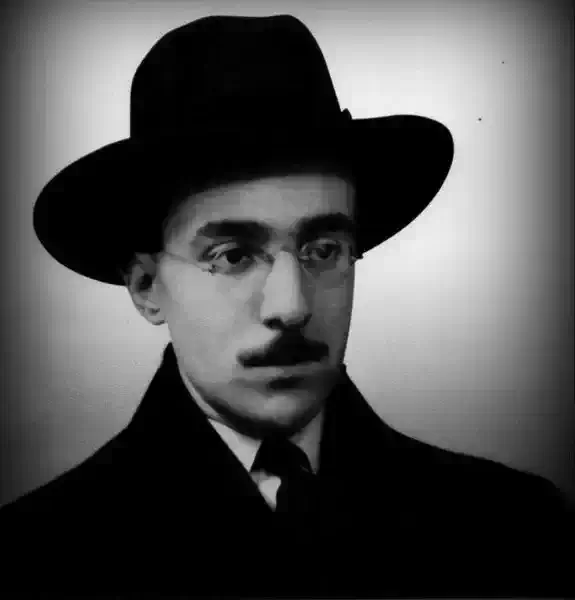
Fernando Pessoa
As tuas mãos terminam em segredo.
As tuas mãos terminam em segredo.
Os teus olhos são negros e macios
Cristo na cruz os teus seios (?) esguios
E o teu perfil princesas no degredo...
Entre buxos e ao pé de bancos frios
Nas entrevistas alamedas, quedo
O vento põe seu arrastado medo
Saudoso a longes velas de navios.
Mas quando o mar subir na praia e for
Arrasar os castelos que na areia
As crianças deixaram, meu amor,
Será o haver cais num mar distante...
Pobre do rei pai das princesas feias
No seu castelo à rosa do Levante!
Os teus olhos são negros e macios
Cristo na cruz os teus seios (?) esguios
E o teu perfil princesas no degredo...
Entre buxos e ao pé de bancos frios
Nas entrevistas alamedas, quedo
O vento põe seu arrastado medo
Saudoso a longes velas de navios.
Mas quando o mar subir na praia e for
Arrasar os castelos que na areia
As crianças deixaram, meu amor,
Será o haver cais num mar distante...
Pobre do rei pai das princesas feias
No seu castelo à rosa do Levante!
1 262
1
Fernando Pessoa
SALUTE TO THE SUN’S ENTRY INTO ARIES
Now at the doorway of the coming year,
Ye nymphs do gather and the garlands twine
That heroes' sons will bear
Fifty years hence in their remembering hands
And of their fathers speak with shining eyes
And of the war that stained the lands.
Weave ye the garlands, for the fame will pass,
And their grandchildren of grandchildren will
No more remember, neither care
Who their ancestor was
Who did that old crown, now scarce a crown, bear
For all must pass, that Time may have his fill.
Weave ye the garlands therefore, for this hour
Will not survive beyond the memory
Of those yet near to it who have the power
The hour somewhat like what it was to see.
Weave ye the garlands, weave
That their memory may live
Awhile, and if that mean that fame is nought,
Weave still the garlands with a gentle thought,
For weaving them, know ye
What to Time's elder shades you yet may give.
The days are heavy with the blood of men,
The year reels like a shattered wall
When the wind comes out of the caves of night.
Our minds are equal with the shaking...
We know not on what power to call
Or which side of the Truth lies right.
Alas! alas! all sides are right in war,
And that impartial vision born of peace,
And that the Gods alone can have,
Lives only in our wish that dim wars mar,
Breathes only in the halls of our release
From all the human things for which we crave.
But these are thoughts, and life is grief and fear.
Weave ye the garlands, lest the coming year
Forget, like ye, the fallen to remember
And the victors to greet.
Weave ye the garlands made
Of some strange flower that lasts unto December
And lay them at Fate's unseen feet.
Ay, for not for the heroes nor the slain
Weave ye the garlands woven with your pain.
Not for the fallen do your cheeks awhile
Flush then grow pale and your proud pain smile.
Not for a man nor for a nation do
Your garlands outreach Time
Perhaps and in eternal regions chime
With the sense of their fame who were e'er true.
For Fate alone all garlands woven are.
Unto Fate's feet the rivers of our tears
Perennial run, nor is there aught more far
Alas! than mere Fate that outwits the sun,
And that in circles round its empty name
Carries the vain course of our sterile fame
And great men as great nations equal lead
Vainly around the frame
Of nothing, like a wind along a mead.
Yet, whether for some man or for no man,
Whether for personal hopes or Fate no one,
Your garlands weave, lest the year come und span
With days fame‑empty the task e'er begun.
Weave garlands, green glad garlands, garlands sad,
Garlands of all sorts, if they glory mean,
Carry your woven garlands to their grave...
The rest is something that cannot be had -
The void as of a ship sunk nor more seen
Beneath the wave.
Ye nymphs do gather and the garlands twine
That heroes' sons will bear
Fifty years hence in their remembering hands
And of their fathers speak with shining eyes
And of the war that stained the lands.
Weave ye the garlands, for the fame will pass,
And their grandchildren of grandchildren will
No more remember, neither care
Who their ancestor was
Who did that old crown, now scarce a crown, bear
For all must pass, that Time may have his fill.
Weave ye the garlands therefore, for this hour
Will not survive beyond the memory
Of those yet near to it who have the power
The hour somewhat like what it was to see.
Weave ye the garlands, weave
That their memory may live
Awhile, and if that mean that fame is nought,
Weave still the garlands with a gentle thought,
For weaving them, know ye
What to Time's elder shades you yet may give.
The days are heavy with the blood of men,
The year reels like a shattered wall
When the wind comes out of the caves of night.
Our minds are equal with the shaking...
We know not on what power to call
Or which side of the Truth lies right.
Alas! alas! all sides are right in war,
And that impartial vision born of peace,
And that the Gods alone can have,
Lives only in our wish that dim wars mar,
Breathes only in the halls of our release
From all the human things for which we crave.
But these are thoughts, and life is grief and fear.
Weave ye the garlands, lest the coming year
Forget, like ye, the fallen to remember
And the victors to greet.
Weave ye the garlands made
Of some strange flower that lasts unto December
And lay them at Fate's unseen feet.
Ay, for not for the heroes nor the slain
Weave ye the garlands woven with your pain.
Not for the fallen do your cheeks awhile
Flush then grow pale and your proud pain smile.
Not for a man nor for a nation do
Your garlands outreach Time
Perhaps and in eternal regions chime
With the sense of their fame who were e'er true.
For Fate alone all garlands woven are.
Unto Fate's feet the rivers of our tears
Perennial run, nor is there aught more far
Alas! than mere Fate that outwits the sun,
And that in circles round its empty name
Carries the vain course of our sterile fame
And great men as great nations equal lead
Vainly around the frame
Of nothing, like a wind along a mead.
Yet, whether for some man or for no man,
Whether for personal hopes or Fate no one,
Your garlands weave, lest the year come und span
With days fame‑empty the task e'er begun.
Weave garlands, green glad garlands, garlands sad,
Garlands of all sorts, if they glory mean,
Carry your woven garlands to their grave...
The rest is something that cannot be had -
The void as of a ship sunk nor more seen
Beneath the wave.
1 570
1
Fernando Pessoa
SALUTE TO THE SUN’S ENTRY INTO ARIES
Now at the doorway of the coming year,
Ye nymphs do gather and the garlands twine
That heroes' sons will bear
Fifty years hence in their remembering hands
And of their fathers speak with shining eyes
And of the war that stained the lands.
Weave ye the garlands, for the fame will pass,
And their grandchildren of grandchildren will
No more remember, neither care
Who their ancestor was
Who did that old crown, now scarce a crown, bear
For all must pass, that Time may have his fill.
Weave ye the garlands therefore, for this hour
Will not survive beyond the memory
Of those yet near to it who have the power
The hour somewhat like what it was to see.
Weave ye the garlands, weave
That their memory may live
Awhile, and if that mean that fame is nought,
Weave still the garlands with a gentle thought,
For weaving them, know ye
What to Time's elder shades you yet may give.
The days are heavy with the blood of men,
The year reels like a shattered wall
When the wind comes out of the caves of night.
Our minds are equal with the shaking...
We know not on what power to call
Or which side of the Truth lies right.
Alas! alas! all sides are right in war,
And that impartial vision born of peace,
And that the Gods alone can have,
Lives only in our wish that dim wars mar,
Breathes only in the halls of our release
From all the human things for which we crave.
But these are thoughts, and life is grief and fear.
Weave ye the garlands, lest the coming year
Forget, like ye, the fallen to remember
And the victors to greet.
Weave ye the garlands made
Of some strange flower that lasts unto December
And lay them at Fate's unseen feet.
Ay, for not for the heroes nor the slain
Weave ye the garlands woven with your pain.
Not for the fallen do your cheeks awhile
Flush then grow pale and your proud pain smile.
Not for a man nor for a nation do
Your garlands outreach Time
Perhaps and in eternal regions chime
With the sense of their fame who were e'er true.
For Fate alone all garlands woven are.
Unto Fate's feet the rivers of our tears
Perennial run, nor is there aught more far
Alas! than mere Fate that outwits the sun,
And that in circles round its empty name
Carries the vain course of our sterile fame
And great men as great nations equal lead
Vainly around the frame
Of nothing, like a wind along a mead.
Yet, whether for some man or for no man,
Whether for personal hopes or Fate no one,
Your garlands weave, lest the year come und span
With days fame‑empty the task e'er begun.
Weave garlands, green glad garlands, garlands sad,
Garlands of all sorts, if they glory mean,
Carry your woven garlands to their grave...
The rest is something that cannot be had -
The void as of a ship sunk nor more seen
Beneath the wave.
Ye nymphs do gather and the garlands twine
That heroes' sons will bear
Fifty years hence in their remembering hands
And of their fathers speak with shining eyes
And of the war that stained the lands.
Weave ye the garlands, for the fame will pass,
And their grandchildren of grandchildren will
No more remember, neither care
Who their ancestor was
Who did that old crown, now scarce a crown, bear
For all must pass, that Time may have his fill.
Weave ye the garlands therefore, for this hour
Will not survive beyond the memory
Of those yet near to it who have the power
The hour somewhat like what it was to see.
Weave ye the garlands, weave
That their memory may live
Awhile, and if that mean that fame is nought,
Weave still the garlands with a gentle thought,
For weaving them, know ye
What to Time's elder shades you yet may give.
The days are heavy with the blood of men,
The year reels like a shattered wall
When the wind comes out of the caves of night.
Our minds are equal with the shaking...
We know not on what power to call
Or which side of the Truth lies right.
Alas! alas! all sides are right in war,
And that impartial vision born of peace,
And that the Gods alone can have,
Lives only in our wish that dim wars mar,
Breathes only in the halls of our release
From all the human things for which we crave.
But these are thoughts, and life is grief and fear.
Weave ye the garlands, lest the coming year
Forget, like ye, the fallen to remember
And the victors to greet.
Weave ye the garlands made
Of some strange flower that lasts unto December
And lay them at Fate's unseen feet.
Ay, for not for the heroes nor the slain
Weave ye the garlands woven with your pain.
Not for the fallen do your cheeks awhile
Flush then grow pale and your proud pain smile.
Not for a man nor for a nation do
Your garlands outreach Time
Perhaps and in eternal regions chime
With the sense of their fame who were e'er true.
For Fate alone all garlands woven are.
Unto Fate's feet the rivers of our tears
Perennial run, nor is there aught more far
Alas! than mere Fate that outwits the sun,
And that in circles round its empty name
Carries the vain course of our sterile fame
And great men as great nations equal lead
Vainly around the frame
Of nothing, like a wind along a mead.
Yet, whether for some man or for no man,
Whether for personal hopes or Fate no one,
Your garlands weave, lest the year come und span
With days fame‑empty the task e'er begun.
Weave garlands, green glad garlands, garlands sad,
Garlands of all sorts, if they glory mean,
Carry your woven garlands to their grave...
The rest is something that cannot be had -
The void as of a ship sunk nor more seen
Beneath the wave.
1 570
1
Fernando Pessoa
SALUTE TO THE SUN’S ENTRY INTO ARIES
Now at the doorway of the coming year,
Ye nymphs do gather and the garlands twine
That heroes' sons will bear
Fifty years hence in their remembering hands
And of their fathers speak with shining eyes
And of the war that stained the lands.
Weave ye the garlands, for the fame will pass,
And their grandchildren of grandchildren will
No more remember, neither care
Who their ancestor was
Who did that old crown, now scarce a crown, bear
For all must pass, that Time may have his fill.
Weave ye the garlands therefore, for this hour
Will not survive beyond the memory
Of those yet near to it who have the power
The hour somewhat like what it was to see.
Weave ye the garlands, weave
That their memory may live
Awhile, and if that mean that fame is nought,
Weave still the garlands with a gentle thought,
For weaving them, know ye
What to Time's elder shades you yet may give.
The days are heavy with the blood of men,
The year reels like a shattered wall
When the wind comes out of the caves of night.
Our minds are equal with the shaking...
We know not on what power to call
Or which side of the Truth lies right.
Alas! alas! all sides are right in war,
And that impartial vision born of peace,
And that the Gods alone can have,
Lives only in our wish that dim wars mar,
Breathes only in the halls of our release
From all the human things for which we crave.
But these are thoughts, and life is grief and fear.
Weave ye the garlands, lest the coming year
Forget, like ye, the fallen to remember
And the victors to greet.
Weave ye the garlands made
Of some strange flower that lasts unto December
And lay them at Fate's unseen feet.
Ay, for not for the heroes nor the slain
Weave ye the garlands woven with your pain.
Not for the fallen do your cheeks awhile
Flush then grow pale and your proud pain smile.
Not for a man nor for a nation do
Your garlands outreach Time
Perhaps and in eternal regions chime
With the sense of their fame who were e'er true.
For Fate alone all garlands woven are.
Unto Fate's feet the rivers of our tears
Perennial run, nor is there aught more far
Alas! than mere Fate that outwits the sun,
And that in circles round its empty name
Carries the vain course of our sterile fame
And great men as great nations equal lead
Vainly around the frame
Of nothing, like a wind along a mead.
Yet, whether for some man or for no man,
Whether for personal hopes or Fate no one,
Your garlands weave, lest the year come und span
With days fame‑empty the task e'er begun.
Weave garlands, green glad garlands, garlands sad,
Garlands of all sorts, if they glory mean,
Carry your woven garlands to their grave...
The rest is something that cannot be had -
The void as of a ship sunk nor more seen
Beneath the wave.
Ye nymphs do gather and the garlands twine
That heroes' sons will bear
Fifty years hence in their remembering hands
And of their fathers speak with shining eyes
And of the war that stained the lands.
Weave ye the garlands, for the fame will pass,
And their grandchildren of grandchildren will
No more remember, neither care
Who their ancestor was
Who did that old crown, now scarce a crown, bear
For all must pass, that Time may have his fill.
Weave ye the garlands therefore, for this hour
Will not survive beyond the memory
Of those yet near to it who have the power
The hour somewhat like what it was to see.
Weave ye the garlands, weave
That their memory may live
Awhile, and if that mean that fame is nought,
Weave still the garlands with a gentle thought,
For weaving them, know ye
What to Time's elder shades you yet may give.
The days are heavy with the blood of men,
The year reels like a shattered wall
When the wind comes out of the caves of night.
Our minds are equal with the shaking...
We know not on what power to call
Or which side of the Truth lies right.
Alas! alas! all sides are right in war,
And that impartial vision born of peace,
And that the Gods alone can have,
Lives only in our wish that dim wars mar,
Breathes only in the halls of our release
From all the human things for which we crave.
But these are thoughts, and life is grief and fear.
Weave ye the garlands, lest the coming year
Forget, like ye, the fallen to remember
And the victors to greet.
Weave ye the garlands made
Of some strange flower that lasts unto December
And lay them at Fate's unseen feet.
Ay, for not for the heroes nor the slain
Weave ye the garlands woven with your pain.
Not for the fallen do your cheeks awhile
Flush then grow pale and your proud pain smile.
Not for a man nor for a nation do
Your garlands outreach Time
Perhaps and in eternal regions chime
With the sense of their fame who were e'er true.
For Fate alone all garlands woven are.
Unto Fate's feet the rivers of our tears
Perennial run, nor is there aught more far
Alas! than mere Fate that outwits the sun,
And that in circles round its empty name
Carries the vain course of our sterile fame
And great men as great nations equal lead
Vainly around the frame
Of nothing, like a wind along a mead.
Yet, whether for some man or for no man,
Whether for personal hopes or Fate no one,
Your garlands weave, lest the year come und span
With days fame‑empty the task e'er begun.
Weave garlands, green glad garlands, garlands sad,
Garlands of all sorts, if they glory mean,
Carry your woven garlands to their grave...
The rest is something that cannot be had -
The void as of a ship sunk nor more seen
Beneath the wave.
1 570
1
Fernando Pessoa
SALUTE TO THE SUN’S ENTRY INTO ARIES
Now at the doorway of the coming year,
Ye nymphs do gather and the garlands twine
That heroes' sons will bear
Fifty years hence in their remembering hands
And of their fathers speak with shining eyes
And of the war that stained the lands.
Weave ye the garlands, for the fame will pass,
And their grandchildren of grandchildren will
No more remember, neither care
Who their ancestor was
Who did that old crown, now scarce a crown, bear
For all must pass, that Time may have his fill.
Weave ye the garlands therefore, for this hour
Will not survive beyond the memory
Of those yet near to it who have the power
The hour somewhat like what it was to see.
Weave ye the garlands, weave
That their memory may live
Awhile, and if that mean that fame is nought,
Weave still the garlands with a gentle thought,
For weaving them, know ye
What to Time's elder shades you yet may give.
The days are heavy with the blood of men,
The year reels like a shattered wall
When the wind comes out of the caves of night.
Our minds are equal with the shaking...
We know not on what power to call
Or which side of the Truth lies right.
Alas! alas! all sides are right in war,
And that impartial vision born of peace,
And that the Gods alone can have,
Lives only in our wish that dim wars mar,
Breathes only in the halls of our release
From all the human things for which we crave.
But these are thoughts, and life is grief and fear.
Weave ye the garlands, lest the coming year
Forget, like ye, the fallen to remember
And the victors to greet.
Weave ye the garlands made
Of some strange flower that lasts unto December
And lay them at Fate's unseen feet.
Ay, for not for the heroes nor the slain
Weave ye the garlands woven with your pain.
Not for the fallen do your cheeks awhile
Flush then grow pale and your proud pain smile.
Not for a man nor for a nation do
Your garlands outreach Time
Perhaps and in eternal regions chime
With the sense of their fame who were e'er true.
For Fate alone all garlands woven are.
Unto Fate's feet the rivers of our tears
Perennial run, nor is there aught more far
Alas! than mere Fate that outwits the sun,
And that in circles round its empty name
Carries the vain course of our sterile fame
And great men as great nations equal lead
Vainly around the frame
Of nothing, like a wind along a mead.
Yet, whether for some man or for no man,
Whether for personal hopes or Fate no one,
Your garlands weave, lest the year come und span
With days fame‑empty the task e'er begun.
Weave garlands, green glad garlands, garlands sad,
Garlands of all sorts, if they glory mean,
Carry your woven garlands to their grave...
The rest is something that cannot be had -
The void as of a ship sunk nor more seen
Beneath the wave.
Ye nymphs do gather and the garlands twine
That heroes' sons will bear
Fifty years hence in their remembering hands
And of their fathers speak with shining eyes
And of the war that stained the lands.
Weave ye the garlands, for the fame will pass,
And their grandchildren of grandchildren will
No more remember, neither care
Who their ancestor was
Who did that old crown, now scarce a crown, bear
For all must pass, that Time may have his fill.
Weave ye the garlands therefore, for this hour
Will not survive beyond the memory
Of those yet near to it who have the power
The hour somewhat like what it was to see.
Weave ye the garlands, weave
That their memory may live
Awhile, and if that mean that fame is nought,
Weave still the garlands with a gentle thought,
For weaving them, know ye
What to Time's elder shades you yet may give.
The days are heavy with the blood of men,
The year reels like a shattered wall
When the wind comes out of the caves of night.
Our minds are equal with the shaking...
We know not on what power to call
Or which side of the Truth lies right.
Alas! alas! all sides are right in war,
And that impartial vision born of peace,
And that the Gods alone can have,
Lives only in our wish that dim wars mar,
Breathes only in the halls of our release
From all the human things for which we crave.
But these are thoughts, and life is grief and fear.
Weave ye the garlands, lest the coming year
Forget, like ye, the fallen to remember
And the victors to greet.
Weave ye the garlands made
Of some strange flower that lasts unto December
And lay them at Fate's unseen feet.
Ay, for not for the heroes nor the slain
Weave ye the garlands woven with your pain.
Not for the fallen do your cheeks awhile
Flush then grow pale and your proud pain smile.
Not for a man nor for a nation do
Your garlands outreach Time
Perhaps and in eternal regions chime
With the sense of their fame who were e'er true.
For Fate alone all garlands woven are.
Unto Fate's feet the rivers of our tears
Perennial run, nor is there aught more far
Alas! than mere Fate that outwits the sun,
And that in circles round its empty name
Carries the vain course of our sterile fame
And great men as great nations equal lead
Vainly around the frame
Of nothing, like a wind along a mead.
Yet, whether for some man or for no man,
Whether for personal hopes or Fate no one,
Your garlands weave, lest the year come und span
With days fame‑empty the task e'er begun.
Weave garlands, green glad garlands, garlands sad,
Garlands of all sorts, if they glory mean,
Carry your woven garlands to their grave...
The rest is something that cannot be had -
The void as of a ship sunk nor more seen
Beneath the wave.
1 570
1
Fernando Pessoa
Passo, na noite da rua suburbana,
Passo, na noite da rua suburbana,
Regresso da conferência com peritos como eu.
Regresso só, e poeta agora, sem perícia nem engenharia,
Humano até ao som dos meus sapatos solitários no princípio da noite
Onde ao longe a porta da tenda tardia se encobre com o último taipal.
Ah, o som do jantar nas casas felizes!
Passo, e os meus ouvidos vêem para dentro das casas.
O meu exílio natural enternece-se no escuro
Da aia meu lar, da rua meu ser, da rua meu sangue.
Ser a criança economicamente garantida,
Com a cama fofa e o sono da infância e a criada!
O meu coração sem privilégio!
Minha sensibilidade da exclusão!
Minha mágoa extrema de ser eu!
Quem fez lenha de todo o berço da minha infância?
Quem fez trapos de limpar o chão dos meus lençóis de menino?
Quem expôs por cima das cascas e do cotão das casas
Nos caixotes de lixo do mundo
As rendas daquela camisa que usei para me baptizarem?
Quem me vendeu ao Destino?
Quem me trocou por mim?
Venho de falar precisamente em circunstâncias positivas.
Pus pontos concretos, como um numerador automático.
Tive razão como uma balança.
Disse como sabia.
Agora, a caminho do carro eléctrico do término de onde se volta à cidade,
Passo, bandido, metafísico, sob a luz dos candeeiros afastados
E na sombra entre os dois candeeiros afastados tenho vontade de não seguir.
Mas apanharei o eléctrico.
Soará duas vezes a campainha lá do fim invisível da correia puxada
Pelas mãos de dedos grossos do condutor por barbear.
Apanharei o eléctrico.
Ai de mim; apesar de tudo sempre apanhei o eléctrico —
Sempre, sempre, sempre...
Voltei sempre à cidade,
Voltei sempre à cidade, depois de especulações e desvios,
Voltei sempre com vontade de jantar.
Mas nunca jantei o jantar que soa atrás de persianas
Das casas felizes dos arredores por onde se volta ao eléctrico,
Das casas conjugais da normalidade da vida!
Pago o bilhete através dos interstícios,
E o condutor passa por mim como se eu fosse a Crítica da Razão Pura...
Paguei o bilhete. Cumpri o dever. Sou vulgar.
E tudo isto são coisas que nem o suicídio cura.
Regresso da conferência com peritos como eu.
Regresso só, e poeta agora, sem perícia nem engenharia,
Humano até ao som dos meus sapatos solitários no princípio da noite
Onde ao longe a porta da tenda tardia se encobre com o último taipal.
Ah, o som do jantar nas casas felizes!
Passo, e os meus ouvidos vêem para dentro das casas.
O meu exílio natural enternece-se no escuro
Da aia meu lar, da rua meu ser, da rua meu sangue.
Ser a criança economicamente garantida,
Com a cama fofa e o sono da infância e a criada!
O meu coração sem privilégio!
Minha sensibilidade da exclusão!
Minha mágoa extrema de ser eu!
Quem fez lenha de todo o berço da minha infância?
Quem fez trapos de limpar o chão dos meus lençóis de menino?
Quem expôs por cima das cascas e do cotão das casas
Nos caixotes de lixo do mundo
As rendas daquela camisa que usei para me baptizarem?
Quem me vendeu ao Destino?
Quem me trocou por mim?
Venho de falar precisamente em circunstâncias positivas.
Pus pontos concretos, como um numerador automático.
Tive razão como uma balança.
Disse como sabia.
Agora, a caminho do carro eléctrico do término de onde se volta à cidade,
Passo, bandido, metafísico, sob a luz dos candeeiros afastados
E na sombra entre os dois candeeiros afastados tenho vontade de não seguir.
Mas apanharei o eléctrico.
Soará duas vezes a campainha lá do fim invisível da correia puxada
Pelas mãos de dedos grossos do condutor por barbear.
Apanharei o eléctrico.
Ai de mim; apesar de tudo sempre apanhei o eléctrico —
Sempre, sempre, sempre...
Voltei sempre à cidade,
Voltei sempre à cidade, depois de especulações e desvios,
Voltei sempre com vontade de jantar.
Mas nunca jantei o jantar que soa atrás de persianas
Das casas felizes dos arredores por onde se volta ao eléctrico,
Das casas conjugais da normalidade da vida!
Pago o bilhete através dos interstícios,
E o condutor passa por mim como se eu fosse a Crítica da Razão Pura...
Paguei o bilhete. Cumpri o dever. Sou vulgar.
E tudo isto são coisas que nem o suicídio cura.
1 576
1
Fernando Pessoa
Passo, na noite da rua suburbana,
Passo, na noite da rua suburbana,
Regresso da conferência com peritos como eu.
Regresso só, e poeta agora, sem perícia nem engenharia,
Humano até ao som dos meus sapatos solitários no princípio da noite
Onde ao longe a porta da tenda tardia se encobre com o último taipal.
Ah, o som do jantar nas casas felizes!
Passo, e os meus ouvidos vêem para dentro das casas.
O meu exílio natural enternece-se no escuro
Da aia meu lar, da rua meu ser, da rua meu sangue.
Ser a criança economicamente garantida,
Com a cama fofa e o sono da infância e a criada!
O meu coração sem privilégio!
Minha sensibilidade da exclusão!
Minha mágoa extrema de ser eu!
Quem fez lenha de todo o berço da minha infância?
Quem fez trapos de limpar o chão dos meus lençóis de menino?
Quem expôs por cima das cascas e do cotão das casas
Nos caixotes de lixo do mundo
As rendas daquela camisa que usei para me baptizarem?
Quem me vendeu ao Destino?
Quem me trocou por mim?
Venho de falar precisamente em circunstâncias positivas.
Pus pontos concretos, como um numerador automático.
Tive razão como uma balança.
Disse como sabia.
Agora, a caminho do carro eléctrico do término de onde se volta à cidade,
Passo, bandido, metafísico, sob a luz dos candeeiros afastados
E na sombra entre os dois candeeiros afastados tenho vontade de não seguir.
Mas apanharei o eléctrico.
Soará duas vezes a campainha lá do fim invisível da correia puxada
Pelas mãos de dedos grossos do condutor por barbear.
Apanharei o eléctrico.
Ai de mim; apesar de tudo sempre apanhei o eléctrico —
Sempre, sempre, sempre...
Voltei sempre à cidade,
Voltei sempre à cidade, depois de especulações e desvios,
Voltei sempre com vontade de jantar.
Mas nunca jantei o jantar que soa atrás de persianas
Das casas felizes dos arredores por onde se volta ao eléctrico,
Das casas conjugais da normalidade da vida!
Pago o bilhete através dos interstícios,
E o condutor passa por mim como se eu fosse a Crítica da Razão Pura...
Paguei o bilhete. Cumpri o dever. Sou vulgar.
E tudo isto são coisas que nem o suicídio cura.
Regresso da conferência com peritos como eu.
Regresso só, e poeta agora, sem perícia nem engenharia,
Humano até ao som dos meus sapatos solitários no princípio da noite
Onde ao longe a porta da tenda tardia se encobre com o último taipal.
Ah, o som do jantar nas casas felizes!
Passo, e os meus ouvidos vêem para dentro das casas.
O meu exílio natural enternece-se no escuro
Da aia meu lar, da rua meu ser, da rua meu sangue.
Ser a criança economicamente garantida,
Com a cama fofa e o sono da infância e a criada!
O meu coração sem privilégio!
Minha sensibilidade da exclusão!
Minha mágoa extrema de ser eu!
Quem fez lenha de todo o berço da minha infância?
Quem fez trapos de limpar o chão dos meus lençóis de menino?
Quem expôs por cima das cascas e do cotão das casas
Nos caixotes de lixo do mundo
As rendas daquela camisa que usei para me baptizarem?
Quem me vendeu ao Destino?
Quem me trocou por mim?
Venho de falar precisamente em circunstâncias positivas.
Pus pontos concretos, como um numerador automático.
Tive razão como uma balança.
Disse como sabia.
Agora, a caminho do carro eléctrico do término de onde se volta à cidade,
Passo, bandido, metafísico, sob a luz dos candeeiros afastados
E na sombra entre os dois candeeiros afastados tenho vontade de não seguir.
Mas apanharei o eléctrico.
Soará duas vezes a campainha lá do fim invisível da correia puxada
Pelas mãos de dedos grossos do condutor por barbear.
Apanharei o eléctrico.
Ai de mim; apesar de tudo sempre apanhei o eléctrico —
Sempre, sempre, sempre...
Voltei sempre à cidade,
Voltei sempre à cidade, depois de especulações e desvios,
Voltei sempre com vontade de jantar.
Mas nunca jantei o jantar que soa atrás de persianas
Das casas felizes dos arredores por onde se volta ao eléctrico,
Das casas conjugais da normalidade da vida!
Pago o bilhete através dos interstícios,
E o condutor passa por mim como se eu fosse a Crítica da Razão Pura...
Paguei o bilhete. Cumpri o dever. Sou vulgar.
E tudo isto são coisas que nem o suicídio cura.
1 576
1
Fernando Pessoa
Água que passa e canta
Água que passa e canta
É água que faz dormir...
Sonhar é coisa que encanta,
Pensar é já não sentir.
É água que faz dormir...
Sonhar é coisa que encanta,
Pensar é já não sentir.
3 389
1
Fernando Pessoa
Teus olhos contas escuras,
Teus olhos contas escuras,
São duas, Avé Marias
Dum rosário d’amarguras
Que eu rezo todos os dias.
GLOSA
Quando a dor me amargurar,
Quando sentir penas duras,
Só me podem consolar
Teus olhos, contas escuras.
Deles só brotam amores;
Não há sombras d’ironias;
Esses olhos sedutores
São duas Avé Marias.
Mas se a ira os vem turvar
Fazem-me sofrer torturas
E as contas todas rezar
Dum rosário d’amarguras.
Ou se os alaga a aflição
Peço p’ra ti alegrias
Numa fervente oração
Que rezo todos os dias!
São duas, Avé Marias
Dum rosário d’amarguras
Que eu rezo todos os dias.
GLOSA
Quando a dor me amargurar,
Quando sentir penas duras,
Só me podem consolar
Teus olhos, contas escuras.
Deles só brotam amores;
Não há sombras d’ironias;
Esses olhos sedutores
São duas Avé Marias.
Mas se a ira os vem turvar
Fazem-me sofrer torturas
E as contas todas rezar
Dum rosário d’amarguras.
Ou se os alaga a aflição
Peço p’ra ti alegrias
Numa fervente oração
Que rezo todos os dias!
1 493
1
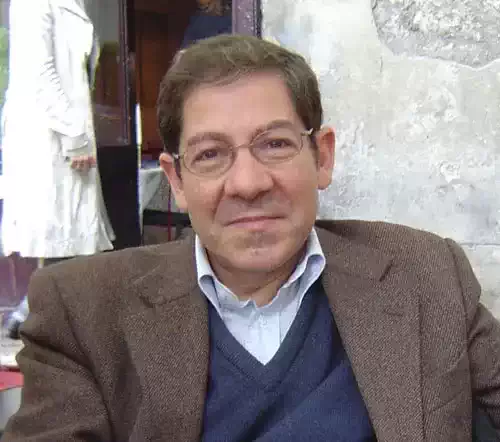
Nuno Júdice
A vindima de Eros
E de novo este céu desenrola a sua matéria
de outono. Com a precisão do vindimador, agarro
as suas vides e corto os cachos de névoa que
caem sobre a terra. Ponho-os no carro do poema,
e levo-os para a adega abandonada do sonho
para os transformar num vinho de palavras
feitas com as sílabas mais líquidas, as que se
podem beber pela taça da estrofe. E um fumo
da antiga inspiração evola-se da cuba
dos mistérios. As raparigas descalças, com
os seus aventais de sol, sobem para o lagar
e pisam as uvas. O cheiro do sumo sobe
até ao fundo da sua cabeça, e antes que fiquem
tontas começam a contar as memórias perecíveis,
as que nasceram de uma fuga nocturna
pelos campos impunes do estio. Espero
que acabem o seu trabalho, e vejo-as sair com
as pernas roxas até aos joelhos, e as saias subidas
até às coxas. Os seus olhos rodam como
as velas de um moinho ébrio de vento; e
abrem os braços à luz, como se desejassem
que ela limpasse os seus corpos da espuma
que os envolve. E canto esses corpos, como
se elas me pedissem que transformasse
o mosto dos seus lábios no vermelho puro
da madrugada. Assim, uma levada de versos
recitados nos rituais da origem inunda
os seus seios e restitui-lhes a brancura inicial,
enquanto me obrigam a beber os líquidos
que os seus pés destilaram. E apenas lhes peço,
quando vestem as suas túnicas de nuvem,
que atravessem de novo as videiras decepadas
e abracem os vindimadores, beijando-os,
para que eles provem o vinho novo dos seus lábios.
in, "A Convergência dos Ventos" | Nuno Júdice | Publicações Dom Quixote, 1ª. Edição, pág. 18 e 19 - Lisboa, Outubro 2015
de outono. Com a precisão do vindimador, agarro
as suas vides e corto os cachos de névoa que
caem sobre a terra. Ponho-os no carro do poema,
e levo-os para a adega abandonada do sonho
para os transformar num vinho de palavras
feitas com as sílabas mais líquidas, as que se
podem beber pela taça da estrofe. E um fumo
da antiga inspiração evola-se da cuba
dos mistérios. As raparigas descalças, com
os seus aventais de sol, sobem para o lagar
e pisam as uvas. O cheiro do sumo sobe
até ao fundo da sua cabeça, e antes que fiquem
tontas começam a contar as memórias perecíveis,
as que nasceram de uma fuga nocturna
pelos campos impunes do estio. Espero
que acabem o seu trabalho, e vejo-as sair com
as pernas roxas até aos joelhos, e as saias subidas
até às coxas. Os seus olhos rodam como
as velas de um moinho ébrio de vento; e
abrem os braços à luz, como se desejassem
que ela limpasse os seus corpos da espuma
que os envolve. E canto esses corpos, como
se elas me pedissem que transformasse
o mosto dos seus lábios no vermelho puro
da madrugada. Assim, uma levada de versos
recitados nos rituais da origem inunda
os seus seios e restitui-lhes a brancura inicial,
enquanto me obrigam a beber os líquidos
que os seus pés destilaram. E apenas lhes peço,
quando vestem as suas túnicas de nuvem,
que atravessem de novo as videiras decepadas
e abracem os vindimadores, beijando-os,
para que eles provem o vinho novo dos seus lábios.
in, "A Convergência dos Ventos" | Nuno Júdice | Publicações Dom Quixote, 1ª. Edição, pág. 18 e 19 - Lisboa, Outubro 2015
1 786
1
Fernando Pessoa
II - A Guerra!
II
A Guerra!
Desfilam diante de mim as civilizações guerreiras...
As civilizações guerreiras de todos os tempos e lugares...
Num panorama confuso e lúcido,
Em quadras misturadas e não misturadas, separadas e compactas, mas só quando
Em desfile sucessivo e apesar disso ao mesmo tempo,
Passam...
Passam e eu, eu que estou estendido na erva
E vi os carros passarem, passarem — cessarem depois para nós mesmos
Vejo-os e o meu espanto nem é muito calmo nem interessado
Nem os vê nem os deixa de ver,
E eles passam por mim como um pó ou leve vento sobe pelos ares.
Ah a pompa antiga, e a pompa moderna, os uniformes dos engenhos de guerra,
A fúria terna e [...] dos combates
Os mortos sempre a mesma misteriosa vida — o corpo no chão (e o que é o mundo, afinal, e aonde?)
A ferida [...]
E o céu, o eterno céu insensível sobre isso tudo!
A Guerra!
Desfilam diante de mim as civilizações guerreiras...
As civilizações guerreiras de todos os tempos e lugares...
Num panorama confuso e lúcido,
Em quadras misturadas e não misturadas, separadas e compactas, mas só quando
Em desfile sucessivo e apesar disso ao mesmo tempo,
Passam...
Passam e eu, eu que estou estendido na erva
E vi os carros passarem, passarem — cessarem depois para nós mesmos
Vejo-os e o meu espanto nem é muito calmo nem interessado
Nem os vê nem os deixa de ver,
E eles passam por mim como um pó ou leve vento sobe pelos ares.
Ah a pompa antiga, e a pompa moderna, os uniformes dos engenhos de guerra,
A fúria terna e [...] dos combates
Os mortos sempre a mesma misteriosa vida — o corpo no chão (e o que é o mundo, afinal, e aonde?)
A ferida [...]
E o céu, o eterno céu insensível sobre isso tudo!
3 086
1
Fernando Pessoa
POEMA DE CANÇÃO SOBRE A ESPERANÇA
POEMA DE CANÇÃO SOBRE A ESPERANÇA
I
Dá-me lírios, lírios,
E rosas também.
Mas se não tens lírios
Nem rosas a dar-me,
Tem vontade ao menos
De me dar os lírios
E também as rosas.
Basta-me a vontade,
Que tens, se a tiveres,
De me dar os lírios
E as rosas também,
E terei os lírios —
Os melhores lírios —
E as melhores rosas
Sem receber nada.
A não ser a prenda
Da tua vontade
De me dares lírios
E rosas também.
II
Usas um vestido
Que é uma lembrança
Para o meu coração.
Usou-o outrora
Alguém que me ficou
Lembrada sem vista.
Tudo na vida
Se faz por recordações.
Ama-se por memória.
Certa mulher faz-nos ternura
Por um gesto que lembra a nossa mãe.
Certa rapariga faz-nos alegria
Por falar como a nossa irmã.
Certa criança arranca-nos da desatenção
Porque amámos uma mulher parecida com ela
Quando éramos jovens e não lhe falávamos.
Tudo é assim, mais ou menos,
O coração anda aos trambulhões.
Viver é desencontrar-se consigo mesmo.
No fim de tudo, se tiver sono, dormirei.
Mas gostava de te encontrar e que falássemos.
Estou certo que simpatizaríamos um com o outro.
Mas se não nos encontrarmos, guardarei o momento
Em que pensei que nos poderíamos encontrar.
Guardo tudo,
(Guardo as cartas que me escrevem,
Guardo até as cartas que não me escrevem —
Santo Deus, a gente guarda tudo mesmo que não queira,
E o teu vestido azulinho, meu Deus, se eu te pudesse atrair
Através dele até mim!
Enfim, tudo pode ser...
És tão nova — tão jovem, como diria o Ricardo Reis —
E a minha visão de ti explode literariamente,
E deito-me para trás na praia e rio como um elemental inferior,
Arre, sentir cansa, e a vida é quente quando o sol está alto.
Boa noite na Austrália!
I
Dá-me lírios, lírios,
E rosas também.
Mas se não tens lírios
Nem rosas a dar-me,
Tem vontade ao menos
De me dar os lírios
E também as rosas.
Basta-me a vontade,
Que tens, se a tiveres,
De me dar os lírios
E as rosas também,
E terei os lírios —
Os melhores lírios —
E as melhores rosas
Sem receber nada.
A não ser a prenda
Da tua vontade
De me dares lírios
E rosas também.
II
Usas um vestido
Que é uma lembrança
Para o meu coração.
Usou-o outrora
Alguém que me ficou
Lembrada sem vista.
Tudo na vida
Se faz por recordações.
Ama-se por memória.
Certa mulher faz-nos ternura
Por um gesto que lembra a nossa mãe.
Certa rapariga faz-nos alegria
Por falar como a nossa irmã.
Certa criança arranca-nos da desatenção
Porque amámos uma mulher parecida com ela
Quando éramos jovens e não lhe falávamos.
Tudo é assim, mais ou menos,
O coração anda aos trambulhões.
Viver é desencontrar-se consigo mesmo.
No fim de tudo, se tiver sono, dormirei.
Mas gostava de te encontrar e que falássemos.
Estou certo que simpatizaríamos um com o outro.
Mas se não nos encontrarmos, guardarei o momento
Em que pensei que nos poderíamos encontrar.
Guardo tudo,
(Guardo as cartas que me escrevem,
Guardo até as cartas que não me escrevem —
Santo Deus, a gente guarda tudo mesmo que não queira,
E o teu vestido azulinho, meu Deus, se eu te pudesse atrair
Através dele até mim!
Enfim, tudo pode ser...
És tão nova — tão jovem, como diria o Ricardo Reis —
E a minha visão de ti explode literariamente,
E deito-me para trás na praia e rio como um elemental inferior,
Arre, sentir cansa, e a vida é quente quando o sol está alto.
Boa noite na Austrália!
1 673
1
Fernando Pessoa
Olhos de veludo falso
Olhos de veludo falso
E que fitam a entender,
Vós sois o meu cadafalso
A que subo com prazer.
E que fitam a entender,
Vós sois o meu cadafalso
A que subo com prazer.
1 566
1
Fernando Pessoa
O horror sórdido do que, a sós consigo,
Faz as malas para Parte Nenhuma!
Embarca para a universalidade negativa de tudo
Com um grande embandeiramento de navios fingidos
Dos navios pequenos, multicolores, da infância!
Faz as malas para o Grande Abandono!
E não esqueças, entre as escovas e a tesoura,
A distância polícroma do que se não pode obter.
Faz as malas definitivamente!
Quem és tu aqui, onde existes gregário e inútil —
E quanto mais útil mais inútil —
E quanto mais verdadeiro mais falso —
Quem és tu aqui? quem és tu aqui? quem és tu aqui?
Embarca, sem malas mesmo, para ti mesmo diverso!
Que te é a terra habitada senão o que não é contigo?
Embarca para a universalidade negativa de tudo
Com um grande embandeiramento de navios fingidos
Dos navios pequenos, multicolores, da infância!
Faz as malas para o Grande Abandono!
E não esqueças, entre as escovas e a tesoura,
A distância polícroma do que se não pode obter.
Faz as malas definitivamente!
Quem és tu aqui, onde existes gregário e inútil —
E quanto mais útil mais inútil —
E quanto mais verdadeiro mais falso —
Quem és tu aqui? quem és tu aqui? quem és tu aqui?
Embarca, sem malas mesmo, para ti mesmo diverso!
Que te é a terra habitada senão o que não é contigo?
1 158
1
Fernando Pessoa
O horror sórdido do que, a sós consigo,
Faz as malas para Parte Nenhuma!
Embarca para a universalidade negativa de tudo
Com um grande embandeiramento de navios fingidos
Dos navios pequenos, multicolores, da infância!
Faz as malas para o Grande Abandono!
E não esqueças, entre as escovas e a tesoura,
A distância polícroma do que se não pode obter.
Faz as malas definitivamente!
Quem és tu aqui, onde existes gregário e inútil —
E quanto mais útil mais inútil —
E quanto mais verdadeiro mais falso —
Quem és tu aqui? quem és tu aqui? quem és tu aqui?
Embarca, sem malas mesmo, para ti mesmo diverso!
Que te é a terra habitada senão o que não é contigo?
Embarca para a universalidade negativa de tudo
Com um grande embandeiramento de navios fingidos
Dos navios pequenos, multicolores, da infância!
Faz as malas para o Grande Abandono!
E não esqueças, entre as escovas e a tesoura,
A distância polícroma do que se não pode obter.
Faz as malas definitivamente!
Quem és tu aqui, onde existes gregário e inútil —
E quanto mais útil mais inútil —
E quanto mais verdadeiro mais falso —
Quem és tu aqui? quem és tu aqui? quem és tu aqui?
Embarca, sem malas mesmo, para ti mesmo diverso!
Que te é a terra habitada senão o que não é contigo?
1 158
1
Fernando Pessoa
O horror sórdido do que, a sós consigo,
Faz as malas para Parte Nenhuma!
Embarca para a universalidade negativa de tudo
Com um grande embandeiramento de navios fingidos
Dos navios pequenos, multicolores, da infância!
Faz as malas para o Grande Abandono!
E não esqueças, entre as escovas e a tesoura,
A distância polícroma do que se não pode obter.
Faz as malas definitivamente!
Quem és tu aqui, onde existes gregário e inútil —
E quanto mais útil mais inútil —
E quanto mais verdadeiro mais falso —
Quem és tu aqui? quem és tu aqui? quem és tu aqui?
Embarca, sem malas mesmo, para ti mesmo diverso!
Que te é a terra habitada senão o que não é contigo?
Embarca para a universalidade negativa de tudo
Com um grande embandeiramento de navios fingidos
Dos navios pequenos, multicolores, da infância!
Faz as malas para o Grande Abandono!
E não esqueças, entre as escovas e a tesoura,
A distância polícroma do que se não pode obter.
Faz as malas definitivamente!
Quem és tu aqui, onde existes gregário e inútil —
E quanto mais útil mais inútil —
E quanto mais verdadeiro mais falso —
Quem és tu aqui? quem és tu aqui? quem és tu aqui?
Embarca, sem malas mesmo, para ti mesmo diverso!
Que te é a terra habitada senão o que não é contigo?
1 158
1
Fernando Pessoa
Que mais que um ludo ou jogo é a extensa vida,
Que mais que um ludo ou jogo é a extensa vida,
Em que nos distraímos de outra coisa —
Que coisa, não sabemos —;
Livres porque brincamos se jogamos,
Presos porque tem regras todo jogo;
Quem somos? quem seremos?
Feliz o a quem surge a consciência
Do jogo, mas não toda, e essa dele
Em o saber perdê-la.
Em que nos distraímos de outra coisa —
Que coisa, não sabemos —;
Livres porque brincamos se jogamos,
Presos porque tem regras todo jogo;
Quem somos? quem seremos?
Feliz o a quem surge a consciência
Do jogo, mas não toda, e essa dele
Em o saber perdê-la.
1 511
1
Fernando Pessoa
Que mais que um ludo ou jogo é a extensa vida,
Que mais que um ludo ou jogo é a extensa vida,
Em que nos distraímos de outra coisa —
Que coisa, não sabemos —;
Livres porque brincamos se jogamos,
Presos porque tem regras todo jogo;
Quem somos? quem seremos?
Feliz o a quem surge a consciência
Do jogo, mas não toda, e essa dele
Em o saber perdê-la.
Em que nos distraímos de outra coisa —
Que coisa, não sabemos —;
Livres porque brincamos se jogamos,
Presos porque tem regras todo jogo;
Quem somos? quem seremos?
Feliz o a quem surge a consciência
Do jogo, mas não toda, e essa dele
Em o saber perdê-la.
1 511
1
Fernando Pessoa
Que mais que um ludo ou jogo é a extensa vida,
Que mais que um ludo ou jogo é a extensa vida,
Em que nos distraímos de outra coisa —
Que coisa, não sabemos —;
Livres porque brincamos se jogamos,
Presos porque tem regras todo jogo;
Quem somos? quem seremos?
Feliz o a quem surge a consciência
Do jogo, mas não toda, e essa dele
Em o saber perdê-la.
Em que nos distraímos de outra coisa —
Que coisa, não sabemos —;
Livres porque brincamos se jogamos,
Presos porque tem regras todo jogo;
Quem somos? quem seremos?
Feliz o a quem surge a consciência
Do jogo, mas não toda, e essa dele
Em o saber perdê-la.
1 511
1
Fernando Pessoa
O nosso mundo é real e o Deus que tem
O nosso mundo é real e o Deus que tem
— O Deus das fés, das crenças, com seu céu (
É absolutamente verdadeiro,
É a realidade, é o criador,
É a Vida e a fonte da Eterna Vida...
Mas nada disso é a Verdade real...
E o próprio Deus não sabe qual é ela...
Ele próprio tem o seu mistério, e pesa
Sobre o que nele seja o Pensamento
O mesmo Górgona que sobre nós pesa...
Ele é sim, infinito e verdadeiro,
Ele sim o eterno criador
Que está além do tempo, e o espaço, e o (...)
Mas não é mais que um sol porque girando
Em torno ao Ser absoluto... e este é apenas
O sol centro dum sistema dos
Inúmeros sistemas
De que a Verdade Essencial é feita!
Sim, iremos, seres imortais
Sim, iremos a Deus e eternamente
Aí estaremos... E tudo isso é certo...
E tudo isso é falso, é tudo falso.
Outra e fechada sempre é a Verdade...
Outro é Deus do que Deus... e antes são reais
Outros seres do que o ser [...]
— O Deus das fés, das crenças, com seu céu (
É absolutamente verdadeiro,
É a realidade, é o criador,
É a Vida e a fonte da Eterna Vida...
Mas nada disso é a Verdade real...
E o próprio Deus não sabe qual é ela...
Ele próprio tem o seu mistério, e pesa
Sobre o que nele seja o Pensamento
O mesmo Górgona que sobre nós pesa...
Ele é sim, infinito e verdadeiro,
Ele sim o eterno criador
Que está além do tempo, e o espaço, e o (...)
Mas não é mais que um sol porque girando
Em torno ao Ser absoluto... e este é apenas
O sol centro dum sistema dos
Inúmeros sistemas
De que a Verdade Essencial é feita!
Sim, iremos, seres imortais
Sim, iremos a Deus e eternamente
Aí estaremos... E tudo isso é certo...
E tudo isso é falso, é tudo falso.
Outra e fechada sempre é a Verdade...
Outro é Deus do que Deus... e antes são reais
Outros seres do que o ser [...]
1 404
1
Fernando Pessoa
O nosso mundo é real e o Deus que tem
O nosso mundo é real e o Deus que tem
— O Deus das fés, das crenças, com seu céu (
É absolutamente verdadeiro,
É a realidade, é o criador,
É a Vida e a fonte da Eterna Vida...
Mas nada disso é a Verdade real...
E o próprio Deus não sabe qual é ela...
Ele próprio tem o seu mistério, e pesa
Sobre o que nele seja o Pensamento
O mesmo Górgona que sobre nós pesa...
Ele é sim, infinito e verdadeiro,
Ele sim o eterno criador
Que está além do tempo, e o espaço, e o (...)
Mas não é mais que um sol porque girando
Em torno ao Ser absoluto... e este é apenas
O sol centro dum sistema dos
Inúmeros sistemas
De que a Verdade Essencial é feita!
Sim, iremos, seres imortais
Sim, iremos a Deus e eternamente
Aí estaremos... E tudo isso é certo...
E tudo isso é falso, é tudo falso.
Outra e fechada sempre é a Verdade...
Outro é Deus do que Deus... e antes são reais
Outros seres do que o ser [...]
— O Deus das fés, das crenças, com seu céu (
É absolutamente verdadeiro,
É a realidade, é o criador,
É a Vida e a fonte da Eterna Vida...
Mas nada disso é a Verdade real...
E o próprio Deus não sabe qual é ela...
Ele próprio tem o seu mistério, e pesa
Sobre o que nele seja o Pensamento
O mesmo Górgona que sobre nós pesa...
Ele é sim, infinito e verdadeiro,
Ele sim o eterno criador
Que está além do tempo, e o espaço, e o (...)
Mas não é mais que um sol porque girando
Em torno ao Ser absoluto... e este é apenas
O sol centro dum sistema dos
Inúmeros sistemas
De que a Verdade Essencial é feita!
Sim, iremos, seres imortais
Sim, iremos a Deus e eternamente
Aí estaremos... E tudo isso é certo...
E tudo isso é falso, é tudo falso.
Outra e fechada sempre é a Verdade...
Outro é Deus do que Deus... e antes são reais
Outros seres do que o ser [...]
1 404
1
Fernando Pessoa
Agora que sinto amor
Agora que sinto amor
Tenho interesse no que cheira.
Nunca antes me interessou que uma flor tivesse cheiro.
Agora sinto o perfume das flores como se visse uma coisa nova.
Sei bem que elas cheiravam, como sei que existia.
São coisas que se sabem por fora.
Mas agora sei com a respiração da parte de trás da cabeça.
Hoje as flores sabem-me bem num paladar que se cheira.
Hoje às vezes acordo e cheiro antes de ver.
Tenho interesse no que cheira.
Nunca antes me interessou que uma flor tivesse cheiro.
Agora sinto o perfume das flores como se visse uma coisa nova.
Sei bem que elas cheiravam, como sei que existia.
São coisas que se sabem por fora.
Mas agora sei com a respiração da parte de trás da cabeça.
Hoje as flores sabem-me bem num paladar que se cheira.
Hoje às vezes acordo e cheiro antes de ver.
2 526
1
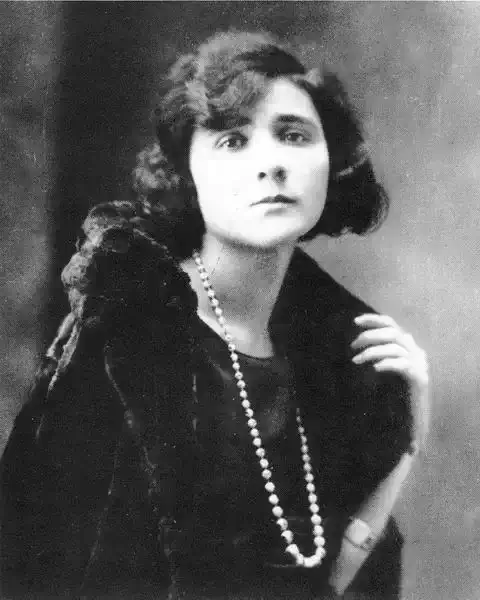
Florbela Espanca
A Doida
A Noite passa, noivando.
Caem ondas de luar.
Lá passa a doida cantando
Num suspiro doce e brando
Que mais parece chorar!
Dizem que foi pela morte
D’alguém, que muito lhe quis,
Que endoideceu. Triste sorte!
Que dor tão triste e tão forte!
Como um doido é infeliz!
Desde que ela endoideceu,
(Que triste vida, que mágoa!)
Pobrezinha, olhando o céu,
Chama o noivo que morreu,
Com os olhos rasos d’água!
E a noite passa, noivando.
Passa noivando o luar:
“Num suspiro doce e brando,
Pobre doida vai cantando
Que esse teu canto, é chorar!”
Caem ondas de luar.
Lá passa a doida cantando
Num suspiro doce e brando
Que mais parece chorar!
Dizem que foi pela morte
D’alguém, que muito lhe quis,
Que endoideceu. Triste sorte!
Que dor tão triste e tão forte!
Como um doido é infeliz!
Desde que ela endoideceu,
(Que triste vida, que mágoa!)
Pobrezinha, olhando o céu,
Chama o noivo que morreu,
Com os olhos rasos d’água!
E a noite passa, noivando.
Passa noivando o luar:
“Num suspiro doce e brando,
Pobre doida vai cantando
Que esse teu canto, é chorar!”
3 351
1
Florbela Espanca
Quem?...
Não sei quem és. Já te não vejo bem...
E oiço-me dizer (ai, tanta vez!...)
Sonho que um outro sonho me desfez?
Fantasma de que amor? Sombra de quem?
Névoa? Quimera? Fumo? Donde vem?...
— Não sei se tu, Amor, assim me vês!...
Nossos olhos não são-nossos, talvez...
Assim, tu não és tu! Não és ninguém!...
És tudo e não és nada... És a desgraça...
És quem nem sequer vejo; és um que passa...
És sorriso de Deus que não-mereço...
És Aquele que vive e que morreu...
És Aquele que é quase um outro Eu...
És Aquele que nem sequer conheço...
E oiço-me dizer (ai, tanta vez!...)
Sonho que um outro sonho me desfez?
Fantasma de que amor? Sombra de quem?
Névoa? Quimera? Fumo? Donde vem?...
— Não sei se tu, Amor, assim me vês!...
Nossos olhos não são-nossos, talvez...
Assim, tu não és tu! Não és ninguém!...
És tudo e não és nada... És a desgraça...
És quem nem sequer vejo; és um que passa...
És sorriso de Deus que não-mereço...
És Aquele que vive e que morreu...
És Aquele que é quase um outro Eu...
És Aquele que nem sequer conheço...
1 760
1