

Poemas neste tema
Consciência e autoconhecimento
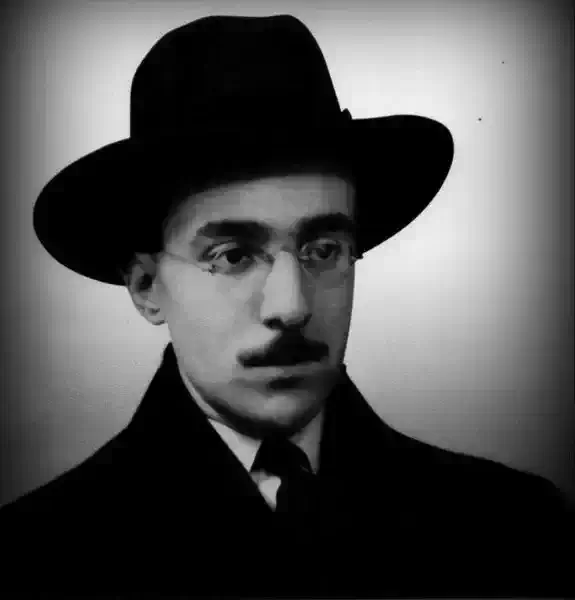
Fernando Pessoa
Eu queria ter o tempo e o sossego suficientes
Eu queria ter o tempo e o sossego suficientes
Para não pensar em coisa nenhuma,
Para nem me sentir viver,
Para só saber de mim nos olhos dos outros, reflectido.
Para não pensar em coisa nenhuma,
Para nem me sentir viver,
Para só saber de mim nos olhos dos outros, reflectido.
1 297
Fernando Pessoa
Todos os mistérios do universo
Todos os mistérios do universo
São um só: o mistério do universo.
Um dia — nunca o sol me-lo trouxera! (
Vi-o esse mistério — claramente
Com completa visão e compreendendo
Em todo o mistério do mistério
Na sua infinidade e concisão!
E desde então nunca mais livre fui
Mas no horror vivo e (...)
Recordando em cada momento essa visão,
Desse horror ocupado eternamente
Como da vida o calor do sangue
Intimamente anseia.
São um só: o mistério do universo.
Um dia — nunca o sol me-lo trouxera! (
Vi-o esse mistério — claramente
Com completa visão e compreendendo
Em todo o mistério do mistério
Na sua infinidade e concisão!
E desde então nunca mais livre fui
Mas no horror vivo e (...)
Recordando em cada momento essa visão,
Desse horror ocupado eternamente
Como da vida o calor do sangue
Intimamente anseia.
1 208
Fernando Pessoa
Pétala dobrada para trás da rosa que outros dizem de veludo.
Pétala dobrada para trás da rosa que outros dizem de veludo.
Apanho-te do chão e, de perto, contemplo-te de longe.
Não há rosas no meu quintal: que vento te trouxe?
Mas chego de longe de repente. Estive doente um momento.
Nenhum vento te trouxe agora.
Agora estás aqui.
O que foste não és tu, se não toda a rosa estava aqui.
Apanho-te do chão e, de perto, contemplo-te de longe.
Não há rosas no meu quintal: que vento te trouxe?
Mas chego de longe de repente. Estive doente um momento.
Nenhum vento te trouxe agora.
Agora estás aqui.
O que foste não és tu, se não toda a rosa estava aqui.
1 292
Fernando Pessoa
Monólogo nas Trevas
A qualquer modo todo escuridão
Eu sou supremo. Sou o Cristo negro.
O que não crê, nem ama — o que só sabe
O mistério tornado carne —.
Há um orgulho atro que me diz
Que sou Deus inconscienciando-se
Para humano; sou mais real que o mundo.
Por isso odeio-lhe a existência enorme,
O seu amontoar de coisas vistas.
Como um santo devoto
Odeio o mundo, porque o que eu sou
E que não sei sentir que sou, conhece-o
Por não real e não ali.
Por isso odeio-o —
Seja eu o destruidor! Seja eu Deus ira!
Eu sou supremo. Sou o Cristo negro.
O que não crê, nem ama — o que só sabe
O mistério tornado carne —.
Há um orgulho atro que me diz
Que sou Deus inconscienciando-se
Para humano; sou mais real que o mundo.
Por isso odeio-lhe a existência enorme,
O seu amontoar de coisas vistas.
Como um santo devoto
Odeio o mundo, porque o que eu sou
E que não sei sentir que sou, conhece-o
Por não real e não ali.
Por isso odeio-o —
Seja eu o destruidor! Seja eu Deus ira!
1 678
Fernando Pessoa
Crucificado, / Não como Cristo numa mera cruz,
Crucificado,
Não como Cristo numa mera cruz,
Mas no mistério do universo. (Sempre
Me foi a alma, ao ver a exterior
Vaidade monótona do mundo
Para ver em cada cousa e abstracto objecto
No seu misterioso ali-local de ser,
Sempre os meus pensamentos supervistos
Como coisas alheias me eram pontes
Donde eu partia para perguntar-me
Generalidades.)
Não como Cristo numa mera cruz,
Mas no mistério do universo. (Sempre
Me foi a alma, ao ver a exterior
Vaidade monótona do mundo
Para ver em cada cousa e abstracto objecto
No seu misterioso ali-local de ser,
Sempre os meus pensamentos supervistos
Como coisas alheias me eram pontes
Donde eu partia para perguntar-me
Generalidades.)
1 249
Fernando Pessoa
Maior é quem a passo e passo avança
Maior é quem a passo e passo avança
Na sua consciência do Universo
E palmo a palmo ganha
O domínio dos deuses.
Porque quanto mais certas vê as cousas
Mais por seu par os deuses o consentem
Até sentir seu corpo
Roçar corpos eternos.
Deixa, (...) meu, a ambição tua
De entre os homens por duque seres tido:
Deixa luzir p'ra outros
As lanças e as espadas
De pelo gládio à glória e à (...) vires .
E a confiança em (...)
A glória onde te leva
Mais que a onde não há glória?
Na sua consciência do Universo
E palmo a palmo ganha
O domínio dos deuses.
Porque quanto mais certas vê as cousas
Mais por seu par os deuses o consentem
Até sentir seu corpo
Roçar corpos eternos.
Deixa, (...) meu, a ambição tua
De entre os homens por duque seres tido:
Deixa luzir p'ra outros
As lanças e as espadas
De pelo gládio à glória e à (...) vires .
E a confiança em (...)
A glória onde te leva
Mais que a onde não há glória?
986
Fernando Pessoa
Que linda é quem não és!
Que linda é quem não és!
Teu anonimato vivo
Dorme, da cabeça aos pés,
Teu corpo, de ti cativo.
Teu corpo é teu prisioneiro.
Vive na cela de ti,
Íntegro, móbil, inteiro,
Ébrio de ti e de si.
És uma frase perfeita
De um livro escrito na vida.
E as vozes com que és eleita
Deixam-te falsa e esquecida.
Entre ti e o que és de bela
Grandes paisagens estão.
(…)
Não existes como estás.
Existe-te uma intenção
Que teu lindo corpo traz
À tona da sensação.
És uma alma em cuja vida
Puseram teu corpo a ser.
Essa beleza vivida
És tu, sem te pertencer.
Qualquer espírito alto
Serviu-se de haveres tu
Para esculpir no basalto
Do abismo teu corpo nu.
E assim olhas-me distante,
Mas não te olho. Vejo em ti
Não a alma flutuante
Que usas, mas teu corpo em si.
Bem podes usar em gozo
Do corpo que deram teu.
Fica sempre misterioso,
Filho da terra e do céu.
Não te pertence. Passou
Na terra como o que tem
Mais que tua alma sonhou.
Não vives, e ele é alguém.
Teu anonimato vivo
Dorme, da cabeça aos pés,
Teu corpo, de ti cativo.
Teu corpo é teu prisioneiro.
Vive na cela de ti,
Íntegro, móbil, inteiro,
Ébrio de ti e de si.
És uma frase perfeita
De um livro escrito na vida.
E as vozes com que és eleita
Deixam-te falsa e esquecida.
Entre ti e o que és de bela
Grandes paisagens estão.
(…)
Não existes como estás.
Existe-te uma intenção
Que teu lindo corpo traz
À tona da sensação.
És uma alma em cuja vida
Puseram teu corpo a ser.
Essa beleza vivida
És tu, sem te pertencer.
Qualquer espírito alto
Serviu-se de haveres tu
Para esculpir no basalto
Do abismo teu corpo nu.
E assim olhas-me distante,
Mas não te olho. Vejo em ti
Não a alma flutuante
Que usas, mas teu corpo em si.
Bem podes usar em gozo
Do corpo que deram teu.
Fica sempre misterioso,
Filho da terra e do céu.
Não te pertence. Passou
Na terra como o que tem
Mais que tua alma sonhou.
Não vives, e ele é alguém.
1 383
Fernando Pessoa
Não quero a fama, que comigo a têm
Não quero a fama, que comigo a têm
Erostrato e o pretor
Ser olhado de todos — que se eu fosse
Só belo, me olhariam.
O fausto repúdio, porque o compram.
O amor, porque acontece.
Amigo fui, talvez não contente,
Porém nato e sem erro.
Erostrato e o pretor
Ser olhado de todos — que se eu fosse
Só belo, me olhariam.
O fausto repúdio, porque o compram.
O amor, porque acontece.
Amigo fui, talvez não contente,
Porém nato e sem erro.
1 278
Fernando Pessoa
Amei-te e por te amar
Amei-te e por te amar
Só a ti eu não via...
Eras o céu e o mar,
Eras a noite e o dia...
Só quando te perdi
É que eu te conheci...
Quando te tinha diante
Do meu olhar submerso
Não eras minha amante...
Eras o Universo...
Agora que te não tenho,
És só do teu tamanho.
Estavas-me longe na alma,
Por isso eu não te via...
Presença em mim tão calma,
Que eu a não sentia.
Só quando meu ser te perdeu
Vi que não eras eu.
Não sei o que eras. Creio
Que o meu modo de olhar,
Meu sentir meu anseio
Meu jeito de pensar...
Eras minha alma, fora
Do Lugar e da Hora...
Hoje eu busco-te e choro
Por te poder achar
Não sequer te memoro
Como te tive a amar...
Nem foste um sonho meu...
Porque te choro eu?
Não sei... Perdi-te, e és hoje
Real no [...] real...
Como a hora que foge,
Foges e tudo é igual
A si-próprio e é tão triste
O que vejo que existe.
Em que és [...J fictício,
Em que tempo parado
Foste o (...) cilício
Que quando em fé fechado
Não sentia e hoje sinto
Que acordo e não me minto...
[...] tuas mãos, contudo,
Sinto nas minhas mãos,
Nosso olhar fixo e mudo
Quantos momentos vãos
Pra além de nós viveu
Nem nosso, teu ou meu...
Quantas vezes sentimos
Alma nosso contacto
Quantas vezes seguimos
Pelo caminho abstracto
Que vai entre alma e alma…
Horas de inquieta calma!
E hoje pergunto em mim
Quem foi que amei, beijei
Com quem perdi o fim
Aos sonhos que sonhei…
Procuro-te e nem vejo
O meu próprio desejo…
Que foi real em nós?
Que houve em nós de sonho?
De que Nós fomos de que voz
O duplo eco risonho
Que unidade tivemos?
O que foi que perdemos?
Nós não sonhámos. Eras
Real e eu era real.
Tuas mãos — tão sinceras…
Meu gesto — tão leal...
Tu e eu lado a lado...
Isto... e isto acabado...
Como houve em nós amor
E deixou de o haver?
Sei que hoje é vaga dor
O que era então prazer...
Mas não sei que passou
Por nós e acordou...
Amámo-nos deveras?
Amamo-nos ainda?
Se penso vejo que eras
A mesma que és... E finda
Tudo o que foi o amor;
Assim quase sem dor.
Sem dor... Um pasmo vago
De ter havido amar...
Quase que me embriago
De mal poder pensar...
O que mudou e onde?
O que é que em nós se esconde?
Talvez sintas como eu
E não saibas sentil-o...
Ser é ser nosso véu
Amar é encobril-o,
Hoje que te deixei
É que sei que te amei...
Somos a nossa bruma…
É pra dentro que vemos...
Caem-nos uma a uma
As compreensões que temos
E ficamos no frio
Do Universo vazio...
Que importa? Se o que foi
Entre nós foi amor,
Se por te amar me dói
Já não te amar, e a dor
Tem um íntimo sentido,
Nada será perdido...
E além de nós, no Agora
Que não nos tem por véus
Viveremos a Hora
Virados para Deus
E n'um (...) mudo
Compreenderemos tudo.
Só a ti eu não via...
Eras o céu e o mar,
Eras a noite e o dia...
Só quando te perdi
É que eu te conheci...
Quando te tinha diante
Do meu olhar submerso
Não eras minha amante...
Eras o Universo...
Agora que te não tenho,
És só do teu tamanho.
Estavas-me longe na alma,
Por isso eu não te via...
Presença em mim tão calma,
Que eu a não sentia.
Só quando meu ser te perdeu
Vi que não eras eu.
Não sei o que eras. Creio
Que o meu modo de olhar,
Meu sentir meu anseio
Meu jeito de pensar...
Eras minha alma, fora
Do Lugar e da Hora...
Hoje eu busco-te e choro
Por te poder achar
Não sequer te memoro
Como te tive a amar...
Nem foste um sonho meu...
Porque te choro eu?
Não sei... Perdi-te, e és hoje
Real no [...] real...
Como a hora que foge,
Foges e tudo é igual
A si-próprio e é tão triste
O que vejo que existe.
Em que és [...J fictício,
Em que tempo parado
Foste o (...) cilício
Que quando em fé fechado
Não sentia e hoje sinto
Que acordo e não me minto...
[...] tuas mãos, contudo,
Sinto nas minhas mãos,
Nosso olhar fixo e mudo
Quantos momentos vãos
Pra além de nós viveu
Nem nosso, teu ou meu...
Quantas vezes sentimos
Alma nosso contacto
Quantas vezes seguimos
Pelo caminho abstracto
Que vai entre alma e alma…
Horas de inquieta calma!
E hoje pergunto em mim
Quem foi que amei, beijei
Com quem perdi o fim
Aos sonhos que sonhei…
Procuro-te e nem vejo
O meu próprio desejo…
Que foi real em nós?
Que houve em nós de sonho?
De que Nós fomos de que voz
O duplo eco risonho
Que unidade tivemos?
O que foi que perdemos?
Nós não sonhámos. Eras
Real e eu era real.
Tuas mãos — tão sinceras…
Meu gesto — tão leal...
Tu e eu lado a lado...
Isto... e isto acabado...
Como houve em nós amor
E deixou de o haver?
Sei que hoje é vaga dor
O que era então prazer...
Mas não sei que passou
Por nós e acordou...
Amámo-nos deveras?
Amamo-nos ainda?
Se penso vejo que eras
A mesma que és... E finda
Tudo o que foi o amor;
Assim quase sem dor.
Sem dor... Um pasmo vago
De ter havido amar...
Quase que me embriago
De mal poder pensar...
O que mudou e onde?
O que é que em nós se esconde?
Talvez sintas como eu
E não saibas sentil-o...
Ser é ser nosso véu
Amar é encobril-o,
Hoje que te deixei
É que sei que te amei...
Somos a nossa bruma…
É pra dentro que vemos...
Caem-nos uma a uma
As compreensões que temos
E ficamos no frio
Do Universo vazio...
Que importa? Se o que foi
Entre nós foi amor,
Se por te amar me dói
Já não te amar, e a dor
Tem um íntimo sentido,
Nada será perdido...
E além de nós, no Agora
Que não nos tem por véus
Viveremos a Hora
Virados para Deus
E n'um (...) mudo
Compreenderemos tudo.
1 720
Fernando Pessoa
Manhã que raias sem olhar a mim,
Manhã que raias sem olhar a mim,
Sol que luzes sem querer saber de eu ver-te,
É para mim que sois
Reais e verdadeiros;
Porque é na oposição ao que eu desejo
Que sinto real a natureza e a vida.
No que me nega sinto
Que existe e eu sou pequeno.
E nesta consciência torno a grande
Como a onda, que as tormentas atiraram
Ao alto ar, regressa
Pesada a um mar mais fundo.
Sol que luzes sem querer saber de eu ver-te,
É para mim que sois
Reais e verdadeiros;
Porque é na oposição ao que eu desejo
Que sinto real a natureza e a vida.
No que me nega sinto
Que existe e eu sou pequeno.
E nesta consciência torno a grande
Como a onda, que as tormentas atiraram
Ao alto ar, regressa
Pesada a um mar mais fundo.
801
Fernando Pessoa
I cannot well deceive me that there was
I cannot well deceive me that there was
In my love nobleness, even though ill.
Now that the tunnel through which I did pass
Yields to the glaring day, I can instil
Into my thought a wonder how I could
Suppose that way to be a place of staying;
Thus being a fool in the way all men should,
Yet not the complete fool to take no naying (!!!)
In my love nobleness, even though ill.
Now that the tunnel through which I did pass
Yields to the glaring day, I can instil
Into my thought a wonder how I could
Suppose that way to be a place of staying;
Thus being a fool in the way all men should,
Yet not the complete fool to take no naying (!!!)
1 374
Fernando Pessoa
Cumpre a lei, seja vil ou vil tu sejas.
Cumpre a lei, seja vil ou vil tu sejas.
Pouco pode o homem contra a externa vida.
Deixa haver a injustiça.
Nada muda, que mudes.
Não tens mais reino que a doada mente.
Essa, em que és servo, grato o Fado e os Deuses,
Governa, até à fronteira,
Onde a vontade finge.
Aí vencido, tu por vencedores
Os grandes deuses e o Destino ostentas.
Não há a dupla derrota
De derrota e vileza.
Assim penso, e esta súbita justiça
Com que queremos moderar as cousas,
Expilo, como a um servo
Intromissor da mente.
Se nem de mim posso ser dono, como
Quero ser dono ou lei do que acontece
Onde me a mente e corpo
Não são mais do que parte?
Basta-me que me baste, e o resto gire
Na órbita prevista, em que até os deuses
Giram, sois centros servos
De um movimento externo.
Pouco pode o homem contra a externa vida.
Deixa haver a injustiça.
Nada muda, que mudes.
Não tens mais reino que a doada mente.
Essa, em que és servo, grato o Fado e os Deuses,
Governa, até à fronteira,
Onde a vontade finge.
Aí vencido, tu por vencedores
Os grandes deuses e o Destino ostentas.
Não há a dupla derrota
De derrota e vileza.
Assim penso, e esta súbita justiça
Com que queremos moderar as cousas,
Expilo, como a um servo
Intromissor da mente.
Se nem de mim posso ser dono, como
Quero ser dono ou lei do que acontece
Onde me a mente e corpo
Não são mais do que parte?
Basta-me que me baste, e o resto gire
Na órbita prevista, em que até os deuses
Giram, sois centros servos
De um movimento externo.
1 128
Fernando Pessoa
Enquanto ao longe os bardos perturbarem
Enquanto ao longe os bardos perturbarem
Com a dos seus combates longa lista
A parca e humilde chama
De cada flébil vida,
E nem um palmo mais sequer conquistam
De riqueza ou de calma em suas almas,
Nem são mais do que jogo
Da ira (...) dos deuses,
Quero, livre de humanas (...)
De concordância com o sentir de outros
Mais firmemente minha
Possuir minha vida.
Com a dos seus combates longa lista
A parca e humilde chama
De cada flébil vida,
E nem um palmo mais sequer conquistam
De riqueza ou de calma em suas almas,
Nem são mais do que jogo
Da ira (...) dos deuses,
Quero, livre de humanas (...)
De concordância com o sentir de outros
Mais firmemente minha
Possuir minha vida.
825
Fernando Pessoa
IV - Conclusão a sucata!... Fiz o cálculo,
IV
Conclusão a sucata!... Fiz o cálculo,
Saiu-me certo, fui elogiado...
Meu coração é um enorme estrado
Onde se expõe um pequeno animálculo...
A microscópio de desilusões
Findei, prolixo nas minúcias fúteis...
Minhas conclusões práticas, inúteis...
Minhas conclusões teóricas, confusões...
Que teorias há para quem sente
O cérebro quebrar-se, como um dente
Dum pente de mendigo que emigrou?
Fecho o caderno dos apontamentos
E faço riscos moles e cinzentos
Nas costas do envelope do que sou...
Conclusão a sucata!... Fiz o cálculo,
Saiu-me certo, fui elogiado...
Meu coração é um enorme estrado
Onde se expõe um pequeno animálculo...
A microscópio de desilusões
Findei, prolixo nas minúcias fúteis...
Minhas conclusões práticas, inúteis...
Minhas conclusões teóricas, confusões...
Que teorias há para quem sente
O cérebro quebrar-se, como um dente
Dum pente de mendigo que emigrou?
Fecho o caderno dos apontamentos
E faço riscos moles e cinzentos
Nas costas do envelope do que sou...
1 385
Fernando Pessoa
Toda a visão da crença se acompanha,
Toda visão da crença se acompanha,
Toda crença da acção; e a acção se perde,
Água em água entre tudo.
Conhece-te, se podes. Se não podes
Conhece que não podes. Saber sabe.
Sê teu. Não dês nem operes.
Toda crença da acção; e a acção se perde,
Água em água entre tudo.
Conhece-te, se podes. Se não podes
Conhece que não podes. Saber sabe.
Sê teu. Não dês nem operes.
1 312
Fernando Pessoa
FLASHES OF MADNESS — IV
IV.
1.
When thou didst speak but now I felt
A terror mad and strange.
Conceive it thou. I could have knelt
To thy lips, to their curve, to its change.
The talking curve of thy lips
And thy teeth but slightly shown
Were my delirium's waking whips.
I felt my reason overthrown.
A super-sensual fetichism
Haunts my deep-raving brain.
Greater than ever grows the abysm
Of my reason's and feeling's schism,
Cut with the pickaxe of pain.
More than they show all things contain.
2.
Something not of this world doth lie
In thy smile, in thy lips live turn;
A figure, a form I know not why
That wakes in me — without a sigh
But with terror I cannot spurn
With terror wild and mute —
Is it remembrances, is it
Desires so vague half-known they flit
And not in thought nor sentiment take root?
My mind grows madder and more fit
In everything to catch and find
Meanings, resemblances defined
By not a form that thought can hit.
Smile not. Thou canst not comprehend!
What is this? What truth doth sleep
In these ravings without end
And beyond notion deep?
Laugh not. Know'st thou what madness is?
Wonder not. All is mysteries.
Ask not. For who can reply?
Weep for me, child, but do not love me
Who have in me too much that is above me,
Too much I cannot call «I».
Weep for the ruin of my mind
Weep rather, child, that things so deep should move me
To lose the clear thoughts that could prove me
One worthy of mankind.
1.
When thou didst speak but now I felt
A terror mad and strange.
Conceive it thou. I could have knelt
To thy lips, to their curve, to its change.
The talking curve of thy lips
And thy teeth but slightly shown
Were my delirium's waking whips.
I felt my reason overthrown.
A super-sensual fetichism
Haunts my deep-raving brain.
Greater than ever grows the abysm
Of my reason's and feeling's schism,
Cut with the pickaxe of pain.
More than they show all things contain.
2.
Something not of this world doth lie
In thy smile, in thy lips live turn;
A figure, a form I know not why
That wakes in me — without a sigh
But with terror I cannot spurn
With terror wild and mute —
Is it remembrances, is it
Desires so vague half-known they flit
And not in thought nor sentiment take root?
My mind grows madder and more fit
In everything to catch and find
Meanings, resemblances defined
By not a form that thought can hit.
Smile not. Thou canst not comprehend!
What is this? What truth doth sleep
In these ravings without end
And beyond notion deep?
Laugh not. Know'st thou what madness is?
Wonder not. All is mysteries.
Ask not. For who can reply?
Weep for me, child, but do not love me
Who have in me too much that is above me,
Too much I cannot call «I».
Weep for the ruin of my mind
Weep rather, child, that things so deep should move me
To lose the clear thoughts that could prove me
One worthy of mankind.
1 447
Fernando Pessoa
Dizem que não és aquela
Dizem que não és aquela
Que te julgavam aqui.
Mas se és alguém e és bela
Que mais quererão de ti?
Que te julgavam aqui.
Mas se és alguém e és bela
Que mais quererão de ti?
743
Fernando Pessoa
Fica o coração pesado
Fica o coração pesado
Com o choro que chorei.
É um ficar engraçado
O ficar com o que dei...
Com o choro que chorei.
É um ficar engraçado
O ficar com o que dei...
1 523
Fernando Pessoa
Quantos gozam o gozo de gozar
Quantos gozam o gozo de gozar
Sem que gozem o gozo, e o dividem
Entre eles e o verem
Os outros que eles gozam.
Ah, Lídia, os trajos do gozar omite,
Que o gozo é um, se é nosso, nem o damos
Aos outros como prémio
De verem nosso gozo.
Cada um é ele só, e se com outros
Goza, dos outros goza, e não para eles.
Aprende o que te ensina
Teu corpo, teu limite.
Sem que gozem o gozo, e o dividem
Entre eles e o verem
Os outros que eles gozam.
Ah, Lídia, os trajos do gozar omite,
Que o gozo é um, se é nosso, nem o damos
Aos outros como prémio
De verem nosso gozo.
Cada um é ele só, e se com outros
Goza, dos outros goza, e não para eles.
Aprende o que te ensina
Teu corpo, teu limite.
2 434
Fernando Pessoa
Cada um é um mundo; e como em cada fonte
Cada um é um mundo; e como em cada fonte
Uma deidade vela, em cada homem
Porque não há de haver
Um deus só de ele homem?
Na encoberta sucessão das cousas,
Só o sábio sente, que não foi mais nada
Que a vida que deixou.
Uma deidade vela, em cada homem
Porque não há de haver
Um deus só de ele homem?
Na encoberta sucessão das cousas,
Só o sábio sente, que não foi mais nada
Que a vida que deixou.
1 024
Fernando Pessoa
«Vou trabalhando a peneira
«Vou trabalhando a peneira
E pensando assim assim.
Eu não nasci para freira.
Gosto que gostem de mim.»
E pensando assim assim.
Eu não nasci para freira.
Gosto que gostem de mim.»
1 358
Fernando Pessoa
Quando te apertei a mão
Quando te apertei a mão
Ao modo de assim-assim,
Senti o meu coração
A perguntar-me por mim.
Ao modo de assim-assim,
Senti o meu coração
A perguntar-me por mim.
1 267
Fernando Pessoa
II - Mas antes era o Verbo, aqui perdido
II
Mas antes era o Verbo, aqui perdido
Quando a Infinita Luz, já apagada
Do Caos, chão do Ser, foi levantada
Em Sombra, e o Verbo ausente escurecido.
Mas se a Alma sente a sua forma errada,
Em si, que é Sombra, vê enfim luzido
O Verbo deste Mundo, humano e ungido.
Rosa Perfeita, em Deus crucificada.
Então, senhores do limiar dos Céus,
Podemos ir buscar além de Deus
O Segredo do Mestre e o Bem profundo;
Não só de aqui, mas já de nós, despertos,
No sangue actual de Cristo enfim libertos
Do a Deus que morre a geração do Mundo.
Mas antes era o Verbo, aqui perdido
Quando a Infinita Luz, já apagada
Do Caos, chão do Ser, foi levantada
Em Sombra, e o Verbo ausente escurecido.
Mas se a Alma sente a sua forma errada,
Em si, que é Sombra, vê enfim luzido
O Verbo deste Mundo, humano e ungido.
Rosa Perfeita, em Deus crucificada.
Então, senhores do limiar dos Céus,
Podemos ir buscar além de Deus
O Segredo do Mestre e o Bem profundo;
Não só de aqui, mas já de nós, despertos,
No sangue actual de Cristo enfim libertos
Do a Deus que morre a geração do Mundo.
1 351
Fernando Pessoa
THE WOMAN IN BLACK
I
My tale is simple, sad and brief -
As simple as all tales of grief,
As brief as all that is ours, though
It seem eternal to its woe;
No tale of glorious deeds or fair,
But one short poem of despair;
Dark as all things where man is caught
In the fine‑poisoned nets of thought.
Here is no flame of love's old fire,
Nor song of pent or free desire,
No thousand herses [?] fill its plan,
But it is centred round one man.
A man? A boy, if boyhood be
That where is sober misery.
About a boy all moves, an elf
Careless of happiness or pelf,
But fated to sing but himself.
I was not born to joy nor love.
The earth below, the sky above
Compel a sense within my soul
That deeply, heavily doth roll,
Like a tremendous, mystic sea
In lands where dreams alone can be;
A feeling that a sadness is,
Weeping in broken‑hearted bliss;
A sense that is a deep despair -
I know not why I should feel this
Before the things that are most fair.
Beauty is more than pleasure's joy:
That which must please is made to cloy,
And Nature cloys not with distaste
But gives a sorrow [?], as of past
Things whence the Present does inherit
Something where [...] is and deep
Beauty delicious in a sleep
That is half‑sadness to the spirit.
For Pleasure is not Joy - we know
Joy lives as sorrow in the heart;
One or the other lives; the dart
That Sorrow kills comes from Joy's bow.
Pleasure and distaste are not so.
Sorrow and Joy are as the strange
And unknown forms of life and change
That are ignored in depths of ocean:
Pure is the depth of their emotion.
Pleasure and Pain are not like these,
But as on surfaces of seas
The alternation of their motion
And shows of shifting without end.
Joy may like the sun's light transcend
The clouds of Pain; Pleasure may be
The face and look of Misery.
III
Ay, Nature chills me with deep fear,
For Nature, to my seeing, spent
With looking on my woes too near,
It is but Mystery eloquent.
The plainest stone, the simplest flower -
All have a meaning deep and vast,
Mocking their living of an hour.
But this significance, that hath past
So oft to poet’s song and word,
Makes them but madmen, even as I,
Speaking in outline [?] sense absurd
Strange thoughts for beings that must die.
But Man to me is dreader still,
The thing of thought, feeling and will,
Which is so dark unto mine eyes
That of the sense he calls his soul
- Let not of seeing speak the mole [?] -
I cannot dream to theorize.
For men, who have wrought creeds and codes
And guided nations by the roads
Of feeling and of speculation,
Have seen as much - nothing - as I
Into the world. All could perceive
That Nature aught doth signify:
Beyond this they could stop or rave.
Most raved and therefore could believe.
Yet I, naturally wrapt about,
Normally, as in feathers the bird,
With hesitation and with doubt,
Find all the world a thing absurd.
Because myself, a part of it,
Am an absurdity unfit.
Too young I learnt to reason coldly
And draw conclusions firmly, boldly,
From thoughts and facts to shatter creeds,
Careless of man's mendacious needs.
Preciseness cast in me the seeds
Of madness, and the soil was good
For that abnormal growth of pain
Whose flowers are red, colour of blood.
Too soon I learned to see too clear,
And therefore nothing now can capture
My heart, to which reasoning is rapture,
That sees night where most poets say
«'Tis day - I see it all - 'tis day.ª
They sing of joy, T sing of fear.
Alas! Why should I stop thus long
Over the illness of my life,
That has Insanity for wife?
Turn I back with an impulse strong.
Leave I this shallowness and sing.
The deeper sorrow of my song.
My tale is simple, sad and brief -
As simple as all tales of grief,
As brief as all that is ours, though
It seem eternal to its woe;
No tale of glorious deeds or fair,
But one short poem of despair;
Dark as all things where man is caught
In the fine‑poisoned nets of thought.
Here is no flame of love's old fire,
Nor song of pent or free desire,
No thousand herses [?] fill its plan,
But it is centred round one man.
A man? A boy, if boyhood be
That where is sober misery.
About a boy all moves, an elf
Careless of happiness or pelf,
But fated to sing but himself.
I was not born to joy nor love.
The earth below, the sky above
Compel a sense within my soul
That deeply, heavily doth roll,
Like a tremendous, mystic sea
In lands where dreams alone can be;
A feeling that a sadness is,
Weeping in broken‑hearted bliss;
A sense that is a deep despair -
I know not why I should feel this
Before the things that are most fair.
Beauty is more than pleasure's joy:
That which must please is made to cloy,
And Nature cloys not with distaste
But gives a sorrow [?], as of past
Things whence the Present does inherit
Something where [...] is and deep
Beauty delicious in a sleep
That is half‑sadness to the spirit.
For Pleasure is not Joy - we know
Joy lives as sorrow in the heart;
One or the other lives; the dart
That Sorrow kills comes from Joy's bow.
Pleasure and distaste are not so.
Sorrow and Joy are as the strange
And unknown forms of life and change
That are ignored in depths of ocean:
Pure is the depth of their emotion.
Pleasure and Pain are not like these,
But as on surfaces of seas
The alternation of their motion
And shows of shifting without end.
Joy may like the sun's light transcend
The clouds of Pain; Pleasure may be
The face and look of Misery.
III
Ay, Nature chills me with deep fear,
For Nature, to my seeing, spent
With looking on my woes too near,
It is but Mystery eloquent.
The plainest stone, the simplest flower -
All have a meaning deep and vast,
Mocking their living of an hour.
But this significance, that hath past
So oft to poet’s song and word,
Makes them but madmen, even as I,
Speaking in outline [?] sense absurd
Strange thoughts for beings that must die.
But Man to me is dreader still,
The thing of thought, feeling and will,
Which is so dark unto mine eyes
That of the sense he calls his soul
- Let not of seeing speak the mole [?] -
I cannot dream to theorize.
For men, who have wrought creeds and codes
And guided nations by the roads
Of feeling and of speculation,
Have seen as much - nothing - as I
Into the world. All could perceive
That Nature aught doth signify:
Beyond this they could stop or rave.
Most raved and therefore could believe.
Yet I, naturally wrapt about,
Normally, as in feathers the bird,
With hesitation and with doubt,
Find all the world a thing absurd.
Because myself, a part of it,
Am an absurdity unfit.
Too young I learnt to reason coldly
And draw conclusions firmly, boldly,
From thoughts and facts to shatter creeds,
Careless of man's mendacious needs.
Preciseness cast in me the seeds
Of madness, and the soil was good
For that abnormal growth of pain
Whose flowers are red, colour of blood.
Too soon I learned to see too clear,
And therefore nothing now can capture
My heart, to which reasoning is rapture,
That sees night where most poets say
«'Tis day - I see it all - 'tis day.ª
They sing of joy, T sing of fear.
Alas! Why should I stop thus long
Over the illness of my life,
That has Insanity for wife?
Turn I back with an impulse strong.
Leave I this shallowness and sing.
The deeper sorrow of my song.
1 649