Poemas neste tema
Liberdade
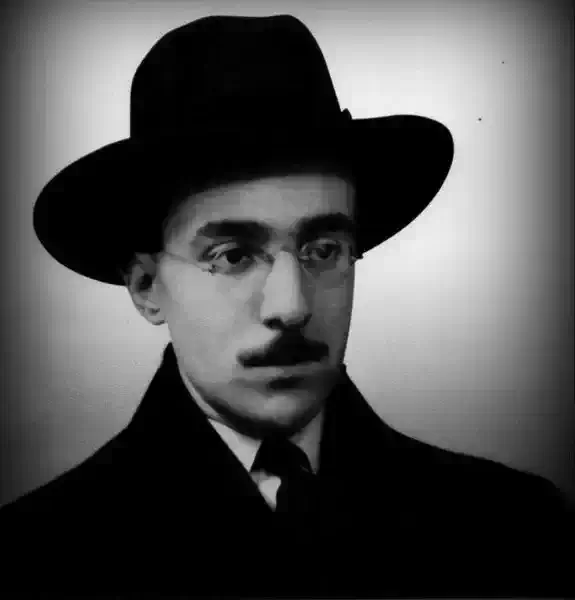
Fernando Pessoa
Não! Só quero a liberdade!
Não! Só quero a liberdade!
Amor, glória, dinheiro são prisões.
Bonitas salas? Bons estofos? Tapetes moles?
Ah, mas deixem-me sair para ir ter comigo.
Quero respirar o ar sozinho,
Não tenho pulsações em conjunto,
Não sinto em sociedade por quotas,
Não sou senão eu, não nasci senão quem sou, estou cheio de mim.
Onde quero dormir? No quintal...
Nada de paredes — ser o grande entendimento —
Eu e o universo,
E que sossego, que paz não ver antes de dormir o espectro do guarda-fatos
Mas o grande esplendor, negro e fresco de todos os astros juntos,
O grande abismo infinito para cima
A pôr brisas e bondades do alto na caveira tapada de carne que é a minha cara,
Onde só os olhos — outro céu — revelam o grande ser subjectivo.
Não quero! Dêem-me a liberdade!
Quero ser igual a mim mesmo.
Não me capem com ideais!
Não me vistam as camisas-de-forças das maneiras!
Não me façam elogiável ou inteligível!
Não me matem em vida!
Quero saber atirar com essa bola alta à lua
E ouvi-la cair no quintal do lado!
Quero ir deitar-me na relva, pensando "Amanhã vou buscá-la"...
Amanhã vou buscá-la ao quintal ao lado...
Amanhã vou buscá-la ao quintal ao lado...
" Amanhã vou buscá-la ao quintal"
Buscá-la ao quintal
Ao quintal
ao lado...
Amor, glória, dinheiro são prisões.
Bonitas salas? Bons estofos? Tapetes moles?
Ah, mas deixem-me sair para ir ter comigo.
Quero respirar o ar sozinho,
Não tenho pulsações em conjunto,
Não sinto em sociedade por quotas,
Não sou senão eu, não nasci senão quem sou, estou cheio de mim.
Onde quero dormir? No quintal...
Nada de paredes — ser o grande entendimento —
Eu e o universo,
E que sossego, que paz não ver antes de dormir o espectro do guarda-fatos
Mas o grande esplendor, negro e fresco de todos os astros juntos,
O grande abismo infinito para cima
A pôr brisas e bondades do alto na caveira tapada de carne que é a minha cara,
Onde só os olhos — outro céu — revelam o grande ser subjectivo.
Não quero! Dêem-me a liberdade!
Quero ser igual a mim mesmo.
Não me capem com ideais!
Não me vistam as camisas-de-forças das maneiras!
Não me façam elogiável ou inteligível!
Não me matem em vida!
Quero saber atirar com essa bola alta à lua
E ouvi-la cair no quintal do lado!
Quero ir deitar-me na relva, pensando "Amanhã vou buscá-la"...
Amanhã vou buscá-la ao quintal ao lado...
Amanhã vou buscá-la ao quintal ao lado...
" Amanhã vou buscá-la ao quintal"
Buscá-la ao quintal
Ao quintal
ao lado...
1 752
Fernando Pessoa
ELEGY
On the marriage of my dear friend Mr. Jinks
(but which may with equal aptness be applied
to the marriage of many other gentlemen)
I
Ye nymphs whose beauties all your hills
Adorn,
Embodied graces of the sun‑traced rills,
Mourn;
For gentle Corydon henceforth,
In this hard world where all must pass,
Will feel as icy as the North.
Alas!
II
Ah, Corydon! Ah, Corydon!
And hast thou left all happiness,
Immoraled joy and whiskied liberty?
Ah, Corydon!
Great is our distress.
And art thou no more free?
Bars shall be useless now. Alas! in vain
The music‑hall shall ring with voices known,
In vain the horse shall course the plain
And the struck sparrer groan.
And dogs and beasts and women,
And brandy, gin and wine,
And brutish brutes and human -
Oh, say, shall all these joys no more be thine?
lll
Ah, frailness of mankind!
Thou who didst laugh at woman and didst hold
Thyself superior, now, alas! wilt find,
Amid thy waning joy and waning gold,
Thou learnedst in a sorry school
That taught thee to disdain
The seeming‑tender being whose dread rule
Shall now wreak on thee horrid pain.
Too late now wilt thou learn, too late,
When thy voice is low and humble thy gait,
When thy soul is crushed and thy dress sedate,
The greatest of all ills the gods on humans rain.
IV
Ah, what avails all mourning? Thou art gone
From life and youth and gaudy loveliness,
From that deep rest that men call drunkenness.
Ah, Corydon! Ah, Corydon!
Thou the first hope of all our race
Hast left the blessed paths of peace and love.
Ah, wilt thou be content to rove
From shop to shop with her, thy mother‑in‑law,
Or tremble full to hear at night,
With horror deep and deep affright.
The wordy torrent from thy spouse's jaw?
V
Oh, the troubles to come to thee can ever I dare name?
To work in the day, and at night to walk the bedroom's length,
On a seeming‑heavy baby to waste thy seeming‑waning strength,
And as the husband of thy wife to reach the light of fame.
Now my voice is broke with weeping, and mine eyes red, as with sand,
And my spirit worn with sighing, and with sighing worn my breast
Ah, farewell, that thou art gone now to the dreaded obscure land
Where the wicked cease from troubling and the weary never rest.
(but which may with equal aptness be applied
to the marriage of many other gentlemen)
I
Ye nymphs whose beauties all your hills
Adorn,
Embodied graces of the sun‑traced rills,
Mourn;
For gentle Corydon henceforth,
In this hard world where all must pass,
Will feel as icy as the North.
Alas!
II
Ah, Corydon! Ah, Corydon!
And hast thou left all happiness,
Immoraled joy and whiskied liberty?
Ah, Corydon!
Great is our distress.
And art thou no more free?
Bars shall be useless now. Alas! in vain
The music‑hall shall ring with voices known,
In vain the horse shall course the plain
And the struck sparrer groan.
And dogs and beasts and women,
And brandy, gin and wine,
And brutish brutes and human -
Oh, say, shall all these joys no more be thine?
lll
Ah, frailness of mankind!
Thou who didst laugh at woman and didst hold
Thyself superior, now, alas! wilt find,
Amid thy waning joy and waning gold,
Thou learnedst in a sorry school
That taught thee to disdain
The seeming‑tender being whose dread rule
Shall now wreak on thee horrid pain.
Too late now wilt thou learn, too late,
When thy voice is low and humble thy gait,
When thy soul is crushed and thy dress sedate,
The greatest of all ills the gods on humans rain.
IV
Ah, what avails all mourning? Thou art gone
From life and youth and gaudy loveliness,
From that deep rest that men call drunkenness.
Ah, Corydon! Ah, Corydon!
Thou the first hope of all our race
Hast left the blessed paths of peace and love.
Ah, wilt thou be content to rove
From shop to shop with her, thy mother‑in‑law,
Or tremble full to hear at night,
With horror deep and deep affright.
The wordy torrent from thy spouse's jaw?
V
Oh, the troubles to come to thee can ever I dare name?
To work in the day, and at night to walk the bedroom's length,
On a seeming‑heavy baby to waste thy seeming‑waning strength,
And as the husband of thy wife to reach the light of fame.
Now my voice is broke with weeping, and mine eyes red, as with sand,
And my spirit worn with sighing, and with sighing worn my breast
Ah, farewell, that thou art gone now to the dreaded obscure land
Where the wicked cease from troubling and the weary never rest.
1 716
Fernando Pessoa
Débil no vício, débil na virtude
Débil no vício, débil na virtude
A humanidade débil, nem na fúria
Conhece mais que a norma.
Pares e diferentes nos regemos
Por uma norma própria, e inda que dura,
Será à liberdade.
Ser livre é ser a própria imposta norma
Igual a todos, salvo no amplo e duro
Mando e uso de si mesmo.
A humanidade débil, nem na fúria
Conhece mais que a norma.
Pares e diferentes nos regemos
Por uma norma própria, e inda que dura,
Será à liberdade.
Ser livre é ser a própria imposta norma
Igual a todos, salvo no amplo e duro
Mando e uso de si mesmo.
1 026
Fernando Pessoa
14 - Fierce dreams of something else!
Fierce dreams of something else!
Frenzy to go away
(O wave in me that swells!)
From life, where life must stay -
Life ever at to‑day!
Some other place and thing!
Not a life! not mine so!
O to be a wind, a wing.
A bark me there to bring!
Whither? If I could know,
I would not wish to go.
Frenzy to go away
(O wave in me that swells!)
From life, where life must stay -
Life ever at to‑day!
Some other place and thing!
Not a life! not mine so!
O to be a wind, a wing.
A bark me there to bring!
Whither? If I could know,
I would not wish to go.
1 266
Fernando Pessoa
LIBERTY
To G.N.
Oh, sacred Liberty, dear mother of Fame!
What are men here that they should expel thee?
What right of theirs, save power, makes others be
The pawns, as if unfeeling, in their game?
Ireland and the Transvaal, ye are a shame
On England and a blot! Oh, shall we see
For ever crushed and held who should be free
By human creatures without human name?
Wonder not then, dear friend, that here where men
Are far away I can well rest, and far
From where in lawful bodies, Christian‑wise,
Beings of earth their fellows fold and pen;
Glad that the winds not yet enchained are
And billows yet are free to fall and rise.
Oh, sacred Liberty, dear mother of Fame!
What are men here that they should expel thee?
What right of theirs, save power, makes others be
The pawns, as if unfeeling, in their game?
Ireland and the Transvaal, ye are a shame
On England and a blot! Oh, shall we see
For ever crushed and held who should be free
By human creatures without human name?
Wonder not then, dear friend, that here where men
Are far away I can well rest, and far
From where in lawful bodies, Christian‑wise,
Beings of earth their fellows fold and pen;
Glad that the winds not yet enchained are
And billows yet are free to fall and rise.
1 734
Fernando Pessoa
Abram todas as portas!
Abram todas as portas!
Partam os vidros das janelas!
Omitam fechos na vida de fechar!
Omitam a vida de fechar da vida de fechar!
Que fechar seja estar aberto sem fechos que lembrem,
Que parar seja o nome alvar de prosseguir,
Que o fim seja sempre uma coisa abstracta e ligada
Fluida a todas as horas de passar por ele!
Eu quero respirar!
Dispam-me o peso do meu corpo!
Troquem a alma por asas abstractas, ligadas a nada!
Nem asas, mas a Asa enorme de Voar!
Nem Voar mas o que fica de veloz quando cessar é voar
E não há corpo que pese na alma de ir!
Seja eu o calor das coisas vivas, a febre
Das seivas, o ritmo das ondas e o (...)
Intervalo em Ser para deixar Ser ser...!
Fronteiras em nada!
Divisões em nada!
Só Eu
Partam os vidros das janelas!
Omitam fechos na vida de fechar!
Omitam a vida de fechar da vida de fechar!
Que fechar seja estar aberto sem fechos que lembrem,
Que parar seja o nome alvar de prosseguir,
Que o fim seja sempre uma coisa abstracta e ligada
Fluida a todas as horas de passar por ele!
Eu quero respirar!
Dispam-me o peso do meu corpo!
Troquem a alma por asas abstractas, ligadas a nada!
Nem asas, mas a Asa enorme de Voar!
Nem Voar mas o que fica de veloz quando cessar é voar
E não há corpo que pese na alma de ir!
Seja eu o calor das coisas vivas, a febre
Das seivas, o ritmo das ondas e o (...)
Intervalo em Ser para deixar Ser ser...!
Fronteiras em nada!
Divisões em nada!
Só Eu
3 783
Fernando Pessoa
Da casa do monte, símbolo eterno e perfeito,
Da casa do monte, símbolo eterno e perfeito,
Vejo os campos, os campos todos,
E eu os saúdo por fim com a voz verdadeira,
Eu lhes dou vivas, chorando, com as lágrimas certas e os vivas exactos —
Eu os aperto a meu peito, como filho que encontrasse o pai perdido.
Vivam, vivam, vivam
Os montes, e a planície, e as ervas!
Vivam os rios, vivam as fontes!
Vivam as flores, e as árvores, e as pedras!
Vivam os entes vivos e os bichos pequenos,
Os bichos que correm, insectos e aves,
Os animais todos, tão reais sem mim,
Os homens, as mulheres, as crianças,
As famílias, e as não-famílias, igualmente!
Tudo quanto sente sem saber porquê!
Tudo quanto vive sem pensar que vive!
Tudo que acaba e nunca se aumenta com nada,
Sabendo, melhor que eu, que nada há que temer,
Que nada é fim, que nada é abismo, que nada é mistério,
E que tudo é Deus, e que tudo é Ser, e que tudo é Vida.
Ah, estou liberto!
Ah, quebrei todas
As algemas do pensamento.
Eu, o claustro e a cave voluntários de mim mesmo,
Eu o próprio abismo que sonhei,
Eu, que vi em tudo caminhos e atalhos de sombra
E a sombra e os caminhos e os atalhos eram eu!
Ah, estou liberto...
Mestre Caeiro, voltei à tua casa do monte
E vi o mesmo que vias, mas com meus olhos,
Verdadeiramente com meus olhos,
Verdadeiramente verdadeiros...
Ah vi que não há muitos abismos!
Vi que (...)
Vejo os campos, os campos todos,
E eu os saúdo por fim com a voz verdadeira,
Eu lhes dou vivas, chorando, com as lágrimas certas e os vivas exactos —
Eu os aperto a meu peito, como filho que encontrasse o pai perdido.
Vivam, vivam, vivam
Os montes, e a planície, e as ervas!
Vivam os rios, vivam as fontes!
Vivam as flores, e as árvores, e as pedras!
Vivam os entes vivos e os bichos pequenos,
Os bichos que correm, insectos e aves,
Os animais todos, tão reais sem mim,
Os homens, as mulheres, as crianças,
As famílias, e as não-famílias, igualmente!
Tudo quanto sente sem saber porquê!
Tudo quanto vive sem pensar que vive!
Tudo que acaba e nunca se aumenta com nada,
Sabendo, melhor que eu, que nada há que temer,
Que nada é fim, que nada é abismo, que nada é mistério,
E que tudo é Deus, e que tudo é Ser, e que tudo é Vida.
Ah, estou liberto!
Ah, quebrei todas
As algemas do pensamento.
Eu, o claustro e a cave voluntários de mim mesmo,
Eu o próprio abismo que sonhei,
Eu, que vi em tudo caminhos e atalhos de sombra
E a sombra e os caminhos e os atalhos eram eu!
Ah, estou liberto...
Mestre Caeiro, voltei à tua casa do monte
E vi o mesmo que vias, mas com meus olhos,
Verdadeiramente com meus olhos,
Verdadeiramente verdadeiros...
Ah vi que não há muitos abismos!
Vi que (...)
1 340
Fernando Pessoa
O DESTINO: As minhas mãos invisíveis
As minhas mãos invisíveis
Pesam sobre o mundo
E as coisas, insensíveis
Ao seu condestinar profundo,
Dormem no sonho de verdade
Chamado a sua liberdade.
Todos são malhas de uma rede
Que no seu desfazer
Julgam que vivem e têm sede
De em si crer.
Pesam sobre o mundo
E as coisas, insensíveis
Ao seu condestinar profundo,
Dormem no sonho de verdade
Chamado a sua liberdade.
Todos são malhas de uma rede
Que no seu desfazer
Julgam que vivem e têm sede
De em si crer.
985
Fernando Pessoa
Ah quem tivesse a força para desertar deveras!
Ah quem tivesse a força para desertar deveras!
1 337
Fernando Pessoa
ON THE ROAD
In a cart.
Here we go while morning life burns
In the sunlight's golden ocean,
And upon our faces a freshness comes,
A freshness whose soul is motion.
Up the hills, up! Down to the vales!
Now in the plains more slow!
Now in swift turns the shaken cart reels.
Soundless in sand now we go!
But we must come to some village or town,
And our eyes show sorrow at it.
Could we for ever and ever go on
In the sun and air that we hit;
On an infinite road, at a mighty pace,
With endless and free commotion,
With the sun eter round us and on our face
A freshness whose soul is motion!
Here we go while morning life burns
In the sunlight's golden ocean,
And upon our faces a freshness comes,
A freshness whose soul is motion.
Up the hills, up! Down to the vales!
Now in the plains more slow!
Now in swift turns the shaken cart reels.
Soundless in sand now we go!
But we must come to some village or town,
And our eyes show sorrow at it.
Could we for ever and ever go on
In the sun and air that we hit;
On an infinite road, at a mighty pace,
With endless and free commotion,
With the sun eter round us and on our face
A freshness whose soul is motion!
1 499
Fernando Pessoa
Enquanto ao longe os bardos perturbarem
Enquanto ao longe os bardos perturbarem
Com a dos seus combates longa lista
A parca e humilde chama
De cada flébil vida,
E nem um palmo mais sequer conquistam
De riqueza ou de calma em suas almas,
Nem são mais do que jogo
Da ira (...) dos deuses,
Quero, livre de humanas (...)
De concordância com o sentir de outros
Mais firmemente minha
Possuir minha vida.
Com a dos seus combates longa lista
A parca e humilde chama
De cada flébil vida,
E nem um palmo mais sequer conquistam
De riqueza ou de calma em suas almas,
Nem são mais do que jogo
Da ira (...) dos deuses,
Quero, livre de humanas (...)
De concordância com o sentir de outros
Mais firmemente minha
Possuir minha vida.
825
Fernando Pessoa
Eu vi ao longe um navio
Eu vi ao longe um navio
Que tinha uma vela só,
Ia sozinho no mar...
Mas não me fazia dó.
Que tinha uma vela só,
Ia sozinho no mar...
Mas não me fazia dó.
1 246
Fernando Pessoa
Grinalda ou coroa
Grinalda ou coroa
É só peso posto
Na fronte antes limpa.
Grinalda de rosas,
Coroa de louros,
A fronte transtornam.
Que o vento nos possa
Mexer nos cabelos,
Refrescar a fronte!
Que a fronte despida
Possa reclinar-se,
Serena, onde durma.
Cloé! Não conheço
Melhor alegria
Que esta fronte lisa.
É só peso posto
Na fronte antes limpa.
Grinalda de rosas,
Coroa de louros,
A fronte transtornam.
Que o vento nos possa
Mexer nos cabelos,
Refrescar a fronte!
Que a fronte despida
Possa reclinar-se,
Serena, onde durma.
Cloé! Não conheço
Melhor alegria
Que esta fronte lisa.
2 021
Fernando Pessoa
Não ter deveres, nem horas certas, nem realidades...
Não ter deveres, nem horas certas, nem realidades...
Ser uma ave humana
Que passe haleyonica sobre a intransigência do mundo —
Ganhando o pão da sua noite com o suor da fronte dos outros —
Faz-tudo triste
No coliseu com lágrimas,
E compère antigo, um pouco mais cheio que Vénus de Milo,
Na insubsistência dos acasos.
E um pouco de sol, ao menos, para os sonhos onde não vivo.
Ser uma ave humana
Que passe haleyonica sobre a intransigência do mundo —
Ganhando o pão da sua noite com o suor da fronte dos outros —
Faz-tudo triste
No coliseu com lágrimas,
E compère antigo, um pouco mais cheio que Vénus de Milo,
Na insubsistência dos acasos.
E um pouco de sol, ao menos, para os sonhos onde não vivo.
1 477
Fernando Pessoa
ARETHUSA
Still Arethusa keeps her course,
For, though the corporal dark of earth
Stifle, like an unconscious nurse,
The impulse for her second birth,
Yet her true will must ever be
These captive waves that shall be free.
So the forgotten water ever
With withdrawn life and hid emotion
Moves on in darkness, still a river,
Towards a sun upon an ocean;
And the found place there will not cease
To be the river's, not the sea's.
So keeps she, under the void dark
Of her oppressed seclusion still
Her careful self, whose soul shall work
Towards the outlet from the hill,
Past hived vaults and humid walls
And her dropped noise of waterfalls.
Uncaught throughout the spell of caves,
Forlorn under the mother stone,
Still the great destined river craves
Its purpose, liquid and alone,
And more, yet less, under the hills
Its unresisting motion wills.
And ever, while time frets the rocks
And space shuts dark the godless flow,
She runs, a will in waves that flocks
Around a darkness for a glow;
And onward still, because it is
What shall be, and the Gods are this.
And, still remembering to forget,
Still onward because Fate inclines,
Veiled Arethusa still doth wet
With purpose the weird cavern shrines,
Where, past their blind, dead, solid being,
Her watery will moves on to seeing.
Dim under phosphorescent zones
Of darkness wronged and stalactites,
Or complete darkness, where the moans
Of waters wail for destined sights,
Her course, that knows no day, doth still
Work out to day its nightly will.
Till, bright at last in the aired arms
Of the lone rocks laid in the sea,
Bare Arethusa free her charms
To light and to its panic glee,
And the sea clasp her, as she were
Venus there born and mistress there.
For, though the corporal dark of earth
Stifle, like an unconscious nurse,
The impulse for her second birth,
Yet her true will must ever be
These captive waves that shall be free.
So the forgotten water ever
With withdrawn life and hid emotion
Moves on in darkness, still a river,
Towards a sun upon an ocean;
And the found place there will not cease
To be the river's, not the sea's.
So keeps she, under the void dark
Of her oppressed seclusion still
Her careful self, whose soul shall work
Towards the outlet from the hill,
Past hived vaults and humid walls
And her dropped noise of waterfalls.
Uncaught throughout the spell of caves,
Forlorn under the mother stone,
Still the great destined river craves
Its purpose, liquid and alone,
And more, yet less, under the hills
Its unresisting motion wills.
And ever, while time frets the rocks
And space shuts dark the godless flow,
She runs, a will in waves that flocks
Around a darkness for a glow;
And onward still, because it is
What shall be, and the Gods are this.
And, still remembering to forget,
Still onward because Fate inclines,
Veiled Arethusa still doth wet
With purpose the weird cavern shrines,
Where, past their blind, dead, solid being,
Her watery will moves on to seeing.
Dim under phosphorescent zones
Of darkness wronged and stalactites,
Or complete darkness, where the moans
Of waters wail for destined sights,
Her course, that knows no day, doth still
Work out to day its nightly will.
Till, bright at last in the aired arms
Of the lone rocks laid in the sea,
Bare Arethusa free her charms
To light and to its panic glee,
And the sea clasp her, as she were
Venus there born and mistress there.
1 561
Fernando Pessoa
Puseram-me uma tampa —
Puseram-me uma tampa —
Todo o céu.
Puseram-me uma tampa.
Que grandes aspirações!.
Que magnas plenitudes!
E algumas verdadeiras...
Mas sobre todas elas
Puseram-me um tampa.
Como a um daqueles penicos antigos —
Lá nos longes tradicionais da província —
Uma tampa.
Todo o céu.
Puseram-me uma tampa.
Que grandes aspirações!.
Que magnas plenitudes!
E algumas verdadeiras...
Mas sobre todas elas
Puseram-me um tampa.
Como a um daqueles penicos antigos —
Lá nos longes tradicionais da província —
Uma tampa.
1 602
Fernando Pessoa
Meu coração, bandeira içada
Meu coração, bandeira içada
Em festas onde não há ninguém...
Meu coração, barco atado à margem
Esperando o dono cadáver amarelado entre os juncais...
Meu coração a mulher do forçado,
A estalajadeira dos mortos da noite,
Aguarda à porta, com um sorriso maligno
Todo o sistema do universo,
Concluso a podridão e a esfinges...
Meu coração algema partida.
Em festas onde não há ninguém...
Meu coração, barco atado à margem
Esperando o dono cadáver amarelado entre os juncais...
Meu coração a mulher do forçado,
A estalajadeira dos mortos da noite,
Aguarda à porta, com um sorriso maligno
Todo o sistema do universo,
Concluso a podridão e a esfinges...
Meu coração algema partida.
1 383
Fernando Pessoa
Por isso é a ti que endereço
Por isso é a ti que endereço
Meus versos saltos, meus versos pulos , meus versos espasmos,
Os meus versos-ataques-histéricos,
Os meus versos que arrastam o carro (...) dos meus nervos.
Aos trambolhões me inspiro,
Mal podendo respirar, ter-me-de-pé me-exalto,
E os meus versos são eu não poder estoirar de viver.
Abram-me todas as janelas!
Arranquem-me todas as portas!
Puxem a casa toda para cima de mim!
Quero viver em liberdade no ar,
Quero ter gestos fora do meu corpo,
Quero correr como a chuva pelas paredes abaixo,
Quero ser pisado nas estradas largas como as pedras,
Quero ir, como as coisas pesadas, para o fundo dos mares,
Com uma voluptuosidade que já está longe de mim!
Não quero fechos nas portas!
Não quero fechaduras nos cofres!
Quero intercalar-me, imiscuir-me, ser levado,
Quero que me façam pertença doída de qualquer outro,
Que me despejem dos caixotes,
Que me atirem aos mares,
Que me vão buscar a casa com fins obscenos,
Só para não estar sempre aqui sentado e quieto,
Só para não estar simplesmente escrevendo estes versos!
Não quero intervalos no mundo!
Quero a contiguidade penetrada e material dos objectos!
Quero que os corpos físicos sejam uns dos outros como as almas,
Não só dinamicamente, mas estaticamente também!
Quero voar e cair de muito alto!
Ser arremessado como uma granada!
Ir parar a... Ser levado até...
Abstracto auge no fim de mim e de tudo!
Clímax a ferro e motores!
Escadaria pela velocidade acima, sem degraus!
Bomba hidráulica desancorando-me as entranhas sentidas!
Ponham-me grilhetas só para eu as partir!
Só para eu as partir com os dentes, e que os dentes sangrem
Gozo masoquista, espasmódico a sangue, da vida!
Os marinheiros levaram-me preso.
As mãos apertaram-me no escuro.
Morri temporariamente de senti-lo.
Seguiu-se a minh’alma a lamber o chão do cárcere-privado,
E a cega-rega das impossibilidades contornando o meu acinte.
Pula, salta, toma o freio nos dentes,
Pégaso-ferro-em-brasa das minhas ânsias inquietas,
Paradeiro indeciso do meu destino a motores!
Salta, pula, embandeira-te,
Deixa a sangue o rasto na imensidade nocturna ,
A sangue quente, [mesmo de longe?],
A sangue fresco [mesmo de longe?].
A sangue vivo e frio no ar dinâmico a mim!
Salta, galga, pula,
Ergue-te, vai saltando, (...)
Meus versos saltos, meus versos pulos , meus versos espasmos,
Os meus versos-ataques-histéricos,
Os meus versos que arrastam o carro (...) dos meus nervos.
Aos trambolhões me inspiro,
Mal podendo respirar, ter-me-de-pé me-exalto,
E os meus versos são eu não poder estoirar de viver.
Abram-me todas as janelas!
Arranquem-me todas as portas!
Puxem a casa toda para cima de mim!
Quero viver em liberdade no ar,
Quero ter gestos fora do meu corpo,
Quero correr como a chuva pelas paredes abaixo,
Quero ser pisado nas estradas largas como as pedras,
Quero ir, como as coisas pesadas, para o fundo dos mares,
Com uma voluptuosidade que já está longe de mim!
Não quero fechos nas portas!
Não quero fechaduras nos cofres!
Quero intercalar-me, imiscuir-me, ser levado,
Quero que me façam pertença doída de qualquer outro,
Que me despejem dos caixotes,
Que me atirem aos mares,
Que me vão buscar a casa com fins obscenos,
Só para não estar sempre aqui sentado e quieto,
Só para não estar simplesmente escrevendo estes versos!
Não quero intervalos no mundo!
Quero a contiguidade penetrada e material dos objectos!
Quero que os corpos físicos sejam uns dos outros como as almas,
Não só dinamicamente, mas estaticamente também!
Quero voar e cair de muito alto!
Ser arremessado como uma granada!
Ir parar a... Ser levado até...
Abstracto auge no fim de mim e de tudo!
Clímax a ferro e motores!
Escadaria pela velocidade acima, sem degraus!
Bomba hidráulica desancorando-me as entranhas sentidas!
Ponham-me grilhetas só para eu as partir!
Só para eu as partir com os dentes, e que os dentes sangrem
Gozo masoquista, espasmódico a sangue, da vida!
Os marinheiros levaram-me preso.
As mãos apertaram-me no escuro.
Morri temporariamente de senti-lo.
Seguiu-se a minh’alma a lamber o chão do cárcere-privado,
E a cega-rega das impossibilidades contornando o meu acinte.
Pula, salta, toma o freio nos dentes,
Pégaso-ferro-em-brasa das minhas ânsias inquietas,
Paradeiro indeciso do meu destino a motores!
Salta, pula, embandeira-te,
Deixa a sangue o rasto na imensidade nocturna ,
A sangue quente, [mesmo de longe?],
A sangue fresco [mesmo de longe?].
A sangue vivo e frio no ar dinâmico a mim!
Salta, galga, pula,
Ergue-te, vai saltando, (...)
940
Fernando Pessoa
Foi numa das minhas viagens...
Foi numa das minhas viagens...
Era mar-alto e luar.
Cessara o ruído da noite a bordo.
Um a um grupo a grupo, recolheram-se os passageiros,
A banda era só uma estante que ficara a um canto não sei porquê...
Só na sala de fumo em silêncio jogava xadrez...
A vida soava pela porta aberta para a casa das máquinas.
Só... E um era uma alma nua diante do Universo...
(Ó minha vila natal em Portugal tão longe!
Porque não morri eu criança quando só te conhecia a ti?)
Ah. quando nos fazemos ao mar
Quando largamos da terra, quando a vamos perdendo de vista,
Quando tudo se vai enchendo de vento puramente marítimo,
Quando a costa se torna uma linha sombria,
Nessa linha cada vez mais vaga no anoitecer (pairam luzes) —
Ah então que alegria de liberdade para quem se sente.
Cessa de haver razão para existir socialmente.
Não há já razões para amar, odiar, dever,
Não há já leis, não há mágoas que tenham sabor humano...
Há só a Partida Abstracta, o movimento das águas
O movimento do afastamento, o som
Das ondas arrulhando à proa,
E uma grande paz intranquila entrando suave, no espírito.
Ah ter toda a minha vida
Fixa instavelmente num momento destes,
Ter todo o sentido da minha duração sobre a terra
Tornado um afastamento dessa costa onde deixei tudo —
Amores, irritações, tristezas, cumplicidades, deveres,
A angústia irrequieta dos remorsos,
A fadiga da inutilidade de tudo,
A saciedade até das coisas imaginadas,
A náusea, as luzes,
As pálpebras pesadas sobre a minha vida perdida...
Irei p'ra longe, p'ra longe! P'ra longe, ó barco sem causa,
Para a irresponsabilidade pré-histórica das águas eternas,
Para longe, p’ra sempre para longe, ó morte.
Quando [souber?] onde para longe e porque para longe, ó vida...
Era mar-alto e luar.
Cessara o ruído da noite a bordo.
Um a um grupo a grupo, recolheram-se os passageiros,
A banda era só uma estante que ficara a um canto não sei porquê...
Só na sala de fumo em silêncio jogava xadrez...
A vida soava pela porta aberta para a casa das máquinas.
Só... E um era uma alma nua diante do Universo...
(Ó minha vila natal em Portugal tão longe!
Porque não morri eu criança quando só te conhecia a ti?)
Ah. quando nos fazemos ao mar
Quando largamos da terra, quando a vamos perdendo de vista,
Quando tudo se vai enchendo de vento puramente marítimo,
Quando a costa se torna uma linha sombria,
Nessa linha cada vez mais vaga no anoitecer (pairam luzes) —
Ah então que alegria de liberdade para quem se sente.
Cessa de haver razão para existir socialmente.
Não há já razões para amar, odiar, dever,
Não há já leis, não há mágoas que tenham sabor humano...
Há só a Partida Abstracta, o movimento das águas
O movimento do afastamento, o som
Das ondas arrulhando à proa,
E uma grande paz intranquila entrando suave, no espírito.
Ah ter toda a minha vida
Fixa instavelmente num momento destes,
Ter todo o sentido da minha duração sobre a terra
Tornado um afastamento dessa costa onde deixei tudo —
Amores, irritações, tristezas, cumplicidades, deveres,
A angústia irrequieta dos remorsos,
A fadiga da inutilidade de tudo,
A saciedade até das coisas imaginadas,
A náusea, as luzes,
As pálpebras pesadas sobre a minha vida perdida...
Irei p'ra longe, p'ra longe! P'ra longe, ó barco sem causa,
Para a irresponsabilidade pré-histórica das águas eternas,
Para longe, p’ra sempre para longe, ó morte.
Quando [souber?] onde para longe e porque para longe, ó vida...
1 427
Fernando Pessoa
Estou doente. Meus pensamentos começam a estar confusos,
Estou doente. Meus pensamentos começam a estar confusos,
Mas o meu corpo, tocando nas coisas, entra nelas.
Sinto-me parte das coisas com o tacto
E urna grande libertação começa a fazer-se em mim,
Uma grande alegria solene como a de um acto heróico
Pondo a vis no gesto sóbrio e escondido.
Mas o meu corpo, tocando nas coisas, entra nelas.
Sinto-me parte das coisas com o tacto
E urna grande libertação começa a fazer-se em mim,
Uma grande alegria solene como a de um acto heróico
Pondo a vis no gesto sóbrio e escondido.
1 650
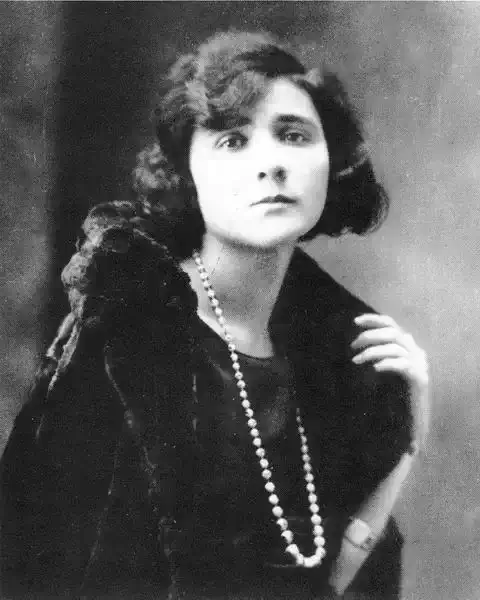
Florbela Espanca
Liberta!
Eu ponho-me a sonhar transmigrações
Impossíveis, longínquas, milagrosas,
Voos amplos, céus distantes, migrações
Longe... noutras esferas luminosas!
E pelo meu olhar passam visões:
Ilhas de bruma e nácar, d’oiro e rosas...
E eu penso que, liberta de grilhões,
Hei-de aportar as Ilhas misteriosas!
Impossíveis, longínquas, milagrosas,
Voos amplos, céus distantes, migrações
Longe... noutras esferas luminosas!
E pelo meu olhar passam visões:
Ilhas de bruma e nácar, d’oiro e rosas...
E eu penso que, liberta de grilhões,
Hei-de aportar as Ilhas misteriosas!
1 924
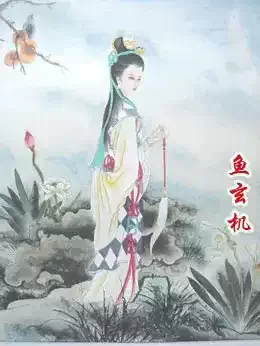
Yu Xuanji
Deixando-se levar
Nenhum laço me prende; sempre livre,
vou sem destino, leve entre as paragens
Nuvens se abrem entre lua e rio,
amarras frouxas, barco em pleno mar
No Templo Liang,1tanger o alaúde,
no pavilhão recita-se o poema
Ter por abrigo as grutas de bambus
e nas veredas, pedras companheiras
Preciosos são o pardal, a andorinha
São ar a prata e o ouro, seus castelos
A primavera oferta verde o vinho,2
à noite a lua aquieta-se à janela
O passo estanca à fonte transparente
e em seu espelho, à imagem, deixo o grampo
Na cama, ébria, os livros me rodeiam
Cabelo aliso ao pente, enfim levanto-me
vou sem destino, leve entre as paragens
Nuvens se abrem entre lua e rio,
amarras frouxas, barco em pleno mar
No Templo Liang,1tanger o alaúde,
no pavilhão recita-se o poema
Ter por abrigo as grutas de bambus
e nas veredas, pedras companheiras
Preciosos são o pardal, a andorinha
São ar a prata e o ouro, seus castelos
A primavera oferta verde o vinho,2
à noite a lua aquieta-se à janela
O passo estanca à fonte transparente
e em seu espelho, à imagem, deixo o grampo
Na cama, ébria, os livros me rodeiam
Cabelo aliso ao pente, enfim levanto-me
1 158