

Poemas neste tema
Nostalgia
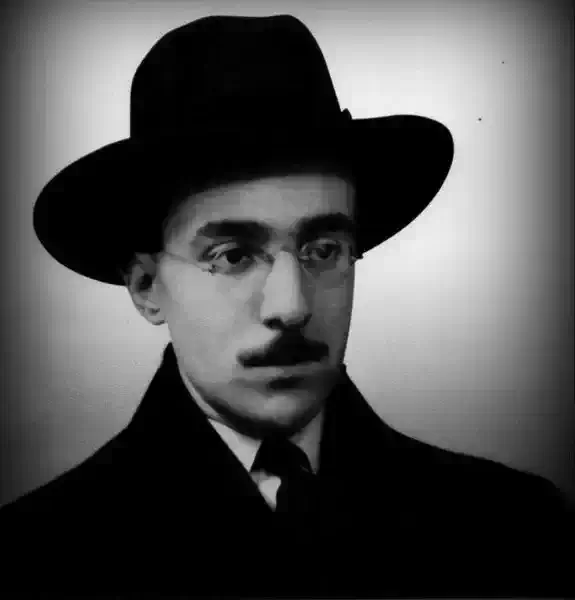
Fernando Pessoa
V - Há quanto tempo, Portugal, há quanto
V
Há quanto tempo, Portugal, há quanto
Vivemos separados! Ah, mas a alma,
Esta alma incerta, nunca forte ou calma,
Não se distrai de ti, nem bem nem tanto.
Sonho, histérico oculto, um vão recanto...
O rio Furness, que é o que aqui banha,
Só ironicamente me acompanha,
Que estou parado e ele correndo tanto...
Tanto? Sim, tanto relativamente...
Arre, acabemos com as distinções,
As subtilezas, o interstício, o entre,
A metafísica das sensações —
Acabemos com isto e tudo mais...
Ah, que ânsia humana de ser rio ou cais!
Há quanto tempo, Portugal, há quanto
Vivemos separados! Ah, mas a alma,
Esta alma incerta, nunca forte ou calma,
Não se distrai de ti, nem bem nem tanto.
Sonho, histérico oculto, um vão recanto...
O rio Furness, que é o que aqui banha,
Só ironicamente me acompanha,
Que estou parado e ele correndo tanto...
Tanto? Sim, tanto relativamente...
Arre, acabemos com as distinções,
As subtilezas, o interstício, o entre,
A metafísica das sensações —
Acabemos com isto e tudo mais...
Ah, que ânsia humana de ser rio ou cais!
1 056
Fernando Pessoa
Os deuses desterrados [2]
Os deuses desterrados
Os irmãos de Saturno
Às vezes no crepúsculo
Vêm espreitar a vida…
Vêm então ter connosco
Remorsos e saudades...
É a presença deles,
Deuses que o destroná-los
Tornou espirituais,
De matéria divina
Longínqua e inactiva...
E o poente tem cores
De tristeza e cansaços.
E ouve-se soluçar
Para além das esferas
Hipérion que chora
O seu palácio antigo
Que Apolo lhe roubou...
Os irmãos de Saturno
Às vezes no crepúsculo
Vêm espreitar a vida…
Vêm então ter connosco
Remorsos e saudades...
É a presença deles,
Deuses que o destroná-los
Tornou espirituais,
De matéria divina
Longínqua e inactiva...
E o poente tem cores
De tristeza e cansaços.
E ouve-se soluçar
Para além das esferas
Hipérion que chora
O seu palácio antigo
Que Apolo lhe roubou...
1 313
Fernando Pessoa
Ah, no terrível silêncio do quarto
Ah, no terrível silêncio do quarto
O relógio com o seu som de silêncio!
Monotonia!
Quem me dará outra vez a minha infância perdida?
Quem ma encontrará no meio da estrada de Deus —
Perdida definitivamente, como um lenço no comboio.
O relógio com o seu som de silêncio!
Monotonia!
Quem me dará outra vez a minha infância perdida?
Quem ma encontrará no meio da estrada de Deus —
Perdida definitivamente, como um lenço no comboio.
1 469
Fernando Pessoa
Névoas de todas as recordações juntas
Névoas de todas as recordações juntas
(A institutrice loura dos jardins pacatos)
Recordo tudo a ouro do sol e papel de seda...
E o arco da criança passa veloz por quase rente a mim...
(A institutrice loura dos jardins pacatos)
Recordo tudo a ouro do sol e papel de seda...
E o arco da criança passa veloz por quase rente a mim...
1 389
Fernando Pessoa
Vejo que delirei.
Vejo que delirei.
Nem delirando fui feliz; mas fui-o
Apenas para obter esse cansaço
Que não obtive outrora: desejar
A morte enfim. Eis a felicidade
Suprema: recear nem duvidar,
Mas estar de prazer e dor tão lasso
A nada já sentir, longe de mim
Como era antigamente: e também longe
Dos homens do (...) natural
Estranho! com saudade só me lembro
Do meu grão tempo de infelicidade,
Saudade não, e um orgulho (que é só
O que dela me resta hoje) e não quero
Àquele tempo regressar. Já nada quero!
Caí e a queda assim me transformou!
Saudosamente ainda me lembra
D'ultra acordado estar, mas a queda
Tirou já o desejo de voltar
(Se pudesse). Deixou só um sentimento
De desejar eterna quietação
Ânsia cansada de não mais viver;
Ambição vaga de fechar os olhos
E vaga esperança de não mais abri-los.
Meu cérebro esvaído não lamenta
Nem sabe lamentar. Tumultuárias
Ideias mistas do meu ser antigo
E deste, surgem e desaparecem
Sem deixar rastos à compreensão.
E ainda com elas, sonhos que parecem
Memórias dessa infância, dessas vozes
Já deslembradas, vãs, incoerentes,
Amargas, vãs desorganizações
Que nem deixam sofrer. Vem pois, oh Morte!
Sinto-te os passos! Grito-te! O teu seio
Deve ser, suave e escutar o teu coração
Como ouvir melodia estranha e vaga
Que enleva até ao sono, e passa o sono.
Nada, já nada posso, nada, nada...
Vais-te, Vida. Sombras descem. Cego. Oh Fausto!
(Expira)
Nem delirando fui feliz; mas fui-o
Apenas para obter esse cansaço
Que não obtive outrora: desejar
A morte enfim. Eis a felicidade
Suprema: recear nem duvidar,
Mas estar de prazer e dor tão lasso
A nada já sentir, longe de mim
Como era antigamente: e também longe
Dos homens do (...) natural
Estranho! com saudade só me lembro
Do meu grão tempo de infelicidade,
Saudade não, e um orgulho (que é só
O que dela me resta hoje) e não quero
Àquele tempo regressar. Já nada quero!
Caí e a queda assim me transformou!
Saudosamente ainda me lembra
D'ultra acordado estar, mas a queda
Tirou já o desejo de voltar
(Se pudesse). Deixou só um sentimento
De desejar eterna quietação
Ânsia cansada de não mais viver;
Ambição vaga de fechar os olhos
E vaga esperança de não mais abri-los.
Meu cérebro esvaído não lamenta
Nem sabe lamentar. Tumultuárias
Ideias mistas do meu ser antigo
E deste, surgem e desaparecem
Sem deixar rastos à compreensão.
E ainda com elas, sonhos que parecem
Memórias dessa infância, dessas vozes
Já deslembradas, vãs, incoerentes,
Amargas, vãs desorganizações
Que nem deixam sofrer. Vem pois, oh Morte!
Sinto-te os passos! Grito-te! O teu seio
Deve ser, suave e escutar o teu coração
Como ouvir melodia estranha e vaga
Que enleva até ao sono, e passa o sono.
Nada, já nada posso, nada, nada...
Vais-te, Vida. Sombras descem. Cego. Oh Fausto!
(Expira)
1 399
Fernando Pessoa
Na ampla sala de jantar das tias velhas
Na ampla sala de jantar das tias velhas
O relógio tictaqueava o tempo mais devagar.
Ah o horror da felicidade que se não conheceu
Por se ter conhecido sem se conhecer,
O horror do que foi porque o que está está aqui.
Chá com torradas na província de outrora
Em quantas cidades me tens sido memória e choro!
Eternamente criança,
Eternamente abandonado,
Desde que o chá e as torradas me faltaram no coração.
Aquece, meu coração!
Aquece ao passado,
Que o presente é só uma rua onde passa quem me esqueceu...
O relógio tictaqueava o tempo mais devagar.
Ah o horror da felicidade que se não conheceu
Por se ter conhecido sem se conhecer,
O horror do que foi porque o que está está aqui.
Chá com torradas na província de outrora
Em quantas cidades me tens sido memória e choro!
Eternamente criança,
Eternamente abandonado,
Desde que o chá e as torradas me faltaram no coração.
Aquece, meu coração!
Aquece ao passado,
Que o presente é só uma rua onde passa quem me esqueceu...
1 287
Fernando Pessoa
SOUVENIR
How sweetly sad it is sometimes to hear
Some old loved sound to memory recalled,
To see, an if in dreams, some old dear face,
Some landscape's stretch, some field, some dale, some stream
A memory so sudden, sad and pleasant,
Aught that recalls the days of happy youth.
Then spring in happy pain the tears that wait,
Those subtle tears that wait on thought, and all -
Field stream and voice - all that we hear or see -
Goes from the sense, adorned with mem’ry’s hand
And merges slowly into dreamy light.
I wake; alas! by dreams l was betrayed.
Tis but a semblance that l feel and hear
Because the past, alas! cannot return.
These fields are not the fields I knew, these sounds
Are not the sounds I knew: all those are gone,
And all the past - alas! cannot return.
Some old loved sound to memory recalled,
To see, an if in dreams, some old dear face,
Some landscape's stretch, some field, some dale, some stream
A memory so sudden, sad and pleasant,
Aught that recalls the days of happy youth.
Then spring in happy pain the tears that wait,
Those subtle tears that wait on thought, and all -
Field stream and voice - all that we hear or see -
Goes from the sense, adorned with mem’ry’s hand
And merges slowly into dreamy light.
I wake; alas! by dreams l was betrayed.
Tis but a semblance that l feel and hear
Because the past, alas! cannot return.
These fields are not the fields I knew, these sounds
Are not the sounds I knew: all those are gone,
And all the past - alas! cannot return.
1 517
Fernando Pessoa
SAUDAÇÃO [b]
Heia? Heia o quê e porquê?
O que tiro eu de heia! ou de qualquer coisa,
Que valha pensar em heia!?
Decadentes, meu velho, decadentes é que nós somos...
No fundo de cada um de nós há uma Bizâncio a arder,
E nem sinto as chamas e nem sinto Bizâncio
Mas o Império finda nas nossas veias aguadas
E a Poesia foi a da nossa incompetência para agir...
Tu, cantador de profissões enérgicas, Tu o Poeta do Extremo, do Porto,
Tu, músculo da inspiração, com musas masculinas por destaque,
Tu, afinal, inocente em viva histeria,
Afinal apenas “acariciador da vida”,
Mole ocioso, paneleiro pelo menos na intenção,
— Bem... isso era contigo — mas onde é que aí está a Vida?
Eu, engenheiro como profissão, Farto de tudo e de todos,
Eu, exageradamente supérfluo, guerreando as coisas
Eu, inútil, gasto, improfícuo, pretensioso e amoral,
Bóia das minhas sensações desgarradas pelo temporal,
Âncora do meu navio já quebrada pr'ó fundo
Eu feito cantor da Vida e da Força — acreditas?
Eu, como tu, enérgico, salutar, nos versos —
E afinal sincero como tu, ardendo em ter toda a Europa no cérebro,
No cérebro explosivo e sem diques,
Na inteligência mestra e dinâmica,
Na sensualidade carimbo, projector, marca, cheque
P’ra que diabo vivemos, e fazemos versos?
Raios partam a mandriice que nos faz poetas,
A degenerescência que nos engana artistas,
O tédio fundamental que nos pretende enérgicos e modernos,
Quando o que queremos é distrair-nos, dar-nos ideia da vida
Porque nada fazemos e nada somos, a vida corre-nos lenta nas veias.
Vejamos ao menos, Walt, as coisas bem pela verdade...
Bebamos isto como um remédio amargo
E concordemos em mandar à merda o mundo e a vida
Sem quebranto no olhar, e não por desprezo ou aversão
Isto, afinal é saudar-te?
Seja o que for, é saudar-te,
Seja o que valha, é amar-te,
Seja o que calhe, é concordar contigo...
Seja o que for é isto. E tu compreendes, tu gostas,
Tu, a chorar no meu ombro, concordas, meu velho, comigo —
(Quando parte o último comboio? —
Vilegiatura em Deus...)
Vamos, confiadamente, vamos...
Isto tudo deve ter um outro sentido
Melhor que viver e ter tudo...
Deve haver um ponto da consciência
Em que a paisagem se transforme
E comece a interessar-nos, a acudir-nos, a sacudir-nos...
Em que comece ti haver fresco na alma
E sol e campo nos sentidos despertos [...]
Seja onde for a Estação, lá nos encontraremos...
Espera-me à porta, Walt; lá estarei...
Lá estarei sem o universo, sem a vida, sem eu-próprio, sem nada...
E relembraremos, a sós, silenciosos, com a nossa dor
O grande absurdo do mundo, a dura inépcia das coisas
E sentirei, o mistério sentirei tão longe, tão longe, tão longe,
Tão absoluta e abstractamente longe,
Definitivamente longe.
O que tiro eu de heia! ou de qualquer coisa,
Que valha pensar em heia!?
Decadentes, meu velho, decadentes é que nós somos...
No fundo de cada um de nós há uma Bizâncio a arder,
E nem sinto as chamas e nem sinto Bizâncio
Mas o Império finda nas nossas veias aguadas
E a Poesia foi a da nossa incompetência para agir...
Tu, cantador de profissões enérgicas, Tu o Poeta do Extremo, do Porto,
Tu, músculo da inspiração, com musas masculinas por destaque,
Tu, afinal, inocente em viva histeria,
Afinal apenas “acariciador da vida”,
Mole ocioso, paneleiro pelo menos na intenção,
— Bem... isso era contigo — mas onde é que aí está a Vida?
Eu, engenheiro como profissão, Farto de tudo e de todos,
Eu, exageradamente supérfluo, guerreando as coisas
Eu, inútil, gasto, improfícuo, pretensioso e amoral,
Bóia das minhas sensações desgarradas pelo temporal,
Âncora do meu navio já quebrada pr'ó fundo
Eu feito cantor da Vida e da Força — acreditas?
Eu, como tu, enérgico, salutar, nos versos —
E afinal sincero como tu, ardendo em ter toda a Europa no cérebro,
No cérebro explosivo e sem diques,
Na inteligência mestra e dinâmica,
Na sensualidade carimbo, projector, marca, cheque
P’ra que diabo vivemos, e fazemos versos?
Raios partam a mandriice que nos faz poetas,
A degenerescência que nos engana artistas,
O tédio fundamental que nos pretende enérgicos e modernos,
Quando o que queremos é distrair-nos, dar-nos ideia da vida
Porque nada fazemos e nada somos, a vida corre-nos lenta nas veias.
Vejamos ao menos, Walt, as coisas bem pela verdade...
Bebamos isto como um remédio amargo
E concordemos em mandar à merda o mundo e a vida
Sem quebranto no olhar, e não por desprezo ou aversão
Isto, afinal é saudar-te?
Seja o que for, é saudar-te,
Seja o que valha, é amar-te,
Seja o que calhe, é concordar contigo...
Seja o que for é isto. E tu compreendes, tu gostas,
Tu, a chorar no meu ombro, concordas, meu velho, comigo —
(Quando parte o último comboio? —
Vilegiatura em Deus...)
Vamos, confiadamente, vamos...
Isto tudo deve ter um outro sentido
Melhor que viver e ter tudo...
Deve haver um ponto da consciência
Em que a paisagem se transforme
E comece a interessar-nos, a acudir-nos, a sacudir-nos...
Em que comece ti haver fresco na alma
E sol e campo nos sentidos despertos [...]
Seja onde for a Estação, lá nos encontraremos...
Espera-me à porta, Walt; lá estarei...
Lá estarei sem o universo, sem a vida, sem eu-próprio, sem nada...
E relembraremos, a sós, silenciosos, com a nossa dor
O grande absurdo do mundo, a dura inépcia das coisas
E sentirei, o mistério sentirei tão longe, tão longe, tão longe,
Tão absoluta e abstractamente longe,
Definitivamente longe.
1 550
Fernando Pessoa
THE BELLS
Ring, bells, ring - ring out clear!
Perhaps by the vague sentiment that you raise -
I know not why - you remind me of my infancy.
Ring, bells, ring! Your soul is a tear.
What does it matter? My childhood's glee -
You cannot call it back to me.
Ring, bells, ring out your song!
You remind me of some happiness
(Perhaps one that I never felt),
Of what has been, of what lasts not long,
Of what was not but seems now a bliss.
Something of sorrow, something of despair
Is in me by your melody.
Sing, sing of the past which was fair -
You cannot call it back to me.
Though you sing but your set melody,
Yet ring out wildly, wildly, bells!
Ring out the song that tears out the heart,
Speaking of what I know not, sing
To and fro till the soul's deep smart
Calms itself by too much, too deep in the heart.
In the wordless speech of your own
Ring out, wild bells, ring out!
Ye have something of souls left alone;
Ye give me a sorrow, a deep ache of doubt,
Ununderstood sentiment sad...
Do you sing of my childhood that thus you should moan?
Then I was unconscious; now I am mad.
Ring out bells! Your sadness that stings
Has a sob as an inner sound.
I have in me colossal things.
Ring on! in your music I am drowned.
All in the world has a limit and bound.
Ring on, desperate and free!
Can ye not of skies and of wings
Speak loud to my misery?
Speak an ye will; except sorrow and pain
Ye bring not anything to me.
Ring out, wild bells, clearly, deep!
Whatever the pain ye sing of may be -
What does it matter? Life, death are one sleep
Full of dreams of agony.
All is unreal and we blind.
Ring out your song! I desire to weep
For all that my life might be.
All that you call or recall to my mind
You cannot bring nor bring back to me.
Perhaps by the vague sentiment that you raise -
I know not why - you remind me of my infancy.
Ring, bells, ring! Your soul is a tear.
What does it matter? My childhood's glee -
You cannot call it back to me.
Ring, bells, ring out your song!
You remind me of some happiness
(Perhaps one that I never felt),
Of what has been, of what lasts not long,
Of what was not but seems now a bliss.
Something of sorrow, something of despair
Is in me by your melody.
Sing, sing of the past which was fair -
You cannot call it back to me.
Though you sing but your set melody,
Yet ring out wildly, wildly, bells!
Ring out the song that tears out the heart,
Speaking of what I know not, sing
To and fro till the soul's deep smart
Calms itself by too much, too deep in the heart.
In the wordless speech of your own
Ring out, wild bells, ring out!
Ye have something of souls left alone;
Ye give me a sorrow, a deep ache of doubt,
Ununderstood sentiment sad...
Do you sing of my childhood that thus you should moan?
Then I was unconscious; now I am mad.
Ring out bells! Your sadness that stings
Has a sob as an inner sound.
I have in me colossal things.
Ring on! in your music I am drowned.
All in the world has a limit and bound.
Ring on, desperate and free!
Can ye not of skies and of wings
Speak loud to my misery?
Speak an ye will; except sorrow and pain
Ye bring not anything to me.
Ring out, wild bells, clearly, deep!
Whatever the pain ye sing of may be -
What does it matter? Life, death are one sleep
Full of dreams of agony.
All is unreal and we blind.
Ring out your song! I desire to weep
For all that my life might be.
All that you call or recall to my mind
You cannot bring nor bring back to me.
1 439
Fernando Pessoa
PASSAGEM DAS HORAS [d]
PASSAGEM DAS HORAS
Passo adiante, nada me toca; sou estrangeiro.
As mulheres que chegam às portas depressa
Viram apenas que eu passei.
Estou sempre do lado de lá da esquina dos que me querem ver,
Inatingível a metais e encrustamentos.
Ó tarde, que reminiscências!
Ontem ainda, criança que se debruçava no poço,
Eu via com alegria meu rosto na água longínqua.
Hoje, homem, vejo meu rosto na água funda do mundo.
Mas se rio é só porque fui outro eu
A criança que viu com alegria seu rosto no fundo do poço.
Sinto-os a todos substância da minha pele. Toco no meu braço e eles estão ali.
Os mortos — eles nunca me deixam!
Nem as pessoas mortas, nem os lugares passados, nem os dias.
E às vezes entre o ruído das máquinas da fábrica
Toca-me levemente uma saudade no braço
E eu viro-me... e eis no quintal da minha casa antiga
A criança que fui ignorando ao sol que eu haveria de ser.
Ah, sê materna!
Ah, sê melíflua e taciturna
Ó noite aonde me esqueço de mim
Lembrando...
Passo adiante, nada me toca; sou estrangeiro.
As mulheres que chegam às portas depressa
Viram apenas que eu passei.
Estou sempre do lado de lá da esquina dos que me querem ver,
Inatingível a metais e encrustamentos.
Ó tarde, que reminiscências!
Ontem ainda, criança que se debruçava no poço,
Eu via com alegria meu rosto na água longínqua.
Hoje, homem, vejo meu rosto na água funda do mundo.
Mas se rio é só porque fui outro eu
A criança que viu com alegria seu rosto no fundo do poço.
Sinto-os a todos substância da minha pele. Toco no meu braço e eles estão ali.
Os mortos — eles nunca me deixam!
Nem as pessoas mortas, nem os lugares passados, nem os dias.
E às vezes entre o ruído das máquinas da fábrica
Toca-me levemente uma saudade no braço
E eu viro-me... e eis no quintal da minha casa antiga
A criança que fui ignorando ao sol que eu haveria de ser.
Ah, sê materna!
Ah, sê melíflua e taciturna
Ó noite aonde me esqueço de mim
Lembrando...
1 774
Fernando Pessoa
LITTLE BIRD
Poet
Little bird, sing me a sweet song deep
Of what is not to‑day;
Be it not the future that yet doth sleep
In the hall where Time his hours doth keep,
More than far away.
Sing me a song of the things thou knew'st
And desirest e'er,
Be it a song to which but is used
The heart that has to love refused
What is merely fair.
Bird
Young, too young hither I was brought
From the dells and trees;
Weep with me - I remember them not
Save with a vague and a pining thought:
Can I sing of these?
Poet
Sing, little bird, sing me that song -
None can be more dear -
Come of the spirit that doth long
Not for the past with a sadness strong,
But for what was never here.
Sing me, sing me that song, little bird;
I would also sing
Of sounds I remember yet never heard,
Of wishes by which my soul is stirred
Till then bliss doth sting.
Bird
To breathe that singing I have no might;
Sing it deeply thou!
I sing when the day is clear and bright
And when the moon is so much in night
That thy tears do flow.
But thou, thou sing'st in woe, in ill,
And thy voice is fit
To speak of what the wish doth fill
With pinings indescribable,
Shadows vague of it.
Poet
Ay, little bird, let us sing in all weather
A song, of to‑day,
Come of the sense we feel together
That nothing that doth die and wither
Truly goes away.
Little bird, sing me a sweet song deep
Of what is not to‑day;
Be it not the future that yet doth sleep
In the hall where Time his hours doth keep,
More than far away.
Sing me a song of the things thou knew'st
And desirest e'er,
Be it a song to which but is used
The heart that has to love refused
What is merely fair.
Bird
Young, too young hither I was brought
From the dells and trees;
Weep with me - I remember them not
Save with a vague and a pining thought:
Can I sing of these?
Poet
Sing, little bird, sing me that song -
None can be more dear -
Come of the spirit that doth long
Not for the past with a sadness strong,
But for what was never here.
Sing me, sing me that song, little bird;
I would also sing
Of sounds I remember yet never heard,
Of wishes by which my soul is stirred
Till then bliss doth sting.
Bird
To breathe that singing I have no might;
Sing it deeply thou!
I sing when the day is clear and bright
And when the moon is so much in night
That thy tears do flow.
But thou, thou sing'st in woe, in ill,
And thy voice is fit
To speak of what the wish doth fill
With pinings indescribable,
Shadows vague of it.
Poet
Ay, little bird, let us sing in all weather
A song, of to‑day,
Come of the sense we feel together
That nothing that doth die and wither
Truly goes away.
1 595
Fernando Pessoa
OS EMIGRADOS
OS EMIGRADOS
Sós nas grandes cidades desamigas,
Sem falar a língua que se fala nem a que se pensa
Mutilados da relação com os outros
Que depois contado na pátria os triunfos da sua estada.
Coitados dos que conquistam Londres e Paris!
Voltam ao lar sem melhores maneiras nem melhores caras
Apenas sonharam de perto o que viram —
Permanentemente estrangeiros.
Mas não rio deles. Tenho eu feito outra coisa com o ideal?
E o propósito que uma vez formei num hotel planeando a legenda?
É um dos pontos negros da biografia que não tive.
Sós nas grandes cidades desamigas,
Sem falar a língua que se fala nem a que se pensa
Mutilados da relação com os outros
Que depois contado na pátria os triunfos da sua estada.
Coitados dos que conquistam Londres e Paris!
Voltam ao lar sem melhores maneiras nem melhores caras
Apenas sonharam de perto o que viram —
Permanentemente estrangeiros.
Mas não rio deles. Tenho eu feito outra coisa com o ideal?
E o propósito que uma vez formei num hotel planeando a legenda?
É um dos pontos negros da biografia que não tive.
978
Fernando Pessoa
Meu pensamento é um rio subterrâneo
Meu pensamento é um rio subterrâneo.
Para que terras vai e donde vem?
Não sei... Na noite em que o meu ser o tem
Emerge dele um ruído subitâneo
De origens no Mistério extraviadas
De eu compreendê-las..., misteriosas fontes
Habitando a distância de ermos montes
Onde os momentos são a Deus chegados...
De vez em quando luze em minha mágoa
Como um farol num mar desconhecido
Um movimento de correr, perdido
Em mim, um pálido soluço de água...
E eu relembro de tempos mais antigos
Que a minha consciência da ilusão
Águas divinas percorrendo o chão
De verdores uníssonos e amigos,
E a ideia de uma Pátria anterior
À forma consciente do meu ser
Dói‑me no que desejo, e vem bater
Como uma onda de encontro à minha dor.
Escuto‑o... Ao longe, no meu vago tacto
Da minha alma, perdido som incerto,
Como um eterno rio indescoberto,
Mais que a ideia de rio certo e abstracto...
E p'ra onde é que ele vai, que se extravia
Do meu ouvi‑lo ? A que cavernas desce?
Em que frios de Assombro é que arrefece?
De que névoas soturnas se anuvia?
Não sei... Eu perco‑o... E outra vez regressa
A luz e a cor do mundo claro e actual,
E na interior distância do meu Real
Como se a alma acabasse, o rio cessa...
Para que terras vai e donde vem?
Não sei... Na noite em que o meu ser o tem
Emerge dele um ruído subitâneo
De origens no Mistério extraviadas
De eu compreendê-las..., misteriosas fontes
Habitando a distância de ermos montes
Onde os momentos são a Deus chegados...
De vez em quando luze em minha mágoa
Como um farol num mar desconhecido
Um movimento de correr, perdido
Em mim, um pálido soluço de água...
E eu relembro de tempos mais antigos
Que a minha consciência da ilusão
Águas divinas percorrendo o chão
De verdores uníssonos e amigos,
E a ideia de uma Pátria anterior
À forma consciente do meu ser
Dói‑me no que desejo, e vem bater
Como uma onda de encontro à minha dor.
Escuto‑o... Ao longe, no meu vago tacto
Da minha alma, perdido som incerto,
Como um eterno rio indescoberto,
Mais que a ideia de rio certo e abstracto...
E p'ra onde é que ele vai, que se extravia
Do meu ouvi‑lo ? A que cavernas desce?
Em que frios de Assombro é que arrefece?
De que névoas soturnas se anuvia?
Não sei... Eu perco‑o... E outra vez regressa
A luz e a cor do mundo claro e actual,
E na interior distância do meu Real
Como se a alma acabasse, o rio cessa...
1 129
Fernando Pessoa
Tece, amor, as grinaldas com que queres
Tece, amor, as grinaldas com que queres
Coroar o amor que nem sabemos ter,
Com brancas mãos em lento movimento
De papoulas e pobres malmequeres...
Tece-as para que ao menos o momento
Em que as teces nos possa pertencer.
Se para coroar o amor as teces
Pensas no amor tecendo-as, e assim amas;
Se vendo-te, em ti vejo que o conheces
Amo contigo o amor em que tu pensas.
E um momento o amor queima as suas chamas
Na ara das nossas almas já pretensas.
Mas se a grinalda é feita, o amor cessou.
Se é preciso entre nós o gesto e o gozo
Nunca o pensado amor levanta o voo.
Nunca da nossa noite de sentir
Raiou o sol do acto, e o olhar cobiçou
Uma coisa real que vá fruir.
No sonho do que nunca pode haver
Entre nós, porque há em nós o pensamento,
Gastamos o desejo sem o ter.
A taça cai do gesto mal seguro
Porque pensamos em beber, e o intento
Cansa o braço, e é entornado o néctar puro.
Viemos, meu amor, no fim da tarde.
O que há de sol é o que resta acima
Dos montes, poesia baça e sonho que arde,
E só pura saudade os céus anima.
O nosso olhar não ousa olhar o outro.
Outros tiveram por seu tempo o dia
Gozaram outros quando o sol era alto,
A vergonha que há em nós de sua orgia
É a vergonha de nós a não ousarmos.
Nós pensamos no amor em sobressalto
E para amarmos só nos falta amarmos.
Os deuses foram-se, e consigo foi
A clareza de alma para (com) a vida.
O que ontem era o gozo, é o que hoje dói.
O que ontem era a coisa possuída
É hoje só a coisa apetecida,
Ainda desejada e não ousada.
Coroar o amor que nem sabemos ter,
Com brancas mãos em lento movimento
De papoulas e pobres malmequeres...
Tece-as para que ao menos o momento
Em que as teces nos possa pertencer.
Se para coroar o amor as teces
Pensas no amor tecendo-as, e assim amas;
Se vendo-te, em ti vejo que o conheces
Amo contigo o amor em que tu pensas.
E um momento o amor queima as suas chamas
Na ara das nossas almas já pretensas.
Mas se a grinalda é feita, o amor cessou.
Se é preciso entre nós o gesto e o gozo
Nunca o pensado amor levanta o voo.
Nunca da nossa noite de sentir
Raiou o sol do acto, e o olhar cobiçou
Uma coisa real que vá fruir.
No sonho do que nunca pode haver
Entre nós, porque há em nós o pensamento,
Gastamos o desejo sem o ter.
A taça cai do gesto mal seguro
Porque pensamos em beber, e o intento
Cansa o braço, e é entornado o néctar puro.
Viemos, meu amor, no fim da tarde.
O que há de sol é o que resta acima
Dos montes, poesia baça e sonho que arde,
E só pura saudade os céus anima.
O nosso olhar não ousa olhar o outro.
Outros tiveram por seu tempo o dia
Gozaram outros quando o sol era alto,
A vergonha que há em nós de sua orgia
É a vergonha de nós a não ousarmos.
Nós pensamos no amor em sobressalto
E para amarmos só nos falta amarmos.
Os deuses foram-se, e consigo foi
A clareza de alma para (com) a vida.
O que ontem era o gozo, é o que hoje dói.
O que ontem era a coisa possuída
É hoje só a coisa apetecida,
Ainda desejada e não ousada.
1 351
Fernando Pessoa
XII - Ela ia, tranquila pastorinha,
XII
Ela ia, tranquila pastorinha,
Pela estrada da minha imperfeição.
Seguia-a, como um gesto de perdão,
O seu rebanho, a saudade minha...
«Em longes terras hás-de ser rainha»
Um dia lhe disseram, mas em vão...
Seu vulto perde-se na escuridão...
Só sua sombra ante meus pés caminha...
Deus te dê lírios em vez desta hora,
E em terras longe do que eu hoje sinto
Serás, rainha não, mas só pastora —
Só sempre a mesma pastorinha a ir,
E eu serei teu regresso, esse indistinto
Abismo entre o meu sonho e o meu porvir...
Ela ia, tranquila pastorinha,
Pela estrada da minha imperfeição.
Seguia-a, como um gesto de perdão,
O seu rebanho, a saudade minha...
«Em longes terras hás-de ser rainha»
Um dia lhe disseram, mas em vão...
Seu vulto perde-se na escuridão...
Só sua sombra ante meus pés caminha...
Deus te dê lírios em vez desta hora,
E em terras longe do que eu hoje sinto
Serás, rainha não, mas só pastora —
Só sempre a mesma pastorinha a ir,
E eu serei teu regresso, esse indistinto
Abismo entre o meu sonho e o meu porvir...
1 592
Fernando Pessoa
V - Ténue, roçando sedas pelas horas,
V
Ténue, roçando sedas pelas horas,
Teu vulto ciciante passa e esquece,
E dia a dia adias para prece
O rito cujo ritmo só decoras...
Um mar longínquo e próximo humedece
Teus lábios onde, mais que em ti, descoras...
E, alada, leve, sobre a dor que choras,
Sem querer saber de ti a tarde desce...
Erra no anteluar a voz dos tanques...
Na quinta imensa gorgolejam águas,
Na treva vaga ao meu ter dor estanques...
Meu império é das horas desiguais,
E dei meu gesto lasso às algas mágoas
Que há para além de sermos outonais...
Ténue, roçando sedas pelas horas,
Teu vulto ciciante passa e esquece,
E dia a dia adias para prece
O rito cujo ritmo só decoras...
Um mar longínquo e próximo humedece
Teus lábios onde, mais que em ti, descoras...
E, alada, leve, sobre a dor que choras,
Sem querer saber de ti a tarde desce...
Erra no anteluar a voz dos tanques...
Na quinta imensa gorgolejam águas,
Na treva vaga ao meu ter dor estanques...
Meu império é das horas desiguais,
E dei meu gesto lasso às algas mágoas
Que há para além de sermos outonais...
1 361
Fernando Pessoa
Em tempos quis o mundo inteiro.
Em tempos quis o mundo inteiro.
Era criança e havia amar.
Hoje sou lúcido e estrangeiro.
(Acabarei por não pensar.)
A quem o mundo não bastava,
(Porque depois não bastaria)
E a alma era um céu, e havia lava
Dos vulcões do que eu não sabia,
Basta hoje o dia não ser feio,
Haver brisa que em sombras flui,
Nem se perder de todo o enleio
De ter sido quem nunca fui.
Era criança e havia amar.
Hoje sou lúcido e estrangeiro.
(Acabarei por não pensar.)
A quem o mundo não bastava,
(Porque depois não bastaria)
E a alma era um céu, e havia lava
Dos vulcões do que eu não sabia,
Basta hoje o dia não ser feio,
Haver brisa que em sombras flui,
Nem se perder de todo o enleio
De ter sido quem nunca fui.
1 428
Fernando Pessoa
X - Aconteceu-me do alto do infinito
X
Aconteceu-me do alto do infinito
Esta vida. Através de nevoeiros,
Do meu próprio ermo ser fumos primeiros,
Vim ganhando, e através estranhos ritos
De sombra e luz ocasional, e gritos
Vagos ao longe, e assomos passageiros
De saudade incógnita, luzeiros
De divino, este ser fosco e proscrito...
Caiu chuva em passados que fui eu.
Houve planícies de céu baixo e neve
Nalguma coisa de alma do que é meu.
Narrei-me a sombra e não me achei sentido
Hoje sei-me o deserto onde Deus teve
Outrora a sua capital de olvido...
Aconteceu-me do alto do infinito
Esta vida. Através de nevoeiros,
Do meu próprio ermo ser fumos primeiros,
Vim ganhando, e através estranhos ritos
De sombra e luz ocasional, e gritos
Vagos ao longe, e assomos passageiros
De saudade incógnita, luzeiros
De divino, este ser fosco e proscrito...
Caiu chuva em passados que fui eu.
Houve planícies de céu baixo e neve
Nalguma coisa de alma do que é meu.
Narrei-me a sombra e não me achei sentido
Hoje sei-me o deserto onde Deus teve
Outrora a sua capital de olvido...
818
Fernando Pessoa
VI - Venho de longe e trago no perfil,
VI
Venho de longe e trago no perfil,
Em forma nevoenta e afastada,
O perfil de outro ser que desagrada
Ao meu actual recorte humano e vil.
Outrora fui talvez, não Boabdil,
Mas o seu mero último olhar, da estrada
Dado ao deixado vulto de Granada,
Recorte frio sob o unido anil...
Hoje sou a saudade imperial
Do que já na distância de mim vi...
Eu próprio sou aquilo que perdi...
E nesta estrada para Desigual
Florem em esguia glória marginal
Os girassóis do império que morri...
Venho de longe e trago no perfil,
Em forma nevoenta e afastada,
O perfil de outro ser que desagrada
Ao meu actual recorte humano e vil.
Outrora fui talvez, não Boabdil,
Mas o seu mero último olhar, da estrada
Dado ao deixado vulto de Granada,
Recorte frio sob o unido anil...
Hoje sou a saudade imperial
Do que já na distância de mim vi...
Eu próprio sou aquilo que perdi...
E nesta estrada para Desigual
Florem em esguia glória marginal
Os girassóis do império que morri...
1 196
Fernando Pessoa
Passando a vida em ver passar a de outros,
Passando a vida em ver passar a de outros,
Botões de flor de um esforço nunca aberto
Na antiga semelhança com os deuses
Que andam nos campos
A ensinar aos que as Parcas não ignoram
Como a vida se deve usar, e como
Há outro uso que agrícola dos campos
E outro das fontes
Que beber delas na hora da sede.
Passando assim a vida, destruindo
O que fiamos ontem (...)
Penélopes tristes.
Botões de flor de um esforço nunca aberto
Na antiga semelhança com os deuses
Que andam nos campos
A ensinar aos que as Parcas não ignoram
Como a vida se deve usar, e como
Há outro uso que agrícola dos campos
E outro das fontes
Que beber delas na hora da sede.
Passando assim a vida, destruindo
O que fiamos ontem (...)
Penélopes tristes.
1 368
Fernando Pessoa
Breve o inverno virá com sua branca
Breve o inverno virá com sua branca
Nudez vestir os campos.
As lareiras serão as nossas pátrias
E os contos que contarmos
Assentados ao pé do seu calor
Valerão as canções
Com que outrora entre as verdes ervas rijas
Dizíamos ao sol
O ave atque vale triste e alegre,
Solenes e carpindo.
Por ora o outono está connosco ainda.
Se ele nos não agrada
A memória do estio cotejemos
Com a esperança hiemal.
E entre essas dádivas memoradas
Como um rio passemos.
Nudez vestir os campos.
As lareiras serão as nossas pátrias
E os contos que contarmos
Assentados ao pé do seu calor
Valerão as canções
Com que outrora entre as verdes ervas rijas
Dizíamos ao sol
O ave atque vale triste e alegre,
Solenes e carpindo.
Por ora o outono está connosco ainda.
Se ele nos não agrada
A memória do estio cotejemos
Com a esperança hiemal.
E entre essas dádivas memoradas
Como um rio passemos.
1 312
Fernando Pessoa
Não morreram, Neera, os velhos deuses.
Não morreram, Neera, os velhos deuses.
Sempre que a humana alegria
Renasce, eles se voltam
Para a nossa saudade.
Sempre que a humana alegria
Renasce, eles se voltam
Para a nossa saudade.
1 345
Fernando Pessoa
OPIARY
Life tastes to me like golden tobacco.
I have never done anything but smoke life.
After all of what use was it to me to have
Gone to the East and seen India and China?
The earth is similar and little
And there is only one way of living.
I pretended to study engineering.
I lived in Scotland. I visited Ireland.
My heart is a poor grandmother who goes about
Begging at the doors of Joy.
I am unfortunate by primogeniture.
The gipsies stole my luck.
Perhaps I shall not even find near death
A place to shelter me from my cold.
And I was a child like other people.
I was born in a Portuguese province,
And have met English people
Who say I speak English perfectly.
I have never done anything but smoke life.
After all of what use was it to me to have
Gone to the East and seen India and China?
The earth is similar and little
And there is only one way of living.
I pretended to study engineering.
I lived in Scotland. I visited Ireland.
My heart is a poor grandmother who goes about
Begging at the doors of Joy.
I am unfortunate by primogeniture.
The gipsies stole my luck.
Perhaps I shall not even find near death
A place to shelter me from my cold.
And I was a child like other people.
I was born in a Portuguese province,
And have met English people
Who say I speak English perfectly.
1 717
Fernando Pessoa
NAVAL ODE
Alone, on the deserted quay, this summer morning,
I look towards the bar, I look towards the Indefinite,
I look and find pleasure in seeing,
Little, black and clear, a steamer coming in.
It is very far yet, distinct and classic after its own fashion.
It leaves on the distant air behind it the vain curls of its smoke.
It is coming in, and morn comes in with it, and on the river
Here, there, naval life awakes,
Sails arise, tugs advance,
Small boats jut out from behind the ships in the port.
There is a vague breeze.
But my soul is with the things that I see least,
With the in-coming steamer,
Because it is with Distance, with Morn,
With the naval meaning of this Hour,
With the painful softness that rises in me like a qualm,
Like a beginning of sea-sickness, but in my soul.
I look from afar at the steamer, with a great independence of mind
And a whell begins to spin in me, very slowly.
The steamers that enter the bar in the morning,
Bring to my eyes with their coming
The glad and sad mystery of all who arrive and depart.
They bring memories of distant quays, and of other moments
Of another kind of the same mankind in other ports.
Every (...), every departure of a ship,
Is — I feel it in me like my blood —
Unconsciously symbolic, terribly
Threatening metaphysical meanings
That startle in me the being I once …
Ah, every quay is a regret made of stone!
And when the ship leaves the quay
And we note suddenly that a space is widening
Between the quay and the ship,
There comes to me, I know not why, a recent anguish,
A mist of feelings of sadness
That shines in the sun of my mosy anguishes
Like the first window the morning strikes on,
And clings round me like some one else's remembrance
Which is somehow mysteriously mine.
Ah, who knows, who knows,
If I did not leave long ago, before Myself,
A quay; if I did not depart, a ship in
The oblique sun of morning,
From another kind of port?
Who knows if I did not leave, before the hour
Of the exterior world as I see it
Dawned for me,
A large quay full of few people,
Of a great half-awakened city,
Of a great city commercial, overgrown, apopletical,
As much as that can be outside Time and Space?
Ay, from a quay, from a quay somehow material,
Real, visible as a quay, really a quay,
The Absolute Quay on whose type, unconsciously imitated,
Insensibly evoked,
We men have built
Our quays in our harbours,
Our quays, of actual stone overlooking true water,
Which, once built, suddenly show themselves to be
Real-Things, Things-Spirits, Entities in Stone-Souls,
At certain moments of ours of root-sentiments
When it seems that a door is opened in the outer world
And, without anything changing
Everything reveals itself to be different.
Ah, the Great Quay whence we embarked in Ship-Nations!
The Great Earlier Quay, eternal and divine!
Of what port? Over what waters? And why do I think of this?
A Great Quay like all other quays, but the Only One.
Full, as they are, of murmurous silences in the fore-dawns
And budding with the dawns in a noise of cranes
And arrivals of goods-trains
And under the black, occasional and light cloud
Of the smoke of the chimneys of the near factories
Which clouds its ground, black with small shining coal,
As if it were the shadow of a cloud passing over dark water.
Ah, what essentiality of mystery and arrested senses
In a divine revealing ecstasy
At the hours coloured like silences and anguishes
Is the bridge between any quay and THE QUAY!
Quay blackly reflected in the still waters,
Suddle [?] on board the ships,
Oh wandering and unstable soul of the people who live in ships,
Of the symbolic people who pass and for whom, nothing lasts
For when the vessel returns to the port,
There is always some change on board!
On continual flights, goings, drunknness of the Different!
Eternal soul of navigators and navigations!
Hulls slowly reflected in the waters
When the ship leaves the port!
To float as soul of life, to depart as voice,
To live the moment tremulously on eternal waters!
To wake to more direct days than the days of Europe,
To see mysterious ports over the loneliness of the sea,
To double distant capes and see sudden great landscapes
Of unnumbred astonished alones!
Ah, the distant beaches, the quays seen from afar,
And then the near beaches and the quays seen from near.
The mystery of each departure and of each arrival,
The painful instability and incomprehensibility
Of this impossible universe
At each naval hour ever more deeply felt right in my skin.
The absurd sob that our souls spill
Over the ever-different tracts of seas with islands afar,
Over the distant lines of the coasts we merely pass by,
Over the clear growing-clear of ports, with their houses and their people,
When the ship nears the land.
Ah, the freshness of morns when we arrive,
And the paleness of the morns when we depart,
When our entrails are gripped up
And a vague sensation resembling a fear
— The ancestral fear of going away and leaving,
The mysterious ancestral terror of Arrivals and New Things —
Grips up our skin and gives us qualms
And all our anguished body feels,
As if it were our soul,
An unexplained desire to feel this in some other way:
A regret at something,
A perturbation of tendernesses towards what vague fatherland?
What coast? what ship? what quay?
That thought sickens within us
And only a great vaccum remains in us,
A hollow satiety of naval minutes,
And a vague anxiety that would be weariness or pain
If it knew how to be that…
The summer morning is, nevertheless, slightly cool,
A slight night-dullness lies yet on the shaken air.
The wheel within me quickens its motion slightly.
And the steamer keeps on coming in, because surely it must coming in,
And not because I see it moving in its excessive distance.
In my imagination it is already near and visible
In all the extent of the lines of its portholes,
And everything trembles in me, all my flesh and all my skin,
On account of that creature that never arrives in any ship
And whom I have come to await to-day on this quay, through an oblique command.
I look towards the bar, I look towards the Indefinite,
I look and find pleasure in seeing,
Little, black and clear, a steamer coming in.
It is very far yet, distinct and classic after its own fashion.
It leaves on the distant air behind it the vain curls of its smoke.
It is coming in, and morn comes in with it, and on the river
Here, there, naval life awakes,
Sails arise, tugs advance,
Small boats jut out from behind the ships in the port.
There is a vague breeze.
But my soul is with the things that I see least,
With the in-coming steamer,
Because it is with Distance, with Morn,
With the naval meaning of this Hour,
With the painful softness that rises in me like a qualm,
Like a beginning of sea-sickness, but in my soul.
I look from afar at the steamer, with a great independence of mind
And a whell begins to spin in me, very slowly.
The steamers that enter the bar in the morning,
Bring to my eyes with their coming
The glad and sad mystery of all who arrive and depart.
They bring memories of distant quays, and of other moments
Of another kind of the same mankind in other ports.
Every (...), every departure of a ship,
Is — I feel it in me like my blood —
Unconsciously symbolic, terribly
Threatening metaphysical meanings
That startle in me the being I once …
Ah, every quay is a regret made of stone!
And when the ship leaves the quay
And we note suddenly that a space is widening
Between the quay and the ship,
There comes to me, I know not why, a recent anguish,
A mist of feelings of sadness
That shines in the sun of my mosy anguishes
Like the first window the morning strikes on,
And clings round me like some one else's remembrance
Which is somehow mysteriously mine.
Ah, who knows, who knows,
If I did not leave long ago, before Myself,
A quay; if I did not depart, a ship in
The oblique sun of morning,
From another kind of port?
Who knows if I did not leave, before the hour
Of the exterior world as I see it
Dawned for me,
A large quay full of few people,
Of a great half-awakened city,
Of a great city commercial, overgrown, apopletical,
As much as that can be outside Time and Space?
Ay, from a quay, from a quay somehow material,
Real, visible as a quay, really a quay,
The Absolute Quay on whose type, unconsciously imitated,
Insensibly evoked,
We men have built
Our quays in our harbours,
Our quays, of actual stone overlooking true water,
Which, once built, suddenly show themselves to be
Real-Things, Things-Spirits, Entities in Stone-Souls,
At certain moments of ours of root-sentiments
When it seems that a door is opened in the outer world
And, without anything changing
Everything reveals itself to be different.
Ah, the Great Quay whence we embarked in Ship-Nations!
The Great Earlier Quay, eternal and divine!
Of what port? Over what waters? And why do I think of this?
A Great Quay like all other quays, but the Only One.
Full, as they are, of murmurous silences in the fore-dawns
And budding with the dawns in a noise of cranes
And arrivals of goods-trains
And under the black, occasional and light cloud
Of the smoke of the chimneys of the near factories
Which clouds its ground, black with small shining coal,
As if it were the shadow of a cloud passing over dark water.
Ah, what essentiality of mystery and arrested senses
In a divine revealing ecstasy
At the hours coloured like silences and anguishes
Is the bridge between any quay and THE QUAY!
Quay blackly reflected in the still waters,
Suddle [?] on board the ships,
Oh wandering and unstable soul of the people who live in ships,
Of the symbolic people who pass and for whom, nothing lasts
For when the vessel returns to the port,
There is always some change on board!
On continual flights, goings, drunknness of the Different!
Eternal soul of navigators and navigations!
Hulls slowly reflected in the waters
When the ship leaves the port!
To float as soul of life, to depart as voice,
To live the moment tremulously on eternal waters!
To wake to more direct days than the days of Europe,
To see mysterious ports over the loneliness of the sea,
To double distant capes and see sudden great landscapes
Of unnumbred astonished alones!
Ah, the distant beaches, the quays seen from afar,
And then the near beaches and the quays seen from near.
The mystery of each departure and of each arrival,
The painful instability and incomprehensibility
Of this impossible universe
At each naval hour ever more deeply felt right in my skin.
The absurd sob that our souls spill
Over the ever-different tracts of seas with islands afar,
Over the distant lines of the coasts we merely pass by,
Over the clear growing-clear of ports, with their houses and their people,
When the ship nears the land.
Ah, the freshness of morns when we arrive,
And the paleness of the morns when we depart,
When our entrails are gripped up
And a vague sensation resembling a fear
— The ancestral fear of going away and leaving,
The mysterious ancestral terror of Arrivals and New Things —
Grips up our skin and gives us qualms
And all our anguished body feels,
As if it were our soul,
An unexplained desire to feel this in some other way:
A regret at something,
A perturbation of tendernesses towards what vague fatherland?
What coast? what ship? what quay?
That thought sickens within us
And only a great vaccum remains in us,
A hollow satiety of naval minutes,
And a vague anxiety that would be weariness or pain
If it knew how to be that…
The summer morning is, nevertheless, slightly cool,
A slight night-dullness lies yet on the shaken air.
The wheel within me quickens its motion slightly.
And the steamer keeps on coming in, because surely it must coming in,
And not because I see it moving in its excessive distance.
In my imagination it is already near and visible
In all the extent of the lines of its portholes,
And everything trembles in me, all my flesh and all my skin,
On account of that creature that never arrives in any ship
And whom I have come to await to-day on this quay, through an oblique command.
1 685