

Poemas neste tema
Amor Romântico
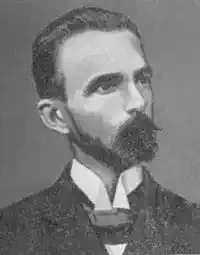
Raimundo Correia
Julieta
A loura Julieta enamorada,
Triste, lânguida, pálida, abatida,
Aparece radiante na sacada
Dos raios brancos do luar ferida.
Engolfa o olhar na sombra condensada,
Perscruta, busca em torno... e na avenida
Surge Romeu; da valerosa espada
Esplende a clara lâmina polida...
Sente-se o arfar de sôfregos desejos,
Estoura no ar um turbilhão de beijos,
Mas o dia reponta!... Ó indiscreta
Da cotovia matinal garganta!
Ó perigo do amor, que o amor quebranta!
Ó noites de Verona! Ó Julieta!
Publicado no livro Sinfonias (1882). Último da série Perfis Românticos, constituída por oito sonetos.
In: CORREIA, Raimundo. Poesias completas. Org. pref. e notas Múcio Leão. São Paulo: Ed. Nacional, 1948. v.2, p.149
Triste, lânguida, pálida, abatida,
Aparece radiante na sacada
Dos raios brancos do luar ferida.
Engolfa o olhar na sombra condensada,
Perscruta, busca em torno... e na avenida
Surge Romeu; da valerosa espada
Esplende a clara lâmina polida...
Sente-se o arfar de sôfregos desejos,
Estoura no ar um turbilhão de beijos,
Mas o dia reponta!... Ó indiscreta
Da cotovia matinal garganta!
Ó perigo do amor, que o amor quebranta!
Ó noites de Verona! Ó Julieta!
Publicado no livro Sinfonias (1882). Último da série Perfis Românticos, constituída por oito sonetos.
In: CORREIA, Raimundo. Poesias completas. Org. pref. e notas Múcio Leão. São Paulo: Ed. Nacional, 1948. v.2, p.149
2 196
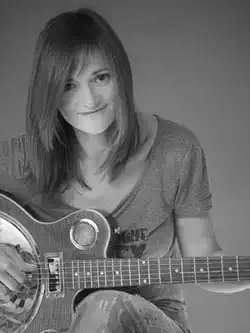
Mafalda Veiga
Gente Perdida
Eu fui devagarinho
Com medo de falhar
Não fosse esse o caminho certo
Para te encontrar
Fui descobrindo devagar
Cada sorriso teu
Fui aprendendo a procurar
Por entre sonhos meus
Eu fui assim chegando
Sem entender porquê
Já foram tantas vezes tantas
Assim como esta vez
Mas é mais fundo o teu olhar
Mais do que eu sei dizer
É um abrigo pra voltar
Ou um mar para me perder
Lá fora o vento
Nem sempre sabe a liberdade
A gente finge
Mas sabe o que não é verdade
Foge ao vazio
Enquanto brinda, dança e salta
Eu trago-te comigo
E sinto tanto, tanto a tua falta
Eu fui entrando pouco a pouco
Abri a porta e vi
Que havia lume aceso
E um lugar pra mim
Quase me assusta descobrir
Que foi este sabor
Que a vida inteira procurei
Entra a paixão e a dor
Lá fora o vento
Nem sempre sabe a liberdade
Gente perdida
Balança entre o sonho e a verdade
Foge ao vazio
Enquanto brinda, dança e salta
Eu trago-te comigo
E sinto tanto, tanto a tua falta
Lá fora o vento
Nem sempre sabe a liberdade
Gente perdida
Balança entre o sonho e a verdade
Foge ao vazio
Enquanto brinda, dança e salta
Eu trago-te comigo
E guardo este abraço só para ti
Com medo de falhar
Não fosse esse o caminho certo
Para te encontrar
Fui descobrindo devagar
Cada sorriso teu
Fui aprendendo a procurar
Por entre sonhos meus
Eu fui assim chegando
Sem entender porquê
Já foram tantas vezes tantas
Assim como esta vez
Mas é mais fundo o teu olhar
Mais do que eu sei dizer
É um abrigo pra voltar
Ou um mar para me perder
Lá fora o vento
Nem sempre sabe a liberdade
A gente finge
Mas sabe o que não é verdade
Foge ao vazio
Enquanto brinda, dança e salta
Eu trago-te comigo
E sinto tanto, tanto a tua falta
Eu fui entrando pouco a pouco
Abri a porta e vi
Que havia lume aceso
E um lugar pra mim
Quase me assusta descobrir
Que foi este sabor
Que a vida inteira procurei
Entra a paixão e a dor
Lá fora o vento
Nem sempre sabe a liberdade
Gente perdida
Balança entre o sonho e a verdade
Foge ao vazio
Enquanto brinda, dança e salta
Eu trago-te comigo
E sinto tanto, tanto a tua falta
Lá fora o vento
Nem sempre sabe a liberdade
Gente perdida
Balança entre o sonho e a verdade
Foge ao vazio
Enquanto brinda, dança e salta
Eu trago-te comigo
E guardo este abraço só para ti
1 536
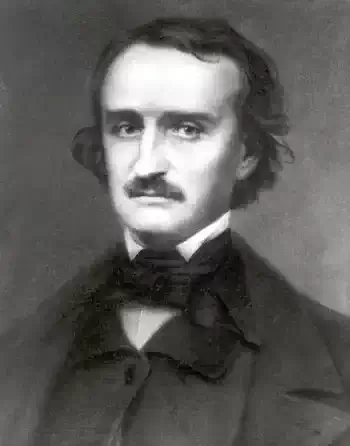
Edgar Allan Poe
The Divine Right Of Kings
The only king by right divine
Is Ellen King, and were she mine
I'd strive for liberty no more,
But hug the glorious chains I wore.
Her bosom is an ivory throne,
Where tyrant virtue reigns alone ;
No subject vice dare interfere,
To check the power that governs here.
O! would she deign to rule my fate,
I'd worship Kings and kingly state,
And hold this maxim all life long,
The King — my King — can do no wrong. P
1845
Is Ellen King, and were she mine
I'd strive for liberty no more,
But hug the glorious chains I wore.
Her bosom is an ivory throne,
Where tyrant virtue reigns alone ;
No subject vice dare interfere,
To check the power that governs here.
O! would she deign to rule my fate,
I'd worship Kings and kingly state,
And hold this maxim all life long,
The King — my King — can do no wrong. P
1845
1 199
Edgar Allan Poe
To The River
Fair river! in thy bright, clear flow
Of crystal, wandering water,
Thou art an emblem of the glow
Of beauty- the unhidden heart-
The playful maziness of art
In old Alberto's daughter;
But when within thy wave she looks-
Which glistens then, and trembles—
Why, then, the prettiest of brooks
Her worshipper resembles;
For in his heart, as in thy stream,
Her image deeply lies—
His heart which trembles at the beam
Of her soul-searching eyes.
1829
Of crystal, wandering water,
Thou art an emblem of the glow
Of beauty- the unhidden heart-
The playful maziness of art
In old Alberto's daughter;
But when within thy wave she looks-
Which glistens then, and trembles—
Why, then, the prettiest of brooks
Her worshipper resembles;
For in his heart, as in thy stream,
Her image deeply lies—
His heart which trembles at the beam
Of her soul-searching eyes.
1829
1 337
Edgar Allan Poe
Elizabeth
Elizabeth, it surely is most fit
[Logic and common usage so commanding]
In thy own book that first thy name be writ,
Zeno and other sages notwithstanding;
And I have other reasons for so doing
Besides my innate love of contradiction;
Each poet — if a poet — in pursuing
The muses thro' their bowers of Truth or Fiction,
Has studied very little of his part,
Read nothing, written less — in short's a fool
Endued with neither soul, nor sense, nor art,
Being ignorant of one important rule,
Employed in even the theses of the school—
Called — I forget the heathenish Greek name
[Called anything, its meaning is the same]
"Always write first things uppermost in the heart."
1829
[Logic and common usage so commanding]
In thy own book that first thy name be writ,
Zeno and other sages notwithstanding;
And I have other reasons for so doing
Besides my innate love of contradiction;
Each poet — if a poet — in pursuing
The muses thro' their bowers of Truth or Fiction,
Has studied very little of his part,
Read nothing, written less — in short's a fool
Endued with neither soul, nor sense, nor art,
Being ignorant of one important rule,
Employed in even the theses of the school—
Called — I forget the heathenish Greek name
[Called anything, its meaning is the same]
"Always write first things uppermost in the heart."
1829
1 496
Mafalda Veiga
Por Te Rever
Quisera roubar-te essas palavras e morrer
Trazer-te assim até ao fim do que eu puder
E começar um dia mais eternamente
Por te rever, só
Pudesse eu guardar-te nos sentidos e na voz
E descobrir o que será de nós
E demorar um dia mais eternamente
Por te rever, só
Quisera a ternura, calmaria azul do mar
O riso o amor o gosto a sal o sol do olhar
E um lugar pra me espraiar eternamente
Por te rever, só
Pudesse eu ser tempo a respirar no teu abraço
Adormecer e abandonar-me de cansaço
Quisera assim perder-me em mim eternamente
Por te rever, só
Trazer-te assim até ao fim do que eu puder
E começar um dia mais eternamente
Por te rever, só
Pudesse eu guardar-te nos sentidos e na voz
E descobrir o que será de nós
E demorar um dia mais eternamente
Por te rever, só
Quisera a ternura, calmaria azul do mar
O riso o amor o gosto a sal o sol do olhar
E um lugar pra me espraiar eternamente
Por te rever, só
Pudesse eu ser tempo a respirar no teu abraço
Adormecer e abandonar-me de cansaço
Quisera assim perder-me em mim eternamente
Por te rever, só
1 265
Edgar Allan Poe
To F—s S O—d
Thou wouldst be loved?— then let thy heart
From its present pathway part not!
Being everything which now thou art,
Be nothing which thou art not.
So with the world thy gentle ways,
Thy grace, thy more than beauty,
Shall be an endless theme of praise,
And love- a simple duty.
1835
From its present pathway part not!
Being everything which now thou art,
Be nothing which thou art not.
So with the world thy gentle ways,
Thy grace, thy more than beauty,
Shall be an endless theme of praise,
And love- a simple duty.
1835
1 049
Edgar Allan Poe
A Valentine
For her this rhyme is penned, whose luminous eyes,
Brightly expressive as the twins of Leda,
Shall find her own sweet name, that nestling lies
Upon the page, enwrapped from every reader.
Search narrowly the lines!— they hold a treasure
Divine— a talisman— an amulet
That must be worn at heart. Search well the measure—
The words— the syllables! Do not forget
The trivialest point, or you may lose your labor
And yet there is in this no Gordian knot
Which one might not undo without a sabre,
If one could merely comprehend the plot.
Enwritten upon the leaf where now are peering
Eyes scintillating soul, there lie perdus
Three eloquent words oft uttered in the hearing
Of poets, by poets— as the name is a poet's, too,
Its letters, although naturally lying
Like the knight Pinto— Mendez Ferdinando—
Still form a synonym for Truth— Cease trying!
You will not read the riddle,
though you do the best you can do.
1848
Brightly expressive as the twins of Leda,
Shall find her own sweet name, that nestling lies
Upon the page, enwrapped from every reader.
Search narrowly the lines!— they hold a treasure
Divine— a talisman— an amulet
That must be worn at heart. Search well the measure—
The words— the syllables! Do not forget
The trivialest point, or you may lose your labor
And yet there is in this no Gordian knot
Which one might not undo without a sabre,
If one could merely comprehend the plot.
Enwritten upon the leaf where now are peering
Eyes scintillating soul, there lie perdus
Three eloquent words oft uttered in the hearing
Of poets, by poets— as the name is a poet's, too,
Its letters, although naturally lying
Like the knight Pinto— Mendez Ferdinando—
Still form a synonym for Truth— Cease trying!
You will not read the riddle,
though you do the best you can do.
1848
2 020
Edgar Allan Poe
To One in Paradise
Thou wast all that to me, love,
For which my soul did pine-
A green isle in the sea, love,
A fountain and a shrine,
All wreathed with fairy fruits and flowers,
And all the flowers were mine.
Ah, dream too bright to last!
Ah, starry Hope! that didst arise
But to be overcast!
A voice from out the Future cries,
"Onward!"- but o'er the Past
(Dim gulf!) my spirit hovering lies
Mute, motionless, aghast!
For, alas! alas! with me
The light of life is o'er!
"No more-- no more-- no more,"
(Such language holds the solemn sea
To the sands upon the shore)
Shall bloom the thunder-blasted tree
Or the stricken eagle soar!
And all my hours are trances,
And all my nightly dreams
Are where thy dark eye glances,
And where thy footstep gleams-
In what ethereal dances,
By what Italian streams.
Alas! for that accursed time
They bore thee o'er the billow,
From Love to titled age and crime,
And an unholy pillow!--
From me, and from our misty clime,
Where weeps the silver willow!
1834
For which my soul did pine-
A green isle in the sea, love,
A fountain and a shrine,
All wreathed with fairy fruits and flowers,
And all the flowers were mine.
Ah, dream too bright to last!
Ah, starry Hope! that didst arise
But to be overcast!
A voice from out the Future cries,
"Onward!"- but o'er the Past
(Dim gulf!) my spirit hovering lies
Mute, motionless, aghast!
For, alas! alas! with me
The light of life is o'er!
"No more-- no more-- no more,"
(Such language holds the solemn sea
To the sands upon the shore)
Shall bloom the thunder-blasted tree
Or the stricken eagle soar!
And all my hours are trances,
And all my nightly dreams
Are where thy dark eye glances,
And where thy footstep gleams-
In what ethereal dances,
By what Italian streams.
Alas! for that accursed time
They bore thee o'er the billow,
From Love to titled age and crime,
And an unholy pillow!--
From me, and from our misty clime,
Where weeps the silver willow!
1834
1 338
Mafalda Veiga
Saltimbanco Louco
Não me ensines os caminhos
quero rasgá-los no meu peito
quando aprendemos sozinhos
parece que há mais direito
A ter inteira a tua alma
roubar-ta quando não esperas
e abraçar-te no colo sem saberes
como se faz a um amor que se perdera
Assim andarás comigo
quando de ti não souberes
e não te ensino os caminhos
para tomares os rumos que quiseres
Tenho a alma desvastada
de um sentimento sem fundo
e sou como um saltimbanco louco
que por quase, quase nada
se entrega ao mundo
quero rasgá-los no meu peito
quando aprendemos sozinhos
parece que há mais direito
A ter inteira a tua alma
roubar-ta quando não esperas
e abraçar-te no colo sem saberes
como se faz a um amor que se perdera
Assim andarás comigo
quando de ti não souberes
e não te ensino os caminhos
para tomares os rumos que quiseres
Tenho a alma desvastada
de um sentimento sem fundo
e sou como um saltimbanco louco
que por quase, quase nada
se entrega ao mundo
1 035
Mafalda Veiga
Fonte dos Deuses
A lua dança na mata
Até despontar o dia
Andam ninfas na cascata
E os deuses em romaria
E os bravos guerreiro mouros
Cravam lanças ao luar
Pra afugentar maus agouros
Como a fonte a transbordar
Rio aberto, quase mar
Acaba todo o sossego
Inundada a pradaria
Se os deuses contam segredos
E água vem que não devi
E os bravos guerreiros
Cravam lanças ao luar
Pra afugentar maus agouros
Como a fonte a transbordar
Rio aberto, quase mar
E estava a princesa moura
A beber água na fonte
Onde a vida é uma espora
Cravada no horizonte
Todo o dia a toda a hora
Sempre vem o trovador
Cantar à princesa moura
E a toda a moirama em flor
Ai toda a moura é uma flor
Cantaria à luz do fogo
Se me fosse perdoado
Pelos deuses todo o sonho
Toda a falta de cuidado
Mas nem sempre acorda a chama
Onde a noite é demorada
Enquanto os deuses recolhem
Água em fonte transbordada
Luz em noite enluarada
E estava a princesa moura
A beber água na fonte
Onde a vida é uma espora
Cravada no horizonte
Todo o dia a toda a hora
Sempre vem o trovador
Cantar à princesa moura
E a toda a moirama em flor
Ai toda a moura é uma flor
Toco na lira dos deuses
Pela margem da ribeira
É esse o riso dos deuses
E das caraças da feira
Dias de amor nunca esquecem
Tirando algum que esqueceu
Quando os deuses enlouquecem
E arrancam estrelas do céu
E deixam noites de breu
E estava a princesa moura
A beber água na fonte
Onde a vida é uma espora
Cravada no horizonte
Todo o dia a toda a hora
Sempre vem o trovador
Cantar à princesa moura
E a toda a moirama em flor
Ai toda a moura é uma flor
Até despontar o dia
Andam ninfas na cascata
E os deuses em romaria
E os bravos guerreiro mouros
Cravam lanças ao luar
Pra afugentar maus agouros
Como a fonte a transbordar
Rio aberto, quase mar
Acaba todo o sossego
Inundada a pradaria
Se os deuses contam segredos
E água vem que não devi
E os bravos guerreiros
Cravam lanças ao luar
Pra afugentar maus agouros
Como a fonte a transbordar
Rio aberto, quase mar
E estava a princesa moura
A beber água na fonte
Onde a vida é uma espora
Cravada no horizonte
Todo o dia a toda a hora
Sempre vem o trovador
Cantar à princesa moura
E a toda a moirama em flor
Ai toda a moura é uma flor
Cantaria à luz do fogo
Se me fosse perdoado
Pelos deuses todo o sonho
Toda a falta de cuidado
Mas nem sempre acorda a chama
Onde a noite é demorada
Enquanto os deuses recolhem
Água em fonte transbordada
Luz em noite enluarada
E estava a princesa moura
A beber água na fonte
Onde a vida é uma espora
Cravada no horizonte
Todo o dia a toda a hora
Sempre vem o trovador
Cantar à princesa moura
E a toda a moirama em flor
Ai toda a moura é uma flor
Toco na lira dos deuses
Pela margem da ribeira
É esse o riso dos deuses
E das caraças da feira
Dias de amor nunca esquecem
Tirando algum que esqueceu
Quando os deuses enlouquecem
E arrancam estrelas do céu
E deixam noites de breu
E estava a princesa moura
A beber água na fonte
Onde a vida é uma espora
Cravada no horizonte
Todo o dia a toda a hora
Sempre vem o trovador
Cantar à princesa moura
E a toda a moirama em flor
Ai toda a moura é uma flor
1 159
Edgar Allan Poe
Eulalie
I dwelt alone
In a world of moan,
And my soul was a stagnant tide,
Till the fair and gentle Eulalie became my blushing bride—
Till the yellow-haired young Eulalie became my smiling bride.
Ah, less— less bright
The stars of the night
Than the eyes of the radiant girl!
That the vapor can make
With the moon-tints of purple and pearl,
Can vie with the modest Eulalie's most unregarded curl—
Can compare with the bright-eyed Eulalie's most humble and careless curl.
Now Doubt- now Pain
Come never again,
For her soul gives me sigh for sigh,
And all day long
Shines, bright and strong,
Astarte within the sky,
While ever to her dear Eulalie upturns her matron eye—
While ever to her young Eulalie upturns her violet eye.
1850
In a world of moan,
And my soul was a stagnant tide,
Till the fair and gentle Eulalie became my blushing bride—
Till the yellow-haired young Eulalie became my smiling bride.
Ah, less— less bright
The stars of the night
Than the eyes of the radiant girl!
That the vapor can make
With the moon-tints of purple and pearl,
Can vie with the modest Eulalie's most unregarded curl—
Can compare with the bright-eyed Eulalie's most humble and careless curl.
Now Doubt- now Pain
Come never again,
For her soul gives me sigh for sigh,
And all day long
Shines, bright and strong,
Astarte within the sky,
While ever to her dear Eulalie upturns her matron eye—
While ever to her young Eulalie upturns her violet eye.
1850
2 219
Edgar Allan Poe
Impromptu To Kate Carol
When from your gems of thought I turn
To those pure orbs, your heart to learn,
I scarce know which to prize most high —
The bright i-dea, or the bright dear-eye.
1845
To those pure orbs, your heart to learn,
I scarce know which to prize most high —
The bright i-dea, or the bright dear-eye.
1845
1 132
Edgar Allan Poe
To Helen [Sarah Helen Whitman
I saw thee once— once only — years ago:
I must not say how many — but not many.
It was a July midnight; and from out
A full-orbed moon, that, like thine own soul, soaring,
Sought a precipitate pathway up through heaven,
There fell a silvery-silken veil of light,
With quietude, and sultriness, and slumber,
Upon the upturned faces of a thousand
Roses that grew in an enchanted garden,
Where no wind dared to stir, unless on tiptoe —
Fell on the upturn'd faces of these roses
That gave out, in return for the love-light,
Their odorous souls in an ecstatic death —
Fell on the upturn'd faces of these roses
That smiled and died in this parterre, enchanted
By thee, and by the poetry of thy presence.
Clad all in white, upon a violet bank
I saw thee half reclining; while the moon
Fell on the upturn'd faces of the roses,
And on thine own, upturn'd— alas, in sorrow!
Was it not Fate, that, on this July midnight—
Was it not Fate, (whose name is also Sorrow,)
That bade me pause before that garden-gate,
To breathe the incense of those slumbering roses?
No footstep stirred: the hated world an slept,
Save only thee and me. (Oh, Heaven!— oh, God!
How my heart beats in coupling those two words!)
Save only thee and me. I paused— I looked—
And in an instant all things disappeared.
(Ah, bear in mind this garden was enchanted!)
The pearly lustre of the moon went out:
The mossy banks and the meandering paths,
The happy flowers and the repining trees,
Were seen no more: the very roses' odors
Died in the arms of the adoring airs.
All— all expired save thee— save less than thou:
Save only the divine light in thine eyes—
Save but the soul in thine uplifted eyes.
I saw but them— they were the world to me!
I saw but them— saw only them for hours,
Saw only them until the moon went down.
What wild heart-histories seemed to he enwritten
Upon those crystalline, celestial spheres!
How dark a woe, yet how sublime a hope!
How silently serene a sea of pride!
How daring an ambition; yet how deep—
How fathomless a capacity for love!
But now, at length, dear Dian sank from sight,
Into a western couch of thunder-cloud;
And thou, a ghost, amid the entombing trees
Didst glide away. Only thine eyes remained;
They would not go— they never yet have gone;
Lighting my lonely pathway home that night,
They have not left me (as my hopes have) since;
They follow me— they lead me through the years.
They are my ministers — yet I their slave.
Their office is to illumine and enkindle —
My duty, to be saved by their bright light,
And purified in their electric fire,
And sanctified in their elysian fire.
They fill my soul with Beauty (which is Hope),
And are far up in Heaven — the stars I kneel to
In the sad, silent watches of my night;
While even in the meridian glare of day
I see them still — two sweetly scintillant
Venuses, unextinguished by the sun!
1850
I must not say how many — but not many.
It was a July midnight; and from out
A full-orbed moon, that, like thine own soul, soaring,
Sought a precipitate pathway up through heaven,
There fell a silvery-silken veil of light,
With quietude, and sultriness, and slumber,
Upon the upturned faces of a thousand
Roses that grew in an enchanted garden,
Where no wind dared to stir, unless on tiptoe —
Fell on the upturn'd faces of these roses
That gave out, in return for the love-light,
Their odorous souls in an ecstatic death —
Fell on the upturn'd faces of these roses
That smiled and died in this parterre, enchanted
By thee, and by the poetry of thy presence.
Clad all in white, upon a violet bank
I saw thee half reclining; while the moon
Fell on the upturn'd faces of the roses,
And on thine own, upturn'd— alas, in sorrow!
Was it not Fate, that, on this July midnight—
Was it not Fate, (whose name is also Sorrow,)
That bade me pause before that garden-gate,
To breathe the incense of those slumbering roses?
No footstep stirred: the hated world an slept,
Save only thee and me. (Oh, Heaven!— oh, God!
How my heart beats in coupling those two words!)
Save only thee and me. I paused— I looked—
And in an instant all things disappeared.
(Ah, bear in mind this garden was enchanted!)
The pearly lustre of the moon went out:
The mossy banks and the meandering paths,
The happy flowers and the repining trees,
Were seen no more: the very roses' odors
Died in the arms of the adoring airs.
All— all expired save thee— save less than thou:
Save only the divine light in thine eyes—
Save but the soul in thine uplifted eyes.
I saw but them— they were the world to me!
I saw but them— saw only them for hours,
Saw only them until the moon went down.
What wild heart-histories seemed to he enwritten
Upon those crystalline, celestial spheres!
How dark a woe, yet how sublime a hope!
How silently serene a sea of pride!
How daring an ambition; yet how deep—
How fathomless a capacity for love!
But now, at length, dear Dian sank from sight,
Into a western couch of thunder-cloud;
And thou, a ghost, amid the entombing trees
Didst glide away. Only thine eyes remained;
They would not go— they never yet have gone;
Lighting my lonely pathway home that night,
They have not left me (as my hopes have) since;
They follow me— they lead me through the years.
They are my ministers — yet I their slave.
Their office is to illumine and enkindle —
My duty, to be saved by their bright light,
And purified in their electric fire,
And sanctified in their elysian fire.
They fill my soul with Beauty (which is Hope),
And are far up in Heaven — the stars I kneel to
In the sad, silent watches of my night;
While even in the meridian glare of day
I see them still — two sweetly scintillant
Venuses, unextinguished by the sun!
1850
1 866
Edgar Allan Poe
To Elizabeth
Would'st thou be loved? — then let thy heart
From its present pathway part not —
Be every thing which now thou art
And nothing which thou art not:
So with the world thy gentle ways,
And unassuming beauty
Shall be a constant theme of praise,
And love — a duty.
From its present pathway part not —
Be every thing which now thou art
And nothing which thou art not:
So with the world thy gentle ways,
And unassuming beauty
Shall be a constant theme of praise,
And love — a duty.
1 228
Edgar Allan Poe
To
For her these lines are penned, whose luminous eyes,
Brightly expressive as the starts of Leda,
Shall find her own sweet name that, nestling, lies
Upon the page, enwrapped from every reader.
Search narrowly these words, which hold a treasure
Divine — a talisman, an amulet
That must be worn at heart. Search well the measure —
The words — the letters themselves. Do not forget
The smallest point, or you may lose your labor.
And yet there is in this no gordian knot
Which one might not undo without a sabre
If one could merely comprehend the plot.
Upon the open page on which are peering
Such sweet eyes now, there lies, I say, perdus,
A musical name oft uttered in the hearing
Of poets, by poets — for the name is a poet's too.
In common sequence set, the letters lying,
Compose a sound delighting all to hear —
Ah, this you'd have no trouble in descrying
Were you not something, of a dunce, my dear —
And now I leave these riddles to their Seer.
1846
Brightly expressive as the starts of Leda,
Shall find her own sweet name that, nestling, lies
Upon the page, enwrapped from every reader.
Search narrowly these words, which hold a treasure
Divine — a talisman, an amulet
That must be worn at heart. Search well the measure —
The words — the letters themselves. Do not forget
The smallest point, or you may lose your labor.
And yet there is in this no gordian knot
Which one might not undo without a sabre
If one could merely comprehend the plot.
Upon the open page on which are peering
Such sweet eyes now, there lies, I say, perdus,
A musical name oft uttered in the hearing
Of poets, by poets — for the name is a poet's too.
In common sequence set, the letters lying,
Compose a sound delighting all to hear —
Ah, this you'd have no trouble in descrying
Were you not something, of a dunce, my dear —
And now I leave these riddles to their Seer.
1846
1 167
Mafalda Veiga
Soslaio
húmido canto da boca
húmido olhar de soslaio
fresco de verde molhado
gotas de verde luar
riso no canto da boca
tão descarado no olhar
da cor bonita de Maio
húmido olhar de soslaio
sol que amormece na pele
gato a dormir na janela
o meu amor enroscado
em linho, meiguice e mel
sonhos no rubro dos lábios
fresco de verde molhado
da côr intensa de Maio
húmido olhar de soslaio
faz-me comichão na alma
o azul do olhar roçando
o riso que põe bricando
no canto da minha boca
riso de luar molhado
seus olhos do azul de Maio
húmido canto da boca
húmido olhar de soslaio
húmido olhar de soslaio
fresco de verde molhado
gotas de verde luar
riso no canto da boca
tão descarado no olhar
da cor bonita de Maio
húmido olhar de soslaio
sol que amormece na pele
gato a dormir na janela
o meu amor enroscado
em linho, meiguice e mel
sonhos no rubro dos lábios
fresco de verde molhado
da côr intensa de Maio
húmido olhar de soslaio
faz-me comichão na alma
o azul do olhar roçando
o riso que põe bricando
no canto da minha boca
riso de luar molhado
seus olhos do azul de Maio
húmido canto da boca
húmido olhar de soslaio
1 397
Edgar Allan Poe
To Helen
Helen, thy beauty is to me
Like those Nicean barks of yore,
That gently, o'er a perfum'd sea,
The weary way-worn wanderer bore
To his own native shore.
On desperate seas long wont to roam,
Thy hyacinth hair, thy classic face,
Thy Naiad airs have brought me home
To the beauty of fair Greece,
And the grandeur of old Rome.
Lo ! in that little window-niche
How statue-like I see thee stand!
The folded scroll within thy hand —
A Psyche from the regions which
Are Holy land !
1831
Like those Nicean barks of yore,
That gently, o'er a perfum'd sea,
The weary way-worn wanderer bore
To his own native shore.
On desperate seas long wont to roam,
Thy hyacinth hair, thy classic face,
Thy Naiad airs have brought me home
To the beauty of fair Greece,
And the grandeur of old Rome.
Lo ! in that little window-niche
How statue-like I see thee stand!
The folded scroll within thy hand —
A Psyche from the regions which
Are Holy land !
1831
1 555
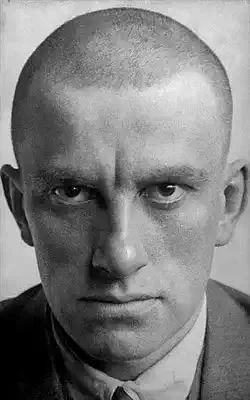
Vladimir Maiakovski
A FLAUTA VÉRTEBRA
(tradução: Haroldo de Campos e Boris Schnaiderman)
A todos vocês,
que eu amei e que eu amo,
ícones guardados num coração-caverna,
como quem num banquete ergue a taça e celebra,
repleto de versos levanto meu crânio.
Penso, mais de uma vez:
seria melhor talvez
pôr-me o ponto final de um balaço.
Em todo caso
eu
hoje vou dar meu concerto de adeus.
Memória!
Convoca aos salões do cérebro
um renque inumerável de amadas.
Verte o riso de pupila em pupila,
veste a noite de núpcias passadas.
De corpo a corpo verta a alegria.
esta noite ficará na História.
Hoje executarei meus versos
na flauta de minhas próprias vértebras.
A todos vocês,
que eu amei e que eu amo,
ícones guardados num coração-caverna,
como quem num banquete ergue a taça e celebra,
repleto de versos levanto meu crânio.
Penso, mais de uma vez:
seria melhor talvez
pôr-me o ponto final de um balaço.
Em todo caso
eu
hoje vou dar meu concerto de adeus.
Memória!
Convoca aos salões do cérebro
um renque inumerável de amadas.
Verte o riso de pupila em pupila,
veste a noite de núpcias passadas.
De corpo a corpo verta a alegria.
esta noite ficará na História.
Hoje executarei meus versos
na flauta de minhas próprias vértebras.
2 478
Vladimir Maiakovski
TU
Entraste.
A sério, olhaste a estatura, o bramido e simplesmente adivinhaste:
uma criança.
Tomaste, arrancaste-me o coração e simplesmente foste com ele jogar como uma menina com sua bola.
E todas, como se vissem um milagre, senhoras e senhorias exclamaram:
- A esse amá-lo?
Se se atira em cima, derruba a gente!
Ela, com certeza, é domadora! Por certo, saiu duma jaula!
E eu júbilo esqueci o julgo.
Louco de alegria saltava como em casamento de índio, tão leve, tão bem me sentia.
A sério, olhaste a estatura, o bramido e simplesmente adivinhaste:
uma criança.
Tomaste, arrancaste-me o coração e simplesmente foste com ele jogar como uma menina com sua bola.
E todas, como se vissem um milagre, senhoras e senhorias exclamaram:
- A esse amá-lo?
Se se atira em cima, derruba a gente!
Ela, com certeza, é domadora! Por certo, saiu duma jaula!
E eu júbilo esqueci o julgo.
Louco de alegria saltava como em casamento de índio, tão leve, tão bem me sentia.
1 770
Paulo Leminski
DONNA MI PRIEGA 88
se amor é troca
ou entrega louca
discutem os sábios
entre os pequenos
e os grandes lábios
no primeiro caso
onde começa o acaso
e onde acaba o propósito
se tudo o que fazemos
é menos que amor
mas ainda não é ódio?
a tese segunda
evapora em pergunta
que entrega é tão louca
que toda espera é pouca?
qual dos cindo mil sentidos
está livre de mal-entendidos?
ou entrega louca
discutem os sábios
entre os pequenos
e os grandes lábios
no primeiro caso
onde começa o acaso
e onde acaba o propósito
se tudo o que fazemos
é menos que amor
mas ainda não é ódio?
a tese segunda
evapora em pergunta
que entrega é tão louca
que toda espera é pouca?
qual dos cindo mil sentidos
está livre de mal-entendidos?
2 359