
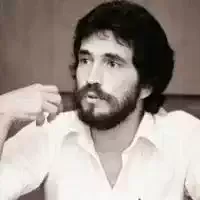
Carlos Cardoso
 MZ
MZ
Carlos Cardoso was a prominent Mozambican journalist and activist, known for his courage and intransigence in defending press freedom and combating corruption. Founder and director of the newspaper "Metical", he used investigative journalism as a tool to expose abuses of power and promote transparency. His life was marked by a constant struggle against political pressures and threats, culminating in his tragic assassination in 2000. His journalistic work left an indelible legacy in Mozambique's history, inspiring generations of communication professionals to defend democratic values.
n. 1951-01-01, Beira · m. 2000-11-22, Maputo
Bio
Identification and Basic Context
Carlos Cardoso was a Mozambican journalist and activist, widely recognized as one of the most important defenders of press freedom in Africa. He was born in 1951 and was assassinated in November 2000, in Maputo.Childhood and Education
Cardoso was born in Beira, Mozambique, to Portuguese parents who settled in the country. His academic background included studies in journalism and social sciences. From an early age, he showed a strong sense of social justice and a critical spirit, characteristics that would shape his career.Literary Career
Although primarily known as a journalist, Carlos Cardoso's writing possessed a remarkable literary quality, especially in his opinion pieces and chronicles. His prose was incisive, eloquent, and deeply humanistic. His "work" lies in his journalistic legacy, which served as a form of civic and literary intervention.Work, Style, and Literary Characteristics
Carlos Cardoso's "work" is manifested through his journalistic writings, which stand out for their clarity, depth of investigation, and courage in addressing sensitive topics. His style was direct, straightforward, and endowed with a biting irony aimed at unmasking hypocrisy and corruption. The central themes of his writing included governance, human rights, corruption, social justice, and the development of Mozambique. He used language as a weapon for change, challenging the status quo and giving voice to the marginalized.Work, Style, and Literary Characteristics
Cultural and Historical Context Carlos Cardoso lived and worked in a crucial period of Mozambique's history, a country grappling with the challenges of post-independence reconstruction, endemic corruption, and political pressures. He was a central figure in advocating for independent and critical journalism in an often hostile environment.Work, Style, and Literary Characteristics
Personal Life Cardoso was known for his passion for journalism and his unwavering commitment to the truth. His personal life was intrinsically linked to his profession, with significant sacrifices made for his work. He was an inspiring leader to many Mozambican journalists.Work, Style, and Literary Characteristics
Recognition and Reception During his lifetime, Carlos Cardoso faced persecution and threats, but he also received great recognition for his courage and integrity. After his death, his legacy was celebrated internationally, with "Metical" being recognized as a symbol of the struggle for press freedom. Several awards and distinctions were posthumously given in his name.Work, Style, and Literary Characteristics
Influences and Legacy Carlos Cardoso was influenced by journalists and activists who fought for similar causes around the world. His legacy is immense, having inspired a generation of journalists in Mozambique and Africa to pursue investigative journalism and defend democratic values. He is remembered as a hero of freedom of expression.Work, Style, and Literary Characteristics
Interpretation and Critical Analysis Carlos Cardoso's work can be interpreted as a testament to the importance of journalism in building democratic and transparent societies. His courage in challenging established power is an example of how a free press can be a fundamental pillar of justice.Work, Style, and Literary Characteristics
Curiosities and Lesser-Known Aspects Cardoso was known for his persistence and his ability to motivate his team, even in adverse circumstances. His determination to publish the truth, regardless of the risks, made him an almost mythical figure in Mozambican journalism.Work, Style, and Literary Characteristics
Death and Memory Carlos Cardoso was assassinated on November 22, 2000, in a bombing that targeted his car in Maputo. The crime shocked the country and the world, raising strong suspicions that the assassination was related to his journalistic investigations into cases of corruption and fraud. His death is remembered as a tragic milestone in the struggle for press freedom in Mozambique.Poems
0No poems found
Comments (0)
No comments yet. Be the first to comment.