
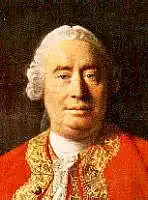
David Hume
1711–1629
· lived 0 years
 GB
GB
GB
David Hume was a Scottish philosopher, historian, economist, and essayist, considered one of the most important figures of the Scottish Enlightenment and Western philosophy. He is widely recognized as an empiricist and a radical skeptic. His works had a profound influence on the development of philosophy, especially in the areas of epistemology and philosophy of mind.
n. 1711-05-11, Escócia · m. 1629-01-01, Edimburgo, Escócia
2,520
Views
Bio
David Hume was born in Edinburgh and showed an early inclination for study and writing. His most famous work, 'A Treatise of Human Nature', published anonymously in 1739-1740, was initially poorly received but later recognized as a landmark in the history of philosophy. Hume also made significant contributions to economics and history, writing a monumental 'History of England'. He was known for his analytical mind and skepticism, questioning causality and induction, and arguing that all knowledge derives from sensory experience. Despite his intellectual contributions, his academic career faced obstacles due to his views considered radical for the time. Hume passed away in Edinburgh in 1776.
Poems
0No poems found
Quotes
28Comments (0)
Log in
to post a comment.
No comments yet. Be the first to comment.