
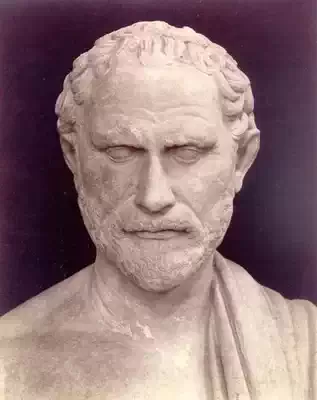
Demóstenes

Demosthenes was a prominent Athenian statesman and orator of Ancient Greece. He is widely regarded as one of the greatest Attic orators and a crucial figure in Athenian politics during the 4th century BC. His political career was marked by his opposition to the rise of the Kingdom of Macedon and its king, Philip II, and later his son, Alexander the Great.
n. 384ac, Bitínia · m. 322ac, Poros
63
Views
Bio
Born in 384 BC, Demosthenes overcame early personal challenges, including the early loss of his father and the mismanagement of his inheritance, to become one of Athens' most influential lawyers and politicians. He distinguished himself through his powerful and persuasive speeches, known as 'Philippics,' in which he warned the Athenians about the Macedonian threat and urged them to resist. Despite his efforts, Athens eventually fell under Macedonian influence. Demosthenes is remembered for his integrity, patriotism, and unparalleled eloquence, serving as a symbol of the struggle for democratic freedom.
Poems
0No poems found
Quotes
24No poems found
Comments (0)
Log in
to post a comment.
No comments yet. Be the first to comment.