
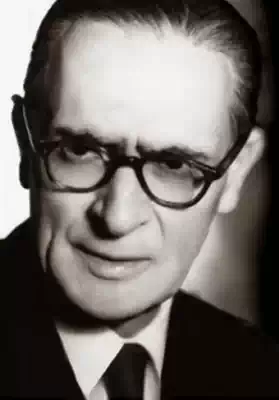
Edmundo de Bettencourt
 PT
PT
Edmundo de Bettencourt was a Portuguese poet and short-story writer, native to Madeira, whose work was characterized by a strong connection to his homeland and by the influences of Saudosismo and Symbolism. His writing, often marked by a lyrical and melancholic tone, explored themes such as nature, saudade (longing), love, and Madeiran identity. He was an important figure in promoting island culture through literature, contributing with his sensitivity and keen eye for the island's landscape and customs. His poetry evokes beauty and introspection, leaving a legacy of inestimable value to Madeiran and Portuguese literature.
n. 1899-08-07, Funchal · m. 1973-02-01, Lisboa
Bio
Identification and basic context
Edmundo de Bettencourt, full name Edmundo de Bettencourt e Silva, was a Portuguese poet, short-story writer, and journalist, born in the parish of Santa Maria Maior, Funchal, Madeira, on March 25, 1894. He passed away in Funchal on May 29, 1941. He was a prominent figure in the cultural life of Madeira, associated with literary movements such as Saudosismo and influenced by Symbolism. His work is intrinsically linked to his Madeiran identity and the historical and cultural context of early 20th-century Portugal.Childhood and education
Edmundo de Bettencourt was born and raised in Madeira, in an environment that would profoundly shape his literary work. His early years were marked by the island's landscape and culture, which would become central themes in his poetry. Although details of his formal education are scarce, it is likely that he had access to an education that allowed him to develop his interest in literature and the arts. His early readings and influences would have been shaped by the literary currents of the time, namely Symbolism and, later, Saudosismo.Literary career
Edmundo de Bettencourt's literary career began with the publication of poems in Madeiran newspapers and magazines. He was one of the founders of "Revista Nova" in 1920, an important milestone in the island's cultural life. He also collaborated in other publications, contributing to the dissemination of Madeiran literature and culture. His work evolved over time, always maintaining a strong connection with Madeira's identity and landscape. He was also a notable short-story writer, exploring themes similar to those in his poetry.Work, style, and literary characteristics
Edmundo de Bettencourt's best-known works include "O Fogo na Montanha" (1915), "As Ondas e as Estrelas" (1917), "Na Roda do Destino" (1917), "O Rio" (1923), and "A Ilha das Maravilhas" (1938). The dominant themes in his work are Madeira's exuberant nature, saudade, love, island identity, melancholy, and transcendence. His poetic style is lyrical, evocative, and musical, with a strong Symbolist influence, manifested in the use of suggestive imagery and the exploration of states of mind. The tone of his poetic voice is often elegiac and introspective. The language is refined, with a rich vocabulary and strong emotional charge. Bettencourt sought to capture the essence of Madeiran life and landscape, placing it within a universal context of feelings and reflections.Cultural and historical context
Edmundo de Bettencourt lived during a period of cultural effervescence in Madeira and Portugal. His work is part of the Saudosismo movement, which sought to revalue Portuguese identity and its connection to land and history. In Madeira, his work contributed to the affirmation of a distinct cultural identity, engaging with other intellectuals and artists on the island. His poetry reflects the sensibilities of the time, marked by a certain lyricism and a search for traditional values in contrast to emerging modernity.Personal life
Edmundo de Bettencourt was an active figure in the social and cultural life of Funchal. He dedicated a large part of his life to literature and journalism, being a passionate defender of Madeiran culture. His personal and family relationships, though not extensively documented, were likely influenced by his strong connection to the island and its traditions. His life was marked by dedication to his art and the promotion of island identity.Recognition and reception
Edmundo de Bettencourt is widely recognized as one of Madeira's most important poets. His work holds a prominent place in Madeiran literature and contributed to the island's cultural projection. Although national recognition during his lifetime may have been more discreet, his work has been valued over time, being studied and rediscovered by new generations. His legacy is indispensable for understanding 20th-century Portuguese poetry connected to the islands.Influences and legacy
Edmundo de Bettencourt's main influences include French and Portuguese Symbolist poets, as well as authors associated with the Saudosismo movement. His work, in turn, influenced later generations of Madeiran writers, who found in him a model for expressing island identity. His legacy lies in his ability to translate the beauty and soul of Madeira into memorable verses, consolidating a unique poetic imagery.Interpretation and critical analysis
Edmundo de Bettencourt's work has been analyzed from various perspectives, particularly its connection to Symbolism and Saudosismo, and its representation of Madeiran landscape and culture. Critical interpretations often focus on his ability to evoke saudade, the island's natural beauty, and spirituality, as well as his exploration of universal themes such as love and mortality.Curiosities and lesser-known aspects
Edmundo de Bettencourt was known for his deep connection to the island of Madeira, almost as if it were an extension of his own identity. His work is full of references to Madeiran flora, fauna, landscapes, and customs, demonstrating an intimate knowledge and profound love for his place of origin. His writing, though often melancholic, exudes a lyrical beauty that captivates the reader.Death and memory
Edmundo de Bettencourt passed away in Funchal in 1941. His death marked the end of an important poetic voice connected to Madeira. His memory is perpetuated through his work, which continues to be read and celebrated, and through initiatives aimed at honoring his literary and cultural legacy, ensuring his presence in the canon of Madeiran and Portuguese literature.Poems
0No poems found
Comments (0)
No comments yet. Be the first to comment.