
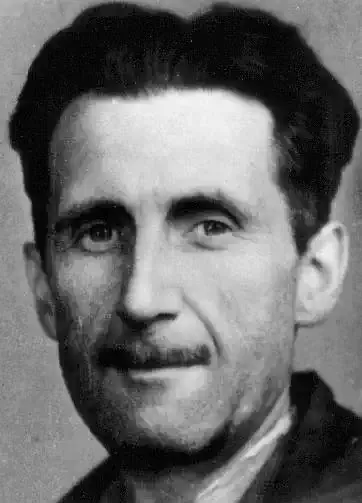
George Orwell
1903–1950
· lived 46 years
 GB
GB
GB
George Orwell, pseudonym of Eric Arthur Blair, was an English novelist, essayist, and journalist. He is widely known for his works of dystopian fiction, with strong social and political criticism. His most famous works, "Animal Farm" and "1984", explore themes of totalitarianism, surveillance, and the manipulation of truth, becoming references in world literature. Orwell also stood out for his investigative journalism and his engagement in social causes.
n. 1903-06-25, Motihari · m. 1950-01-21, Londres
4,317
Views
Bio
Eric Arthur Blair, known by the pseudonym George Orwell, was born in Motihari, British India. He studied at Eton College and, after completing his studies, enlisted in the Indian Imperial Police, serving in Burma. This experience, as well as his life as a worker in Paris and Barcelona, profoundly influenced his views on imperialism and oppression. During the Spanish Civil War, he fought alongside the Republic against Franco's forces, where he was wounded. This experience contributed to his aversion to authoritarian and totalitarian regimes. His novels "Animal Farm" (1945) and "1984" (1949) are political allegories that criticize Stalinism and the dangers of totalitarianism, respectively. "1984", in particular, with its concept of "Big Brother" and "Newspeak", became a landmark in dystopian fiction and influenced popular culture and political thought. Orwell was also a prolific essayist, addressing themes such as literature, politics, and language in works such as "The Lion and the Unicorn" and "Politics and the English Language". He died in London, victim of tuberculosis, in 1950.
Poems
0No poems found
Quotes
40Comments (0)
Log in
to post a comment.
No comments yet. Be the first to comment.