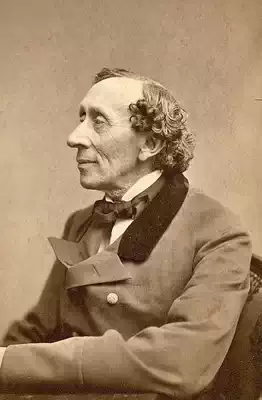
The Dying Child
The Dying Child
Mother, I'm tired, and I would fain be sleeping;
Let me repose upon thy bosom sick;
But promise me that thou wilt leave off weeping,
Because thy tears fall hot upon my cheek.
Here it is cold: the tempest raveth madly;
But in my dreams all is so wondrous bright;
I see the angel-children smiling gladly,
When from my weary eyes I shut out light.
Mother, one stands beside me now! and, listen!
Dost thou not hear the music's sweet accord?
See how his white wings beautifully glisten?
Surely those wings were given him by the Lord!
Green, gold, and red, are floating all around me;
They are the flowers the angel scattereth.
Should I have also wings while life has bound me?
Or, mother, are they given alone in death?
Why dost thou clasp me as if I were going?
Why dost thou press thy cheek so unto mine?
Thy cheek is hot, and yet thy tears are flowing!
I will, dear mother, will be always thine!
Do not sigh thus - it marreth my reposing;
But if thou weep, then I must weep with thee!
Ah, I am tired - my weary eyes are closing -
Look, mother, look! the angel kisseth me!
November
November
'Tredje Reeb ind! - - Op at beslaae Mersseilet! -
Ha, alle Djævle, hvilken Nat! -'
*
Nøgent, øde Sted paa Jyllands Vestkyst.
(Det er Nat og Maaneskin; Skyerne jage hen over det oprørte Hav).
En Skare onde Natur-Aander mødes, de leire sig i Sandet.
Den Første.
Her November har sin Throne,
Hvilken deilig Dandseplads!
Storm og Hav er vort Orchester.
Hør dog, hvilket lystigt Stykke!
Mine Been er Hvirvel-Vinde;
Kom, imens de Andre sladdre
Om de natlige Bedrifter.
Den Anden.
Dette Sted især jeg ynder.
Om en herlig Spas det minder!
See I [rettet fra: i] der det løse Qviksand?
Det er flere Aar nu siden,
Men som nu, just i November,
Kom en lystig Brudeskare;
Klarinet og Violiner
Klang heel lysteligt fra Vognen,
Hvor med Silkebaand om [rettet fra: um] Haaret,
Bruden sad, saa ung og deilig.
Med en Taage jeg dem blænded',
I et Nu de svandt i Sandet.
Den Tredie.
Det er kun i forgaars siden,
Jeg mit Eventyr har prøvet.
Nyligt havde Stormen lagt sig,
Havet hvilte som et Klæde.
Stille laae et Vrag derude,
Alt dets Mandskab længst var borte,
Kun en Mand og tvende Qvinder
Endnu stode der forladte,
Men der laae en Baad paa Dækket,
Stor og bred; de der dem satte.
Manden bortskar [rettet fra: bortskjar] alle Touge,
Undersøgte Alting nøie,
Haabede, naar Vraget sank,
Baaden, frelst fra Dybets Hvirvler,
Let dem bar paa Havets Flade.*
Men eet Toug sig for ham skjulte,
Livet hang ved dette ene.
Tause sad de, Alt var stille;
Ingen Luftning krused' Havet.
Dybt jeg dykkede, dernede
Jog jeg Hvalerne af Søvnen;
Deres sorte Ryg de reiste
Over Fladen, sprøited' Vandet
Høit i Luften rundt om Vraget,
Hvor de tause Dødsindviede
Dybt og langsomt droge Aande,
Men endnu om Livet drømte; -
Mere Vandet steg i Rummet,
Lystigt hylte det derinde.
- Vraget sank, rev Baaden med sig -
Bølgen steg i vilde Hvirvler,
Sydede i store Kredse.
Saa blev atter alting stille,
-Ingen seer hvad Dybet gjemmer.
Ingen veed om Skibets Skjæbne;
Bange vente de der hjemme,
Uger, Maaneder og Aar,
Medens Hvalens sorte Finner
Slaae de hvide Dødningben.
Den Fjerde.
Intet stort Du der udretted',
Nei, hør kun, hvad jeg har gjort. -
Nær ved Genfersøens Bredder,
Hvor lavinen laa paa fjeldet,
Purpurfarvet smukt af solen,
Svang jeg mig i Aftenskumring.
Dybt i Dalen alt var Stilhed;
Ingen Luftning rørte Træet.
-ved den lille, lave Hytte
Sad en tre Aars Dreng og leged'.
Hæslig var han som en Engel!
Brune øjne, smil paa Kinden -
Se, nu kom en mægtig Rovfugl,
Der paa sine sorte Vinger
Rask slog ned og greb den Lille.
Højt den skreg; han fløj med Byttet.
Moderen kom ud fra Huset.
Uden Ord og uden Stemme
Stirred' hun med Dødens Blikke.
Først den satte sig paa Taget,
Fløj saa op ad Fjeldets Side;
Hvilte der, til hun var ved ham,
Atter fløj han da - ha, glæde!
Længer kunne hun ej følge -
Mellem Graner, Sne og Skyer,
Sad han i sin stolte Rede;
Slukked Øiets Stjerne-flamme,
Leged' med de gule Lokker,
Drak de varme, friske Draaber,
Og istemte højt sin Sang. www.
PoemHunter.com - The World's Poetry Archive
�
-under Reden laa et Snelag.
Ved min Aande blev det løsnet,
Thi jeg bævede af Lyst,
Og den lette Snebold trilled',
Svulmede til en Lavine,
Skjulte Hytten dybt i Dalen,
Hvor den bange Moder drømte,
Hendes mindste Barn laa trygt.
Den femte.
Dorske vagabonder er i.
Ikkun ét - ét eventyr?
Nej, som snogehammen broget,
Maa det med Bedrifter veksle.
Med den blege Maanestraale
Leged' jeg i Midnatsstunden
Om hver stærk og saftfuld Urt,
Suged' Kræfter op af Jorden,
Lagde Gift i Rod og Blade,
Krydret med mit Flammekys! -
Højt imellem Norges Fjelde
Traf jeg paa en Trup af Ulve;
Jeg med Vinterkulden slog dem,
Drev dem bort med Storm og Hagl,
Fra hvert Rov, de kunde finde,
Og de kom til Bondens Hytte;
Let blev Pinden brudt fra Døren,
Der var ingen Folk i Stuen,
Kun en Unge laae i Vuggen,
Ret en deilig Ulvebrad.
-Ene, i den dybe Granskov
Sad en Pige, hun var deilig!
Alle kaldte hende dydig.
Med en nyfødt Lille sad hun,
Væded' ham med Kys og Taarer,
Men fortvivled' over Skammen;
Selv jeg fandt, det klædte ilde;
Derfor, som en Hvirvelvind,
Greb jeg en af Skovens Graner,
Knuste den i mine Arme,
Snoede Barken til en Strikke,
Kasted' den for hendes Fødder, -
Og den gjorde herlig Nytte. -
Barnet grov' vi ned i Mosen -
Nu er Pigen atter dydig.
Derpaa gik min Vei til Havet,
Jeg blev Bølge mellem Bølger.
Stormen Steg, der kom en Snekke,
Fire Mand, en niaars Gut,
Var Besætningen derinde,
Gutten gik just i Kahytten,
Men de fire Mænd var' oppe.
Som en Braa-Sø jeg mig reiste,
Gjorde ryddeligt paa Dækket.
-Nu er Drengen ene Herre,
Skibet gaaer for Storm og Vinde.
See, nu kommer da det Sidste,
Skade, det er ei det Bedste! -
Nær ved Edinburg jeg landed';
Useet, sneg jeg mig i Hytten,
Hvor den syge Moder blunded'.
Hendes Søn, en ni-aars Dreng
Sad med Bibelen og læste;
Men da Søvnen qvæged' hende,
Taug han stille, folded' Haanden,
Saae paa hende fromt og barnligt.
Som en Luftning greb jeg hurtig
I det lette Senge-Omhæng,
Lod det kysse Lampe-Flammen.
Snart det blussede. Jeg brændte
I den røde, vilde Lue!
Drengen styrted' ud af Huset,
For at søge Hjelp for hende. -
Udenfor - et lystigt Møde!
See, der stod' to vilde Knægte,
Muskelstærke, klædt, i Pjalter,
Efter Bytte kun de lured';
Og de greb og qvalte Drengen,
Bragte Liget hen til Lægen,
Der betalte med Guineer,
Thi han fik et smukt Kadaver.
Men igjennem Hyttens Rude
Løfted' jeg min Flamme-Vinge,
Hvirvled' Røgen høit mod Skyen
I den maaneklare Nat.
Den Første.
Ha, jeg hører gjennem Stormen,
Hører gjennem Havets Brænding
Hist fra Hytten Fredens Toner.
Hør, den gamle Qvinde synger!
Gid jeg kunde blæse Psalmen
Ud af hendes fromme Hjerte.
Dorske Bølge, reis dig mere!
Ryst November-Storm din Vinge,
At jeg hendes Sang ei hører.
Psalmetoner fra Fiskerhytten.
'Vor Gud lod en Rose opskyde,
Alverden burde sig fryde;
Men mangen har aldrig fornummen,
At Rosen til Verden er kommen.
Ak, søger de ydmyge Steder,
I Støvet, hvor [skulle være: for] Frelseren græder,
Saa faae I vor Jesum i Tale,
Thi Roserne voxe i Dale.
Lad Verden mig Alting betage,
Lad Tornene rive og nage.
Lad Hjertet daane og briste,
Min Rose jeg aldrig vil miste!' **
De onde Aander.
Fæle, frygtelige Toner!
Kom, vi vil' som Hvirvelvinde
Stige i Novembernatten.
Men først her en Daad vi øve;
Vi vil lægge os paa Bølgen,
Suge Taage op af Havet,
Sprede denne rundt om Kysten.
Da den stolte Søemand gruer,
Mens paa nye Eventyr
Hver gaaer hen, hvor bedst ham synes.
Den Første.
Jeg vil rase vildt i Skoven,
Rykke Træer op med Roden;
Hvirvle Bladene mod Skyen;
Hvidske Mennesket i Hjertet:
'Efter Løvfald kommer Vaaren,
Bringer atter grønne Blade;
Derfor Du, naar Hjertet isner,
Troer, en nyfødt Vaar Dig venter.
Slægter fødes, Skoven grønnes,
Men husk paa det Løv, som falder,
Aldrig dette grønnes mere.
Det er kun i nye Slægter
Livet groer for Evigheden'.
Den Anden.
Jeg vil flyve ned til Sjælland,
Jage Fuglene fra Skoven,
Skræmme dem, at hæst de skrige;
Da vil Bonden i sin Hytte,
Grue for den vilde Jæger,
Det er Waldemar som jager!
Den Tredie.
Ja, ved Vordingborg i Taarnet
Hyler jeg med Natte-Blæsten
Gjennem Murens dybe Revner.
'Kongen har ei Ro i Graven!'
Hvisker da den bange Fisker,
Og med Eet han bli'er gudfrygtug,
Mens han seiler over Bugten.
Den Fjerde og Femte.
Kom, vi flyve op paa Heden,
Der en lystig Fest vi feire!
Nu i Finnerup de sove.
-Luftens Taage vil vi forme
Til en gammel gothisk Kirke,
Ret som den, der fordum stod der.
Døren aabne vi til Laden.
Jeg vil være Dannerkongen,
Erik Glipping. Du er Ranild.
Luftig' lette, skabt' af Taage,
Stige vi som deres Aander.
Tingen kjende vi til Grunden,
Selv vi vare med ved Legen,
Og har siden tidt af Bonden
Hørt det i hans gamle Vise.
'Lukked' Du Ranild den Dør med Stang,
Som jeg Dig dertil troer?
Undsagt mig har Marsk Stig engang,
Mindes Du vel hans Ord.
Jeg sætter for Døren Pind og Stang,
Og dertil Bjelke hiin tykke,
Ikke fødtes af Qvinde den Mand,
Der skal den med Hænder oprykke.
Viben vil værge for hver den Sted,
Som udi Marken mon staae,
Hun kan ei værge den lille Tue,
Som hun skal bygge paa.
Det var ei anden Pind eller Stang,
Som monne for Døren staae,
Det vil jeg Eder sige for sandt,
Det var kun to Halmstraae.
Det var ei anden Bjelke tyk,
Som han for Døren opreiste,
Det var et Halmneeg let og blødt,
Som Veiret strax frablæste'.
Ja saaledes klinger Visen!
Saadan var det, maae vi sande,
Kaade Trolde lystigt spøgte;
Een var Straaet, Een var Neget,
Det var Pinden, det var Bjelken. -
Men afsted! - Nu er jeg Kongen!
Bedst Du forestiller Ranild.
Og I Andre, som vil følge,
Vorder Taage! kom som Munke,
Mens bag Kappen Sværdet blinker.
Saadan vi den glade Blodnat,
Vor November-Farce spille,***
Mens en Natmand med Familie
Gaaer i Storm og Blæst paa Heden,
Og forfærdes, naar han seer os
Kogle i den vilde Midnat.
(Det oprørte Hav. - Et Skib flyver frem i Stormen).
Kapitainen (giver Befalinger).
Tredie Reeb ind! - - Op at beslaae Mersseilet! - ha alle Djævle, hvilken Nat!
(Skrig af Passagererne).
Kapitainen.
Ryddelig Dæk! - For Satan, hvilken Taage! - holla! ikke legere [fejl for: længere?]! - heis
Storm-Aben!
Bølgerne.
Menneskeaand, som byder os Skranke,
Ha skjælv bag den skjøre Planke,
Frygt den sorte, skummende Sø,
'Du skal døe!'
Kapitainen.
Kap luv Mesans Vanter! - ha, rør jer Gutter! - - Vi drive ind! - op med Roret!
Skrig af Matroser.
Vi sidde fast - Søen gaaer ind i Rummet! Herre Jesus! vi forgaae.
Don Juan.
Mephistopheles! jeg synker!
Mephistopheles.
Grib min Haand! Paa denne Planke
Vi paa Bølgen ride Ranke.
Gjennem Brændingen Du stiger,
Frelst, til Kystens smukke Piger,
Og paa Skrækken Dig fornøier.
Alt er kun November-Løier.
Den ei Aarets Død forkynder.
Ballet er det, som begynder.
Stormen her er Musikanten;
See, hvor lystigt Dandsen gaaer!
Seent først Vintergubben staaer
Kold og hvid, som Kommandanten.
(De drive i Land)..
Januar
Januar
'- Nyfødt Aaret er vorden!
Stolt, med den flagrende Lok, i Storm og i Blæst,
Paa sin vingede Hest
Jager Tiden hen over Jorden - !'
*
Vandringsmanden.
Et Hjem for Samojed og Pescheræ
Viser den frosne Jord med sin Snee;
Men her, som i et Feeland at see,
Staaer det riimfrosne Træ
Og løfter mod Solen sin glimrende Green
Mod en Luft, som Italiens, sortblaa, men reen.
Det er deiligt at see,
Hvor over den hvide Snee
Den sorte Rovfugl svæver,
Og Hytterne hist, hvor Røgen sig hæver,
Hvor Pigen strøer Korn af sin lille Kurv
For den qviddrende Spurv.
-Ja, nyfødt Aaret er vorden!
Stolt med den flagrende Lok, i Storm og i Blæst,
Paa sin vingede Hest
Jager Tiden hen over Jorden,
Trykker med faderlig Arm
Sine Børn, de kommende Aar, til sin Barm.
Er Maanen i Næ tolv Gange vorden,
Svæver et Barn fra hans Bryst til Jorden,
Hvorfra den ventende Broder vil stige
Igjen til sit evige Rige.
Thi Himmelens mægtige Blaa er det Hav,
Hvor Aaret forsvinder,
Hvorfra det nye oprinder
For vor Jord, denne altid blomstrende Grav.
Tiden
(paa sin vingede Hest).
Min Jord, Du er saa skjøn at see
I Sommer-Grønt, i Vinter-Snee!
Din Kamp, Din Færdsel, Død og Liv,
Alt peger til et Guddoms-Bliv!
Du Hvilepunkt for Tanken gav;
Først saae jeg kun et Taage-Hav,
Det maatte snart for Lyset døe,
Og Du fremstod, men alt var Sø!
Da voxte frem den første Ø,
Med Skov og Frugt og Blomster smaae,
Og Mennesket sin Skaber saae.
Hvert Aar et Barn jeg sendte ned,
Og gjennem Had og Kjærlighed
Det atter sig til Himlen svang,
Naar Maanen skifted' tolvte Gang.
Vandringsmanden.
See de henrundne Aar, som bevingede Smaae,
Svæve hen i det Blaae.
Men det yngste, smukt, med et flagrende Haar,
Nærmest ved Faderen staaer;
Verden det nævner: 'det gamle Aar'.
Det stirrer mod Jorden tilbage,
Hører dets Klage!
Tiden.
Hvorfor staaer Øiet fuldt af Graad?
Paa Jorden har Du endt din Daad,
Alt voxer der for Herrens Meed,
Til Frihed, Kraft og Kjærlighed.
Det yngste Barn vel græder meest,
Men har det derfor Sorger fleest?
Det gamle Aar.*
Hvor mellem Myrter og glødende Frugter
I Bugter
Floderne gaae
I den tryllende Nat, under sydlige Blaa,
Eet, kun Eet i Naturen jeg saae:
Kulsorte Ravne med hæse Skrig
Fløi om svævende Liig,
Og de sang, jeg det hører paa ny!
'- Stille det er i den mægtige By,
Stille, som her under Galgen.
Guitaren toner ei længer mod Sky,
Sværdet i Balgen!
Beder og drømmer, Qvinde og Mand,
I Tajos og Ebros blomstrende Land.
-Fra Fængslernes pestfyldte Gange,
Hvor Vandet steeg om den døende Fange,
Hørte jeg Suk og Forbandelsens Skrig;
Rundt om saae jeg tusinde blodige Liig;
Ungdommens Slægt,
Under Lænkernes Vægt,
Sendt bort, langt bort over Hav,
Til Africas brændende Grav,
Medens Munkene stolt, ved Orgelets Klang,
Sang en Vuggesang,
Og jeg, paa min sorte, fjedrede Vinge,
I mægtige Ringe,
Mig svang om Don Miguels Slot
Og sang for min Drot!'
-Saa qvad den sorte skrigende Ravn.
Men Friheds Hymner lød fra Frankrigs Havn,
Og Folket steeg paa Aandens stolte Bane;
Thi plantede jeg kjækt den franske Fane
Paa Atlasbjerget - - steeg igjen derned,
Men fandt kun Striid og Stræben, uden Meed.
-Hvor Donaufloden sig i Bugter snoer,
Hvor Vinen paa de varme Bjerge groer,
Jeg saae det ladte Trækskib glide frem,
Den stolte Flod bar Rigdom til sit Hjem.
Mod Natten sov den raske Bonde ind,
Med Sundheds-Æblet paa sin runde Kind,
Ved Dag-Gry laae han død - et sortblaa Liig,
Og hvor jeg kom, lød Skræk og vilde Skrig,
Thi Pestens fule Sot det monne være.
Den kom fra Ruslands Død-indviede Hære,
Hvis halve Magt, hvorhen mit Øie saae,
Som Aadsler paa de øde Marker laae,
Ja Ven og Fjende, henslængt Favn i Favn,
Et Bytte for den sultne Ulv og Ravn;
Men Himlen brændte i den røde Lue.
-I Grændsebyen, i den lave Stue,
Jeg saae en gammel Bedstemoer i Krogen;
Hun sad med Bibelen, hun aabned' Bogen
Og læste høit: - 'Den Rige havde
Eet tusind Faar, den Fattige kun eet,
Da tog den Rige dette eneste - -'
Hun standsede, Graad stod i hvert et Øie,
Og Sønnen, o, jeg husker det saa nøie!
'Hvor ligner det et Sagn', begyndte han,
'Som I og jeg og alle har oplevet;
Kun kom Propheten ikke der og sagde
Til ham, som gjorde dette: 'Du est Manden!'
- Tre Naboer - de vare mægtige -
Faldt paa at ville dele mellem sig
Den mindre rige Naboes Eiendomme;
Den Mægtigste tog selv hans Børn fra ham,
Og sendte disse bort, langt bort derfra,
Behandlede ham som en Hund i Lænke,
Og Lænken trængte ind i Kjødet paa ham,
Han havde intet mere - kun sit Navn,
Sit gamle Hæders-Navn, selv dette skulde
Udslettes nu. Da kogte Blodet i ham,
Han voved' Kampen mod den Mægtige;
Han kun forlangte Livet og sin Frihed!
Han stred. Han stred alene, uden Hjælp;
Og Mængden græd ved Mandens store Jammer,
Men taalte roligt dog, man slæbte ham
Til Slagterbænken, det forlangte jo
Den mægtige, den stolte Herres Ære!'
Han taug - jeg svang mig bort fra Friheds Grav
Over det svulmende Hav.
-Dybt, hvor Naturen synes at sove,
Hvor de vilde Huroners Tal
Søge Fjendernes Hjerneskal,
Hvor den svulmende Flod
Bliver Skum ved Fjeldmassens Fod,
I Amerikas uendelige Skove;
Hvor i Kredse Fuglene steeg
Om en tusindaarig Eeg,
Og hvor atter Stilheden, dyb og lang,
Gjorde Barmen trang,
Der saae jeg en Flok, nei en Hær,
Qvinder og Børn,
Hvem Øxen brød Vei over Skovens Tjørn
Ved det blaahvide Maaneskjær.
Indfødte, Kristne ved Daab og Ord,
I det blomstrende Fædreneland,
Forjagne fra Hjem og dyrkede Jord
Af den hvide Mand. -
Frihedens Land, med stigende Flor
Du hæver Dig blomstrende stor,
Mens de ældste Slægter vige og svinde!
Ja mod Vest, høit mod Polen,
Som Solen,
De hendøe bag Bjergenes Tinde.
-Dog, eet Sted fandt jeg Kjærlighed og Fred,
Hvor Bautastenen staaer ved Søens Bred,
Hvor Bøgen voxer, deilig uden Lige,
Og Danmark kaldte man det lille Rige!
-Ja der, og ved det stolte Dovrefjeld,
Flød, uden Bloddaab, Friheds Kildevæld,
Og Blomst og Frugt mit Øie kunde see,
Som Kornets Spiren under Vinter-Snee.
Tiden.
Og end Du græder, skjøndt Du saae,
Hvordan der Liv bag Døden laae?
Aarhundredet, som Aaret, har
Jo først sin kolde Januar!
Kan alt i den dit Øie see
Det Grønne bag den hvide Snee,
Da maa dit Hjerte glad Dig spaae,
Hvad Vaarens Kampe bringe maae.
Alt grønne Spirer Danmark har,
Og Jorden Friheds Januar! -
Vandringsmanden.
Forstod jeg dig, Du Tidens stærke Aand?
Forstod jeg vel Naturens dybe Tale?
Snart sprænges alle Vintrens snevre Baand,
Og Sandheds Sol bestraaler Fjeld og Dale!
Din Januar al Jorderige fik,
Snart Aandens Vaar de frie Slægter prise,
Af Januar fik Danmark Frederik,
Og Danmark kan det første Grønt fremvise!
June
June
'Glemt er nu Vaarens Kamp og Vinter-Sorgen,
Til Glæde sig forvandler hvert et Suk.
Skjøn som en Brud, den anden Bryllups-Morgen,
Ei længer Barn, og dog saa ung og smuk,
Den skjønne Junimaaned til os kommer;
Det er Skærsommer!
*
De høie Popler hæve sig saa slanke,
I Hyldetræet qviddrer Fuglen smukt.
Paa Gjærdet groer den grønne Humle-Ranke,
Og Æble-Blomstret former sig til Frugt.
Den varme Sommerluft fra Skyen strømmer,
Sødt Hjertet drømmer!
Paa Engen slaae de Græs; hør, Leen klinger.
Paa Himlen smukke Sommerskyer staae.
Og Kløvermarken Røgelse os svinger,
Mens høit i Choret alle Lærker slaae.
-Med Vandringsstav hist Ungersvenden kommer
Hjem i Skærsommer.
Ungersvenden.
Alt jeg Kirketaarnet øiner,
Spiret kneiser stolt derpaa.
Og hvor Marken hist sig høiner,
End de fire Pile staae.
Her er Skoven. Store Rødder
Før af Træerne der laae.
Her, som Dreng, jeg plukked' Nødder,
Og trak Jordbær paa et Straa!
-Barndoms Minder mig besjæle!
Jeg vil flyve, jeg vil dvæle!
Grønne Skov, min Barndoms Ven,
Kan Du kjende mig igjen?
Grønne Hæk, du brune Stamme,
Jeg, som før, er end den samme,
Har vel seet og hørt lidt meer,
Ellers Du den Samme seer! -
Her er Pladsen end med Vedet,
Godt jeg kjender Parken der!
Her er Stenten tæt ved Ledet,
Gud, hvor lille den dog er!
Alt jeg kjender her saa godt,
Men det er saa nært, saa smaat -
Det var stort, da jeg var liden,
Jeg er bleven større siden! -
Lille Fugl paa grønne Qvist,
Saae Du mig derude hist,
Naar jeg stundom sorgfuld sad?
Seer Du nu - - nu er jeg glad!
Var der ude Himlen graae
Hjemmet bar jeg i min Tanke,
Hjemmet jeg i Solskin saae,
Derfor maatte Hjertet banke.
-Moder er vist ældet lidt,
Jeg har tænkt paa Dig saa tidt.
Fader! fuld af Kraft og Mod! -
Gode Gud, Du er saa god.
Jeg kan ei min Glæde bære,
Din jeg er, Din vil jeg være! -
Jeg i Sjælen er saa glad,
Kysse maa jeg Blomst og Blad;
Glemt er Længsel, Suk og Vee,
Gamle Venner skal jeg see,
Og den smaa Marie-Moer -
Ja, nu er hun bleven stor! -
O, med hvilken Lyst og Gammen
Har vi to dog leget sammen!
Mit Theater var ei stort,
Men jeg havde selv det gjort.
O, jeg har det grant i Minde.
Jeg forglemmer ingensinde
Mine smaa Marionetter,
O, med Guld og Paillietter,
Hun besyed' een og hver.
Store Stykker gav' vi der.
Blanka, Hakon Jarl, saa net,
Selv Rolf Blaaskjæg, som Ballet.
Hvis ei andre saae derpaa,
Altid Bedstemoder saae;
Og om der var allerflest,
Hun dog klapped allermeest! -
Hende skal jeg ikke see,
O, det gjør mit Hjerte Vee!
Afskeds-Kysset hun mig gav, -
Græs nu groer paa hendes Grav.
O jeg kunde næsten græde!
-Nei! Du lever - seer min Glæde
Lever! lever! mig omsvæver!
Tanken Du til Himlen hæver.
Det er Aarets bedste Dag!
Alt jeg skuer Hjemmets Tag!
Her ved Poppelpilens Rod,
I den kolde Vinter-Scene,
Var det jo min Sneemand stod,
Pyntet ud med Kul og Stene.
Her er Bækken, reen og klar,
Den min Sommer-Snekke bar!
Her staaer Haugen, sommergrøn - -
Moder, see - her er Din Søn!
Moder! kjender Du min Stemme!
O, nu er jeg atter hjemme!
*
Sønnen hviler ved sin Moders Bryst,
Faderen ham kysser glad, men stille;
Hunden logrer ved hans Fod med Lyst,
Og de store brune Øine spille.
'See, Marie! vi ham har igjen -'
Jubler høit den lykkelige Moder;
Pigen rødmer, rækker Haanden hen
Til den kjære, kjære Legebroder.
'Han er voxet i de sidste Aar!
Kom! paa Døren end hans Mærke staaer.
Eduard! o! Gud har hørt min Bøn;
Seer Du Fader, han er bleven kjøn?
Er saa god - ja! ja! jeg veed det nøie.
Jeg maa kysse ham paa Mund og Øie!
-Kjender Dagligstuen Du igjen?
Men Du er vist træt? Sæt Dig dog hen!
Seer Du, hvad der staaer paa mit Klaveer?
(O, den søde Dreng! nei see, han leer)!
Dit Theater, dine Dukker smaae -
Ja, det har Marie fundet paa, -'
Saadan gaaer det fort, glad Hjertet banker,
Kun Marie falder hen i Tanker. -
Nu vi dem i Spisestuen see.
Dækketøiet skinner som en Snee,
Sommersolen mildt fra Ruden straaler,
Jordbær dufte fra crystalne Skaaler;
Kun de bedste har Marie bragt;
Og paa Bordet smukt en Krands er lagt,
Friske Blomster der i Vasen prange,
Medens Lærken synger Velkomst-Sange.
*
Det er ud paa Aftnen snart,
Men endnu det er saa klart.
Solen synker hist bag Byen,
Ild og Roser staae paa Skyen;
Høet dufter sødt paa Marken,
Og hist henne over Parken
Dandse Myggene i Ring,
Medens Blomster rundt omkring
See til Maanen, som nu kommer
I den deilige Skærsommer!
Hør, fra Skovens dunkle Sal
Fløiter smukt en Nattergal.
Hvem gaaer hist i Haugen ene
Under Æbletræets Grene? -
Kjolen sig ved Hækken hæfter -
Tys, der kommer Nogen efter!
Pigen rødmer der og standser,
Mens det sidste Blomsterblad,
Som endnu paa Træet sad,
Falder ned og Lokken Krandser;
Træet pynter hende ud,
Som det tænkte, hun var Brud.
Eduard.
Er det Dig, som gaaer og spøger?
Marie.
Nei, om Stikkelsbær jeg søger,
Om de største jeg kan faae.
Mange Stedmo'ers-Blomster staae
I Salaten her saa net;
Jeg har plukket en Bouqvet,
Maa jeg Blomsterne Dig byde?
Eduard.
Veed Du vel, hvad de betyde?
Blomstersproget, kan jeg troe,
Kjender Du til Punkt og Prikke.
Marie.
Nei saa lærd, det er jeg ikke.
-Er det noget godt?
Eduard.
Ih jo!
Vel for mig, men
(spøgende)
Dig? - desværre!
Giv dog aldrig nogen Herre
Slige Blomster, Gud bevar' os!
Tænk Dig, hvis det galt forklares;
Jo, der har Du handlet net!
Marie.
Nu, saa giv mig min Bouqvet!
Eduard.
Nei, see kun, hvor rød Du bliver!
-Jeg den ene Blomst dig giver,
Resten faaer Du ikke meer,
Skjøndt Du saa alvorligt seer.
Lad nu Bærrene kun være,
Vi har talt saa grumme lidt!
Marie.
Skal jeg Blomstersproget lære?
Nu er det jo saa forslidt!
Eduard.
Naa, hvor Du seer ud i Haaret!
Grenen paa Toupeen slaer.
Har Du hele Dagen baaret
Æbleblomster i dit Haar?
Marie (spøgende).
Hjertet faaer kun Spot og Trængsel;
See, det har man for sin Længsel,
Nu, han er her, gjør han Nar.
Eduard.
Efter mig Du længtes har!
O, saa tidt mit Hjertes Stemme
Kaldte mig til Dig her hjemme.
Du har ofte tænkt paa mig?
O, jeg holder ret af Dig!
Men Du skrev saa korte Breve!
Tidt kun, naar de andre skreve,
Jeg fra Dig, det var Din Skik,
Bare Efterskriften fik.
Jeg mig maatte forestille,
At Du endnu var den Lille,
Og saa er Du nu saa stor! -
O, Marie, lad os vandre
Her i Haven med hverandre.
Hvert et Træ, som her jo groer
Kjender jeg fra gamle Dage.
Marie.
Gud skee Lov, Du kom tilbage!
Du er dog min kjære Broder!
-Skal vi nu gaae op til Moder?
Eduard.
Lad mig see Dig i dit Øie!
Hvert et Træk jeg kjender nøie.
Ældre, mere smuk Du staaer,
Og dog, som for otte Aar! -
Marie.
- Skal vi nu gaae op til Moder? -
Eduard.
(kysser hende paa Panden).
Det tør jeg jo nok - som Broder.
En lille Fugl (i Træet).
Hjertet maa af Elskov slaae
Baade Nat og lyse Dage!
Kjærlighed jeg synge maa,
Har dog ingen Mage!
Glade To i Havens Gang,
Jeg til Eder kommer,
Synger Eders Bryllups-Sang
Næste Aars Skærsommer!
Ja Skærsommer skal det staae,
Den har smukke Dage!
-Kjærlighed jeg synge maa,
Har dog ingen Mage!
From The Philosopher’s Stone
From The Philosopher’s Stone
Now she heard the following words sadly sung,—
“Life is a shadow that flits away
In a night of darkness and woe.”
But then would follow brighter thoughts:
“Life has the rose’s sweet perfume
With sunshine, light, and joy.”
And if one stanza sounded painfully—
“Each mortal thinks of himself alone,
Is a truth, alas, too clearly known;”
Then, on the other hand, came the answer—
“Love, like a mighty flowing stream,
Fills every heart with its radiant gleam.”
She heard, indeed, such words as these—
“In the pretty turmoil here below,
All is a vain and paltry show.”
Then came also words of comfort—
“Great and good are the actions done
By many whose worth is never known.”
And if sometimes the mocking strain reached her—
“Why not join in the jesting cry
That contemns all gifts from the throne on high?”
In the blind girl’s heart a stronger voice repeated—
“To trust in thyself and God is best,
In His holy will forever to rest.”
But the evil spirit could not see this and remain contented.
August
August
'Blomsten dufter, for at brydes!
Frugten modnes, for at nydes!
-Lev og nyd! trara! trara!'
*
Ja, Øieblikket ene er det just,
Der med sit friske Grønt din Vandring smykker,
Thi nyd det, som den duftende August,
Der mellem Vaaren og din Vinter bygger.
See Dig omkring, flyv ei saa vildt afsted,
Fra Livets Sol det gaaer til Gravens Skygge,
Og Sorgen sidder nok paa Hesten med,
Thi pluk hver Frugt, der skabtes for din Lykke.
Hvad Hjertet har, det har Du, søde Trøst!
Det Tabte findes ikke ved at græde;
Nei nyd! thi Livet er en evig Høst,
Og Øieblikket er saa riigt paa Glæde.
Heden trykker; Østens Varme blunder lidt hos os i Dag!
Som en ægte persisk Fyrste, vil jeg strække mig i Mag.
Grøften er mit Hovedgjærde, smukt den staaer med Kaprifol',
Egetræets grønne Grene skjærme mod den stærke Sol.
Flagrende, men luftig lette Skygardiner hænge ned;
Teppet, hvorpaa jeg har lagt mig, er et broget Blomsterbed.
Kløver, Rølleker, Papaver spille i den grønne Grund,
Og med modne Hindbær hænger Grenen lige ved min Mund.
Nyde, drømme, søde Lykke! see, ved Blomstens Hjerte tyst,
Ligger Bien sødt beruset, Blomst og Bie er Bryst ved Bryst.
Sommerfuglen lystigt flagrer, kysser hvert et broget Blad,
Synger ei, men hvidsker stille Kjærligheds - den veed nok, hvad! -
Ha! en kjølig Luftning zittrer gjennem Skovens grønne Tag,
Høit paa Himlen staaer et Bjergland, Uveirsskyer Lag ved Lag;
Nu, som Kjæmpeseil de svulme, nu er det en Klippehal,
Hør det stærke Echo ruller gjennem Bjergets dybe Dal.
Hver en Fugl sig bange skjuler, og et Gys i Skoven gaaer,
Mens i store Kredse Svalen Jorden med sin Vinge slaaer.
Skyen brister, Regnen strømmer, den betage vil mit Syn!
Himlen viser Flamme-Tanker, Videt gnistrer Lyn paa Lyn.
-I det lille lave Skovhuus staaer jeg, til det er forbi,
Men da Ruderne er knækked', ei for Regn jeg bliver fri;
Konen sidder paa en Træstol, dier Barnet, søde Lyst!
See, de butted' runde Fingre lægger det paa hendes Bryst!
Stormen rusker stærkt i Taget, flyver nu til Markens Neeg,
Favner dem og knækker Axet i sin Elskovs vilde Leeg.
Tys, nu sagtnes det derude, Himlen bliver atter blaa,
Hele Skoven, alle Blomster dobbelt duftende jo staae,
Og paa Horizonten Solen synker ned saa luerød,
Den sit vilde Flamme-Hjerte lægger nu i Bølgens Skjød.
Vindens kjøle, milde Luftning tørrer atter Blomstens Kind,
Høstfolk gaae nu hjem fra Marken, synge høit med muntert Sind.
Pigerne skal over Stænten, tør man ikke see derpaa? -
Skjørtet hænger fast ved Gjærdet, saa de Andre hjelpe maae.
See, hvor alle Blomster nikke! hvad de tænke, veed jeg klart,
Kunde man forstaae Mimiken, hørte man vist noget rart.
Fuglene.
Qvivit! qvivit! det gaaer afsted,
Nu oppe, nu dernede!
Mit Liv er Sang og Kjærlighed,
Mit Huus en Børnerede!
Ungersvenden.
Snart sover Alt, ja Stort og Smaat,
Paa Græs og grønne Grene,
Men jeg - ak! det er ikke godt,
At Mennesket er ene!
O, gid jeg var af Jern og Staal!
Mit Hjerte let kan faae det!
Det er mig ligesom en Aal,
Jeg kan ei holde paa det!
Hver en Luftning sover paa det grønne Blad,
Stille drømmer Blomsten midt i Duggens Bad.
Seer Du, Maanen kommer hist, hvor Krattet groer?
Lavt paa Horizonten staaer den rund og stor.
Ved den sorte Granskov Søen gjør en Bugt,
Klart i Vandet speiler Krattet sig saa smukt.
Tys! sig noget rører! mon en Fugl der fløi?
Nei, det er to Piger, stille! gjør ei Støi.
Barnligt, uskyldsglade, gaae de Arm i Arm.
Ha! de kaste Klædet fra den hvide Barm;
Høit de løfte Armen! see det smækre Liv!
-O, nu blev' de borte bag det høie Siv!
Jeg kan ikke see dem, det var dog saa smukt!
Men der har vi Maanen over Søens Bugt.
Den kan staae og see dem, høit fra Skyens Vold,
Den kan see dem begge, og er dog saa kold! -
Hør, med Eet det pladsked', see en Ring saa bred!
Hele Søen bæver jo af Salighed.
Hver en Blomst ved Bredden lukker Øiet op,
Og de stolte Graner bøie deres Top!
Alt er Duft og Længsel, Natten er saa tys,
Søen dem omfavner, giver Kys paa Kys,
Trykker sig saa salig op til Bryst og Arm,
Aldrig dog den svulme kan som deres Barm.
Aldrig nogen Morgen den i Solens Skjær
Rødmet har saa deiligt frisk, som Kinden her!
Ingen Tid den viiste Himlen os saa klar,
Som den Uskylds-Himmel, den i disse har. -
Nu med Vandet, Pigen paa den anden slaaer,
Om de runde Skuldre falder deres Haar;
Maaneskinnet viser det saa tykt og stort -
Men der gik jo Maanen! - det var grusomt gjort! -
Fiskeren.
Aakanden har sit Bæger lukt,
Den under Fladen svømmer;
I Vandet Maanen staaer saa smukt,
Det er det Blomsten drømmer:
At begge to
Dernede boe;
Hvad kan man ei i Drømme troe?
Jo,jo!
Jægeren.
Blomsten dufter, for at brydes,
Frugten modnes, for at nydes,
Ender Livet, var det da
Dog et jublende: 'Trara!'
Echo svarer, hør! 'ja, ja!
Lev og nyd, trara, trara!'
April
April
'- Frihed, synger Du, April!
med nyfødt Grønt og Sommer-Smiil.'
*
(Strandveien).
En ung Herre (til Hest).
O, April! en deilig Maaned!
En Champagne-Maaned er Du!
Gjennem Snee og Vinterkulde
Du fremsprudler Liv og Varme.
Sommersol og Vinterhagel,
Marken Grøn, og dog lidt Snee!
Mig i Sind og Skind Du ligner,
Som en Draabe ligner Draaben.
Ungdomsglad jeg slynger Armen
Om hver buttet deilig Pige,
Trykker Kys paa Barm og Læbe;
Sværmer nu hos Pleisch og Minni, 1
Siger Vittighed, par Diable!
-Andre Tider Regn og Taage,
Slemme Breve uden Penge;
Creditorer slaae paa Døren. -
Det er nu en Hagelbyge!
Solen skinner! - bort med Griller!
Du April, min egen Maaned!
En Champagne-Maaned er du!
(han jager afsted).
Elskeren (under Træet).
Høit paa Grenen Fuglen gynger;
Hører dog, hvor smukt den synger!
Qviddrer lystigt, hvad den veed,
Synger om min Kjærlighed;
Nævner over tusind' Gange
Hendes Navn i sine Sange.
Hjertet finder atter Ro,
Thi jeg veed, hun er mig tro!
Fuglen.
Vinter-Kulden mig bortskræmmed'.
Bryllup er der nu i Hjemmet;
Bruden var Din Hjertenskjær,
-Du forstaaer ei Sangen her - !
Elskeren.
Budskab den fra hende bringer,
O, saa saligt , sødt det klinger!
Mig hun seer paa Tankens Strøm
Og i hendes bedste Drøm.
Fuglen.
-Brud og Brudgom sad nu sammen,
Der var Lystighed og Gammen,
Smukt om Troskab blev der talt,
Men, - ak! Dig ei Talen gjaldt.
Elskeren.
Gud! til Dig jeg Tak vil sende;
Fader, ja Du gav mig hende!
Hun, min første Kjærlighed
Min i Tid og Evighed!
Lille Fugl! løft glad Din Vinge,
Hilsen Du til hende bringe;
Du om Troskab synge maa,
Ogsaa hun vil Dig forstaae!
*
Chor af de Kjørende.
Med Graad i Øie, med Smiil paa Kind,
I Elskovs Drømme, i Sind og Skind,
Hvor ligner Du - o, Pigelil!
-April.
See Haabet med sin Blomsterkrands,
Dets hele Liv er kun en Dands!
Hvad fandt Du i dets Graad og Smiil?
-April!
For Laurbærkrandsen paa sin Grav
Saa mangen Helt sit Liv hengav;
Maaskee han løb mod Dødens Piil
April!
Fortuna med sit Hersker-Blik,
Og Brittens Tro 2 i Politik,
Hvor ligne I og Eders Smiil
April!
Den hele Jord, det hele Liv,
Med Kjærlighed, med Sorg og Kiv,
Er med sin Stræben, Kamp og Smiil
April!
*
Vandringsmanden.
Nei, Frihed synger Du, April,
Med nyfødt Grønt og Sommer-Smiil!
Stolt svulmer frem hver Aae, hver Bæk,
Alt grønnes her den brune Hæk,
Og Sneen smelter bort paa Vang,
Mens Fuglen synger Friheds Sang!
En lille Fugl (paa Grenen).
Hen over Sø og salten Vand
Jeg kommer fra et fremmed Land;
Nær Polens Grændse Landet laae,
I Byen jeg en Galge saae,
Der var saa mange Navne paa.
Men Heltenavne man kun skrev,
Og Hædersstøtte Galgen blev,
Thi bøiede sig hver en Fri
Ærbødigt, mens han gik forbi,
Og aarle, alt ved Lærkens Slag,
Den stod bekrandset næste Dag.*
Jeg satte mig paa Støtten lidt,
Og sang mit Friheds Qvirrevit!
*Historisk Sandhed.
Eccho.
'Qvirrevit!'
Fuglen.
Ak! er min Friheds Sang ei meer?
Eccho.
'Ei meer!'
En skikkelig Mand.
Hvad behager? Her er allerede saadan en Qvinkeleren og Qviddren med Spurve og
Lærker! Alt det Fugle-Rak, vor Herre lader skabe, kommer strax og giver deres Besyv!
-Nu kan de da snart faae lidt i Skrotten igjen, nu Sommeren kommer! Hvor det ellers
er et deiligt Veir.
En Kritiker.
Hr. Forfatter! Gud bevare os! hvad tænker De paa? At lade saadan en Person komme
ind her? Er det Orden? Er det Logik? Hvad skal denne skikkelige Mand i Friheds
Maaneden?
Forfatteren.
Det er just en poetisk Frihed.
Kritikeren .
Vil De bare see at faae ham ud! eller jeg skal lære Dem [rettet fra 'dem'] begge to! ['!'
rettet fra '?']
Den skikkelige Mand.
Hvad? Faae mig ud! - Har jeg ikke Lov at spadsere i April Maaned? - Jeg fornærmer
ingen, og jeg skylder, Gud skee Lov, heller ingen Noget.
Kritikeren.
Jeg skal rive ham ned 3 i Kritikkerne!
Den skikkelige Mand.
Kom han mig ikke saa! for jeg har en Søstersøn, der skal op til første Examen næste
Aar, og han har allerede længe skrevet den Ene og den Anden en X for et U 4 i
Bladene; - men uden Navn - det er en Fandens Dreng, tag han sig i Agt for ham. -
Forfatteren.
O Gud, mine Herrer, De sætte mig i den største Forskrækkelse! Kom dog ikke op at
slaaes. -
Kritikeren.
Vil De forbyde os det! Hvad vil De med Deres skikkelige Mand her? Er De ikke selv
Skyld i det Hele. Nu vil jeg banke ham -
Forfatteren.
Ja Gud bevare os! det er jo Frihedens Maaned.
(trækker sig tilbage).
En ung Maler.
(kommer med sin Mappe og sine Tegne-Redskaber).
Den friske grønne Eng med sine Damme,
Den knopped' brune Skov, den aabne Sø,
Og Skyerne ved Firmamentets Ramme,
Der i en violetblaa Taage døe,
Dem maler jeg, de blive skal mit Eie.
(Han sætter sig paa en Steen under Træet).
Smukt hæver sig det lille Fiskerleie!
See, Garnet hænger udspændt høit ved Strand!
Her ligger Baaden trukket op paa Land,
Og Græsset under den, for Solen skjult,
Staaer høit og tykt, men med et grønligt Guult.
To Smaa-Børn lege foran Huset hist
Med tørre Pinde og en Bøgeqvist. ['.' indsat her]
De plante dem en Have smukt i Solen,
Mens Bedstemoder her i Lænestolen
Maa tage Plads og lege med de Smaae.
De [',' slettet] som to muntre Vaarens [',' slettet] Alfer staae
Ved Vintrens Snee, hvor mangt et Minde hviler.
Ømt til de kjære Smaae den Gamle smiler!
Vandringsmanden.
Hvor festligt klinger over Bondens Vang
Fra Kirketaarnet Klokkens dybe Klang,
Mens Havets Bølger synge med fra Stranden;
Hør, det er Paaske, Christus er opstanden!
Bølgerne.
Sæt Dig her paa Stenen, ved det brune Tang,
Vi skal Dig fortælle mangen Havfrue-Sang.
Dybt, saa dybt dernede, paa den vaade Grund,
Bygge Havets Piger, under Øresund.
Der er' [',' slettet] smukke Blomster, Tangen er saa grøn,
Og - som Søens Lillier er den Havfrue skjøn!
Tidt i Sommer-Natten hun fra Dybet gaaer,
Leger da heroppe med sit lange Haar.
Hver April hun bringer, under Bølge-Sang,
Danmark Friheds-Krandsen af sit grønne Tang;
Og mens Vinter-Kysten blomstrer smukt igjen,
Synger Danmarks frelse ved Niels Ebbesen;*
Synger Brittens Skjændsel og hans fule 5 Smiil,
Mens hun skjænker Danmark Krandsen for April!**