
Quotes
Quotes to inspire and reflect
Word-carpentry is like any other kind of carpentry: you must join your sentences smoothly.
13
At a reading in 1968, the poet Marianne Moore solicited questions from the audience and someone asked, “What words of advice, if any, would you give to a beginning poet who hates words?” The 81-year-old Pulitzer Prize and National Book Award winner pondered for a moment and then replied, “That may be very auspicious. Words are a very great trap.” Words have weight, sound and appearance; it is only by considering these that you can write a sentence that is good to look at and good to listen to.
15
Words: the pieces of change in the currency of a sentence. They must not get in the way. There is always too much small change.
20
Words have basic inalienable meanings, departure from which is either conscious metaphor or inexcusable vulgarity.
22
Exercise your words. Try them out in new relationships.
17

A man who thinks much of his words as he writes them will generally leave behind him work that smells of oil.
20

Words in prose ought to express the intended meaning; if they attract attention to themselves, it is a fault; in the very best styles you read page after page without noticing the medium.
18
People don’t like using dictionaries when they’re reading mere novels.
18

Words are to be taken seriously. I try to take seriously acts of language. Words set things in motion. I’ve seen them doing it. Words set up atmospheres, electrical fields, charges. I’ve felt them doing it. Words conjure. I try not to be careless about what I utter, write, sing. I’m careful about what I give voice to.
46
There is always one right word; use it, despite its foul or merely ludicrous associations.
14
If it is possible to cut a word out, always cut it out.
13

Write to register history.
19
It is immoral not to tell.
13
One goes on writing partly because it is the only available way of earning a living. It is a hard way and highly competitive. My heart drops into my bowels when I enter a bookshop and see how fierce the competition is. But one pushes on because one has to pay bills.
16

One wants to tell a story, like Scheherazade, in order not to die. It’s one of the oldest urges of mankind. It’s a way of stalling death.
20
You don’t write because you want to say something; you write because you’ve got something to say.
19
Each of us is like a desert, and a literary work is like a cry from the desert, or like a pigeon let loose with a message in its claws, or like a bottle thrown into the sea. The point is: to be heard—even if by one single person.
20

When you’re writing, you’re trying to find out something which you don’t know.
13
You write because you want to be read.
16

There are three reasons for becoming a writer: the first is that you need the money; the second, that you have something to say that you think the world should know; the third is that you can’t think of what to do with the long winter evenings.
29
Writing is like prostitution. First you do it for the love of it, then you do it for a few friends, and finally you do it for the money.
16
Never write about a place until you’re away from it, because it gives you perspective.
15
Sometimes you can lick an especially hard problem by facing it always the very first thing in the morning with the very freshest part of your mind. This has so often worked with me that I have an uncanny faith in it.
16
When the plot flags, bring in a man with a gun.
19

H EMINGWAY GAVE a great piece of advice about writing, which I follow. He said always finish when you’re in a little bit of a flow, for the next bout.
14

Begin with something interesting rather than beginning with something boring; begin with action rather than beginning with background information; speak about the characters after they have appeared rather than having them appear after having spoken about them.
20
Find out what your hero or heroine wants, and when he or she wakes up in the morning, just follow him or her all day.
16
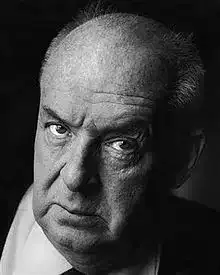
Caress the detail, the divine detail.
20
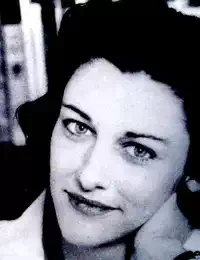
Tell almost the whole story.
22

When you depict sad or unlucky people, and want to touch the reader’s heart, try to be colder—it gives their grief, as it were, a background, against which it stands out in greater relief. As it is, your heroes weep and you sigh. Yes, you must be cold.
16
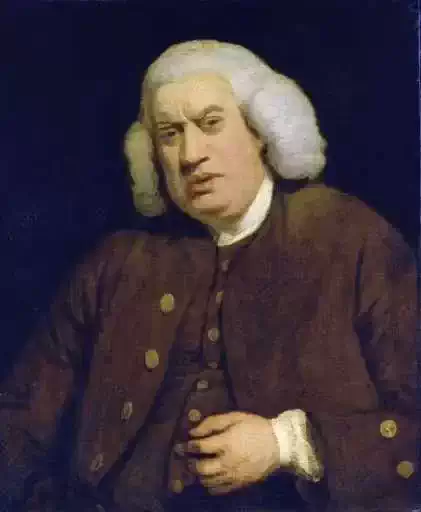
Read over your compositions and, when you meet a passage which you think is particularly fine, strike it out.
12
Technique alone is never enough. You have to have passion. Technique alone is just an embroidered potholder.
13

Be daring, take on anything. Don’t labor over little cameo works in which every word is to be perfect. Technique holds a reader from sentence to sentence, but only content will stay in his mind.
25
The moment a man begins to talk about technique, that’s proof he is fresh out of ideas.
14

The best technique is none at all.
12
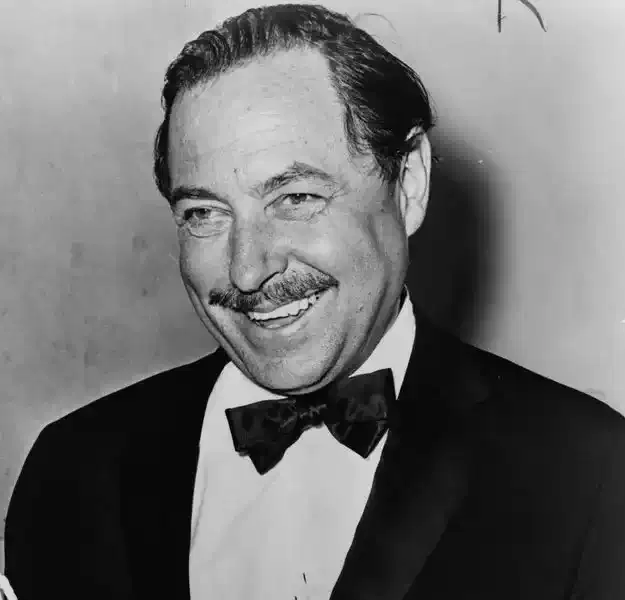
Success and failure are equally disastrous.
20
Every novelist ought to invent his own technique.
28
Publication is not necessarily a sign of success.
17
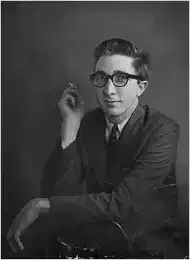
I think what’s most disturbing about success is that it’s very hazardous to your health, as well as to your daily routine. Not only are there intrusions on your time, but there is a kind of corrosion of your own humility and sense of necessary workmanship. You get the idea that anything you do is in some way marvelous.
14
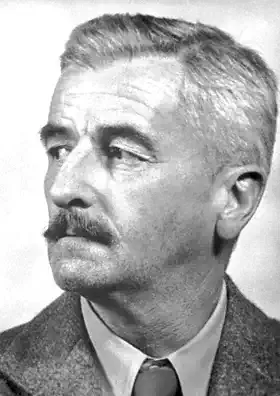
Success is feminine and like a woman; if you cringe before her she will override you. So the way to treat her is to show her the back of your hand. Then maybe she will do the crawling.
18
It’s terrible to have a success; everyone wants you to repeat it by writing the same thing over again.
25
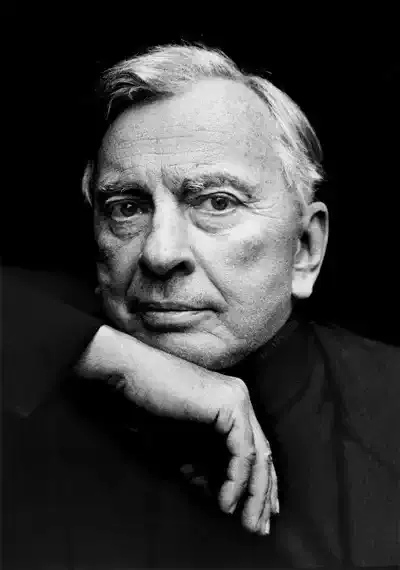
Style is knowing who you are, what you want to say, and not giving a damn.
16
You must once and for all give up being worried about successes and failures. Don’t let that concern you. It’s your duty to go on working steadily day by day, quite steadily, to be prepared for mistakes, which are inevitable, and for failures.
15
Write with a smile, even when it’s horrible or tragic.
13
Always be a poet, even in prose.
15
In all pointed sentences, some degree of accuracy must be sacrificed to conciseness.
13
A scrupulous writer, in every sentence that he writes, will ask himself at least four questions, thus: What am I trying to say? What words will express it? What image or idiom will make it clearer? Is this image fresh enough to have an effect? And he will probably ask himself two more: Could I put it more shortly? Have I said anything that is avoidably ugly?
17
I am well aware that an addiction to silk underwear does not necessarily imply that one’s feet are dirty. Nonetheless, style, like sheer silk, too often hides eczema.
17