
Quotes
Quotes to inspire and reflect
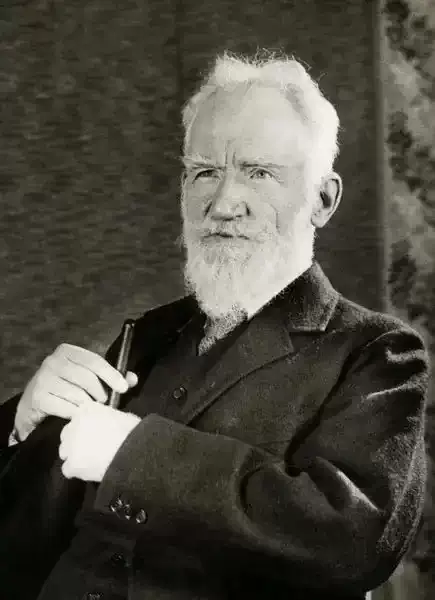
It was from Handel that I learned that style consists in force of assertion. If you can say a thing with one stroke, unanswerably you have style; if not, you are at best a marchande de plaisir , a decorative litterateur, or a musical confectioner, or a painter of fans with cupids and coquettes. Handel had power.
15

The hardest thing about writing, in a sense, is not writing. I mean, the sentence is not intended to show you off, you know. It is not supposed to be “Look at me!” “Look, no hands!” It’s supposed to be a pipeline between the reader and you. One condition of the sentence is to write so well that no one notices that you’re writing.
15
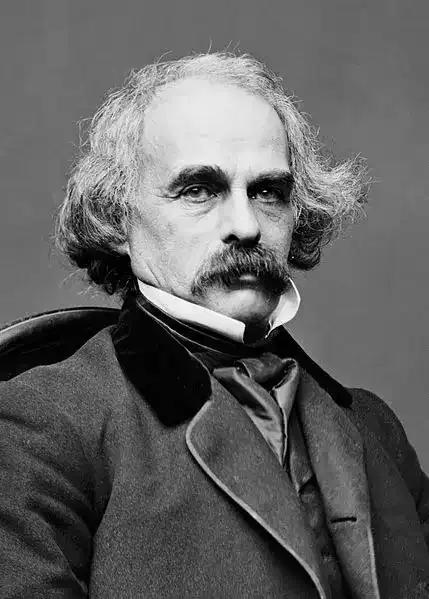
The greatest possible mint of style is to make the words absolutely disappear into the thought.
12

A strict and succinct style is that, where you can take away nothing without loss, and that loss to be manifest.
15
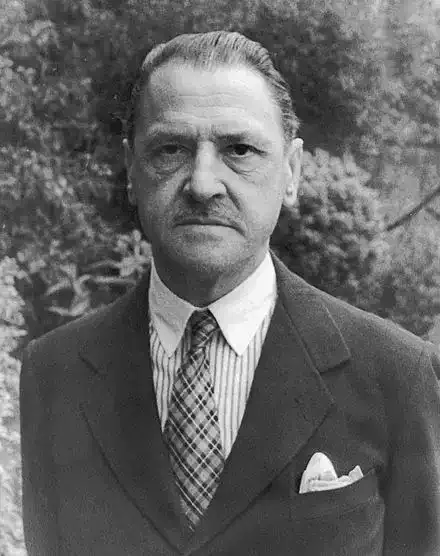
A good style should show no sign of effort. What is written should seem a happy accident.
15
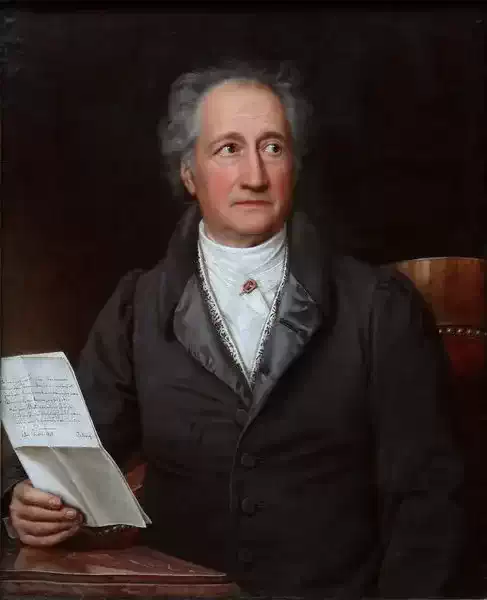
Altogether, the style of a writer is a faithful representative of his mind; therefore, if any man wish to write a clear style, let him be first clear in his thoughts; and if any man would write in a noble style, let him first possess a noble soul.
14
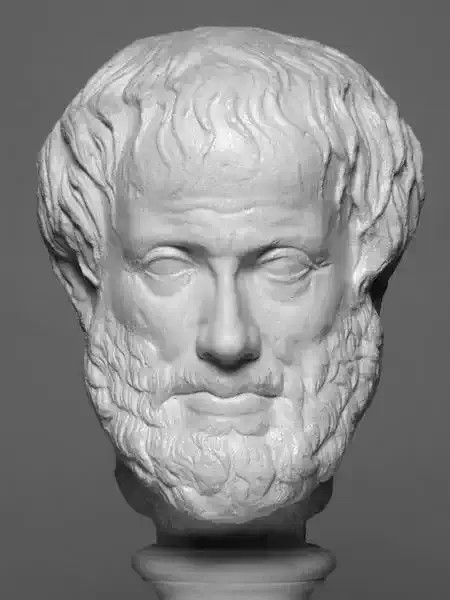
A good style must, first of all, be clear. It must not be mean or above the dignity of the subject. It must be appropriate.
12
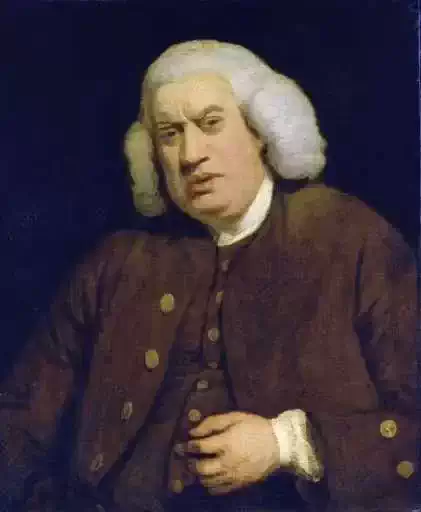
What is written without effort is in general read without pleasure.
17

I don’t know enough words to have a style; I know, at the most, fifteen adjectives.
14

The language must be careful and must appear effortless. It must not sweat. It must suggest and be provocative at the same time.
25
The greatest thing in style is to have command of metaphor.
12
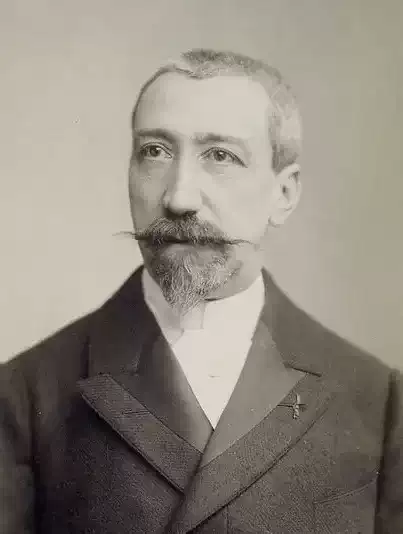
You become a good writer just as you become a good joiner: by planing down your sentences.
13
A good stylist should have narcissistic enjoyment as he works. He must be able to objectivize his work to such an extent that he catches himself feeling envious and has to jog his memory to find that he is himself the creator. In short, he must display that highest degree of objectivity which the world calls vanity.
15

Have something to say and say it as clearly as you can. That is the only secret of style.
13
Clear your mind of cant.
13
The secret of play-writing can be given in two maxims: stick to the point, and, whenever you can, cut.
14
Every writer’s assumption is that he is as other human beings are, and that they are more or less as he is. There’s a principle of psychic unity. [Writing] was not meant to be an occult operation; it was not meant to be an esoteric secret.
15
Make it new.
13

Action is eloquence.
11

T HE BEST ADVICE on writing I’ve ever received: Miss Stein said, “The way to say it is to say it.”
18
No tears in the writer, no tears in the reader.
24
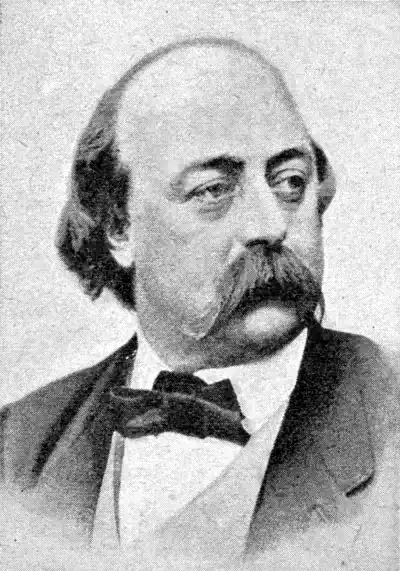
The less one feels a thing, the more likely one is to express it as it really is.
20
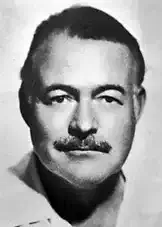
Find what gave you emotion; what the action was that gave you excitement. Then write it down making it clear so that the reader can see it too. Prose is architecture, not interior decoration, and the Baroque is over.
14
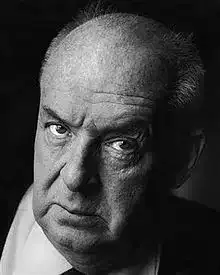
Rely on the sudden erection of your small dorsal hairs.
15
One of the amusements of being old is that I have no illusions about my literary position. I have been taken very seriously, but I have also seen essays by clever young men on contemporary fiction who would never think of considering me. I no longer mind what people think. On the whole, I have done what I set out to do. Now my age makes everyone take me very seriously. If you are a writer, live a long time. I have found that longevity counts more than talent.
17
The secret of all good writing is sound judgment.
11

Just get the right syllable in the proper place.
15
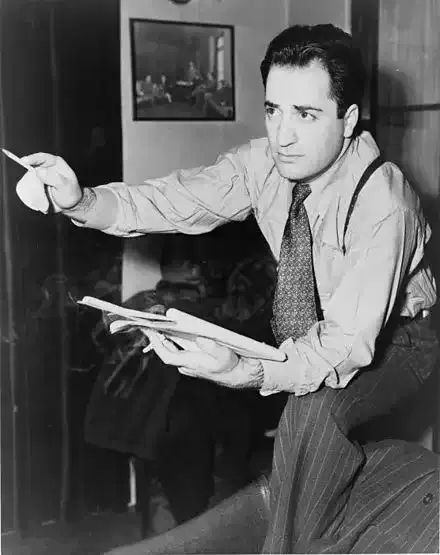
Do not pay any attention to the rules other people make.… They make them for their own protection, and to hell with them.
17
There is probably some long-standing “rule” among writers, journalists, and other word-mongers that says: “When you start stealing from your own work you’re in bad trouble.” And it may be true.
15
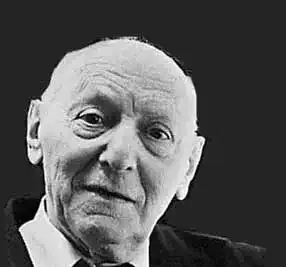
The main rule of a writer is never to pity your manuscript. If you see something is no good, throw it away and begin again.
22
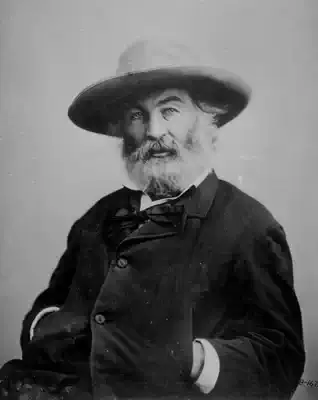
Resist much, obey little.
19
The idea is to write it so that people hear it and it slides through the brain and goes straight to the heart.
16

Never fear [the audience] or despise it. Coax it, charm it, interest it, stimulate it, shock it now and then if you must, make it laugh, make it cry, but above all … never, never, never bore the hell out of it.
22

Beware of creating tedium! I know no guard against this so likely to be effective as the feeling of the writer himself. When once the sense that the thing is becoming long and has grown upon him, he may be sure that it will grow upon his readers.
19
It’s not wise to violate the rules until you know how to observe them.
14
Writing has laws of perspective, of light and shade, just as painting does, or music. If you are born knowing them, fine. If not, learn them. Then rearrange the rules to suit yourself.
13
There are three rules for writing the novel. Unfortunately, no one knows what they are.
17
I have made three rules of writing for myself that are absolutes: Never take advice. Never show or discuss a work in progress. Never answer a critic.
18
Don’t get it right, get it written.
16
The one great rule of composition is to speak the truth.
14
One of the great rules of art: do not linger.
19
The author must keep his mouth shut when his work starts to speak.
13
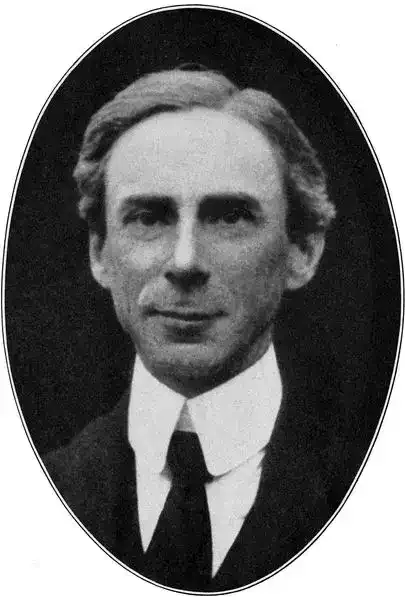
There are simple maxims … which I think might be commended to writers of expository prose. First: never use a long word if a short one will do. Second: if you want to make a statement with a great many qualifications, put some of the qualifications in separate sentences. Third: do not let the beginning of your sentence lead the readers to an expectation which is contradicted by the end.
20
A good rule for writers: Do not explain overmuch.
18
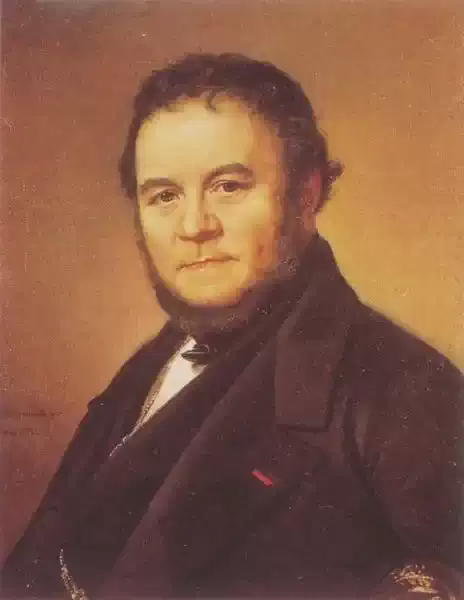
I see but one rule: to be clear .
20

Be sure that you go to the author to get at his meaning, not to find yours.
15

If you are writing a manuscript so long that the prospect of not reading at all until you have finished is too intolerable, be sure to choose books which are as unlike your own book as possible: read technical books, history, or, best of all, books in other languages.
25
No one who intends to take up writing as a career should read any work that lies in the category in which his own efforts would be placed. If he disobeys this rule, he will almost certainly feel he must write literature instead of trying to say what he means.
17