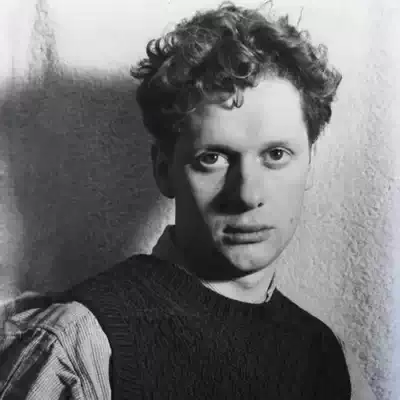
Dylan Thomas
Author of the day

Dylan Thomas

Dylan Thomas was a celebrated Welsh poet whose vivid imagery, lyrical intensity, and unique use of language captivated readers worldwide. His work, often characterized by its passionate exploration of life, death, love, and nature, combined a deep connection to his Welsh heritage with a modernist sensibility. Despite a tragically short and often tumultuous life, his poems possess an enduring power and musicality that have secured his place as one of the 20th century's most important poets.

Poem of the day

Grass

Carl Sandburg
Pile the bodies high at Austerlitz and Waterloo.
Shovel them under and let me work
-I am the grass; I cover all.

And pile them high at Gettysburg
And pile them high at Ypres and Verdun.
Shovel them under and let me work.
Two years, ten years, and the passengers ask the conductor:

What place is this?
Where are we now?

I am the grass.
Let me work.
Read full poem

Born on this day

15
José Armelim

José Armelim was a Portuguese poet and journalist, whose work was part of the Modernist context. His poetry is marked by musicality, the exploration of everyday themes, and an often ironic and interventionist language. Armelim stood out for his ability to capture the soul of the city and for his reflections on society, politics, and the human condition, leaving a significant mark on Portuguese literature of the first half of the 20th century.

Camilo Mota

Camilo Mota was a poet whose work is part of the contemporary Portuguese poetry scene. He explored poetic language with a keen eye for the nuances of everyday life and the depths of human experience. His poetry is marked by lyrical introspection and a constant search for new forms of expression, engaging with literary tradition while remaining open to experimentation.

Silva Ramos

Silva Ramos was a Brazilian poet known for his work that oscillates between lyricism and existential reflection. His poetry is marked by an elaborate language and a profound sensitivity in addressing universal themes such as love, death, and time. Despite a significant poetic output, his figure often remains on the margins of major literary canons, requiring a keen eye to unravel the nuances of his expression. His work dialogues with the Brazilian poetic tradition, while also pointing towards formal and thematic experimentation. The analysis of his verses reveals a poet engaged with the complexities of the human condition, using words as a tool to explore the depths of the soul and the universe.

Cleómenes Campos

Brazilian poet whose works explore the depth of the human condition, with an emphasis on existential and social themes. His poetry stands out for its ability to move between the intimate and the universal, using language rich in imagery and symbolism. Campos addresses the ephemerality of life, the search for meaning, and the complexities of human relationships, reflecting on the society in which he lived. His writing is marked by constant reflection on identity, love, and the passage of time, seeking in art a way to understand and express the nuances of the human soul. Cleómenes Campos's work is an invitation to introspection and contemplation of existence.

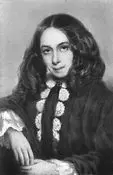
Elizabeth Barrett Browning

Elizabeth Barrett Browning was a highly regarded English poet of the Victorian era. Known for her passionate love sonnets and her socially conscious verses, she developed a significant literary reputation despite physical ailments and family opposition. Her marriage to fellow poet Robert Browning was a celebrated literary romance.

Now he muses deep the meaning of the Heaven-words as they come.
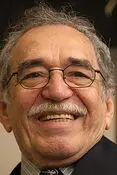
Gabriel García Márquez

Gabriel García Márquez was a renowned Colombian writer, awarded the Nobel Prize in Literature in 1982. Known for his magical and realistic prose, he revolutionized Latin American literature. His work explores universal themes such as love, solitude, power, and death, often set in the fictional Macondo, inspired by his homeland. Works like 'One Hundred Years of Solitude' and 'Love in the Time of Cholera' established him as one of the greatest storytellers of the 20th century, influencing generations of writers and captivating readers worldwide with his engaging narrative and boundless imagination.

It’s much more important to write than to be writt
Eduardo Alves da Costa

Eduardo Alves da Costa is a renowned Brazilian poet, known for his work that oscillates between lyricism and social criticism. His poetry frequently addresses themes such as love, the ephemerality of time, nature, and the complexities of human existence, with an accessible yet profound language. He stands out for his ability to evoke vivid imagery and philosophical reflections, establishing himself as one of the important names in contemporary Portuguese-language poetry.

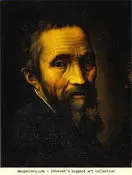
Michelangelo

Michelangelo di Lodovico Buonarroti Simoni, known simply as Michelangelo, was one of the greatest artists of the Italian Renaissance, excelling as a sculptor, painter, architect, and poet. His work is marked by profound expressiveness, technical mastery, and a grandiose vision of the human form, influenced by his interpretation of classicism and his own spirituality. He is the author of iconic works such as the sculpture "David" and the frescoes of the Sistine Chapel, which continue to inspire and impress the world with their genius and intensity. As a poet, Michelangelo explored themes of love, art, religion, and the passage of time, with an introspective and sometimes tormented style. His artistic versatility and the power of his creations have established him as a central figure in the history of Western art, with a legacy that endures to this day.

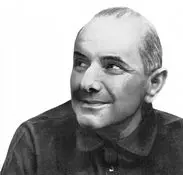
Stanisław Jerzy Lec

Stanisław Jerzy Lec was a Polish poet, aphorist, essayist, and translator. He is known worldwide for his collections of aphorisms, such as "Unkempt Thoughts" (Pensamentos Desarrumados), which reveal a dark humor and a skeptical view of the human condition. His works often explore the irony of life and social contradictions with intelligence and conciseness.

Every stink that fights the ventilator thinks it i
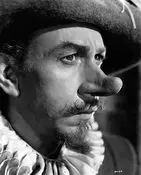
Cyrano de Bergerac

Cyrano de Bergerac was a French writer, poet, and playwright, known for his science fiction works and satirical plays. Born in Paris on March 6, 1619, he is most famous for his descriptions of space travel and his vivid imagination. His works "The State and Empire of the Moon" and "The State and Empire of the Sun" are considered precursors of modern science fiction, exploring concepts of interplanetary travel and utopian/dystopian societies with a critical and philosophical tone.

Paul Géraldy

Paul Géraldy, pseudonym of Paul-Alexis-Léopold Bouton, was a French poet, novelist, and playwright. Born in Paris, Géraldy achieved great popularity in the early 20th century with his lyrical verses and theatrical plays that explored themes of love, youth, and human relationships. His work is characterized by an elegant and accessible style that won over a vast audience. He is remembered for his sensitivity in approaching feelings and for his ability to capture the atmosphere of his time. His works frequently portrayed the dilemmas and joys of Parisian life, making him a spokesperson for a generation.

Pierre Oster

Pierre Oster is a less prominent name in literature compared to others on the list, and detailed biographical information about him as a literary author, poet, or writer is scarce in public sources. It is possible that the name refers to a public figure in another field or to an author with a more restricted or less documented work. Without concrete information about his literary output, work, or significant contributions to poetry or writing, it is not possible to provide a detailed bio or biography that meets the established rules. Priority is given to authors with a confirmed and documented literary presence.

Jean-Pierre

Jean-Pierre is a common name that can belong to several personalities, including literary figures. Without additional information specifying the individual, it is difficult to provide an accurate biographical summary. French literature has many authors with the first name Jean-Pierre, each with their unique contributions. For a more focused search, it would be necessary to identify the surname or the specific context of the author Jean-Pierre in question, thus allowing for the presentation of details about his work and literary career.

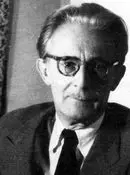
Günter Kunert

Günter Kunert was an influential German poet, writer, and essayist, whose works frequently addressed the complexities of life in East Germany under the communist regime, the experience of war, and the human condition. His poetry is marked by intelligence, irony, and a deep concern for individual freedom and truth.

Died on this day

3
Salomé Ureña de Henríquez

Salomé Ureña de Henríquez was a Dominican poet, educator, and activist, widely regarded as the national poet of the Dominican Republic. A pioneer in women's education in her country, she founded the first normal school for women, the 'Instituto Profesional de Señoritas,' which became a center of excellence for the training of teachers. Her poetic work, though not extensive, is marked by profound lyricism, patriotic themes, reflections on the female condition, and the pursuit of an ideal of justice and freedom. Ureña is remembered not only for her literary contribution but also for her unwavering commitment to education and the emancipation of women.

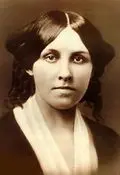
Louisa May Alcott

Louisa May Alcott was an American novelist, best known for her seminal novel "Little Women". Born in Germantown, Philadelphia, Alcott emerged from a literary and intellectual family. Her work frequently portrays themes of hard work, family love, and the pursuit of female independence, reflecting her own experiences and convictions.

Maria da Silva Vieira

Maria da Silva Vieira was a literary figure whose poetic work, although possibly less documented than that of her contemporaries, reflects a particular sensitivity and an authentic voice in the panorama of Portuguese poetry. Her writing, likely influenced by the literary currents of her time, explores universal themes with a perspective that can vary between the introspective and the social. Her contribution, even if sometimes discreet, enriches the tapestry of literature, offering unique insights into the human experience.