
19 de March
Born on this day
11
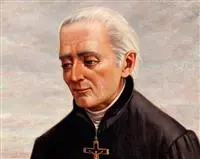
Saint José de Anchieta was a Spanish Jesuit priest, one of the founders of the Brazilian city of São Paulo. He was beatified in 1980 by Pope John Paul II and canonized in 2014 by Pope Francis, and is known as the Apostle of Brazil.
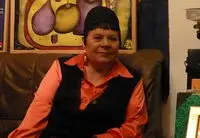
Emma Andievska is a Ukrainian writer, poet, and translator. She is known for her innovative and often surreal literary style. Her works frequently explore themes of identity, memory, and the subconscious. Andievska's poetry is characterized by its rich imagery and philosophical depth.

José Luis Puerto is a renowned Spanish writer, poet, and university professor, with a vast body of work encompassing poetry, prose, and essay. His literary production is marked by lyrical depth and reflection on culture and society. As a poet, he is known for his rich language and exploration of existential and social themes. His academic career also influences his literary approach, lending rigor and erudition to his writings.

Miquel Martí i Pol was a Catalan poet whose work is characterized by its deep lyricism and social commitment. Throughout his life, he explored themes such as love, death, time, and the human condition with particular sensitivity and direct yet evocative language. His poetry, often reflective and melancholic, connected deeply with the public, becoming an essential voice in contemporary Catalan poetry.



Died on this day
12
Hemetério Cabrinha was an Azorean poet whose work, although less known nationally, fits within the context of popular and regionalist poetry of the Azores. His writing stands out for expressing themes related to the land, the sea, and the daily life of the islands, with direct language and a strong sense of local identity. A significant figure in Azorean literature, Cabrinha authentically portrayed the landscapes, customs, and people of the archipelago, contributing to the preservation of the region's cultural memory through his verses.

Zito Batista is a Brazilian poet whose work stands out for its strong connection to popular culture and orality, using vibrant and musical language. His poetry frequently portrays the daily life, people, and landscapes of Brazil, especially the Northeast, with a sensitive and critical eye. Batista is recognized for his ability to give voice to social and existential themes in an accessible and impactful way.

Otto René Castillo was a Guatemalan poet, playwright, and activist, whose life and work were intrinsically linked to the struggle for social justice and resistance against oppression in his country. His poetry, filled with political passion and humanist lyricism, expresses the pain of the oppressed, the hope for a free future, and the search for dignity amidst violence. Castillo became a symbol of cultural and political resistance in Latin America, inspiring generations with his courage and his ability to transform brutal reality into powerful and transformative art. His work is a call to action, a record of the history of struggle, and a hymn to the unbreakable strength of the human spirit.
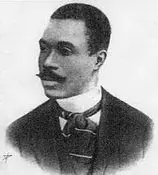
João da Cruz e Sousa was a Brazilian poet. Known by the nicknames Black Dante or Black Swan, he was one of the precursors of symbolism in Brazil.

Jan Greshoff was a Dutch poet, writer, and literary critic. Known for his lyrical works and his activity as a critic, he played an active role in the literary life of the Netherlands.


Eugène Guillevic was a French poet, known for his work exploring the relationship between humanity and the natural world, often with a contemplative and philosophical tone. His poetry is marked by formal simplicity and depth of thought, addressing themes such as the earth, time, and existence with clear and evocative language.

Ted Walker was an English poet, known for his realistic and often bleak portrayal of life in post-war Britain. His work stands out for its direct language and exploration of social and existential themes. He captured the essence of everyday life, the struggles of the working class, and the melancholy that permeated the society of his time, using a lyrical and honest approach.

José Coronel Urtecho was a multifaceted figure in Nicaraguan art and culture, primarily recognized for his work as a poet and for being one of the founders of the avant-garde movement in Nicaragua. His poetic work is distinguished by its experimentalism, humor, irreverence, and its deep connection to Nicaraguan identity, exploring themes such as history, mythology, and daily life with bold and original language. In addition to his prolific literary career, Coronel Urtecho was a distinguished painter, diplomat, and cultural critic, leaving an indelible mark on the artistic and intellectual landscape of his country.

Jaime Sabines was a Mexican poet whose work is distinguished by its direct, colloquial, and passionate language. Through his verses, he addressed universal themes such as love, death, solitude, and social injustice with moving intensity. His poetry, far from avant-garde currents and academic rhetoric, connected deeply with popular sentiment, making him one of the most widely read and beloved poets in Mexico. Sabines explored the human condition from an intimate yet socially committed perspective, leaving a legacy of poems that resonate powerfully in the reader's soul.

José Agustín Goytisolo was a Spanish poet and translator, recognized for his socially and existentially oriented poetry. His work, marked by a deep commitment to reality and a lucid, often critical poetic voice, addresses themes such as injustice, memory, identity, and the human condition. In addition to his literary work, Goytisolo was an intellectual committed to the social and political causes of his time, which was reflected in his writing and activism.
