

Awards
Bobbitt National Prize for Poetry
Bobbitt Prize for Poetry
Description
The Prize and Its Origins
The Bobbitt National Prize for Poetry, established in 1997, is one of the most significant literary awards dedicated to poetry in the United States. Created by philanthropist and arts lover Mrs. Laura Bush, the prize is managed by the Library of Congress, the national library of the United States.
Its main objective is to recognize and promote high-quality poetry published in the country, thus encouraging its reading and appreciation by the general public. The prize is awarded annually to a book of poetry published in the preceding calendar year.
Selection Process
The selection is made by a panel of renowned judges, composed of poets, literary critics, and academics. These judges evaluate the submitted works based on criteria of artistic merit, originality, thematic depth, and formal excellence.
Prize Money and Support for Poets
The prize is distinguished by its generous monetary endowment, which has historically been $10,000, making it one of the highest-paying poetry prizes in the United States.
This financial reward not only recognizes the work of the awarded poet but also provides significant support for the author to continue their literary production.
Impact and Diversity
Over the years, the Bobbitt Prize has been awarded to a wide range of poets, from established names in American literature to emerging voices, reflecting the diversity and vitality of contemporary poetry in the US. Its award is often seen as a seal of quality and an indicator of poetic works that shape the literary landscape.
The Role of the Library of Congress
The Library of Congress, by hosting and administering the prize, reinforces its role as a guardian of American culture and literature, promoting access to and study of poetry.
The prize award ceremony, held at the Library of Congress, is an important cultural event, attracting poets, publishers, critics, and literature lovers, and often includes readings by the awarded poets and speeches on the importance of poetry in society.
Legacy and Relevance
The history of the prize is intrinsically linked to the commitment to promoting poetic art and celebrating its most talented practitioners. The Bobbitt Prize not only awards a specific book but also contributes to the visibility and legacy of the distinguished poets, influencing their careers and the critical reception of their future works.
Its relevance lies in its ability to highlight works that might otherwise go unnoticed in an increasingly competitive publishing market, ensuring that poetry of excellence receives the recognition it deserves.
Winners

Arthur Sze


Heid E. Erdrich
Heid E. Erdrich is a Native American writer known for her poetry and prose that explore themes of identity, culture, and history. Her work often addresses the connection to the land, spirituality, and the complexities of contemporary life for Indigenous peoples.

Rita Dove

Natasha Trethewey

Terrance Hayes
Terrance Hayes is a contemporary American poet, celebrated for his ability to blend elements of the poetic tradition with current social and cultural issues. His work is known for its fusion of lyrical and political tones, often using imagination and irony to address themes such as race, identity, American history, and the Black experience. Hayes is a poet of great versatility and impact.

Jorie Graham
Jorie Graham is a contemporary American poet, known for her philosophical and experimental poetry that investigates themes such as nature, consciousness, time, and the human relationship with the world. Her work is marked by an intense and reflective approach, exploring language as a means to apprehend reality and human experience. Graham is also an important figure in creative writing education.

Claudia Rankine

Nathaniel Mackey

Patricia Smith

Gerald Stern
Gerald Stern was an American poet whose poems are known for their exuberant energy, ironic humor, and ability to move between the personal and the universal. His work frequently celebrates life, nature, and simple joys, while also addressing the complexities and sorrows of existence. Stern used vibrant and accessible language, often incorporating elements of colloquialism and the American lyrical tradition. His poems invite the reader on a journey of discovery, where imagination and emotion intertwine with reflections on love, family, art, and the search for transcendence.

Lucia Perillo

Bob Hicok
Bob Hicok is a contemporary American poet, recognized for his accessible, witty, and deeply human poetry. His work frequently addresses daily life, interpersonal relationships, and the complexities of existence with a tone of humor and sincerity. His style is distinguished by its clarity and its ability to find the extraordinary in the ordinary, using direct language that resonates with a wide range of readers. Hicok is an educator and a prolific artist in the American poetry scene.

Charles Wright

W. S. Merwin

B.H. Fairchild

Alice Fulton

David Ferry

Frank Bidart

Kenneth Koch
Kenneth Koch was an American poet celebrated for his experimental, humorous, and playful poetry. His work frequently challenged literary conventions, incorporating elements of surrealism, pop art, and everyday life into poems that celebrated creativity and imagination. Koch also distinguished himself as an educator, inspiring generations of writers to explore new forms of expression. His poetry is characterized by an irreverent and accessible tone, often engaging with music, visual arts, and popular culture. He sought to democratize poetry, making it an accessible and enjoyable activity for everyone, as evidenced by his innovative arts education programs. Kenneth Koch left a legacy of joy and innovation in the landscape of modern poetry.

A.R. Ammons
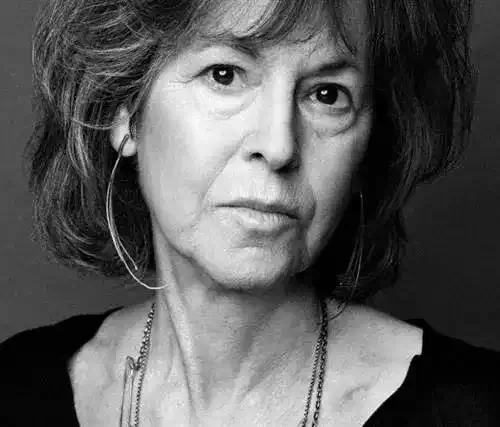
Louise Glück
Louise Glück was an American poet known for her lyrical and introspective writing, which frequently explored themes of loss, desire, family, and nature. Her work is marked by raw emotional intensity, direct language, and careful structure, often revisiting classical myths and fairy tales to explore the human psyche. Throughout her career, Glück received widespread acclaim, culminating in the Nobel Prize in Literature in 2020, solidifying her place as one of the most significant voices in contemporary American poetry.

Mark Strand
