
Awards
Ruth Lilly Poetry Prize
Description
Origin and History of the Award
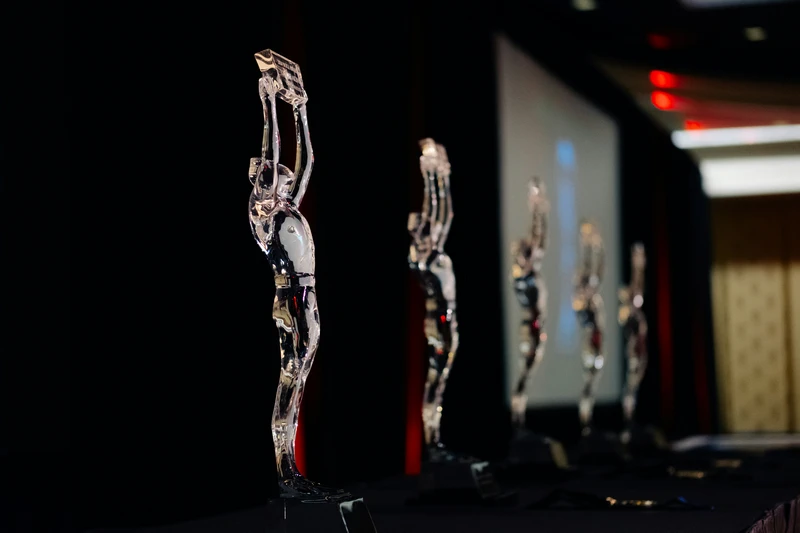
The Ruth Lilly Poetry Prize, established in 1986, is one of the most coveted and generous poetry awards in the United States. Created by the Ruth Lilly Foundation, in honor of its founder, a philanthropist and advocate for the arts, the award aims to celebrate and support living poets who have demonstrated excellence and a notable body of work throughout their careers. The Lilly Foundation, based in Indianapolis, Indiana, is known for its extensive support of medical and artistic causes, and the poetry prize is one of its most enduring legacies in the literary field.
Value and Characteristics of the Award
The monetary value of the award is substantial, distinguishing it from many other literary prizes. Traditionally, the amount has been $100,000, making it one of the highest endowed poetry prizes in the world. This generosity allows the honored poets to receive significant financial recognition, which can provide them with the freedom to dedicate themselves entirely to their art without immediate financial concerns. The award is granted annually, although there have been some interruptions and changes over the years, reflecting the evolution of the foundation itself and its priorities.
Award Criteria
The criteria for awarding the Ruth Lilly Poetry Prize focus on the complete body of work of a living poet. It is not about awarding a specific book, but rather the career and overall contribution of a poet to the American poetic landscape. Nominees are typically poets who have already achieved considerable recognition, with several published books and a distinctive and influential poetic voice. The jury, composed of renowned academics, critics, and other poets, evaluates the depth, originality, technical mastery, and lasting impact of the candidate's work.
Relevance and Notable Winners
The relevance of the Ruth Lilly Poetry Prize lies in its ability to highlight and honor poets who may sometimes not receive the widespread attention they deserve, despite their literary importance. By offering such a significant financial prize, the foundation not only recognizes the poet's merit but also elevates the profile of poetry as an art form and encourages its appreciation by the general public. The list of winners includes some of the most important names in contemporary American poetry, such as John Ashbery, Adrienne Rich, W.S. Merwin, Louise Glück, and Rita Dove, among many others. These poets represent a diversity of styles, themes, and perspectives, reflecting the richness and vitality of poetry in the United States.
Impact and Legacy
A curious fact about the award is its origin and how it became a cornerstone of support for poetry. The Lilly Foundation, through this prize, has demonstrated a long-term commitment to the art of poetry, ensuring that its most talented practitioners are duly celebrated and supported. The decision to award a lifetime achievement award, rather than a single book, underscores the foundation's vision of recognizing the intrinsic value and persistence of poetic creation. The award does not have specific categories; it is a single prize for an individual poet. Its influence extends beyond the recognition of the winner, inspiring generations of poets and readers to explore and value poetry.
Winners

Rigoberto Gonzalez


Li-Young Lee
Li-Young Lee is an acclaimed American poet, known for his lyrical and introspective poetry that explores themes of memory, family, identity, and the search for meaning. His work often moves between the personal and the universal, using vivid imagery and sensitive language to address the complexity of the human experience.

Kimiko Hahn
Kimiko Hahn is an American poet known for her work exploring themes of Japanese-American identity, feminism, motherhood, and the complexity of family relationships. Her poetry is marked by a lyrical and introspective voice, often weaving personal experiences with social and cultural issues. With an established career, Hahn has been recognized for her ability to weave poetic narratives that resonate with emotional and intellectual depth. She has also dedicated herself to teaching and promoting literature, inspiring other writers.

Angela Jackson

Arthur Sze

CAConrad

Haki Madhubuti

Juan Felipe Herrera

Nikki Giovanni

Patti Smith

Rita Dove

Sandra Cisneros

Sharon Olds
Sharon Olds is an American poet whose work is known for its brutal honesty and intimate exploration of the body, sexuality, family, and politics. With a distinctly personal and direct voice, Olds tackles themes often considered taboo with a lyrical clarity and emotional force that resonates deeply with readers, addressing the human experience in its rawest and most vulnerable facets.

Sonia Sanchez

Patricia Smith

Marilyn Chin
Marilyn Chin is an American poet known for her exploration of themes such as identity, race, gender, and Asian culture. Her work frequently challenges social and cultural norms, using rich and imagistic language to express the complexities of the diasporic experience and femininity.

Marilyn Nelson

MartÃn Espada

Joy Harjo

Ed Roberson
Ed Roberson is an American poet whose work is known for its exploration of African-American history, racial identity, and the urban landscape, with an experimental and visually rich language. His poems often stand out for their innovative structure and the way they address profound social and cultural issues. Roberson's career is marked by a commitment to language as a form of resistance and affirmation, using techniques that challenge poetic conventions to create new perceptions of the Black experience in America. He is considered an important voice in contemporary poetry, known for his originality and impact.

Alice Notley

Nathaniel Mackey

Marie Ponsot

W. S. Di Piero
W. S. Di Piero is an American poet and critic known for his poetry that explores the intersection between everyday life and classical mythology, often incorporating literary and philosophical references. His work is marked by precise language and a deep reflection on the human condition, memory, and art. He is also recognized for his prose and critical essays, where he analyzes poetry and literature with insight, addressing themes such as the nature of poetry, the relationship between art and life, and the history of Western literature. His style is erudite, yet accessible, inviting the reader to an intellectual and aesthetic exploration.

David Ferry

Eleanor Ross Taylor

Fanny Howe

Gary Snyder

Lucille Clifton

Richard Wilbur

C. K. Williams
C. K. Williams was an acclaimed American poet, known for his visceral and often dark approach to modern life. His work frequently explored themes of poverty, crime, sexuality, and the complexities of the human psyche, using direct and unadorned language that resonated with the raw reality of his subjects. He was a master at capturing moments of intensity and vulnerability, painting a poignant portrait of urban experiences and individual struggles.

Kay Ryan

Linda Pastan
Linda Pastan is a contemporary American poet, known for her accessible yet profoundly resonant poetry that explores domestic life, family, the passage of time, and the search for meaning in everyday experiences. Her work is praised for its <strong>clarity, sensitivity, and subtle humor</strong>. Pastan has a remarkable ability to capture intimate moments and transform them into universal reflections on the human condition, with elegant and precise language.

Lisel Mueller

Yusef Komunyakaa

Carl Dennis

Maxine Kumin

W. S. Merwin

William Matthews

Gerald Stern
Gerald Stern was an American poet whose poems are known for their exuberant energy, ironic humor, and ability to move between the personal and the universal. His work frequently celebrates life, nature, and simple joys, while also addressing the complexities and sorrows of existence. Stern used vibrant and accessible language, often incorporating elements of colloquialism and the American lyrical tradition. His poems invite the reader on a journey of discovery, where imagination and emotion intertwine with reflections on love, family, art, and the search for transcendence.

A.R. Ammons

Donald Hall

Charles Wright
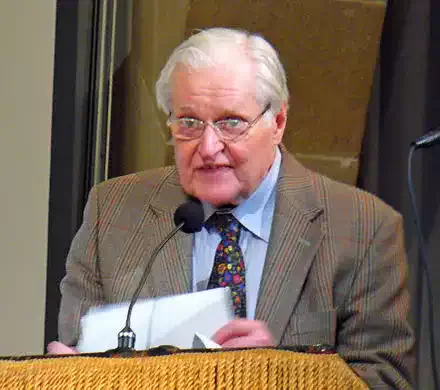
John Ashbery
John Ashbery was one of the most influential American poets of the second half of the 20th century, known for his challenging and innovative poetry. His work explores the nature of language, consciousness, and reality, often through lengthy, stream-of-consciousness poems. Ashbery demonstrated a remarkable ability to blend the colloquial with the sublime, the personal with the impersonal, creating a unique style that defies easy categorization. He was also a respected literary critic and teacher, leaving a lasting legacy on contemporary poetry.

David Wagoner

Hayden Carruth

Mona Van Duyn

Anthony Hecht

Philip Levine
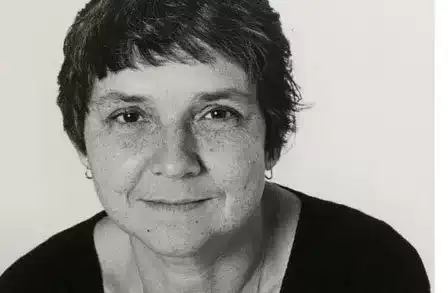
Adrienne Rich
Adrienne Rich was an American poet, essayist, and feminist activist, recognized for her politically engaged poetry and her exploration of identity, sexuality, and social oppression. Throughout her career, her work evolved to address themes of radical feminism, lesbianism, pacifism, and social justice, becoming an influential voice in counterculture movements and gender studies.