

Awards
Premio Miguel de Cervantes
Prémio Cervantes
Description
The Miguel de Cervantes Prize
The Miguel de Cervantes Prize, established in 1975 by the Ministry of Culture of Spain, is considered the Nobel Prize for literature in the Spanish language. Its purpose is to honor the figure of the writer Miguel de Cervantes Saavedra and to reward the literary careers of authors who have made significant contributions to the enrichment of the literary heritage in the Spanish language.
Selection Criteria and Process
The prize is awarded annually to a writer, without age limit, whose work written in Spanish has demonstrated outstanding literary merit. There is no maximum number of candidates, and the choice is made by a jury composed of academics, writers, literary critics, and representatives of cultural institutions from Spanish-speaking countries. The jury evaluates the author's complete body of work, considering its literary quality, its influence on contemporary literature, and its contribution to the dissemination of the Spanish language.
Prize Structure and Ceremony
The prize consists of a diploma, a special edition of their work, and a monetary sum, which has been increasing over the years.
The award ceremony takes place annually in Alcalá de Henares, Cervantes' hometown, on April 23, Book and Copyright Day.
Distinguished Laureates
Throughout its history, the Cervantes Prize has honored some of the most important names in Spanish-language literature, such as:
- Jorge Luis Borges
- Gabriel García Márquez
- Mario Vargas Llosa
- Octavio Paz
- Carlos Fuentes
- Elena Poniatowska
- Juan Goytisolo
- Nicanor Parra
- Ida Vitale
- among many others.
International Impact and Relevance
Its relevance transcends the borders of Spain, being an internationally prestigious recognition that boosts the careers of the laureates and highlights the richness and diversity of Spanish-language literature. The selection of winners is often a subject of debate and anticipation, reflecting the prize's importance in the global literary landscape. Its longevity and the quality of the awarded authors have consolidated the Cervantes Prize as an unmissable milestone in the history of Spanish-language literature, celebrating creativity, depth, and the language's capacity to express the human condition in all its complexity.
Winners

Gonzalo Celorio


Álvaro Pombo


Luis Mateo Díez

Rafael Cadenas

Rafael Cadenas is a Venezuelan poet, essayist, and critic, considered one of the most important voices in contemporary Spanish-language poetry. His work is characterized by a profound reflection on existence, time, memory, and the human condition, often tinged with a serene melancholy and a moving lucidity. Through refined language and apparent simplicity, Cadenas manages to address life's great questions with exceptional intellectual acuity and sensitivity, establishing himself as an indispensable reference for understanding contemporary poetry.

Cristina Peri Rossi

Francisco Brines
Francisco Brines was a Spanish poet, considered one of the most important voices in Spanish poetry in the second half of the 20th century. His work is characterized by a deep reflection on the human condition, the passage of time, memory, love, and nature, with a lyrical and restrained language. Brines explored existential themes with particular sensitivity, seeking beauty in everyday experiences and in the contemplation of the natural world. His poetry, although often melancholic, possesses an inner strength and serenity that invite introspection, consolidating him as a master of contemporary Spanish lyricism.

Joan Margarit

Ida Vitale

Sergio Ramírez


Eduardo Mendoza

Fernando del Paso

Juan Goytisolo

Elena Poniatowska

José Manuel Caballero Bonald
José Manuel Caballero Bonald was a Spanish poet and novelist, a prominent figure of the Generation of '50. His work is characterized by a deep social and existential charge, addressing themes such as injustice, marginalization, historical memory, and the human condition with a powerful and often heartbreaking language. He was a chronicler of the reality of his time, especially of Andalusia, capturing in his writing the harshness of rural life and the aftermath of the war and post-war period. His literary legacy is immense and his recognition encompasses numerous awards and distinctions.
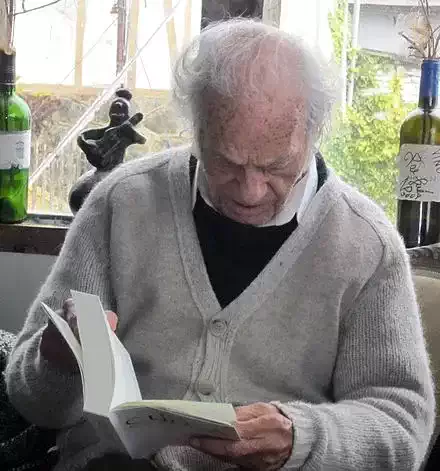
Nicanor Parra

Nicanor Parra was one of the most important Chilean poets of the 20th century, creator of "anti-poetry", a literary genre that rejects traditional poetic language in favor of a more direct, colloquial, and ironic expression. His work questions social and literary conventions, using humor, satire, and common sense to demystify reality and poetry itself. Parra is known for his originality, his biting social criticism, and his profound impact on Latin American literature, being considered a fundamental figure of Chilean Modernism and an unmistakable voice in universal poetry.

Ana María Matute

José Emilio Pacheco
Mexican poet, essayist, narrator, translator, and academic. Known for his introspective lyricism and his sharp reflection on time, memory, and identity. His work is characterized by deep melancholy, precise language, and a constant interconnection between the personal and the social. He reflected on history, popular culture, and the human condition in the modern world. He stood out for his ability to move between high culture and daily life, integrating diverse elements into a unique poetic worldview.

Juan Marsé
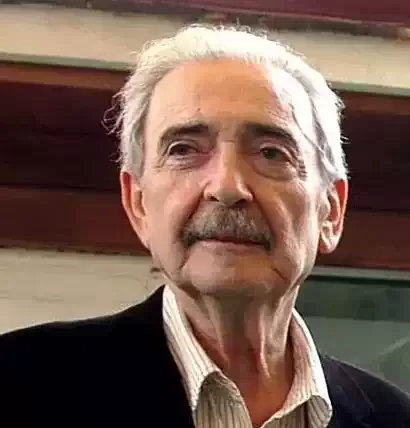
Juan Gelman

Juan Gelman was one of the most important Argentine poets of the 20th and 21st centuries, known for his dense, political, and profoundly human work. His poetry, marked by an incessant search for language and reflection on memory, loss, and justice, traversed different phases, from initial lyricism to a more engaged and philosophical expression. Gelman was also a journalist and translator, and his life was intrinsically linked to the political upheavals in Argentina and Latin America.

Antonio Gamoneda
Antonio Gamoneda is a Spanish poet whose work is characterized by a deep inquiry into the human condition, memory, and the passage of time. His poetry, often dense and of great formal rigor, draws on powerful imagery and a refined language that evokes the ancestral and the elemental. He has been recognized with numerous awards, including the Cervantes Prize, establishing himself as one of the most unique and influential voices in contemporary Spanish-language poetry. His writing is distinguished by a persistent reflection on existence, pain, beauty, and the enigma of being, with a sensitivity that connects the lyrical with the tragic and the mystical, inviting the reader on an introspective and existential journey.

Sergio Pitol

Rafael Sánchez Ferlosio
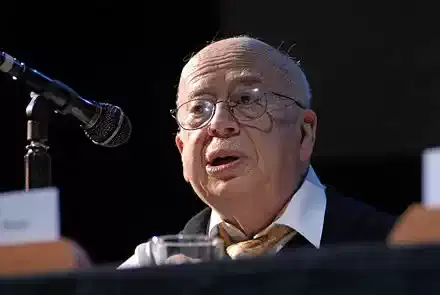
Gonzalo Rojas
Gonzalo Rojas was a Chilean poet recognized for his intense and innovative work. His poetry is marked by a deep reflection on the human condition, exploring themes such as love, death, time, and identity with a powerful and imagistic language. He is considered one of the most important voices in 20th-century Latin American poetry, with a unique style that bridges existentialism and visceral sensuality.

José Jiménez Lozano

Álvaro Mutis
Álvaro Mutis was a Colombian poet and novelist, a central figure in 20th-century Latin American literature. His work, marked by a profound melancholy, the exploration of identity, and reflection on time and memory, is characterized by a refined language and great musicality. He is especially known for his character Maqroll el Gaviero, a globetrotter who embodies the figure of the exile and the eternal traveler, a symbol of the human condition in modernity. Mutis left a literary legacy of great value, internationally recognized for his stylistic mastery and his profound vision of the world.

Francisco Umbral

Jorge Edwards
Jorge Edwards Valdés was a distinguished Chilean writer, recognized for his prolific narrative and essayistic work. His writing is characterized by a deep exploration of Chilean identity, memory, and history, often through complex characters and situations laden with social and political tension. His elegant and precise style earned him numerous accolades and established him as one of the most important voices in 20th and 21st-century Spanish-language literature.
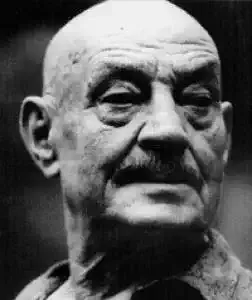
José Hierro
José Hierro was a Spanish poet, one of the central figures of post-war social poetry and one of the innovators of poetic language in Spain. His work is characterized by a profound humanism, a concern for social and existential reality, and constant formal and thematic experimentation. His poetry is distinguished by its reflective tone, its commitment to the human condition, and its search for a language that can name the complexity of the world and of being. Hierro is considered a poet of doubt, of constant questioning, and his work is a testament to the search for meaning in an often turbulent and contradictory world.

Guillermo Cabrera Infante

José García Nieto
Spanish poet whose work is part of the Generation of '50. His poetry is characterized by a deep reflection on the human being, time, and the existential condition, often tinged with melancholy and a search for transcendence. García Nieto explored both traditional form and free verse, imbuing his verses with great musicality and emotional depth.
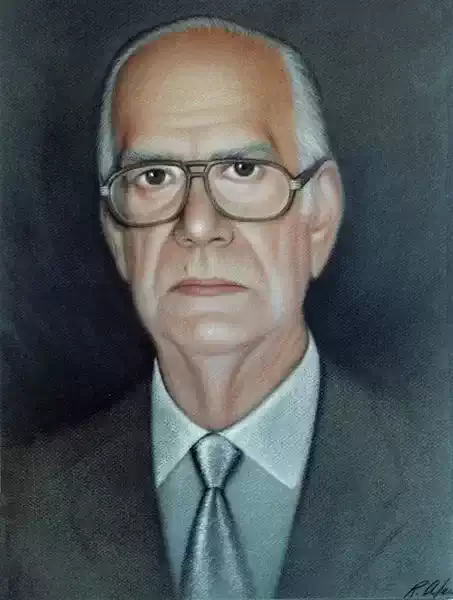
Camilo José Cela
Camilo José Cela was a prominent Spanish writer, awarded the Nobel Prize in Literature in 1989. His work, which includes novels, short stories, and poetry, is known for its rich language, raw realism, and exploration of the complexities of Spanish society. He is considered a central figure in 20th-century Spanish literature, particularly known for novels such as "The Family of Pascual Duarte" and "The Hive," which portray the harsh reality of post-civil war Spain.

Mario Vargas Llosa

Miguel Delibes
Miguel Delibes was one of the most important Spanish writers of the 20th century, known for portraying the rural life of Castile and traditional values. His work is characterized by a realistic style, accessible language, and a profound social and environmental concern. He is recognized for his ability to give voice to peasants and for his subtle critique of modernity.
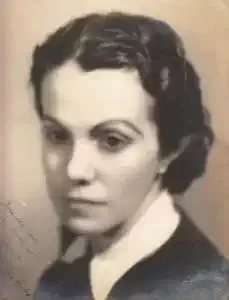
Dulce María Loynaz
Dulce María Loynaz was a Cuban poet and novelist, a key figure in the literature of the 20th century in her country. Her work, marked by deep introspection, exquisite sensitivity, and a refined style, explores themes such as solitude, love, death, and the fleetingness of time. Despite later recognition, her legacy is fundamental to understanding the evolution of modern Cuban poetry, standing out for its originality and mastery of language.

Francisco Ayala

Adolfo Bioy Casares

Augusto Roa Bastos

María Zambrano

Carlos Fuentes

Antonio Buero Vallejo

Gonzalo Torrente Ballester
Ernesto Sabato
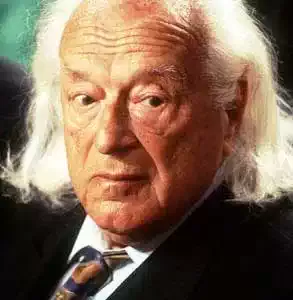
Rafael Alberti
Rafael Alberti was an internationally renowned Spanish poet, a central figure of the Generation of '27. His poetic work spans a wide range of themes and styles, from neopopularism and surrealism to social and exile poetry. His life, marked by a passion for art, political activism, and a long period of exile, is reflected in the richness and diversity of his literary output.

Luis Rosales
Luis Rosales was a Spanish poet whose work is associated with the Generation of '27, although his style developed its own voice and a profound reflection on the human condition and beauty. His poetry is characterized by a refined lyricism, precise language, and a constant search for harmony and transcendence. Rosales explored themes such as love, death, time, nature, and memory, often with an existential and metaphysical perspective. He is recognized for his formal mastery, his balance between tradition and modernity, and his ability to evoke deep emotions through suggestive images and a musical rhythm. His work represents a valuable legacy in 20th-century Spanish poetry, marked by lyrical intensity and the nobility of his expression.
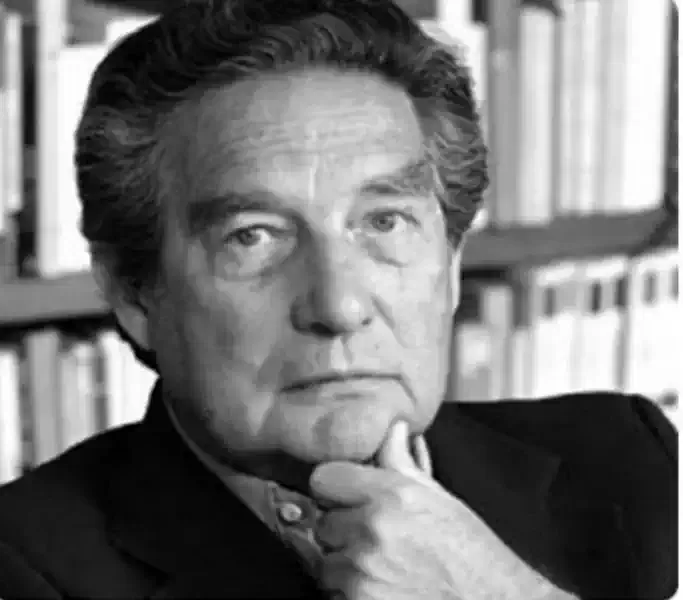
Octavio Paz
Octavio Paz was one of the most important poets and essayists of the 20th century, awarded the Nobel Prize in Literature in 1990. His work is vast and multifaceted, exploring themes such as love, solitude, Mexican identity, the human condition, time, and the search for transcendence. With a rich and innovative language, Paz moved between lyrical poetry, philosophical reflection, and cultural criticism, leaving an invaluable intellectual and artistic legacy.
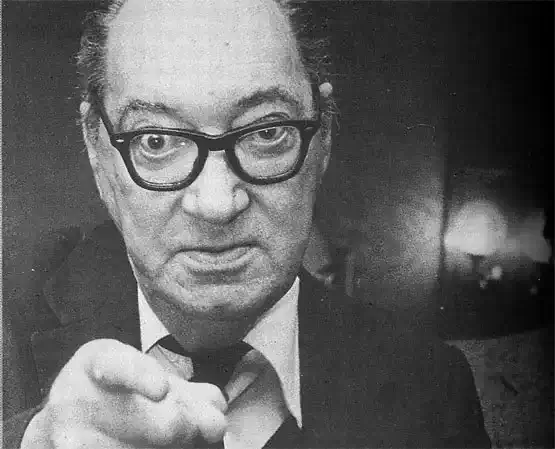
Juan Carlos Onetti

Gerardo Diego
Gerardo Diego was a Spanish poet, a prominent member of the Generation of '27, known for his versatility and mastery of various poetic forms. His work ranges from traditional poetry to avant-garde movements, demonstrating a remarkable capacity for formal and thematic experimentation. Throughout his extensive career, he explored the musicality of language, surprising imagery, and reflections on art, faith, and life. Diego is remembered for his creative vitality and his contribution to the enrichment of 20th-century Spanish poetry, serving as a bridge between the literary past and future.
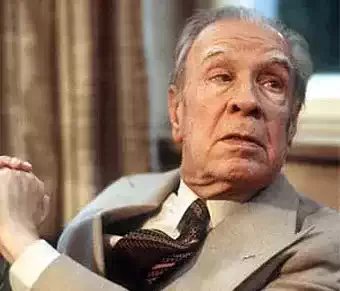
Jorge Luis Borges
Jorge Luis Borges was an Argentine writer, poet, essayist, and translator. His work is characterized by its philosophical depth, intricate plots, and exploration of themes such as time, infinity, identity, and the nature of reality. Borges is considered one of the most significant literary figures of the 20th century, renowned for his innovative use of literary devices and his profound influence on postmodern literature.

Dámaso Alonso
Dámaso Alonso y Perales was a Spanish poet, philologist, and literary critic. He is considered a central figure in the Generation of '27, a literary movement that marked 20th-century Spanish poetry. His poetic work is known for its introspection and reflection on the human condition, while his work as a philologist and critic left a lasting legacy in the study of the Spanish language and literature.

Alejo Carpentier
Alejo Carpentier was a distinguished Cuban narrator, essayist, and musicologist, a key figure in 20th-century Latin American literature. His work is characterized by the fusion of the real and the marvelous, "marvellous realism," and by a profound exploration of the history, culture, and identity of the American continent. Considered one of the greatest exponents of the Latin American Boom, Carpentier developed a rich and complex narrative style, with exuberant language and profound erudition. His literary legacy is fundamental to understanding contemporary narrative in Spanish.

Jorge Guillén
Spanish poet, one of the central figures of the Generation of '27 and one of the most important representatives of pure poetry in the Spanish language. His work is characterized by a celebration of existence, light, and formal perfection, seeking a poetry stripped of anecdotes and excessive sentimentality. Throughout his extensive production, Guillén explored the beauty of the world and the fullness of being through a refined language and constant aesthetic rigor.