
Awards
Premio Adonáis de Poesía
Premio Adonáis
Description
History and Origins of the Award
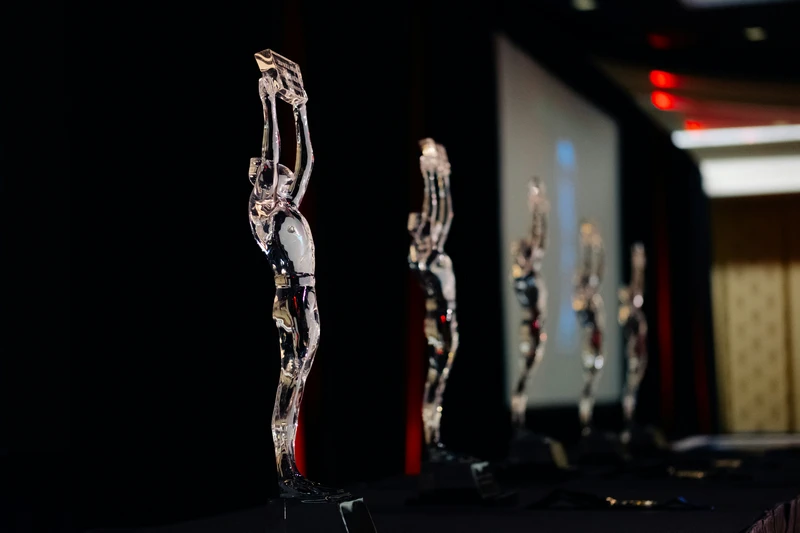
The Premio Adonáis de Poesía is one of the oldest and most respected literary awards in Spain, dedicated exclusively to poetry written in Castilian Spanish. It was created in 1943 by the poets Luis Rosales, Jorge Campos, and Rafael Laffón, with the aim of supporting and giving visibility to new poetic talents, at a time when censorship and post-war difficulties limited artistic expression. The award's name is a tribute to the Hispano-Greek poet Juan Ramón Jiménez, whose work, particularly "Platero y yo", inspired the founders.
Importance in the Literary Landscape
Since its inception, the award has been a fundamental springboard for numerous poets who have become central figures in contemporary Spanish poetry. Its longevity and the consistent quality of the winners over the decades give it enormous relevance in the Hispanic literary scene. Over the years, the award has been managed by different entities, but its essence of promoting young and unpublished poetry has remained unchanged. Currently, it is organized by Editorial Adonáis.
Selection Criteria and Process
The selection criteria are rigorous and focus on literary quality, originality, expressive force, and the author's potential for development. The award distinguishes a single winning work, which is subsequently published by Editorial Adonáis, thus ensuring its dissemination. There are no specific categories, and the award is open to any unpublished poetry work in Castilian Spanish. The authors' age is not a limiting factor, but the spirit of the award has always been linked to discovering new voices, so many of the winners are poets at the beginning of their careers or with little published work.
Cultural Impact and Ceremony
The importance of the Premio Adonáis lies not only in the prestige it confers upon its laureates but also in the active role it plays in the renewal of Spanish-language poetry. Many of the poets who are now benchmarks began by being recognized by Adonáis. Its ability to identify trends and launch authors who would go on to mark the history of Spanish poetry is remarkable. The award ceremony, usually held in Madrid, is a significant cultural event, bringing together poets, editors, critics, and literature lovers.
Legacy and Continuity
An interesting curiosity is that, in some editions, the jury has been composed of renowned figures in Spanish literature, which further increases the award's weight and credibility. The continuity of the award, despite social and literary changes, demonstrates its solidity and its intrinsic importance for Castilian Spanish-language poetic culture. The Adonáis award is not just a recognition, but a commitment to the future of poetry.
Winners

Carmen María López


Juan Herrero Diéguez

María Paz Otero

Luis Escavy

Nuria Ortega Riba

Abraham Guerrero Tenorio

María Elena Higueruelo
María Elena Higueruelo is a Spanish poet and writer recognized for her lyrical sensitivity and the depth of her reflections. Her works explore the intimate dimension of human experience, nature, and the passage of time.

Marcela Duque

Marcela Duque is a Colombian writer whose works are distinguished by their originality and the strength of their narratives. Her writing explores relevant themes of contemporary society, with a keen eye on social and cultural issues.

Alba Flores Robla
Alba Flores Robla is a Spanish writer whose work is characterized by the exploration of engaging narratives and the psychological depth of her characters. Her stories often address the complexities of human relationships and the challenges of contemporary life.

Sergio Navarro Ramírez

Rodrigo Sancho Ferrer

Constantino Molina Monteagudo
Constantino Molina Monteagudo is a Spanish writer and professor, whose work is distinguished by the depth of his reflections on literature and culture. With erudite and accessible prose, he explores philosophical and existential themes, inviting the reader to an intellectual dialogue. His work as a professor enriches his vision of the importance of education and the dissemination of knowledge.

Joaquín Moreno Pedrosa

Martha Asunción Alonso
Martha Asunción Alonso is a Spanish writer whose works explore the diversity of literary genres. Her work is recognized for its sensitivity in approaching themes such as identity, memory, and human relationships, with poetic language and a keen eye for the details of everyday life. She also dedicates herself to prose, weaving narratives that invite reflection.

Jesús Bernal

José Gutiérrez Román
José Gutiérrez Román is a Spanish poet and essayist. His poetic work is marked by a profound reflection on existence, the passage of time, and the human condition, with a language that moves between the lyrical and the philosophical. He also stands out for his essays, where he explores themes of literature and culture with erudition and sensitivity.

Rubén Martín Díaz

Rogelio Guedea


Teresa Soto
Teresa Soto is a Spanish writer, known for her work that moves between poetry and prose, exploring themes such as female identity, human relationships, and the search for meaning. Her writing is marked by sharp sensitivity and a language that seeks authenticity and emotional depth.

Jorge Galán


Carlos Vaquerizo
Carlos Vaquerizo is a Spanish poet and literary critic known for his contribution to contemporary poetry. His work explores themes such as identity, memory, and the human condition, with a language that moves between lyricism and reflection.

José Martínez Ros
José Martínez Ros is a Spanish poet whose lyrical work is characterized by its reflective depth and the search for a language that captures the nuances of existence. His poems frequently explore themes such as love, the passage of time, melancholy, and the contemplation of nature, with a sensibility that resonates with the Spanish poetic tradition. With a consolidated trajectory in poetry, Martínez Ros has established himself as an authentic voice, whose verses invite introspection and appreciation of the subtle beauty of the world.

Javier Vela

Adrián González Da Costa
Adrián González Da Costa is a Galician writer and professor, whose literary work is developed mainly in the Galician and Spanish languages. With a production that spans poetry and prose, he explores themes related to identity, memory, the human condition, and social transformations. His writing is marked by formal experimentation and reflection on language, seeking new forms of expression that dialogue with the complexities of the contemporary world. His academic activity complements his literary vein, giving him a critical and in-depth perspective on literature and culture.

José Antonio Gómez-Coronado

Joaquín Pérez Azaústre
Joaquín Pérez Azaústre is a renowned Spanish poet and essayist, known for his profound reflection on language and the human condition. His poetic work stands out for its musicality, for the exploration of themes such as memory, time, and the search for meaning, often intertwining the personal with the universal. With a lyrical and dense prose, Pérez Azaústre addresses philosophical and existential questions, consolidating himself as an important voice in contemporary Spanish-language poetry. His essays also explore the intersections between literature, philosophy, and culture.

Irene Sánchez Carrón
Irene Sánchez Carrón is a Spanish writer, whose literary contributions include poetry and prose. Her work is often marked by a sensitive and introspective approach, exploring themes such as intimacy, identity, and everyday experiences. Her literary style seeks depth and subtlety, inviting the reader to an emotional connection with the narratives. Sánchez Carrón actively participates in the literary scene, enriching it with her unique perspective.

Luis Enrique Belmonte

Luis Enrique Belmonte is a Venezuelan poet and essayist, recognized for his work that navigates between lyrical reflection and cultural commentary. His poetry is marked by intense language and a critical look at reality, addressing social, political, and existential themes. As an essayist, Belmonte dedicates himself to in-depth analyses of literature, art, and the human condition, demonstrating remarkable erudition. His work seeks to provoke thought and debate, consolidating him as an important voice in Latin American literature.

Luis Martínez-Falero

Rosario Neira
Rosario Neira is a Spanish writer whose work falls within the scope of contemporary literature. Her work, although perhaps less known internationally, reflects a particular sensitivity and an interest in exploring narratives that touch the reader intimately. Her writing tends to focus on aspects of daily life and human relationships, with an approach that can vary between introspective and observational. Neira contributes to the literary scene with an authentic voice.

Eduardo Moga

Ana Merino
Ana Merino is a Spanish writer and poet recognized for her poetic and narrative work, which sensitively explores themes such as memory, identity, and the human condition. Her poetry is marked by musicality, imagistic strength, and a language that moves between the intimate and the universal. As a short story writer and novelist, Merino demonstrates a remarkable ability to weave engaging narratives and memorable characters.

María Luisa Mora Alameda
María Luisa Mora Alameda is a Spanish writer whose work is dedicated to exploring social and existential themes, with a particular focus on the female perspective and the complexities of everyday life. Her writing is marked by sensitivity in the approach to characters and situations, inviting reflection on human relationships, identity, and the challenges faced in the contemporary world.

Juan Antonio Marín Alba

Jesús Javier Lázaro Puebla

Diego Doncel
Diego Doncel is a Spanish poet and writer, known for his intimate and reflective lyricism. His poetic work explores themes such as the passage of time, memory, identity, and the relationship between human beings and nature and the universe. Doncel stands out for the musicality of his verses and his ability to translate deep feelings and perceptions into words.

Juan Carlos Marset

Miguel Sánchez Gatell

Francisco Serradilla
Francisco Serradilla is a Spanish writer known for his narratives that investigate the complexities of the human experience and the nuances of social relationships. His literary work is marked by deep sensitivity and a keen observational ability.

Juan María Calles
Juan María Calles is an author whose work focuses on exploring narratives that reflect on society and human relationships. His writing is characterized by a direct and observational approach, seeking to portray the complexities of everyday life and the dilemmas faced by individuals.

Juan Carlos Mestre
Juan Carlos Mestre is a Spanish poet known for his lyrical and engaged work. His poetry explores themes such as memory, identity, and the human condition, often with accessible and evocative language. He stands out for the depth of his reflections and his ability to connect the personal to the universal.

Amalia Iglesias Serna

Javier Peñas Navarro
Javier Peñas Navarro is a Spanish writer whose works explore the complexities of the human condition and interpersonal relationships. His writing is marked by deep sensitivity and keen observation of the details that make up everyday life.

Luis García Montero

Miguel Velasco

Blanca Andreu
Blanca Andreu is a contemporary Spanish poet, whose work is distinguished by innovative language and the exploration of themes such as mythology, history, and the female experience. Her poetry is marked by a strong visual component and the ability to create dreamlike and symbolic universes. Considered one of the most important voices in Spanish poetry of her generation, Andreu has a unique style that blends the erudite with the popular, the personal with the collective. Her writing challenges conventions and invites the reader to new forms of perception.

Laureano Albán


Arcadio López-Casanova

Eloy Sánchez Rosillo
Eloy Sánchez Rosillo is a Spanish poet known for his lyrical and introspective work. His poetry explores themes such as time, memory, and the human condition, with careful and evocative language. He stands out for the depth of his verses and his ability to create striking poetic images. Throughout his career, Sánchez Rosillo has consolidated a recognized authorial voice in the landscape of contemporary Spanish-language poetry. His writing is often associated with a particular sensitivity to the nuances of existence and the search for meaning amidst everyday experiences.

Jorge G. Aranguren

Ángel Sánchez Pascual

Julia Castillo
Julia Castillo is a contemporary Spanish writer, known for her contributions to literature, especially in the romance genre. Her work often explores the complexities of human relationships, the nuances of everyday life, and issues of identity, with a particular sensitivity to portraying the female universe. With an engaging prose and well-constructed characters, Castillo manages to captivate her readers, inviting them to reflect on deep aspects of the human experience. Her writing is marked by a keen observation of reality and a unique ability to create atmospheres that resonate with contemporary life.

José Antonio Moreno Jurado

José Luis Alegre Cudós
José Luis Alegre Cudós is a Spanish writer and professor, known for his contribution to literature and education. His work frequently explores themes related to culture, history, and society, reflecting a deep connection with his roots and the context in which he lives. As an educator, Alegre Cudós has dedicated part of his career to teaching and disseminating knowledge, seeking to inspire and train new generations. His writing is marked by rich language and an analytical vision, making him a relevant figure in the contemporary Spanish literary scene.

José Infante
José Infante is a Spanish writer and university professor. His literary work, which spans both fiction and criticism, is known for its intellectual depth and its exploration of complex themes of society and existence.

Pureza Canelo

Ángel García López

Roberto Sosa


Joaquín Benito de Lucas
Joaquín Benito de Lucas is a recognized Spanish poet and university professor. His poetry is often associated with the 'Generation of 50' and is distinguished by its lyrical depth, existential reflection, and a critical view of society.

Miguel Fernández

Joaquín Caro Romero
Joaquín Caro Romero is a Spanish writer and poet, known for his work that bridges poetry and prose, exploring identity, memory, and Andalusian culture. His writing is marked by a strong connection to his roots, featuring rich and evocative language that celebrates Andalusia. Caro Romero is an important representative of the contemporary literature of his region, with works that resonate for their authenticity and depth.

Diego Jesús Jiménez
Diego Jesús Jiménez was a Spanish poet whose work is distinguished by its lyrical depth and the incessant search for a language that translates the nuances of human experience. His poetry explores themes such as memory, time, identity, and the individual's relationship with the world. With keen sensitivity, Jiménez addressed the beauty and melancholy of existence in his verses, using a refined and reflective style. His contribution to contemporary Spanish poetry is notable for its authenticity and the expressive force of his writing.

Félix Grande

Jesús Hilario Tundidor

Spanish poet, Jesús Hilario Tundidor is known for a lyrical work of great intensity and human commitment. His poetry is characterized by the exploration of the human condition, the denunciation of injustices, and the search for hope amidst adversity. His style, direct and at the same time deeply emotional, connects with the reader through powerful imagery and language loaded with meaning. Awarded various prizes throughout his career, Tundidor has left an important mark on contemporary Spanish poetry. His work is a testament to the ability of verse to reflect the complexities of life and to challenge the reader on issues of social and existential significance.

Luis Feria

Mariano Roldán
Mariano Roldán is a name associated with literature, with contributions extending to poetry and possibly prose. His work is noted for its lyrical sensitivity and an exploration of themes that touch the soul. He stands out for the way he weaves words, creating vivid images and deep emotions in his verses. Roldán's work reflects a profound observation of the world and human experience, seeking to express universal truths through his literary art.

Francisco Brines
Francisco Brines was a Spanish poet, considered one of the most important voices in Spanish poetry in the second half of the 20th century. His work is characterized by a deep reflection on the human condition, the passage of time, memory, love, and nature, with a lyrical and restrained language. Brines explored existential themes with particular sensitivity, seeking beauty in everyday experiences and in the contemplation of the natural world. His poetry, although often melancholic, possesses an inner strength and serenity that invite introspection, consolidating him as a master of contemporary Spanish lyricism.

Rafael Soto Vergés
Rafael Soto Vergés is a Spanish writer and poet. His work spans various literary genres, with a style that frequently explores the human condition and contemporary society. He is known for his ability to create engaging and poetic narratives that resonate with readers through his expressive language and universal themes. His contribution to Spanish literature is marked by the depth and originality of his writing.

Carlos Sahagún

María Elvira Lacaci
María Elvira Lacaci was a Spanish writer, known for her literary work that addresses social and existential themes with sensitivity and depth. Her writing is characterized by the exploration of the human condition, interpersonal relationships, and the complexities of modern life. Through her short stories and novels, Lacaci offered readers reflections on identity, loneliness, and the search for meaning in a constantly changing world. Her literary voice stands out for its authenticity and its ability to portray the nuances of human experience.

Javier de Bengoechea
Javier de Bengoechea was a Spanish writer and translator, with a work marked by his foray into various literary genres, including fiction and translation. His career was dedicated to the art of the word, both in the creation of his own narratives and in the dissemination of foreign works for the Spanish-speaking public. Known for his skill with language and his deep understanding of literary nuances, Bengoechea contributed to the cultural scene through his translations, which brought important works from other languages into Spanish, enriching the available literary collection.

José Ángel Valente

Claudio Rodríguez
Claudio Rodríguez was a Spanish poet whose work is characterized by his profound reflection on existence, nature, and transcendence. His poetry, rooted in Spanish tradition but open to contemporary currents, stands out for its vigorous language and its ability to find the extraordinary in the everyday. Throughout his career, he explored universal themes with a hopeful and vitalistic perspective, becoming a key figure in Spanish poetry of the second half of the 20th century.

Antonio Fernández Spencer
Antonio Fernández Spencer was a Spanish poet and literary critic, whose poetic work is recognized for its lyrical depth and exploration of themes such as love, memory, and the passage of time. His poetry is distinguished by its musicality, richness of imagery, and ability to evoke deep emotions. In addition to his poetic production, Fernández Spencer was an active literary critic, analyzing the work of other writers with insight and sensitivity. His contribution to Spanish literature encompasses both poetic creation and critical reflection on the art of the word.

Llorenç Gomis
Llorenç Gomis was a Catalan sociologist, journalist, and writer, known for his work in the fields of communication and education. His career was dedicated to reflecting on society, culture, and the media, with a critical and innovative perspective. He addressed topics such as the influence of media in shaping public opinion, the importance of education for citizenship, and the social transformations brought about by technology. His writings and essays are marked by a deep analysis of social dynamics and the pursuit of a more critical understanding of contemporary reality.

Juana García Noreña

Ricardo Molina
José Hierro
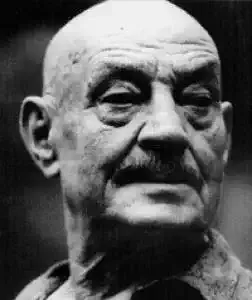
José Hierro was a Spanish poet, one of the central figures of post-war social poetry and one of the innovators of poetic language in Spain. His work is characterized by a profound humanism, a concern for social and existential reality, and constant formal and thematic experimentation. His poetry is distinguished by its reflective tone, its commitment to the human condition, and its search for a language that can name the complexity of the world and of being. Hierro is considered a poet of doubt, of constant questioning, and his work is a testament to the search for meaning in an often turbulent and contradictory world.

Alfonso Moreno
Alfonso Moreno is a Spanish writer, known mainly for his contribution to the detective novel and thriller genres. His writing is marked by engaging plots, well-developed characters, and an atmosphere of suspense that captivates the reader. He stands out for his ability to build dynamic narratives and for exploring themes that often involve mystery and investigation.

José Suárez Carreño

Vicente Gaos
Vicente Gaos was a Spanish poet, a key figure of the Generation of '50, known for his existential and social poetry, marked by a profound reflection on the human condition and the reality of his time. His work, characterized by direct language and great lyrical sensitivity, addresses themes such as memory, identity, justice, and the search for hope in difficult contexts.