

Awards
Premio Literario Casa de las Américas
Casa de las Américas
Description
A Beacon of Latin American Literature
The Casa de las Américas Literary Award is one of the oldest and most prestigious literary accolades in Cuba and Latin America. Founded in 1959, shortly after the triumph of the Cuban Revolution, the award was conceived by Casa de las Américas, a Cuban cultural institution dedicated to promoting Latin American and Caribbean culture. Its main objective has always been to encourage literary creation in the region, give visibility to emerging and established authors, and foster dialogue and cultural exchange among the peoples of Latin America and the Caribbean.
Criteria and Evaluation
Over the decades, the award has become a beacon for literature produced in Spanish, Portuguese, and, in some categories, in indigenous and Creole languages. The evaluation criteria are rigorous and focus on literary quality, originality, thematic relevance, and the ability to express the identity and issues of Latin America and the Caribbean. The juries are composed of internationally renowned writers, critics, and academics, ensuring the impartiality and excellence of the selections.
Categories and Evolution
The award's categories have varied over time, but traditionally include genres such as novels, short stories, poetry, essays, children's and young adult literature, and drama. In some editions, awards for studies on the region's culture and history, as well as for visual arts and music, have also been included, reflecting the comprehensive vision of Casa de las Américas on cultural production.
Cultural and Political Relevance
The relevance of the Casa de las Américas Literary Award transcends the purely literary sphere. The award has been a space for debate and reflection on political, social, and cultural issues that shape Latin American identity. Many authors who would later become central figures in world literature were recognized by Casa de las Américas in their early careers, attesting to its ability to identify talent and influence the literary landscape.
The award has been a meeting point for intellectuals of diverse political and ideological orientations, despite its context of origin. Casa de las Américas, as an institution, has sought to maintain an open space for dialogue, even in times of political tension.
The award ceremony, held annually in Havana, is a major cultural event, bringing together writers, publishers, academics, and literature lovers from across the continent.
Impact and Legacy
The award's impact on the dissemination of Latin American and Caribbean literature is undeniable. Many of the award-winning books have been translated into various languages, reaching a global audience and contributing to the international projection of the region's literary richness and diversity. The Casa de las Américas Literary Award continues to be a fundamental reference for understanding the literary and cultural production of Latin America and the Caribbean, a living testament to its vitality and its ability to reinvent itself.
Winners

Esmeralda Torres


Luis Lorente


Juan José Rodinás


Reynaldo GarcÃa Blanco

Nelson Romero Guzmán


Gabriel Cortiñas


Bruno Di Benedetto

Laura Yasan
Laura Yasan is an Argentine writer whose work is dedicated to exploring the complexities of female identity, memory, and human relationships. With an engaging and sensitive prose, she moves between fiction and essay, addressing themes such as the body, time, and the marks left by life experiences. Her writing is recognized for its psychological depth and its ability to evoke intense emotions.

Arturo Corcuera

Arturo Corcuera was a Spanish poet known for his playful and innovative approach to language. His work stands out for its formal experimentation and exploration of themes such as memory, identity, and the relationship between man and nature. Corcuera is recognized for his contribution to contemporary poetry, with a style that shifts between the colloquial and the erudite.
Luis Lorente

Luis Manuel Pérez Boitel

Miguel Ãngel López Hernández

Reina María Rodríguez
Reina María Rodríguez is a Cuban poet, essayist, and editor, a prominent figure in her country's literary scene. Her poetic work is known for its sensitivity, expressive force, and exploration of themes such as identity, femininity, the city, and the very condition of poetry.

Tomás Harris

Tomás Harris was a notable British writer and editor, primarily known for his work in the field of espionage and mystery fiction. His career was marked by the creation of engaging narratives and complex characters, which won a loyal following. As an editor, Harris played an important role in the publication and promotion of various authors, contributing to the literary scene with his vision and expertise. His legacy lies in the quality of his works and the influence he exerted on genre literature.

Juan Octavio Prenz

Carlos Eduardo Patiño

Alexis Figueroa

Reina María Rodríguez
Reina María Rodríguez is a Cuban poet, essayist, and editor, a prominent figure in her country's literary scene. Her poetic work is known for its sensitivity, expressive force, and exploration of themes such as identity, femininity, the city, and the very condition of poetry.

Julio Pazos Barrera
Julio Pazos Barrera is an Ecuadorian poet, essayist, and professor, recognized for his lyrical work that frequently addresses themes such as identity, memory, and the Andean landscape. His poetry is marked by careful language and deep sensitivity, reflecting his cultural roots and connection to Ecuador. As an academic, Pazos Barrera has also contributed significantly to the literary and cultural studies of his country.

Luis Rogelio Nogueras

Eduardo Langagne


María Gravina Telechea
María Gravina Telechea is an Argentine writer whose works explore the complexities of daily life and human relationships. With sensitive and engaging prose, she addresses themes such as family, love, loneliness, and the discoveries of adult life. Her writing invites introspection and identification with the characters and their journeys.

Gioconda Belli

Gioconda Belli is a prominent Nicaraguan poet and novelist, known for her work that addresses themes such as love, sensuality, politics, and female identity. With a powerful and lyrical voice, Belli explores the experience of women in Latin America, challenging social norms and celebrating freedom and resistance. Her writing is often marked by a strong erotic charge and a clear social and political commitment.

Hildebrando Pérez
Hildebrando Pérez, an Ecuadorian poet and essayist, is known for his work that navigates between philosophical reflection and social criticism. His poetry stands out for its intellectual depth and exploration of existential and cultural themes. Pérez is an important figure in his country's literature, contributing with a sharp vision of Latin American identity.

Hernán Miranda
Hernán Miranda is a Chilean poet known for his lyrical and reflective work. His poetry frequently explores themes such as memory, identity, and the human condition, with a language that moves between the colloquial and the erudite. He stands out for his ability to capture the essence of everyday feelings and experiences, elevating them to a universal level.

Jorge Boccanera

Manuel Orestes Nieto


Omar Lara
Omar Lara is a Chilean poet, essayist, and professor, whose work is situated in a context of strong social and cultural reflection. His poetry explores Latin American identity, memory, and resistance, with a language that combines lyricism and engagement. As an intellectual, Lara has a dedicated career to the study and dissemination of the literature and culture of his country and the continent.

Armando Tejada Gómez

Fernando Lamberg

Fernando Lamberg is a Brazilian writer and visual artist, with a body of work that spans literature and visual arts. His literary production frequently explores existential and social themes, often with an ironic and critical tone. His influence in the artistic and literary scene extends across different platforms, reflecting a keen sensitivity to the nuances of modern life.

Pedro Shimose


Roberto Sosa


Carlos María Gutiérrez

Carlos María Gutiérrez was an Uruguayan writer and journalist, known for his work that blends fiction and essay, exploring themes such as history, identity, and literature. His writing is marked by erudition and originality.

Roque Dalton

Roque Dalton García was a Salvadoran poet, journalist, and political activist, a key figure in 20th-century Central American literature. His poetic work is characterized by a deep connection to the social and political reality of his country, addressing themes such as injustice, revolution, and Latin American identity with a vigorous and often ironic language. Despite his intense literary activity, his life was marked by exile and armed struggle, which significantly influenced his writing, imbuing it with a unique urgency and testimonial weight. His legacy endures as a symbol of resistance and the pursuit of social justice through poetic word.
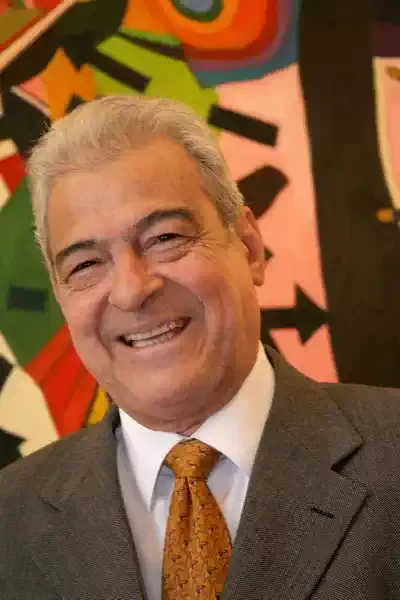
Antonio Cisneros

Antonio Cisneros was a prominent Peruvian poet, whose work stood out for its expressive force, irony, and reflection on social reality and the human condition. His poetry is marked by vibrant language and a critical look at his time, exploring themes such as identity, politics, and the complexities of daily life. Cisneros established himself as one of the most important voices in Latin American poetry of his generation.

Félix Grande

Enrique Lihn
Enrique Lihn was a Chilean poet, essayist, and critic, a central figure in 20th-century Latin American literature. His work is characterized by a profound reflection on the human condition, history, memory, and identity, often tinged with irony, skepticism, and sharp lucidity. He addressed universal themes with complex and experimental language, exploring the possibilities of language and poetic form. His poetry is a constant dialogue with literary tradition and the social and political reality of his time, marked by dictatorship and disillusionment. Lihn is remembered as one of Chile's most important and influential poets, whose work continues to challenge the contemporary reader with its depth and relevance.

VÃctor GarcÃa Robles

Mario Trejo

Ali Lameda
Ali Lameda was a Venezuelan poet, essayist, and journalist. His poetic work stands out for its exploration of identity, memory, and the human condition, with a lyrical and introspective style. He also worked as a literary critic and cultural promoter.

Fayad JamÃs

Roberto Ibáñez
