
Awards
Premio de la Crítica (Poesía gallega)
Premio de la Crítica (Poesía Gallega)
Description
History and Institution
The Premio de la Crítica de Poesía Gallega is one of the most prestigious distinctions in the literary landscape of Galicia, a territory with a rich poetic tradition and its own language, Galician. Established by the Asociación Española de Críticos Literarios (AECL), this award aims to recognize and promote excellence in Galician poetry production, highlighting works that stand out for their artistic quality, innovation, and thematic relevance.
The history of the award dates back to its creation, as an integral part of the Premio de la Crítica, which covers various peninsular languages and categories. The section dedicated to Galician poetry has gained autonomy and specific weight over the years, reflecting the vitality and importance of the literature produced in Galicia. The AECL, composed of literary critics from all over the country, is responsible for selecting the juries and awarding the prizes, ensuring a rigorous and independent evaluation process.
Selection Criteria
The selection criteria for the Premio de la Crítica de Poesía Gallega focus primarily on the intrinsic literary quality of the work. This includes the exploration of language, the originality of poetic imagery, the depth of the themes addressed, the structure and cohesion of the book, as well as the author's ability to establish a meaningful dialogue with tradition and contemporaneity. It is not just about awarding a book, but about celebrating the poetic voice that best represents the spirit of its time and culture.
Characteristics and Relevance
The award does not have internal categories, with the distinction being given to a single work of Galician poetry per year. The relevance of the award lies not only in the prestige conferred upon the awarded authors but also in the impact it has on the visibility and circulation of the works. A book that receives the Premio de la Crítica de Poesía Gallega tends to see its reach expanded, reaching a wider audience and consolidating its position in the Galician and Spanish literary canon.
Cultural Importance
Throughout its existence, the award has been a barometer of the evolution of Galician poetry, distinguishing both established names and emerging authors, and reflecting the diverse aesthetic and thematic currents that mark contemporary poetic production. Its importance transcends the purely literary sphere, functioning as an important element of cultural and linguistic affirmation for Galicia. The award ceremony, although sometimes integrated into broader events, is always a moment of celebration of poetry and Galician culture, bringing together authors, critics, editors, and literature lovers.
Winners

Daniel Salgado

Daniel Salgado is a Galician poet, writer, and translator, known for his literary work that moves between poetry, prose, and criticism. His writing is marked by a strong lyrical charge, formal experimentation, and a deep reflection on language, identity, and memory. As a poet, Salgado is recognized for his unique voice and his ability to explore complex themes with an innovative approach. His translations from other languages into Galician are also notable, demonstrating his versatility and commitment to cultural dissemination. His work in literary criticism contributes to the debate on contemporary literature.

Antón Lopo

Yolanda Castaño
Yolanda Castaño is a Galician poet and writer, recognized for her intense lyricism and her ability to address themes such as identity, love, society, and the female condition with a powerful and contemporary voice. With a body of work distinguished by its musicality, expressive force, and depth of reflection, Castaño has established herself as one of the most relevant voices in contemporary Galician poetry, exploring the nuances of existence and the complexities of human relationships.

Medos Romero

Ana RomanÃ

Olga Novo

Pilar Pallarés

Lupe Gómez

Eva Veiga
Eva Veiga is a Galician writer and poet, with a body of work that moves between poetry, prose, and essay. Her writing is marked by sensitivity, reflective depth, and a keen eye for existential and social issues. She often explores themes such as nature, time, memory, and the human condition. Her poetic work is known for its musicality and imagistic strength, while her prose is dedicated to unraveling the complexities of daily life and interpersonal relationships. Eva Veiga is a consistent voice in contemporary Galician literature.

MarÃa do Cebreiro

Gonzalo Hermo
Gonzalo Hermo is a contemporary Galician writer and poet, known for his exploration of themes such as identity, memory, and human relationships in his work. His writing is distinguished by its sensitivity and ability to evoke deep emotions in the reader, addressing the human condition with an introspective and sometimes melancholic perspective. As a poet and prose writer, Hermo has built a literary career that reflects a deep engagement with the Galician language and culture. His work invites reflection on existence, time, and the bonds that unite us, consolidating him as a relevant voice in contemporary literature.

Berta Dávila

Manuel Álvarez Torneiro
Manuel Álvarez Torneiro was a Spanish poet known for his lyrical and introspective work. His poetry explores the human relationship with nature, the passage of time, and the search for meaning. He is appreciated for his sensitive language and the images he evokes, often linked to the Galician universe.
Olga Novo

Marga do Val
Marga do Val is a Galician poet and writer, known for her lyrical and contemplative poetry that addresses themes such as identity, memory, and the relationship with nature. Her work is distinguished by its sensitivity in exploring human emotions and by the search for a language that captures the essence of lived experiences, with a strong connection to the Galician universe.

Luz Pozo Garza

Chus Pato
Chus Pato is a Galician poet, essayist, and translator, with a body of work distinguished by its strong experimental charge and its exploration of social and political issues. Her writing addresses language as a territory of resistance and construction of new realities, with a critical view on patriarchy and power structures.

Helena de Carlos
Helena de Carlos is a Galician writer and poet. Her poetic work explores themes such as identity, memory, and the Galician landscape, with lyrical and profound language. She stands out for her sensitivity in approaching existential issues and for her connection with the cultural roots of her land, offering a unique perspective on the human condition.

Manuel Vilanova
Manuel Vilanova was a distinguished Galician poet and essayist. His poetic work is recognized for its expressive force, its exploration of social and existential themes, and its rich and forceful language. As an essayist, he contributed important reflections on Galician culture and identity, consolidating himself as an influential voice in the literature of his time.

Román Raña Lama
Román Raña Lama is a Galician professor, writer, and literary critic. His work encompasses both literary creation and academic analysis of literature, with a special focus on Galician literature. As a writer, he explores different genres, while his work as a critic and researcher contributes to the study and appreciation of Galicia's literary heritage.

Miguel Anxo Fernán-Vello
Miguel Anxo Fernán-Vello is a contemporary Galician poet, writer, and translator, a prominent figure in the literature of the Galician language. His poetic work is recognized for its lyrical depth, its exploration of universal themes such as time, memory, love, and death, and for a language that combines lyricism and formal rigor. Throughout his career, Fernán-Vello has been an ambassador for Galician culture, promoting its language and literature nationally and internationally. His production also includes prose and translation, standing out for his sensitivity and commitment to artistic and cultural expression.

Xulio López Valcárcel

Xavier Seoane

Manuel Forcadela

Gonzalo Navaza
Manuel Álvarez Torneiro
Manuel Álvarez Torneiro was a Spanish poet known for his lyrical and introspective work. His poetry explores the human relationship with nature, the passage of time, and the search for meaning. He is appreciated for his sensitive language and the images he evokes, often linked to the Galician universe.
Yolanda Castaño
Yolanda Castaño is a Galician poet and writer, recognized for her intense lyricism and her ability to address themes such as identity, love, society, and the female condition with a powerful and contemporary voice. With a body of work distinguished by its musicality, expressive force, and depth of reflection, Castaño has established herself as one of the most relevant voices in contemporary Galician poetry, exploring the nuances of existence and the complexities of human relationships.

Xavier Rodríguez Baixeras
Xavier Rodríguez Baixeras is a recognized Galician poet, whose lyrical work stands out for its sensitivity and exploration of themes such as memory, time, and landscape. His poetry is marked by careful language and a deep connection with the emotional universe. He also works in other cultural areas, contributing to the promotion of literature and the arts in Galicia. Baixeras is seen as one of the contemporary poets who bring an authentic and innovative voice to literature in Galician.
Pilar Pallarés

Ramiro Fonte
Xulio López Valcárcel

Xavier RodrÃguez Barrio
Gonzalo Navaza

FermÃn Bouza Ãlvarez

Luis González Tosar
Luis González Tosar is a Spanish poet and essayist, whose work is part of contemporary Galician poetry. He is known for a poetry that frequently addresses the landscape, identity, and reflection on the poetic art itself. His texts are marked by careful language and a deep connection with the Galician land and culture.
Ramiro Fonte
Xavier Rodríguez Baixeras
Xavier Rodríguez Baixeras is a recognized Galician poet, whose lyrical work stands out for its sensitivity and exploration of themes such as memory, time, and landscape. His poetry is marked by careful language and a deep connection with the emotional universe. He also works in other cultural areas, contributing to the promotion of literature and the arts in Galicia. Baixeras is seen as one of the contemporary poets who bring an authentic and innovative voice to literature in Galician.

Xosé MarÃa Ãlvarez Cáccamo

Antón Avilés "de Taramancos"
Antón Avilés "de Taramancos" was an influential Galician poet and cultural activist. His poetic work is a reflection of Galician identity, addressing themes such as land, history, and social struggles. He is known for his strong language and his deep connection with the cultural roots of Galicia. Besides his literary production, Avilés "de Taramancos" played an important role in defending Galician culture and language, being a respected figure for his integrity and passion for his land.
Miguel Anxo Fernán-Vello
Miguel Anxo Fernán-Vello is a contemporary Galician poet, writer, and translator, a prominent figure in the literature of the Galician language. His poetic work is recognized for its lyrical depth, its exploration of universal themes such as time, memory, love, and death, and for a language that combines lyricism and formal rigor. Throughout his career, Fernán-Vello has been an ambassador for Galician culture, promoting its language and literature nationally and internationally. His production also includes prose and translation, standing out for his sensitivity and commitment to artistic and cultural expression.

Victor Vaqueiro
Victor Vaqueiro is a recognized Galician poet, writer, and translator. His poetic work is marked by lyrical and reflective language, exploring themes such as identity, memory, and the Galician landscape. As a translator, he has contributed to the dissemination of important literary works in Galician. His literary work also includes prose and essays, demonstrating a versatility that enriches the cultural scene of Galicia. Vaqueiro is an active figure in promoting Galician literature and language, participating in cultural events and projects.

Xoan Manuel Casado
Xoan Manuel Casado is a Galician writer, known for his contribution to literature in Galician. His work spans various genres, exploring the cultural and social identity of Galicia. He stands out for his engaging prose and his ability to portray Galician daily life with sensitivity and realism. With a consolidated literary career, Casado has received recognition for his authentic writing and his dedication to the Galician language and culture. His work is a reflection of the region's rich literary tapestry, contributing to its preservation and dissemination.

Claudio RodrÃguez Fer

Xohana Torres
Xohana Torres is a Galician writer and poet, known for her work in Galician that explores identity, femininity, and the experiences of modern life. Her poetry and prose are marked by a lyrical voice and a contemporary perspective. With a career dedicated to literature, Torres has been consolidating her presence in the Galician literary scene, addressing relevant themes with sensitivity and depth. Her work is a reflection of her worldview and her reflections on existence.

Eduardo Moreiras
Eduardo Moreiras was a Galician writer and professor, whose works explore identity, memory, and the human condition, with a style that frequently combines realism and lyricism. His writing reflects a deep sensibility and a keen eye on the complexities of life. As a professor by profession, he dedicated himself to literature as a form of expression and reflection on society and the individual. His work, although perhaps less publicized than that of other contemporary authors, possesses a notable literary quality and an invitation to introspection.

Salvador GarcÃa-Bodano
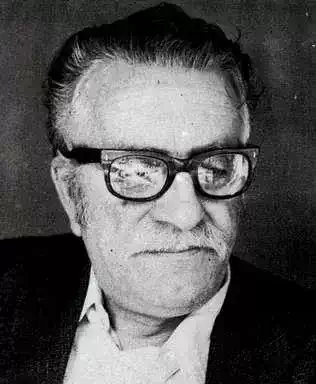
Celso Emilio Ferreiro
Celso Emilio Ferreiro was a Galician poet, journalist, and political activist, considered one of the central figures of contemporary Galician poetry. His work is marked by strong social and political engagement, the exploration of Galician identity, and direct, vigorous language. He was a tireless defender of Galician culture and language in times of repression.