
Awards
El Premio FIL de Literatura en Lenguas Romances
Premio FIL
Description
A Tribute to Literary Excellence in Romance Languages
The FIL Award for Romance Languages, formerly known as the Juan Rul Award, is one of the most prestigious literary accolades in Latin America and the Hispanic world. Established in 1991 by the University of Guadalajara and the Guadalajara International Book Fair (FIL), the award aims to honor and celebrate the work of living writers who have demonstrated excellence and a significant impact on literature written in Romance languages, which include Portuguese, Spanish, French, Italian, Romanian, among others. The choice of Romance languages reflects the cultural richness and diversity emanating from Latin and European cultures.
Characteristics and Award Ceremony
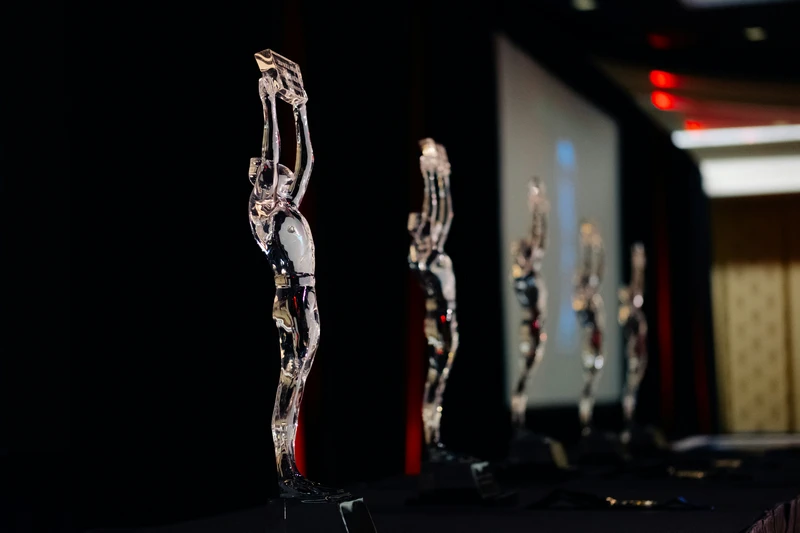
The award is presented annually and comes with a substantial monetary prize, a diploma, and a sculpture. The award ceremony takes place during FIL Guadalajara, one of the world's largest literary events, attracting publishers, authors, literary agents, and readers from all continents.
Evaluation Process
The jury comprises renowned international academics, literary critics, and writers who evaluate the author's complete body of work, considering originality, thematic depth, stylistic quality, and their contribution to the development of contemporary literature.
Importance and Scope
Over the years, the FIL Award has recognized authors of diverse nationalities and with varied literary styles, but always with a common denominator: the excellence and relevance of their works. Its importance lies not only in the prestige it confers upon the laureates but also in promoting the linguistic and cultural diversity of Romance languages, encouraging dialogue between different literary traditions.
The award has a global reach, serving as a beacon for literature produced in these languages, and its selection of laureates is often seen as a barometer of the vitality and innovation in the international literary scene.
Its history, from its inception to its consolidation as one of the most coveted awards, demonstrates a continuous commitment to valuing literary art and celebrating the masters who shape it.
Winners

Amin Maalouf
Mia Couto

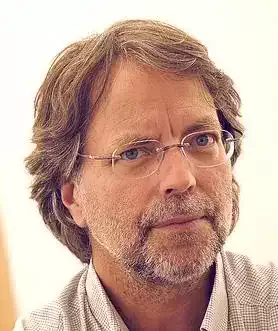
Mia Couto is a Mozambican writer, whose works explore the complex reality of post-independence Mozambique, blending the real with the fantastic, myth, and African orality. His poetic prose and engaging narratives address themes such as war, reconciliation, cultural identity, and ancestral wisdom, making him one of the most important authors of contemporary Lusophone literature. Internationally recognized, Mia Couto plays a crucial role in the literary representation of Mozambique.

Coral Bracho

Coral Bracho is a renowned Mexican poet, essayist, and translator, recognized for her profound connection with nature and her exploration of language as a tool to apprehend the sensible world. Her work is distinguished by lush imagery, enveloping rhythms, and a sensitivity that captures the textures, colors, and movements of the natural and human environment. With a literary career spanning several decades, Bracho has established herself as one of the most original and influential poetic voices in contemporary Mexican literature. Her poetry invites a sensory and reflective experience, revealing the interconnections between being, matter, and the cosmos.

Mircea Cărtărescu

Mircea Cărtărescu is a prominent Romanian writer, widely recognized as one of the most important poets and novelists in contemporary Romania. His work is marked by narrative complexity, intense lyricism, and a deep exploration of the unconscious, memory, and the human condition. Cărtărescu is known for his dense and imagistic prose, often intertwining fantastic, mythical, and autobiographical elements. He is a central figure in post-communist Romanian literature, having received numerous awards and being frequently cited as a potential candidate for the Nobel Prize in Literature.

Diamela Eltit
Lídia Jorge

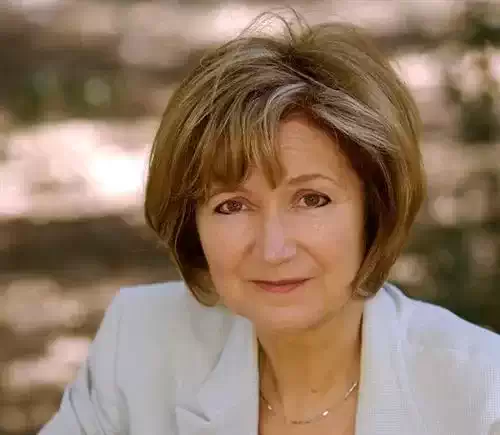
Lídia Jorge is one of the most prominent and celebrated contemporary Portuguese writers, with a vast body of work that spans poetry, novels, and short stories. Her writing is often characterized by psychological depth, the exploration of themes such as memory, identity, the female condition, the history of Portugal, and the complexity of human relationships. With a rich and evocative language, Lídia Jorge has been building a significant literary legacy, marked by sensitivity, intelligence, and a critical look at society. Recognized with multiple national and international awards, her work is translated into several languages, attesting to her importance in the global literary scene. Lídia Jorge is an indispensable voice in Portuguese-language literature, whose work continues to captivate and provoke reflection in its readers.

David Huerta


Ida Vitale

Emmanuel Carrère


Norman Manea

Enrique Vila-Matas


Claudio Magris

Yves Bonnefoy

Alfredo Bryce Echenique

Alfredo Bryce Echenique is a renowned Peruvian writer, known for his vibrant and humorous prose that frequently explores the complexities of Peruvian life and the experiences of the Latin American diaspora. His work is marked by memorable characters and narratives that blend the tragic and the comic, reflecting on identity, memory, and the human condition with a unique and engaging voice. With an unmistakable style, Bryce Echenique has won over readers and critics worldwide, solidifying his place as one of the most important exponents of contemporary Latin American literature. His novels are an invitation to immerse oneself in universes rich in detail, emotions, and profound reflections on life.

Fernando Vallejo


Margo Glantz

Rafael Cadenas
Rafael Cadenas is a Venezuelan poet, essayist, and critic, considered one of the most important voices in contemporary Spanish-language poetry. His work is characterized by a profound reflection on existence, time, memory, and the human condition, often tinged with a serene melancholy and a moving lucidity. Through refined language and apparent simplicity, Cadenas manages to address life's great questions with exceptional intellectual acuity and sensitivity, establishing himself as an indispensable reference for understanding contemporary poetry.
António Lobo Antunes
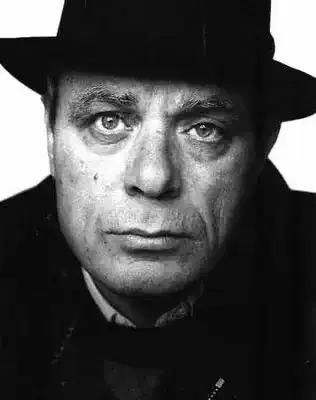
António Lobo Antunes is one of the most prominent contemporary Portuguese writers, known for his complex work deeply marked by the experiences of the Colonial War in Africa. His writing, characterized by a non-linear narrative structure, the use of multiple points of view, and dense, often fragmented language, explores themes such as memory, madness, violence, guilt, and identity. Lobo Antunes is internationally recognized for his contribution to world literature.

Fernando del Paso

Carlos Monsiváis

Tomás Segovia

Juan Goytisolo

Rubem Fonseca

Cintio Vitier

Juan GarcÃa Ponce
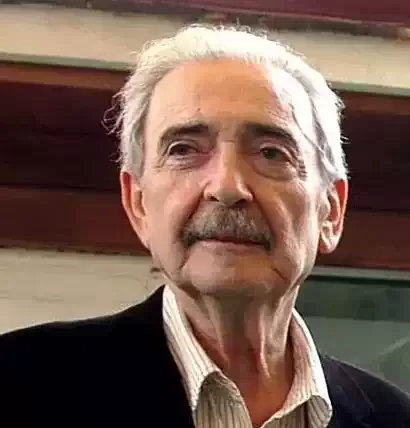
Juan Gelman

Juan Gelman was one of the most important Argentine poets of the 20th and 21st centuries, known for his dense, political, and profoundly human work. His poetry, marked by an incessant search for language and reflection on memory, loss, and justice, traversed different phases, from initial lyricism to a more engaged and philosophical expression. Gelman was also a journalist and translator, and his life was intrinsically linked to the political upheavals in Argentina and Latin America.

Sergio Pitol
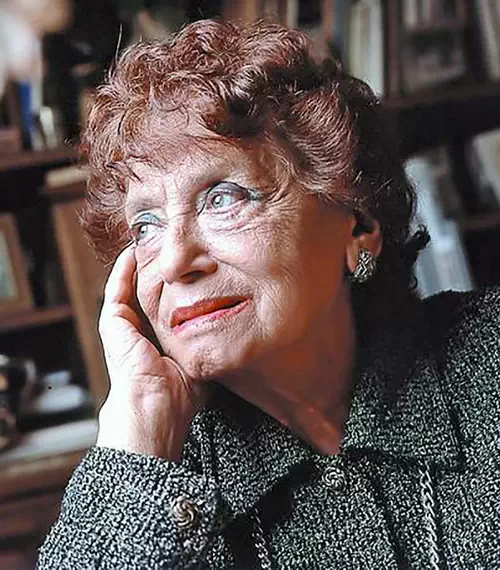
Olga Orozco

Juan Marsé

Augusto Monterroso

Nélida Piñon

Julio Ramón Ribeyro

Eliseo Diego
Eliseo Diego was a prominent Cuban poet and essayist, a key figure of the Generation of '50 and a lyrical voice of profound introspection and maturity. His work is characterized by apparent simplicity and a conversational tone that hides a complex reflection on time, memory, identity, and the human condition. Linked to a literary tradition of great formal rigor, Diego managed to combine classical heritage with modern sensibility, creating poetry of great subtlety and existential resonance.

Juan José Arreola
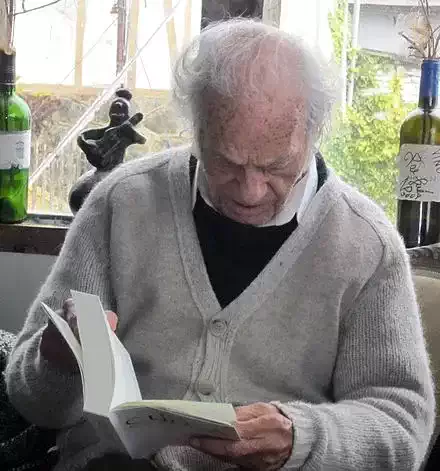
Nicanor Parra

Nicanor Parra was one of the most important Chilean poets of the 20th century, creator of "anti-poetry", a literary genre that rejects traditional poetic language in favor of a more direct, colloquial, and ironic expression. His work questions social and literary conventions, using humor, satire, and common sense to demystify reality and poetry itself. Parra is known for his originality, his biting social criticism, and his profound impact on Latin American literature, being considered a fundamental figure of Chilean Modernism and an unmistakable voice in universal poetry.