

Awards
Premio Nacional de Poesía
Description
Prestige and Criteria
The Premio Nacional de Poesía is one of the most prestigious literary awards in Spain. Awarded annually by the Ministry of Culture and Sport, it honors excellence in the poetic work of Spanish authors. To be eligible, the work must have been originally published in Castilian, Catalan, Galician, or Basque, in the calendar year prior to its award.
The evaluation criteria focus on literary quality, originality, thematic depth, and technical mastery. The jury is composed of figures of notable prestige in the world of poetry and literary criticism.
History and Evolution
The genesis of this award dates back to 1949. Initially known as the Premio Adonáis de Poesía, it was later integrated into the national awards system, adopting its current name.
Linguistic Diversity and Impact
Spain's linguistic diversity is a fundamental pillar of this award, encompassing the richness and plurality of the country's poetic production in all co-official languages. Throughout its history, the Premio Nacional de Poesía has served as a crucial springboard for numerous poets, boosting their careers and giving them significant visibility.
Its relevance transcends the mere distinction of winners, playing a vital role in promoting reading and appreciation for poetry.
Controversies and Curiosities
Among the curiosities, the controversies that sometimes emerge around the jury's choices stand out, reflecting the subjectivity of artistic evaluation. The awarding of the prize to authors of different generations and with varied aesthetic approaches demonstrates the breadth of criteria and the award's openness to innovation.
Cultural Importance
The importance of the Premio Nacional de Poesía serves as a thermometer of the vitality of poetry in Spain. Its continuity and the interest it arouses annually attest to its fundamental role in promoting and valuing poetry. The awarding of works in different Spanish languages reinforces the commitment to cultural and linguistic diversity.
Winners

Miriam Reyes

Chus Pato

Chus Pato is a Galician poet, essayist, and translator, with a body of work distinguished by its strong experimental charge and its exploration of social and political issues. Her writing addresses language as a territory of resistance and construction of new realities, with a critical view on patriarchy and power structures.

Yolanda Castaño
Yolanda Castaño is a Galician poet and writer, recognized for her intense lyricism and her ability to address themes such as identity, love, society, and the female condition with a powerful and contemporary voice. With a body of work distinguished by its musicality, expressive force, and depth of reflection, Castaño has established herself as one of the most relevant voices in contemporary Galician poetry, exploring the nuances of existence and the complexities of human relationships.

Aurora Luque
Aurora Luque is a Spanish poet, essayist, and translator, whose work is recognized for its lyrical strength, intelligence, and its approach to themes such as the body, sexuality, mythology, and history from a feminist perspective. With a distinctive and innovative poetic voice, Luque has been an important figure in the renewal of contemporary Spanish poetry. Her writing boldly explores language, weaving cultural references with contemporary sensibility and a strong social commitment.

Miren Agur Meabe
Miren Agur Meabe is a Basque writer and poet who contributes significantly to Basque-language (Euskara) literature. Her work is notable for exploring universal themes such as memory, identity, and the passage of time, with a lyrical and profound approach. Recognized for her sensitivity and the quality of her language, Meabe has established herself as an important voice in contemporary literature, addressing the complexity of human emotions and the individual's relationship with their environment.

Olga Novo

Pilar Pallarés

Antònia Vicens

Julio Martínez Mesanza

Ángeles Mora

Luis Alberto de Cuenca

Spanish poet, literary critic, and translator, Luis Alberto de Cuenca is a prominent figure in the poetry of the second half of the 20th century and the early 21st century. His work is characterized by profound erudition, a conversational tone, and constant intertextuality with popular culture and literary tradition. Through poetry that is accessible yet rich in nuance, he explored universal themes such as love, death, and the passage of time, often with an undertone of melancholy and existential reflection.

Antonio Hernández
Antonio Hernández is a Spanish poet whose work is distinguished by its lyrical intensity and exploration of universal themes such as love, death, memory, and landscape. With a language rich in imagery and sensitivity, his poetry emanates a deep connection with cultural and existential roots, reflecting on the passage of time and the search for meaning. Hernández is recognized for his contribution to contemporary Spanish poetry, offering a poetic vision that combines the personal and the universal with remarkable depth.

Manuel Álvarez Torneiro
Manuel Álvarez Torneiro was a Spanish poet known for his lyrical and introspective work. His poetry explores the human relationship with nature, the passage of time, and the search for meaning. He is appreciated for his sensitive language and the images he evokes, often linked to the Galician universe.

Antonio Carvajal

Francisca Aguirre
Francisca Aguirre was a Spanish poet and writer, known for her lyrical work and her unique poetic voice. Her poetry is characterized by emotional intensity, the exploration of themes such as freedom, passion, and rebellion against social conventions. She is considered an important figure in Spanish poetry.

José María Millares
José María Millares was a Spanish poet and writer, associated with the post-war generation of poets. His work is marked by a melancholic and reflective tone, exploring loneliness, love, and the search for meaning in an often hostile world. He is recognized for his contribution to 20th-century Spanish poetry.

Juan Carlos Mestre
Juan Carlos Mestre is a Spanish poet known for his lyrical and engaged work. His poetry explores themes such as memory, identity, and the human condition, often with accessible and evocative language. He stands out for the depth of his reflections and his ability to connect the personal to the universal.

Joan Margarit

Olvido García Valdés
Olvido García Valdés is a Spanish poet whose work stands out for its exploration of language, memory, and identity, with a strong connection to the land and cultural roots. Her poetry is marked by intense sensitivity, a unique rhythm, and an ability to evoke mystery and the sacred in the everyday.

José Manuel Caballero Bonald
José Manuel Caballero Bonald was a Spanish poet and novelist, a prominent figure of the Generation of '50. His work is characterized by a deep social and existential charge, addressing themes such as injustice, marginalization, historical memory, and the human condition with a powerful and often heartbreaking language. He was a chronicler of the reality of his time, especially of Andalusia, capturing in his writing the harshness of rural life and the aftermath of the war and post-war period. His literary legacy is immense and his recognition encompasses numerous awards and distinctions.

José Corredor-Matheos

Chantal Maillard

Julia Uceda

Carlos Marzal
Carlos Marzal is a Spanish poet whose work is distinguished by its reflective depth and exploration of the complexities of human existence. His poems often address themes such as memory, time, identity, and the relationship between the individual and the world around them, with careful language and intrinsic musicality.

José Ángel Valente

Guillermo Carnero
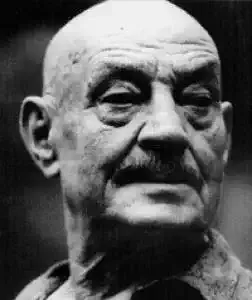
José Hierro
José Hierro was a Spanish poet, one of the central figures of post-war social poetry and one of the innovators of poetic language in Spain. His work is characterized by a profound humanism, a concern for social and existential reality, and constant formal and thematic experimentation. His poetry is distinguished by its reflective tone, its commitment to the human condition, and its search for a language that can name the complexity of the world and of being. Hierro is considered a poet of doubt, of constant questioning, and his work is a testament to the search for meaning in an often turbulent and contradictory world.

José Antonio Muñoz Rojas

Diego Jesús Jiménez
Diego Jesús Jiménez was a Spanish poet whose work is distinguished by its lyrical depth and the incessant search for a language that translates the nuances of human experience. His poetry explores themes such as memory, time, identity, and the individual's relationship with the world. With keen sensitivity, Jiménez addressed the beauty and melancholy of existence in his verses, using a refined and reflective style. His contribution to contemporary Spanish poetry is notable for its authenticity and the expressive force of his writing.

Felipe Benítez Reyes

Luis García Montero

Rafael Guillén
José Ángel Valente

Basilio Fernández López
Basilio Fernández López is a contemporary Spanish poet whose work is in the line of social and existential poetry. His writing addresses themes such as social injustice, the human condition, and the search for meaning in an often hostile world. He is recognized for his authentic voice and his commitment to the reality that surrounds him.

Luis Álvarez Piñer
Luis Álvarez Piñer was a prominent Spanish philologist, university professor, and poet. His academic career and his passion for literature, especially poetry, marked his trajectory. He was a scholar of lyric poetry and dedicated himself to teaching, sharing his knowledge and love for the word with several generations of students.

Carlos Bousoño
Carlos Bousoño was a distinguished Spanish poet and literary critic, a central figure in post-war Spanish poetry and one of the foremost experts on the work of Juan Ramón Jiménez. His poetic work, marked by a profound reflection on being, time, and reality, is characterized by its formal rigor, careful language, and constant search for truth and beauty. As a critic, his analysis of contemporary poetry and his erudition established him as an undisputed authority in the Spanish literary sphere.

Pere Gimferrer
Poet, essayist, and literary critic from Spain, Pere Gimferrer is a central figure in contemporary Catalan and Spanish literature. His poetic work is characterized by profound erudition, constant formal experimentation, and a desire to dialogue between popular culture and high culture. Throughout his extensive career, he has explored themes such as memory, identity, cinema, painting, and mythology, creating a rich and multifaceted lyrical universe. His influence extends to various generations of writers, consolidating his position as one of the most important authors of Catalan and Spanish literature of the 20th and 21st centuries. His work as an essayist and critic has been equally fundamental to understanding the literature and art of his time.

Antonio Gamoneda
Antonio Gamoneda is a Spanish poet whose work is characterized by a deep inquiry into the human condition, memory, and the passage of time. His poetry, often dense and of great formal rigor, draws on powerful imagery and a refined language that evokes the ancestral and the elemental. He has been recognized with numerous awards, including the Cervantes Prize, establishing himself as one of the most unique and influential voices in contemporary Spanish-language poetry. His writing is distinguished by a persistent reflection on existence, pain, beauty, and the enigma of being, with a sensitivity that connects the lyrical with the tragic and the mystical, inviting the reader on an introspective and existential journey.

Francisco Brines
Francisco Brines was a Spanish poet, considered one of the most important voices in Spanish poetry in the second half of the 20th century. His work is characterized by a deep reflection on the human condition, the passage of time, memory, love, and nature, with a lyrical and restrained language. Brines explored existential themes with particular sensitivity, seeking beauty in everyday experiences and in the contemplation of the natural world. His poetry, although often melancholic, possesses an inner strength and serenity that invite introspection, consolidating him as a master of contemporary Spanish lyricism.

Joan Vinyoli

Claudio Rodríguez
Claudio Rodríguez was a Spanish poet whose work is characterized by his profound reflection on existence, nature, and transcendence. His poetry, rooted in Spanish tradition but open to contemporary currents, stands out for its vigorous language and its ability to find the extraordinary in the everyday. Throughout his career, he explored universal themes with a hopeful and vitalistic perspective, becoming a key figure in Spanish poetry of the second half of the 20th century.

Antonio Colinas
Spanish poet whose work is distinguished by a deep spirituality, a constant reflection on time, memory, and the search for transcendence. His poetry, characterized by careful musicality and evocative imagery, explores the beauty of the natural world, the mystery of existence, and the intimate connection between human beings and the cosmos. Colinas has managed to bridge lyrical tradition and modernity, creating a unique poetic universe of great philosophical depth.

Vicente Gaos
Vicente Gaos was a Spanish poet, a key figure of the Generation of '50, known for his existential and social poetry, marked by a profound reflection on the human condition and the reality of his time. His work, characterized by direct language and great lyrical sensitivity, addresses themes such as memory, identity, justice, and the search for hope in difficult contexts.

Carlos Sahagún

Leopoldo de Luis

Félix Grande

Miguel Fernández

Ángel García López

Manuel Ríos Ruiz

Francisco Garfias López
Francisco Garfias López was a Spanish poet, whose work is marked by a deep reflection on existence, nature, and the human condition. His poetry is characterized by intense lyricism and refined language, seeking beauty in simple things and in the contemplation of the world. With a sharp sensitivity, Garfias explored in his verses man's relationship with nature, the passage of time, and the search for meaning in life. His contribution to Spanish poetry lies in his ability to evoke deep emotions and reflections through powerful imagery and a personal and striking style.

Carlos Murciano
Carlos Murciano was a Spanish poet and journalist, known for his lyrical and socially engaged poetry. His work addresses themes such as the land, humble people, injustice, and the search for a fairer world. With a direct and emotional style, Murciano captured the essence of everyday life and the aspirations of the people. His work as a journalist also brought him closer to social reality, profoundly influencing his literary vision and his commitment to popular causes.
Diego Jesús Jiménez
Diego Jesús Jiménez was a Spanish poet whose work is distinguished by its lyrical depth and the incessant search for a language that translates the nuances of human experience. His poetry explores themes such as memory, time, identity, and the individual's relationship with the world. With keen sensitivity, Jiménez addressed the beauty and melancholy of existence in his verses, using a refined and reflective style. His contribution to contemporary Spanish poetry is notable for its authenticity and the expressive force of his writing.

Carmen Conde
Carmen Conde was a Spanish poet, narrator, and professor, one of the most relevant figures of the Generation of 1927, although often marginalized by traditional anthologies. Her poetic work is characterized by a deep connection with nature, the sea, the earth, and the human condition, expressed with language of great sensitivity and plasticity. She was a pioneer in the field of literary criticism and cultural promotion, as well as a tireless advocate for education and culture for all. Her life and literary trajectory is a testament to perseverance and commitment to the arts and ideas.
Pere Gimferrer
Poet, essayist, and literary critic from Spain, Pere Gimferrer is a central figure in contemporary Catalan and Spanish literature. His poetic work is characterized by profound erudition, constant formal experimentation, and a desire to dialogue between popular culture and high culture. Throughout his extensive career, he has explored themes such as memory, identity, cinema, painting, and mythology, creating a rich and multifaceted lyrical universe. His influence extends to various generations of writers, consolidating his position as one of the most important authors of Catalan and Spanish literature of the 20th and 21st centuries. His work as an essayist and critic has been equally fundamental to understanding the literature and art of his time.

Alfonso Canales
Alfonso Canales was a Spanish poet and professor. His poetic work is marked by a deep reflection on existence, the human condition, and the ephemerality of time. With a style that moves between the lyrical and the existential, Canales masterfully explored language, seeking to express the complexities of the soul. In addition to his literary production, Canales also dedicated himself to teaching, sharing his love for literature and writing with new generations. His influence extends to both the field of poetry and the educational area, leaving a legacy of sensitivity and thought.

Eladio Cabañero
Eladio Cabañero is a contemporary Spanish poet, recognized for his contribution to lyrical poetry. His work stands out for its sensitivity in approaching universal themes, such as love, nature, and the passage of time, with a refined and emotional poetic language.

Manuel Alcántara

José Luis Prado Nogueira

Rafael Laffón
Rafael Laffón is a Spanish writer and poet, known for his contribution to contemporary literature. His literary work encompasses both poetry and prose, exploring themes that reflect on the human condition and society, with a critical and sensitive perspective.

José García Nieto
Spanish poet whose work is part of the Generation of '50. His poetry is characterized by a deep reflection on the human being, time, and the existential condition, often tinged with melancholy and a search for transcendence. García Nieto explored both traditional form and free verse, imbuing his verses with great musicality and emotional depth.

Jorge Campos
José Hierro
José Hierro was a Spanish poet, one of the central figures of post-war social poetry and one of the innovators of poetic language in Spain. His work is characterized by a profound humanism, a concern for social and existential reality, and constant formal and thematic experimentation. His poetry is distinguished by its reflective tone, its commitment to the human condition, and its search for a language that can name the complexity of the world and of being. Hierro is considered a poet of doubt, of constant questioning, and his work is a testament to the search for meaning in an often turbulent and contradictory world.

Luis Rosales
Luis Rosales was a Spanish poet whose work is associated with the Generation of '27, although his style developed its own voice and a profound reflection on the human condition and beauty. His poetry is characterized by a refined lyricism, precise language, and a constant search for harmony and transcendence. Rosales explored themes such as love, death, time, nature, and memory, often with an existential and metaphysical perspective. He is recognized for his formal mastery, his balance between tradition and modernity, and his ability to evoke deep emotions through suggestive images and a musical rhythm. His work represents a valuable legacy in 20th-century Spanish poetry, marked by lyrical intensity and the nobility of his expression.

Dionisio Ridruejo
Dionisio Ridruejo was a Spanish poet, essayist, and literary critic, a prominent figure of the Generation of '50. His poetic work is characterized by a deep reflection on the human experience, identity, memory, and the passage of time, often rooted in the landscape and culture of Castile. His style is refined, precise, and emotional, seeking the sincere expression of feelings and formal beauty. Ridruejo was also an important intellectual and public figure, known for his civic commitment and his defense of democratic values. He is considered one of the most representative poets of Spanish poetry in the second half of the 20th century.

Alfonsa de la Torre
José García Nieto
Spanish poet whose work is part of the Generation of '50. His poetry is characterized by a deep reflection on the human being, time, and the existential condition, often tinged with melancholy and a search for transcendence. García Nieto explored both traditional form and free verse, imbuing his verses with great musicality and emotional depth.

José María Valverde

Leopoldo Panero
Spanish poet, member of the Generation of '50, known for his rooted and existential poetry. His work is characterized by introspection, the exploration of vital anguish, death, and the search for meaning in an often desolate world. His language is direct and his tone, often somber.

Emilio Prados
Emilio Prados was a Spanish poet belonging to the Generation of '27. His work is characterized by a deep lyrical sensibility, marked by themes such as love, nature, solitude, and spiritual quest. His poetry, often intimate and reflective, evolved from the influences of modernism towards a more personal and profound expression. After exile, his work acquired an additional dimension of longing and melancholy, consolidating him as an essential voice of 20th-century Spanish lyricism.

Antonio Sánchez Barbudo
Antonio Sánchez Barbudo was a prominent Hispanist and university professor. He dedicated a large part of his career to the study and dissemination of Spanish literature and culture in foreign universities, notably in the United States. His work as a literary critic focused on Spanish authors and literary movements, with a special emphasis on 20th-century poetry and prose. His legacy lies in the depth of his analyses and the bridge he established between Spanish culture and the international public.
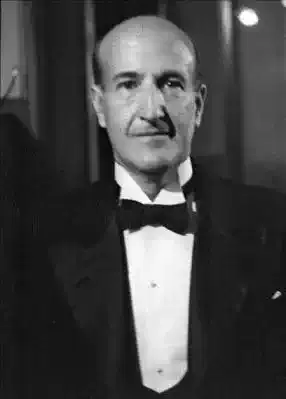
Vicente Aleixandre
Vicente Aleixandre was a Spanish poet, a central figure of the Generation of '27. His poetic work is marked by a deep lyricism and an exploration of the themes of love, death, the cosmos, and the human condition, often with a language charged with symbolism and dreamlike imagery. He was awarded the Nobel Prize in Literature in 1977, recognizing the universality and strength of his poetic expression, which made him one of the most important Spanish-language poets of the 20th century.

Adriano del Valle
Adriano del Valle was a Spanish poet, literary critic, and professor. His poetic work, although concise, is marked by lyrical depth and the exploration of universal themes such as love, death, and the search for meaning. As a critic, he contributed to the analysis of various authors and literary movements of his time, demonstrating a keen eye and notable erudition. His work as a professor also left a legacy, inspiring generations of students with his passion for literature and knowledge.

Dámaso Alonso
Dámaso Alonso y Perales was a Spanish poet, philologist, and literary critic. He is considered a central figure in the Generation of '27, a literary movement that marked 20th-century Spanish poetry. His poetic work is known for its introspection and reflection on the human condition, while his work as a philologist and critic left a lasting legacy in the study of the Spanish language and literature.
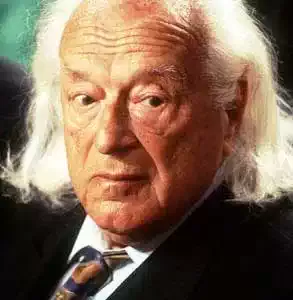
Rafael Alberti
Rafael Alberti was an internationally renowned Spanish poet, a central figure of the Generation of '27. His poetic work spans a wide range of themes and styles, from neopopularism and surrealism to social and exile poetry. His life, marked by a passion for art, political activism, and a long period of exile, is reflected in the richness and diversity of his literary output.

Gerardo Diego
Gerardo Diego was a Spanish poet, a prominent member of the Generation of '27, known for his versatility and mastery of various poetic forms. His work ranges from traditional poetry to avant-garde movements, demonstrating a remarkable capacity for formal and thematic experimentation. Throughout his extensive career, he explored the musicality of language, surprising imagery, and reflections on art, faith, and life. Diego is remembered for his creative vitality and his contribution to the enrichment of 20th-century Spanish poetry, serving as a bridge between the literary past and future.