

Awards
Prémio Franz Kafka
Prémio Kafka
Description
Kafka's Legacy: An International Literary Award
The Franz Kafka Award (Cena Franze Kafky) is a prestigious international literary award founded in 2001 by the Franz Kafka Society in Prague, Czech Republic. The main objective of the award is to honor and promote literary works that share the spirit and thematic depth of Franz Kafka's work, exploring the human condition, alienation, bureaucracy, guilt, and the search for meaning in an often absurd and oppressive world.
Award Characteristics and Selection Process
The award is given annually to a living author, regardless of their nationality or language of writing, whose work is considered of exceptional literary merit and resonates with Kafkian themes. The award ceremony traditionally takes place in Prague, the city where Kafka lived and wrote much of his work.
The jury is composed of renowned international academics, literary critics, and writers, ensuring a rigorous and impartial selection process. Selection criteria emphasize originality, psychological depth, social and philosophical relevance, and the aesthetic quality of the work.
There are no specific categories; the award is given to a single work or to an author for their body of work, provided it incorporates the values and concerns that the award aims to celebrate.
Relevance and Impact
The relevance of the Franz Kafka Award lies in its ability to highlight contemporary authors and works that dialogue with the existential and social complexities that Kafka so acutely portrayed.
In doing so, the award not only recognizes literary talent but also encourages reflection on universal issues that continue to challenge humanity. Its connection to Franz Kafka lends it considerable symbolic weight, associating it with one of the pillars of modern literature.
Laureates and Global Reach
Over the years, the award has been presented to writers from various parts of the world, including Europe, Latin America, and Asia, demonstrating the universality of Kafkian themes and the global reach of the award.
Some of the laureates include names such as Philip Roth, Harold Pinter, Yves Bonnefoy, Margaret Atwood, and John Banville, among others, attesting to the quality and prestige of the award.
Continuity and Contemporary Influence
The choice of a living author to receive the award underscores the idea that Kafka's work continues to inspire and influence contemporary literary creation, and that his themes remain painfully relevant in today's world.
The Franz Kafka Award is not merely a recognition; it is also an invitation to explore the depths of the human experience, just as Kafka did with unparalleled mastery.
Winners

Ivan Vyskocil

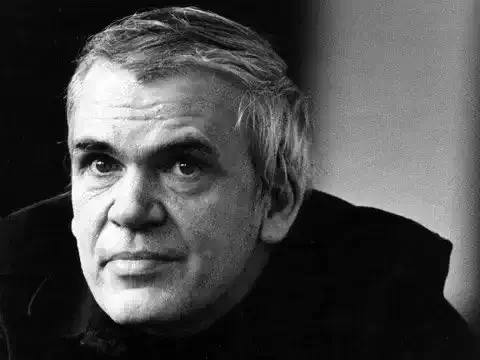
Milan Kundera

Pierre Michon


Ivan Wernisch
Ivan Wernisch is a Czech poet, translator, and editor, known for his work that blends lyricism with humor and absurdity, frequently exploring themes of everyday life and memory. His poetry is characterized by accessible language, yet deep and inventive, seeking to capture the essence of human experiences in an original and captivating way.

Margaret Atwood

Margaret Atwood is an acclaimed Canadian novelist, poet, literary critic, and activist. She is known for her dystopian novels, speculative fiction, and works that explore themes of gender, power, and the environment.

Claudio Magris

Eduardo Mendoza


Yan Lianke

Amos Oz

Daniela Hodrová

John Banville

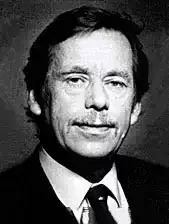
Václav Havel
Václav Havel was a Czech playwright, essayist, dissident, and politician who became one of the most important opponents of the communist regime in his country. As the leader of the Velvet Revolution movement, he played a crucial role in Czechoslovakia's peaceful transition to democracy. His literary work and political writings frequently addressed themes of freedom, truth, and the individual's responsibility in oppressive societies.

Peter Handke


Arnošt Lustig

Yves Bonnefoy
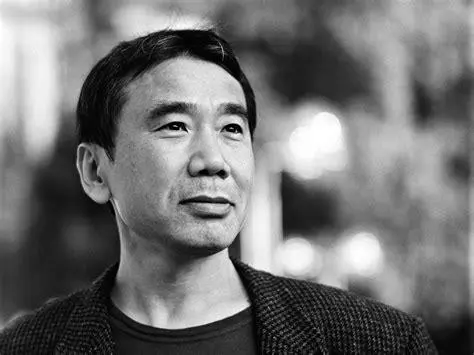
Haruki Murakami

Harold Pinter

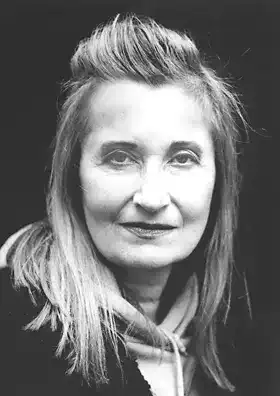
Elfriede Jelinek
Elfriede Jelinek is an Austrian writer awarded the Nobel Prize in Literature in 2004. Her work is known for its critical exploration of power structures, sexuality, politics, and for its use of transgressive and fragmented language. Jelinek addresses themes such as fascism, patriarchy, and consumer society in her works.

Péter Nádas

Ivan Klíma
