
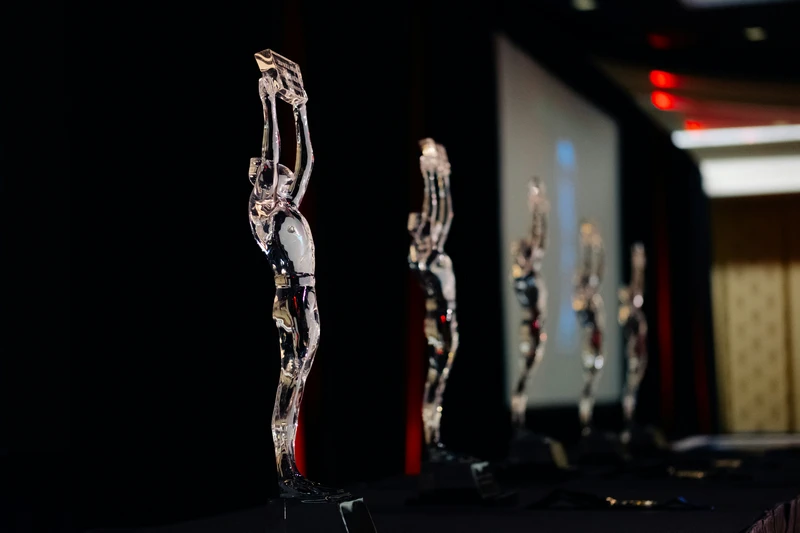
Awards
Premi d'Honor de les Lletres Catalanes
Premi d'Honor Lletres Catalanes
Description
A tribute to the excellence of Catalan literature
The Premi d'Honor de les Lletres Catalanes is one of the most prestigious awards for literature in the Catalan language, created in 1969 by Òmnium Cultural. Its purpose is to honor and recognize the careers of writers who, throughout their work, have significantly contributed to the enrichment and dissemination of Catalan literature.
Criteria and selection
This award is not limited to a specific work, but rather to the entirety of the author's literary output and cultural impact. The recipient is chosen by a jury composed of renowned personalities from the world of culture, literature, and academia, ensuring impartiality and rigor in the selection process.
Distinguished authors
Throughout its more than five decades of existence, the award has honored pivotal figures in Catalan literature.
- Mercè Rodoreda
- Salvador Espriu
- Joan Brossa
- Manuel de Pedrolo
- Pere Calders
- Maria Aurèlia Capmany
- Baltasar Porcel
- Quim Monzó
- Maria Barbal
- among many others.
Ceremony and cultural impact
The award ceremony, usually held in Barcelona, is a major cultural event that attracts the attention of the press and the public, serving as a platform for reflection on the state of Catalan literature and its importance in the cultural landscape.
Importance and legacy
The award does not have specific categories, being a unique and singular recognition of the author's career. Its significance lies not only in the prestige it confers upon the laureate but also in the role it plays in promoting and valuing the Catalan language and culture.
By highlighting the work of writers who have written in Catalan, the Premi d'Honor de les Lletres Catalanes contributes to its vitality and international projection. It is a symbol of commitment to the cultural and literary identity of Catalonia, celebrating the diversity of voices and styles that make up its rich literary heritage.
The longevity and consistency of the award, as well as the quality of the distinguished authors, solidify its position as a pillar of literary promotion in the Catalan language, encouraging new generations of writers to continue creating and innovating within this literary tradition.
Winners

Biel Mesquida


Pere Lluís Font

Albert Jané
Albert Jané is a Catalan writer and journalist, known for his work aimed at children and young adults, as well as his activity in the field of culture and humor. His literary output for young readers is characterized by creativity, humor, and the ability to address relevant themes in a playful and accessible way. As a journalist and columnist, Jané also contributes his insightful perspective on various subjects, demonstrating versatility in his professional endeavors. His connection to Catalan culture is an element present in his diverse facets as a creator.

Josep Piera

Antònia Vicens

Maria Barbal

Enric Casasses

Marta Pessarrodona

Quim Monzó

Isabel-Clara Simó

Maria Antònia Oliver

Joan Veny

Raimon

Josep Maria Benet

Josep Massot

Albert Manent

Jaume Cabré

Joan Solà

Montserrat Abelló

Baltasar Porcel

Josep Termes

Feliu Formosa

Joan Francesc Mira

Antoni Badia

Josep Maria Espinàs

Teresa Pàmies

Josep Vallverdú

Josep Palau i Fabre

Joaquim Molas

Tísner

Josep Benet

Jordi-Pere Cerdà

Jordi Sarsanedas

Tomàs Garcés

Joan Triadú

Miquel Martí i Pol

Miquel Batllori

Marià Villangómez
Marià Villangómez Llobet was a Spanish poet and writer, prominent in the literature of the Balearic Islands. His poetic work is recognized for its intimate lyricism, exploration of landscape, and reflection on the human condition. He is considered a central figure in contemporary Catalan poetry, especially in its insular strand.

Xavier Benguerel

Enric Valor

Pere Calders

Marià Manent

Joan Coromines

Ramon Aramon

Josep M. Llompart

Josep Maria de Casacuberta
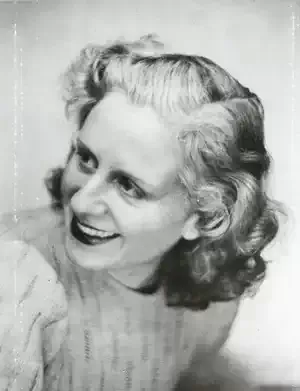
Mercè Rodoreda
Mercè Rodoreda was one of the most important Catalan writers of the 20th century, recognized for her poetic and intimate prose, which explores the complexity of human relationships, memory, and identity. Her work, predominantly written in Catalan, addresses themes such as love, loss, the Spanish Civil War, and the search for a place in the world. Rodoreda is considered a central figure of modern Catalan literature and a powerful female voice in universal literature.

Manuel de Pedrolo

Vicent Andrés Estellés
Vicent Andrés Estellés was a fundamental poet of the Valencian language literature, whose work portrays the identity, history, and daily life of his land with an authentic and deeply rooted voice. Known for his vast production, which ranges from the most intimate lyricism to social and political commentary, Estellés became a symbol of Valencian cultural and linguistic resistance. His poetry, often marked by a colloquial and direct tone, without neglecting depth and expressive force, addresses universal themes such as love, death, time, injustice, and hope, always with a sharp eye on the reality that surrounded him. His figure is indispensable for understanding contemporary Catalan poetry.

Miquel Tarradell

Pau Vila

Joan Fuster

Joan Fuster was a highly relevant Spanish essayist, literary critic, and intellectual, fundamental to the understanding of contemporary Catalan culture. His work was characterized by a lucid, ironic, and often provocative prose, which addressed themes such as identity, history, literature, and the human condition from a critical and demystifying perspective. Known for his incisive style and intellectual acumen, Fuster became a central figure in thought and public debate in Catalonia, defending a secular, rationalist vision deeply rooted in its cultural reality. His legacy endures as one of the most influential intellectuals of the 20th century in the Catalan sphere.

Manuel Sanchis Guarner

J.V. Foix

Salvador Espriu
Salvador Espriu was a Spanish poet, playwright, and novelist, a central figure in post-war Catalan literature. His work, deeply rooted in the identity and history of Catalonia, is characterized by a reflection on the human condition, collective memory, injustice, and the fragility of existence. Using often symbolic and evocative language, Espriu addressed universal themes from a local perspective, becoming a moral and literary reference.

Francesc de Borja Moll

Pere Quart
