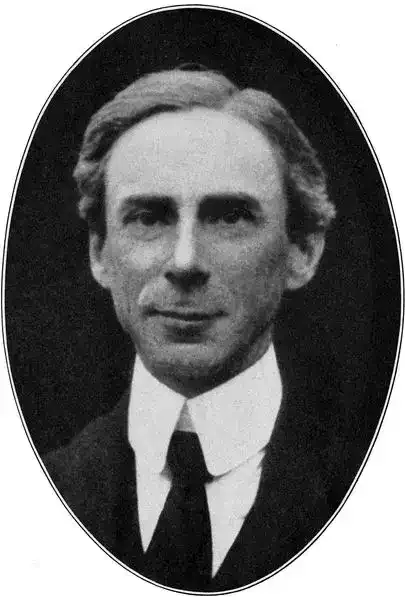
Awards
Jerusalem Prize for the Freedom of the Individual in Society
Jerusalem Prize
Description
History and Foundation
The Jerusalem Prize for the Freedom of the Individual in Society is a prestigious literary award granted biennially by the Jerusalem Municipality. Established in 1969, the prize recognizes authors whose works explore and celebrate individual freedom, human dignity, and social responsibility. Its creation emerged in a context of growing concern for human rights and the need to defend democratic values in an ever-changing world. The prize is not limited to a specific literary genre, encompassing novels, poetry, essays, and other forms of writing that contribute significantly to public discourse on freedom and justice.
Selection Criteria
The criteria for awarding the Jerusalem Prize are broad, but focus on the depth with which the author addresses themes such as oppression, tyranny, censorship, discrimination, and the struggle for self-determination. The awarded work must demonstrate a commitment to defending human rights and promoting a more just and equitable society. The selection of laureates is carried out by a jury committee composed of academics, literary critics, and prominent figures from cultural and intellectual life, ensuring a rigorous and impartial process.
Notable Laureates
The relevance of the Jerusalem Prize lies in its ability to highlight authors whose voices are crucial for understanding contemporary challenges to freedom. Over the decades, the prize has honored a diverse list of writers from around the world, many of whom have become central figures in the literary landscape and social activism. Among the notable winners are names such as Bertrand Russell, Simone de Beauvoir, Jorge Luis Borges, Octavio Paz, Milan Kundera, Amos Oz, Margaret Atwood, Ian McEwan, and Julian Barnes. The geographical and cultural diversity of the laureates reflects the universality of the themes addressed and the importance of literature as a tool for reflection and social change.
Significance and Context
A curiosity about the prize is its intrinsic connection to the city of Jerusalem, a place of deep historical and religious significance, and often a stage for debates on identity, coexistence, and conflict. The choice of Jerusalem as the prize's seat underscores the aspiration that the ideals of freedom and justice should flourish in all corners of the world, even in complex contexts. The prize is often presented at a ceremony held during the Jerusalem International Book Fair, a major cultural event.
Impact and Legacy
The Jerusalem Prize is not merely a recognition of literary merit, but also a beacon for the defense of freedom of expression and critical thinking. By celebrating authors who challenge the status quo and give voice to the marginalized, the prize plays a vital role in fostering global dialogue on the fundamental values that underpin free and democratic societies. Its longevity and the caliber of its laureates attest to its enduring importance in the literary world and in human rights activism.
Winners

Michel Houellebecq

Michel Houellebecq is a French novelist, poet, and essayist, widely regarded as one of the most important and controversial literary figures in contemporary France. His work, marked by ironic pessimism and biting social criticism, explores themes such as individualism, the decline of Western society, sexuality, religion, and existential malaise. His characters are often alienated and disillusioned individuals, struggling to find meaning in a world increasingly fragmented and dominated by consumerism and technology.

Julian Barnes


Joyce Carol Oates

Joyce Carol Oates is a prolific American writer, recipient of numerous literary awards. Her work spans novels, short stories, poetry, and essays, often exploring violence, poverty, identity, and the female condition in American society. She is known for her intense literary output and her ability to portray complex characters and dramatic situations.

Karl Ove Knausgård


Ismail Kadaré

Antonio Muñoz Molina


Ian McEwan
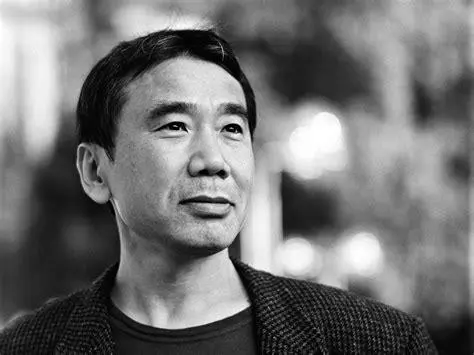
Haruki Murakami

Leszek Kołakowski

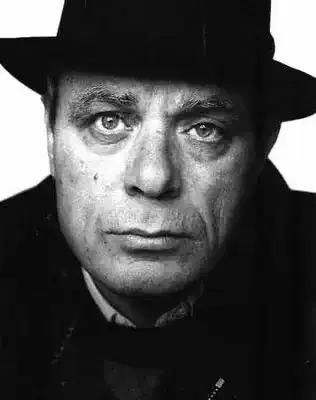
António Lobo Antunes

António Lobo Antunes is one of the most prominent contemporary Portuguese writers, known for his complex work deeply marked by the experiences of the Colonial War in Africa. His writing, characterized by a non-linear narrative structure, the use of multiple points of view, and dense, often fragmented language, explores themes such as memory, madness, violence, guilt, and identity. Lobo Antunes is internationally recognized for his contribution to world literature.
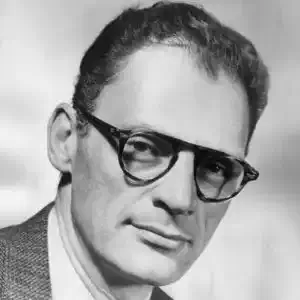
Arthur Miller

Susan Sontag

Don DeLillo

Jorge Semprún

Mario Vargas Llosa

Stefan Heym


Zbigniew Herbert
Zbigniew Herbert was a Polish poet, essayist, and playwright, widely recognized as one of the most important European poets of the second half of the 20th century. His work is marked by a profound reflection on the human condition, history, morality, and classical culture, expressed in precise and rigorous language. He was a voice of integrity and intellectual resistance in times of oppression. Herbert is known for his ironic and often stoic perspective on the great themes of life, frequently using the figure of "Mr. Cogito" to explore the complexity of existence and the struggle for dignity.
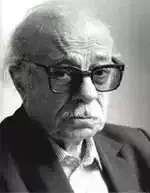
Ernesto Sabato
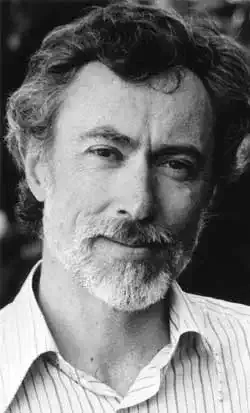
J. M. Coetzee
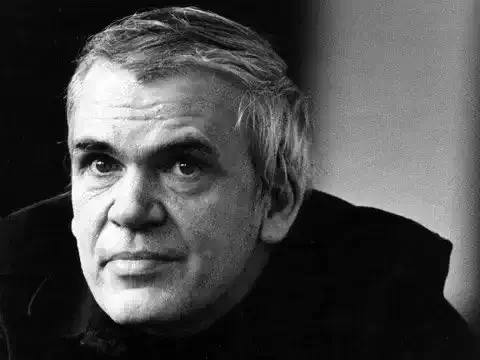
Milan Kundera
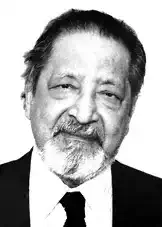
V. S. Naipaul
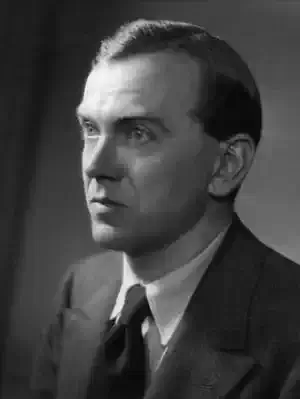
Graham Greene

Isaiah Berlin
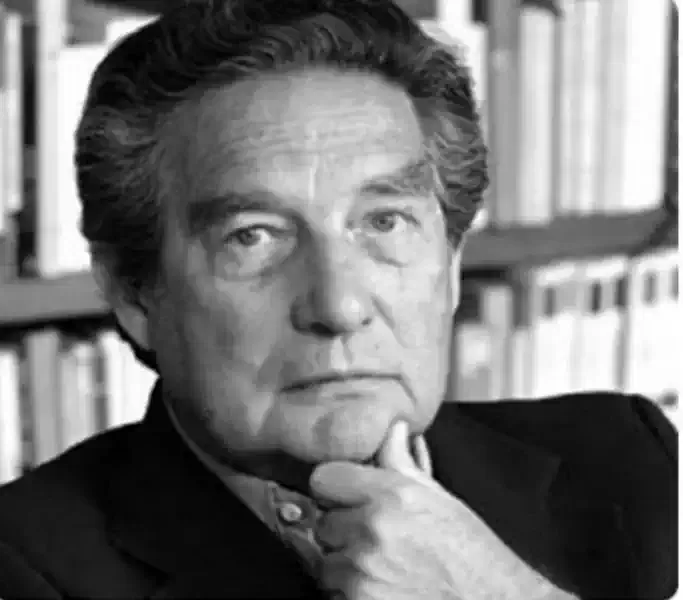
Octavio Paz

Octavio Paz was one of the most important poets and essayists of the 20th century, awarded the Nobel Prize in Literature in 1990. His work is vast and multifaceted, exploring themes such as love, solitude, Mexican identity, the human condition, time, and the search for transcendence. With a rich and innovative language, Paz moved between lyrical poetry, philosophical reflection, and cultural criticism, leaving an invaluable intellectual and artistic legacy.
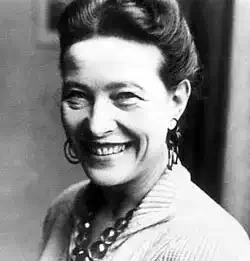
Simone de Beauvoir
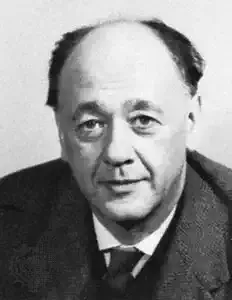
Eugène Ionesco

Eugène Ionesco was a Romanian-French playwright, one of the main representatives of the Theatre of the Absurd. His work is characterized by illogicality, the breakdown of language, and the exploration of the emptiness of human existence, reflecting the anguish and absurdity of the modern world. Plays such as "The Bald Soprano" and "Rhinoceros" are milestones of 20th-century theatre.
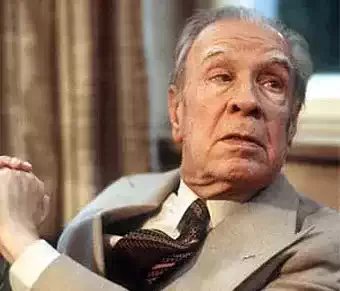
Jorge Luis Borges

Jorge Luis Borges was an Argentine writer, poet, essayist, and translator. His work is characterized by its philosophical depth, intricate plots, and exploration of themes such as time, infinity, identity, and the nature of reality. Borges is considered one of the most significant literary figures of the 20th century, renowned for his innovative use of literary devices and his profound influence on postmodern literature.

Ignazio Silone


André Schwarz-Bart
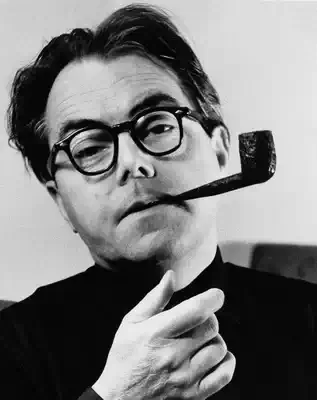
Max Frisch