
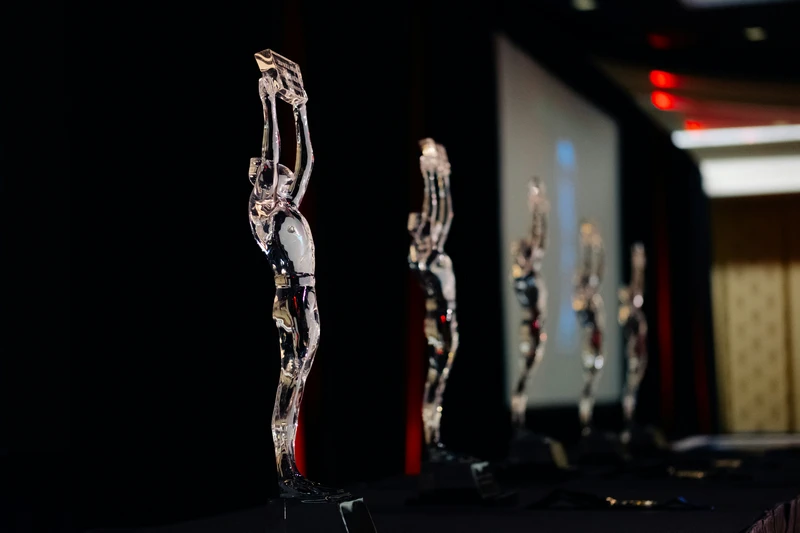
Awards
Petrarca Preis
Description
Origins and Purpose of the Prize
The Petrarca Prize, or Petrarca-Preis, is one of the most important literary awards in Germany, founded in 1975 by the Würth Foundation (formerly known as Stiftung Würth). The prize aims to honor authors who, through their work, demonstrate a deep mastery of language, a unique artistic vision, and a significant contribution to literature, especially in the realm of poetry and lyrical prose.
Homage to Francesco Petrarca
The name of the prize is a tribute to Francesco Petrarca, the Italian poet and humanist of the 14th century, considered one of the founders of the Renaissance and a central figure in the history of Western poetry. The choice of name underscores the prize's connection to the European literary tradition and the appreciation of poetic expression.
Characteristics and Frequency
Originally, the prize was awarded every two years, but since 2006 it has been awarded annually. The Petrarca Prize is distinguished by its emphasis on the intrinsic literary quality of the work, valuing stylistic innovation, thematic depth, and the ability to evoke emotions and reflections through language. It is not a prize that necessarily rewards commercial success or popularity, but rather artistic excellence and originality.
The Würth Foundation
The Würth Foundation, based in Künzelsau, Germany, is the entity responsible for awarding the prize. The foundation, established by Reinhold Würth, has a strong commitment to culture and the arts, supporting various artistic and literary initiatives. The Petrarca Prize is one of the pillars of this commitment, reflecting the foundation's vision of promoting and celebrating high-quality literature.
Selection Criteria and Scope
The selection criteria for laureates are rigorous and involve a jury composed of academics, literary critics, and renowned writers. The jury evaluates the author's entire body of work, with particular attention to their most recent poetic or narrative output. Although the prize is of German origin and often recognizes German-language authors, its scope is European, having been awarded to writers of various nationalities, such as Italy, France, Austria, and Switzerland. This openness reflects the prize's ambition to recognize the diversity and richness of contemporary European literature.
Distinguished Laureates
Over the years, the Petrarca Prize has been awarded to some of the most influential European writers, whose works have marked modern literature. Among the laureates are names such as Hans Magnus Enzensberger, Peter Handke, W. G. Sebald, Elfriede Jelinek, and Herta Müller, all prominent figures in the literary scene, many of whom would later receive other prestigious awards, including the Nobel Prize in Literature. The awarding of the Petrarca Prize to these authors has solidified their reputation and underscored their importance in the European literary context.
Nature and Significance of the Prize
The prize does not have specific categories, being awarded to a single author per year in recognition of their literary work as a whole. The monetary value of the prize has varied over time, but its main recognition lies in the prestige and literary distinction it confers. The Petrarca Prize is, therefore, a seal of quality and an indicator of an author's relevance in the contemporary literary landscape, celebrating the art of the word and its ability to shape our understanding of the world and ourselves.
Winners

Franz Mon

Tomas Venclova


Adonis

Robin Robertson


Kito Lorenc

Miodrag Pavlovic


Florjan Lipuš


John Burnside

Erri De Luca

Pierre Michon


Les Murray


Helmut Färber


Gennadij Ajgi

Gennadij Ajgi (also known as Gely Aygi) was a Chuvash and Russian poet and translator. His work is deeply marked by Chuvash culture and language, seeking to preserve and revitalize this heritage in his poetry. He is known for an original poetic language that blends elements of Chuvash oral tradition with influences from modern Russian and European poetry. Ajgi addressed themes such as cultural identity, spirituality, the relationship with the land, and the search for authentic expression in his verses. His poetry is characterized by a unique sonority, evocative imagery, and a reflection on the human condition in a context of multiculturalism and social change. He also worked as a translator, bringing foreign poetry works into Russian, and fought for the preservation of linguistic and cultural minorities.

Michael Hamburger

John Berger

Paul Wühr

Jan Skácel


Philippe Jaccottet

Philippe Jaccottet was a French-language Swiss poet and essayist, widely recognized for his lyrical and reflective work. His poetry explores the relationship between man and nature, the passage of time, memory, and the search for a more attentive gaze upon the world. Jaccottet also distinguished himself as a translator and literary critic, leaving a significant intellectual legacy.

Hermann Lenz

Gustav Januš

Gerhard Meier

Ilse Aichinger
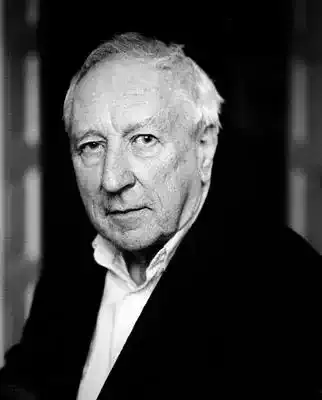
Tomas Tranströmer

Tomas Tranströmer was a Swedish poet and psychologist, widely recognized for his lyrical and introspective work that explores the relationship between nature, the self, and the world. His poetry is characterized by clarity, imagination, and the ability to evoke deep moods through vivid imagery and a contemplative rhythm. He was awarded the Nobel Prize in Literature in 2011, distinguished for his unique voice in contemporary poetry.

Ludwig Hohl

Zbigniew Herbert

Zbigniew Herbert was a Polish poet, essayist, and playwright, widely recognized as one of the most important European poets of the second half of the 20th century. His work is marked by a profound reflection on the human condition, history, morality, and classical culture, expressed in precise and rigorous language. He was a voice of integrity and intellectual resistance in times of oppression. Herbert is known for his ironic and often stoic perspective on the great themes of life, frequently using the figure of "Mr. Cogito" to explore the complexity of existence and the struggle for dignity.

Alfred Kolleritsch

Ernst Meister

Sarah Kirsch
Rolf Dieter Brinkmann
Rolf Dieter Brinkmann was a German poet, a central figure in post-war German experimental poetry and concrete poetry. His work, marked by the deconstruction of language and the exploration of new forms of expression, addressed themes such as urban alienation, mass culture, and the search for authenticity in an increasingly media-driven and fragmented world. Brinkmann was an innovator, challenging literary conventions and paving the way for future poetic experimentation.