

Society and the World
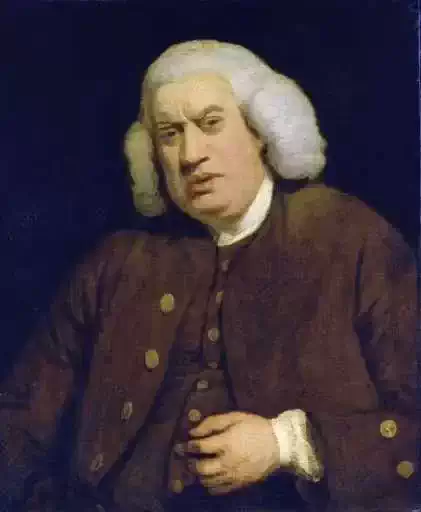
Samuel Johnson
Integrity without knowledge is weak and useless, and knowledge without integrity is dangerous and dreadful.
Samuel Johnson
Integrity without knowledge is weak and useless, and knowledge without integrity is dangerous and dreadful.
Samuel Johnson
How is it that we hear the loudest yelps for liberty among the drivers of negroes?
Samuel Johnson
How is it that we hear the loudest yelps for liberty among the drivers of negroes?
Samuel Johnson
It is better to suffer wrong than to do it, and happier to be sometimes cheated than not to trust.
Samuel Johnson
A hardened and shameless tea-drinker, who has for twenty years diluted his meals with only the infusion of this fascinating plant; whose kettle has scarcely time to cool; who with tea amuses the evening, with tea solaces the midnight, and with tea welcomes the morning.
Samuel Johnson
Among the calamities of war may be jointly numbered the diminution of the love of truth, by the falsehoods which interest dictates and credulity encourages.
Samuel Johnson
Oats. A grain, which in England is generally given to horses, but in Scotland supports the people.
Samuel Johnson
I am not yet so lost in lexicography as to forget that words are the daughters of earth, and that things are the sons of heaven. Language is only the instrument of science, and words are but the signs of ideas: I wish, however, that the instrument might be less apt to decay, and that signs might be permanent, like the things which they denote.

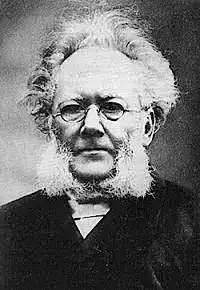
Henrik Ibsen
You should never have your best trousers on when you go out to fight for freedom and truth.
Henrik Ibsen
The worst enemy of truth and freedom in our society is the compact majority. Yes, the damned, compact, liberal majority.
Henrik Ibsen
The worst enemy of truth and freedom in our society is the compact majority. Yes, the damned, compact, liberal majority.
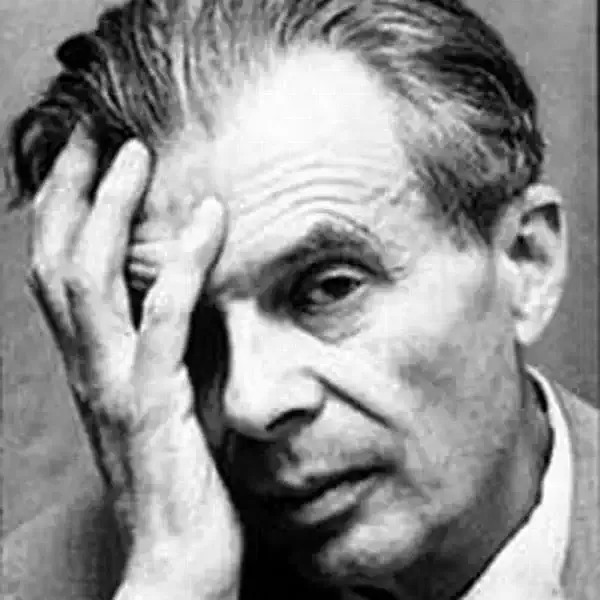
Aldous Huxley
The end cannot justify the means, for the simple and obvious reason that the means employed determine the nature of the ends produced.
Aldous Huxley
The end cannot justify the means, for the simple and obvious reason that the means employed determine the nature of the ends produced.