

Quotes in this theme
Ethics and Morality
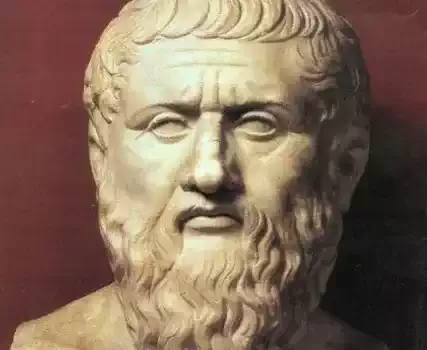
Platão
Physical excellence does not of itself produce a good mind and character: on the other hand, excellence of mind and character will make the best of the physique it is given.
22
Platão
Philosophy is an elegant thing, if anyone modestly meddles with it, but if they are conversant with it more than is becoming, it corrupts them.
18
Platão
Philosophy, Socrates, if pursued in moderation and at the proper age, is an elegant accomplishment, but too much philosophy is the ruin of human life.
13
Platão
Now actions vary according to the manner of their performance. Take, for example, that which we are now doing, drinking, singing and talking these actions are not in themselves either good or evil, but they turn out in this or that way according to the mode of performing them; and when well done they are good, and when wrongly done they are evil; and in like manner not every love, but only that which has a noble purpose, is noble and worthy of praise.
15
Platão
Observe that open loves are held to be more honorable than secret ones, and that the love of the noblest and highest, even if their persons are less beautiful than others, is especially honorable.
14
Platão
No one punishes the evil-doer under the notion, or for the reason, that he has done wrong. Only the unreasonable fury of a beast acts in that way. But he who desires to inflict rational punishment does not retaliate for a past wrong, for that which is done cannot be undone, but he has regard to the future, and is desirous that the man who is punished, and he who sees him punished, may be deterred from doing wrong again.
22
Platão
No knowledge considers or prescribes for the advantage of the stronger, but for that of the weaker, which it rules
24
Platão
Many men are loved by their enemies, and hated by their friends, and are the friends of their enemies, and the enemies of their friends.
15
Platão
Mankind censure injustice fearing that they may be the victims of it, and not because they shrink from committing it.
14
Platão
Man...is a tame or civilized animal; never the less, he requires proper instruction and a fortunate nature, and then of all animals he becomes the most divine and most civilized; but if he be insufficiently or ill- educated he is the most savage of earthly creatures.
34
Platão
Lust is inseparably accompanied with the troubling of all order, with impudence, unseemliness, sloth, and dissoluteness.
20
Platão
Laws are partly formed for the sake of good men, in order to instruct them how they may live on friendly terms with one another, and partly for the sake of those who refuse to be instructed, whose spirit cannot be subdued, or softened, or hindered from plunging into evil.
17
Platão
Just as it would be madness to settle on medical treatment for the body of a person by taking an opinion poll of the neighbors, so it is irrational to prescribe for the body politic by polling the opinions of the people at large.
16
Platão
It is the task of the enlightened not only to ascend to learning and to see the good but to be willing to descend again to those prisoners and to share their troubles and their honors, whether they are worth having or not. And this they must do, even with the prospect of death.
18
Platão
It is only just that anything that up on its own should feel it has nothing to repay for an upbringing which it owes no one.
15