

Poems in this topic
Emotions and Feelings
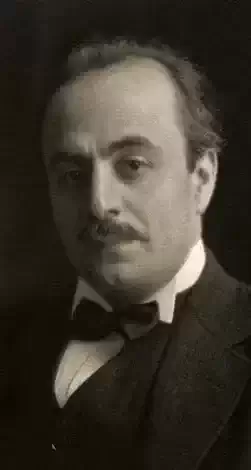
Khalil Gibran
Friendship IXX
Friendship IXX
And a youth said, "Speak to us of Friendship."
Your friend is your needs answered.
He is your field which you sow with love and reap with thanksgiving.
And he is your board and your fireside.
For you come to him with your hunger, and you seek him for peace.
When your friend speaks his mind you fear not the "nay" in your own mind, nor do you
withhold the "ay."
And when he is silent your heart ceases not to listen to his heart;
For without words, in friendship, all thoughts, all desires, all expectations are born and
shared, with joy that is unacclaimed.
When you part from your friend, you grieve not;
For that which you love most in him may be clearer in his absence, as the mountain to
the climber is clearer from the plain.
And let there be no purpose in friendship save the deepening of the spirit.
For love that seeks aught but the disclosure of its own mystery is not love but a net
cast forth: and only the unprofitable is caught.
And let your best be for your friend.
If he must know the ebb of your tide, let him know its flood also.
For what is your friend that you should seek him with hours to kill?
Seek him always with hours to live.
For it is his to fill your need, but not your emptiness.
And in the sweetness of friendship let there be laughter, and sharing of pleasures.
For in the dew of little things the heart finds its morning and is refreshed.
486
Khalil Gibran
Eating and Drinking chapter VI
Eating and Drinking chapter VI
Then an old man, a keeper of an inn, said, "Speak to us of Eating and Drinking."
And he said:
Would that you could live on the fragrance of the earth, and like an air plant be
sustained by the light.
But since you must kill to eat, and rob the young of its mother's milk to quench your
thirst, let it then be an act of worship,
And let your board stand an altar on which the pure and the innocent of forest and
plain are sacrificed for that which is purer and still more innocent in many.
When you kill a beast say to him in your heart,
"By the same power that slays you, I to am slain; and I too shall be consumed. For the
law that delivered you into my hand shall deliver me into a mightier hand.
Your blood and my blood is naught but the sap that feeds the tree of heaven."
And when you crush an apple with your teeth, say to it in your heart,
"Your seeds shall live in my body,
And the buds of your tomorrow shall blossom in my heart,
And your fragrance shall be my breath,
And together we shall rejoice through all the seasons."
And in the autumn, when you gather the grapes of your vineyard for the winepress,
say in you heart,
"I too am a vineyard, and my fruit shall be gathered for the winepress,
And like new wine I shall be kept in eternal vessels."
And in winter, when you draw the wine, let there be in your heart a song for each cup;
And let there be in the song a remembrance for the autumn days, and for the vineyard,
and for the winepress.
339
Khalil Gibran
Beauty XXV
Beauty XXV
And a poet said, "Speak to us of Beauty."
Where shall you seek beauty, and how shall you find her unless she herself be your
way and your guide?
And how shall you speak of her except she be the weaver of your speech?
The aggrieved and the injured say, "Beauty is kind and gentle.
Like a young mother half-shy of her own glory she walks among us."
And the passionate say, "Nay, beauty is a thing of might and dread.
Like the tempest she shakes the earth beneath us and the sky above us."
The tired and the weary say, "beauty is of soft whisperings. She speaks in our spirit.
Her voice yields to our silences like a faint light that quivers in fear of the shadow."
But the restless say, "We have heard her shouting among the mountains,
And with her cries came the sound of hoofs, and the beating of wings and the roaring
of lions."
At night the watchmen of the city say, "Beauty shall rise with the dawn from the east."
And at noontide the toilers and the wayfarers say, "we have seen her leaning over the
earth from the windows of the sunset."
In winter say the snow-bound, "She shall come with the spring leaping upon the hills."
And in the summer heat the reapers say, "We have seen her dancing with the autumn
leaves, and we saw a drift of snow in her hair."
All these things have you said of beauty.
Yet in truth you spoke not of her but of needs unsatisfied,
And beauty is not a need but an ecstasy.
It is not a mouth thirsting nor an empty hand stretched forth,
But rather a heart enflamed and a soul enchanted.
It is not the image you would see nor the song you would hear,
But rather an image you see though you close your eyes and a song you hear though
you shut your ears.
It is not the sap within the furrowed bark, nor a wing attached to a claw,
But rather a garden forever in bloom and a flock of angels for ever in flight.
People of Orphalese, beauty is life when life unveils her holy face.
But you are life and you are the veil.
Beauty is eternity gazing at itself in a mirror.
But you are eternity and you are the mirror.
364
Khalil Gibran
Sail your smile into the air; it will reach and enliven me!
Sail your smile into the air; it will reach and enliven me!
Breathe your fragrance into the air; it will sustain me!
Where are you, me beloved?
Oh, how great is Love!
And how little am I!
Breathe your fragrance into the air; it will sustain me!
Where are you, me beloved?
Oh, how great is Love!
And how little am I!
877
Khalil Gibran
A Poet's Death is His Life IV
A Poet's Death is His Life IV
The dark wings of night enfolded the city upon which Nature had spread a pure white
garment of snow; and men deserted the streets for their houses in search of warmth,
while the north wind probed in contemplation of laying waste the gardens. There in the
suburb stood an old hut heavily laden with snow and on the verge of falling. In a dark
recess of that hovel was a poor bed in which a dying youth was lying, staring at the
dim light of his oil lamp, made to flicker by the entering winds. He a man in the spring
of life who foresaw fully that the peaceful hour of freeing himself from the clutches of
life was fast nearing. He was awaiting Death's visit gratefully, and upon his pale face
appeared the dawn of hope; and on his lops a sorrowful smile; and in his eyes
forgiveness.
He was poet perishing from hunger in the city of living rich. He was placed in the
earthly world to enliven the heart of man with his beautiful and profound sayings. He
as noble soul, sent by the Goddess of Understanding to soothe and make gentle the
human spirit. But alas! He gladly bade the cold earth farewell without receiving a smile
from its strange occupants.
He was breathing his last and had no one at his bedside save the oil lamp, his only
companion, and some parchments upon which he had inscribed his heart's feeling. As
he salvaged the remnants of his withering strength he lifted his hands heavenward; he
moved his eyes hopelessly, as if wanting to penetrate the ceiling in order to see the
stars from behind the veil clouds.
And he said, "Come, oh beautiful Death; my soul is longing for you. Come close to me
and unfasten the irons life, for I am weary of dragging them. Come, oh sweet Death,
and deliver me from my neighbors who looked upon me as a stranger because I
interpret to them the language of the angels. Hurry, oh peaceful Death, and carry me
from these multitudes who left me in the dark corner of oblivion because I do not bleed
the weak as they do. Come, oh gentle Death, and enfold me under your white wings,
for my fellowmen are not in want of me. Embrace me, oh Death, full of love and
mercy; let your lips touch my lips which never tasted a mother's kiss, not touched a
sister's cheeks, not caresses a sweetheart's fingertips. Come and take me, by beloved
Death."
Then, at the bedside of the dying poet appeared an angel who possessed a
supernatural and divine beauty, holding in her hand a wreath of lilies. She embraced
him and closed his eyes so he could see no more, except with the eye of his spirit. She
impressed a deep and long and gently withdrawn kiss that left and eternal smile of
fulfillment upon his lips. Then the hovel became empty and nothing was lest save
parchments and papers which the poet had strewn with bitter futility.
Hundreds of years later, when the people of the city arose from the diseases slumber
of ignorance and saw the dawn of knowledge, they erected a monument in the most
beautiful garden of the city and celebrated a feast every year in honor of that poet,
whose writings had freed them. Oh, how cruel is man's ignorance!
353

Kazi Nazrul Islam
You Are So Handsome
You Are So Handsome
You are so handsome that I can't take my eye off you,
is that my crime?
The bird that cries beholding the moon doesn't bother the moon.
I watch the flower's gradual unfolding, but the flower
doesn't mind
Nor does the cloud when the admiring bird circles round it.
The sun-flower knows it will never get the sun, and yet
undismay'd
It watches its sovereign, it is content just watching
I've got the gift of vision so that I may see you,
you beautiful being
Let this wish of mine be realized, my dearest one.
[Original: Tumi shundor tai cheye thaki; Translation: Abu Rushd]
859
Kazi Nazrul Islam
You Burn Me in the Sorrow's Fire
You Burn Me in the Sorrow's Fire
However intensely you burn me in sorrow's fire.
If l am constantly burnt my heart will get purified and I will get closer to you.
After the drought shall I come the rain and
my heart will get touched by your kindness.
The drought will not remain and the dry tree
will again smile with flowers.
Once I've got your forehead's fire,
you beautiful one
I am sure to get the caressing Ganges' touch
the cool moon's feel.
Oh beneficent one! You remind me time and again
with the shock of a blow
You have thought of me again after all these days.
[Original: Tumi jotoi doho na; Translation: Abu Rushd]
522
Kazi Nazrul Islam
With the late Monsoon's light clouds
With the late Monsoon's light clouds
With the late Monsoon's light clouds wander my mind,
Toward Malabika's home along the Reva's lonely shore.
My mind is propelled by the lazy wind like a light-winged bird.
My pining darling cries alone her hair loosened,
Looking now at the cloud now at the river
Where the dark village-girl wipes her tears unseen,
Where alone my beloved sits by the window thither goes my mind.
[Original: Aj sraboner loghu megher; Translation: Abu Rushd]
554
Kazi Nazrul Islam
You are always in my thoughts
You are always in my thoughts
You are always in my thoughts, oh my Lord.
I vainly look for you outside my heart.
You dwell inside me like life like the soul
You laugh while I erect a temple and install an Idol there
Like the wind, like light you permeate the world
Like the perfume ofa flower you encompass one's Being.
You are mercurial you are formless
I constantly see the miracle you unveil.
I am a partner day and night in your hide and seek Game.
[Original: Antore tumi acho chirodin; Translation: Abu Rushd]
496
Kazi Nazrul Islam
Who walked out
Who walked out
O friend passer-by
I wake up forlorn,
longing to meet my friend from other land.
On flower-bed
I go out of my hearts
longing to meet him who walked out.
[Original: Pathik-bodhu; Translation: Mohammad Nurul Huda]
O friend passer-by
I wake up forlorn,
longing to meet my friend from other land.
On flower-bed
I go out of my hearts
longing to meet him who walked out.
[Original: Pathik-bodhu; Translation: Mohammad Nurul Huda]
484
Kazi Nazrul Islam
Why?
Why?
Why must a thorn
The flower adorn?
Why is a lotus born
With the prick of a thorn?
Why in these eyes
Must sorrowful tears lie?
Why must we have hearts When love departs?
Why instead of rain
The lightning's hound.
The swallows beckoned
Into the shadow of the cloud?
If the buds-appear,
Why must flowers wither;
Why the tinsel of calumny
The brow of moon must wear?
Thy the yearning for beauty must
Weep, entrapped in lust?
Would the cheek
Sans black mole
Look bleak?
In this thorny bower,
Oh poet paint your rosy picture.
Your abode lies
In the tears of your eyes.
578
Kazi Nazrul Islam
What a Fire
What a Fire
What a fire burns on, O confidante,
What a fire it is!
My eyes are filled with tears, O confidante
What a fire burns in my heart!
I went callous crazy, not forsaking the body,
on this moonface fell the shadow of my eclipsed love.
my heart swells up with waves of seven seas
What a fire bums on, what a fire it is!
[Original: Ki Anol jole go shoi; Translation: Mohammad Nurul Huda]
422
Kazi Nazrul Islam
Victoress
Victoress
O my queen
Today at last I accept defeat
My battle-flag lies at your feet
My immortal sword of victory
Is tired now and heavy.
I cosign to you the weight of it now,
I make my surrender a wreath round your brow.
O goddess of my life,
When you look at me with tears in your eyes,
Great world-conquering waves seem to roll and rise.
Today in my rebel's chariot of blood, you are the rider;
Your fluttering sari has become Heaven's border;
All my arrows are yours, your garland their quiver
Only by floating in your tears can I now be a conquerer.
[Translation: William Radice]
601
Kazi Nazrul Islam
Ting-A-Ling, Ting-A-Ling, Ting-A-Ling,
Ting-A-Ling, Ting-A-Ling, Ting-A-Ling,
Ting-a-ling, ting-a-ling, ting-a-ling,
Who goes there stepping over the date leaves
Raising a melodious jingling?
Her scarf flutters in the dancing wind,
Her steps scatter flowers on the rocky road.
As she trips gaily on
Her arched eyebrows sparkle like a sword,
And her feet kick tiny stones
Scattering them like a jewelled necklace.
She is pretty as the peach blossoms,
And even the young Eid-moon is in love with her.
It pines for her rosy cheeks.
She is a, mirage and a vision rare
Many a prince riding an Arab mare
Sought her in vain in Sahara's desert sands.
For her many a young traveller
Lost their lives in strange, far-off lands.
And, lured by her haunting charm,
Died, many a forest deer.
[Original: Rum jhum jhum jhum; Translation: Kabir Chowdhury]
542
Kazi Nazrul Islam
The War Drum
The War Drum
O come, come along!
There sounds the war-drum
from beyond the vast deep.
O come, come along!
Islam is about to die.
The devils have taken over,
they brag and rejoice,
they crush under their feet
the skulls of martyrs.
O come, come along! Die if you must,
but let not your manhood be disgraced!
Grab the crest of the gale
in the iron fist of a Muslim,
sound the horn and unfurl the flag.
The heroes are eager to fight,
listen not to the soft words of the cowards!
Your honour and life are at stake today!
O come, come along!
There sounds the war-drum
from beyond the vast deep.
O come, come along!
There you can hear the ringing of the weapons!
Alas, how can one stay away
and tolerate this disgrace?
O come, come along!
Your brothers look at you
with pensive eyes.
Oh, how ashamed it makes me feel!
Won't the sword flash out yet
in your hands?
Won't the flood in your veins
dance with joy
as you hear the war-drums beat?
O come, come along!
We are vigorous and full of life,
In our hands alone does the sword
find a fitting place!
Ignoble are they who fall in a faint
and kiss the ground with chains
around their neck. How dare a cur kick at a lion?
Will an elephant be moulded by a jackal?
There you can hear the ringing of the weapons
O come, come along!
There sound the war-drums, t
here sound the battle-cries!
There the lion-hearted heroes roar!
O come, come along!
Give up all sadness of the mind,
abandon your chest of wealth,
take up arms, and let your heart beat
with a noble rage!
O come, come along,
dance with joy, and fight for justice and truth!
come, brother, give up your life today
in the name of Allah!
See how the battle-cry of Faith
resound throughout the earth and the sky!
Hear the roars go up:
'No giving up today
Only taking over! '
Be ready now for the supreme sacrifice! .
Oh, all glory is about to disappear!
O come, come along!
There you can hear the ringing of the arms,
there you can hear the war-drums beat!
O come, come along!
Don your battle dress!
Will you hide your face in shame?
How far is the land
where everyday heroes celebrate
the festival of death
and spill gaily the blood of the foe?
Put on the attire of the brave
and rush to the land of those heroic people.
Today men of a captive land
go to secure the freedom of a free country!
O come, come along!
Say: Long live truth!
Long live the heroic and the noble!
Let the timids die!
As women hear the war-drums beat
they too laugh happily and clap their hands,
they too rush to the battle-field!
We want to fight!
We want to fight!
So beat the drum,
put your helmet on,
hold aloft the sword in your hand
For justice and truth we fight,
clad in crimson clothes are we!
O come, come along!
There sound the war-drums,
there they don the battle-dress!
O come, come along
There the bugler sounds the call for war
at the door of the seige,
there the canons break out in a song!
O come, come along!
There sound the war-drums,
there sound the battle-cries!
Come, raise your voice now
like the great Hazrat Ali's,
there is nothing to fear!
You will surely slay the false giant,
you will surely make truth prevail!
Have no fear as you march along
to kill your foe!
We are bold and fearless,
there is no timidity in our blood.
Holding high the standard of truth and justice
we shall destroy tile tyrants.
We are invincible,
we are full of love;
yet we can bear at ease our chest
before the sword!
The fighters are we,
we he long to the breed of real martyrs,
we gladly embrace death
fighting the tyrants.
Smilingly we receive the thrust
of the sword
On our breast.
We sing the victory of Freedom!
O come, come along!
There sound the war-drums
from beyond the vast deep! !
[Translation: Kabir Chowdhury]
O come, come along!
There sounds the war-drum
from beyond the vast deep.
O come, come along!
Islam is about to die.
The devils have taken over,
they brag and rejoice,
they crush under their feet
the skulls of martyrs.
O come, come along! Die if you must,
but let not your manhood be disgraced!
Grab the crest of the gale
in the iron fist of a Muslim,
sound the horn and unfurl the flag.
The heroes are eager to fight,
listen not to the soft words of the cowards!
Your honour and life are at stake today!
O come, come along!
There sounds the war-drum
from beyond the vast deep.
O come, come along!
There you can hear the ringing of the weapons!
Alas, how can one stay away
and tolerate this disgrace?
O come, come along!
Your brothers look at you
with pensive eyes.
Oh, how ashamed it makes me feel!
Won't the sword flash out yet
in your hands?
Won't the flood in your veins
dance with joy
as you hear the war-drums beat?
O come, come along!
We are vigorous and full of life,
In our hands alone does the sword
find a fitting place!
Ignoble are they who fall in a faint
and kiss the ground with chains
around their neck. How dare a cur kick at a lion?
Will an elephant be moulded by a jackal?
There you can hear the ringing of the weapons
O come, come along!
There sound the war-drums, t
here sound the battle-cries!
There the lion-hearted heroes roar!
O come, come along!
Give up all sadness of the mind,
abandon your chest of wealth,
take up arms, and let your heart beat
with a noble rage!
O come, come along,
dance with joy, and fight for justice and truth!
come, brother, give up your life today
in the name of Allah!
See how the battle-cry of Faith
resound throughout the earth and the sky!
Hear the roars go up:
'No giving up today
Only taking over! '
Be ready now for the supreme sacrifice! .
Oh, all glory is about to disappear!
O come, come along!
There you can hear the ringing of the arms,
there you can hear the war-drums beat!
O come, come along!
Don your battle dress!
Will you hide your face in shame?
How far is the land
where everyday heroes celebrate
the festival of death
and spill gaily the blood of the foe?
Put on the attire of the brave
and rush to the land of those heroic people.
Today men of a captive land
go to secure the freedom of a free country!
O come, come along!
Say: Long live truth!
Long live the heroic and the noble!
Let the timids die!
As women hear the war-drums beat
they too laugh happily and clap their hands,
they too rush to the battle-field!
We want to fight!
We want to fight!
So beat the drum,
put your helmet on,
hold aloft the sword in your hand
For justice and truth we fight,
clad in crimson clothes are we!
O come, come along!
There sound the war-drums,
there they don the battle-dress!
O come, come along
There the bugler sounds the call for war
at the door of the seige,
there the canons break out in a song!
O come, come along!
There sound the war-drums,
there sound the battle-cries!
Come, raise your voice now
like the great Hazrat Ali's,
there is nothing to fear!
You will surely slay the false giant,
you will surely make truth prevail!
Have no fear as you march along
to kill your foe!
We are bold and fearless,
there is no timidity in our blood.
Holding high the standard of truth and justice
we shall destroy tile tyrants.
We are invincible,
we are full of love;
yet we can bear at ease our chest
before the sword!
The fighters are we,
we he long to the breed of real martyrs,
we gladly embrace death
fighting the tyrants.
Smilingly we receive the thrust
of the sword
On our breast.
We sing the victory of Freedom!
O come, come along!
There sound the war-drums
from beyond the vast deep! !
[Translation: Kabir Chowdhury]
643