
Beauty
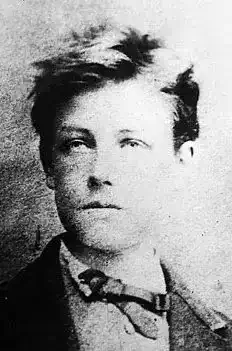
Arthur Rimbaud
Sun And Flesh (Credo In Unam)
Birth of Venus
I
The Sun, the hearth of affection and life,
Pours burning love on the delighted earth,
And when you lie down in the valley, you can smell
How the earth is nubile and very full-blooded;
How its huge breast, heaved up by a soul,
Is, like God, made of love, and, like woman, of flesh,
And that it contains, big with sap and with sunlight,
The vast pullulation of all embryos!
And everything grows, and everything rises!
-O Venus, O Goddess!
I long for the days of antique youth,
Of lascivious satyrs, and animal fauns,
Gods who bit, mad with love, the bark of the boughs,
And among water-lilies kissed the Nymph with fair hair!
I long for the time when the sap of the world,
River water, the rose-coloured blood of green trees
Put into the veins of Pan a whole universe!
When the earth trembled, green,beneath his goat-feet;
When, softly kissing the fair Syrinx, his lips formed
Under heaven the great hymn of love;
When, standing on the plain, he heard round about him
Living Nature answer his call;
When the silent trees cradling the singing bird,
Earth cradling mankind, and the whole blue Ocean,
And all living creatures loved, loved in God!
I long for the time of great Cybele,
Who was said to travel, gigantically lovely,
In a great bronze chariot, through splendid cities;
Her twin breasts poured, through the vast deeps,
The pure streams of infinite life.
Mankind sucked joyfully at her blessed nipple,
Like a small child playing on her knees.
-Because he was strong, Man was gentle and chaste.
Misfortune! Now he says: I understand things,
And goes about with eyes shut and ears closed.
-And again, no more gods! no more gods! Man is King,
Man is God! But the great faith is Love!
Oh! if only man still drew sustenance from your nipple,
Great mother of gods and of men, Cybele;
If only he had not forsaken immortal Astarte
Who long ago, rising in the tremendous brightness
Of blue waters, flower-flesh perfumed by the wave,
Showed her rosy navel, towards which the foam came snowing
And , being a goddess with the great conquering black eyes,
Made the nightingale sing in the woods and love in men's hearts!
The Birth of Venus
II
I believe! I believe in you! divine mother,
Sea-born Aphrodite! - Oh! the path is bitter
Since the other God harnessed us to his cross;
Flesh, Marble, Flower, Venus, in you I believe!
-yes, Man is sad and ugly, sad under the vast sky.
He possesses clothes, because he is no longer chaste,
Because he has defiled his proud, godlike head
And because he has bent, like an idol in the furnace,
His Olympian form towards base slaveries!
Yes, even after death, in the form of pale skeletons
He wishes to live and insult the original beauty!
-And the Idol in whom you placed such maidenhood,
Woman, in whom you rendered our clay divine,
So that Man might bring light into his poor soul
And slowly ascend, in unbounded love,
From the earthly prison to the beauty of day,
Woman no longer knows even how to be a Courtesan!
-It's a fine farce! and the world snickers
At the sweet and sacred name of great Venus!
III
If only the times which have come and gone might come again!
-For Man is finished! Man has played all the parts!
In the broad daylight, wearied with breaking idols
He will revive, free of all his gods,
And, since he is of heaven, he will scan the heavens!
The Ideal, that eternal, invincible thought, which is
All; The living god within his fleshly clay,
Will rise, mount, burn beneath his brow!
An when you see him plumbing the whole horizon,
Despising old yokes, and free from all fear,
You will come and give him holy Redemption!
-Resplendent, radiant, from the bosom of the huge seas
You will rise up and give to the vast Universe
Infinite Love with its eternal smile!
The World will vibrate like an immense lyre
In the trembling of an infinite kiss!
-The World thirsts for love: you will come and slake its thirst.
....................................................
O! Man has raised his free, proud head!
And the sudden blaze of primordial beauty
Makes the god quiver in the altar of the flesh!
Happy in the present good, pale from the ill suffered,
Man wishes to plumb all depths, - and know all things! Thought,
So long a jade, and for so long oppressed,
Springs from his forehead! She will know Why!...
Let her but gallop free, and Man will find Faith!
-Why the blue silence, unfathomable space?
Why the golden stars, teeming like sands?
If one ascended forever, what would one see up there?
Does a sheperd drive this enormous flock
Of worlds on a journey through this horror of space?
And do all these worlds contained in the vast ether,
tremble at the tones of an eternal voice?
-And Man, can he see? can he say: I believe?
Is the langage of thought anymore than a dream?
If man is born so quickly, if life is so short
Whence does he come? Does he sink into the deep Ocean
Of Germs, of Foetuses, of Embryos, to the bottom
of the huge Crucible where Nature the Mother
Will resuscitate him, a living creature,
To love in the rose and to grow in the corn?...
We cannot know! - We are weighed down
With a cloak of ignorance, hemmed in by chimaeras!
Men like apes, dropped from our mothers' wombs,
Our feeble reason hides the infinite from us!
We wish to perceive: - and Doubt punishes us!
Doubt, dismal bird, beat us down with its wing...
-And the horizon rushes away in endless flight!...
.......................................................
The vast heaven is open! the mysteries lie dead
Before erect Man, who folds his strong arms
Among the vast splendour of abundant Nature!
He sings... and the woods sing, the river murmurs
A song full of happiness which rises towards the light!...
-it is Redemption! it is love! it is love!...
IV
O splendour of flesh! O ideal splendour!
O renewal of love, triumphal dawn
When, prostrating the Gods and the Heroes,
White Callipyge and little Eros
Covered with the snow of rose petals, will caress
Women and flowers beneath their lovely outstretched feet!
-O great Ariadne who pour out your tears
On the shore, as you see, out there on the waves,
The sail of Theseus flying white under the sun,
O sweet virgin child whom a night has broken,
Be silent! On his golden chariot studded with black grapes,
Lysios, who has been drawn through Phrygian fields
By lascivious tigers and russet panthers,
Reddens the dark mosses along the blue rivers.
-Zeus, the Bull, cradles on his neck like a child
The nude body of Europa who throws her white arm
Round the God's muscular neck which shivers in the wave.
Slowly he turns his dreamy eye towards her;
She, droops her pale flowerlike cheek
On the brow of Zeus; her eyes are closed; she is dying
In a divine kiss, and the murmuring waters
Strew the flowers of their golden foam on her hair.
-Between the oleander and the gaudy lotus tree
Slips amorously the great dreaming Swan
Enfloding Leda in the whiteness of his wing;
-And while Cypris goes by, strangely beautiful,
And, arching the marvellous curves of her back,
Proudly displays the golden vision of her big breasts
And snowy belly embroidered with black moss,
-Hercules, Tamer of beasts, in his Strength,
Robes his huge body with the lion's skin as with glory
And faces the horizons, his brow terrible and sweet!
Vaguely lit by the summer moon,
Erect, naked, dreaming in her pallor of gold
Streaked by the heavy wave of her long blue hair,
In the shadowy glade whenre stars spring in the moss,
The Dryade gazes up at the silent sky...
-White Selene, timidly, lets her veil float,
Over the feet of beautiful Endymion,
And throws him a kiss in a pale beam...
-The Spring sobs far off in a long ectasy...
Ii is the nymph who dreams with one elbow on her urn,
Of the handsome white stripling her wave has pressed against.
-A soft wind of love has passed in the night,
And in the sacred woods, amid the standing hair of the great trees,
Erect in majesty, the shadowly Marbles,
The Gods, on whose brows the Bullfinch has his nest,
-the Gods listen to Men, and to the infinite World!
Original French
Soleil et Chair
I
Le Soleil, le foyer de tendresse et de vie,
Verse l'amour brûlant à la terre ravie,
Et, quand on est couché sur la vallée, on sent
Que la terre est nubile et déborde de sang ;
Que son immense sein, soulevé par une âme,
Est d'amour comme Dieu, de chair comme la femme,
Et qu'il renferme, gros de sève et de rayons,
Le grand fourmillement de tous les embryons !
Et tout croît, et tout monte !
spacespacespacespacespacespace- O Vénus, ô Déesse !
Je regrette les temps de l'antique jeunesse,
Des satyres lascifs, des faunes animaux,
Dieux qui mordaient d'amour l'écorce des rameaux
Et dans les nénuphars baisaient la Nymphe blonde !
Je regrette les temps où la sève du monde,
L'eau du fleuve, le sang rose des arbres verts
Dans les veines de Pan mettaient un univers !.
Où le sol palpitait, vert, sous ses pieds de chèvre ;
Où, baisant mollement le clair syrinx, sa lèvre
Modulait sous le ciel le grand hymne d'amour ;
Où, debout sur la plaine, il entendait autour
Répondre à son appel la Nature vivante ;
Où les arbres muets, berçant l'oiseau qui chante,
La terre berçant l'homme, et tout l'Océan bleu
Et tous les animaux aimaient, aimaient en Dieu !
Soleil et Chair, Suite
Je regrette les temps de la grande Cybèle
Qu'on disait parcourir, gigantesquement belle,
Sur un grand char d'airain, les splendides cités ;
Son double sein versait dans les immensités
Le pur ruissellement de la vie infinie.
L'Homme suçait, heureux, sa mamelle bénie,
Comme un petit enfant, jouant sur ses genoux.
-Parce qu'il était fort, l'Homme était chaste et doux.
Misère ! Maintenant il dit : Je sais les choses,
Et va, les yeux fermés et les oreille closes.
-Et pourtant, plus de dieux ! plus de dieux ! l'Homme est Roi,
L'Homme est Dieu ! Mais l'Amour, voilà la grande Foi !
Oh ! si l'homme puisait encore à ta mamelle,
Grande mère des dieux et des hommes, Cybèle ;
S'il n'avait pas laissé l'immortelle Astarté
Qui jadis, émergeant dans l'immense clarté
Des flots bleus, fleur de chair que la vague parfume,
Montra son nombril rose où vint neiger l'écume,
Et fit chanter, Déesse aux grands yeux noirs vainqueurs,
Le rossignol aux bois et l'amour dans les coeurs !
II
Je crois en toi ! Je crois en toi ! divine mère,
Aphrodite marine ! - Oh ! la route est amère
Depuis que l'autre Dieu nous attelle à sa croix ;
Chair, Marbre, Fleur, Vénus, c'est en toi que je crois !
-Oui, l'Homme est triste et laid, triste sous le ciel vaste,
Il a des vêtements, parce qu'il n'est plus chaste,
Parce qu'il a sali son fier buste de Dieu,
Et qu'il a rabougri, comme une idole au feu,
Son corps Olympien aux servitudes sales !
Oui, même après la mort, dans les squelettes pâles
Il veut vivre, insultant la première beauté !
-Et l'Idole où tu mis tant de virginité,
Où tu divinisas notre argile, la Femme,
Afin que l'Homme pût éclairer sa pauvre âme
Et monter lentement, dans un immense amour,
De la prison terrestre à la beauté du jour,
La Femme ne sait plus même être Courtisane !
-C'est une bonne farce ! et le monde ricane
Au nom doux et sacré de la grande Vénus !
III
Si les temps revenaient, les temps qui sont venus !
-Car l'Homme a fini ! l'Homme a joué tous les rôles !
Au grand jour, fatigué de briser des idoles
Il ressuscitera, libre de tous ses Dieux,
Et, comme il est du ciel, il scrutera les cieux !
L'idéal, la pensée invincible, éternelle,
Tout ; le dieu qui vit, sous son argile charnelle,
Montera, montera, brûlera sous son front !
Et quand tu le verras sonder tout l'horizon,
Contempteur des vieux jougs, libre de toute crainte,
Tu viendras lui donner la Rédemption sainte !
-Splendide, radieuse, au sein des grandes mers
Tu surgiras, jetant sur le vaste Univers
L'Amour infini dans un infini sourire !
Le Monde vibrera comme une immense lyre
Dans le frémissement d'un immense baiser
-Le Monde a soif d'amour : tu viendras l'apaiser.
IV
O splendeur de la chair ! ô splendeur idéale !
O renouveau d'amour, aurore triomphale
Où, courbant à leurs pieds les Dieux et les Héros,
Kallipyge la blanche et le petit Éros
Effleureront, couverts de la neige des roses,
Les femmes et les fleurs sous leurs beaux pieds écloses !
-O grande Ariadné, qui jette tes sanglots
Sur la rive, en voyant fuir là-bas sur les flots
Blanche sous le soleil, la voile de Thésée,
O douce vierge enfant qu'une nuit a brisée,
Tais-toi ! Sur son char d'or brodé de noirs raisins,
Lysios, promené dans les champs Phrygiens
Par les tigres lascifs et les panthères rousses,
Le long des fleuves bleus rougit les sombres mousses.
-Zeus, Taureau, sur son cou berce comme une enfant
Le corps nu d'Europé, qui jette son bras blanc
Au cou nerveux du Dieu frissonnant dans la vague
Il tourne lentement vers elle son oeil vague ;
Elle, laisse traîner sa pâle joue en fleur
Au front de Zeus ; ses yeux sont fermés ; elle meurt
Dans un divin baiser, et le flot qui murmure
De son écume d'or fleurit sa chevelure.
-Entre le laurier-rose et le lotus jaseur
Glisse amoureusement le grand Cygne rêveur
Embrassant la Léda des blancheurs de son aile ;
-Et tandis que Cypris passe, étrangement belle,
Et, cambrant les rondeurs splendides de ses reins,
Étale fièrement l'or de ses larges seins
Et son ventre neigeux brodé de mousse noire,
-Héraclès, le Dompteur, qui, comme d'une gloire
Fort, ceint son vaste corps de la peau du lion,
S'avance, front terrible et doux, à l'horizon !
Par la lune d'été vaguement éclairée,
Debout, nue, et rêvant dans sa pâleur dorée
Que tache le flot lourd de ses longs cheveux bleus,
Dans la clairière sombre, où la mousse s'étoile,
La Dryade regarde au ciel silencieux....
-La blanche Séléné laisse flotter son voile,
Craintive, sur les pieds du bel Endymion,
Et lui jette un baiser dans un pâle rayon...
-La Source pleure au loin dans une longue extase...
C'est la nymphe qui rêve, un coude sur son vase,
Au beau jeune homme blanc que son onde a pressé.
-Une brise d'amour dans la nuit a passé,
Et, dans les bois sacrés, dans l'horreur des grands arbres,
Majestueusement debout, les sombres Marbres,
Les Dieux, au front desquels le Bouvreuil fait son nid,
-Les Dieux écoutent l'homme et le Monde infini !
I
The Sun, the hearth of affection and life,
Pours burning love on the delighted earth,
And when you lie down in the valley, you can smell
How the earth is nubile and very full-blooded;
How its huge breast, heaved up by a soul,
Is, like God, made of love, and, like woman, of flesh,
And that it contains, big with sap and with sunlight,
The vast pullulation of all embryos!
And everything grows, and everything rises!
-O Venus, O Goddess!
I long for the days of antique youth,
Of lascivious satyrs, and animal fauns,
Gods who bit, mad with love, the bark of the boughs,
And among water-lilies kissed the Nymph with fair hair!
I long for the time when the sap of the world,
River water, the rose-coloured blood of green trees
Put into the veins of Pan a whole universe!
When the earth trembled, green,beneath his goat-feet;
When, softly kissing the fair Syrinx, his lips formed
Under heaven the great hymn of love;
When, standing on the plain, he heard round about him
Living Nature answer his call;
When the silent trees cradling the singing bird,
Earth cradling mankind, and the whole blue Ocean,
And all living creatures loved, loved in God!
I long for the time of great Cybele,
Who was said to travel, gigantically lovely,
In a great bronze chariot, through splendid cities;
Her twin breasts poured, through the vast deeps,
The pure streams of infinite life.
Mankind sucked joyfully at her blessed nipple,
Like a small child playing on her knees.
-Because he was strong, Man was gentle and chaste.
Misfortune! Now he says: I understand things,
And goes about with eyes shut and ears closed.
-And again, no more gods! no more gods! Man is King,
Man is God! But the great faith is Love!
Oh! if only man still drew sustenance from your nipple,
Great mother of gods and of men, Cybele;
If only he had not forsaken immortal Astarte
Who long ago, rising in the tremendous brightness
Of blue waters, flower-flesh perfumed by the wave,
Showed her rosy navel, towards which the foam came snowing
And , being a goddess with the great conquering black eyes,
Made the nightingale sing in the woods and love in men's hearts!
The Birth of Venus
II
I believe! I believe in you! divine mother,
Sea-born Aphrodite! - Oh! the path is bitter
Since the other God harnessed us to his cross;
Flesh, Marble, Flower, Venus, in you I believe!
-yes, Man is sad and ugly, sad under the vast sky.
He possesses clothes, because he is no longer chaste,
Because he has defiled his proud, godlike head
And because he has bent, like an idol in the furnace,
His Olympian form towards base slaveries!
Yes, even after death, in the form of pale skeletons
He wishes to live and insult the original beauty!
-And the Idol in whom you placed such maidenhood,
Woman, in whom you rendered our clay divine,
So that Man might bring light into his poor soul
And slowly ascend, in unbounded love,
From the earthly prison to the beauty of day,
Woman no longer knows even how to be a Courtesan!
-It's a fine farce! and the world snickers
At the sweet and sacred name of great Venus!
III
If only the times which have come and gone might come again!
-For Man is finished! Man has played all the parts!
In the broad daylight, wearied with breaking idols
He will revive, free of all his gods,
And, since he is of heaven, he will scan the heavens!
The Ideal, that eternal, invincible thought, which is
All; The living god within his fleshly clay,
Will rise, mount, burn beneath his brow!
An when you see him plumbing the whole horizon,
Despising old yokes, and free from all fear,
You will come and give him holy Redemption!
-Resplendent, radiant, from the bosom of the huge seas
You will rise up and give to the vast Universe
Infinite Love with its eternal smile!
The World will vibrate like an immense lyre
In the trembling of an infinite kiss!
-The World thirsts for love: you will come and slake its thirst.
....................................................
O! Man has raised his free, proud head!
And the sudden blaze of primordial beauty
Makes the god quiver in the altar of the flesh!
Happy in the present good, pale from the ill suffered,
Man wishes to plumb all depths, - and know all things! Thought,
So long a jade, and for so long oppressed,
Springs from his forehead! She will know Why!...
Let her but gallop free, and Man will find Faith!
-Why the blue silence, unfathomable space?
Why the golden stars, teeming like sands?
If one ascended forever, what would one see up there?
Does a sheperd drive this enormous flock
Of worlds on a journey through this horror of space?
And do all these worlds contained in the vast ether,
tremble at the tones of an eternal voice?
-And Man, can he see? can he say: I believe?
Is the langage of thought anymore than a dream?
If man is born so quickly, if life is so short
Whence does he come? Does he sink into the deep Ocean
Of Germs, of Foetuses, of Embryos, to the bottom
of the huge Crucible where Nature the Mother
Will resuscitate him, a living creature,
To love in the rose and to grow in the corn?...
We cannot know! - We are weighed down
With a cloak of ignorance, hemmed in by chimaeras!
Men like apes, dropped from our mothers' wombs,
Our feeble reason hides the infinite from us!
We wish to perceive: - and Doubt punishes us!
Doubt, dismal bird, beat us down with its wing...
-And the horizon rushes away in endless flight!...
.......................................................
The vast heaven is open! the mysteries lie dead
Before erect Man, who folds his strong arms
Among the vast splendour of abundant Nature!
He sings... and the woods sing, the river murmurs
A song full of happiness which rises towards the light!...
-it is Redemption! it is love! it is love!...
IV
O splendour of flesh! O ideal splendour!
O renewal of love, triumphal dawn
When, prostrating the Gods and the Heroes,
White Callipyge and little Eros
Covered with the snow of rose petals, will caress
Women and flowers beneath their lovely outstretched feet!
-O great Ariadne who pour out your tears
On the shore, as you see, out there on the waves,
The sail of Theseus flying white under the sun,
O sweet virgin child whom a night has broken,
Be silent! On his golden chariot studded with black grapes,
Lysios, who has been drawn through Phrygian fields
By lascivious tigers and russet panthers,
Reddens the dark mosses along the blue rivers.
-Zeus, the Bull, cradles on his neck like a child
The nude body of Europa who throws her white arm
Round the God's muscular neck which shivers in the wave.
Slowly he turns his dreamy eye towards her;
She, droops her pale flowerlike cheek
On the brow of Zeus; her eyes are closed; she is dying
In a divine kiss, and the murmuring waters
Strew the flowers of their golden foam on her hair.
-Between the oleander and the gaudy lotus tree
Slips amorously the great dreaming Swan
Enfloding Leda in the whiteness of his wing;
-And while Cypris goes by, strangely beautiful,
And, arching the marvellous curves of her back,
Proudly displays the golden vision of her big breasts
And snowy belly embroidered with black moss,
-Hercules, Tamer of beasts, in his Strength,
Robes his huge body with the lion's skin as with glory
And faces the horizons, his brow terrible and sweet!
Vaguely lit by the summer moon,
Erect, naked, dreaming in her pallor of gold
Streaked by the heavy wave of her long blue hair,
In the shadowy glade whenre stars spring in the moss,
The Dryade gazes up at the silent sky...
-White Selene, timidly, lets her veil float,
Over the feet of beautiful Endymion,
And throws him a kiss in a pale beam...
-The Spring sobs far off in a long ectasy...
Ii is the nymph who dreams with one elbow on her urn,
Of the handsome white stripling her wave has pressed against.
-A soft wind of love has passed in the night,
And in the sacred woods, amid the standing hair of the great trees,
Erect in majesty, the shadowly Marbles,
The Gods, on whose brows the Bullfinch has his nest,
-the Gods listen to Men, and to the infinite World!
Original French
Soleil et Chair
I
Le Soleil, le foyer de tendresse et de vie,
Verse l'amour brûlant à la terre ravie,
Et, quand on est couché sur la vallée, on sent
Que la terre est nubile et déborde de sang ;
Que son immense sein, soulevé par une âme,
Est d'amour comme Dieu, de chair comme la femme,
Et qu'il renferme, gros de sève et de rayons,
Le grand fourmillement de tous les embryons !
Et tout croît, et tout monte !
spacespacespacespacespacespace- O Vénus, ô Déesse !
Je regrette les temps de l'antique jeunesse,
Des satyres lascifs, des faunes animaux,
Dieux qui mordaient d'amour l'écorce des rameaux
Et dans les nénuphars baisaient la Nymphe blonde !
Je regrette les temps où la sève du monde,
L'eau du fleuve, le sang rose des arbres verts
Dans les veines de Pan mettaient un univers !.
Où le sol palpitait, vert, sous ses pieds de chèvre ;
Où, baisant mollement le clair syrinx, sa lèvre
Modulait sous le ciel le grand hymne d'amour ;
Où, debout sur la plaine, il entendait autour
Répondre à son appel la Nature vivante ;
Où les arbres muets, berçant l'oiseau qui chante,
La terre berçant l'homme, et tout l'Océan bleu
Et tous les animaux aimaient, aimaient en Dieu !
Soleil et Chair, Suite
Je regrette les temps de la grande Cybèle
Qu'on disait parcourir, gigantesquement belle,
Sur un grand char d'airain, les splendides cités ;
Son double sein versait dans les immensités
Le pur ruissellement de la vie infinie.
L'Homme suçait, heureux, sa mamelle bénie,
Comme un petit enfant, jouant sur ses genoux.
-Parce qu'il était fort, l'Homme était chaste et doux.
Misère ! Maintenant il dit : Je sais les choses,
Et va, les yeux fermés et les oreille closes.
-Et pourtant, plus de dieux ! plus de dieux ! l'Homme est Roi,
L'Homme est Dieu ! Mais l'Amour, voilà la grande Foi !
Oh ! si l'homme puisait encore à ta mamelle,
Grande mère des dieux et des hommes, Cybèle ;
S'il n'avait pas laissé l'immortelle Astarté
Qui jadis, émergeant dans l'immense clarté
Des flots bleus, fleur de chair que la vague parfume,
Montra son nombril rose où vint neiger l'écume,
Et fit chanter, Déesse aux grands yeux noirs vainqueurs,
Le rossignol aux bois et l'amour dans les coeurs !
II
Je crois en toi ! Je crois en toi ! divine mère,
Aphrodite marine ! - Oh ! la route est amère
Depuis que l'autre Dieu nous attelle à sa croix ;
Chair, Marbre, Fleur, Vénus, c'est en toi que je crois !
-Oui, l'Homme est triste et laid, triste sous le ciel vaste,
Il a des vêtements, parce qu'il n'est plus chaste,
Parce qu'il a sali son fier buste de Dieu,
Et qu'il a rabougri, comme une idole au feu,
Son corps Olympien aux servitudes sales !
Oui, même après la mort, dans les squelettes pâles
Il veut vivre, insultant la première beauté !
-Et l'Idole où tu mis tant de virginité,
Où tu divinisas notre argile, la Femme,
Afin que l'Homme pût éclairer sa pauvre âme
Et monter lentement, dans un immense amour,
De la prison terrestre à la beauté du jour,
La Femme ne sait plus même être Courtisane !
-C'est une bonne farce ! et le monde ricane
Au nom doux et sacré de la grande Vénus !
III
Si les temps revenaient, les temps qui sont venus !
-Car l'Homme a fini ! l'Homme a joué tous les rôles !
Au grand jour, fatigué de briser des idoles
Il ressuscitera, libre de tous ses Dieux,
Et, comme il est du ciel, il scrutera les cieux !
L'idéal, la pensée invincible, éternelle,
Tout ; le dieu qui vit, sous son argile charnelle,
Montera, montera, brûlera sous son front !
Et quand tu le verras sonder tout l'horizon,
Contempteur des vieux jougs, libre de toute crainte,
Tu viendras lui donner la Rédemption sainte !
-Splendide, radieuse, au sein des grandes mers
Tu surgiras, jetant sur le vaste Univers
L'Amour infini dans un infini sourire !
Le Monde vibrera comme une immense lyre
Dans le frémissement d'un immense baiser
-Le Monde a soif d'amour : tu viendras l'apaiser.
IV
O splendeur de la chair ! ô splendeur idéale !
O renouveau d'amour, aurore triomphale
Où, courbant à leurs pieds les Dieux et les Héros,
Kallipyge la blanche et le petit Éros
Effleureront, couverts de la neige des roses,
Les femmes et les fleurs sous leurs beaux pieds écloses !
-O grande Ariadné, qui jette tes sanglots
Sur la rive, en voyant fuir là-bas sur les flots
Blanche sous le soleil, la voile de Thésée,
O douce vierge enfant qu'une nuit a brisée,
Tais-toi ! Sur son char d'or brodé de noirs raisins,
Lysios, promené dans les champs Phrygiens
Par les tigres lascifs et les panthères rousses,
Le long des fleuves bleus rougit les sombres mousses.
-Zeus, Taureau, sur son cou berce comme une enfant
Le corps nu d'Europé, qui jette son bras blanc
Au cou nerveux du Dieu frissonnant dans la vague
Il tourne lentement vers elle son oeil vague ;
Elle, laisse traîner sa pâle joue en fleur
Au front de Zeus ; ses yeux sont fermés ; elle meurt
Dans un divin baiser, et le flot qui murmure
De son écume d'or fleurit sa chevelure.
-Entre le laurier-rose et le lotus jaseur
Glisse amoureusement le grand Cygne rêveur
Embrassant la Léda des blancheurs de son aile ;
-Et tandis que Cypris passe, étrangement belle,
Et, cambrant les rondeurs splendides de ses reins,
Étale fièrement l'or de ses larges seins
Et son ventre neigeux brodé de mousse noire,
-Héraclès, le Dompteur, qui, comme d'une gloire
Fort, ceint son vaste corps de la peau du lion,
S'avance, front terrible et doux, à l'horizon !
Par la lune d'été vaguement éclairée,
Debout, nue, et rêvant dans sa pâleur dorée
Que tache le flot lourd de ses longs cheveux bleus,
Dans la clairière sombre, où la mousse s'étoile,
La Dryade regarde au ciel silencieux....
-La blanche Séléné laisse flotter son voile,
Craintive, sur les pieds du bel Endymion,
Et lui jette un baiser dans un pâle rayon...
-La Source pleure au loin dans une longue extase...
C'est la nymphe qui rêve, un coude sur son vase,
Au beau jeune homme blanc que son onde a pressé.
-Une brise d'amour dans la nuit a passé,
Et, dans les bois sacrés, dans l'horreur des grands arbres,
Majestueusement debout, les sombres Marbres,
Les Dieux, au front desquels le Bouvreuil fait son nid,
-Les Dieux écoutent l'homme et le Monde infini !
1,104

William Wordsworth
I Wandered Lonely as a Cloud
I wandered lonely as a cloud
That floats on high o'er vales and hills,
When all at once I saw a crowd,
A host, of golden daffodils;
Beside the lake, beneath the trees,
Fluttering and dancing in the breeze.
Continuous as the stars that shine
And twinkle on the milky way,
They stretched in never-ending line
Along the margin of a bay:
Ten thousand saw I at a glance,
Tossing their heads in sprightly dance.
The waves beside them danced; but they
Out-did the sparkling waves in glee:
A poet could not but be gay,
In such a jocund company:
I gazed---and gazed---but little thought
What wealth the show to me had brought:
For oft, when on my couch I lie
In vacant or in pensive mood,
They flash upon that inward eye
Which is the bliss of solitude;
And then my heart with pleasure fills,
And dances with the daffodils.
1,089
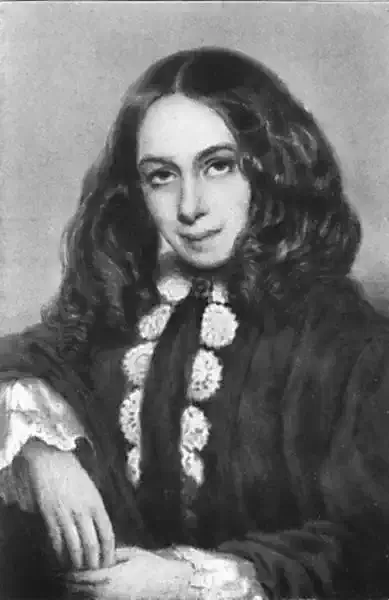
Elizabeth Barrett Browning
Sonnet XXXVIII: First Time He Kissed Me
First time he kissed me, he but only kissed
The finger of this hand wherewith I write;
And ever since, it grew more clean and white,
Slow to world-greetings, quick with its "Oh, list,"
When the angels speak. A ring of amethyst
I could not wear here, plainer to my sight,
Than that first kiss. The second passed in height
The first, and sought the forehead, and half missed,
Half falling on the hair. O beyond meed!
That was the chrism of love, which love's own crown,
With sanctifying sweetness, did precede.
The third upon my lips was folded down
In perfect, purple state; since when, indeed,
I have been proud and said, "My love, my own."
1,040
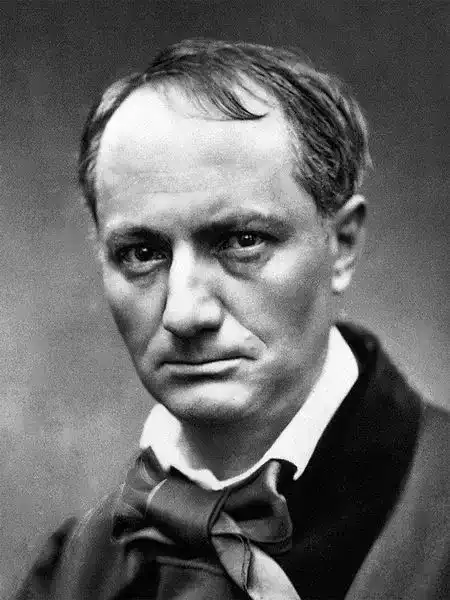
Charles Baudelaire
The Carcass
Remember that object we saw, dear soul,
In the sweetness of a summer morn:
At a bend of the path a loathsome carrion
On a bed with pebbles strewn,
With legs raised like a lustful woman,
Burning and sweating poisons,
It spread open, nonchalant and scornful,
Its belly, ripe with exhalations.
The sun shone onto the rotting heap,
As if to bring it to the boil,
And tender a hundredfold to vast Nature
All that together she had joined;
And the sky watched that superb carcass
Like a flower blossom out.
The stench was so strong that on the grass
You thought you would pass out.
Flies hummed upon the putrid belly,
Whence larvae in black battalions spread
And like a heavy liquid flowed
Along the tatters deliquescing.
All together it unfurled, and rose like a wave
And bubbling it sprang forth;
One might have believed that, with a faint breath filled,
The body, multiplying, lived.
And this world gave out a strange music
Like of running water and of wind,
Or of grain in a winnow
Rhythmically shaken and tossed.
Form was erased and all but a vision,
A sketch slow to take shape
On a forgotten canvas, which the artist finishes
From memory alone.
Behind the rocks a fretting bitch
Looked at us with fierce mien
Anxious to retrieve from the corpse
A morsel that she had dropped.
Yet to this rot you shall be like,
To this horrid corruption,
Star of my eyes, sun of desire,
You, my angel and my passion!
Yes, such you shall be, you, queen of all graces,
After the last sacraments,
When you go beneath the grass and waxy flowers,
To mold among the skeletons.
Then, oh my beauty! You must tell the vermin,
As it eats you up with kisses,
That I have preserved the form and essence divine
Of my decayed loves.
966

Walter de la Mare
Silver
Slowly, silently, now the moon
Walks the night in her silver shoon;
This way, and that, she peers, and sees
Silver fruit upon silver trees;
One by one the casements catch
Her beams beneath the silvery thatch;
Couched in his kennel, like a log,
With paws of silver sleeps the dog;
From their shadowy cote the white breasts peep
Of doves in silver feathered sleep
A harvest mouse goes scampering by,
With silver claws, and silver eye;
And moveless fish in the water gleam,
By silver reeds in a silver stream.
1,027
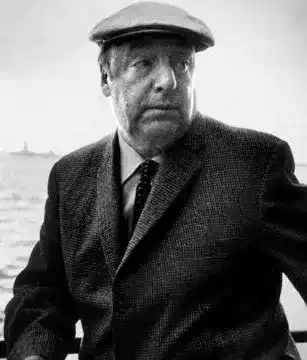
Pablo Neruda
A Lemon
Out of lemon flowers
loosed
on the moonlight, love's
lashed and insatiable
essences,
sodden with fragrance,
the lemon tree's yellow
emerges,
the lemons
move down
from the tree's planetarium
Delicate merchandise!
The harbors are big with itbazaars
for the light and the
barbarous gold.
We open
the halves
of a miracle,
and a clotting of acids
brims
into the starry
divisions:
creation's
original juices,
irreducible, changeless,
alive:
so the freshness lives on
in a lemon,
in the sweet-smelling house of the rind,
the proportions, arcane and acerb.
Cutting the lemon
the knife
leaves a little cathedral:
alcoves unguessed by the eye
that open acidulous glass
to the light; topazes
riding the droplets,
altars,
aromatic facades.
So, while the hand
holds the cut of the lemon,
half a world
on a trencher,
the gold of the universe
wells
to your touch:
a cup yellow
with miracles,
a breast and a nipple
perfuming the earth;
a flashing made fruitage,
the diminutive fire of a planet.
986

John Keats
Sonnet To Byron
Byron! how sweetly sad thy melody!
Attuning still the soul to tenderness,
As if soft Pity, with unusual stress,
Had touch'd her plaintive lute, and thou, being by,
Hadst caught the tones, nor suffer'd them to die.
O'ershadowing sorrow doth not make thee less
Delightful: thou thy griefs dost dress
With a bright halo, shining beamily,
As when a cloud the golden moon doth veil,
Its sides are ting'd with a resplendent glow,
Through the dark robe oft amber rays prevail,
And like fair veins in sable marble flow;
Still warble, dying swan! still tell the tale,
The enchanting tale, the tale of pleasing woe.
964

William Shakespeare
Sonnet 94: They that have power to hurt and will do none
They that have power to hurt and will do none,
That do not do the thing, they most do show,
Who, moving others, are themselves as stone,
Unmovèd, cold, and to temptation slow,
They rightly do inherit heaven's graces,
And husband nature's riches from expense;
They are the lords and owners of their faces,
Others, but stewards of their excellence.
The summer's flower is to the summer sweet,
Though to itself, it only live and die,
But if that flower with base infection meet,
The basest weed outbraves his dignity.
For sweetest things turn sourest by their deeds;
Lilies that fester smell far worse than weeds.
985
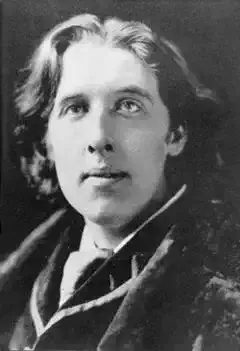
Oscar Wilde
Canzonet
I have no store
Of gryphon-guarded gold;
Now, as before,
Bare is the shepherd's fold.
Rubies nor pearls
Have I to gem thy throat;
Yet woodland girls
Have loved the shepherd's note.
Then pluck a reed
And bid me sing to thee,
For I would feed
Thine ears with melody,
Who art more fair
Than fairest fleur-de-lys,
More sweet and rare
Than sweetest ambergris.
What dost thou fear?
Young Hyacinth is slain,
Pan is not here,
And will not come again.
No horned Faun
Treads down the yellow leas,
No God at dawn
Steals through the olive trees.
Hylas is dead,
Nor will he e'er divine
Those little red
Rose-petalled lips of thine.
On the high hill
No ivory dryads play,
Silver and still
Sinks the sad autumn day.
958
Charles Baudelaire
Afternoon Song
Though your wicked eyebrows call
Your nature into question
(Unangelic's their suggestion,
Witch whose eyes enthrall)
I adore you still
O foolish terrible emotion
Kneeling in devotion
As a priest to his idol will.
Your undone braids conceal
Desert, forest scents,
In your exotic countenance
Lie secrets unrevealed.
Over your flesh perfume drifts
Like incense 'round a censor,
Tantalizing dispenser
Of evening's ardent gifts.
No Philtres could compete
With your potent idleness:
You've mastered the caress
That raises dead me to their feet.
Your hips themselves are romanced
By your back and by your breasts:
By your languid dalliance.
Now and then, your appetite's
Uncontrolled, unassuaged:
Mysteriously enraged,
You kiss me and you bite.
Dark one, I am torn
By your savage ways,
Then, soft as the moon, your gaze
Sees my tortured heart reborn.
Beneath your satin shoe,
Beneath your charming silken foot.
My greatest joy I put
My genius and destiny, too.
You bring my spirit back,
Bringer of the light.
Exploding color in the night
Of my Siberia so black.
1,035
Oscar Wilde
Apologia
Is it thy will that I should wax and wane,
Barter my cloth of gold for hodden grey,
And at thy pleasure weave that web of pain
Whose brightest threads are each a wasted day?
Is it thy will - Love that I love so well -
That my Soul's House should be a tortured spot
Wherein, like evil paramours, must dwell
The quenchless flame, the worm that dieth not?
Nay, if it be thy will I shall endure,
And sell ambition at the common mart,
And let dull failure be my vestiture,
And sorrow dig its grave within my heart.
Perchance it may be better so - at least
I have not made my heart a heart of stone,
Nor starved my boyhood of its goodly feast,
Nor walked where Beauty is a thing unknown.
Many a man hath done so; sought to fence
In straitened bonds the soul that should be free,
Trodden the dusty road of common sense,
While all the forest sang of liberty,
Not marking how the spotted hawk in flight
Passed on wide pinion through the lofty air,
To where some steep untrodden mountain height
Caught the last tresses of the Sun God's hair.
Or how the little flower he trod upon,
The daisy, that white-feathered shield of gold,
Followed with wistful eyes the wandering sun
Content if once its leaves were aureoled.
But surely it is something to have been
The best beloved for a little while,
To have walked hand in hand with Love, and seen
His purple wings flit once across thy smile.
Ay! though the gorged asp of passion feed
On my boy's heart, yet have I burst the bars,
Stood face to face with Beauty, known indeed
The Love which moves the Sun and all the stars!
996
William Shakespeare
Sonnet 98: From you have I been absent in the spring
From you have I been absent in the spring,
When proud-pied April, dressed in all his trim,
Hath put a spirit of youth in every thing,
That heavy Saturn laughed and leaped with him.
Yet nor the lays of birds, nor the sweet smell
Of different flowers in odour and in hue
Could make me any summer's story tell,
Or from their proud lap pluck them where they grew.
Nor did I wonder at the lily's white,
Nor praise the deep vermilion in the rose;
They were but sweet, but figures of delight
Drawn after you, you pattern of all those.
Yet seemed it winter still, and you away,
As with your shadow I with these did play.
975
William Wordsworth
To The Daisy
IN youth from rock to rock I went
From hill to hill in discontent
Of pleasure high and turbulent,
Most pleased when most uneasy;
But now my own delights I make,---
Thirst at every rill can slake,
And gladly Nature's love partake,
Of Thee, sweet Daisy!
Thee Winter in the garland wears
That thinly decks his few gray hairs;
Spring parts the clouds with softest airs,
That she may sun thee;
Whole Summer-fields are thine by right;
And Autumn, melancholy Wight!
Doth in thy crimson head delight
When rains are on thee.
In shoals and bands, a morrice train,
Thou greet'st the traveller in the lane;
Pleased at his greeting thee again;
Yet nothing daunted,
Nor grieved if thou be set at nought:
And oft alone in nooks remote
We meet thee, like a pleasant thought,
When such are wanted.
Be violets in their secret mews
The flowers the wanton Zephyrs choose;
Proud be the rose, with rains and dew
Her head impearling,
Thou liv'st with less ambitious aim,
Yet hast not gone without thy fame;
Thou art indeed by many a claim
The Poet's darling.
If to a rock from rain he fly,
Or, some bright day of April sky,
Imprisoned by hot sunshine lie
Near the green holly,
And wearily at length should fare;
He need but look about, and there
Thou art!---a friend at hand, to care
His melancholy.
A hundred times, by rock or bower,
Ere thus I have lain couched an hour,
Have I derived from thy sweet power
Some apprehension
Some steady love; some brief delight;
Some memory that had taken flight;
Some chime of fancy wrong or right;
Of stray invention.
If stately passions in me burn,
And one chance look to Thee should turn,
I drink out of an humbler urn
A lowlier pleasure;
The homely sympathy that heeds
The common life, our nature breeds;
A wisdom fitted to the needs
Of hearts at leisure.
Fresh-smitten by the morning ray,
When thou art up, alert and gay,
Then, cheerful Flower! my spirits play
With kindred gladness:
And when, at dusk, by dews opprest
Thou sink'st, the image of thy rest
Hath often eased my pensive breast
Of careful sadness.
And all day long I number yet,
All seasons through, another debt,
Which I, wherever thou art met,
To thee am owing;
An instinct call it, a blind sense;
A happy, genial influence,
Coming one knows not how, nor whence,
Nor whither going.
Child of the Year! that round dost run
Thy pleasant course,---when day's begun
As ready to salute the sun
As lark or leveret,
Thy long-lost praise thou shalt regain;
Nor be less dear to future men
Than in old time;---thou not in vain
Art Nature's favourite.
1,019
Oscar Wilde
Impression De Voyage
The sea was sapphire coloured, and the sky
Burned like a heated opal through the air;
We hoisted sail; the wind was blowing fair
For the blue lands that to the eastward lie.
From the steep prow I marked with quickening eye
Zakynthos, every olive grove and creek,
Ithaca's cliff, Lycaon's snowy peak,
And all the flower-strewn hills of Arcady.
The flapping of the sail against the mast,
The ripple of the water on the side,
The ripple of girls' laughter at the stern,
The only sounds:- when 'gan the West to burn,
And a red sun upon the seas to ride,
I stood upon the soil of Greece at last!
KATAKOLO.
906
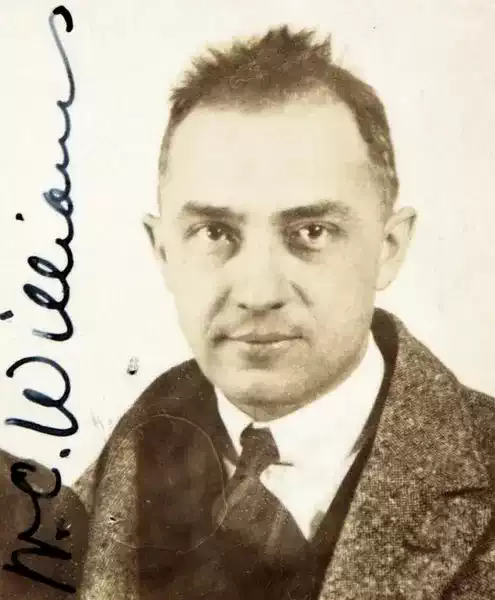
William Carlos Williams
The Red Wheelbarrow
so much depends
upon
a red wheel
barrow
glazed with rain
water
beside the white
chickens.
upon
a red wheel
barrow
glazed with rain
water
beside the white
chickens.
932
Oscar Wilde
Holy Week at Genoa
I wandered through Scoglietto's far retreat,
The oranges on each o'erhanging spray
Burned as bright lamps of gold to shame the day;
Some startled bird with fluttering wings and fleet
Made snow of all the blossoms; at my feet
Like silver moons the pale narcissi lay:
And the curved waves that streaked the great green bay
Laughed i' the sun, and life seemed very sweet.
Outside the young boy-priest passed singing clear,
'Jesus the son of Mary has been slain,
O come and fill His sepulchre with flowers.'
Ah, God! Ah, God! those dear Hellenic hours
Had drowned all memory of Thy bitter pain,
The Cross, the Crown, the Soldiers and the Spear.
914

Alfred Lord Tennyson
Come down, O Maid
COME down, O maid, from yonder mountain height:
What pleasure lives in height (the shepherd sang),
In height and cold, the splendour of the hills?
But cease to move so near the Heavens, and cease
To glide a sunbeam by the blasted Pine,
To sit a star upon the sparkling spire;
And come, for Love is of the valley, come,
For Love is of the valley, come thou down
And find him; by the happy threshold, he,
Or hand in hand with Plenty in the maize,
Or red with spirted purple of the vats,
Or foxlike in the vine; nor cares to walk
With Death and Morning on the silver horns,
Nor wilt thou snare him in the white ravine,
Nor find him dropt upon the firths of ice,
That huddling slant in furrow-cloven falls
To roll the torrent out of dusky doors:
But follow; let the torrent dance thee down
To find him in the valley; let the wild
Lean-headed Eagles yelp alone, and leave
The monstrous ledges there to slope, and spill
Their thousand wreaths of dangling water-smoke,
That like a broken purpose waste in air:
So waste not thou; but come; for all the vales
Await thee; azure pillars of the hearth
Arise to thee; the children call, and I
Thy shepherd pipe, and sweet is every sound,
Sweeter thy voice, but every sound is sweet;
Myriads of rivulets hurrying thro' the lawn,
The moan of doves in immemorial elms,
And murmuring of innumerable bees.
918

William Butler Yeats
The Harp Of Aengus
Edain came out of Midhir's hill, and lay
Beside young Aengus in his tower of glass,
Where time is drowned in odour-laden winds
And Druid moons, and murmuring of boughs,
And sleepy boughs, and boughs where apples made
Of opal and ruhy and pale chrysolite
Awake unsleeping fires; and wove seven strings,
Sweet with all music, out of his long hair,
Because her hands had been made wild by love.
When Midhir's wife had changed her to a fly,
He made a harp with Druid apple-wood
That she among her winds might know he wept;
And from that hour he has watched over none
But faithful lovers.
909
Oscar Wilde
La Bella Donna Della Mia Mente
MY limbs are wasted with a flame,
My feet are sore with travelling,
For calling on my Lady's name
My lips have now forgot to sing.
O Linnet in the wild-rose brake
Strain for my Love thy melody,
O Lark sing louder for love's sake,
My gentle Lady passeth by.
She is too fair for any man
To see or hold his heart's delight,
Fairer than Queen or courtezan
Or moon-lit water in the night.
Her hair is bound with myrtle leaves,
(Green leaves upon her golden hair!)
Green grasses through the yellow sheaves
Of autumn corn are not more fair.
Her little lips, more made to kiss
Than to cry bitterly for pain,
Are tremulous as brook-water is,
Or roses after evening rain.
Her neck is like white melilote
Flushing for pleasure of the sun,
The throbbing of the linnet's throat
Is not so sweet to look upon.
As a pomegranate, cut in twain,
White-seeded, is her crimson mouth,
Her cheeks are as the fading stain
Where the peach reddens to the south.
O twining hands! O delicate
White body made for love and pain!
O House of love! O desolate
Pale flower beaten by the rain!
949
Pablo Neruda
Bird
It was passed from one bird to another,
the whole gift of the day.
The day went from flute to flute,
went dressed in vegetation,
in flights which opened a tunnel
through the wind would pass
to where birds were breaking open
the dense blue air and
there, night came in.
When I returned from so many journeys,
I stayed suspended and green
between sun and geography -
I saw how wings worked,
how perfumes are transmitted
by feathery telegraph,
and from above I saw the path,
the springs and the roof tiles,
the fishermen at their trades,
the trousers of the foam;
I saw it all from my green sky.
I had no more alphabet
than the swallows in their courses,
the tiny, shining water
of the small bird on fire
which dances out of the pollen.
935
Oscar Wilde
In the Gold Room - a Harmony
Her ivory hands on the ivory keys
Strayed in a fitful fantasy,
Like the silver gleam when the poplar trees
Rustle their pale-leaves listlessly,
Or the drifting foam of a restless sea
When the waves show their teeth in the flying breeze.
Her gold hair fell on the wall of gold
Like the delicate gossamer tangles spun
On the burnished disk of the marigold,
Or the sunflower turning to meet the sun
When the gloom of the dark blue night is done,
And the spear of the lily is aureoled.
And her sweet red lips on these lips of mine
Burned like the ruby fire set
In the swinging lamp of a crimson shrine,
Or the bleeding wounds of the pomegranate,
Or the heart of the lotus drenched and wet
With the spilt-out blood of the rose-red wine.
904
John Keats
The Day Is Gone, And All Its Sweets Are Gone
The day is gone, and all its sweets are gone!
Sweet voice, sweet lips, soft hand, and softer breast,
Warm breath, light whisper, tender semitone,
Bright eyes, accomplished shape, and lang'rous waist!
Faded the flower and all its budded charms,
Faded the sight of beauty from my eyes,
Faded the shape of beauty from my arms,
Faded the voice, warmth, whiteness, paradise-
Vanished unseasonably at shut of eve,
When the dusk holiday-or holinight
Of fragrant-curtained love begins to weave
The woof of darkness thick, for hid delight;
But, as I've read love's missal through today,
He'll let me sleep, seeing I fast and pray.
920
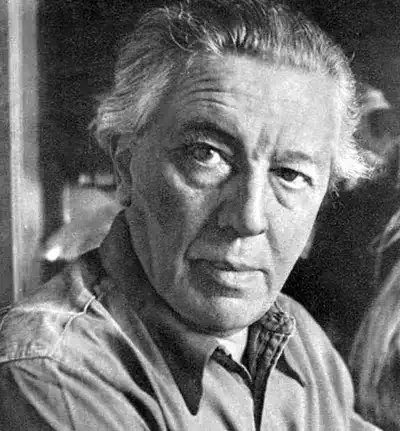
André Breton
Freedom of Love
(Translated from the French by Edouard Rodti)
My wife with the hair of a wood fire
With the thoughts of heat lightning
With the waist of an hourglass
With the waist of an otter in the teeth of a tiger
My wife with the lips of a cockade and of a bunch of stars of the last magnitude
With the teeth of tracks of white mice on the white earth
With the tongue of rubbed amber and glass
My wife with the tongue of a stabbed host
With the tongue of a doll that opens and closes its eyes
With the tongue of an unbelievable stone
My wife with the eyelashes of strokes of a child's writing
With brows of the edge of a swallow's nest
My wife with the brow of slates of a hothouse roof
And of steam on the panes
My wife with shoulders of champagne
And of a fountain with dolphin-heads beneath the ice
My wife with wrists of matches
My wife with fingers of luck and ace of hearts
With fingers of mown hay
My wife with armpits of marten and of beechnut
And of Midsummer Night
Of privet and of an angelfish nest
With arms of seafoam and of riverlocks
And of a mingling of the wheat and the mill
My wife with legs of flares
With the movements of clockwork and despair
My wife with calves of eldertree pith
My wife with feet of initials
With feet of rings of keys and Java sparrows drinking
My wife with a neck of unpearled barley
My wife with a throat of the valley of gold
Of a tryst in the very bed of the torrent
With breasts of night
My wife with breasts of a marine molehill
My wife with breasts of the ruby's crucible
With breasts of the rose's spectre beneath the dew
My wife with the belly of an unfolding of the fan of days
With the belly of a gigantic claw
My wife with the back of a bird fleeing vertically
With a back of quicksilver
With a back of light
With a nape of rolled stone and wet chalk
And of the drop of a glass where one has just been drinking
My wife with hips of a skiff
With hips of a chandelier and of arrow-feathers
And of shafts of white peacock plumes
Of an insensible pendulum
My wife with buttocks of sandstone and asbestos
My wife with buttocks of swans' backs
My wife with buttocks of spring
With the sex of an iris
My wife with the sex of a mining-placer and of a platypus
My wife with a sex of seaweed and ancient sweetmeat
My wife with a sex of mirror
My wife with eyes full of tears
With eyes of purple panoply and of a magnetic needle
My wife with savanna eyes
My wife with eyes of water to he drunk in prison
My wife with eyes of wood always under the axe
My wife with eyes of water-level of level of air earth and fire
921
William Shakespeare
Sonnet 2: When forty winters shall besiege thy brow
When forty winters shall besiege thy brow,
And dig deep trenches in thy beauty's field,
Thy youth's proud livery, so gazed on now,
Will be a tatter'd weed, of small worth held:
Then being ask'd where all thy beauty lies,
Where all the treasure of thy lusty days,
To say, within thine own deep-sunken eyes,
Were an all-eating shame and thriftless praise.
How much more praise deserved thy beauty's use,
If thou couldst answer 'This fair child of mine
Shall sum my count and make my old excuse,'
Proving his beauty by succession thine!
This were to be new made when thou art old,
And see thy blood warm when thou feel'st it cold.
846