
Desire

John Keats
Ode to Fanny
Physician Nature! Let my spirit blood!
O ease my heart of verse and let me rest;
Throw me upon thy Tripod, till the flood
Of stifling numbers ebbs from my full breast.
A theme! a theme! great nature! give a theme;
Let me begin my dream.
I come -- I see thee, as thou standest there,
Beckon me not into the wintry air.
Ah! dearest love, sweet home of all my fears,
And hopes, and joys, and panting miseries, -To-
night, if I may guess, thy beauty wears
A smile of such delight,
As brilliant and as bright,
As when with ravished, aching, vassal eyes,
Lost in soft amaze,
I gaze, I gaze!
Who now, with greedy looks, eats up my feast?
What stare outfaces now my silver moon!
Ah! keep that hand unravished at the least;
Let, let, the amorous burn --
But pr'ythee, do not turn
The current of your heart from me so soon.
O! save, in charity,
The quickest pulse for me.
Save it for me, sweet love! though music breathe
Voluptuous visions into the warm air;
Though swimming through the dance's dangerous wreath,
Be like an April day,
Smiling and cold and gay,
A temperate lilly, temperate as fair;
Then, Heaven! there will be
A warmer June for me.
Why, this, you'll say, my Fanny! is not true:
Put your soft hand upon your snowy side,
Where the heart beats: confess -- 'tis nothing new --
Must not a woman be
A feather on the sea,
Sway'd to and fro by every wind and tide?
Of as uncertain speed
As blow-ball from the mead?
I know it -- and to know it is despair
To one who loves you as I love, sweet Fanny!
Whose heart goes fluttering for you every where,
Nor, when away you roam,
Dare keep its wretched home,
Love, love alone, his pains severe and many:
Then, loveliest! keep me free,
From torturing jealousy.
Ah! if you prize my subdued soul above
The poor, the fading, brief, pride of an hour;
Let none profane my Holy See of love,
Or with a rude hand break
The sacramental cake:
Let none else touch the just new-budded flower;
If not -- may my eyes close,
Love! on their lost repose.
515

William Wordsworth
With ships the sea was sprinkled
WITH ships the sea was sprinkled far and nigh,
Like stars in heaven, and joyously it showed;
Some lying fast at anchor in the road,
Some veering up and down, one knew not why.
A goodly vessel did I then espy
Come like a giant from a haven broad;
And lustily along the bay she strode,
Her tackling rich, and of apparel high.
The ship was nought to me, nor I to her,
Yet I pursued her with a lover's look;
This ship to all the rest did I prefer:
When will she turn, and whither? She will brook
No tarrying; where she comes the winds must stir:
On went she, and due north her journey took.
505

Alfred Lord Tennyson
Lucretius
Lucilla, wedded to Lucretius, found
Her master cold; for when the morning flush
Of passion and the first embrace had died
Between them, tho' he loved her none the less,
Yet often when the woman heard his foot
Return from pacings in the field, and ran
To greet him with a kiss, the master took
Small notice, or austerely, for his mind
Half buried in some weightier argument,
Or fancy-borne perhaps upon the rise
And long roll of the hexameter -- he past
To turn and ponder those three hundred scrolls
Left by the Teacher, whom he held divine.
She brook'd it not, but wrathful, petulant
Dreaming some rival, sought and found a witch
Who brew'd the philtre which had power, they said
To lead an errant passion home again.
And this, at times, she mingled with his drink,
And this destroy'd him; for the wicked broth
Confused the chemic labor of the blood,
And tickling the brute brain within the man's
Made havoc among those tender cells, and check'd
His power to shape. He loathed himself, and once
After a tempest woke upon a morn
That mock'd him with returning calm, and cried:
"Storm in the night! for thrice I heard the rain
Rushing; and once the flash of a thunderbolt -Methought
I never saw so fierce a fork -Struck
out the streaming mountain-side, and show'd
A riotous confluence of watercourses
Blanching and billowing in a hollow of it,
Where all but yester-eve was dusty-dry.
"Storm, and what dreams, ye holy Gods, what dreams!
For thrice I waken'd after dreams. Perchance
We do but recollect the dreams that come
Just ere the waking. Terrible: for it seem'd
A void was made in Nature, all her bonds
Crack'd; and I saw the flaring atom-streams
And torrents of her myriad universe,
Ruining along the illimitable inane,
Fly on to clash together again, and make
Another and another frame of things
For ever. That was mine, my dream, I knew it -Of
and belonging to me, as the dog
With inward yelp and restless forefoot plies
His function of the woodland; but the next!
I thought that all the blood by Sylla shed
Came driving rainlike down again on earth,
And where it dash'd the reddening meadow, sprang
No dragon warriors from Cadmean teeth,
For these I thought my dream would show to me,
But girls, Hetairai, curious in their art,
Hired animalisms, vile as those that made
The mulberry-faced Dictator's orgies worse
Than aught they fable of the quiet Gods.
And hands they mixt, and yell'd and round me drove
In narrowing circles till I yell'd again
Half-suffocated, and sprang up, and saw -Was
it the first beam of my latest day?
"Then, then, from utter gloom stood out the
The breasts of Helen, and hoveringly a sword
Now over and now under, now direct,
Pointed itself to pierce, but sank down shamed
At all that beauty; and as I stared, a fire,
The fire that left a roofless Ilion,
Shot out of them, and scorch'd me that I woke.
"Is this thy vengeance, holy Venus, thine,
Because I would not one of thine own doves,
Not even a rose, were offered to thee? thine,
Forgetful how my rich proemion makes
Thy glory fly along the Italian field,
In lays that will outlast thy deity?
"Deity? nay, thy worshippers. My tongue
Trips, or I speak profanely. Which of these
Angers thee most, or angers thee at all?
Not if thou be'st of those who, far aloof
From envy, hate and pity, and spite and scorn,
Live the great life which all our greatest fain
Would follow, centred in eternal calm.
"Nay, if thou canst,
Goddess, like ourselves
Touch, and be touch'd, then would I cry to thee
To kiss thy Mavors, roll thy tender arms
Round him, and keep him from the lust of blood
That makes a steaming slaughter-house of Rome.
"Ay, but I meant not thee; I meant riot her
Whom all the pines of Ida shook to see
Slide from that quiet heaven of hers, and tempt
The Trojan, while his neatherds were abroad
Nor her that o'er her wounded hunter wept
Her deity false in human-amorous tears;
Nor whom her beardless apple-arbiter
Decided fairest. Rather, O ye Gods,
Poet-like, as the great Sicilian called
Calliope to grace his golden verse -Ay,
and this Kypris also -- did I take
That popular name of thine to shadow forth
The all-generating powers and genial heat
Of Nature, when she strikes thro' the thick blood
Of cattle, and light is large, and lambs are glad
Nosing the mother's udder, and the bird
Makes his heart voice amid the blaze of flowers;
Which things appear the work of mighty Gods.
"The Gods! and if I go my work is left
Unfinish'd -- if I go. The Gods, who haunt
The lucid interspace of world and world,
Where never creeps a cloud, or moves a wind,
Nor ever falls the least white star of mow
Nor ever lowest roll of thunder moans,
Nor sound of human sorrow mounts to mar
Their sacred everlasting calm! and such,
Not all so fine, nor so divine a calm
Not such, nor all unlike it, man may gain
Letting his own life go. The Gods, the Godsl
If all be atoms, how then should the Gods
Being atomic not be dissoluble,
Not follow the great law? My master held
That Gods there are, for all men so believe.
I prest my footsteps into his, and meant
Surely to lead my Memmius in a train
Of fiowery clauses onward to the proof
That Gods there are, and deathless. Meant? I meant?
I have forgotten what I meant, my mind
Stumbles, and all my faculties are lamed.
"Look where another of our Gods, the Sun
Apollo, Delius, or of older use
All-seeing Hyperion -- what you will -Has
mounted yonder; since he never sware,
Except his wrath were wreak'd on wretched man,
That he would only shine among the dead
Hereafter -- tales! for never yet on earth
Could dead flesh creep, or bits of roasting ox
Moan round the spit -- nor knows he what he sees;
King of the East altho' he seem, and girt
With song and flame and fragrance, slowly lifts
His golden feet on those empurpled stairs
That climb into the windy halls of heaven
And here he glances on an eye new-born,
And gets for greeting but a wail of pain;
And here he stays upon a freezing orb
That fain would gaze upon him to the last;
And here upon a yellow eyelid fallen
And closed by those who mourn a friend in vain,
Not thankful that his troubles are no more.
And me, altho' his fire is on my face
Blinding, he sees not, nor at all can tell
Whether I mean this day to end myself.
Or lend an ear to Plato where he says,
That men like soldiers may not quit the post
Allotted by the Gods. But he that holds
The Gods are careless, wherefore need he care
Greatly for them, nor rather plunge at once,
Being troubled, wholly out of sight, and sink
Past earthquake -- ay, and gout and stone, that break
Body toward death, and palsy, death-in-life,
And wretched age -- and worst disease of all,
These prodigies of myriad nakednesses,
And twisted shapes of lust, unspeakable,
Abominable, strangers at my hearth
Not welcome, harpies miring every dish,
The phantom husks of something foully done,
And fleeting thro' the boundless universe,
And blasting the long quiet of my breast
With animal heat and dire insanity?
"How should the mind, except it loved them, clasp
These idols to herself? or do they fly
Now thinner, and now thicker, like the flakes
In a fall of snow, and so press in, perforce
Of multitude, as crowds that in an hour
Of civic tumult jam the doors, and bear
The keepers down, and throng, their rags and the
The basest, far into that council-hall
Where sit the best and stateliest of the land?
³Can I not fling this horror off me again,
Seeing with how great ease Nature can smile
Balmier and nobler from her bath of storm,
At random ravage? and how easily
The mountain there has cast his cloudy slough,
Now towering o'er him in serenest air,
A mountain o'er a mountain, -- ay, and within
All hollow as the hopes and fears of men?
"But who was he that in the garden snared
Picus and Faunus, rustic Gods? a tale
To laugh at -- more to laugh at in myself -For
look! what is it? there? yon arbutus
Totters; a noiseless riot underneath
Strikes through the wood, sets all the tops quivering -- ;
The mountain quickens into Nymph and Faun,
And here an Oread -- how the sun delights
To glance and shift about her slippery sides,
And rosy knees and supple roundedness,
And budded bosom-peaks -- who this way runs
Before the rest! -- a satyr, a satyr, see,
Follows; but him I proved impossible
Twy-natured is no nature. Yet he draws
Nearer and nearer, and I scan him now
Beastlier than any phantom of his kind
That ever butted his rough brother-brute
For lust or lusty blood or provender.
I hate, abhor, spit, sicken at him; and she
Loathes him as well; such a precipitate heel,
Fledged as it were with Mercury's ankle-wing,
Whirls her to me -- ;but will she fling herself
Shameless upon me? Catch her, goatfoot! nay,
Hide, hide them, million-myrtled wilderness,
And cavern-shadowing laurels, hide! do I wish -What?
-- ;that the bush were leafless? or to whelm
All of them in one massacre? O ye Gods
I know you careless, yet, behold, to you
From childly wont and ancient use I call -I
thought I lived securely as yourselves -No
lewdness, narrowing envy, monkey-spite,
No madness of ambition, avarice, none;
No larger feast than under plane or pine
With neighbors laid along the grass, to take
Only such cups as left us friendly-warm,
Affirming each his own philosophy
Nothing to mar the sober majesties
Of settled, sweet, Epicurean life.
But now it seems some unseen monster lays
His vast and filthy hands upon my will,
Wrenching it backward into his, and spoils
My bliss in being; and it was not great,
For save when shutting reasons up in rhythm,
Or Heliconian honey in living words,
To make a truth less harsh, I often grew
Tired of so much within our little life
Or of so little in our little life -Poor
little life that toddles half an hour
Crown'd with a flower or two, and there an end -And
since the nobler pleasure seems to fade,
Why should I, beastlike as I find myself,
Not manlike end myself? -- our privilege -- ;
What beast has heart to do it? And what man
What Roman would be dragg'd in triumph thus?
Not I; not he, who bears one name with her
Whose death-blow struck the dateless doom of kings,
When, brooking not the Tarquin in her veins,
She made her blood in sight of Collatine
And all his peers, flushing the guiltless air,
Spout from the maiden fountain in her heart.
And from it sprang the Commonwealth, which breaks
As I am breaking now!
"And therefore now
Let her, that is the womb and tomb of all
Great Nature, take, and forcing far apart
Those blind beginnings that have made me man,
Dash them anew together at her will
Thro' all her cycles -- into man once more,
Or beast or bird or fish, or opulent flower.
But till this cosmic order everywhere
Shatter'd into one earthquake m one day
Cracks all to pieces, -- and that hour perhaps
Is not so far when momentary man
Shall seem no more a something to himself,
But he, his hopes and hates, his homes and fanes
And even his bones long laid within the grave,
The very sides of the grave itself shall pass,
Vanishing, atom and void, atom and void,
Into the unseen for ever, -- till that hour,
My golden work in which I told a truth
That stays the rolling Ixionian wheel,
And numbs the Fury's ringlet-snake, and plucks
The mortal soul from out immortal hell
Shall stand. Ay, surely; then it fails at last
And perishes as I must, for O Thou
Passionless bride, divine Tranquillity,
Yearn'd after by the wisest of the wise
Who fail to find thee, being as thou art
Without one pleasure and without one pain,
Howbeit I know thou surely must be mine
Or soon or late, yet out of season, thus
I woo thee roughly, for thou carest not
How roughly men may woo thee so they win -- ;
Thus -- thus -- the soul flies out and dies in the air
With that he drove the knife into his side.
She heard him raging, heard him fall, ran in,
Beat breast, tore hair, cried out upon herself
As having fail'd in duty to him, shriek'd
That she but meant to win him back, fell on him
Clasp'd, kiss'd him, wail'd. He answer'd, "Care not thou!
Thy duty? What is duty? Fare thee well!"
509

Rabindranath Tagore
We Are To Play The Game Of Death
WE are to play the game of death to-night, my bride and I.
The night is black, the clouds in the sky are capricious, and the waves are raving at
sea.
We have left our bed of dreams, flung open the door and come out, my bride and I.
We sit upon a swing, and the storm winds give us a wild push from behind.
My bride starts up with fear and delight, she trembles and clings to my breast.
Long have I served her tenderly.
I made for her a bed of flowers and I closed the doors to shut out the rude light from
her eyes.
I kissed her gently on her lips and whispered softly in her ears till she half swooned in
languor.
She was lost in the endless mist of vague sweetness.
She answered not to my touch, my songs failed to arouse her.
To-night has come to us the call of the storm from the wild.
My bride has shivered and stood up, she has clasped my hand and come out.
Her hair is flying in the wind, her veil is fluttering, her garland rustles over her breast.
The push of death has swung her into life.
We are face to face and heart to heart, my bride and I.
507
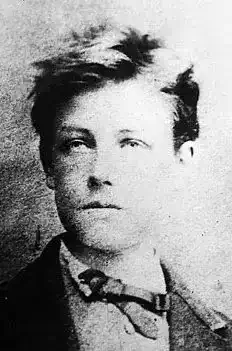
Arthur Rimbaud
My Little Lovelies
A tearful tincture washes
Cabbage-green skies;
Beneath the dribbling bushes
Your raincoats lie;
Pale white in private moonlight,
Like round-eyed sores,
Flap your scabby kneecaps apart,
My ugly whores!
We loved each other in those days,
Ugly blue whore!
We ate boiled eggs
And weed.
One night you made me a poet,
Ugly blond whore.
Get between my legs,
I'll whip you.
I puked up your greasy hair,
Ugly black whore;
You tried to unstring
My guitar.
Blah! Some of my dried-up spit,
Ugly red whore,
Still stinks in the cracks
Of your breast.
O my little lovelies,
I hate your guts!
Go stick big blisters
On your ugly tits!
Break the cracked bottles and jars
Of my feelings;
Come on! Be my ballerinas
Just for a while!
Your shoulder blades are twisted back,
My masterpieces!
Stick stars in your snatches and shake
Them to bits!
And it was for you hunks of meat
I wrote my rhymes!
My love was sticky self-deceit
And dirty games!
Dumb bunch of burnt-out stars,
-Against the walls!
Go back to God, croak in corners
Like animals!
Pale white in private moonlight,
Like round-eyed sores,
Flap your scabby kneecaps apart,
My ugly whores!
508
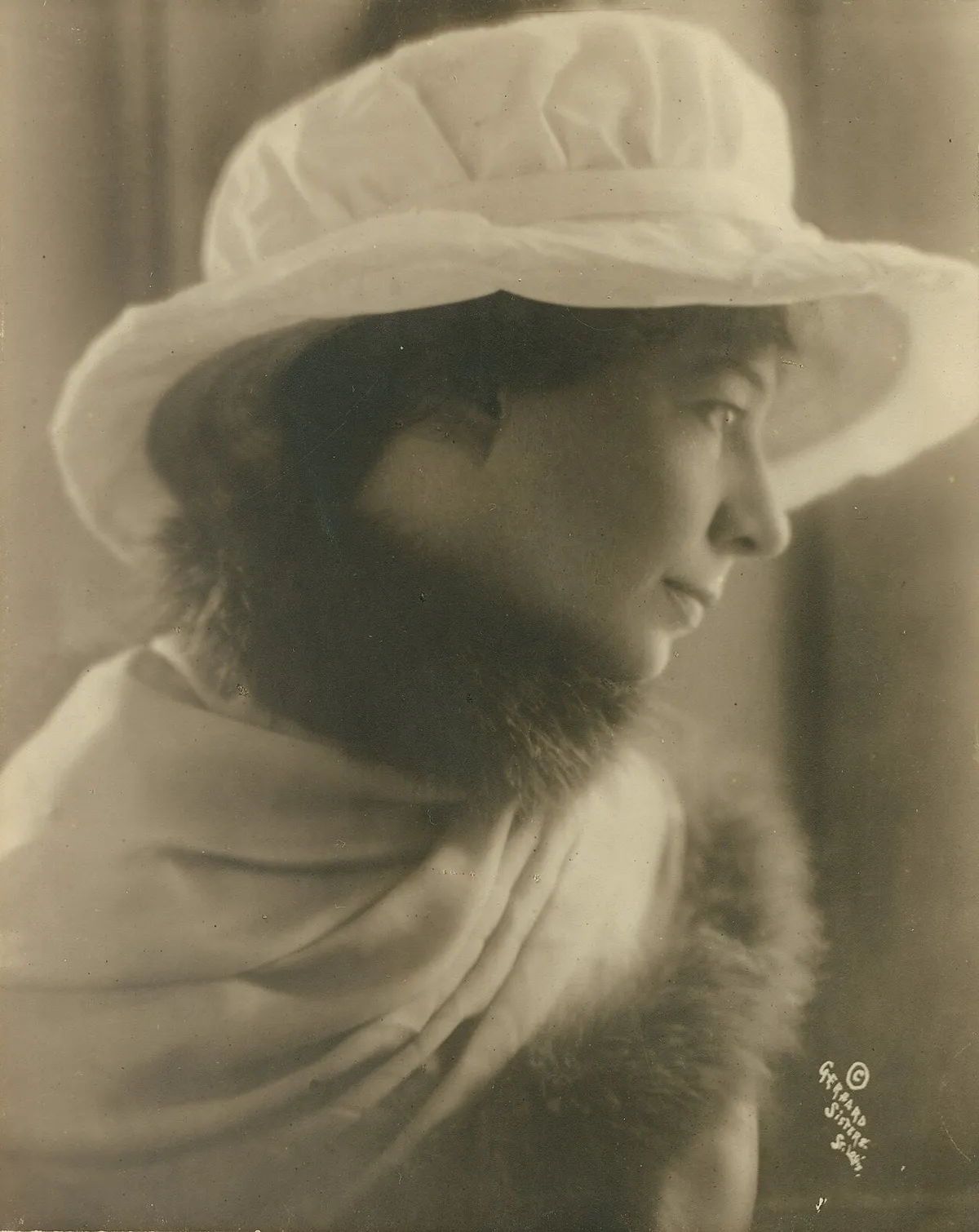
Sara Teasdale
Oh You Are Coming
Oh you are coming, coming, coming,
How will hungry Time put by the hours till then? --
But why does it anger my heart to long so
For one man out of the world of men?
Oh I would live in myself only
And build my life lightly and still as a dream --
Are not my thoughts clearer than your thoughts
And colored like stones in a running stream?
Now the slow moon brightens in heaven,
The stars are ready, the night is here --
Oh why must I lose myself to love you,
My dear?
508
Safo
You know the place: then
You know the place: then
Leave Crete and come to us
waiting where the grove is
pleasantest, by precincts
sacred to you; incense
smokes on the altar, cold
streams murmur through the
apple branches, a young
rose thicket shades the ground
and quivering leaves pour
down deep sleep; in meadows
where horses have grown sleek
among spring flowers, dill
scents the air. Queen! Cyprian!
Fill our gold cups with love
stirred into clear nectar
500

Ezra Pound
Homage To Sextus Propertius - IV
DIFFERENCE OF OPINION WITH
LYGDAMUS
Tell me the truths which you hear of our constant young lady,
Lygdamus,
And may the bought yoke of a mistress lie with
equitable weight on your shoulders;
For I am swelled up with inane pleasurabilities
and deceived by your reference
To things which you think I would like to believe.
No messenger should come wholly empty,
and a slave should fear plausibilities;
Much conversation is as good as having a home.
Out with it, tell it to me, all of it, from the beginning,
I guzzle with outstretched ears.
Thus? She wept into uncombed hair,
And you saw it.
Vast waters flowed from her eyes ?
You, you Lygdamus
Saw her stretched on her bed,
was no glimpse in a mirror;
No gawds on her snowy hands, no orfevrerie,
Sad garment draped on her slender arms.
Her escritoires lay shut by the bed-feet.
Sadness hung over the house, and the desolated female attendants
Were desolated because she had told them her dreams.
She was veiled in the midst of that place,
Damp woolly handkerchiefs were stuffed into her undryable eyes,
And a querulous noise responded to our solicitous reprobations.
For which things you will get a reward from me, Lygdamus?
To say many things is equal to having a home.
And the other woman 'has not enticed me
by her pretty manners,
'She has caught me with herbaceous poison,
she twiddles the spiked wheel of a rhombus,
'She stews puffed frogs, snake's bones, the moulted
'She stews puffed frogs, snake's bones, the moulted
feathers of screech owls,
'She binds me with ravvles of shrouds.
Black spiders spin in her bedl
'Let her lovers snore at her in the morning!
May the gout cramp up her feet!
'Does he like me to sleep here alone,
Lygdamus?
'Will he say nasty things at my funeral?'
And you expect me to believe this
after twelve months of discomfort ?
499
Arthur Rimbaud
Clearance Sale
For what the Jews have not sold,
what neither nobility nor crime have tasted,
what is unknown to monstrous love
and to the infernal probity of the masses!
what neither time nor science need recognize: The Voices restored;
fraternal awakening of all choral and orchestral energies
and their instantaneous application; the opportunity, the only one,
for the release of our senses! For sale Bodies without price,
outside any race, any world, any sex, any lineage! Riches gushing at every step!
Uncontrolled sale of diamonds!
For sale anarchy for the masses;
irrepressible satisfaction for rare connoisseurs;
agonizing death for the faithful and for lovers!
For sale colonization and migrations, sports,
fairylands and incomparable comforts,
and the noise and the movement
and the future they make!
For sale the application of calculations
and the incredible leaps of harmony.
Discoveries and terms never dreamed of,
-- immediate possession.
Wild and infinite flight toward invisible splendors,
toward intangible delights-and
its maddening secrets for every vice
-- and its terrifying gaiety for the mob.
For sale, the bodies, the voices,
the enormous and unquestionable wealth,
that which will never be sold.
Salesmen are not at the end of their stock!
It will be some time before travelers have to turn in their accounts.
498
Arthur Rimbaud
The Seekers Of Lice
When the child's forehead, full of red torments,
Implores the white swarm of indistinct dreams,
There come near his bed two tall charming sisters
With slim fingers that have silvery nails.
They seat the child in front of a wide open
Window where the blue air bathes a mass of flowers,
And in his heavy hair where the dew falls,
Move their delicate, fearful and enticing fingers.
He listens to the singing of their apprehensive breath
Which smells of long rosy plant honey,
And which at times a hiss interrupts, saliva
Caught on the lip or desire for kisses.
He hears their black eyelashes beating
in the perfumed Silence;
and their gentle electric fingers
Make in his half-drunken indolence the death of the little lice
Crackle under their royal nails.
Then the wine of Sloth rises in him,
The sigh of an harmonica which could bring on delerium;
The child feels, according to the slowness of the caresses,
Surging in him and dying continuously a desire to cry.
498

Johann Wolfgang von Goethe
The Fisherman
THE waters rush'd, the waters rose,
A fisherman sat by,
While on his line in calm repose
He cast his patient eye.
And as he sat, and hearken'd there,
The flood was cleft in twain,
And, lo! a dripping mermaid fair
Sprang from the troubled main.
She sang to him, and spake the while:
"Why lurest thou my brood,
With human wit and human guile
From out their native flood?
Oh, couldst thou know how gladly dart
The fish across the sea,
Thou wouldst descend, e'en as thou art,
And truly happy be!
"Do not the sun and moon with grace
Their forms in ocean lave?
Shines not with twofold charms their face,
When rising from the wave?
The deep, deep heavens, then lure thee not,--
The moist yet radiant blue,--
Not thine own form,--to tempt thy lot
'Midst this eternal dew?"
The waters rush'd, the waters rose,
Wetting his naked feet;
As if his true love's words were those,
His heart with longing beat.
She sang to him, to him spake she,
His doom was fix'd, I ween;
Half drew she him, and half sank he,
And ne'er again was seen.
496

Ella Wheeler Wilcox
Angel Or Demon
You call me an angel of love and of light,
A being of goodness and heavenly fire,
Sent out from God’s kingdom to guide you aright,
In paths where your spirits may mount and aspire.
You say that I glow like a star on its course,
Like a ray from the alter, a spark from the source.
Now list to my answer; let all the world hear it;
I speak unafraid what I know to be true:
A pure, faithful love is the creative spirit
Which makes women angels! I live in but you.
We are bound soul to soul by life’s holiest laws;
If I am an angel – why, you are the cause.
As my ship skims the sea, I look up from the deck.
Fair, firm at the wheel shines Love’s beautiful form,
And shall I curse the barque that last night went to wreck,
By the Pilot abandoned to darkness and storm?
My craft is no stauncher, she too had been lost –
Had the wheelman deserted, or slept at his post.
I laid down the wealth of my soul at your feet
(Some woman does this for some man every day) .
No desperate creature who walks in the street,
Has a wickeder heart that I might have, I say,
Had you wantonly misused the treasures you woon,
-As so many men with heart riches have done.
This flame from God’s altar, this holy love flame,
That burns like sweet incense for ever for you,
Might now be a wild conflagration of shame,
Had you tortured my heart, or been base or untrue.
For angels and devils are cast in one mould,
Till love guides them upward, or downward, I hold.
I tell you the women who make fervent wives
And sweet tender mothers, had Fate been less fair,
Are the women who might have abandoned their lives
To the madness that springs from and ends in despair.
As the fire on the hearth which sheds brightness around,
Neglected, may level the walls to the ground.
The world makes grave errors in judging these things,
Great good and great evil are born in one breast.
Love horns us and hoofs us – or gives us our wings,
And the best could be worst, as the worst could be best.
You must thank your own worth for what I grew to be,
For the demon lurked under the angel in me.
497
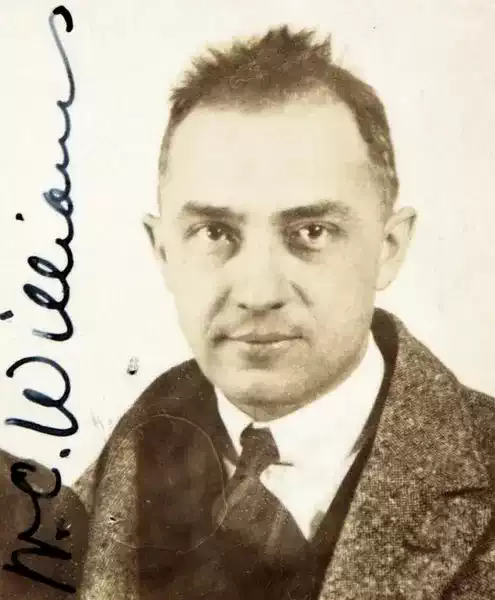
William Carlos Williams
Queen Anne's Lace
Her body is not so white as
anemone petals nor so smooth--nor
so remote a thing. It is a field
of the wild carrot taking
thefield by force; the grass
does not raise above it.
Here is no question of whiteness,
white as can be, with a purple mole
at the center of each flower.
Each flower is a hand's span
of her whiteness. Wherever
his hand has lain there is
a tiny purple blossom under his touch
to which the fibres of her being
stem one by one, each to its end,
until the whole field is a
white desire, empty, a single stem,
a cluster, flower by flower,
a pious wish to whiteness gone over--
or nothing.
499
Ezra Pound
Phyllidula
Phyllidula is scrawny but amorous,
Thus have the gods awarded her,
That in pleasure she receives more than she can give;
If she does not count this blessed
Let her change her religion.
Thus have the gods awarded her,
That in pleasure she receives more than she can give;
If she does not count this blessed
Let her change her religion.
491
John Keats
Give Me Women, Wine, and Snuff
GIVE me women, wine, and snuff
Untill I cry out "hold, enough!"
You may do so sans objection
Till the day of resurrection:
For, bless my beard, they aye shall be
My beloved Trinity.
Untill I cry out "hold, enough!"
You may do so sans objection
Till the day of resurrection:
For, bless my beard, they aye shall be
My beloved Trinity.
491
Ezra Pound
The Flame
‘Tis not a game that plays at mates and mating,
Provençe knew;
'Tis not a game of barter, lands and houses,
Provençe knew.
We who are wise beyond your dream of wisdom,
Drink our immortal moments; we 'pass through'.
We have gone forth beyond your bonds and borders,
Provençe knew;
And all the tales of Oisin say but this:
That man doth pass the net of days and hours.
Where time is shrivelled down to time's seed corn
We of the Ever-living, in that light
Meet through our veils and whisper, and of love.
O smoke and shadow of a darkling world,
These, and the rest, and all the rest we knew.
'Tis not a game that plays at mates and mating,
'Tis not a game of barter, lands and houses,
'Tis not 4of days and nights' and troubling years,
Of cheeks grown sunken and glad hair gone gray;
There is the subtler music, the clear light
Where time burns back about th' eternal embers.
We are not shut from all the thousand heavens:
Lo, there are many gods whom we have seen,
Folk of unearthly fashion, places splendid,
Bulwarks of beryl and of chrysoprase.
Sapphire Benacus, in thy mists and thee
Nature herself's turned metaphysical,
Who can look on that blue and not believe?
Thou hooded opal, thou eternal pearl,
O thou dark secret with a shimmering floor,
Through all thy various mood I know thee mine;
If I have merged my soul, or utterly
Am solved and bound in, through aught here on earth,
There canst thou find me, O thou anxious thou,
Who call’st about my gates for some lost me;
I say my soul flowed back, became translucent.
Search not my lips, O Love, let go my hands,
This thing that moves as man is no more mortal.
If thou hast seen my shade sans character,
If thou hast seen that mirror of all moments,
That glass to all things that o'ershadow it,
Call not that mirror me, for I have slipped
Your grasp, I have eluded.
Provençe knew;
'Tis not a game of barter, lands and houses,
Provençe knew.
We who are wise beyond your dream of wisdom,
Drink our immortal moments; we 'pass through'.
We have gone forth beyond your bonds and borders,
Provençe knew;
And all the tales of Oisin say but this:
That man doth pass the net of days and hours.
Where time is shrivelled down to time's seed corn
We of the Ever-living, in that light
Meet through our veils and whisper, and of love.
O smoke and shadow of a darkling world,
These, and the rest, and all the rest we knew.
'Tis not a game that plays at mates and mating,
'Tis not a game of barter, lands and houses,
'Tis not 4of days and nights' and troubling years,
Of cheeks grown sunken and glad hair gone gray;
There is the subtler music, the clear light
Where time burns back about th' eternal embers.
We are not shut from all the thousand heavens:
Lo, there are many gods whom we have seen,
Folk of unearthly fashion, places splendid,
Bulwarks of beryl and of chrysoprase.
Sapphire Benacus, in thy mists and thee
Nature herself's turned metaphysical,
Who can look on that blue and not believe?
Thou hooded opal, thou eternal pearl,
O thou dark secret with a shimmering floor,
Through all thy various mood I know thee mine;
If I have merged my soul, or utterly
Am solved and bound in, through aught here on earth,
There canst thou find me, O thou anxious thou,
Who call’st about my gates for some lost me;
I say my soul flowed back, became translucent.
Search not my lips, O Love, let go my hands,
This thing that moves as man is no more mortal.
If thou hast seen my shade sans character,
If thou hast seen that mirror of all moments,
That glass to all things that o'ershadow it,
Call not that mirror me, for I have slipped
Your grasp, I have eluded.
493

Walt Whitman
I Am He That Aches With Love
I AM he that aches with amorous love;
Does the earth gravitate? Does not all matter, aching, attract all
matter?
So the Body of me, to all I meet, or know.
Does the earth gravitate? Does not all matter, aching, attract all
matter?
So the Body of me, to all I meet, or know.
493

William Butler Yeats
A Last Confession
What lively lad most pleasured me
Of all that with me lay?
I answer that I gave my soul
And loved in misery,
But had great pleasure with a lad
That I loved bodily.
Flinging from his arms I laughed
To think his passion such
He fancied that I gave a soul
Did but our bodies touch,
And laughed upon his breast to think
Beast gave beast as much.
I gave what other women gave
That stepped out of their clothes.
But when this soul, its body off,
Naked to naked goes,
He it has found shall find therein
What none other knows,
And give his own and take his own
And rule in his own right;
And though it loved in misery
Close and cling so tight,
There's not a bird of day that dare
Extinguish that delight.
490
Sara Teasdale
I Am Not Yours
I am not yours, not lost in you,
Not lost, although I long to be
Lost as a candle lit at noon,
Lost as a snowflake in the sea.
You love me, and I find you still
A spirit beautiful and bright,
Yet I am I, who long to be
Lost as a light is lost in light.
Oh plunge me deep in love -- put out
My senses, leave me deaf and blind,
Swept by the tempest of your love,
A taper in a rushing wind.
488
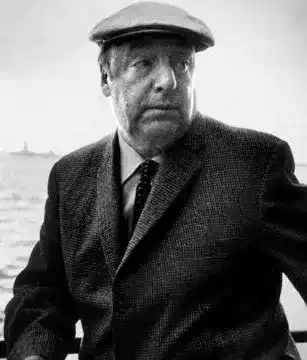
Pablo Neruda
Potter
Your whole body has
a fullness or a gentleness destined for me.
When I move my hand up
I find in each place a dove
that was seeking me, as
if they had, love, made you of clay
for my own potter's hands.
Your knees, your breasts,
your waist
are missing parts of me like the hollow
of a thirsty earth
from which they broke off
a form,
and together
we are complete like a single river,
like a single grain of sand.
485
Ezra Pound
Homage To Sextus Propertius - VII
Me happy, night, night full of brightness;
Oh couch made happy by iny long delectations;
How many words talked out with abundant candles;
Struggles when the lights were taken away;
Now with bared breasts she wrestled against me,
Tunic spread in delay;
And she then opening my eyelids fallen in sleep,
Her lips upon them; and it was her mouth saying:
Sluggard!
In how many varied embraces, our changing arms,
Her kisses, how many, lingering on my lips.
'Turn not Venus into a blinded motion,
Eyes are the guides of love,
Paris took Helen naked coming from the bed of Menelaus,
Endymion's naked body, bright bait for Diana,'
such at least is the story.
While our fates twine together, sate we our eyes with love;
For long night comes upon you
and a day when no day returns.
Let the gods lay chains upon us
so that no day shall unbind them.
Fool who would set a term to love's madness,
For the sun shall drive with black horses,
earth shall bring wheat from barley,
The flood shall move toward the fountain
Ere love know moderations,
The fish shall swim in dry streams.
No, now while it may be, let not the fruit of life cease.
Dry wreaths drop their petals,
their stalks are woven in baskets,
To-day we take the great breath of lovers,
to-morrow fate shuts us in.
Though you give all your kisses
you give but few.
Nor can I shift my pains to other,
Hers will I be dead,
If she confer such nights upon me,
long is my life, long in years,
If she give me many,
God am I for the time.
484
Rabindranath Tagore
Senses
Deliverance is not for me in renunciation.
I feel the embrace of freedom in a thousand bonds of delight.
Thou ever pourest for me the fresh draught of thy wine of various
colours and fragrance, filling this earthen vessel to the brim.
My world will light its hundred different lamps with thy flame
and place them before the altar of thy temple.
No, I will never shut the doors of my senses.
The delights of sight and hearing and touch will bear thy delight.
Yes, all my illusions will burn into illumination of joy,
and all my desires ripen into fruits of love.
486

Rudyard Kipling
To the Unknown Goddess
Will you conquer my heart with your beauty; my sould going out from afar?
Shall I fall to your hand as a victim of crafty and cautions shikar?
Have I met you and passed you already, unknowing, unthinking and blind?
Shall I meet you next session at Simla, O sweetest and best of your kind?
Does the P. and O. bear you to meward, or, clad in short frocks in the West,
Are you growing the charms that shall capture and torture the heart in my breast?
Will you stay in the Plains till September -- my passion as warm as the day?
Will you bring me to book on the Mountains, or where the thermantidotes play?
When the light of your eyes shall make pallid the mean lesser lights I pursue,
And the charm of your presence shall lure me from love of the gay "thirteen-two";
When the peg and the pig-skin shall please not; when I buy me Calcutta-build clothes;
When I quit the Delight of Wild Asses; foreswearing the swearing of oaths ;
As a deer to the hand of the hunter when I turn 'mid the gibes of my friends;
When the days of my freedom are numbered, and the life of the bachelor ends.
Ah, Goddess! child, spinster, or widow -- as of old on Mars Hill whey they raised
To the God that they knew not an altar -- so I, a young Pagan, have praised
The Goddess I know not nor worship; yet, if half that men tell me be true,
You will come in the future, and therefore these verses are written to you.
486

Lord Byron
Fill The Goblet Again: A Song
Fill the goblet again! for I never before
Felt the glow which now gladdens my heart to its core;
Let us drink!who
would not?since,
through life's varied round,
In the goblet alone no deception is found.
I have tried in its turn all that life can supply;
I have bask'd in the beam of a dark rolling eye;
I have loved!who
has not?but
what heart can declare
That pleasure existed while passion was there?
In the days of my youth, when the heart's in its spring,
And dreams that affection can never take wing,
I had friends!who
has not?but
what tongue will avow,
That friends, rosy wine! are so faithful as thou?
The heart of a mistress some boy may estrange,
Friendship shifts with the sunbeamthou
never canst change;
Thou grow'st oldwho
does not?but
on earth what appears,
Whose virtues, like thine, still increase with its years?
Yet if blest to the utmost that love can bestow,
Should a rival bow down to our idol below,
We aree jealous!who
is not?thou
hast no such alloy;
For the more that enjoy thee, the more we enjoy.
Then the season of youth and its vanities past,
For refuge we fly to the goblet at last;
There we finddo
we not?in
the flow of the soul,
That truth, as of yore, is confined to the bowl.
When the box of Pandora was opened on earth,
And Misery's triumph commenced over Mirth,
Hope was left,was
she not?but
the goblet we kiss,
And care not for Hope, who are certain of bliss.
Long life to the grape! for when summer is flown,
The age of our nectar shall gladden our own:
We must diewho
shall not?
May
our sins be forgiven,
And Hebe shall never be idle in heaven.
481