
Desire
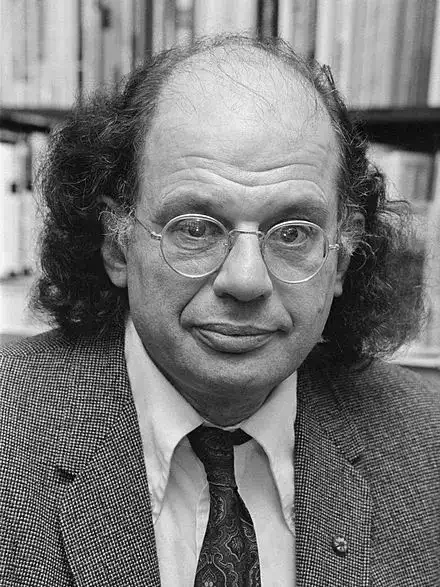
Allen Ginsberg
An Asphodel
O dear sweet rosy
unattainable desire
...how sad, no way
to change the mad
cultivated asphodel, the
visible reality...
and skin's appalling
petals--how inspired
to be so Iying in the living
room drunk naked
and dreaming, in the absence
of electricity...
over and over eating the low root
of the asphodel,
gray fate...
rolling in generation
on the flowery couch
as on a bank in Arden-my
only rose tonite's the treat
of my own nudity.
544
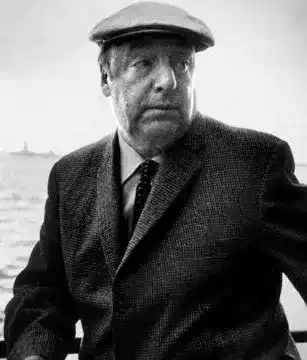
Pablo Neruda
Lovely One
Lovely one,
Just as on the cool stone
Of the spring, the water
Opens a wide flash of foam,
So is the smile of your face,
Lovely one.
Lovely one,
With delicate hands and slender feet
Like a silver pony,
Walking, flower of the world,
Thus I see you,
Lovely one.
Lovely one,
With a nest of copper entangled
On your head, a nest
The colo
Ur of dark honey
Where my heart burns and rests,
Lovely one.
Lovely one,
Your eyes are too big for your face,
Your eyes are too big for the earth.
There are countries, there are rivers,
In your eyes,
My country is your eyes,
I walk through them,
They light the world
Through which I walk,
Lovely one.
Lovely one,
Your breasts are like two loaves made
Of grainy earth and golden moon,
Lovely one.
Lovely one,
Your waist,
My arm shaped it like a river when
It flowed a thousand years through your sweet body,
Lovely one.
Lovely one,
There is nothing like your hips,
Perhaps earth has
In some hidden place
The curve and the fragrance of your body,
Perhaps in some place,
Lovely one.
Lovely one, my lovely one,
Your voice, your skin, your nails,
Lovely one, my lovely one,
Your being, your light, your shadow,
Lovely one,
All that is mine, lovely one,
All that is mine, my dear,
When you walk or rest,
When you sing or sleep,
When you suffer or dream,
Always,
When you are near or far,
Always,
You are mine, my lovely one,
Always.
543

Elizabeth Barrett Browning
A Woman's Shortcomings
She has laughed as softly as if she sighed,
She has counted six, and over,
Of a purse well filled, and a heart well tried -
Oh, each a worthy lover!
They "give her time"; for her soul must slip
Where the world has set the grooving;
She will lie to none with her fair red lip:
But love seeks truer loving.
She trembles her fan in a sweetness dumb,
As her thoughts were beyond recalling;
With a glance for one, and a glance for some,
From her eyelids rising and falling;
Speaks common words with a blushful air,
Hears bold words, unreproving;
But her silence says - what she never will swear -
And love seeks better loving.
Go, lady! lean to the night-guitar,
And drop a smile to the bringer;
Then smile as sweetly, when he is far,
At the voice of an in-door singer.
Bask tenderly beneath tender eyes;
Glance lightly, on their removing;
And join new vows to old perjuries -
But dare not call it loving!
Unless you can think, when the song is done,
No other is soft in the rhythm;
Unless you can feel, when left by One,
That all men else go with him;
Unless you can know, when unpraised by his breath,
That your beauty itself wants proving;
Unless you can swear "For life, for death!" -
Oh, fear to call it loving!
Unless you can muse in a crowd all day
On the absent face that fixed you;
Unless you can love, as the angels may,
With the breadth of heaven betwixt you;
Unless you can dream that his faith is fast,
Through behoving and unbehoving;
Unless you can die when the dream is past -
Oh, never call it loving!
536

Ella Wheeler Wilcox
Love's Language
How does Love speak?
In the faint flush upon the tell-tale cheek,
And in the pallor that succeeds it; by
The quivering lid of an averted eye –
The smile that proves the parent to a sigh –
Thus doth Love speak.
How does Love speak?
By the uneven heart-throbs, and the freak
Of bounding pulses that stand still and ache,
While new emotions, like strange barques, make
Along vein-channels their disturbing course;
Still as the dawn, and with the dawn’s swift force –
Thus doth Love speak.
How does Love speak?
In the avoidance of that which we seek –
The sudden silence and reserve when near –
The eye that glistens with an unshed tear –
The joy that seems the counterpart of fear,
As the alarmed heart leaps in the breast,
And knows, and names, the greets its god-like guest –
Thus doth Love speak.
How doth Love speak?
In the proud spirit suddenly grown meek –
The haughty heart grown humble; in the tender
And unnamed light that floods the world with splendour,
In the resemblance which the fond eyes trace
In all things to one beloved face;
In the shy touch of hands that thrill and tremble;
In looks and lips that can no more dissemble –
Thus doth Love speak.
How doth Love speak?
In the wild words that uttered seem so weak
They shrink ashamed to silence; in the fire
Glance strikes with glance, swift flashing high and higher,
Like lightnings that precede the mighty storm;
In the deep, soulful stillness; in the warm,
Impassioned tide that sweeps through throbbing veins,
Between the shores of keen delights and pains;
In the embrace where madness melts in bliss,
And in convulsive rapture of a kiss –
Thus doth Love speak.
536
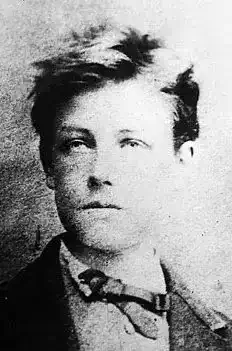
Arthur Rimbaud
May Banners
In the bright lime-tree branches
Dies a fainting mort. But lively song
Flutters among the currant bushes.
So that our bloods may laugh in our veins,
See the vines tangling themselves.
The sky is as pretty as an angel,
The azure and the wave commune.
I go out. If a sunbeam wounds me
I shall succumb on the moss.
Being patient and being bored
Are too simple. To the devil with my cares.
I want dramatic summer
To bind me to its chariot of fortune.
Let me most because of you, o Nature, -
Ah ! less alone and less useless ! - die.
There where the Shepherds, it's strange,
Die more or less because of the world.
I am willing that the seasons should wear me out.
To you, Nature, I surrender ;
With my hunger and all my thirst.
And, if it please you, feed and water me.
Nothing, nothing at all deceives me ;
To laugh at the sun is to laugh at one's parents,
But I do not wish to laugh at anything ;
And may this misfortune go free.
~~
May Banners
(alternative translation
)
In the bright branches of the lindens dies a sickly hunting call.
But the lively songs fly about in the currant bushes.
So that our blood will laugh in our veins, here are the vines all entangled.
The sky is pretty as an angel.
The azure and the wave commune.
I go out. If a ray of light wounds me, I will expire on the moss
To be patient and to be bored are to simple. Fie* on my cares.
I want a dramatic summer to bind me to it's chariot of fortune.
Let me, o nature, mostly through you
-Ah ! less alone and less worthless ! - die.
In the place where the shepherds, it is strange,
die approximately through out the world
I am willing that the seasons wear me out.
To you nature, I give myself over;
And my hunger and all my thirst.
And, if you will, feed and water me.
Nothing at all deceives me;
To laugh at the sun is to laugh at one's parents,
but I do not want to laugh at anything;
And may this misfortune be free.
538

Rabindranath Tagore
Lover's Gifts XIII: Last Night in the Garden
Last night in the garden I offered you my youth's foaming wine. You
lifted the cup to your lips, you shut your eyes and smiled while
I raised your veil, unbound your tresses, drawing down upon my
breast your face sweet with its silence, last night when the moon's
dream overflowed the world of slumber.
To-day in the dew-cooled calm of the dawn you are walking to
God's temple, bathed and robed in white, with a basketful of
flowers in your hand. I stand aside in the shade under the tree,
with my head bent, in the calm of the dawn by the lonely road to
the temple.
537
Pablo Neruda
Love
What's wrong with you, with us,
what's happening to us?
Ah our love is a harsh cord
that binds us wounding us
and if we want
to leave our wound,
to separate,
it makes a new knot for us and condemns us
to drain our blood and burn together.
What's wrong with you? I look at you
and I find nothing in you but two eyes
like all eyes, a mouth
lost among a thousand mouths that I have kissed, more beautiful,
a body just like those that have slipped
beneath my body without leaving any memory.
And how empty you went through the world
like a wheat-colored jar
without air, without sound, without substance!
I vainly sought in you
depth for my arms
that dig, without cease, beneath the earth:
beneath your skin, beneath your eyes,
nothing,
beneath your double breast scarcely
raised
a current of crystalline order
that does not know why it flows singing.
Why, why, why,
my love, why?
531

Federico García Lorca
Peaceful Waters:Variation
peaceful waters of the air
under echo's branches
peaceful waters of a pool
under a bough laden with stars
peaceful waters of your mouth
under a forest of kisses
under echo's branches
peaceful waters of a pool
under a bough laden with stars
peaceful waters of your mouth
under a forest of kisses
531
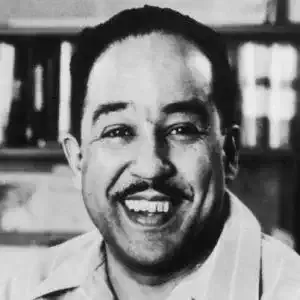
Langston Hughes
To Artina
I will take you heart.
I will take your soul out of your body
As though I were God.
I will not be satisfied
With the touch of your hand
Nor the sweet of your lips alone.
I will take your heart for mine.
I will take your soul.
I will be God when it comes to you.
I will take your soul out of your body
As though I were God.
I will not be satisfied
With the touch of your hand
Nor the sweet of your lips alone.
I will take your heart for mine.
I will take your soul.
I will be God when it comes to you.
527

Johann Wolfgang von Goethe
Christel
My senses ofttimes are oppress'd,
Oft stagnant is my blood;
But when by Christel's sight I'm blest,
I feel my strength renew'd.
I see her here, I see her there,
And really cannot tell
The manner how, the when, the where,
The why I love her well.
If with the merest glance I view
Her black and roguish eyes,
And gaze on her black eyebrows too,
My spirit upward flies.
Has any one a mouth so sweet,
Such love-round cheeks as she?
Ah, when the eye her beauties meet,
It ne'er content can be.
And when in airy German dance
I clasp her form divine,
So quick we whirl, so quick advance,
What rapture then like mine!
And when she's giddy, and feels warm,
I cradle her, poor thing,
Upon my breast, and in mine arm,-I'm
then a very king!
And when she looks with love on me,
Forgetting all but this,
When press'd against my bosom, she
Exchanges kiss for kiss,
All through my marrow runs a thrill,
Runs e'en my foot along!
I feel so well, I feel so ill,
I feel so weak, so strong!
Would that such moments ne'er would end!
The day ne'er long I find;
Could I the night too with her spend,
E'en that I should not mind.
If she were in mine arms but held,
To quench love's thirst I'd try;
And could my torments not be quell'd,
Upon her breast would die.
528
Rabindranath Tagore
Lamp Of Love
Light, oh where is the light?
Kindle it with the burning fire of desire!
There is the lamp but never a flicker of a flame--is such thy fate, my heart?
Ah, death were better by far for thee!
Misery knocks at thy door,
and her message is that thy lord is wakeful,
and he calls thee to the love-tryst through the darkness of night.
The sky is overcast with clouds and the rain is ceaseless.
I know not what this is that stirs in me--I know not its meaning.
A moment's flash of lightning drags down a deeper gloom on my sight,
and my heart gropes for the path to where the music of the night calls me.
Light, oh where is the light!
Kindle it with the burning fire of desire!
It thunders and the wind rushes screaming through the void.
The night is black as a black stone.
Let not the hours pass by in the dark.
Kindle the lamp of love with thy life.
Kindle it with the burning fire of desire!
There is the lamp but never a flicker of a flame--is such thy fate, my heart?
Ah, death were better by far for thee!
Misery knocks at thy door,
and her message is that thy lord is wakeful,
and he calls thee to the love-tryst through the darkness of night.
The sky is overcast with clouds and the rain is ceaseless.
I know not what this is that stirs in me--I know not its meaning.
A moment's flash of lightning drags down a deeper gloom on my sight,
and my heart gropes for the path to where the music of the night calls me.
Light, oh where is the light!
Kindle it with the burning fire of desire!
It thunders and the wind rushes screaming through the void.
The night is black as a black stone.
Let not the hours pass by in the dark.
Kindle the lamp of love with thy life.
527
Ella Wheeler Wilcox
The Song Of The Sandwich
We
met at night in the season's hight,
Mid revel and mirth and song.
I looked in your eye with a mute, mute cry,
As you elbowed your way through the throng.
Alone in that crowd of men who bowed,
And flattered, and flirted around,
Your quick thought guessed the woe in my breast,
And you sprang to my side with a bound.
In a whisper as faint as a south wind's plaint,
I murmured my need to you.
'A sandwich!' I wailed, then your strong eye quailed,
For oh! they were thin and few.
And about them hustled and pushed and tussled,
A score of desperate men.
But you drew your breath, and you hissed ''Sdeath!'
And then you turned back again.
'Ladye!' you cried with haughty pride,
While your dark eye flashed on me,
'If I risk my life in yon seething strife
What shall my guerdon be?'
'May I hope for a line that shall be all mine,
A song by the world unheard?
From rivals detested, shall the sandwich be wrested,
If thou wilt but say the word.'
'If you reach that goal, I vow by my soul,
(I spoke in a desperate tone)
And I live till that time, I will write you a rhyme,
A rhyme to be all your own.'
'Nay more, if you try, and in warfare die,
As sometimes befalls the brave,
In lines of glory I'll wreathe your story
And lay them upon your grave.'
Like a knight of old, with an air that was bold,
You turned from my side and went,
Past salad dish, past deviled fish,
Past cake and condiment.
With a step unswerving and a speed deserving
A better reward-alack!
You crossed the room 'neath the red globes' gloom,
Bent on the sandwich's track
My heart stood still in a nameless chill,
As I saw you stride away,
For fair girls' smiles, and punch bowl's wiles,
Both by your roadside lay.
With the fever fire of hunger dire,
I saw you pass them straight,
And I almost wept as your bold hand swept
To the waning sandwich plate.
Then back you came with your cheek aflame,
And the victor's glow in your eye;
Oh! it was grand to see you stand
With the sandwich held on high.
So here and now, I keep my vow;
(Tho' the sandwich is no more)
I would rise from my hearse and write that verse,
If it were not written before.
Envoi
Poet, we know that many men go,
Forth on that self-same track,
With purpose as high, to do or die,
But they bring no sandwich back.
528

Lord Byron
Francisca
Francisca walks in the shadow of night,
But it is not to gaze on the heavenly light But
if she sits in her garden bower,
'Tis not for the sake of its blowing flower.
She listens but
not for the nightingale Though
her ear expects as soft a tale.
There winds a step through the foliage thick,
And her cheek grows pale, and her heart beats quick.
There whispers a voice thro' the rustling leaves;
A moment more and they shall meet '
Tis past her
lover's at her feet.
524
Pablo Neruda
‘Carnal apple, Woman filled, burning moon,’
Carnal apple, Woman filled, burning moon,
dark smell of seaweed, crush of mud and light,
what secret knowledge is clasped between your pillars?
What primal night does Man touch with his senses?
Ay, Love is a journey through waters and stars,
through suffocating air, sharp tempests of grain:
Love is a war of lightning,
and two bodies ruined by a single sweetness.
Kiss by kiss I cover your tiny infinity,
your margins, your rivers, your diminutive villages,
and a genital fire, transformed by delight,
slips through the narrow channels of blood
to precipitate a nocturnal carnation,
to be, and be nothing but light in the dark.
522

William Shakespeare
Sonnet 143: Lo, as a careful huswife runs to catch
Lo, as a careful huswife runs to catch
One of her feathered creatures broke away,
Sets down her babe and makes all swift dispatch
In pursuit of the thing she would have stay,
Whilst her neglected child holds her in chase,
Cries to catch her whose busy care is bent
To follow that which flies before her face,
Not prizing her poor infant's discontent:
So runn'st thou after that which flies from thee,
Whilst I, thy babe, chase thee afar behind;
But if thou catch thy hope turn back to me,
And play the mother's part: kiss me, be kind.
So will I pray that thou mayst have thy Will,
If thou turn back and my loud crying still.
517

Alfred Lord Tennyson
Lilian
I
Airy, Fairy Lilian,
Flitting, fairy Lilian,
When I ask her if she love me,
Claps her tiny hands above me,
Laughing all she can;
She 'll not tell me if she love me,
Cruel little Lilian.
II
When my passion seeks
Pleasance in love-sighs,
She, looking thro' and thro' me
Thoroughly to undo me,
Smiling, never speaks:
So innocent-arch, so cunning-simple,
From beneath her gathered wimple
Glancing with black-bearded eyes,
Till the lightning laughters dimple
The baby-roses in her cheeks;
Then away she flies.
III
Prythee weep, May Lilian!
Gaiety without eclipse
Whearieth me, May Lilian;
Thro' my every heart it thrilleth
When from crimson-threaded lips
Silver-treble laughter trilleth:
Prythee weep, May Lilian!
IV
Praying all I can,
If prayers will not hush thee,
Airy Lilian,
Like a rose-leaf I will crush thee,
Fairy Lilian.
517
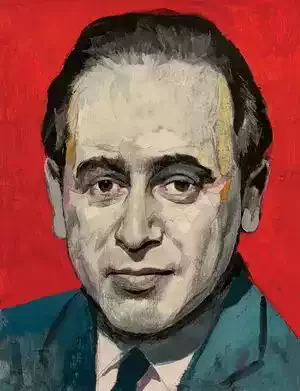
Paul Celan
Psalm
No-man kneads us again out of Earth and Loam,
no-man spirits our Dust.
No-man.
Praise to you, No-man.
For love of you
we will flower.
Moving
towards you.
A Nothing
we were, we are, we shall
be still, flowering:
the Nothing-, the
No-man’s-rose.
With
our Pistil soul-bright,
our Stamen heaven-torn,
our Corolla red
with the Violet-Word that we sang
over, O over
the thorn.
518
Ella Wheeler Wilcox
I Love You
I love your lips when they're wet with wine
And red with a wild desire;
I love your eyes when the lovelight lies
Lit with a passionate fire.
I love your arms when the warm white flesh
Touches mine in a fond embrace;
I love your hair when the strands enmesh
Your kisses against my face.
Not for me the cold calm kiss
Of a virgin's bloodless love;
Not for me the saint's white bliss,
Nor the heart of a spotless dove.
But give me the love that so freely gives
And laughs at the whole world's blame,
With your body so young and warm in my arms,
It sets my poor heart aflame.
So kiss me sweet with your warm wet mouth,
Still fragrant with ruby wine,
And say with a fervor born of the South
That your body and soul are mine.
Clasp me close in your warm young arms,
While the pale stars shine above,
And we'll live our whole young lives away
In the joys of a living love.
517
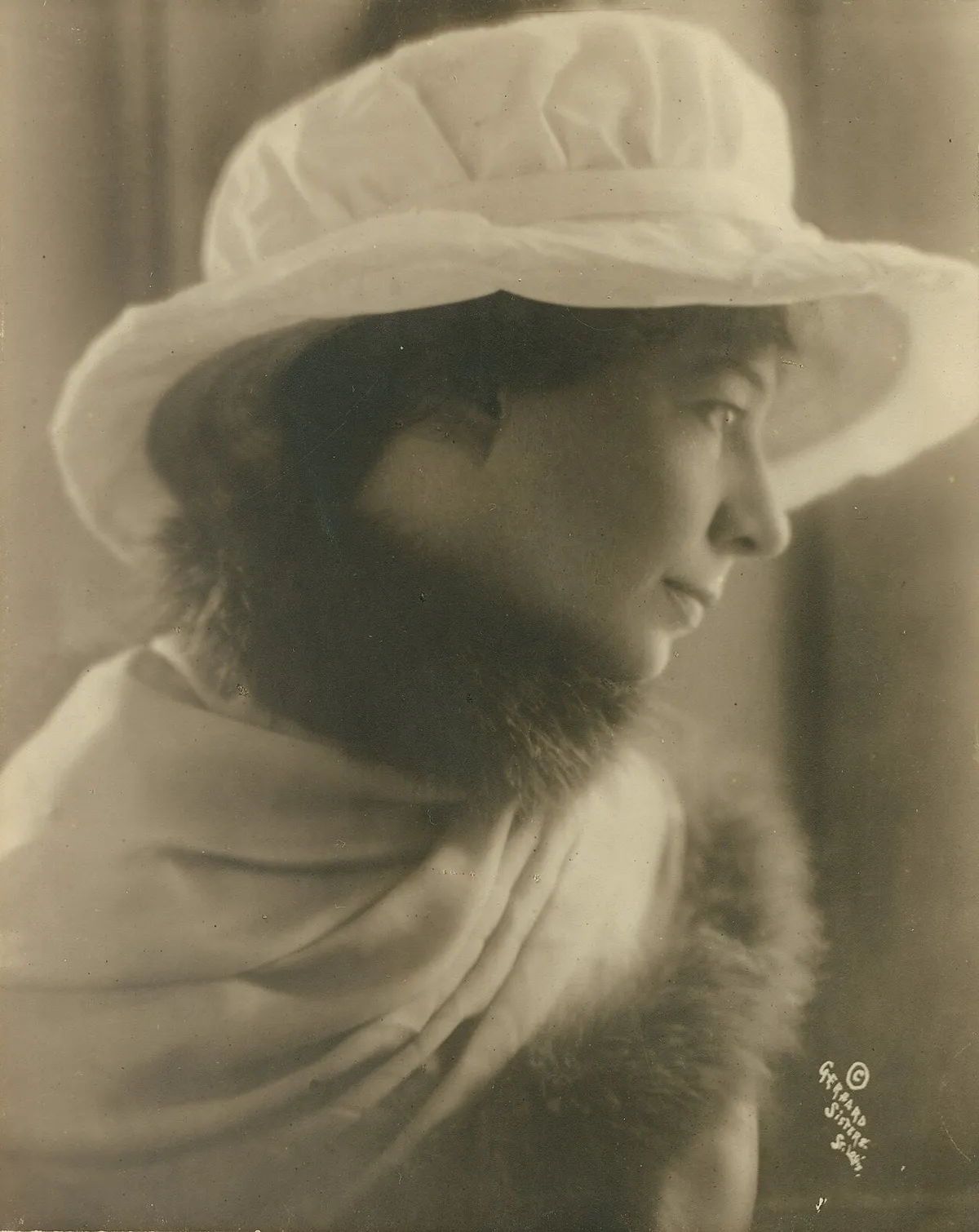
Sara Teasdale
Come
Come, when the pale moon like a petal
Floats in the pearly dusk of spring,
Come with arms outstretched to take me,
Come with lips pursed up to cling.
Come, for life is a frail moth flying,
Caught in the web of the years that pass,
And soon we two, so warm and eager,
Will be as the gray stones in the grass.
Floats in the pearly dusk of spring,
Come with arms outstretched to take me,
Come with lips pursed up to cling.
Come, for life is a frail moth flying,
Caught in the web of the years that pass,
And soon we two, so warm and eager,
Will be as the gray stones in the grass.
518
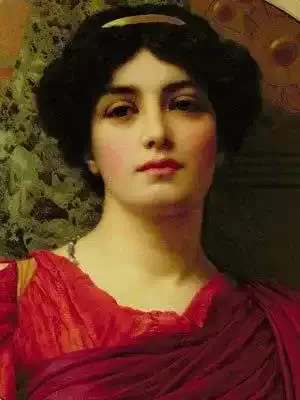
Safo
Like the gods. . .
In my eyes he matches the gods, that man who
sits there facing you--any man whatever--
listening from closeby to the sweetness of your
voice as you talk, the
sweetness of your laughter: yes, that--I swear it--
sets the heart to shaking inside my breast, since
once I look at you for a moment, I can't
speak any longer,
but my tongue breaks down, and then all at once a
subtle fire races inside my skin, my
eyes can't see a thing and a whirring whistle
thrums at my hearing,
cold sweat covers me and a trembling takes
ahold of me all over: I'm greener than the
grass is and appear to myself to be little
short of dying.
But all must be endured, since even a poor [
517
Safo
Ode to a Loved One
LEST as the immortal gods is he,
The youth who fondly sits by thee,
And hears and sees thee, all the while,
Softly speaks and sweetly smile.
'Twas this deprived my soul of rest,
And raised such tumults in my breast;
For, while I gazed, in transport tossed,
My breath was gone, my voice was lost;
My bosom glowed; the subtle flame
Ran quick through all my vital frame;
O'er my dim eyes a darkness hung;
My ears with hollow murmurs rung;
In dewy damps my limbs were chilled;
My blood with gentle horrors thrilled:
My feeble pulse forgot to play;
I fainted, sunk, and died away.
514
Johann Wolfgang von Goethe
May Song II
BETWEEN wheatfield and corn,
Between hedgerow and thorn,
Between pasture and tree,
Where's my sweetheart
Tell it me!
Sweetheart caught I
Not at home;
She's then, thought I.
Gone to roam.
Fair and loving
Blooms sweet May;
Sweetheart's roving,
Free and gay.
By the rock near the wave,
Where her first kiss she gave,
On the greensward, to me,--
Something I see!
Is it she?
511
Arthur Rimbaud
The Sly One
In the brown dining-room,
which was perfumed
with the scent of polish and fruit,
I was shoveling up at my ease
a plateful of some Belgian dish
or other, and sprawling in my enormous chair.
While I ate, I listened, happy and silent, to the clock.
The kitchen door opened with a gust,
and the servant girl came in,
I don't know what for,
neckerchief loose, hair dressed impishly.
And, passing her little finger tremblingly across her cheek,
a pink and white peach-bloom,
pouting with her childish mouth,
she tidied the plates standing close to me,
to make me feel comfortable; - and then, just like that,
- to get a kiss of course said
very softly: 'Feel, then, I' got a cold in the cheek…'
514

Ezra Pound
Marvoil
A poor clerk I, 'Arnaut the less' they call me,
And because I have small mind to sit
Day long, long day cooped on a stool
A-jumbling o' figures for Maitre Jacques Polin,
I ha' taken to rambling the South here.
The Vicomte of Beziers's not such a bad lot.
I made rimes to his lady this three year:
Vers and canzone, till that damn'd son of Aragon,
Alfonso the half-bald, took to hanging
His helmet at Beziers.
Then came what might come, to wit: three men and one woman,
Beziers off at Mont-Ausier, I and his lady
Singing the stars in the turrets of Beziers,
And one lean Aragonese cursing the seneschal
To the end that you see, friends:
Aragon cursing in Aragon, Beziers busy at Beziers
Bored to an inch of extinction,
Tibors all tongue and temper at Mont-Ausier,
Me! in this damn'd inn of Avignon,
Stringing long verse for the Burlatz;
All for one half-bald, knock-knee'd king of the Aragonese,
Alfonso, Quattro, poke-nose.
And if when I am dead
They take the trouble to tear out this wall here,
They'11 know more of Arnaut of Marvoil
Than half his canzoni say of him.
As for will and testament I leave none,
Save this: ‘Vers and canzone to the Countess of Beziers
In return for the first kiss she gave me.'
May her eyes and her cheek be fair
To all men except the King of Aragon,
And may I come'speedily to Beziers
Whither my desire and my dream have preceded me.
O hole in the wall here! be thou my jongleur
As ne'er had I other, and when the wind blows,
Sing thou the grace of the Lady of Beziers,
For even as thou art hollow before I fill thee with this parchment,
So is my heart hollow when she filleth not mine eyes,
And so were my mind hollow, did she not fill utterly my thought.
Wherefore, O hole in the wall here,
When the wind blows sigh thou for my sorrow
That I have not the Countess of Beziers
Close in my arms here.
Even as thou shalt soon have this parchment.
O hole in the wall here, be thou my jongleur,
And though thou sighest my sorrow in the wind,
Keep yet my secret in thy breast here;
Even as I keep her image in my heart here.
511