
Unrequited Love
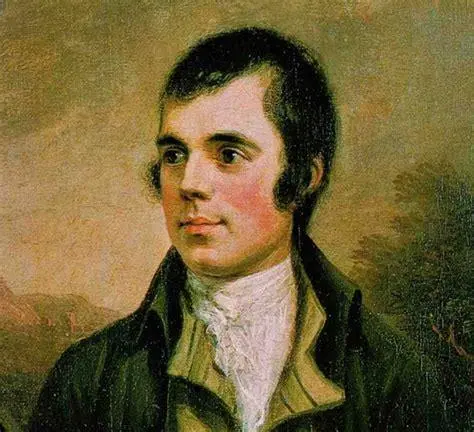
Robert Burns
Love in the Guise of Frindship
Talk not of love, it gives me pain,
For love has been my foe;
He bound me in an iron chain,
And plung'd me deep in woe.
But friendship's pure and lasting joys,
My heart was form'd to prove;
There, welcome win and wear the prize,
But never talk of love.
Your friendship much can make me blest,
O why that bliss destroy?
Why urge the only, one request
You know I will deny?
Your thought, if Love must harbour there,
Conceal it in that thought;
Nor cause it in that thought;
Nor cause me from my bosom tear
The very friend I sought.
391
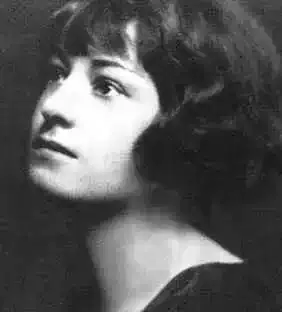
Dorothy Parker
Two-Volume Novel
The sun's gone dim, and
The moon's turned black;
For I loved him, and
He didn't love back.
The moon's turned black;
For I loved him, and
He didn't love back.
389

Ella Wheeler Wilcox
Platonic
I knew it the first of the summer,
I knew it the same at the end,
That you and your love were plighted,
But couldn’t you be my friend?
Couldn’t we sit in the twilight,
Couldn’t we walk on the shore
With only a pleasant friendship
To bind us, and nothing more?
There was not a word of folly
Spoken between us two,
Though we lingered oft in the garden
Till the roses were wet with dew.
We touched on a thousand subjects –
The moon and the worlds above, -
And our talk was tinctured with science,
And everything else, save love.
A wholly Platonic friendship
You said I had proven to you
Could bind a man and a woman
The whole long season through,
With never a thought of flirting,
Though both were in their youth,
What would you have said, my lady,
If you had known the truth!
What would you have done, I wonder,
Had I gone on my knees to you
And told you my passionate story,
There in the dusk and the dew?
My burning, burdensome story,
Hidden and hushed so long –
My story of hopeless loving –
Say, would you have thought it wrong?
But I fought with my heart and conquered,
I hid my wound from sight;
You were going away in the morning,
And I said a calm goodnight.
But now when I sit in the twilight,
Or when I walk by the sea
That friendship, quite Platonic,
Comes surging over me.
And a passionate longing fills me
For the roses, the dusk, the dew;
For the beautiful summer vanished,
For the moonlight walks – and you.
385
Ella Wheeler Wilcox
Two Loves
The woman he loved, while he dreamed of her,
Danced on till the stars grew dim,
But alone with her heart, from the world apart
Sat the woman who loved him.
The woman he worshipped only smiled
When he poured out his passionate love.
But the other somewhere, kissed her treasure most rare,
A book he had touched with his glove.
The woman he loved betrayed his trust,
And he wore the scars for life;
And he cared not, nor knew, that the other was true;
But no man called her his wife.
The woman he loved trod festal halls,
While they sang his funeral hymn,
But the sad bells tolled, ere the year was old,
For the woman that loved him.
380

William Butler Yeats
Presences
THIS night has been so strange that it seemed
As if the hair stood up on my head.
From going-down of the sun I have dreamed
That women laughing, or timid or wild,
In rustle of lace or silken stuff,
Climbed up my creaking stair. They had read
All I had rhymed of that monstrous thing
Returned and yet unrequited love.
They stood in the door and stood between
My great wood lectern and the fire
Till I could hear their hearts beating:
One is a harlot, and one a child
That never looked upon man with desire.
And one, it may be, a queen.
382
William Butler Yeats
The Cap And Bells
THE jester walked in the garden:
The garden had fallen still;
He bade his soul rise upward
And stand on her window-sill.
It rose in a straight blue garment,
When owls began to call:
It had grown wise-tongued by thinking
Of a quiet and light footfall;
But the young queen would not listen;
She rose in her pale night-gown;
She drew in the heavy casement
And pushed the latches down.
He bade his heart go to her,
When the owls called out no more;
In a red and quivering garment
It sang to her through the door.
It had grown sweet-tongued by dreaming
Of a flutter of flower-like hair;
But she took up her fan from the table
And waved it off on the air.
'I have cap and bells,' he pondered,
'I will send them to her and die';
And when the morning whitened
He left them where she went by.
She laid them upon her bosom,
Under a cloud of her hair,
And her red lips sang them a love-song
Till stars grew out of the air.
She opened her door and her window,
And the heart and the soul came through,
To her right hand came the red one,
To her left hand came the blue.
They set up a noise like crickets,
A chattering wise and sweet,
And her hair was a folded flower
And the quiet of love in her feet.
379
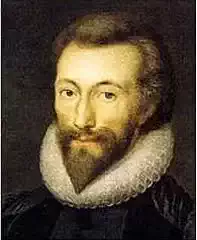
John Donne
Twickenham Garden
BLASTED with sighs, and surrounded with tears,
Hither I come to seek the spring,
And at mine eyes, and at mine ears,
Receive such balms as else cure every thing.
But O ! self-traitor, I do bring
The spider Love, which transubstantiates all,
And can convert manna to gall ;
And that this place may thoroughly be thought
True paradise, I have the serpent brought.
'Twere wholesomer for me that winter did
Benight the glory of this place,
And that a grave frost did forbid
These trees to laugh and mock me to my face ;
But that I may not this disgrace
Endure, nor yet leave loving, Love, let me
Some senseless piece of this place be ;
Make me a mandrake, so I may grow here,
Or a stone fountain weeping out my year.
Hither with crystal phials, lovers, come,
And take my tears, which are love's wine,
And try your mistress' tears at home,
For all are false, that taste not just like mine.
Alas ! hearts do not in eyes shine,
Nor can you more judge women's thoughts by tears,
Than by her shadow what she wears.
O perverse sex, where none is true but she,
Who's therefore true, because her truth kills me.
378

William Shakespeare
Sonnet 152: In loving thee thou know'st I am forsworn
In loving thee thou know'st I am forsworn,
But thou art twice forsworn, to me love swearing,
In act thy bed-vow broke and new faith torn,
In vowing new hate after new love bearing.
But why of two oaths' breach do I accuse thee,
When I break twenty? I am perjured most;
For all my vows are oaths but to misuse thee
And all my honest faith in thee is lost,
For I have sworn deep oaths of thy deep kindness,
Oaths of thy love, thy truth, thy constancy,
And, to enlighten thee, gave eyes to blindness,
Or made them swear against the thing they see;
For I have sworn thee fair; more perjured I,
To swear against the truth so foul a lie!
378

Johann Wolfgang von Goethe
Morning Lament
OH thou cruel deadly-lovely maiden,
Tell me what great sin have I committed,
That thou keep'st me to the rack thus fasten'd,
That thou hast thy solemn promise broken?
'Twas but yestere'en that thou with fondness
Press'd my hand, and these sweet accents murmured:
"Yes, I'll come, I'll come when morn approacheth,
Come, my friend, full surely to thy chamber."
On the latch I left my doors, unfasten'd,
Having first with care tried all the hinges,
And rejoic'd right well to find they creak'd not.
What a night of expectation pass'd I!
For I watch'd, and ev'ry chime I number'd;
If perchance I slept a few short moments,
Still my heart remain'd awake forever,
And awoke me from my gentle slumbers.
Yes, then bless'd I night's o'erhanging darkness,
That so calmly cover'd all things round me;
I enjoy'd the universal silence,
While I listen'd ever in the silence,
If perchance the slightest sounds were stirring.
"Had she only thoughts, my thoughts resembling,
Had she only feelings, like my feelings,
She would not await the dawn of morning.
But, ere this, would surely have been with me."
Skipp'd a kitten on the floor above me,
Scratch'd a mouse a panel in the corner,
Was there in the house the slightest motion,
Ever hoped I that I heard thy footstep,
Ever thought I that I heard thee coming.
And so lay I long, and ever longer,
And already was the daylight dawning,
And both here and there were signs of movement.
"Is it yon door? Were it my door only!"
In my bed I lean'd upon my elbow,
Looking tow'rd the door, now half-apparent,
If perchance it might not be in motion.
Both the wings upon the latch continued,
On the quiet hinges calmly hanging.
And the day grew bright and brighter ever;
And I heard my neighbour's door unbolted,
As he went to earn his daily wages,
And ere long I heard the waggons rumbling,
And the city gates were also open'd,
While the market-place, in ev'ry corner,
Teem'd with life and bustle and confusion.
In the house was going now and coming
Up and down the stairs, and doors were creaking
Backwards now, now forwards,--footsteps clatter'd
Yet, as though it were a thing all-living,
From my cherish'd hope I could not tear me.
When at length the sun, in hated splendour.
Fell upon my walls, upon my windows,
Up I sprang, and hasten'd to the garden,
There to blend my breath, so hot and yearning,
With the cool refreshing morning breezes,
And, it might be, even there to meet thee:
But I cannot find thee in the arbour,
Or the avenue of lofty lindens.
379
Johann Wolfgang von Goethe
The Misanthrope
AT first awhile sits he,
With calm, unruffled brow;
His features then I see,
Distorted hideously,--
An owl's they might be now.
What is it, askest thou?
Is't love, or is't ennui?
'Tis both at once, I vow.
With calm, unruffled brow;
His features then I see,
Distorted hideously,--
An owl's they might be now.
What is it, askest thou?
Is't love, or is't ennui?
'Tis both at once, I vow.
373

John Keats
To-
Had I a man's fair form, then might my sighs
Be echoed swiftly through that ivory shell,
Thine ear, and find thy gentle heart; so well
Would passion arm me for the enterprise:
But ah! I am no knight whose foeman dies;
No cuirass glistens on my bosom's swell;
I am no happy shepherd of the dell
Whose lips have trembled with a maiden's eyes.
Yet must I dote upon thee,-call thee sweet,
Sweeter by far than Hybla's honied roses
When steeped in dew rich to intoxication.
Ah! I will taste that dew, for me 'tis meet,
And when the moon her pallid face discloses,
I'll gather some by spells, and incantation.
373
Ella Wheeler Wilcox
The Common Lot
It is a common fate – a woman’s lot –
To waste on one the riches of her soul,
Who takes the wealth she gives him, but cannot
Repay the interest, and much less the whole.
As I look up into your eyes, and wait
For some response to my fond gaze and touch,
It seems to me there is no sadder fate
Than to be doomed to loving overmuch.
Are you not kind? Ah, yes, so very kind –
So thoughtful of my comfort, and so true.
Yes, yes, dear heart; but I, not being blind,
Know that I am not loved, as I love you.
One tenderer word, a little longer kiss,
Will fill my soul with music and with song;
And if you seem abstracted, or I miss
The heart-tone from your voice, my world goes wrong.
And oftentimes you think me childish – weak –
When at some thoughtless word the tears will start;
You cannot understand how aught you speak
Has power to stir the deapths of my poor heart.
I cannot help it, dear – I wish I could,
Or feign indifference where I now adore;
For if I seemed to love you less, you would,
Manlike, I have no doubt, love me the more.
‘Tis a sad gift, that much applauded thing,
A constant heart; for fact doth daily prove
That constancy finds oft a cruel sting,
While fickle natures win the deeper love.
370
William Shakespeare
Sonnet 150: O, from what power hast thou this powerful might
O, from what power hast thou this powerful might
With insufficiency my heart to sway?
To make me give the lie to my true sight,
And swear that brightness doth not grace the day?
Whence hast thou this becoming of things ill,
That in the very refuse of thy deeds
There is such strength and warrantize of skill
That, in my mind, thy worst all best exceeds?
Who taught thee how to make me love thee more
The more I hear and see just cause of hate?
O, though I love what others do abhor,
With others thou shouldst not abhor my state:
If thy unworthiness raised love in me,
More worthy I to be beloved of thee.
367
Ella Wheeler Wilcox
The Maniac
I saw them sitting in the shade;
The long green vines hung over,
But could not hide the gold-haired maid
And Earl, my dark-eyed lover.
His arm was clasped so close, so close,
Her eyes were softly lifted,
While his eyes drank the cheek of rose
And breasts like snowflakes drifted.
A strange noise sounded in my brain;
I was a guest unbidden.
I stole away, but came again
With two knives snugly hidden.
I stood behind them. Close they kissed,
While eye to eye was speaking;
I aimed my steels, and neither missed
The heart I sent it seeking.
There were two death-shrieks mingled so
It seemed like one voice crying.
I laughed-it was such bliss, you know,
To hear and see them dying.
I laughed and shouted while I stood
Above the lovers, gazing
Upon the trickling rills of blood
And frightened eyes fast glazing.
It was such joy to see the rose
Fade from her cheek forever;
To know the lips he kissed so close
Could answer never, never.
To see his arm grow stark and cold,
And know it could not hold her;
To know that while the world grew old
His eyes could not behold her.
A crowd of people thronged about,
Brought thither by my laughter;
I gave one last triumphant shout-
Then darkness followed after.
That was a thousand years ago;
Each hour I live it over,
For there, just out of reach, you know,
She
lies, with Earl, my lover.
They lie there, staring, staring so
With great, glazed eyes to taunt me.
Will no one bury them down low,
Where they shall cease to haunt me?
He kissed her lips, not mine; the flowers
And vines hung all about them
Sometimes I sit and laugh for hours
To think just how I found them.
And then I sometimes stand and shriek
In agony of terror:
I see the red warm in her cheek,
Then laugh loud at my error.
My cheek was all too pale he thought;
He deemed hers far the brightest.
Ha! but my dagger touched a spot
That made
her
face the whitest!
But oh, the days seem very long,
Without my Earl, my lover;
And something in my head seems wrong
The more I think it over.
Ah! look-she is not dead-look there!
She's standing close beside me!
Her eyes are open-how they stare!
Oh, hide me! hide me! hide me!
364

Carl Sandburg
Bricklayer Love
I thought of killing myself because I am only a bricklayer
and you a woman who loves the man who runs a drug store.
I don't care like I used to; I lay bricks straighter than I
used to and I sing slower handling the trowel afternoons.
When the sun is in my eyes and the ladders are shaky and the
mortar boards go wrong, I think of you.
and you a woman who loves the man who runs a drug store.
I don't care like I used to; I lay bricks straighter than I
used to and I sing slower handling the trowel afternoons.
When the sun is in my eyes and the ladders are shaky and the
mortar boards go wrong, I think of you.
365
Dorothy Parker
The Burned Child
Love has had his way with me.
This my heart is torn and maimed
Since he took his play with me.
Cruel well the bow-boy aimed,
Shot, and saw the feathered shaft
Dripping bright and bitter red.
He that shrugged his wings and laughed
Better
had he left me dead.
Sweet, why do you plead me, then,
Who have bled so sore of that?
Could I bear it once again? . . .
Drop a hat, dear, drop a hat!
365
John Donne
Love's Deity
I long to talk with some old lover's ghost,
Who died before the god of love was born.
I cannot think that he, who then lov'd most,
Sunk so low as to love one which did scorn.
But since this god produc'd a destiny,
And that vice-nature, custom, lets it be,
I must love her, that loves not me.
Sure, they which made him god, meant not so much,
Nor he in his young godhead practis'd it.
But when an even flame two hearts did touch,
His office was indulgently to fit
Actives to passives. Correspondency
Only his subject was; it cannot be
Love, till I love her, that loves me.
But every modern god will now extend
His vast prerogative as far as Jove.
To rage, to lust, to write to, to commend,
All is the purlieu of the god of love.
O! were we waken'd by this tyranny
To ungod this child again, it could not be
I should love her, who loves not me.
Rebel and atheist too, why murmur I,
As though I felt the worst that love could do?
Love might make me leave loving, or might try
A deeper plague, to make her love me too;
Which, since she loves before, I'am loth to see.
Falsehood is worse than hate; and that must be,
If she whom I love, should love me.
363

Alexander Pope
Lines Written in Windsor Forest
All hail, once pleasing, once inspiring shade!
Scene of my youthful loves and happier hours!
Where the kind Muses met me as I stray'd,
And gently press'd my hand, and said 'Be ours!-
Take all thou e'er shalt have, a constant Muse:
At Court thou may'st be liked, but nothing gain:
Stock thou may'st buy and sell, but always lose,
And love the brightest eyes, but love in vain.'
359
Dorothy Parker
Wisdom
This I say, and this I know:
Love has seen the last of me.
Love's a trodden lane to woe,
Love's a path to misery.
This I know, and knew before,
This I tell you, of my years:
Hide your heart, and lock your door.
Hell's afloat in lovers' tears.
Give your heart, and toss and moan;
What a pretty fool you look!
I am sage, who sit alone;
Here's my wool, and here's my book.
Look! A lad's a-waiting there,
Tall he is and bold, and gay.
What the devil do I care
What I know, and what I say?
356
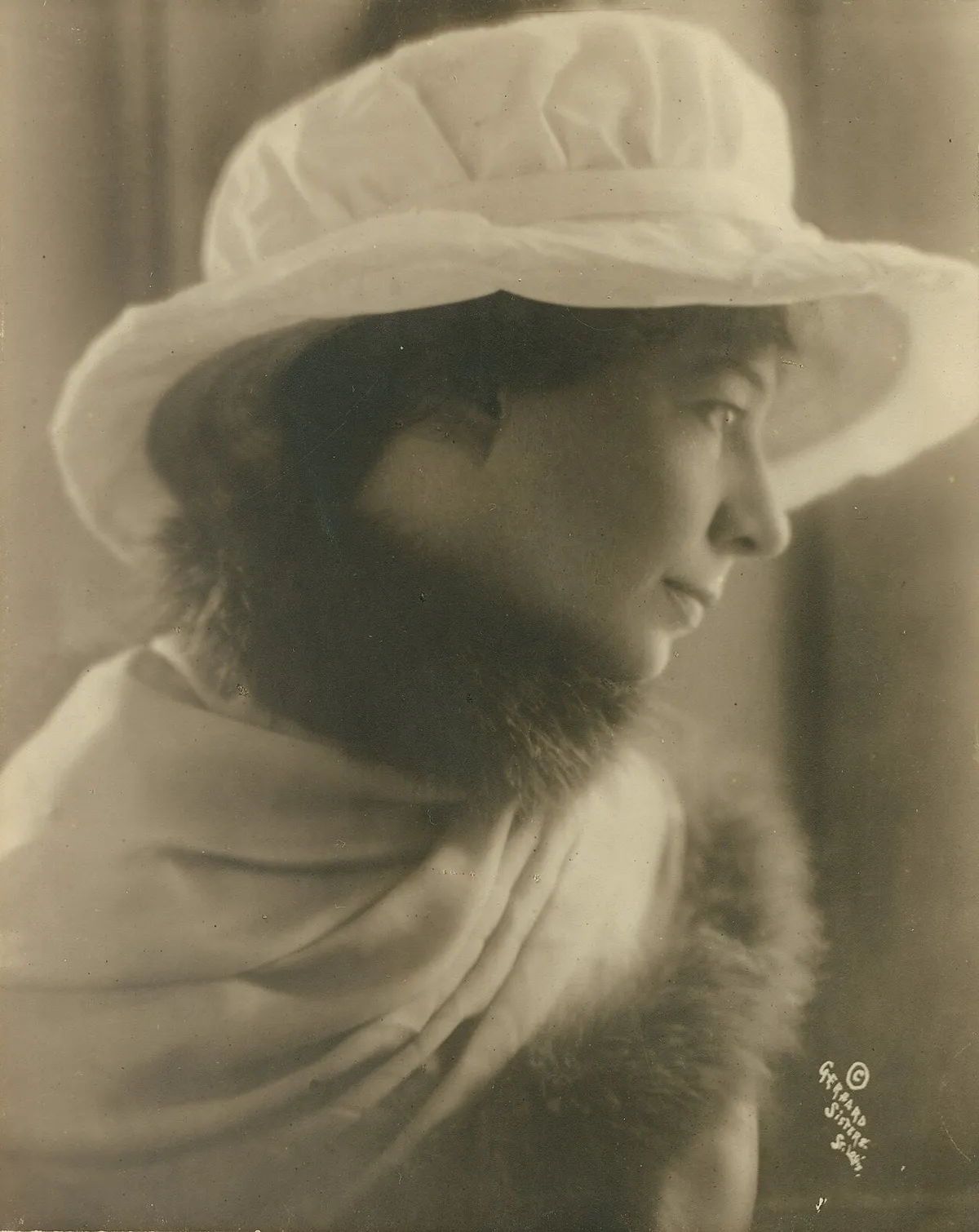
Sara Teasdale
The Look
Strephon kissed me in the spring,
Robin in the fall,
But Colin only looked at me
And never kissed at all.
Strephon's kiss was lost in jest,
Robin's lost in play,
But the kiss in Colin's eyes
Haunts me night and day.
Robin in the fall,
But Colin only looked at me
And never kissed at all.
Strephon's kiss was lost in jest,
Robin's lost in play,
But the kiss in Colin's eyes
Haunts me night and day.
357
Dorothy Parker
The New Love
If it shine or if it rain,
Little will I care or know.
Days, like drops upon a pane,
Slip, and join, and go.
At my door's another lad;
Here's his flower in my hair.
If he see me pale and sad,
Will he see me fair?
I sit looking at the floor.
Little will I think or say
If he seek another door;
Even if he stay.
Little will I care or know.
Days, like drops upon a pane,
Slip, and join, and go.
At my door's another lad;
Here's his flower in my hair.
If he see me pale and sad,
Will he see me fair?
I sit looking at the floor.
Little will I think or say
If he seek another door;
Even if he stay.
355
Alexander Pope
Sappho to Phaon (Ovid Heroid XV)
Say, lovely youth, that dost my heart command,
Can Phaon's eyes forget his Sappho's hand?
Must then her name the wretched writer prove,
To thy remembrance lost, as to thy love?
Ask not the cause that I new numbers choose,
The Lute neglected, and the Lyric muse;
Love taught my tears in adder notes to flow,
And tun'd my heart to Elegies of woe,
I burn, I burn, as when thro' ripen'd corn
By driving winds the spreading flames are borne!
Phaon to Aetna's scorching fields retires,
While I consume with more than Aetna's fires!
No more my soul a charm in music finds,
Music has charms alone for peaceful minds.
Soft scenes of solitude no more can please,
Love enters there, and I'm my own disease.
No more the Lesbian dames my passion move,
Once the dear objects of my guilty love;
All other loves are lost in only thine,
Ah youth ungrateful to a flame like mine!
Whom would not all those blooming charms surprize,
Those heav'nly looks, and dear deluding eyes?
The harp and bow would you like Phoebus bear,
A brighter Phoebus Phaon might appear;
Would you with ivy wreath your flowing hair,
Not Bacchus' self with Phaon could compare:
Yet Phoebus lov'd, and Bacchus felt the flame,
One Daphne warm'd, and one the Cretan dame,
Nymphs that in verse no more could rival me,
That ev'n those Gods contend in charms with thee.
The Muses teach me all their softest lays,
And the wide world resounds with Sappho's praise.
Tho' great Alcaeus more sublimely sings,
And strikes with bolder rage the sounding strings,
No less renown attends the moving lyre,
Which Venus tunes, and all her loves inspire;
To me what nature has in charms deny'd,
Is well by wit's more lasting flames supply'd.
Tho' short my stature, yet my name extends
To heav'n itself, and earth's remotest ends.
Brown as I am, an Ethiopian dame
Inspir'd young Perseus with a gen'rous flame;
Turtles and doves of diff'ring hues unite,
And glossy jet is pair'd with shining white.
If to no charms thou wilt thy heart resign,
But such as merit, such as equal thine,
By none, alas! by none thou canst be mov'd,
Phaon alone by Phaon must be lov'd!
Yet once thy Sappho could thy cares employ,
Once in her arms you center'd all your joy:
No time the dear remembrance can remove,
For oh! how vast a memory has love!
My music, then, you could for ever hear,
And all my words were music to your ear;
You stopp'd with kisses my enchanting tongue,
And found my kisses sweeter than my song.
In all I pleas'd, but most in what was best;
And the last joy was dearer than the rest.
Then with each word, each glance, each motion fir'd,
You still enjoy'd, and yet you still desir'd,
'Till all dissolving in the trance we lay,
And in tumultuous raptures died away.
The fair Sicilians now thy soul inflame;
Why was I born, ye Gods, a Lesbian dame?
But ah beware, Sicilian nymphs! nor boast
That wand'ring heart which I so lately lost;
Nor be with all those tempting words abus'd,
Those tempting words were all to Sappho us'd.
And you that rule Sicilia's happy plains,
Have pity, Venus, on your Poet's pains!
Shall fortune still in one sad tenor run,
And still increase the woes so soon begun?
Inur'd to sorrow from my tender years,
My parent's ashes drank my early tears:
My brother next, neglecting wealth and fame,
Ignobly burn'd in a destructive flame:
An infant daughter late my griefs increas'd,
And all a mother's cares distract my breast.
Alas, what more could fate itself impose,
But thee, the last and greatest of my woes?
No more my robes in waving purple flow,
Nor on my hand the sparkling di'monds glow;
No more my locks in ringlets curl'd diffuse
The costly sweetness of Arabian dews,
Nor braids of gold the varied tresses bind,
That fly disorder'd with the wanton wind,
For whom should Sappho use such arts as these?
He's gone, whom only she desir'd to please!
Cupid's light darts my tender bosom move,
Still is there cause for Sappho still to love:
So from my birth the Sisters fix'd my doom,
And gave to Venus all my life to come;
Or while my Muse in melting notes complains,
My yielding heart keeps measure to my strains.
By charms like thine which all my soul have won,
Who might not - ah! who would not be undone?
For those Aurora Cephalus might scorn,
And with fresh blushes paint the conscious morn.
For those might Cynthia lengthen Phaon's sleep,
And bit Endymion nightly tend his sheep.
Venus for those had rapt thee to the skies,
But Mars on thee might look with Venus' eyes.
O scarce a youth, yet scarce a tender boy!
O useful time for lovers to employ!
Pride of thy age, and glory of thy race,
Come to these arms, and melt in this embrace!
The vows you never will return, receive;
And take at least the love you will not give.
See, while I write, my words are lost in tears;
The less my sense, the more my love appears.
Sure 'twas not much to bid one kind adieu,
(At least to feign was never hard to you)
Farewell, my Lesbian love, you might have said,
Or coldly thus, Farewell, oh Lesbian maid!
No tear did you, no parting kiss receive,
Nor knew I then how much I was to grieve.
No lover's gift your Sappho could confer,
And wrongs and woes were all you left with her.
No charge I gave you, and no charge could give,
But this, Be mindful of our loves, and live.
Now by the Nine, those pow'rs ador'd by me,
And Love, the God that ever waits on thee,
When first I heard (from whom I hardly knew)
That you were fled, and all my joys with you,
Like some sad statue, speechless, pale I stood,
Grief chill'd my breast, and stopp'd my freezing blood;
No sigh to rise, no tear had powr to flow,
Fix'd in a stupid lethargy of woe:
But when its way th' impetuous passion found,
I rend my tresses, and my breast I wound,
I rave, then weep, I curse, and then complain,
Now swell to rage, no melt in tears again.
Not fiercer pangs distract the mournful dame,
Whose first-born infant feeds the fun'ral flame.
My scornful brother with a smile appears,
Insults my woes, and triumphs in my tears;
His hated image ever haunts my eyes,
And why this grief? thy daughter lives, he cries.
Stung with my Love, and furious with despair,
All torn my garments, and my bosom bare,
My woes, thy crimes, I to the world proclaim;
Such inconsistent things are love and shame!
'Tis thou art all my care and my delight,
My daily longing, and my dream by night:
Oh night more pleasing than the brightest day,
When fancy gives what absence takes away,
And, dress'd in all its visionary charms,
Restores my fair deserter to my arms!
Then round your neck in wanton wreaths I twine,
Then you, methinks, as fondly circle mine:
A thousand tender words I hear and speak;
A thousand melting kisses give, and take:
Then fiercer joys, I blush to mention these,
Yet while I blush, confess how much they please.
But when, with day, the sweet delusions fly,
And all things wake to life and joy, but I,
As if once more forsaken, I complain,
And close my eyes to dream of you again;
Then frantic rise, and like some Fury rove
Thro' lonely plains, and thro' the silent grove,
As if the silent grove, and lonely plains,
That knew my pleasures, could relieve my pains.
I view the Grotto, once the scene of love,
The rocks around, the hanging roofs above,
That charm'd me more, with native moss o'ergrown,
Than Phyrgian marble, or the Parian stone.
I find the shades that veil'd our joys before;
But, Phaon gone, those shades delight no more.
Here the press'd herbs with bending tops betray
Where oft entwin'd in am'rous folds we lay;
I kiss that earth which once was press'd by you,
And all with tears the with'ring herbs bedew.
For thee the fading trees appear to mourn,
And birds defer their songs till thy return;
Night shades the grove,s and all in silence lie,
All but the mournful Philomel and I:
With mournful Philomel I join my strain,
Of Tereus she, of Phaeon I complain.
A spring there is, whose silver waters show,
Clear as a glass, the shining sands below:
A flow'ry Lotos spreads its arms above,
Shades all the banks, and seems itself a grove;
Eternal greens the mossy margin grace,
Watch'd by the sylvan Genius of the place.
Here as I lay, and swell'd with tears the flood,
Before my sight a wat'ry Virgin stood:
She stood and cry'd, 'O you that love in vain!
'Fly hence, and seek the fair Leucadian main;
'There stands a rock, from whose impending steep
'Apollo's fane surveys the rolling deep;
'There injur'd lovers, leaping from above,
'Their flames extinguish, and forget to love.
'Deucalion once, with hopeless fury burn'd,
'In vain he lov'd, relentless Pyrrha scorn'd;
'But when from hence he plung'd into the main,
'Deucalion scorn'd, and Pyrrha lov'd in vain.
Haste, Sappho, haste, from high Leucadia throw
'Thy wretched weight, nor dread the deeps below!'
She spoke, and vanish'd with the voice - I rise,
And silent tears fall trickling from my eyes.
I go, ye Nymphs! those rocks and seas to prove;
How much I fear, but ah, how much I love!
I go, ye Nymphs! where furious love inspires;
Let female fears submit to female fires.
To rocks and seas I fly from Phaon's hate,
And hope from seas and rocks a milder fate.
Ye gentle gales, beneath my body blow,
And softly lay me on the waves below!
And thou, kind Love, my sinking limbs sustain,
Spread thy soft wings, and waft me o'er the main,
Nor let a Lover's death the guiltless flood profane!
On Phoebus' shrine my harp I'll then bestow,
And this Inscription shall be plac'd below.
'Here she who sung, to him that did inspire,
'Sappho to Phoebus consecrates her Lyre;
'What suits with Sappho, Phoebus, suits with thee;
The Gift, the giver, and the God agree.'
But why, alas, relentless youth, ah why
To distant seas must tender Sappho fly?
Thy charms than those may far more pow'rful be,
And Phoebus' self is less a God to me.
Ah! canst thou doom me to the rocks and sea,
O far more faithless and more hard than they?
Ah! canst thou rather see this tender breast
Dash'd on these rocks than to thy bosom prest?
This breast which once, in vain! you lik'd so well;
Where Loves play'd, and where the Muses dwell.
Alas! the Muses now no more inspire,
Untun'd my lute, and silent is my lyre,
My languid numbers have forgot to flow,
And fancy sinks beneath a weight of woe.
Ye Lesbian virgins, and ye Lesbian dames,
Themes of my verse, and objects of my flames,
No more your groves with my glad songs shall ring,
No more these hands shall touch the trembling string:
My Phaon's fled, and I those arts resign
(Wretch that I am, to call that Phaon mine!)
Return, fair youth, return, and bring along
Joy to my soul, and vigour to my song:
Absent from thee, the Poet's flame expires;
But ah! how fiercely burn the Lover's fires!
Gods! can no pray'rs, no sighs, no numbers move
One savage heart, or teach it how to love?
The winds my pray'rs, my sighs, my numbers bear,
The flying winds have lost them all in air!
Oh when, alas! shall more auspicious gales
To these fond eyes restore thy welcome sails?
If you return - ah why these long delays?
Poor Sappho dies while careless Phaon stays.
O launch thy bark, secure of prosp'rous gales;
Cupid for thee shall spread the swelling gales;
I you will fly - (yet ah! what cause can be,
Too cruel youth, that you should fly from me?)
If not from Phaon I must hope for ease,
Ah let me seek it from the raging seas:
To raging seas unpity'd I'll remove,
And either cease to live or cease to love!
355
William Shakespeare
Sonnet 137: Thou blind fool, Love, what dost thou to mine eyes
Thou blind fool, Love, what dost thou to mine eyes
That they behold and see not what they see?
They know what beauty is, see where it lies,
Yet what the best is, take the worst to be.
If eyes corrupt by overpartial looks,
Be anchored in the bay where all men ride,
Why of eyes' falsehood hast thou forgèd hooks,
Whereto the judgment of my heart is tied?
Why should my heart think that a several plot
Which my heart knows the wide world's common place?
Or mine eyes seeing this, say this is not
To put fair truth upon so foul a face?
In things right true my heart and eyes have erred,
And to this false plague are they now transferred.
348
Dante Alighieri
Sestina
I have come, alas, to the great circle of shadow,
to the short day and to the whitening hills,
when the colour is all lost from the grass,
though my desire will not lose its green,
so rooted is it in this hardest stone,
that speaks and feels as though it were a woman.
And likewise this heaven-born woman
stays frozen, like the snow in shadow,
and is unmoved, or moved like a stone,
by the sweet season that warms all the hills,
and makes them alter from pure white to green,
so as to clothe them with the flowers and grass.
When her head wears a crown of grass
she draws the mind from any other woman,
because she blends her gold hair with the green
so well that Amor lingers in their shadow,
he who fastens me in these low hills,
more certainly than lime fastens stone.
Her beauty has more virtue than rare stone.
The wound she gives cannot be healed with grass,
since I have travelled, through the plains and hills,
to find my release from such a woman,
yet from her light had never a shadow
thrown on me, by hill, wall, or leaves’ green.
I have seen her walk all dressed in green,
so formed she would have sparked love in a stone,
that love I bear for her very shadow,
so that I wished her, in those fields of grass,
as much in love as ever yet was woman,
closed around by all the highest hills.
The rivers will flow upwards to the hills
before this wood, that is so soft and green,
takes fire, as might ever lovely woman,
for me, who would choose to sleep on stone,
all my life, and go eating grass,
only to gaze at where her clothes cast shadow.
Whenever the hills cast blackest shadow,
with her sweet green, the lovely woman
hides it, as a man hides stone in grass.
347